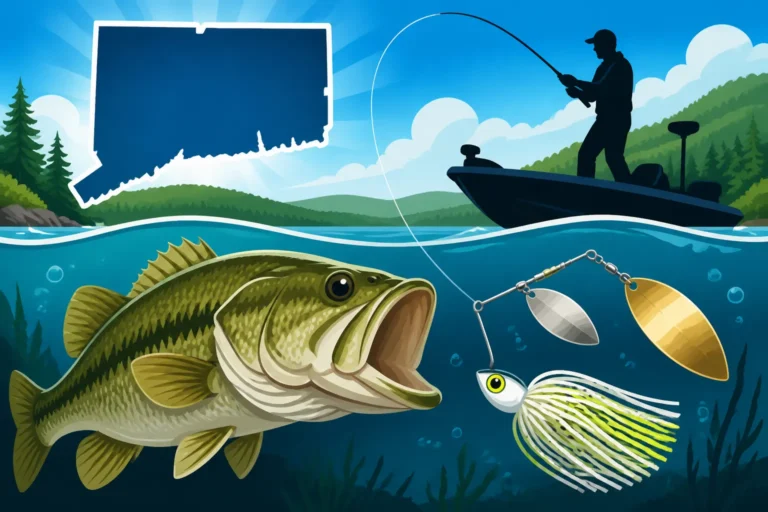
Best Bass Fishing Techniques for Candlewood Lake
Candlewood Lake, with its sprawling 5,420 acres, presents an incredible yet often intimidating challenge for bass anglers. Many seasoned fishermen find themselves scratching their heads when the bite turns tough, struggling to pinpoint where these elusive largemouth and smallmouth bass are hiding among the lake's diverse structure and ever-changing conditions. This comprehensive guide aims to unravel the mysteries of Candlewood Lake, diving deep into the most effective techniques, seasonal strategies, and essential gear you’ll need to consistently land more bass, no matter the time of year.
Understanding Candlewood Lake's Bass Population
Before you even think about tying on a lure, it’s crucial to understand the distinct personalities of the bass species calling Candlewood home. This isn't just a big lake; it's a dynamic ecosystem with unique challenges and opportunities. Knowing what makes these fish tick, what they eat, and where they hang out is the first step to unlocking consistent success.
Largemouth vs. Smallmouth Habits and Preferences
Candlewood Lake is famous for both its largemouth and smallmouth bass, and while they share some similarities, their preferred habitats and behaviors can be remarkably different. Largemouth bass tend to be more associated with cover – think thick weed beds, fallen timber, docks, and rocky shorelines. They are ambush predators, often lurking in shaded areas, waiting for an unsuspecting meal to swim by. You'll typically find them in shallower, warmer water, especially in the numerous coves and bays that dot Candlewood's irregular shoreline. Targeting these fish often involves casting into dense cover and coaxing them out. If you're looking for more specific guidance, our article on Largemouth Bass Fishing in Connecticut offers excellent insights into their general behaviors.
Smallmouth bass, on the other hand, are the open-water cruisers and rock dwellers. They prefer cooler, deeper, and clearer water, often congregating around rocky points, humps, ledges, and offshore structure. These bronze-backed beauties are known for their incredible fighting power and their tendency to school up. When you find one smallmouth, there's a good chance you'll find more. While you might occasionally find them shallow, especially during the spawn or early morning feeds, their bread and butter spots are usually in the deeper sections of the lake. To really dial into their preferences, check out our piece on Smallmouth Bass Fishing in Connecticut. Understanding these fundamental differences is key to choosing the right spots and techniques.
Key Forage and Prime Lake Structure
What bass eat directly influences where they live and how you should fish for them. Candlewood Lake boasts a rich forage base, including alewives (often called river herring in other areas), yellow perch, panfish like bluegill and crappie, and even juvenile trout that are occasionally stocked. The abundance of alewives, in particular, drives much of the bass behavior, especially for smallmouth, which often chase these pelagic baitfish in open water. Largemouth will also key in on larger baitfish, as well as crayfish, frogs, and various insects.
The lake itself is a structural wonderland. Beyond the obvious shorelines, Candlewood is littered with submerged islands, rock piles, humps, ledges, steep drop-offs, and deep points. Many of these features were once part of the natural landscape before the valley was flooded to create the lake, meaning there's some truly wild and varied bottom contour. Furthermore, the numerous docks, boat lifts, and marinas provide ample artificial cover for largemouth. Identifying these prime structural elements – whether natural or man-made – is paramount. Using your boat's sonar to map out contours and locate baitfish schools, especially around those Best deep water structure spots on Candlewood Lake, will significantly increase your odds. Knowing the lay of the land, both above and below the surface, is like having an insider's map to where the bass hold tight.
Essential Gear and Tackle for Candlewood Lake Bass
Having the right tools for the job can make all the difference, especially on a diverse body of water like Candlewood Lake. You don't need to break the bank, but a thoughtful selection of rods, reels, lines, and lures tailored to the specific techniques you'll be employing will put you in a much better position to succeed.
Rods, Reels, and Line for Varying Techniques
When it comes to bass fishing on Candlewood, versatility is a good friend. You'll likely be switching between several techniques throughout the day, so a few different rod and reel setups are ideal.
- Spinning Gear: For finesse techniques like drop-shotting, Ned rigs, or lighter shaky heads, a 6'8" to 7'2" medium-light to medium power spinning rod with a fast action is perfect. Pair it with a 2500 or 3000 series spinning reel spooled with 8-10 lb braided line, topped with an 8 lb fluorocarbon leader. This setup allows for long casts with light baits and provides the sensitivity needed to detect subtle bites.
- Casting Gear (Medium Heavy): A 7' to 7'4" medium-heavy casting rod with a fast action is your workhorse. This is ideal for most jig fishing, Texas rigs, spinnerbaits, chatterbaits, and medium-diving crankbaits. A 7.0:1 or 7.3:1 gear ratio baitcasting reel spooled with 15-17 lb fluorocarbon or 30-40 lb braided line will cover most situations. Fluorocarbon is excellent for its low visibility and sensitivity, while braid excels in heavy cover and for topwater presentations.
- Casting Gear (Heavy): If you're planning to punch mats, flip heavy cover, or throw big swimbaits, a 7'6" to 8' heavy power, fast action casting rod is crucial. Combine it with a high-speed reel (7.5:1 or higher) and 50-65 lb braided line. This setup provides the backbone needed to pull big bass out of dense cover and handle heavier baits.
Don't skimp on quality when it comes to line. Fluorocarbon from brands like Seaguar or Sunline is fantastic for its abrasion resistance and nearly invisible properties underwater, making it a favorite for many bass pros. For braid, PowerPro or Suffix are popular choices. You can find a fantastic selection of all these options readily available on Amazon, ensuring you're geared up for any situation Candlewood throws at you.
Lure Selection for Success in Different Depths
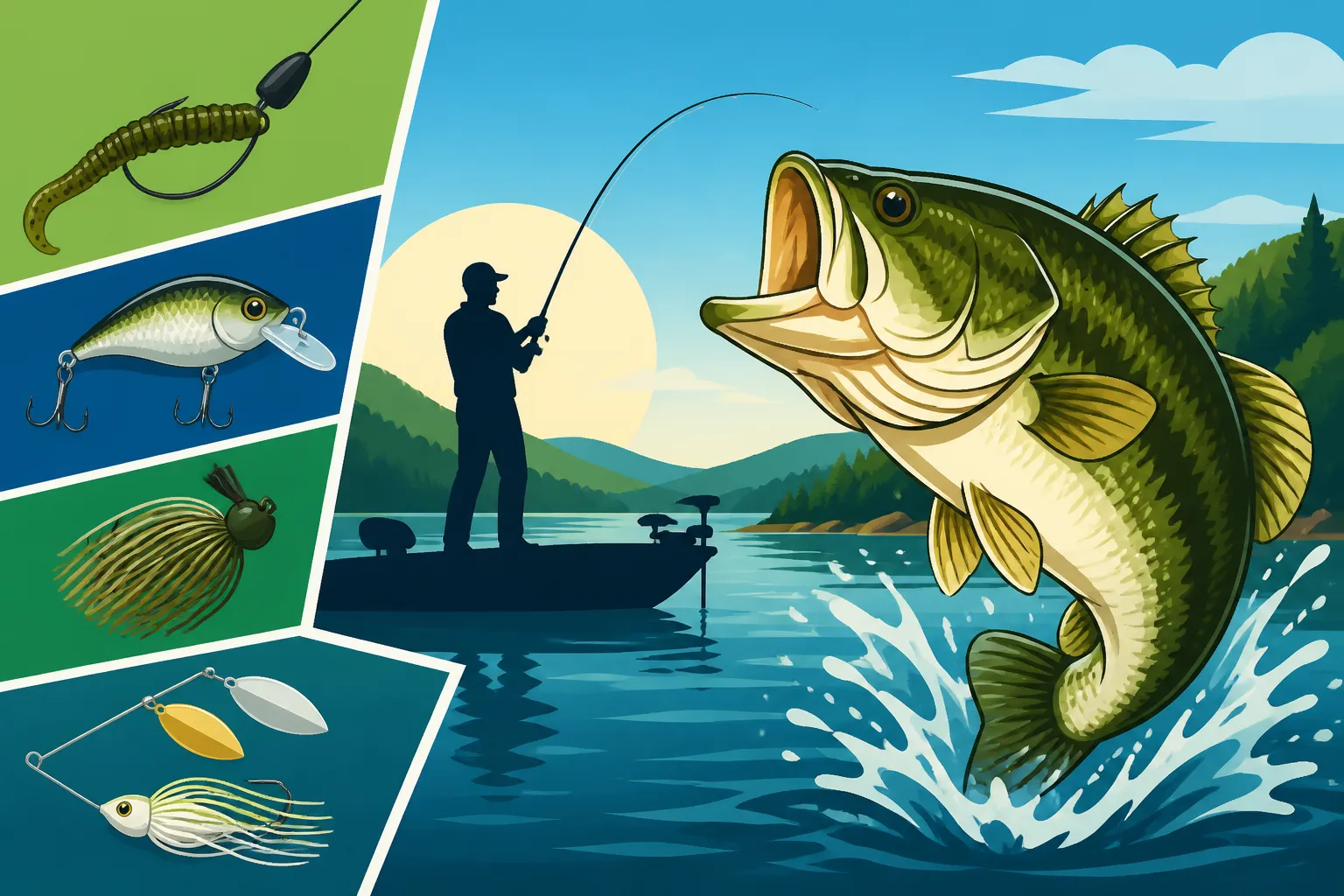
Candlewood Lake's diverse structure and forage mean you'll need a varied tackle box. Here's a breakdown of essential lure categories:
- Soft Plastics: These are arguably the most versatile baits.
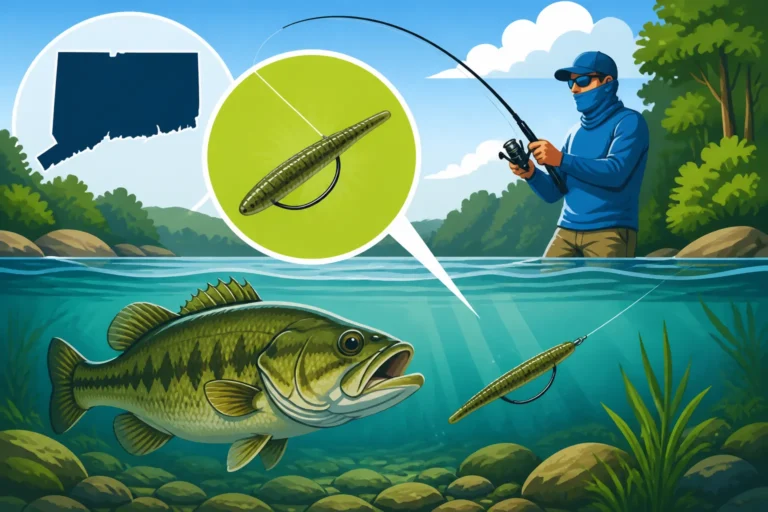
- Worms: Senkos, trick worms, and creature baits (like Yamamoto Senko, Zoom Brush Hog) are deadly on Texas rigs, Carolina rigs, or wacky rigs. They excel in and around cover, working well for both largemouth and smallmouth.
- Finesse Baits: Drop-shot worms (Roboworm, Berkley PowerBait MaxScent Flat Worm), Ned rigs (Z-Man Finesse TRD), and shaky head worms are indispensable for deep water smallmouth or pressured largemouth.
- Jigs:
- Football Jigs: In 3/8 to 3/4 oz sizes, paired with craw trailers, these are killer for smallmouth on rocky humps and ledges.
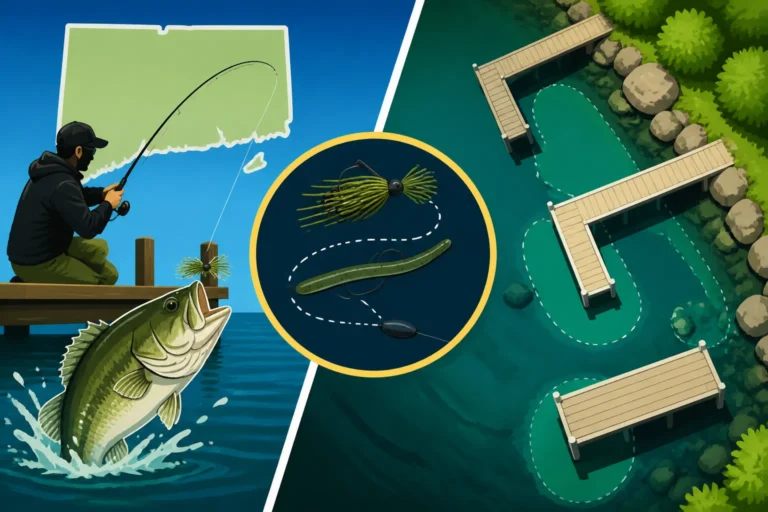
- Flipping/Pitching Jigs: 1/2 to 1 oz jigs are perfect for probing thick cover, docks, and submerged timber for largemouth.
- Swim Jigs: Excellent for fishing around the edges of weed lines or through sparse cover.
- Crankbaits:
- Squarebills: Great for bouncing off shallow cover like rocks and laydowns.
- Medium to Deep Divers: Essential for covering open water, points, and humps where smallmouth chase baitfish. Look for models that mimic alewives. Rapala and Strike King offer excellent choices.
- Topwater Baits:
- Poppers, Walkers, and Frogs: When bass are actively feeding on the surface, especially early mornings or late evenings around weed beds or docks, topwater action can be explosive. Brands like Heddon and Livetarget make excellent topwater frogs and walking baits.
- Spinnerbaits and Chatterbaits: These are excellent search baits for covering water quickly, especially around submerged grass or transition areas. The vibration and flash can draw aggressive strikes.
Remember to vary your colors based on water clarity and light conditions. Natural baitfish patterns (silver, white, clear/blue) work well in clear water, while darker colors (black/blue, green pumpkin) are effective in stained water or heavy cover. Keep a selection of these ready, and you'll be prepared for anything, whether you're following our guide on How to Catch Largemouth Bass in Connecticut or targeting those open-water smallies.
Spring Bass Fishing Strategies on Candlewood Lake
Spring is a season of transition on Candlewood Lake, offering some of the most exciting, and at times, most frustrating bass fishing opportunities. The fish are moving from their deep winter haunts into shallower waters, driven by warming temperatures and the urge to spawn. Understanding these movements is critical for success.
Pre-Spawn and Spawning Bed Tactics
As water temperatures climb into the 40s and 50s Fahrenheit, bass begin their pre-spawn migration. Largemouth and smallmouth will stage in deeper areas adjacent to spawning flats, points, and protected coves. This is a time of aggressive feeding as they pack on calories for the upcoming spawn.
- Pre-Spawn Largemouth: Focus on rocky points, channel swings, and the mouths of larger coves that offer a quick retreat to deeper water. Medium-diving crankbaits in crawfish or baitfish patterns, lipless crankbaits, and spinnerbaits are fantastic for covering water and triggering reaction strikes. Jigs, especially football jigs or skirted jigs hopped along the bottom, can also be deadly. As the water approaches the mid-50s, look for largemouth moving into shallower, warmer flats with emergent vegetation or wood cover. Texas-rigged soft plastics (worms, creature baits) pitched into this cover become highly effective.
- Pre-Spawn Smallmouth: These fish will often stage on deeper rocky humps, offshore ledges, and prominent points. Drop-shot rigs with small worms or minnow imitations, Ned rigs, and suspending jerkbaits can be incredibly productive. Smallmouth will also readily chase blade baits or jigging spoons ripped off the bottom. Focus on areas with good baitfish presence, often indicated by bird activity or marks on your sonar.
When water temperatures hit the high 50s to mid-60s, bass move onto their spawning beds. Largemouth will typically build nests in protected, shallower coves, often near docks, submerged brush, or lily pad stems. Smallmouth prefer rockier, harder bottoms, often on flats, shelves, or points in slightly deeper water (5-15 feet). Sight fishing for bedding bass can be effective, but remember to treat these fish with care to ensure a healthy population. Flipping or pitching tubes, jigs, or soft plastic creature baits onto or near the bed can provoke a strike. Make multiple casts from different angles, and be patient.
Post-Spawn Recovery and Transition Zones
After the rigors of spawning, bass enter a post-spawn recovery phase, which can be notoriously tough. They're often lethargic and dispersed. However, as they regain their energy, they'll move to nearby transition zones where they can feed and recover.
- Post-Spawn Largemouth: Look for largemouth to retreat from the very shallow beds to the first available cover in slightly deeper water, typically 5-15 feet. This could be submerged timber, deeper weed lines, or the shady sides of docks. Topwater baits like poppers or walk-the-dog lures can be excellent during low-light conditions, as bass will often ambush baitfish around these areas. Senkos, Texas rigs, and light jigs also remain effective as you slowly work these recovery zones.
- Post-Spawn Smallmouth: Smallmouth often move to deeper points, humps, and isolated rock piles as they recover. They'll start to regroup and chase schools of alewives. Vertical presentations like drop-shot rigs, hair jigs, and small swimbaits fished on a jig head become very productive. Trolling small crankbaits or soft plastics can also be an effective way to locate scattered post-spawn smallmouth in open water. Pay close attention to your electronics to find baitfish and fish arches, as these smallmouth can be anywhere along the structure. The challenge of post-spawn can be eased by understanding these patterns, much like mastering How to Catch Smallmouth Bass in Connecticut Rivers requires adapting to current flows and rocky bottom.
Mastering Summer Bass Fishing on Candlewood Lake
Connecticut summers on Candlewood Lake can be absolutely brutal for bass fishing if you don't adjust your strategy. The heat drives fish deep or into the thickest cover available, making them less willing to chase. This is when patience, precision, and understanding seasonal patterns truly pay off.
Targeting Deep Water and Thermoclines
When the summer sun beats down, surface water temperatures soar, and bass, especially smallmouth, seek refuge in the cooler, more stable environment of deeper water. This is where the thermocline becomes your best friend. The thermocline is a layer in the lake where the water temperature rapidly changes with depth, often holding the highest concentration of oxygen and baitfish. On Candlewood, this can be anywhere from 15 to 30 feet deep, depending on the year and specific area.
- Smallmouth in the Depths: Focus your efforts on offshore humps, deep points, rock piles, and channel drop-offs. These are the classic haunts for summer smallmouth. Drop-shot rigs are paramount here. Use 1/4 to 1/2 oz weights to maintain bottom contact in varying depths, paired with small worms (4-inch) or minnow imitations. Vertically jigging spoons or blade baits (like a Silver Buddy) can also be incredibly effective, especially when you mark schools of alewives or bass on your sonar. Look for bait balls near the thermocline, and fish just above or directly within them. Sometimes, a Carolina rig with a lizard or craw imitation dragged slowly across these deep contours will entice reluctant bites.
- Largemouth on Deep Structure: While largemouth often prefer shallower cover, many will also retreat to deeper main lake points, submerged brush piles, or the shady sides of deep docks during the day. Big worms (10-12 inches) on Texas rigs, football jigs, or deep-diving crankbaits that can reach depths of 15-25 feet are your best bet. Remember, patience is key. These fish might not be actively chasing, so a slow, deliberate presentation is often required. Keep an eye on your fishfinder; understanding the contours and finding those elusive deep water schools, particularly around Best deep water structure spots on Candlewood Lake, is absolutely crucial for success.
Exploiting Surface Action and Weedline Cover
Despite the heat, there are still prime opportunities for explosive shallow water action, especially for largemouth, during low-light periods or when specific conditions allow.
- Morning and Evening Topwater: The first hour after sunrise and the last hour before sunset are prime times for topwater. Largemouth will move out of their deep daytime haunts or thick cover to feed aggressively in shallower weed beds, along docks, and around fallen trees. Buzzbaits, walking baits (like a Zara Spook), and poppers can elicit incredible blow-ups. Focus on the edges of cover, shady spots, and areas where baitfish are schooling near the surface. This is a classic example of when to be out there for Best time to fish Candlewood Lake in summer.
- Frogging and Punching in Weeds: Candlewood Lake can develop extensive weed mats and lily pad fields in its shallower coves and bays during summer. These dense mats provide vital shade and ambush points for largemouth. This is the perfect scenario for fishing hollow-bodied frogs. Cast them onto the mats and walk them slowly over the top, pausing in open pockets or at the edge of thick cover. When a bass blows up, resist the urge to set the hook immediately; wait until you feel the fish's weight. For even thicker, impenetrable mats, punching rigs with heavy tungsten weights (1 oz+) and compact creature baits or beaver-style baits are effective. This requires heavy gear, as you're literally punching through the vegetation to get to the fish hiding below. Always be ready for a powerful strike when fishing this way. Many anglers find great success targeting these weedy areas within the Best bass coves on Candlewood Lake.
Fall Bass Fishing: The Pre-Winter Feast
As the crisp air of autumn descends upon Connecticut, Candlewood Lake transforms into a bass fishing paradise. Water temperatures begin to cool, and both largemouth and smallmouth enter an aggressive feeding period, gorging themselves in preparation for the leaner winter months. This is often the most productive time of year for catching quality bass.
Aggressive Feeding in Cooling Waters
The dropping water temperatures signal to bass that it's time to put on weight. Their metabolism picks up, and they become highly active, chasing down baitfish with renewed vigor. This translates to excellent opportunities for a variety of power fishing techniques.
- Smallmouth on the Chase: As fall progresses, smallmouth will often follow schools of alewives and yellow perch into shallower main lake points, humps, and rocky banks. They can be incredibly aggressive during this time. Crankbaits, both shallow and medium-diving, become extremely effective for covering water and mimicking fleeing baitfish. Jerkbaits are also deadly, especially those with an erratic, suspending action that imitates a wounded baitfish. Spinnerbaits and chatterbaits can draw strong reaction strikes around rocky structure and the edges of deeper weed lines. When the wind picks up, don't shy away from these exposed areas; the chop can concentrate baitfish and activate the bass.
- Largemouth in Transition: Largemouth will also move shallower from their summer deep-water haunts, congregating in coves, along channel edges, and around docks that still hold some residual vegetation or structure. They'll actively feed on anything from baitfish to crawfish. Squarebill crankbaits, jigs with craw trailers, and Texas-rigged creature baits can be extremely productive when pitched into wood cover or weed pockets. Don't overlook topwater baits during early mornings or overcast days, especially large walking baits or poppers that mimic bigger baitfish. The key is to cover water and locate those active feeding schools.
Locating Baitfish Schools and Bass Pockets
Fall bass fishing is often about finding the bait. Where the baitfish are, the bass won't be far behind. This requires a combination of observation and good electronics.
- Visual Cues: Keep an eye out for surface activity. Diving birds, ripples, or actual baitfish jumping out of the water are dead giveaways that predators are nearby. These areas are prime targets for casting reaction baits like lipless crankbaits or even large swimbaits that can mimic the larger baitfish. Early morning fog lifting off the water can also sometimes reveal subtle disturbances from feeding bass.
- Sonar and Mapping: Your fishfinder becomes an invaluable tool in the fall. Use it to scan for baitfish schools in open water, especially around main lake points, humps, and channel bends. Once you locate bait, look for larger arches (bass) nearby. Mark these spots on your GPS. Don't be afraid to experiment with different depths; bass might be holding suspended just below the bait, or hugging the bottom. Mapping software on your unit can help identify subtle changes in contour or structure that might concentrate baitfish. Fishing around these schools with spoons, blade baits, or vertical jigs can lead to multiple hook-ups. This focused approach is key, similar to how anglers adapt their Cold Front Fishing Tactics for Connecticut Bass to specific conditions.
Winter Bass Fishing and Safe Ice Techniques
When Candlewood Lake freezes over, it offers a unique, albeit challenging, opportunity for bass anglers willing to brave the cold. While not as popular for bass as for panfish or pike, both largemouth and smallmouth can be caught through the ice, and the open-water season for bass slows dramatically.
Slow Presentations and Subtlety Under the Ice
Ice fishing for bass requires a complete shift in mindset compared to open-water tactics. Bass metabolism slows dramatically in cold water, making them less inclined to chase fast-moving baits. Subtle, slow presentations are key.
- Jigging Spoons and Blade Baits: These are workhorse lures for ice fishing bass. Sizes from 1/4 to 3/8 oz in silver, gold, or glow colors can be effective. Drop them to the bottom, give a short, sharp rip (6-12 inches), and let it fall back on a semi-slack line. Most bites occur on the fall, so pay close attention to your line. Smallmouth often respond well to these lures over rocky humps and deep points.
- Deadsticking and Live Bait: Sometimes, the most subtle presentation is no presentation at all. "Deadsticking" involves suspending a live minnow (like shiners or suckers, if legal and available) or a soft plastic minnow imitation just off the bottom on a plain hook or a small jig head. Many ice anglers will set up multiple tip-ups with live bait, especially for largemouth. Smallmouth, however, can often be enticed by a deadsticked soft plastic like a small tube or grub. The key is minimal movement; let the bait do the work. Remember to check local regulations for baitfish use.
- Finding Winter Bass: Use your portable fishfinder (flasher or LCD unit) to locate fish and structure. Bass will often congregate in deeper basins, around steep drop-offs, or near isolated submerged structure. They might not be actively chasing bait, but they will often hold in areas where food occasionally drifts by. Drill multiple holes to cover different depths and structural elements. Your success here mirrors the precise bait selection required for fishing during a How to catch bass during a cold front in Connecticut on open water.
Ice Safety and Equipment Considerations
Safety is paramount when ice fishing. Candlewood Lake is a large body of water, and ice conditions can vary significantly across its expanse, even on the same day. Never assume the ice is safe.
- Check Ice Thickness: A minimum of 4 inches of clear, solid ice is generally considered safe for individual foot travel. Always check ice thickness regularly with an ice auger or spud bar as you venture out. Avoid areas with current, pressure ridges, or thin patches, which can be common in larger lakes.
- Essential Safety Gear: Always carry safety picks around your neck, a spud bar for checking ice, and wear a life jacket or flotation suit. Fish with a buddy and inform someone on shore of your plans and expected return time. A GPS unit or a fully charged phone with mapping capabilities is also wise to prevent getting disoriented on a large, featureless expanse of ice.
- Proper Attire and Shelter: Dress in layers with waterproof outer shells to stay warm and dry. Insulated boots, gloves, and a warm hat are non-negotiable. A portable ice shanty provides excellent shelter from wind and cold, making your time on the ice much more enjoyable. Bringing a thermos of hot coffee or soup can be a real lifesaver on a frigid day. For a complete overview of the lake, our Candlewood Lake Fishing Guide provides additional context that might be useful even for ice fishing conditions.
Candlewood Lake Bass Fishing Seasonal Techniques
Here's a quick reference guide to help you choose the right approach throughout the year.
| Season | Target Species | Key Locations | Primary Techniques | Recommended Lures/Baits | Notes |
|---|---|---|---|---|---|
| Spring | Largemouth, Smallmouth | Rocky points, spawning flats, channel swings, shallow coves | Crankbaits, jigs, Texas rigs, drop-shot, jerkbaits | Medium-diving crankbaits, football jigs, Senkos, creature baits, suspending jerkbaits | Pre-spawn bite is aggressive; sight fish bedding bass carefully. |
| Summer | Largemouth, Smallmouth | Deep humps, ledges, offshore points, thick weed mats, deep docks | Drop-shot, jigging spoons, frogs, punching, deep crankbaits | Drop-shot worms, blade baits, hollow-body frogs, heavy jigs/creature baits, deep divers | Focus on thermocline for smallmouth; low-light topwater for largemouth. |
| Fall | Largemouth, Smallmouth | Main lake points, rocky banks, channel edges, baitfish schools | Crankbaits, jerkbaits, spinnerbaits, jigs, swimbaits | Lipless crankbaits, medium/deep crankbaits, jigging spoons, swimbaits, football jigs | Aggressive feeding frenzy; follow the baitfish. Cover water quickly. |
| Winter | Largemouth, Smallmouth | Deep basins, steep drop-offs, submerged structure | Jigging spoons, deadsticking, live bait (if legal) | Ice jigs, small blade baits, live minnows, soft plastic tubes | Very slow metabolism, subtle presentations. Prioritize ice safety. |
Final Thoughts on Conquering Candlewood's Bass
Candlewood Lake is undeniably one of Connecticut's premier bass fisheries, capable of producing true giants, even challenging some of the Connecticut State Fish Records by Species. However, its size and complexity demand a thoughtful, adaptable approach from anglers. From the explosive topwater bites over summer weed beds to the subtle finesse required for deep-water smallmouth, every season brings new opportunities and challenges. By understanding the distinct habits of largemouth and smallmouth, equipping yourself with the right gear, and adjusting your techniques to the seasonal patterns, you'll dramatically improve your chances of success. Don't be afraid to experiment, explore new areas, and always pay attention to what the fish are telling you. Whether you're a seasoned pro or just starting your journey into Best Bass Fishing Lakes in Connecticut, Candlewood Lake promises unforgettable moments on the water.
Disclaimer
Fishing conditions and regulations can change rapidly. Always check the latest Connecticut Department of Energy and Environmental Protection (DEEP) fishing regulations before heading out on Candlewood Lake. This guide is for informational purposes only and does not constitute an endorsement of specific products or guarantee fishing success. Practice safe boating and ethical angling practices.