Best technique for surf fishing at dawn
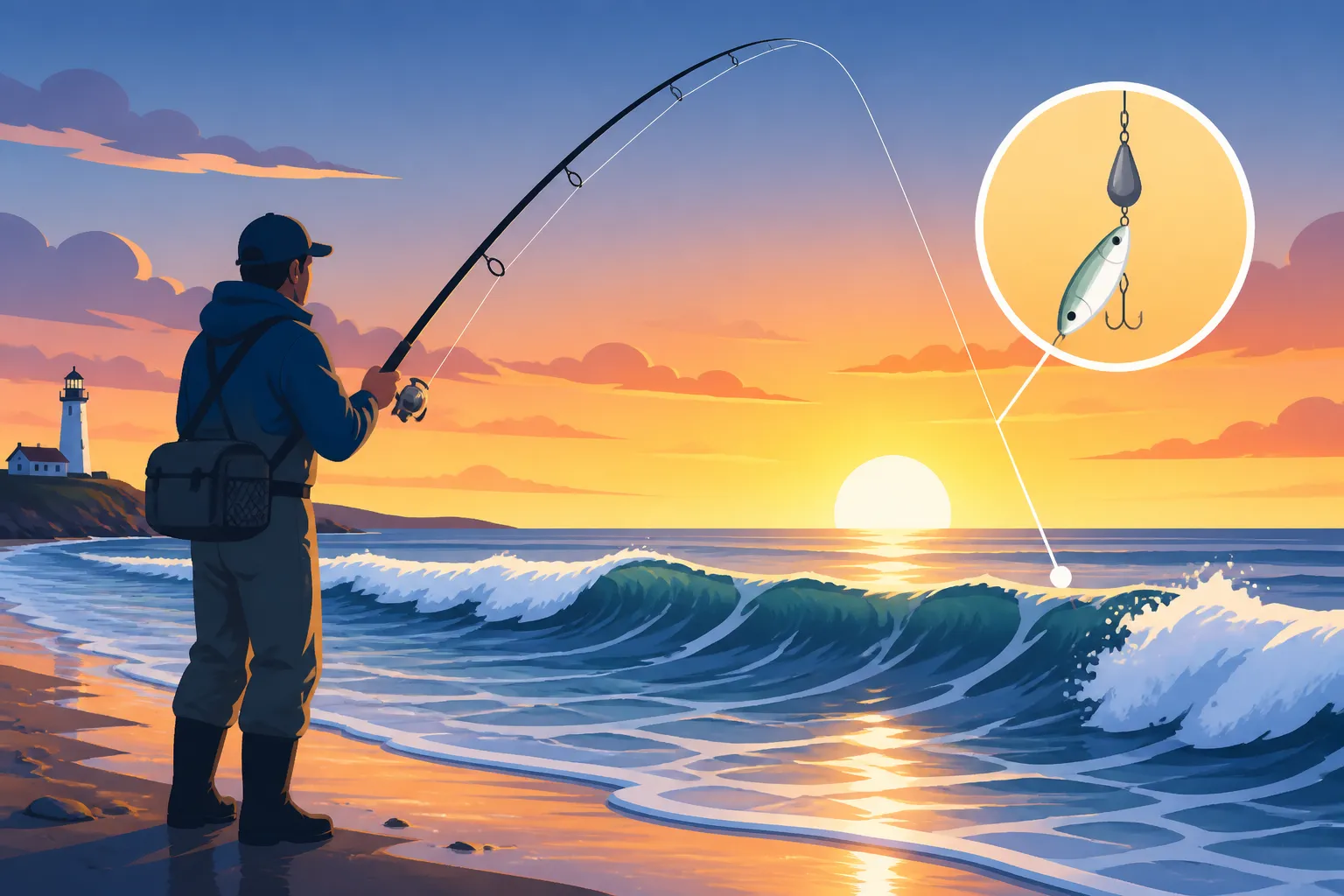
There's nothing quite like the anticipation of a new day breaking over the Long Island Sound, especially when you're standing on a Connecticut beach, rod in hand, ready to cast into the pre-dawn darkness. Many anglers struggle to know when to hit the beach, what to bring, and how to fish effectively when the light is barely creeping over the horizon. This guide is all about demystifying the magic of dawn surf fishing in Connecticut, giving you the practical techniques and insights to make those early mornings truly count.
Why Dawn is Prime Time for Surf Fishing in Connecticut
Let's be real, dragging yourself out of a warm bed before the birds are even thinking about chirping isn't always easy. But for surf anglers in Connecticut, the rewards of fishing at dawn are often too good to pass up. It's a special window of opportunity when predatory fish like striped bass are often at their most active, and the beach is still quiet, offering you a serene, productive experience.
The Nocturnal Hunters' Last Hurrah
Think about it: many of the most sought-after surf species, especially striped bass, are primarily nocturnal feeders. They use the cover of darkness to hunt baitfish that venture close to shore, or to ambush crabs and other crustaceans rooting around in the shallows. As dawn approaches, this feeding frenzy doesn't just abruptly stop. Instead, it's often a continuation, a last energetic push before the full sun rises and sends them retreating to deeper, cooler, or more structured waters. They've been hunting all night, they're still in that predatory mindset, and often, they're hungry. This means they might be less wary and more aggressive towards your offerings as they look for one last meal.
You'll notice this behavior particularly with striped bass, which are renowned for their low-light feeding. They'll cruise the shallow bars, rip currents, and troughs that run parallel to the beach, looking for an easy meal. The baitfish, too, are often more active and exposed during these twilight hours, moving from deeper water into the shallows to feed on microscopic organisms, which in turn draws the larger predators. It's a chain reaction, and you want to be there when it's all happening. Being on the sand when the sky starts to lighten gives you a front-row seat to this natural feeding cycle.
Low Light, Less Pressure
Another huge advantage of fishing at dawn in Connecticut is the sheer lack of human activity. During the day, our beautiful shoreline beaches can get pretty crowded, especially in the warmer months. Swimmers, sunbathers, dog walkers, and casual strollers all converge, making it tricky to find a quiet stretch of beach to cast without interruption. More importantly, all that activity can spook fish. Noise, shadows, and vibrations from people wading or walking along the water's edge can send wary stripers or bluefish heading for open water.
At dawn, however, the beach is yours. Or at least, mostly yours. The tranquil solitude is not just good for your soul; it's fantastic for your fishing success. With fewer distractions and less pressure, fish are more likely to hold in prime feeding areas closer to shore. You can cast freely, move along the beach to cover more ground, and focus entirely on the rhythm of the waves and your retrieve. This reduced pressure often translates directly into more bites and a more relaxed, enjoyable fishing experience. Plus, there's something truly special about watching the sunrise paint the sky with vibrant colors while you're battling a fish – it’s an experience that’s hard to beat.
Essential Gear for Dawn Surf Fishing
Stepping onto a dark beach requires a bit more preparation than a midday stroll. You need the right tools to navigate safely, stay comfortable, and, most importantly, entice those early morning feeders. Don't skimp on the essentials; they can make or break your trip. You want to make sure you have everything ready the night before, because fumbling around in the dark is never fun, and you want to maximize your time actually fishing.
Rod, Reel, and Line Choices
For most surf fishing scenarios in Connecticut, especially when targeting striped bass, a medium-heavy to heavy action surf rod between 9 and 11 feet is a solid choice. This length provides the casting distance you'll need to reach beyond the immediate surf zone, where many of the fish will be holding. Look for a rod that can handle lure weights from 1 to 4 ounces, giving you versatility for various presentations. A quality graphite composite rod will offer a good balance of strength, sensitivity, and castability. For beginners, a 9-foot rod is often a bit more manageable for casting repeatedly.
Pair your rod with a durable, corrosion-resistant spinning reel in the 5000 to 8000 size range. This size reel will hold enough line, have the necessary drag power to fight strong fish, and withstand the harsh saltwater environment. Spool your reel with braided line, typically 30 to 50 pound test. Braid offers superior casting distance, incredible sensitivity to detect subtle bites, and minimal stretch for solid hooksets. Always add a monofilament or fluorocarbon leader of about 3 to 5 feet, connecting it to your braid with an FG knot or a double uni-knot. A 30 to 50 pound leader will give you abrasion resistance against rocks and oyster beds, and it's less visible to wary fish. You can find excellent options for all these components on online retailers like Amazon, often with reviews from other surf anglers.
| Gear Item | Recommended Specifications | Why It's Important |
|---|---|---|
| Surf Rod | 9-11 feet, Medium-Heavy to Heavy action, 1-4 oz lure weight | Provides casting distance, power for larger fish, versatility for various lures. |
| Spinning Reel | 5000-8000 size, corrosion-resistant | Ample line capacity, strong drag, withstands saltwater. |
| Braided Line | 30-50 lb test | Excellent casting distance, high sensitivity, low stretch for solid hooksets. |
| Leader Material | 30-50 lb fluorocarbon or monofilament, 3-5 feet length | Abrasion resistance, less visible to fish, acts as a shock absorber. |
| Headlamp | Red light option preferred | Hands-free illumination for knot tying, baiting, and navigation without spooking fish or ruining night vision. |
| Waders/Boots | Breathable chest waders or sturdy waterproof wading boots | Keeps you dry and warm in chilly dawn conditions, allows wading into the surf. |
| Pliers/Scissors | Corrosion-resistant | Essential for cutting line, removing hooks safely, and crimping. |
| Buckets/Bags | For bait, trash, and keeping your catch (if keeping) | Organizes your gear, keeps bait fresh, maintains a clean fishing environment. |
Baits and Lures for Predawn Action
When the sun is just a whisper on the horizon, fish are often keying in on smell and vibration as much as sight. This makes certain baits and lures particularly effective. For natural bait, fresh clam is always a winner for striped bass and can be devastating at dawn. Sandworms and bloodworms are also excellent choices, often enticing a wider variety of species including scup and even small bluefish. Present these on a fish-finder rig with a pyramid sinker that holds bottom in the current. Bunker (menhaden) chunks are another stellar option, especially if you know there's a strong population in the area. Remember to check local regulations for any bait restrictions or Connecticut Striped Bass Circle Hook Requirement if using natural bait.
For artificials, jigs with soft plastic paddle tails (like those from Z-Man or Berkley Gulp!) are incredibly versatile and effective. White, chartreuse, and pearl are fantastic colors in low light. Bucktail jigs dressed with a soft plastic trailer also work wonders, mimicking various baitfish. Topwater plugs can be absolutely explosive at dawn, as the fish are often looking up. Poppers and walking baits create significant surface disturbance, drawing strikes from aggressive stripers. Don't forget metal lip swimmers or lipped darters – these shallow-running plugs excel at imitating wounded baitfish in the dim light. Always have a variety of options. A quick search on Amazon will show you the immense selection of effective surf fishing lures.
Waders, Lights, and Other Essentials
Being comfortable and safe is paramount when fishing in the dark before dawn. A good pair of breathable chest waders is a must, especially in cooler spring or fall mornings, or if you plan to wade out past the immediate wash. They'll keep you dry from spray and keep you warm. If you're not planning on deep wading, sturdy, waterproof wading boots are still highly recommended to protect your feet from sharp shells and rocks.
A reliable headlamp with a red light setting is non-negotiable. The red light preserves your night vision and is much less likely to spook fish than a bright white beam. Use it minimally, just for tying knots, baiting hooks, or navigating uneven terrain. You'll also want a sharp pair of pliers or braid scissors, dedicated for saltwater use, to cut line and remove hooks safely. A small cooler or bucket for your bait, and another for your catch (if legal and you plan to keep fish), are essential. Don't forget a small bag for trash – leave no trace on our beautiful beaches! Finally, dress in layers. Connecticut mornings can start chilly and warm up quickly, so being able to adjust your clothing is key. A good waterproof outer layer is always a wise choice, even if rain isn't in the forecast, as spray from waves can quickly soak you.
Mastering Dawn Surf Casting Techniques
Casting in the pre-dawn darkness presents a unique challenge, but with a bit of practice and the right approach, you can be just as accurate and effective as you are in broad daylight. The key is to refine your technique and rely on feel and sound rather than sight.
Casting in the Dark (or Near Dark)
First things first, practice your casting during the day at your chosen spot, or at least a similar open area. Get a feel for your rod and reel, and how far different lure weights travel. This muscle memory will be invaluable when you can't see your target clearly. When you're on the beach at dawn, orient yourself. Pick a landmark – a distant light, a unique rock formation, or even just the sound of a certain wave break – and use it as a reference point for your cast. Keep your casting motion smooth and deliberate, avoiding jerky movements that can cause tangles or lost lures. Overhand casts are usually sufficient, but if you need extra distance, a proper surf casting technique like a pendulum cast or a Hatteras cast can be employed if you've practiced it extensively.
It's tempting to try and bomb your lure out as far as possible every time, but often, the fish are closer than you think. Many striped bass will cruise in the first trough, sometimes just 20-30 feet from shore, especially if there's bait congregating there. Focus on accuracy and a smooth entry of your lure into the water to avoid spooking fish. After your cast, immediately engage your reel and get ready for the retrieve. Remember, if you’re fishing with bait, you might be looking for a cast that lands in a specific channel or behind a particular sandbar. Precision matters, even in the dim light.
Retrieving and Presenting Baits/Lures
This is where the magic happens at dawn. Fish are actively hunting, but they might still be somewhat cautious. Varying your retrieve is crucial. For soft plastics and bucktails, a slow, steady retrieve with occasional subtle twitches of the rod tip can imitate a struggling baitfish. Let the current do some of the work, allowing your jig to tumble naturally along the bottom or through the water column. If you feel a "thump" or unnatural weight, set the hook!
When using topwater plugs, cast out and let it sit for a moment. Then, retrieve with a "walk-the-dog" action for walking baits or a series of pops and pauses for poppers. The key is to create commotion on the surface that mimics a disoriented baitfish. The visual of a striper blowing up on a topwater plug as the sky brightens is one of the most exciting experiences in surf fishing. For metal lip swimmers or darters, a steady retrieve is often all you need; let the plug's natural action do the work. Pay close attention to how the current affects your lure. Sometimes, letting it swing through a rip or eddy on a slow retrieve can be incredibly effective. Consider practicing different retrieve speeds and actions in clearer water first so you know what your lure is doing.
Strikes and Hooksets
The strikes at dawn can range from a subtle tap to a rod-wrenching blow. When using bait, you often need to be patient. Allow the fish to take the bait fully before setting the hook. If you feel a gentle tap-tap-tap, wait for the line to load up or for a more aggressive pull before sweeping the rod back to set the hook firmly. With artificials, strikes are usually more immediate and aggressive. If you feel anything out of the ordinary – a sudden stop, a heavy weight, or a sharp tug – assume it's a fish and set the hook with a strong, upward sweep of the rod.
It’s important to stay alert, even if you haven't had a bite in a while. The moment you lose focus is often when a fish decides to hit. Keep a firm grip on your rod, and be ready to react instantly. Fighting a fish in the low light of dawn is an incredible experience. Remember to keep the drag properly set – not too tight that it snaps your line, and not too loose that the fish can run freely into structure. Also, be mindful of the waves when landing a fish; use the incoming surf to help slide the fish onto the sand.
Reading the Beach and Tides at First Light
Understanding the dynamics of the beach itself is just as crucial as having the right gear and techniques. The ocean is constantly changing, and what looks like a featureless stretch of sand at first glance holds subtle clues to where fish might be lurking.
Spotting Structure at First Light
Even with limited visibility, you can begin to decipher the "language" of the beach. Look for changes in wave patterns. Where waves break consistently further out, you likely have a sandbar. Where they don't break, or break much closer to shore, there might be a deeper trough or a channel. These troughs are highways for predatory fish, and the edges of sandbars are prime ambush points. Look for darker patches of water, which can indicate deeper areas or rock formations. Rips and eddies, often visible as disturbed or swirling water, are also magnets for fish as they concentrate bait.
If you arrive while it's still completely dark, listen to the waves. A deeper rumble might indicate a heavier wave breaking over a distant bar, while a softer splash could be waves washing up a gentle slope. As the sky lightens, you'll be able to see these features more clearly. Note any exposed rocks, jetties, or submerged structure, as these provide cover and feeding opportunities. Many of Connecticut's beaches have unique characteristics; for example, the rocky shorelines near the mouth of the Connecticut River are very different from the sandy stretches of Hammonasset. Knowing your chosen spot, and revisiting it at different tides, will give you an invaluable advantage. Having a good understanding of Best Shore Fishing Spots in Connecticut can help you scout these areas.
Understanding Tides and Currents
Tides are the heartbeat of saltwater fishing, and at dawn, they can dictate fish activity. Generally, the incoming or outgoing tide is most productive for surf fishing, as the moving water dislodges bait, creates current seams, and stimulates feeding. The hour before and after high tide, or low tide, often marks peak feeding times for striped bass. These "slack tide" periods, when the water movement is minimal, can sometimes be slower, but not always. Aggressive predators might use the slack water to regroup before the next tidal push.
Strong currents, often found around inlets, jetties, or river mouths, funnel baitfish and create ideal ambush points. Pay attention to the direction of the current; often, fish will face into it, waiting for food to drift by. Adjust your cast to allow your lure or bait to drift naturally with the current, presenting it to fish holding in these prime positions. A quick check of a local tide chart before you head out is non-negotiable. Knowing whether you're fishing a rising or falling tide, and anticipating how the currents will behave, will help you strategize your casts and retrieves. This knowledge, combined with understanding Best Time of Day to Catch Striped Bass, will significantly increase your odds.
Seasonal Considerations for Dawn Surf Fishing in Connecticut
Connecticut's coastline experiences distinct seasons, and each brings its own nuances to dawn surf fishing. Being aware of these seasonal changes can help you target the right species and adjust your techniques accordingly.
Spring Awakens the Stripers
Ah, spring! This is when the surf fishing community in Connecticut really comes alive. As the water temperatures begin to rise, usually starting in April and May, the first migratory striped bass arrive in Long Island Sound. These are often smaller "schoolie" stripers, full of energy after their long journey, and they are incredibly eager to feed. Dawn in the spring is absolutely phenomenal for targeting these fish. They'll be cruising the beaches and estuaries, looking for sandworms, small baitfish, and crabs.
During this time, soft plastics on light jig heads, small metal lip swimmers, and even small poppers can be incredibly effective. The water can still be quite chilly, so you'll want those waders and layers. As spring progresses into early summer, larger stripers will move in, often following schools of bunker or herring. Early morning is still prime, as these bigger fish can be more cautious in brighter conditions. This is also when you might start encountering migrating bluefish, which are aggressive and will hit almost anything. Make sure to check the Connecticut Trout Season and Stocking Rules and Connecticut Fishing Season Dates and Closures if you plan to venture inland later, but for the surf, spring means stripers.
Summer's Early Bite
Summer surf fishing in Connecticut can be a mixed bag during the day, with warmer water pushing some fish to deeper, cooler areas. However, dawn remains a consistently productive time, particularly for striped bass and bluefish. The cool, low-light conditions of pre-dawn offer a brief reprieve from the heat, making the fish more active near the shore. As the sun climbs higher and the water warms, the bite will often taper off quickly. So, making the most of those first few hours is key.
During summer, consider throwing larger plugs if you're targeting bigger stripers, especially if there are menhaden (bunker) schools in the area. Topwater action can be absolutely insane as bluefish and stripers crash bait on the surface. Fluke (summer flounder) also become more active in the summer, and while they're often caught on boat, you can pick them up from the surf with jigs and Gulp! baits fished close to the bottom. Just remember that the beaches get crowded quickly after sunrise, so get your fishing in early. Connecticut Fluke and Summer Flounder Regulations will be important to review for this species.
Fall's Farewell Feast
For many surf anglers, fall is the undisputed champion season in Connecticut. As the water temperatures begin to drop, and baitfish schools migrate out of the estuaries and along the coast, the "fall run" for striped bass and bluefish can be epic. Dawn fishing during the fall is incredibly productive, as predators are aggressively feeding to put on weight for their migration south.
You'll find stripers and bluefish gorging on peanut bunker, mullet, and silversides. Larger soft plastics, bucktail jigs, large poppers, and metal lip swimmers are all deadly. This is often the best time to target trophy-sized fish from the surf. The cooler air and water make for more comfortable fishing, and the fish are often much less wary. Don't be surprised to find big stripers right in the wash, pushing bait up against the beach. This is the time when staying out a little longer after sunrise can still yield great results, as the feeding can continue well into the morning. Just remember to be vigilant about current regulations, as species like tautog also become active, and their seasons are often specific. A great read to get prepared is Connecticut Saltwater Fishing Regulations by Species.
Disclaimer
This article is for general informational purposes only and does not constitute professional advice. Laws, prices and regulations vary by location and change over time. Consult a qualified professional for guidance on your specific situation.