Best Shore Fishing Spots in Connecticut
For many of us, the dream of casting a line into Connecticut's beautiful waters often comes with the unspoken assumption of needing a boat. But let's be real, boat ownership, or even renting a charter, isn't always practical or accessible. The good news is, Connecticut offers an incredible abundance of fantastic shore fishing opportunities, allowing you to experience the thrill of the catch without ever stepping foot on a vessel. This comprehensive guide will navigate you through the best spots, essential gear, and crucial tips for successful shore fishing across our diverse state.
Why Shore Fishing is So Great in Connecticut
Shore fishing in Connecticut isn't just a fallback option; it's a fantastic, often preferred, way to enjoy angling. It strips away some of the complexities of boat ownership and opens up a world of possibilities for anglers of all skill levels and budgets.
Accessibility for All Anglers
One of the most appealing aspects of shore fishing is its sheer accessibility. You don't need a boat launch, a trailer, or even an expensive vessel. All you need are your fishing rod, tackle, and a willingness to explore. This makes it a perfect activity for spontaneous outings, a quick hour or two after work, or a relaxed weekend adventure. Many prime fishing locations, from bustling city parks to serene state forests, have designated shore access points that are well-maintained and easy to reach. This ease of access means more time fishing and less time worrying about logistics. You can often walk or bike right to your favorite spot, making it a great option for those who prefer to keep things simple and focus on the fishing itself.
Moreover, for those who might have mobility challenges or simply prefer solid ground under their feet, shore fishing offers a stable and comfortable platform. Public piers, boardwalks, and designated fishing areas often provide level surfaces and sometimes even benches, making the experience enjoyable for everyone. It truly democratizes fishing, ensuring that anyone with a passion for angling can participate.
Variety of Species and Scenery
Connecticut's diverse landscape means that shore anglers aren't limited to just one type of fishing experience. Whether you're drawn to the tranquil flow of a freshwater river, the expansive beauty of a lake, or the dynamic ebb and flow of Long Island Sound, there's a shore fishing spot for you. And with that variety comes a tremendous range of fish species you can target.
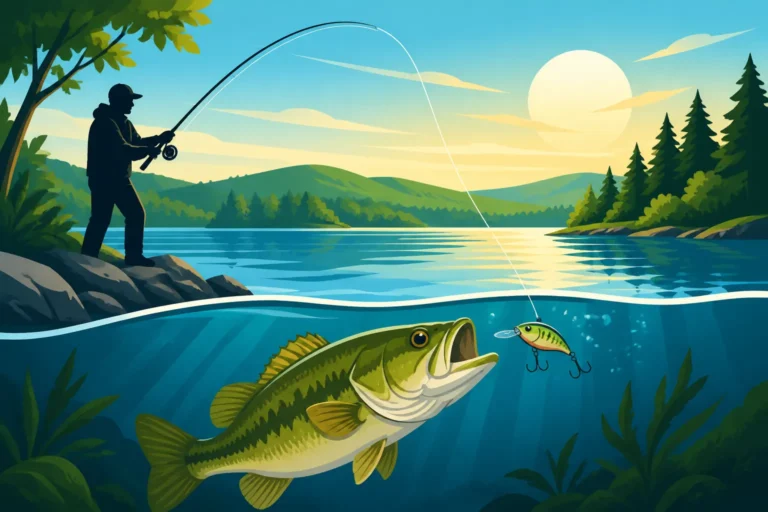
In freshwater, you might find yourself casting for feisty largemouth bass in a calm pond, working smallmouth bass on a rocky river bank, or pursuing beautiful trout in a cold, clear stream. Move to the saltwater, and you'll encounter the challenge of striped bass, the fight of bluefish, or the delicious reward of fluke and blackfish. Each location offers a unique ecosystem and a different set of species to pursue, ensuring that your shore fishing adventures are always fresh and exciting. Plus, let's not forget the scenery! Connecticut boasts stunning natural beauty, from forested river valleys to picturesque coastal vistas. Shore fishing allows you to immerse yourself in these landscapes, enjoying the peace and tranquility of nature while you wait for a bite. It’s an opportunity to connect with the environment in a profound way, far beyond just the act of fishing.
Cost-Effective and Family-Friendly
Let's face it, fishing can become an expensive hobby, especially when boats, fuel, and specialized equipment enter the picture. Shore fishing is inherently more budget-friendly. Your primary investments are a reliable rod and reel, a selection of appropriate tackle, and, of course, a valid fishing license. For more details on what you need, check out our guide on the Connecticut Fishing License Guide for 2026. These initial costs are significantly lower than those associated with boating, making it an excellent entry point for beginners or a sustainable passion for seasoned anglers looking to cut costs.
Beyond the financial savings, shore fishing is incredibly family-friendly. It’s a fantastic way to introduce children to the joys of the outdoors and the patience of angling. Kids can easily cast from a stable shoreline or pier, without the concerns of motion sickness or limited space on a boat. Many public shore fishing spots also offer amenities like restrooms, picnic areas, and playgrounds, making it a full-day outing for the entire family. It creates lasting memories without breaking the bank, fostering a love for fishing and nature in the next generation. It's truly a wholesome activity that brings people together.
Top Freshwater Shore Fishing Locations
Connecticut's inland waters offer some truly fantastic opportunities for shore anglers. From expansive lakes to intimate rivers, you can find a perfect spot to cast a line for various freshwater species.
Lakes and Ponds Offering Abundant Opportunities
Our state is dotted with countless lakes and ponds that provide excellent shore access and diverse fisheries. These bodies of water are often stocked regularly, particularly with trout, making them reliable spots throughout the fishing season. Larger lakes like Candlewood Lake in Western Connecticut and Bantam Lake in the Litchfield Hills, while famous for their boat fishing, also have several public access points and parks where shore anglers can target bass, trout, and various panfish. While you won't be able to reach the deep-water structures favored by boaters, points, coves, and areas near public beaches can be incredibly productive. For instance, state parks like Squantz Pond State Park on Squantz Pond near New Fairfield, and Mansfield Hollow State Park on Mansfield Hollow Lake, provide ample shoreline access and are regularly stocked.
Smaller ponds, particularly those managed by the Connecticut Department of Energy and Environmental Protection (DEEP), are often neglected gems for shore anglers. These ponds are typically easy to navigate and perfect for a casual afternoon. Think of places like Black Pond in Middlefield, which offers great access and holds trout, bass, and panfish. Many of these smaller waters are specifically chosen for their accessibility and consistent stocking, ensuring a high chance of success, especially in spring. Don't forget to consult the Connecticut State Park Fishing Guide for a comprehensive list of opportunities. When fishing these waters, a simple bait and bobber setup or casting small lures can yield excellent results, especially around fallen timber, lily pads, or rocky outcrops visible from shore.
River Banks for Moving Water Species
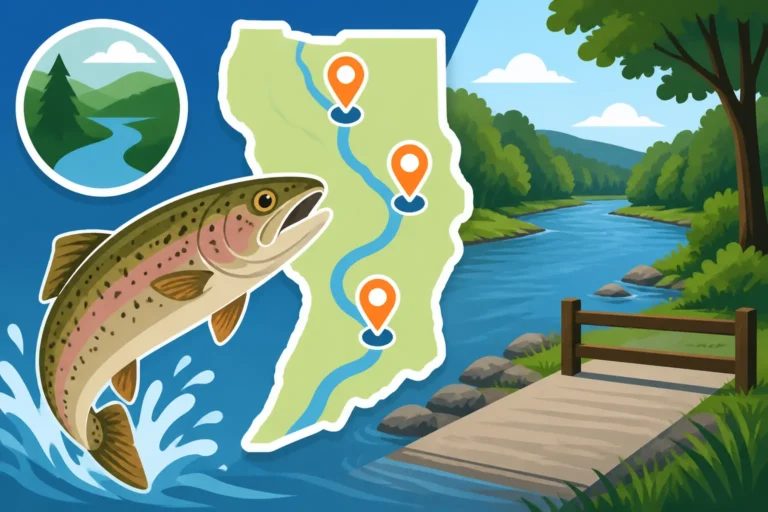
For anglers who prefer the challenge and dynamics of moving water, Connecticut's rivers provide a wealth of shore fishing opportunities, particularly for trout and smallmouth bass. The Farmington River is perhaps the most famous, renowned for its incredible trout fishing. While much of it is popular with fly anglers wading, there are numerous pull-offs and designated public access points along Route 44 and Route 20 in towns like New Hartford and Barkhamsted. These spots allow you to cast from the bank into prime trout habitat, especially in the slower runs and pools. You might find success drifting bait or lures in areas like the West Branch Trout Management Area. Be sure to check Connecticut Farmington River Trophy Trout Stream Rules for specific regulations that apply to different sections.
Another excellent river for shore access is the Housatonic River. While it's famed for its incredible trout fishery, especially the year-round catch-and-release section, it also holds fantastic smallmouth bass, particularly in its wider, warmer sections. Public boat launches like those in Cornwall Bridge or Kent often provide good bank access for shore anglers. The areas around bridges and public parks along the river, like those found near Falls Village, can be very productive for both trout and smallmouth. You'll want to focus on casting into current breaks, eddies, and around submerged rocks. A careful read of the Housatonic River Fishing Guide can help you pinpoint specific access points. Shore fishing on rivers demands a different approach than still water, often requiring more dynamic casting and understanding how current affects your presentation.
Specific Hotspots and What You'll Find
Let's dive into a few specific freshwater shore fishing spots that consistently produce for anglers:
- Pattaconk Reservoir (Deep River): Located in Cockaponset State Forest, this reservoir offers excellent shore access and is stocked with trout. It's a peaceful spot, perfect for a quiet day of fishing. You'll also find bass and panfish here.
- Sleeping Giant State Park (Hamden): The Quinnipiac River runs through the park, offering decent shore fishing for smallmouth bass and panfish. While not a trophy trout spot, it’s a convenient location for central Connecticut residents.
- Chatfield Hollow State Park (Killingworth): This park boasts several ponds, including Schreeder Pond, which is regularly stocked with trout and provides good shore access. It's a beautiful spot, especially in the spring and fall.
- Wharton Brook State Park (Wallingford): Wharton Brook Pond is a popular spot for shore anglers, particularly after trout stockings. Its smaller size and easy access make it ideal for families and beginners.
- Mohegan Park Pond (Norwich): A fantastic urban pond with good shore access, stocked with trout, and also holding bass and panfish. It's a great local spot for Eastern Connecticut residents.
These spots, and many others like them, prove that you don't need a fancy boat to enjoy Connecticut's rich freshwater fisheries. A keen eye for accessible spots and an understanding of the local species will serve you well. For a more comprehensive overview of our state's inland fishing, be sure to check out the Best Fishing Lakes in Connecticut and Best Fishing Rivers in Connecticut guides.
Prime Saltwater Shore Fishing Hotspots
Long Island Sound offers some of the most exciting shore fishing opportunities in New England. With its diverse coastline, from rocky points to sandy beaches and bustling harbors, there's always a place to cast a line for saltwater species.
Jetties, Piers, and Breakwaters
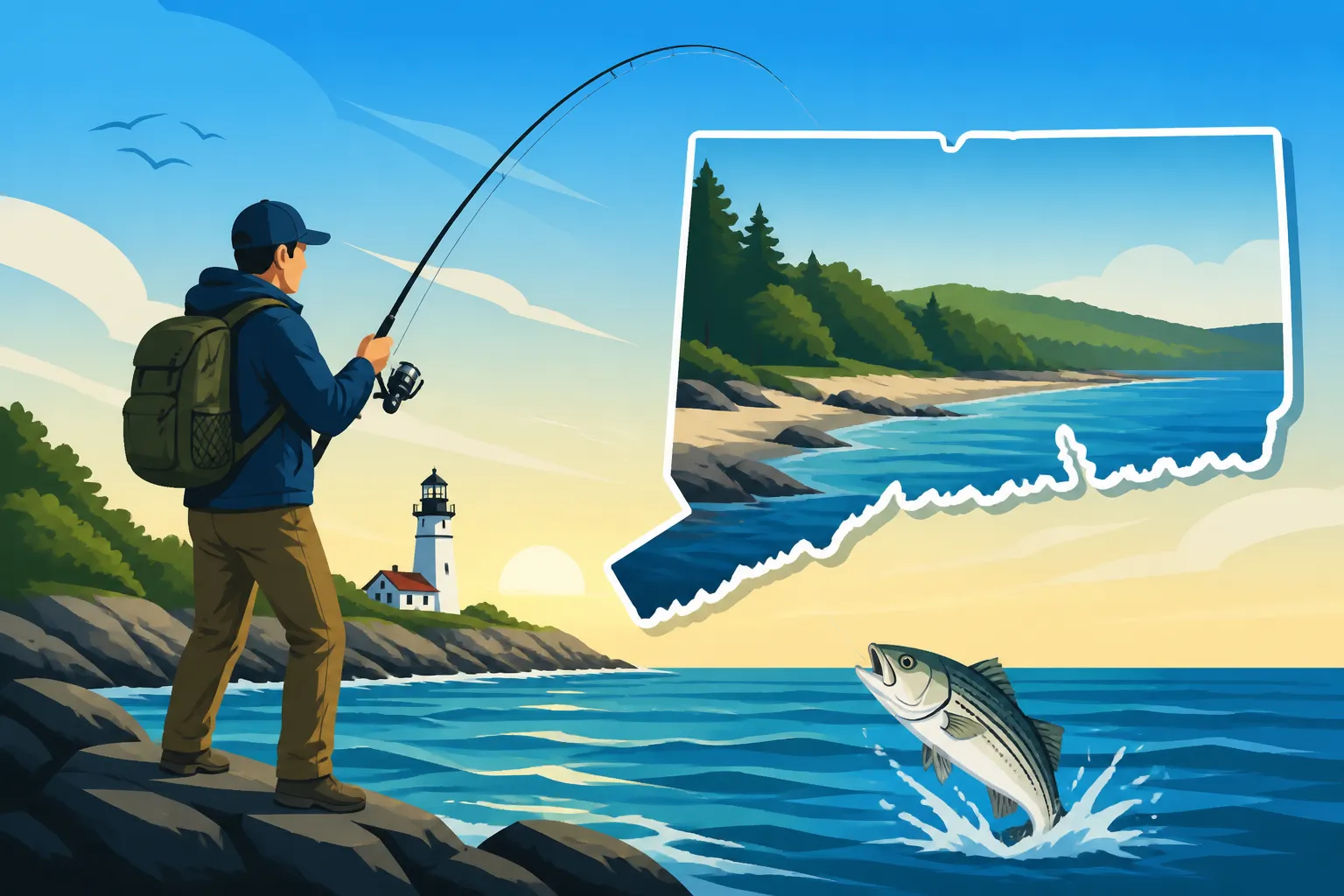
These man-made structures are absolute magnets for saltwater fish. They provide crucial habitat, offering shelter and ambush points for baitfish, which in turn attract larger predatory species. Jetties and breakwaters, like those found at Harkness Memorial State Park in Waterford or Rocky Neck State Park in East Lyme, extend into deeper water, allowing shore anglers to reach areas that would otherwise be inaccessible. You can cast into the open Sound or target fish holding close to the rocks. Striped bass and bluefish are common catches, especially during their migrations, but you might also hook into blackfish (tautog) and sea bass around the structure itself.
Piers, such as the one at Fort Trumbull State Park in New London, or the Stratford Breakwater and Milford Pier, offer a fantastic vantage point over the water. They're often well-lit, making them popular spots for night fishing, particularly for striped bass when they feed under the cover of darkness. Piers are also great for catching baitfish like mackerel or bunker, which can then be used to target larger game fish. When fishing these structures, be mindful of currents, which can be strong, and the potential for snagging your tackle on rocks below. Heavy tackle and durable lines are often a good idea here.
Coastal Beaches and Estuaries
The long stretches of sandy and rocky beaches along Connecticut's coastline are perfect for surfcasting. Beaches like Hammonasset Beach State Park in Madison, West Beach in Westbrook, and Rocky Neck State Park offer expansive areas to cast into the waves. Here, you'll primarily target striped bass and bluefish as they cruise the surf zone, often chasing schools of baitfish. Fluke can also be caught from sandy beaches, especially near inlets or cuts. Early mornings, late evenings, and incoming tides are often the most productive times.
Estuaries, where freshwater rivers meet the saltwater of Long Island Sound, are incredibly rich ecosystems and fantastic shore fishing locations. The mixing of waters creates unique habitats that attract a wide variety of species. The lower reaches of the Connecticut River near Old Saybrook and Old Lyme offer excellent shore access, especially around the ferry landing or public parks. Here, you can target striped bass, bluefish, and even some resident freshwater species that tolerate brackish water. Other notable estuaries include the Niantic River around the bridges and parks in Niantic, and the Mystic River. These areas often have calmer waters than the open beach, making them suitable for lighter tackle. They are prime spots for migratory fish to feed and stage.
River Mouths and Harbors
The mouths of Connecticut's rivers as they empty into Long Island Sound are natural funnels for baitfish and, consequently, for the predatory fish that chase them. Places like the Connecticut River mouth itself, particularly from shore access points near Old Saybrook, can be phenomenal for striped bass, bluefish, and even tautog around the rocky areas. The strong currents at these locations can be challenging but also incredibly productive, bringing food directly to waiting fish.
Harbors, while often busy with boat traffic, also offer valuable shore fishing spots. The protected waters within harbors often hold schools of baitfish, attracting game fish. Public parks and designated fishing areas in larger harbors like New Haven Harbor, Bridgeport Harbor, and Stamford Harbor can yield surprising results. Anglers here might catch schoolie striped bass, bluefish, and various panfish. The docks and bulkheads provide structure for fish to hide around. When fishing in harbors, always be aware of boat traffic and exercise caution. Some harbors also feature robust populations of winter flounder, particularly in the cooler months. For detailed regulations on what you can keep, refer to the Connecticut Saltwater Fishing Regulations by Species guide.
Here's a quick look at some standout saltwater shore fishing spots:
| Location | Primary Target Species | Best Time to Fish | Notes |
|---|---|---|---|
| Hammonasset Beach State Park | Striped Bass, Bluefish, Fluke | Dawn/Dusk, Incoming Tide | Expansive sandy beach, great for surfcasting |
| Rocky Neck State Park | Striped Bass, Bluefish, Blackfish, Fluke | Dawn/Dusk, High Tide, Moving Water | Jetty and beach access, diverse fishing |
| Fort Trumbull State Park (Pier) | Striped Bass, Bluefish, Scup, Fluke | Nighttime for Bass, Moving Tides | Well-lit pier, deep water access |
| Harkness Memorial State Park (Jetties) | Striped Bass, Bluefish, Tautog, Scup | Incoming Tide, Moving Water | Rocky jetties, good for structure fishing |
| Connecticut River Mouth | Striped Bass, Bluefish | Strong Tides, Dawn/Dusk | Productive currents, various access points |
| Niantic River (Bridges/Parks) | Striped Bass, Bluefish, Winter Flounder | Incoming/Outgoing Tide | Good for light tackle, often calmer water |
For a deeper dive into the bounties of our coastal waters, explore the Long Island Sound Fishing Guide. You might even use resources like FishingBooker to research species habits and popular fishing areas, even if you're planning a shore trip. They often have detailed information on local fish and their preferred habitats which can inform your shore fishing strategy.
Gear and Tactics for Successful Shore Angling
Having the right gear and understanding basic techniques can make all the difference in your shore fishing success, whether you're targeting freshwater or saltwater species.
Essential Freshwater Shore Fishing Gear
For freshwater shore fishing, you generally want a versatile setup that can handle a range of species and conditions. A medium-light to medium power spinning rod, anywhere from 6 to 7.5 feet long, paired with a matching spinning reel spooled with 6-10 lb monofilament or braided line is a great all-around choice. This setup is light enough for panfish and trout, yet stout enough to handle a decent bass.
When it comes to tackle, a basic assortment should include:
- Hooks: Small bait holder hooks (size 6-10) for panfish and trout, larger worm hooks (size 1/0-3/0) for bass.
- Sinkers: Split shots, bullet weights, and egg sinkers in various sizes to get your bait down.
- Bobbers/Floats: Essential for suspending bait at a specific depth, especially when fishing for trout or panfish.
- Baits: Live worms, corn, or small PowerBait for trout and panfish. Plastic worms, creature baits, or jigs for bass.
- Lures: Small inline spinners (e.g., Mepps, Rooster Tail), spoons, and crankbaits are effective for a variety of freshwater species. For specific tactics, consider exploring Spring Trout Fishing Techniques for Connecticut Streams.
Always carry a small tackle box or backpack to keep your gear organized, along with a pair of pliers for hook removal and a small measuring tape to ensure your catch meets legal size limits. Don't forget a small cooler or stringer if you plan to keep your catch.
Must-Have Saltwater Shore Fishing Tackle
Saltwater shore fishing generally requires heavier duty gear to contend with stronger currents, larger fish, and tougher conditions. A medium-heavy to heavy power spinning rod, typically 8 to 11 feet long, paired with a robust saltwater-specific spinning reel (sizes 5000-8000) is a good starting point. Spool your reel with 20-50 lb braided line, which offers incredible strength and casting distance, along with a fluorocarbon leader (30-60 lb) for abrasion resistance and invisibility.
Key saltwater tackle items include:
- Heavier Sinkers: Pyramid, Sputnik, or bank sinkers ranging from 2-8 ounces to hold bottom in strong currents or surf.
- Stronger Hooks: Live bait hooks (3/0-7/0) for striped bass, circle hooks (6/0-8/0) for striped bass (often required, see Connecticut Striped Bass Circle Hook Requirement), and Kahle hooks for fluke rigs.
- Rigs: Pre-tied surf fishing rigs, high-low rigs, or fish-finder rigs. For fluke, bucktail jigs and teaser rigs are highly effective.
- Baits: Live eels, bunker (menhaden), sand worms, clam, or squid are all excellent choices. Artificial lures like large swimming plugs, poppers, soft plastic paddletails, and metal jigs are also incredibly effective for striped bass and bluefish. To improve your odds, read up on How to Catch Striped Bass in Long Island Sound.
A sturdy rod holder for surfcasting, a headlamp for night fishing, and a bait bucket for live bait are also invaluable additions to your saltwater shore fishing arsenal. Always rinse your saltwater gear thoroughly with fresh water after each trip to prevent corrosion.
Basic Shore Fishing Techniques
No matter where you're fishing from shore, a few fundamental techniques will increase your chances of success.
- Casting and Retrieving: Practice smooth, efficient casts to reach productive waters. Vary your retrieve speed and action when using lures to mimic injured baitfish. For bait fishing, simply cast out and let your bait sit, paying attention to any subtle taps or pulls.
- Reading the Water: Look for structure like submerged rocks, fallen trees, weed lines, or changes in bottom composition. In rivers, identify current breaks, eddies, and deeper pools. In saltwater, observe wave patterns, rips, and areas where baitfish are congregating. Birds diving or nervous baitfish jumping can indicate predators below.
- Targeting Depths: Use bobbers or adjust your sinker weight to present your bait or lure at the depth where fish are holding. Fish often hug the bottom, but sometimes they feed in the middle or upper water column.
- Stealth and Patience: Shore fishing often means you're visible to fish. Approach your spot quietly and avoid making sudden movements. Patience is paramount; sometimes it takes time for fish to move into your casting range. Don't be afraid to move to different spots if one isn't producing, but give each spot a fair chance.
- Understanding Tides and Time of Day: In saltwater, tides are crucial. The moving water of an incoming or outgoing tide often stimulates feeding activity. Dawn and dusk are universally productive times for most fish species, as lower light conditions make them feel safer to feed. Check local tide charts before you go.
By mastering these basics and tailoring them to your specific location and target species, you'll significantly improve your shore fishing experience in Connecticut.
Navigating Regulations and Etiquette
Fishing in Connecticut, whether from shore or boat, comes with a set of rules and responsibilities designed to protect our fisheries and ensure everyone has an enjoyable experience.
Understanding Connecticut Fishing Regulations
First and foremost, you need a valid Connecticut fishing license. This is non-negotiable for most anglers over the age of 16. There are different types of licenses—inland, marine, and all-waters—and the one you need depends on where you plan to fish. You can find all the details you need in our comprehensive guide, the Connecticut Fishing License Guide for 2026. Failure to have the correct license can result in hefty fines.
Beyond the license, it's absolutely critical to understand the specific regulations for the waters you're fishing and the species you're targeting. These regulations cover:
- Minimum/Maximum Length Limits: Many species have specific size windows. For example, striped bass currently have a slot limit, meaning you can only keep fish within a certain size range. Check out Connecticut Striped Bass Slot Limit and Season for details.
- Daily Creel (Possession) Limits: How many fish of a particular species you can keep in one day.
- Season Dates: When you can and cannot fish for certain species. Trout season, for instance, has specific opening and closing dates in many waters, as detailed in Connecticut Trout Season and Stocking Rules. Saltwater species like fluke and blackfish also have very specific seasons and size limits, which you can read about in Connecticut Fluke and Summer Flounder Regulations and Connecticut Blackfish Tautog Season Dates.
- Gear Restrictions: Some waters have limitations on the type of bait or lures you can use (e.g., "fly fishing only" areas or restrictions on barbed hooks).
- Special Regulation Waters: Certain rivers or lakes have unique rules that differ from general state regulations. Always check the current Connecticut Angler's Guide, which you can learn how to read in Reading the Connecticut Fishing Guide.
It's your responsibility as an angler to know and follow these rules. Ignorance is not an excuse, and enforcement officers are out there protecting our resources. A quick search on the CT DEEP website or a call to their fisheries division can clear up any confusion.
Respecting Private Property and Public Access
One of the biggest challenges for shore anglers is finding legal and ethical access to water. Not all shoreline is public land, and trespassing is a serious offense. Always be aware of your surroundings and look for signs indicating public access points, parks, boat launches, or designated fishing areas. Many state parks, city parks, and wildlife management areas offer excellent public shore fishing.
When you're unsure, it's always best to err on the side of caution. If there are "No Trespassing" signs, or if an area appears to be private property, respect those boundaries. A polite request to a landowner might sometimes grant you access, but never assume. Unauthorized access can lead to negative consequences for both you and the fishing community, potentially resulting in restricted access for everyone in the future.
Furthermore, even in public areas, be mindful of other users. Keep a respectful distance from swimmers, sunbathers, and other anglers. If a spot is already occupied, find another place to cast. Communicate with fellow anglers to avoid tangles and conflicts. Remember, we all share these precious resources.
Practicing Leave No Trace Principles
Being a responsible angler means more than just following regulations; it means being a steward of the environment. Embrace "Leave No Trace" principles to ensure our fishing spots remain beautiful and productive for years to come.
- Pack It In, Pack It Out: Whatever you bring with you, take it home. This includes all trash, fishing line, bait containers, and food wrappers. Old fishing line, in particular, is a hazard to wildlife. Consider carrying a small trash bag specifically for your waste.
- Handle Fish Responsibly: If you're practicing catch and release, handle fish gently with wet hands, minimize their time out of the water, and release them carefully. This improves their chances of survival.
- Protect Riparian Zones: Avoid trampling fragile vegetation along riverbanks or lake shores. Stay on designated paths whenever possible.
- Respect Wildlife: Observe wildlife from a distance and avoid disturbing them. Don't leave bait or fish scraps where they could attract unwanted animals.
- Be a Role Model: Your actions speak volumes. By demonstrating responsible angling practices, you encourage others to do the same, contributing to a healthier environment and a more positive image for the fishing community.
Responsible angling ensures that everyone can continue to enjoy the best shore fishing spots in Connecticut.
Planning Your Shore Fishing Adventure
A little bit of planning goes a long way in ensuring a successful and enjoyable shore fishing trip. Knowing when to go, where to find information, and how to stay safe are key components.
Timing Your Trips for Optimal Success
The "when" of fishing is almost as important as the "where." Different factors influence fish activity, and timing your trip strategically can significantly improve your chances of a bite.
- Tides (Saltwater): For saltwater shore fishing, understanding the tides is paramount. Moving water (incoming or outgoing tides) typically stimulates feeding activity as currents dislodge bait and create ambush points for predatory fish. Slack tide, when the water is still, is often less productive. Check local tide charts before heading out to the coast.
- Time of Day: Dawn and dusk are often referred to as "prime time" for fishing, regardless of freshwater or saltwater. The lower light conditions make many fish species feel more comfortable moving into shallower waters to feed. During midday, especially in summer, fish often retreat to deeper, cooler water or dense cover.
- Seasons: Each season offers unique opportunities. Spring is fantastic for trout stocking in freshwater and the arrival of migratory striped bass and bluefish in saltwater. Summer can be challenging in the heat but offers great opportunities for bass and fluke. Fall is a prime time for a "fall run" of stripers and bluefish, and freshwater bass fishing remains strong. Winter often means ice fishing in freshwater or targeting holdover stripers and bottom fish in saltwater, though shore options can be more limited. For a full breakdown, consult our Connecticut Fishing Season Dates and Closures guide.
- Weather and Water Conditions: Overcast days can often be better than bright sunny ones. After a rain, rivers might be high and muddy, which can sometimes turn fish on, but clear, stable water is often preferred for sight feeders. Always check the forecast before you go.
Using Resources to Find New Spots
Finding new, productive shore fishing spots is part of the adventure. Fortunately, there are many resources available to help you.
- CT DEEP Website and Maps: The Connecticut Department of Energy and Environmental Protection (DEEP) website is an invaluable resource. They provide detailed maps of public access points, stocking schedules (for trout), and information on various water bodies. Their interactive trout stocking map, explained in Connecticut Interactive Trout Stocking Map, Explained, is a goldmine for freshwater anglers.
- Local Bait and Tackle Shops: These are often the best sources of up-to-date, hyper-local information. Shop owners and employees are usually avid anglers themselves and can tell you what's biting, where, and what tackle is working. Don't be shy about asking for advice; just be sure to buy some tackle from them to show your appreciation!
- Online Forums and Social Media Groups: Local fishing forums and Facebook groups dedicated to Connecticut fishing can be great places to connect with other anglers, ask questions, and learn about new spots or current conditions. Just be prepared to sort through a lot of information, and remember that some spots are closely guarded secrets!
- Fishing Apps and Websites: Apps like Fishbrain or websites like FishingBooker (which lists guides, but often has detailed location insights) can provide crowd-sourced information, maps, and even catch logs from other anglers. While you might not be booking a charter, you can certainly leverage their extensive location data to identify promising areas for shore fishing.
- Old-Fashioned Exploration: Sometimes, the best way to find a spot is to drive around, walk along public access points, and simply explore. You might stumble upon a hidden gem that isn't widely advertised. Just remember to always respect private property.
Safety First
Even on solid ground, safety should always be a top priority when shore fishing.
- Wear Appropriate Footwear: Especially around rocky jetties, slippery riverbanks, or wet beaches, sturdy, non-slip footwear is crucial. Wading boots or waterproof hiking shoes can prevent slips and falls.
- Be Aware of Your Surroundings: In saltwater, be mindful of incoming tides that could cut off your access to a point or strand you. Watch for rogue waves or slippery rocks. In freshwater, be aware of strong currents, especially in rivers. Always let someone know where you're going and when you expect to return.
- Protect Yourself from the Elements: Sunscreen, a hat, and sunglasses are essential to protect against UV rays. Dress in layers, as weather conditions can change quickly in Connecticut. In colder months, the Connecticut Cold Water Life Jacket Rule October to May is a good reminder, even for shore anglers, to be prepared for cold water immersion if you get too close to the edge.
- Stay Hydrated: Always carry plenty of water, especially during warmer months.
- First Aid Kit: A small, basic first aid kit with band-aids, antiseptic wipes, and pain relievers can be invaluable for minor cuts, scrapes, or hook pricks.
- Avoid Stormy Weather: Thunderstorms, lightning, and heavy winds are not times to be out fishing. Seek shelter immediately if weather conditions deteriorate.
By keeping these safety tips in mind, you can focus on enjoying your time on the water and making the most of Connecticut's incredible shore fishing opportunities.
Disclaimer
The information provided in this guide is for general informational purposes only and is subject to change. Fishing regulations, season dates, and access points can vary. Always consult the official Connecticut Department of Energy and Environmental Protection (DEEP) website or the current Connecticut Angler's Guide for the most up-to-date and accurate information before planning your fishing trip. Ensure you have the proper licenses and adhere to all local, state, and federal laws.