Best time to nymph for trout on the Housatonic
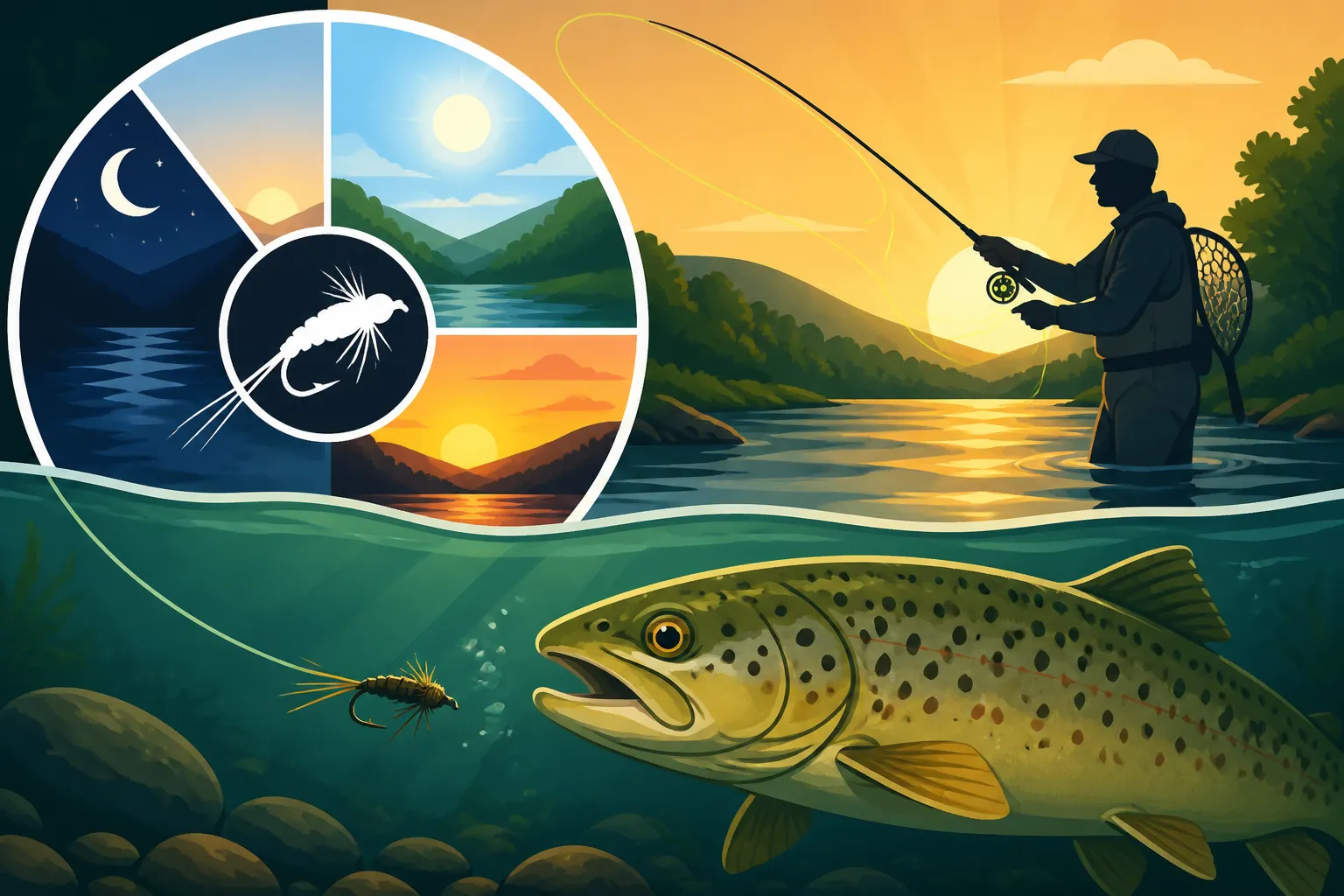
There's nothing quite like the rush of a trout taking your nymph, a subtle tug that translates into a spirited fight on the legendary Housatonic River. But if you've ever spent hours casting without much luck, you know the frustration of not hitting that "sweet spot" when it comes to time and technique. This guide is all about honing in on exactly when and how to maximize your nymphing success on the Housatonic, turning those frustrating days into memorable ones.
Why Nymphing is Your Best Bet on the Housatonic River
The Housatonic River, especially its upper sections and the renowned Housatonic River Trout Management Area Fishing, is a true gem for Connecticut anglers. It's a river that demands respect and understanding, and when it comes to consistent trout catches, nymphing often outshines other methods. Why? Because the vast majority of a trout's diet comes from subsurface insects – the nymphs, larvae, and pupae drifting along the bottom or slowly ascending through the water column.
The Undeniable Appeal of Subsurface Presentation
Think about it: most of the food available to a trout isn't floating on the surface. Caddis, stoneflies, mayflies, midges – they all spend the bulk of their lives underwater before hatching. Presenting a well-chosen nymph pattern, weighted correctly, and drifted naturally, mimics these essential food sources perfectly. It's about getting down to where the fish are feeding, in their comfort zone, without them having to exert much energy to eat. This makes nymphing incredibly effective, even on days when no obvious hatches are occurring. You're not waiting for the fish to look up; you're bringing the meal right to their doorstep.
Moreover, trout in a river like the Housatonic are often in specific feeding lanes, using the current to bring food to them. A properly drifted nymph, whether suspended under an indicator or high-sticked without one, stays in that feeding lane longer, increasing your chances of a strike. It’s less about flash and more about a subtle, irresistible offering.
The Housatonic's Unique Nymphing Opportunities
The Housatonic River offers a diverse range of water types, from swift riffles and deep runs to slower pools and tailouts. This variety means different insect species thrive in different sections, and savvy anglers can adapt their nymphing strategies accordingly. The river bottom itself, a mix of cobble, gravel, and silt, provides ample habitat for countless aquatic invertebrates.
The consistent flow, even during drier periods, often keeps water temperatures suitable for trout year-round, making it a viable nymphing destination in all four seasons. Unlike some smaller streams that can become too warm or too low, the Housatonic, particularly downstream of Falls Village, often maintains conditions that support a healthy trout population and the bugs they feed on. Anglers should always check the Connecticut Fishing Regulations Explained to ensure they are compliant with current rules, as some sections may have specific tackle or bait restrictions. The sheer volume of fish, including robust populations of brown trout, rainbow trout, and even some wild brook trout in its tributaries, means that if you present a nymph correctly, there's a good chance a hungry fish will find it.
Pinpointing the Prime Seasons for Housatonic Nymphing
While nymphing can be productive almost any time of year on the Housatonic, certain seasons and conditions offer distinct advantages. Understanding these seasonal nuances will dramatically improve your catch rates.
Spring: Abundant Hatches and Post-Spawn Activity
Spring on the Housatonic is a time of awakening, both for the insect life and the trout. As water temperatures begin to climb, usually from late March through May, hatches become more prolific, and trout start to feed more aggressively after the leaner winter months. This is arguably one of the best times to nymph.
You'll encounter significant hatches of Caddisflies (especially the Grannom Caddis in April), various Mayflies (like Hendrickson, March Brown, and Sulphur), and even some early Stoneflies. While dry fly fishing can be excellent during these hatches, trout are still consuming nymphs heavily before the hatch, during the emergence, and after the adults have flown off. Focusing on emerger patterns and standard nymph patterns that mimic these emerging insects can be deadly. Trout are often found in slightly shallower runs and riffles, actively positioning themselves to intercept drifting food. Don't forget that many stocked trout have just been introduced, and they are often opportunistic feeders, making nymphing a highly effective method. Check the Connecticut Trout Season and Stocking Rules to understand stocking schedules, which can heavily influence spring fishing.
Summer: Low Water and Terrestrial Tactics
Summer, from June through August, can present challenges with lower water levels and sometimes warmer temperatures, particularly in sections outside the Trout Management Area. However, it's still an excellent time for nymphing if you know where to look and what to present. Trout become more wary in clearer, lower water, often retreating to deeper pools, undercut banks, and areas with substantial current breaks or shade.
During this period, focus your nymphing efforts on early mornings and late evenings when water temperatures are at their coolest and trout are most active. Terrestrial nymphs become increasingly important. Think about ants, beetles, and grasshoppers that might fall into the water. Patterns that imitate these, often fished alongside smaller mayfly or midge nymphs, can be very effective. It's a time for more delicate presentations and longer leaders to avoid spooking fish. Deep pools and shaded runs along the banks become prime targets. For specific spots, consult a Housatonic River Fishing Guide. Remember to practice good catch and release, especially when water temperatures are on the rise, to minimize stress on the fish.
Fall: Pre-Winter Feeding Frenzy
Fall on the Housatonic, typically September through November, is another fantastic nymphing season. As temperatures cool and the days shorten, trout begin an intensive feeding period, packing on weight for the upcoming winter. This is also when some of the larger brown trout become more aggressive, preparing for their spawn.
Hatches of Blue Winged Olives (BWOs) and Caddis are common, providing excellent nymphing opportunities with patterns mimicking these insects. Stonefly nymphs also become increasingly important as the water cools. Trout are often found in deeper runs, gravel-bottomed areas, and around structure where they can conserve energy while waiting for food. This is when you can often target some of the Housatonic's trophy fish. Fishing deeper, with heavier nymphs and longer drifts, is often the key. It’s a time of rich insect activity and hungry fish, making it a favorite for many experienced anglers. Keep an eye on Connecticut Fishing Season Dates and Closures as the season progresses.
Winter: The Art of Deep Nymphing
Winter, from December through March, might seem daunting, but it offers some of the most rewarding nymphing if you're prepared. Trout metabolism slows down, but they still need to eat. The key is to find them in their winter holding lies – usually the deepest, slowest pools and runs, often with minimal current or overhead cover.
Midges are the primary food source in winter, so tiny midge larva and pupa patterns, often fished in tandem with a larger, heavier stonefly or caddis nymph to get down quickly, are essential. Slow, deliberate drifts are crucial, as trout won't move far to intercept a meal. Euro Nymphing Connecticut Trout Streams techniques, which focus on direct line contact and precise depth control, become incredibly effective during this period. Dress warmly, be patient, and embrace the solitude of winter fishing. While the action might not be as frenetic as spring, the rewards of catching a robust Housatonic trout in the cold can be immense.
Daily Timing, Water Conditions, and Essential Gear
Beyond the seasons, the daily rhythm of the river, its specific conditions, and your equipment choices play a huge role in successful nymphing.
Reading the River: Flows, Temperatures, and Clarity
Knowing the best time to nymph for trout on the Housatonic isn't just about the calendar; it's about interpreting what the river is telling you. Flow rates, water temperature, and clarity are your biggest indicators.
- Flow Rates: Generally, moderate flows are ideal. Extremely high flows after heavy rains can push trout out of their typical feeding lies and make nymphing difficult due to strong currents and debris. Conversely, very low flows, especially in summer, make fish skittish and concentrate them in deeper, harder-to-reach areas. The gauge at Falls Village or Gaylordsville is your friend – check it before you go. You're looking for stable, moderate flows where trout can comfortably hold and feed. For those looking at how to get current data, learning How to use the Connecticut interactive trout stocking map sometimes includes links to river gauges.
- Water Temperature: This is critical. Trout are cold-blooded and their activity levels are directly tied to water temperature.
- Optimal feeding: 45-65°F (7-18°C) is generally considered the sweet spot for trout activity. Nymphing during these temperatures, regardless of the season, will often yield the best results.
- Below 40°F (4°C): Trout are sluggish. Focus on slow, deep drifts with small midge patterns. Avoid disturbing the water.
- Above 68°F (20°C): Trout become stressed. During summer, if temps are this high, consider fishing only very early mornings or late evenings, or even avoiding the river altogether to protect the fish. This is particularly relevant given the Connecticut Housatonic River Seasonal Closure Explained which is designed to protect trout during warm water periods.
- Clarity: Clear water demands longer leaders and finer tippets, and a more stealthy approach. Slightly off-color water (with a foot or two of visibility) can actually be excellent for nymphing, as it makes fish less wary and hides your presentation somewhat. However, heavily muddied water makes it impossible for fish to see your flies.
A general rule of thumb: When water conditions are stable, trout activity is more predictable. Sudden changes in flow or temperature usually put fish off the bite for a day or two.
Go-To Nymph Patterns and Rigging Strategies
Choosing the right nymph pattern is crucial, but presentation often trumps pattern. Still, having a selection of reliable patterns is key.
Essential Housatonic Nymphs:
- Pheasant Tail Nymph: A classic for a reason, mimicking many mayfly species. Sizes #12-20.
- Hare's Ear Nymph: Another versatile mayfly/caddis imitation. Sizes #12-18.
- Prince Nymph: Excellent attractor pattern, suggestive of stoneflies and caddis. Sizes #10-16.
- Caddis Larva/Pupa (e.g., Green Caddis, Amber Caddis): Vital, especially during caddis hatches. Sizes #12-18.
- Stonefly Nymphs (e.g., Pat's Rubber Legs, Girdle Bug): Great for larger trout, especially in colder water or after high flows. Sizes #6-14.
- Midge Larva/Pupa (e.g., Zebra Midge, Blood Midge): Absolutely essential for winter and slow water. Sizes #18-24.
- Squirmy Wormy/Worm Patterns: Imitates aquatic worms, which are a constant food source, especially after rain. Sizes #10-16.
For rigging, two primary methods dominate:
- Indicator Nymphing: This is the most common method, especially for beginners. You use a buoyant indicator (often a small bobber or foam strike indicator) to detect subtle takes and suspend your nymphs at a specific depth. A typical setup involves your leader, then one or two weighted nymphs, often with split shot added a foot or so above the top nymph to help get them down. Adjust the depth of your indicator to keep your nymphs ticking along the bottom.
- Euro Nymphing (Contact Nymphing): As mentioned, this method is highly effective, particularly in faster, shallower water or in winter. It involves a specialized leader system (often a sighter or bi-color leader) and focuses on maintaining direct contact with your flies, feeling for takes rather than watching an indicator. This allows for incredibly precise depth control and sensitivity. For a deeper dive, read about Euro Nymphing Connecticut Trout Streams.
Equipping Yourself for Success
Having the right gear makes a difference, not just in comfort, but in your ability to present flies effectively. For nymphing on the Housatonic:
- Rod: A 9 to 10-foot fly rod in a 4 to 6-weight is ideal. The longer rod helps with line control, mending, and reaching across currents, which is critical for good nymph drifts. If you're really getting into Euro Nymphing, a dedicated 10-11 foot 2-3 weight rod can be a game-changer. You can find excellent options, like the Orvis Recon or Redington Classic Trout, on retailers like Amazon.
- Reel: A reliable reel with a smooth drag is important, especially for Housatonic's larger trout. It doesn't need to be super fancy, but a good drag is key.
- Line: For indicator nymphing, a weight-forward floating line is standard. For Euro Nymphing, specialized Euro Nymph lines or level lines are preferred for their sensitivity and minimal sag.
- Leaders and Tippet: A 7.5 to 9-foot tapered leader, generally 3X or 4X, is a good starting point. You'll then add tippet (often 4X, 5X, or even 6X in clear, low water) to your nymphs. Fluorocarbon tippet is preferred for its invisibility underwater and its fast sink rate.
- Waders and Boots: The Housatonic can be a big, powerful river, and comfortable, reliable waders and wading boots are essential. Felt soles or rubber soles with studs provide the best grip on slippery river rocks. Always prioritize safety when wading, as some sections can be deep and swift. Consider these Wading Techniques for Connecticut Trout Streams to stay safe.
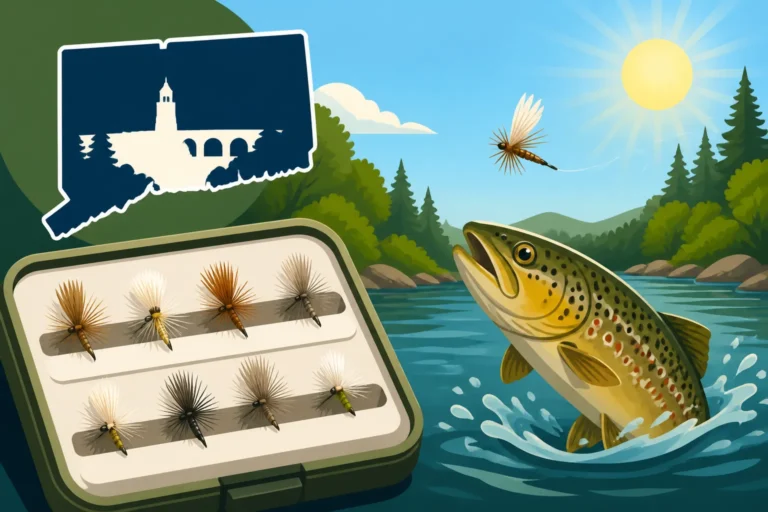
- Accessories: Don't forget split shot (various sizes), strike indicators (both bobber-style and yarn indicators are useful), forceps for hook removal, a net, and essential fly patterns. A good fly box full of varied nymph patterns, perhaps organized by insect type or size, will save you time and frustration on the water.
Navigating the Housatonic: Access and Regulations
Before you even make your first cast, understanding where you can fish and what the rules are is paramount. The Housatonic River offers plenty of public access, but knowing the nuances will make your trip smoother and more productive.
Key Access Points and Special Regulation Zones
The Housatonic River flows for a significant stretch through Connecticut, offering various access points. However, the most popular and productive sections for trout, particularly for nymphing, are generally within the Housatonic River Trout Management Area (TMA). This area stretches from the dam in Falls Village down to the Cornwall Bridge. This is where you'll find consistent trout populations and regulations designed to enhance the fishery.
- Falls Village Section: Good access below the dam, often with consistent flows due to the upstream hydro-power operations.
- Cornwall Bridge Area: This is a very popular section, with several parking areas and river access points. The currents here can be swift, but there are plenty of deep runs and pockets for trout.
- West Cornwall Covered Bridge: Iconic and picturesque, this area provides access above and below the bridge. Be mindful of parking and private property here.
- Cream Hill Road: Offers more remote access in some spots, great for those looking to get away from the crowds a bit.
- Kent/Gaylordsville Sections: Downstream of the TMA, these sections still hold trout, especially in cooler months, but typically see fewer stockings and more varied fishing opportunities, including smallmouth bass.
Remember to always consult a detailed map or the Connecticut DEEP's fishing guide to identify legal access points and parking. Respect private property and avoid blocking access roads or driveways. Knowing these access points is key to making the most of your Best Fly Fishing Rivers in Connecticut experience.
Understanding Catch Limits and Tackle Restrictions
Connecticut has specific regulations for fishing, and the Housatonic River TMA has its own set of rules designed to protect and enhance its trout fishery. These regulations can differ significantly from general statewide rules, so it's vital to be informed.
- Fishing License: First and foremost, you need a valid Connecticut Fishing License Guide for 2026. This is non-negotiable for anyone aged 16 and older. Make sure it's current before you head out.
- Trout Management Area (TMA) Rules: Within the Housatonic River TMA, special rules apply. These often include:
- Creel Limits: Generally, a reduced daily creel limit for trout (often 2 fish) compared to general statewide waters, with a minimum size limit.
- Tackle Restrictions: Some TMAs may have "Trout & Salmon Stamp" requirements in addition to your regular license, or may restrict fishing to artificial lures only with a single hook. Always verify the current rules for the specific section you plan to fish.
- Seasonal Rules: While the Housatonic TMA is often open for fishing year-round (excluding potential temporary closures for safety or extreme conditions), specific harvest seasons or catch-and-release periods might apply. The Connecticut Trout Limit and Possession Rules will give you the most up-to-date information.
Table: Housatonic River TMA Nymphing Season Overview
| Season | Water Temps (Approx.) | Primary Nymphs to Mimic | Ideal Depth/Location | Key Considerations |
|---|---|---|---|---|
| Spring | 45-55°F | Caddis (Grannom), Mayflies (Hendrickson, March Brown, Sulphur), Stoneflies | Mid-depth runs, riffle seams, current edges | Post-spawn trout, abundant insect emergence. Stocked fish can be eager. |
| Summer | 55-68°F | Smaller Mayflies (BWOs), Midges, Terrestrials (Ants, Beetles) | Deeper pools, shaded banks, strong current breaks | Low water can make fish wary; focus on early/late day, light tippets, and delicate presentations. |
| Fall | 45-55°F | Mayflies (BWOs), Caddis, Stoneflies | Deeper runs, gravel bottoms, around structure | Pre-winter feeding frenzy, aggressive brown trout. Excellent opportunity for larger fish. |
| Winter | 35-45°F | Midges, small Stoneflies, small Caddis | Deepest, slowest pools and runs, minimal current | Fish are sluggish; slow, deliberate deep drifts are key. Euro nymphing highly effective. Focus on small patterns. |
Before any fishing trip, it is highly recommended to check the most current regulations on the official Connecticut DEEP website. Regulations can change, and being informed ensures you have an enjoyable and legal outing. By understanding the Housatonic's unique characteristics and tailoring your nymphing approach to the season and conditions, you'll greatly increase your chances of hooking into some of Connecticut's most magnificent trout.
Disclaimer
Please be aware that fishing regulations, conditions, and fish stocking schedules can change. Always consult the official Connecticut Department of Energy and Environmental Protection (DEEP) website or their current fishing guide for the most up-to-date and accurate information before planning your trip. This guide is for informational purposes only and does not replace official state regulations.