Connecticut Trout Season and Stocking Rules
One of the most exciting, yet sometimes confusing, aspects of fishing in Connecticut is figuring out the nuances of trout season and where and when to find freshly stocked fish. It can feel like you need a secret decoder ring to understand all the different dates, regulations, and stocking schedules. This guide is designed to cut through that confusion, giving you a clear, comprehensive look at everything you need to know to successfully chase trout in the Nutmeg State, from the thrill of Opening Day to the quiet solitude of a year-round fly-fishing stream.
Understanding Connecticut's Trout Management
Connecticut boasts a fantastic trout fishery, a testament to careful management and dedicated conservation efforts by the state. It’s not just about dumping fish in a river; there’s a science and a strategy behind it all, ensuring that anglers of all skill levels have opportunities to connect with these beautiful fish.
The DEEP's Role in Trout Stocking
The Connecticut Department of Energy and Environmental Protection (DEEP) plays a monumental role in maintaining our state's trout fisheries. They're the ones who raise and release hundreds of thousands of trout each year into rivers, streams, and lakes across Connecticut. We're talking about a significant investment in both resources and expertise, all aimed at providing quality angling experiences. The DEEP biologists and hatchery staff work tirelessly, often behind the scenes, to manage hatcheries like the Kensington State Fish Hatchery, where many of our trout begin their lives. They track fish health, growth rates, and genetics, ensuring a robust and healthy stock. This isn't a small operation; it's a massive undertaking that directly impacts the success of our fishing seasons. Without their diligent work, many of our favorite trout waters wouldn't be nearly as productive.
Different Types of Trout Stocked in Connecticut
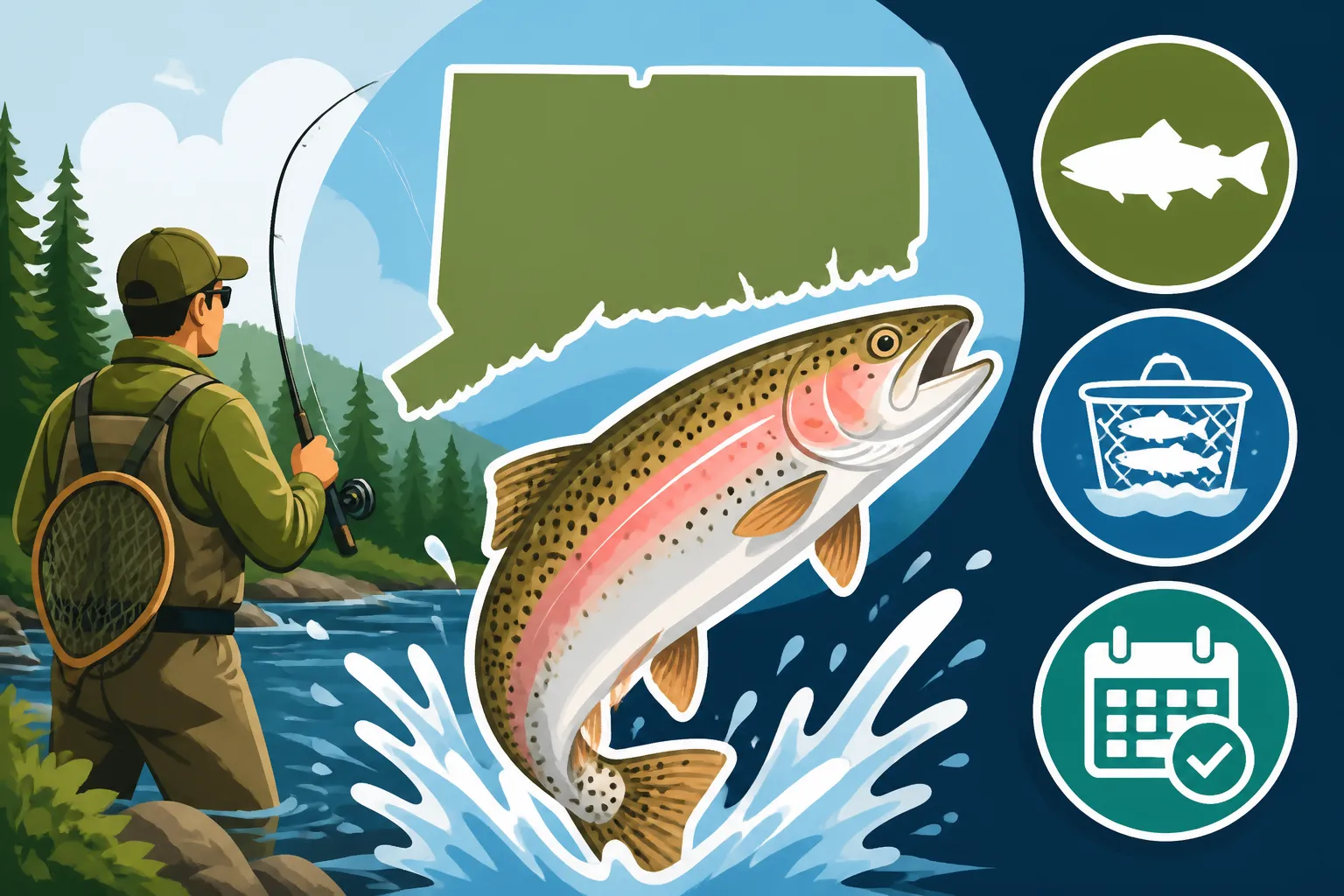
When we talk about "trout" in Connecticut, we're actually talking about a few different species, each with its own characteristics and preferred habitats. The primary species stocked by the DEEP are Rainbow Trout, Brown Trout, and Brook Trout. Rainbows are often the most abundant and are known for their spirited fights and willingness to strike a variety of baits and lures. Brown trout, while sometimes a bit warier, are prized for their beautiful coloration and their potential to grow quite large, especially in the state's Trophy Trout Stream Rules. Then there are Brook Trout, the only native trout species to Connecticut, easily identified by their worm-like markings and vibrant red spots. While some brooks are stocked, many anglers seek out the truly wild ones in pristine, colder headwater streams. Understanding these different species can really help you tailor your approach, from what baits you use to where you choose to fish. The DEEP also occasionally stocks larger "holdover" trout or broodstock fish, particularly during the spring, which are mature fish that have been used for breeding and offer an exciting challenge for anglers looking for a real trophy.
Trout Habitat and Conservation Efforts
Connecticut's diverse landscape provides a range of habitats suitable for trout, from the cold, clear freestone rivers of the northwest to the slower, deeper waters of certain lakes and ponds. However, not all waters can sustain trout year-round, especially as water temperatures rise in summer. This is where stocking becomes crucial, creating put-and-take fisheries in many locations. Beyond stocking, the DEEP is actively involved in habitat restoration projects. These efforts might include planting riparian buffers along stream banks to reduce erosion and provide shade, improving fish passage by removing old dams, or enhancing in-stream structures to create better holding lies for trout. Conservation isn't just about managing fish numbers; it's about safeguarding the entire ecosystem that supports them. Anglers also play a vital role through responsible fishing practices, such as catch and release, and by adhering to Connecticut Fishing Regulations Explained, helping to ensure these resources remain healthy for future generations.
Key Dates and General Trout Season Overview
One of the biggest questions I get from fellow anglers is about when trout season actually opens and closes. It's not always as simple as a single date, because Connecticut has a few different categories of waters with their own specific rules.
The Traditional Opening Day Excitement
For many years, the third Saturday in April has marked the traditional "Opening Day" for trout season in Connecticut, and let me tell you, it's practically a holiday for freshwater anglers! It's a rite of spring, often celebrated with family and friends. This date typically applies to most of Connecticut's rivers, streams, and lakes that are managed as put-and-take trout fisheries. Leading up to this day, the DEEP works incredibly hard, stocking hundreds of thousands of trout into these waters, making for some truly fantastic fishing opportunities right out of the gate. Think about it: winter finally breaks, the air smells fresh, and suddenly, you have a chance to catch a limit of lively trout. The atmosphere at popular spots, like the Farmington River or Salmon River, can be absolutely electric. Parking lots fill up early, lines of anglers dot the banks, and the shared excitement is palpable. It's a truly memorable experience and a fantastic way to kick off the spring fishing season.
Year-Round Trout Fishing Opportunities
While Opening Day is a huge deal, it's a common misconception that trout fishing stops after that initial spring rush or closes entirely for parts of the year. In reality, Connecticut offers some incredible year-round trout fishing opportunities, especially in designated areas. Many larger rivers, lakes, and even some streams remain open for trout fishing throughout the year, though regulations like daily limits and specific methods might change seasonally. For instance, many of our larger impoundments, like Candlewood Lake or Lake Lillinonah, offer trout fishing well into the summer and fall. These deeper, colder waters can sustain trout even when smaller streams get too warm. It’s a fantastic option for those who want to extend their trout pursuits beyond the spring frenzy. Always check the current Reading the Connecticut Fishing Guide or the DEEP website for the specific regulations for the water body you plan to visit, as they can vary widely.
Special Regulation Area Season Dates
Connecticut is also home to a variety of "special regulation" waters, which have their own unique season dates and rules, often designed to promote quality fishing experiences or protect wild trout populations. These areas often include Trout Management Areas (TMAs), Wild Trout Management Areas (WTMAs), and Trout Parks. For example, many Trout Management Areas operate under Connecticut Trout Management Area Regulations that allow year-round fishing but might implement catch-and-release only periods, or specific tackle restrictions like fly-fishing-only, especially during the colder months. Similarly, Wild Trout Management Areas are managed specifically for their naturally reproducing wild trout and often have more restrictive regulations to protect these fragile populations. It's crucial to understand that the general opening day rules do not apply to these special waters. Anglers can often enjoy solitude and challenging fishing in these areas during times when other waters are closed or heavily pressured. If you're looking for a different kind of trout fishing experience, delving into these special regulations can open up a whole new world.
Decoding Connecticut's Trout Stocking Program
Knowing when trout season generally opens is one thing, but knowing where and when specific waters are stocked is like having a secret weapon in your angling arsenal. The DEEP's stocking program is extensive and designed to distribute trout across the state, giving everyone a chance to participate.
Where and When Trout Are Stocked
The DEEP's trout stocking program is quite impressive in its scope. They stock a wide array of waters, including major rivers like the Farmington, Housatonic, and Salmon Rivers, numerous smaller streams and brooks, and a significant number of lakes and ponds. Stocking typically begins in early spring, often a few weeks before the traditional Opening Day, and continues through May and sometimes into June for certain locations. Some waters, particularly Trout Management Areas and Trout Parks, also receive stockings in the fall, providing excellent opportunities for cooler-weather fishing. The DEEP also conducts winter stockings in some waters, especially for ice fishing enthusiasts. They aim to spread out the fish, so while major waterways get large deposits, smaller, more accessible community fishing ponds also receive attention. It's all about maximizing opportunity for anglers across the state.
The Art of Post-Stocking Fishing
There's a definite strategy to fishing immediately after a stocking. Freshly stocked trout are often a bit disoriented from their journey from the hatchery and can be quite aggressive feeders. This is prime time for action! You'll often find success with common baits like corn, power bait, worms, or small spinners and spoons. The key is to be present shortly after the fish hit the water, or within a day or two. As time passes, these fish become more acclimated to their new environment, grow warier, and can become harder to catch. The initial days post-stocking are often marked by a flurry of activity, not just from the fish, but from eager anglers. It's a great opportunity for beginners or families with kids to experience consistent bites. But don't despair if you miss the initial rush; many stocked trout will spread out and become more naturalized, offering a different kind of challenge later in the season.
Interactive Tools for Stocking Information
Gone are the days of having to guess which stream just got fish! The Connecticut DEEP has made it incredibly easy for anglers to stay informed about stocking schedules. They maintain an excellent online resource, the Connecticut Interactive Trout Stocking Map, Explained. This interactive map allows you to pinpoint specific locations and see exactly when and what species of trout were stocked there. It's a game-changer for planning your trips, especially if you're targeting those freshly introduced fish. You can filter by species, date, and water body type. I can't stress enough how valuable this tool is; it takes a lot of the guesswork out of finding productive waters. Before you head out, make it a habit to check the map. It often gets updated regularly, so you’ll have the most current information at your fingertips, helping you decide where to focus your efforts for the best chance of success.
Connecticut Trout Limit and Possession Rules
Understanding the limits on how many trout you can keep and their size is just as important as knowing where to find them. These regulations are in place to ensure a sustainable fishery and fair access for all. Violating these rules can lead to stiff penalties, so paying close attention to the details is crucial.
Daily Creel Limits for Trout
The "creel limit" refers to the maximum number of fish of a particular species that an angler can legally catch and keep in a single day. For trout in Connecticut, this limit can vary depending on the specific water body and whether it's a general open water or a special regulation area. In most general open waters (rivers, streams, and lakes that aren't designated as special management areas), the daily creel limit for trout is typically 5 fish per angler. This means you can keep up to five trout (any combination of rainbows, browns, or brookies) within a 24-hour period. It's important to note that once you've reached your limit, you must stop fishing for that species in that water body for the day. Always double-check the latest DEEP Fishing Guide, as these numbers can occasionally be adjusted for conservation purposes. For example, some ponds stocked with particularly large trout might have lower daily limits to spread out the catch.
Understanding Possession Limits
While the daily creel limit dictates how many fish you can keep in one day, the "possession limit" is typically the same number and refers to the total number of fish you can have in your possession at any given time, whether on your person, in your cooler, or in your vehicle, from that specific water body. For most general trout waters in Connecticut, the possession limit for trout is also 5 fish. This means if you catch and keep 5 trout from a stream in the morning, you cannot then go to another stream, even if it's miles away, and catch and keep another 5 trout on the same calendar day. The idea is to prevent anglers from stockpiling large numbers of fish over multiple trips within a short period. It's a straightforward rule, but one that sometimes trips up new anglers. Always ensure that the number of trout you have in your possession doesn't exceed the legal limit for the waters you've been fishing. This also applies if you're taking your catch home; you shouldn't have more than the daily limit from a single day's outing.
Size Restrictions for Trout in General Waters
Beyond the number of fish you can keep, there are also minimum length restrictions for trout in many Connecticut waters. These regulations are designed to allow smaller fish to grow to a more mature size, contributing to the overall health and sustainability of the trout population. In most general open waters, there is no minimum length limit for trout, meaning you can keep any legal species of trout once it's caught, as long as you adhere to the daily creel limit of 5 fish. However, this changes drastically in Special Regulation Areas, especially Trout Management Areas and Trophy Trout Streams. For instance, in some TMAs, there might be an 11 or 12-inch minimum length limit, or even slot limits where only fish within a certain size range can be kept. This is particularly common in areas managed for larger, more established trout populations. It's absolutely critical to know the specific regulations for the water you're fishing. Carrying a small, collapsible measuring tape is a smart move, which you can easily find on online retailers like Amazon, ensuring you can quickly verify if your catch meets the legal size requirements before deciding to keep or release it. Always remember, if a fish is undersized, it must be immediately released back into the water with as little harm as possible.
| Water Type | Daily Creel Limit | Minimum Length (General) | Season Start (General) | Notes |
|---|---|---|---|---|
| General Open Waters (Lakes/Ponds) | 5 Trout | No Minimum | Year-round | Check specific lake/pond rules; some may have unique regulations. |
| General Open Waters (Rivers/Streams) | 5 Trout | No Minimum | 3rd Sat. in April | Season closes last day of Feb; some remain open year-round with rules. |
| Trout Management Areas (TMAs) | Varies (often 1-2) | Varies (often 12-16") | Year-round | Highly specific rules; check individual TMA regulations carefully. |
| Wild Trout Management Areas (WTMAs) | 0 (Catch & Release) | N/A | Year-round | Often fly-fishing only; strictly catch and release. |
| Trout Parks | 2 Trout | No Minimum | 3rd Sat. in April | Designed for family fishing; open for limited season. |
Navigating Special Regulation Waters
Connecticut’s special regulation waters are designed to offer a variety of fishing experiences, from trophy trout hunting to serene catch-and-release fly fishing. They are a treasure for anglers but require careful attention to their unique rules.
Trout Management Areas Explained
Trout Management Areas (TMAs) are specific stretches of rivers or streams that are managed intensively to provide a high-quality trout fishing experience, often year-round. These areas often receive more frequent and larger stockings of trout, and their regulations are usually more restrictive than general open waters. The goal is to create conditions where trout can grow larger and provide a more consistent challenge for anglers. For example, a TMA might have a lower daily creel limit, such as 1 or 2 trout, and a higher minimum length limit, perhaps 12 or 16 inches. Many TMAs also have specific tackle restrictions, such as "artificial lures and flies only" or even "fly fishing only" during certain periods. A good example is the Farmington River TMA, a renowned fishery, where you’ll find sections that are strictly catch-and-release fly fishing for significant portions of the year. Always consult the most recent Connecticut Fishing Regulations Explained or the specific signage at the TMA you plan to visit, as rules can change and are strictly enforced. These areas are truly gems for dedicated trout anglers, offering a consistent opportunity for quality fish.
Catch and Release Fly Fishing Only Waters
For the purist, Connecticut offers designated waters where fishing is strictly catch and release, and only fly fishing tackle is permitted. These areas, like the renowned West Branch of the Farmington River, are fantastic for honing your fly casting skills and experiencing trout fishing in a more traditional, conservation-minded way. The emphasis here is entirely on the experience of enticing, hooking, and safely releasing the fish, rather than harvesting them. These areas typically have pristine water quality and often hold a healthy population of both stocked and wild trout, making for challenging but incredibly rewarding fishing. You'll need to be mindful of your gear – only artificial flies are allowed, usually single, barbless hooks are encouraged or required, and live bait is strictly prohibited. It's a wonderful way to connect with nature, often finding a greater sense of solitude compared to more heavily harvested waters. If you're looking to try your hand at fly fishing or simply appreciate the beauty of a healthy, undisturbed trout stream, these Connecticut Catch and Release Fly Fishing Only Waters are truly special.
Trophy Trout Stream Rules
Some of Connecticut's rivers and streams are managed as "Trophy Trout Streams," meaning the DEEP actively works to foster environments where trout can grow to exceptional sizes. These aren't just your average stockers; we're talking about fish that can offer a real battle. The Housatonic River, for instance, has sections managed under Connecticut Housatonic River Seasonal Closure Explained for trout, with specific rules aimed at protecting these larger fish. In Trophy Trout Streams, you'll often encounter regulations like higher minimum length limits (e.g., 18 inches) and lower daily creel limits (e.g., 1 fish per day) to allow more fish to reach trophy size and ensure that angling pressure is spread out. These areas often receive stockings of larger trout or are managed to allow existing fish to grow out. Fishing for trophy trout requires patience, skill, and often specialized tackle. Anglers targeting these lunkers will often use larger streamers, nymph patterns, or specific lures designed to attract bigger fish. It's an exciting challenge for experienced anglers looking for that once-in-a-lifetime catch.
Beyond the Stocked Trout: Wild Trout and Native Brookies
While the DEEP's stocking program provides fantastic opportunities, there's a whole other world of trout fishing in Connecticut centered around wild, naturally reproducing fish, especially our beautiful native brook trout.
Identifying Wild vs. Stocked Trout
Distinguishing between a wild trout and a freshly stocked trout can be a rewarding skill, and it speaks volumes about the health of a particular waterway. Stocked trout, especially those recently released, often show signs of their hatchery upbringing. They might have worn fins, particularly on their tails and dorsal fins, from rubbing against tank walls. Their color can sometimes appear duller or less vibrant compared to their wild counterparts, reflecting a less varied diet in captivity. Wild trout, on the other hand, typically exhibit perfectly formed, unblemished fins, especially their tails, which are crucial for navigating strong currents. Their coloration is usually much more vivid and natural, allowing them to blend seamlessly with their surroundings. Wild fish are generally more streamlined and powerful, accustomed to hunting for food and fighting currents their entire lives. Learning to tell the difference not only adds to your angling knowledge but also helps you appreciate the wildness of certain fisheries. If you're consistently catching pristine-finned, brilliantly colored fish in a remote stream, you're likely in a productive wild trout fishery.
Protecting Native Brook Trout Populations
The Brook Trout is Connecticut's only native salmonid, a true ecological gem. These beautiful fish, with their distinctive vermiculations and vibrant red spots, are indicators of healthy, cold, and clean water. Unlike rainbow or brown trout, which were introduced to our waters, brook trout have been here for millennia. Unfortunately, their populations have faced challenges from habitat degradation, warming waters, and competition from introduced species. This is why protecting Brook Trout: Connecticut's Native Trout is so important. Many of the state's Wild Trout Management Areas (WTMAs) are specifically managed to conserve these native populations. Anglers play a critical role in their protection by practicing careful catch and release, especially in sensitive brook trout waters. Using barbless hooks, minimizing handling time, and keeping fish in the water as much as possible greatly increases their survival rate. It’s a privilege to fish for these resilient natives, and respecting them ensures they continue to thrive in our most pristine streams.
Regulations for Wild Trout Waters
Fishing for wild trout, particularly native brook trout, often comes with specific regulations designed to ensure their long-term survival. These rules are usually much stricter than those for stocked fisheries. Many Wild Trout Management Areas (WTMAs) are designated as "catch and release only," meaning any wild trout caught must be immediately and safely returned to the water. In some WTMAs, there might also be restrictions on tackle, such as "artificial lures and flies only" or "fly fishing only," to reduce mortality rates associated with bait fishing. These regulations help to minimize harm to the fish and ensure that the natural reproductive cycle can continue undisturbed. It's not uncommon for these wild trout waters to be in more remote or challenging-to-access locations, reflecting their need for undisturbed habitats. When fishing these precious waters, consider carrying a small pair of forceps or hemostats for quick hook removal, and ensure your hands are wet before touching a fish to protect their delicate slime coat. These small actions contribute significantly to the conservation of Connecticut's wild trout legacy.
Essential Gear for Connecticut Trout Anglers
Having the right gear can make all the difference in your trout fishing success and overall enjoyment. You don't need to break the bank, but a few key items will certainly enhance your experience.
Rods, Reels, and Line for Trout Fishing
For trout fishing in Connecticut, versatility is often key. A lightweight spinning rod, typically in the 5 to 7-foot range, with a fast or moderate-fast action, is a great all-around choice. This setup allows for accurate casting of small lures, baits, and even lighter flies with the right technique. Pair it with a small spinning reel (size 1000 or 2000) spooled with 4 to 6-pound test monofilament or fluorocarbon line. Monofilament is forgiving and offers good knot strength, while fluorocarbon is nearly invisible underwater and has less stretch, which can be an advantage when feeling subtle bites. For fly anglers, a 3-weight to 5-weight fly rod, 8.5 to 9 feet long, is ideal for most Connecticut trout streams, capable of handling a variety of Fly Patterns for Connecticut Trout Streams. A matching fly reel and floating fly line (WF or DT) are standard. Remember, lighter tackle often makes the fight more enjoyable and can increase your success with wary trout. You can find excellent entry-level combos and individual components from brands like Ugly Stik or Penn on Amazon, perfect for getting started without a huge investment.
Bait, Lures, and Fly Selection
The beauty of trout fishing is the sheer variety of methods you can employ. For bait fishing, staple choices include live worms (nightcrawlers or mealworms), corn, and power bait in various colors and forms. These are often highly effective on freshly stocked trout. When it comes to lures, small inline spinners (like Panther Martins or Mepps), tiny spoons (such as Kastmasters or Little Cleos), and micro jigs are incredibly effective. Their flash and vibration mimic small baitfish or insects, triggering strikes. For fly anglers, the world of fly selection is vast. General patterns to start with include Caddis and Hendrickson nymphs and dries in the spring, midges and small stoneflies year-round, and woolly buggers or streamers for prospecting deeper pools. As the season progresses, matching the hatch becomes more important. Having a variety of options on hand is always a good idea, as trout can be particular about what they'll bite on any given day. A small tackle box or fly box filled with these essentials, readily available on Amazon, will prepare you for most situations.
Waders and Safety Equipment
Beyond your rod and reel, certain accessories enhance comfort and safety. Waders are a game-changer for stream and river fishing, allowing you to access prime casting spots and position yourself effectively. Chest waders, especially those made from breathable materials like Gore-Tex, are comfortable and provide excellent mobility. Pair them with wading boots that offer good ankle support and traction on slippery riverbeds. Beyond comfort, safety is paramount. When wading, a wading staff can provide stability, especially in swift currents or over uneven bottoms. And absolutely, unequivocally, always consider wearing a life jacket, especially if you're venturing into deeper water or operating a boat. Even if you're a strong swimmer, an unexpected slip or fall in cold water can quickly become dangerous. The DEEP outlines specific Life Jacket Requirements for Connecticut Boaters, and even for wading, it's a smart precaution, especially in early spring or late fall when water temperatures are low.
Preparing for Your Connecticut Trout Adventure
Getting ready for a trout fishing trip involves a bit of planning, from licenses to understanding the latest regulations. A little preparation goes a long way to ensure a smooth and successful outing.
Getting Your Fishing License
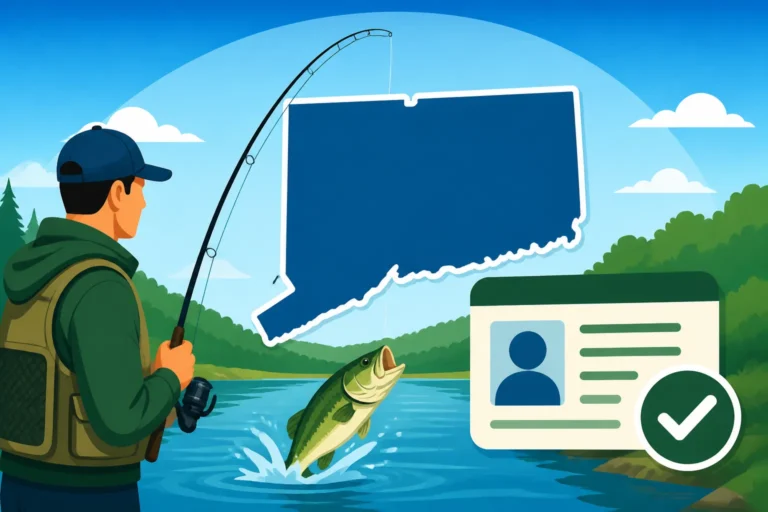
This is the absolute first step before you even think about casting a line for trout in Connecticut. Unless you fall into a specific age exemption (check out Connecticut Fishing License Age Requirements), you'll need a valid fishing license. For most resident anglers targeting inland trout, you'll need an Inland Fishing License. Non-residents have various options, including a 3-day or annual license. The good news is that getting a license is easier than ever. You can purchase one online through the DEEP's licensing portal, or visit a licensed vendor, such as many town clerks or sporting goods stores. Make sure to purchase your license well in advance of your trip. Don’t wait until the last minute, especially before Opening Day, as lines can be long. Having your license in hand, or a digital copy readily accessible, is not just a legal requirement but a demonstration of your commitment to supporting Connecticut's fisheries. For a detailed breakdown, check out the Connecticut Fishing License Guide for 2026.
Checking Current Regulations
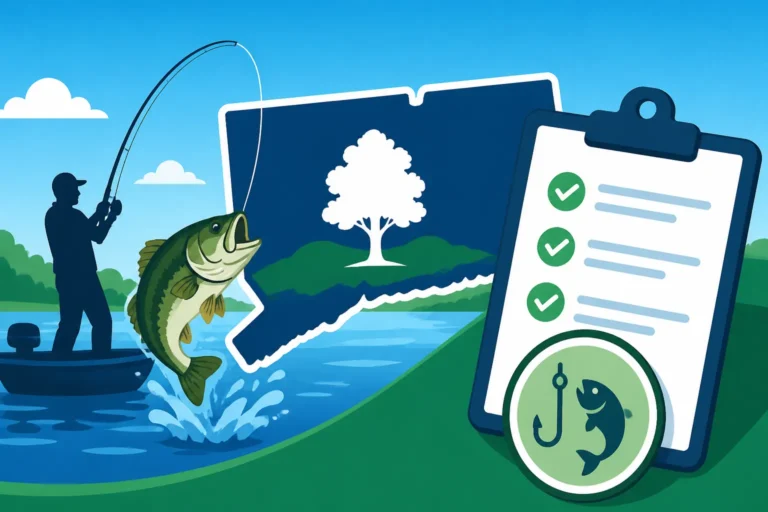
Just because you've fished a spot before doesn't mean the rules haven't changed! Fishing regulations, especially for trout, can be dynamic, with adjustments made to creel limits, season dates, or tackle restrictions based on biological data and management goals. Before every trip, or at least at the start of each new season, make it a habit to check the most current Connecticut Angler's Guide. This comprehensive guide is published annually by the DEEP and is available both online and in print at many license vendors. Pay particular attention to the "Special Management Areas" section if you plan to fish any TMAs, WTMAs, or other designated waters, as these will always have more specific rules. A quick five-minute review can save you from potential fines or, more importantly, ensure you're fishing in a way that helps conserve our valuable trout resources. It's truly your ultimate resource for understanding everything from daily limits to specific area closures.
Practicing Ethical Angling and Conservation
Beyond simply following the rules, ethical angling and conservation are about fostering a mindset of respect for the fish and their environment. This means practicing catch and release properly, especially for fish you don't intend to keep or in waters with stricter regulations. Minimize the time a fish is out of water, use wet hands when handling, and if possible, use barbless hooks to make removal easier. Avoid leaving trash or discarded fishing line, which can be harmful to wildlife. Consider using lead-free sinkers and jigs, as lead can be toxic to birds that ingest it. If you're using bait, don't introduce foreign species into the water. Every angler has a responsibility to be a steward of our natural resources. By adopting these practices, we not only ensure the beauty and health of Connecticut's trout waters but also set a positive example for fellow anglers and the next generation. Our actions today directly impact the fishing opportunities of tomorrow.
Disclaimer
Please note that fishing regulations are subject to change by the Connecticut Department of Energy and Environmental Protection (DEEP). While every effort has been made to provide accurate and up-to-date information in this guide, it is ultimately the angler's responsibility to consult the most current official Connecticut Angler's Guide or the DEEP website before fishing to ensure compliance with all applicable laws and regulations.