Best charters for blackfish around structure
If you've ever tried to target blackfish, or tautog as they're often called, around the rocky shores and hidden structures of Connecticut, you know it can be incredibly rewarding—and equally frustrating! These wily fish love to hug tight to their rocky homes, making them a challenge to find and even tougher to pull out. This guide is all about helping you cut through the guesswork and find the absolute best fishing charters in Connecticut that specialize in putting you on those coveted blackfish around structure.
Understanding the Blackfish Challenge in Connecticut's Waters
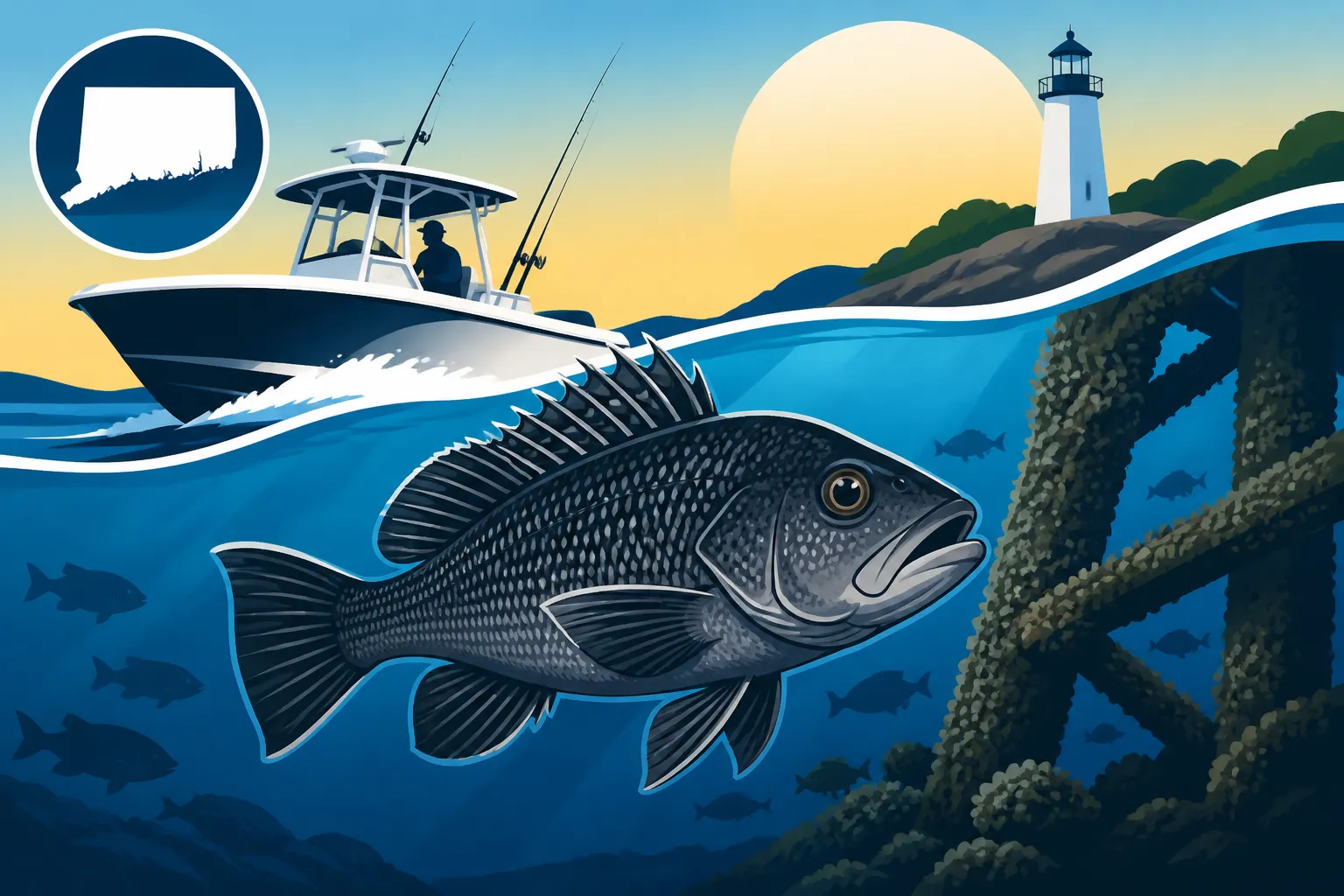
Blackfish are true residents of the hard-bottom structure, whether it's natural rock piles, mussel beds, artificial reefs, or even bridge pilings and old wrecks. They're notoriously line-shy and masters at using their surroundings to their advantage once hooked, often diving straight back into the snags. This makes them a challenging but incredibly fun species to target, especially for anglers who enjoy a bit of a tug-of-war.
Why Structure is Key for Blackfish
You simply won't find blackfish swimming around in open, sandy bottom areas looking for a snack. They are inextricably linked to structure because it provides everything they need: food, shelter from predators, and a place to spawn. Imagine trying to find a needle in a haystack—that's what it can feel like trying to locate productive blackfish structure without specialized knowledge.
These structures range from the subtle, like small patches of mussels on an otherwise barren bottom, to the massive, like the extensive rock formations around the Thimble Islands or the deep-water wrecks out in Long Island Sound. Each piece of structure holds fish differently, influenced by current, depth, and even the time of year. A charter captain who truly knows these nuances is worth their weight in gold. They're not just dropping you on any rock pile; they're dropping you on the right rock pile for that specific day and tide.
The Frustration of DIY Blackfish Fishing
Let's be honest, we've all been there. You spend hours poring over charts, marking what looks like promising lumps or bumps on your sonar, only to anchor up, drop your lines, and get nothing but snags and empty hooks. Or worse, you hook into a decent tog, and it immediately buries you in the rocks, leaving you with a broken leader and a deflated spirit. The sheer amount of gear you can lose to the relentless snags is enough to make anyone throw in the towel.
Finding and effectively fishing for blackfish requires intimate knowledge of local bottom topography, tidal currents, and seasonal movements. It's not just about finding "structure"; it's about finding productive structure at the right time with the right presentation. This is precisely where a dedicated blackfish charter shines, turning what can be a frustrating solo endeavor into a successful and enjoyable day on the water.
What Makes a Charter Great for Targeting Blackfish
Not all fishing charters are created equal, especially when it comes to specialized fishing like blackfish around structure. You can't just jump on any "bottom fishing" trip and expect to limit out on tautog. It takes a captain and crew with specific expertise, the right boat setup, and a deep understanding of these stubborn fish.
Captain's Expertise and Local Knowledge
This is arguably the most critical factor. A truly excellent blackfish captain isn't just someone with a boat; they're an oracle of local waters. They've spent countless hours studying tides, currents, and the intricate bottom contours of specific areas within Long Island Sound Fishing Guide. They know which wrecks hold fish on an outgoing tide, which rock piles produce on a slack tide, and where the tog move when water temperatures shift.
Look for captains who:
- Specialize in Tautog: Many charters offer "bottom fishing," but inquire if they specifically target blackfish often. Do they run dedicated tautog trips? This shows they have the gear, bait, and knowledge refined for this species.
- Understand Tidal Flows: Blackfish bite windows are heavily influenced by the tide. A skilled captain knows exactly how to position the boat, often with pinpoint accuracy using GPS-enabled trolling motors or multiple anchors, to keep you over the sweet spot during peak bite times. They can explain the subtle changes in current that make a difference between a barren spot and a hot bite.
- Navigate Complex Structure: Fishing around structure means navigating tightly. Your captain needs to be adept at maneuvering the vessel to minimize snags while maximizing your chances of putting your bait right in front of a tog's nose. They'll also know how to get you unstuck quickly when you do inevitably snag.
- Read the Sonar: A great captain can interpret their electronics not just to see "fish," but to identify the specific type of structure and often, the size of the fish holding to it. They can discern between a small school of scup and a promising pile of tog. This level of detail makes all the difference. You might find a charter through platforms like FishingBooker that explicitly highlights captains specializing in blackfish or "tautog trips."
Boat Features and Equipment
The right boat and gear are paramount for blackfish fishing. This isn't light tackle fishing; it's a battle against structure and a strong, tenacious fish.
- Stable Platform: When you're anchored up tight to structure, sometimes in a bit of a chop, a stable boat makes a huge difference. You'll appreciate a vessel that minimizes roll, allowing you to focus on your bait and feel those subtle tog bites. A wider beam and heavier displacement often contribute to a more stable ride.
- High-Quality Electronics: Modern sonar and GPS are indispensable. The captain should have excellent fish finders to mark structure and fish, and precise GPS to anchor accurately and return to productive spots. Some boats even have side-scan sonar that gives an incredible picture of the bottom.
- Heavy-Duty Tackle: A good blackfish charter provides appropriate rods and reels capable of handling heavy sinkers and powerful fish. You'll need stout rods with sensitive tips to detect the notoriously light blackfish bite, paired with strong conventional reels loaded with braided line. They'll also provide heavy mono or fluorocarbon leaders (often 40-60lb test) to resist abrasion from the rocks.
- Abundant, Fresh Bait: Green crabs, fiddler crabs, and sometimes hermit crabs are prime blackfish bait. A reputable charter will have a fresh, ample supply. You don't want to run out mid-trip, especially when the bite turns on! They'll know how to keep the crabs lively, too, which makes a big difference in presentation.
- Experienced Deckhand: Often overlooked, a good mate can make your trip. They'll help rig lines, re-tie after snags, net fish, and offer advice on technique. For blackfish, where quick re-baiting and re-rigging are common, an efficient mate keeps you fishing longer.
Understanding the Blackfish Bite
Blackfish have a very distinct, often frustrating bite. They're nibblers, not smashers. They'll "test" the bait, often with a subtle tap-tap before committing. A good charter captain or mate will be excellent at coaching anglers, from beginners to experienced hands, on how to detect these delicate bites and set the hook effectively. They'll tell you to feel for that subtle weight, the "tog tug," and emphasize patience and timing. Sometimes it's a light tap, other times it's like a rock. Knowing the difference between a snag and a bite is an art.
Prime Connecticut Locations for Blackfish Charters
Connecticut's coastline along Long Island Sound is a blackfish paradise, dotted with countless natural and artificial structures that attract these crustaceans-loving fish. When looking for a charter, knowing the reputation of certain areas can help guide your choice.
Eastern Long Island Sound: The Rock Pile Havens
The eastern end of Long Island Sound, from the mouth of the Connecticut River eastward towards Fishers Island, is renowned for its rocky bottom and varied depths. This area offers a fantastic array of natural structure.
- Niantic and Old Saybrook: These areas are prime departure points for charters targeting blackfish. You'll find numerous rock piles, ledges, and mussel beds that hold fish. Captains often work these spots on both incoming and outgoing tides, moving with the fish as they reposition. The currents can be stronger here, which often translates to bigger, more aggressive blackfish. Charters from these ports often have a deep understanding of the local contours that others might miss. You can often find a charter out of Old Saybrook or Niantic on platforms like FishingBooker that have excellent reputations for blackfish.
- Mystic and Stonington: Further east, the waters around Mystic and Stonington also offer excellent tautog opportunities. Here, charters can access not only Long Island Sound but also the deeper, rockier grounds closer to Block Island. While a full trip to Block Island might be outside a dedicated blackfish charter's usual range, the nearshore structure is plentiful. These captains are often dialed into specific patches that might be less pressured.
Central Long Island Sound: Artificial Reefs and Bridge Pilings
The central part of Connecticut's coastline, around New Haven and Bridgeport, may have fewer natural rock piles but boasts significant man-made structures that are magnets for blackfish.
- New Haven Harbor and Breakwaters: The extensive breakwaters protecting New Haven Harbor are classic blackfish territory. These rocky structures provide ideal habitat, and many local charters will focus on these areas. The fishing here can be fantastic, especially during cooler months. The advantage here is often shorter run times to productive spots.
- Bridgeport and Norwalk Structures: The bridge pilings, jetties, and other man-made structures around Bridgeport and Norwalk also hold good numbers of blackfish. These can be particularly good spots for those looking for Best Shore Fishing Spots in Connecticut as well, but a boat can access the untouched areas. Charters from these ports will have intimate knowledge of which pilings and sections of submerged debris are most productive.
Western Long Island Sound: Deep Water Ledges and Wrecks
Moving towards the western end of Connecticut, the waters get deeper, and the structure shifts from primarily shallow rock piles to more significant ledges and numerous wrecks.
- Greenwich and Stamford: Charters departing from these western ports often have access to deeper water structures and some historically productive wrecks further offshore. While it might involve a slightly longer run, these deeper spots can sometimes hold larger, less pressured blackfish. The challenge here is often pinpointing the exact piece of structure the fish are holding to, making a skilled captain even more crucial.
Preparing for Your Blackfish Charter Trip
So, you've booked your charter—fantastic! Now, what should you do to ensure you have the best possible chance of success and enjoy your day on the water? A little preparation goes a long way.
What to Bring and What to Wear
Blackfish season in Connecticut typically runs from early spring through late fall, with different regulations applying throughout the year. The best fishing for larger fish is often in the cooler shoulder seasons. This means dressing appropriately for potentially chilly or wet conditions is key.
- Layer Up: Always dress in layers. Even on a sunny day, being out on the water, especially in the spring or fall, can be much colder than on land. A waterproof outer shell is a must, even if rain isn't in the forecast, as spray from waves can quickly soak you.
- Waterproof Footwear: Deck boots or waterproof hiking shoes are ideal. The boat deck can get wet and slippery, and you want to keep your feet dry and warm.
- Gloves and Hat: Cold hands can make knot tying and baiting miserable. A warm hat is essential for heat retention, particularly on cooler days.
- Sun Protection: Even on cloudy days, UV rays reflect off the water. Bring sunscreen, polarized sunglasses (they help spot structure and fish), and a brimmed hat.
- Food and Drink: Most charters don't provide meals. Pack plenty of snacks, sandwiches, and non-alcoholic beverages. A small cooler is usually fine.
- Cooler for Your Catch: If you plan on keeping fish, bring a cooler with ice to transport your fresh catch home. Check Connecticut Blackfish (Tautog) Season Dates for regulations on possession limits.
- Seasickness Medication: If you're prone to seasickness, take medication before you board the boat, as per the instructions. It's much harder to combat once symptoms start.
Essential Gear and Techniques Provided by the Charter
While you're bringing personal items, the charter will provide the specialized equipment for blackfish fishing.
- Rods, Reels, and Terminal Tackle: Your charter will supply heavy-duty rods and conventional reels spooled with braid, often with a heavy mono or fluorocarbon leader. They'll also have an ample supply of sinkers (often 6-10 oz or more, depending on current and depth), hooks (often snafu rigs with stout, sharp hooks in sizes 2/0 to 4/0), and swivels.
- Bait: As mentioned, green crabs are the most common and effective bait. The crew will usually show you how to break them apart and rig them on the hook for optimal presentation.
- Techniques: The primary technique for blackfish is bottom fishing, usually vertical jigging or bait fishing. The captain will position the boat, and you'll drop your rig straight down to the structure. The key is to keep your bait in direct contact with the bottom without snagging excessively. This often involves a subtle lift and drop, or simply holding steady. The captain and mate will guide you on specific methods that are working best on that particular day. For more on this, check out Best Techniques for Blackfish Around Structure.
- Fish Handling: The crew will handle the netting, unhooking, and often the filleting of your catch. Tipping your mate for their hard work and assistance is customary and highly appreciated. For guidance, you can refer to Tipping Etiquette for Connecticut Fishing Charters.
Setting Expectations for Your Trip
Blackfish can be finicky. Some days they chew like crazy, and other days they barely tap the bait. Going into the trip with realistic expectations will ensure you have a great time, regardless of the size of your cooler at the end of the day.
- It's Called "Fishing," Not "Catching": While a good charter significantly increases your chances, it's still fishing. Weather, tides, and fish mood can all play a role.
- Patience is a Virtue: Blackfish bites require patience. You might feel a dozen taps before a fish commits. Don't rush your hookset.
- Snags are Inevitable: You will snag. It's part of blackfish fishing around structure. The crew is there to help you re-rig quickly. Think of it as the cost of doing business in blackfish territory!
- Enjoy the Experience: Even if the fishing is slow, enjoy being out on the water, learning from experienced anglers, and soaking in the beautiful Connecticut coastline.
| Factor | What to Look For | Why It Matters for Blackfish |
|---|---|---|
| Captain's Expertise | Specializes in tautog, deep local knowledge, tidal mastery | Pinpoints productive structure, maximizes bite windows |
| Boat Stability | Wide beam, heavier displacement, comfortable deck | Reduces fatigue, better bite detection, safer in chop |
| Electronics | High-definition sonar, precise GPS | Accurately locates structure and fish, perfect boat positioning |
| Tackle Provided | Stout rods, strong conventional reels, heavy leaders | Handles heavy sinkers, withstands structure abrasion, lands strong fish |
| Bait Quality & Quantity | Fresh green, fiddler, or hermit crabs; ample supply | Livelier bait attracts more fish, ensures continuous fishing |
| Deckhand (Mate) | Experienced, efficient, helpful with rigging and coaching | Minimizes downtime from snags, improves angler success |
| Target Area Knowledge | Familiarity with local rock piles, wrecks, breakwaters | Access to historically productive and less pressured spots |
Booking a blackfish charter is an investment in an experience, and with the right crew, it can be an incredibly rewarding day on the water. Whether you're chasing that Connecticut state record blackfish or just want to fill your cooler with some delicious fillets, a specialized charter for blackfish around structure is truly the way to go.
Disclaimer
This article is for general informational purposes only and does not constitute professional advice. Laws, prices and regulations vary by location and change over time. Consult a qualified professional for guidance on your specific situation.