Best charters for black sea bass around wrecks
Trying to find the perfect fishing charter for a specific target like black sea bass around the mysterious wrecks of Long Island Sound can feel like searching for a needle in a haystack. You want a captain who knows the spots, has the right gear, and understands the nuances of wreck fishing. This guide will help you navigate the options and identify the best charters in Connecticut to put you squarely on those hard-fighting black sea bass.
Understanding Black Sea Bass and Their Preferred Habitat
Black sea bass are prized by anglers for their delicious white meat and their aggressive fighting style, especially when pulled from deep structure. They aren't just swimming around aimlessly; they have very specific preferences when it comes to where they hang out, and understanding this is key to finding a charter that can reliably catch them.
Why Wrecks and Reefs are Black Sea Bass Hotspots
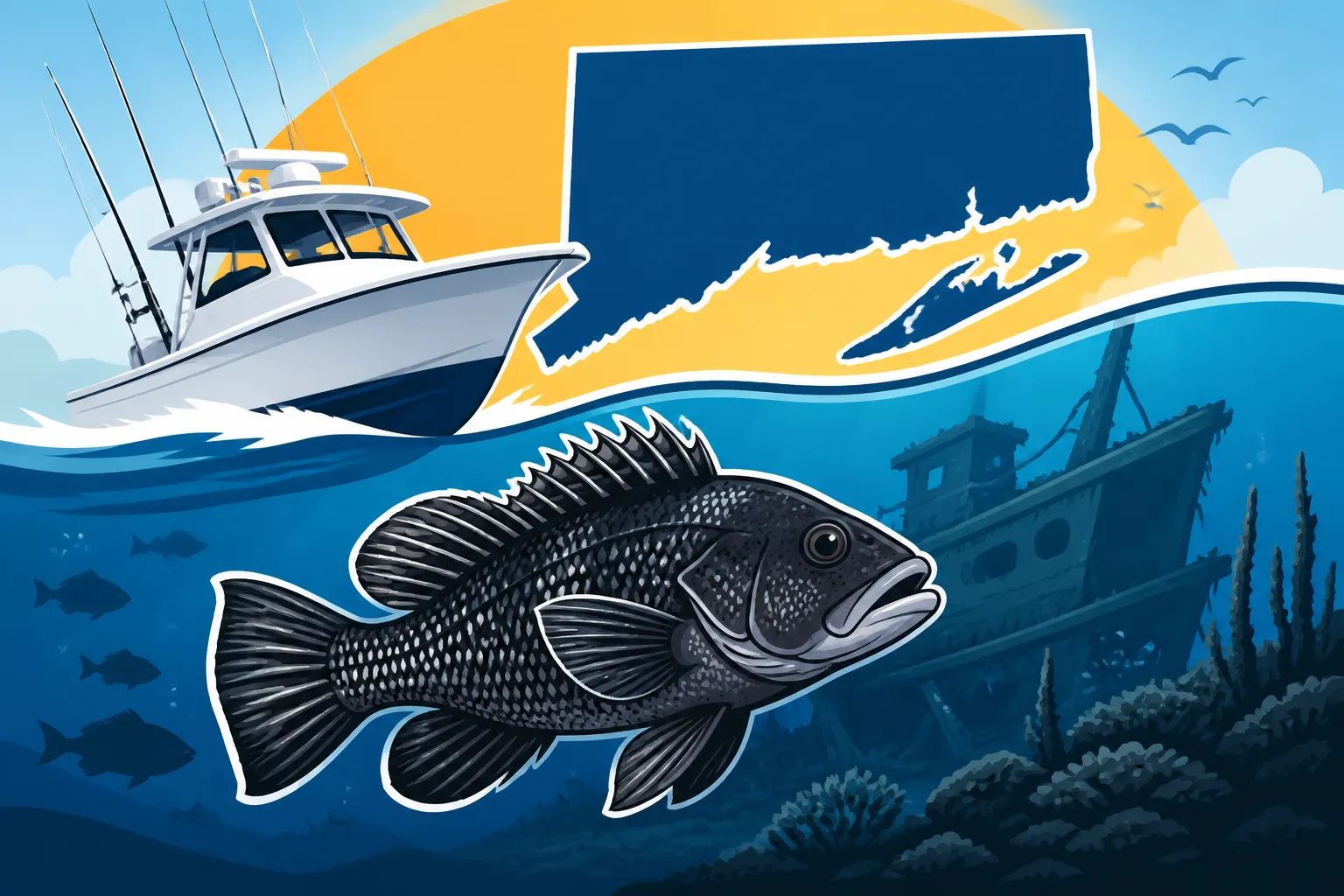
Black sea bass are absolute structure fanatics. They are opportunistic predators, and wrecks, reefs, and other underwater structures provide them with everything they need: shelter from currents, ambush points for unsuspecting prey, and a rich ecosystem of smaller crustaceans and baitfish to feed on. These structures act like underwater apartment complexes, attracting a whole food chain from the smallest crabs to the largest predators. When you're fishing a wreck, you're not just casting into open water; you're targeting a bustling underwater metropolis. It’s why some captains spend countless hours meticulously mapping out new spots and safeguarding their "numbers" like they're pirate treasure maps.
Think about it: strong currents can sweep baitfish over these structures, making them easy pickings for the sea bass lurking below. The nooks and crannies offer protection from larger predators like striped bass or bluefish, and also from strong tidal flows. These artificial and natural reefs become complex ecosystems, hosting mussels, barnacles, crabs, and a variety of small fish that form the primary diet of black sea bass. A good charter knows these locations like the back of their hand, not just that a wreck is there, but where on the wreck the fish are holding given the current and time of day.
Prime Seasons for Targeting Black Sea Bass in Connecticut
The timing of your trip is almost as important as the charter you choose, especially with species like black sea bass that have specific open seasons and often migrate. In Connecticut, black sea bass typically become a primary target when their season opens, usually in mid-May, and remains strong through the fall. The peak action often happens in late spring and early summer as the waters warm up, and again in the fall as they fatten up before winter.
During the cooler months of spring, they might be found in shallower waters around nearshore reefs before moving to deeper, offshore wrecks as summer progresses. By fall, they often return to mid-depth structures, congregating in large numbers before their more sedentary winter period. A knowledgeable captain will track these movements throughout the year, ensuring they’re putting you on fish during the optimal periods. Always double-check the current Connecticut Black Sea Bass Regulations for 2026 before you plan your trip, as dates and limits can vary from year to year, and nobody wants to be disappointed or, worse, on the wrong side of the law.
What Makes a Charter "Best" for Black Sea Bass Wreck Fishing?
It's not enough to just find any charter. For black sea bass around wrecks, you need a specialized approach. The "best" charters stand out because they excel in several key areas that directly relate to this specific type of fishing.
Captain's Expertise and Local Knowledge
This is, hands down, the most crucial factor. A captain who regularly targets black sea bass on wrecks in Connecticut has an intimate understanding of the local waters. They know the exact coordinates of dozens, if not hundreds, of wrecks, rock piles, and artificial reefs. More importantly, they know how the fish relate to these structures under different tidal conditions, wind patterns, and times of day. They've spent years, sometimes decades, out on Long Island Sound, building up a mental database of where the fish are likely to be biting.
This isn't just about having GPS coordinates; it's about being able to "read the water." They can look at the current, the bottom contours on their sonar, and the behavior of baitfish, and put together a plan to effectively present your bait or lure right in front of the fish. Some captains might even specialize in particular sections of the Sound, like the western waters near Greenwich or the eastern stretches off Niantic, each with its unique wreck population and fishing challenges. Asking a charter captain specifically about their experience targeting black sea bass on wrecks, rather than just general bottom fishing, will give you a good sense of their expertise. Look for someone who is genuinely excited to talk about the nuances of this specific type of fishing, not just someone who gives vague answers.
Specialized Gear and Techniques for Wreck Fishing
Wreck fishing isn't like casting a worm in a pond. It requires robust tackle and specific techniques to be successful. The best charters will provide high-quality, heavy-duty rods and reels capable of handling strong fish that try to dive back into structure. Snags are common around wrecks, so having plenty of rigs and sinkers on hand is essential. Expect to use braided line, which offers sensitivity and strength, often paired with a fluorocarbon leader for abrasion resistance against sharp wrecks.
For black sea bass, jigging and bait fishing are the two primary techniques. For jigging, charters will typically supply diamond jigs, bucktail jigs, or soft plastic baits on jig heads, often tipped with a piece of clam or squid for added scent. When bait fishing, you'll commonly use clam, squid, or cut bait on a two-hook "hi-lo" rig or a single-hook bottom rig, sometimes with a snelled hook and a sinker dropper. A good charter won't just hand you a rod; they'll offer advice on how to present your bait or work your jig, ensuring you have the best chance of enticing a bite and avoiding snags. They’ll understand that a slight change in jigging motion or bait presentation can make all the difference on a given day. You might even find yourself on a charter that’s dialing in on specific Jigging for Fluke in Long Island Sound, which can share many techniques with sea bass fishing.
Boat Features for Comfortable and Effective Wreck Fishing
The boat itself plays a significant role in your wreck fishing experience. A stable vessel is crucial, especially when fishing deeper waters or areas with strong currents that can cause a smaller boat to rock excessively. Look for charters with larger, wider hulls that offer more stability, providing a safer and more comfortable platform for fishing. This is especially important when you're anchored directly over a wreck or drifting slowly over it, and you need to maintain balance while jigging or retrieving a fish.
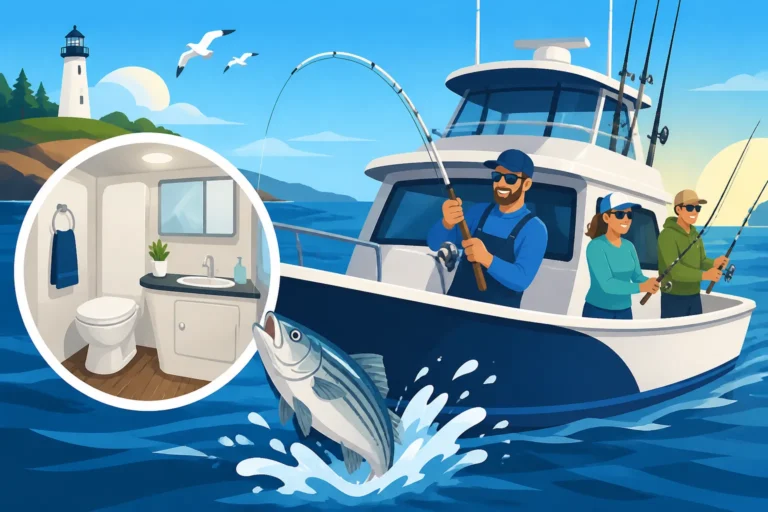
High-end electronics are non-negotiable. The best charters will have advanced sonar systems that can clearly define the structure of the wrecks and, more importantly, mark the presence of fish holding tight to them. Good GPS is vital for precise positioning over the target. Ample deck space is also key, allowing multiple anglers to fish comfortably without getting tangled, and providing enough room to move around, especially when you hook into a good-sized fish. Finally, essential amenities like a head (bathroom), a fish box for your catch, and safety equipment are standard on reputable vessels. It's all part of ensuring a smooth and productive trip when you are evaluating Best Fishing Charters in Connecticut.
Finding and Booking Your Ideal Black Sea Bass Charter
With so many options out there, how do you actually pinpoint the perfect charter for black sea bass wreck fishing in Connecticut? It takes a little research and knowing the right questions to ask.
Researching Charters and Asking the Right Questions
Start by looking at online platforms and reviews. Websites like FishingBooker are excellent resources, as they allow you to filter by location, target species, and even specific types of trips. You can read reviews from other anglers who have fished with specific captains, often mentioning their success with black sea bass or their expertise around local wrecks. Pay attention to comments about the captain's knowledge of local spots, the quality of the gear provided, and their willingness to teach and assist.
Once you have a few potential charters in mind, don't hesitate to call the captains directly. This is your chance to ask detailed questions:
- "How often do you specifically target black sea bass on wrecks?"
- "What kind of success rates do you typically see for black sea bass on wreck trips?"
- "What gear do you provide, and what should I bring?"
- "Do you have a fish cleaner on board, and is fish cleaning included?"
- "What are your boat's safety features and electronics like for wreck fishing?"
Their answers, and their willingness to engage in a detailed conversation, will tell you a lot about their passion and expertise. It's all part of the process when figuring out How to Choose a Connecticut Fishing Charter.
Key Considerations When Booking
Before you commit, several practical aspects need to be sorted out. First, consider the trip duration. For wreck fishing, a half-day trip might get you to a couple of closer spots, but a full-day trip generally offers more flexibility to travel to deeper, potentially more productive wrecks, and allows for more fishing time at each location. For example, some of the best black sea bass reefs or wrecks might be a longer steam from port, making a full day more practical.
Next, think about the number of anglers in your party. Some charters specialize in smaller, more intimate trips, while party boats can accommodate larger groups, though your personal attention from the crew might be less. Discuss pricing thoroughly; understand what's included (bait, tackle, licenses, fish cleaning) and what's extra. Some charters include all necessary gear, while others might charge a small fee for bait or if you lose a lot of sinkers. Always confirm if a fishing license is required for you as an individual or if the charter covers it under a blanket permit – though for most saltwater trips, you'll still need your own Connecticut Fishing License Guide for 2026. Don't forget to ask about their cancellation policy in case of bad weather; reputable charters will always prioritize safety and offer rescheduling options. For a general overview of expectations, check out Connecticut Fishing Charter Cost Guide.
What to Expect Onboard and Maximizing Your Trip
You’ve done your homework, booked the charter, and the day is finally here! Knowing what to expect once you step aboard can help you make the most of your black sea bass wreck fishing adventure.
Onboard Experience: From Departure to Catch
Your day will usually begin with a brief safety orientation and introduction to the boat and crew. The captain will then motor out to the chosen wreck or reef. Depending on the distance, this could be a short ride or an hour or more. During this time, the crew will often prepare tackle, give a quick tutorial on the fishing techniques they'll be using, and explain what to expect from black sea bass.
Once you arrive at the spot, the captain will use their electronics to precisely position the boat over the structure. They might anchor up-current, allowing the boat to swing over the wreck, or they might make several drifts over the area. This is when the action often starts! Listen closely to the captain and crew for advice on how to present your bait or work your jig. They'll tell you if the fish are holding tight to the bottom, suspended higher, or if a different retrieve speed is needed. When you hook up, get ready for a strong fight, as black sea bass are known for their powerful dives back into the structure. Once caught, the crew will often assist with unhooking, measuring, and placing your fish on ice. Many charters also offer fish cleaning services at the end of the trip, which is a fantastic perk, so be sure to ask if this is part of the package or if there's an additional fee. It's a common practice outlined in What to Expect on a Connecticut Fishing Charter.
Essential Gear and Preparedness for Anglers
While the charter provides the heavy-duty fishing gear, there are a few personal items you should always bring to ensure a comfortable and enjoyable trip. Dressing in layers is crucial, as temperatures on the water can change dramatically, especially in the spring and fall. A good waterproof jacket and pants are always a smart idea, even on sunny days, as sea spray can quickly make you damp.
Don't forget essentials like sunscreen, a wide-brimmed hat, and polarized sunglasses – these will protect you from the sun and help you spot fish or structure if you're lucky enough to be able to look into the water. Bring plenty of water and snacks, or even a packed lunch for a full-day trip, to stay hydrated and energized. If you're prone to seasickness, take preventative medication well before the trip begins; it’s much more effective as a preventative than a cure. A small cooler to take your filleted catch home is also a good idea. Knowing What to Bring on a Connecticut Fishing Charter can significantly enhance your experience. And remember, a modest tip for the mate is customary for their hard work and assistance throughout the day, usually around 15-20% of the trip cost, which you can learn more about in Tipping Etiquette for Connecticut Fishing Charters.
Comparing Charter Features for Black Sea Bass Wreck Fishing
To help visualize what to look for, here's a quick comparison of features you might encounter when researching charters for black sea bass on wrecks:
| Feature | Standard Charter (General Bottom Fishing) | Specialized Black Sea Bass Wreck Charter |
|---|---|---|
| Captain's Knowledge | General knowledge of local species and popular spots | In-depth knowledge of specific wrecks, reefs, current patterns, and sea bass behavior |
| Electronics | Basic sonar, GPS | High-definition sonar (side-scan, down-imaging), precise GPS for wreck mapping |
| Tackle Provided | Standard baitcasting rods/reels, basic bottom rigs | Heavy-duty rods/reels, braided line, specialized jigs, robust bottom rigs designed for structure |
| Bait | Standard squid, clam, worms | Premium fresh clam, fresh squid, local bunker/porgy strips, often live baits |
| Techniques | Mostly bait soaking, simple jigging | Advanced jigging techniques, precise bait placement, drift fishing specific to wreck contours |
| Trip Duration | Half-day common | Full-day often recommended for deeper, more productive wrecks |
| Boat Stability | Adequate for general conditions | Higher priority on larger, more stable platforms for comfort over structure |
| Fish Cleaning | Sometimes included, sometimes extra | Often included due to higher volume of catch, efficient cleaning setup |
| Target Success | Good chance of various bottom fish | High likelihood of targeting and catching black sea bass specifically and effectively |
Disclaimer
This article is for general informational purposes only and does not constitute professional advice. Laws, prices and regulations vary by location and change over time. Consult a qualified professional for guidance on your specific situation.