Best technique for winter smallmouth bass
The chill winds of a Connecticut winter can make you think that smallmouth bass fishing is over until spring, but that's simply not true! Many anglers pack away their gear, missing out on some incredible opportunities to catch feisty bronzebacks. The key is understanding how these fish behave in cold water and adapting your approach, which is exactly what this guide will help you master, making those frosty days on the water truly rewarding.
Understanding Winter Smallmouth Behavior in Connecticut
Winter smallmouth bass fishing isn't about casting wildly; it's about precision and understanding. The cold dramatically changes a smallmouth's world, from where they live to how they feed. If you can tap into this knowledge, you're already a step ahead of most anglers who assume the fish have vanished.
Where Smallmouth Bass Go in Winter
As water temperatures plummet, smallmouth bass don't just disappear; they relocate to their winter sanctuaries. These are often deep, stable areas where they can conserve energy and find what little warmth the water offers. Think of those deep rock piles, ledges, and humps in lakes like Candlewood Lake Bass Fishing or the deeper sections of the Connecticut River. They're looking for structure that provides shelter from currents and a consistent environment. Sometimes they'll even suspend over deep water, especially if there's baitfish present, but more often they'll relate to some form of bottom structure.
They often congregate in these deeper zones, forming tight schools, which is why when you find one smallmouth in winter, you often find many. This schooling behavior is a survival mechanism, allowing them to huddle together for protection and perhaps even a slight thermal advantage. These deep retreats could be 20, 30, or even 50 feet down, depending on the body of water. They're not going to be cruising the shallow flats like they would in summer. Understanding these deep-water havens is paramount, and it often means relying heavily on your boat's electronics to pinpoint these hidden gems.
Why Their Metabolism Slows Down
The primary reason smallmouth bass behavior changes so drastically in winter is their cold-blooded nature. Their metabolism slows to a crawl as water temperatures drop. This isn't just a minor adjustment; it's a significant shift that affects every aspect of their lives, particularly their feeding habits. They don't need to eat as often, and when they do, they're looking for an easy, high-calorie meal that requires minimal effort to chase down. This means their strikes can be incredibly subtle, feeling more like a slight pressure or a mushy weight than the aggressive thumps we're used to in warmer months.
Because their energy reserves are precious, they're not going to expend a lot of effort chasing a fast-moving bait. This sluggishness dictates the techniques we use: slower presentations, smaller baits, and precise placement become absolutely critical. You're trying to appeal to a fish that's often suspended or barely moving, waiting for food to come to them. Patience becomes a virtue, as does the ability to detect those almost imperceptible bites that signal a winter smallmouth has finally decided to commit.
Essential Gear for Winter Smallmouth Bass Fishing
Just like you wouldn't go ice fishing in shorts and a t-shirt, you can't approach winter smallmouth bass fishing with your summer gear and expect the best results. The right tools can make all the difference, not just in catching fish, but in your comfort and safety too.
Rod, Reel, and Line Selection
When it comes to winter smallmouth, finesse is the name of the game, and your rod, reel, and line choices reflect that. You'll want a light to medium-light power spinning rod, typically 6'6" to 7'6" in length, with a fast or extra-fast action. This combination provides the sensitivity needed to detect those faint winter bites and the backbone to drive hooks home, even with light line. Sensitivity is key, as those subtle taps often mean a big fish. Graphite rods are often preferred for their sensitivity.
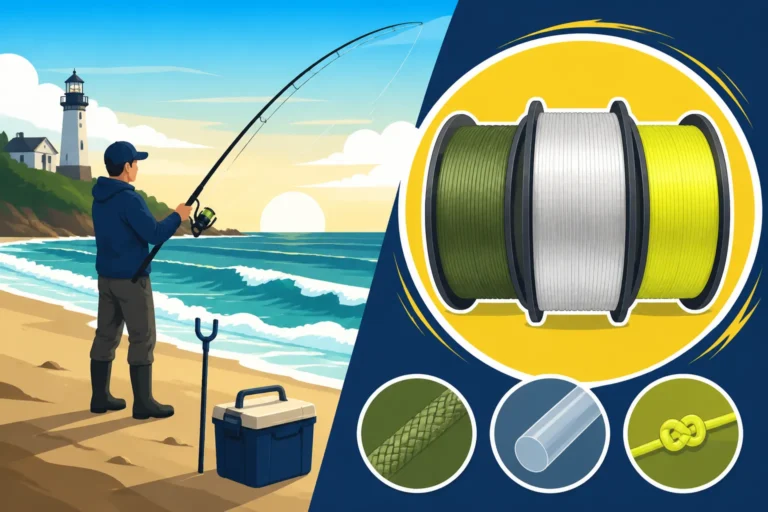
Pair that rod with a lightweight spinning reel, sized 1000 to 2500, spooled with 6 to 8-pound test fluorocarbon line. Fluorocarbon is an excellent choice for winter because it has low stretch, is virtually invisible underwater, and sinks, which can be an advantage with finesse presentations in deep water. You can find excellent fluorocarbon lines on Amazon, ensuring you have the sensitivity and stealth needed. Some anglers prefer a braided main line with a fluorocarbon leader for even greater sensitivity, but either way, that fluoro connection to your bait is crucial.
Cold Weather Apparel and Safety
Fishing in Connecticut during winter means dealing with genuinely cold temperatures, both air and water. Layering is your best friend. Start with a moisture-wicking base layer, add insulating mid-layers like fleece, and top it off with a waterproof and windproof outer shell. A good quality hat, gloves (or fingerless gloves for dexterity), and insulated waterproof boots are non-negotiable. Chemical hand and foot warmers can also be a lifesaver on particularly frigid days.
Safety on the water is paramount, especially when the water is near freezing. If you're fishing from a boat, always wear a life jacket, especially if you're alone or if the water is rough. The Connecticut Cold Water Life Jacket Rule (October to May) is a crucial regulation to be aware of and strictly follow. A fall into icy water can be life-threatening within minutes. Carry a fully charged cell phone in a waterproof bag, and let someone know your float plan. Even shore anglers should be mindful of slippery banks and icy conditions.
Top Techniques for Tricky Winter Smallmouth
Once you understand how winter smallmouth behave and have the right gear, it's time to put those pieces together with the most effective techniques. These aren't about power fishing; they're about finesse, precision, and patience.
Finesse Presentations: Drop Shotting and Ned Rigs
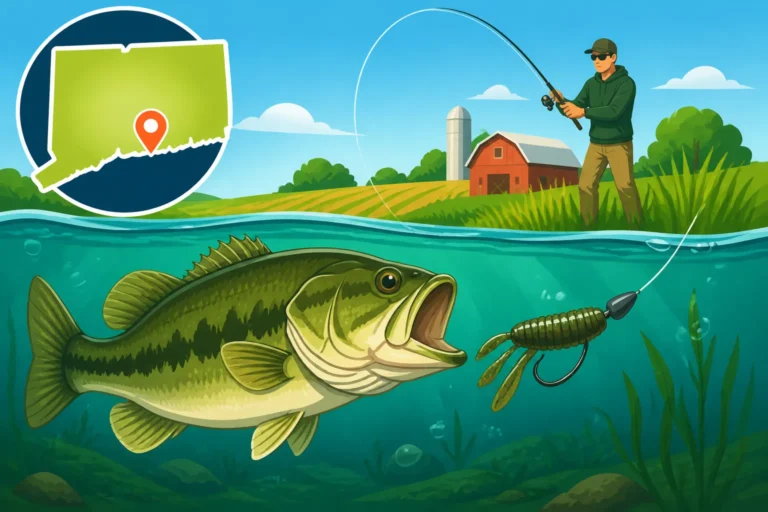
Finesse fishing is absolutely dominant for winter smallmouth, and two techniques stand out: the drop shot and the Ned rig. The drop shot rig allows you to present a small, soft plastic bait horizontally at a specific depth, just above a weighted sinker on the bottom. This keeps the bait right in the strike zone, subtly twitching with minimal rod movement, mimicking a struggling baitfish or an easy meal. Small minnow imitations, worms, or creature baits are excellent choices for a drop shot. The key is to barely move the bait, letting current or subtle rod shakes impart action. You can find a wide variety of drop shot weights and hooks on Amazon to get started.
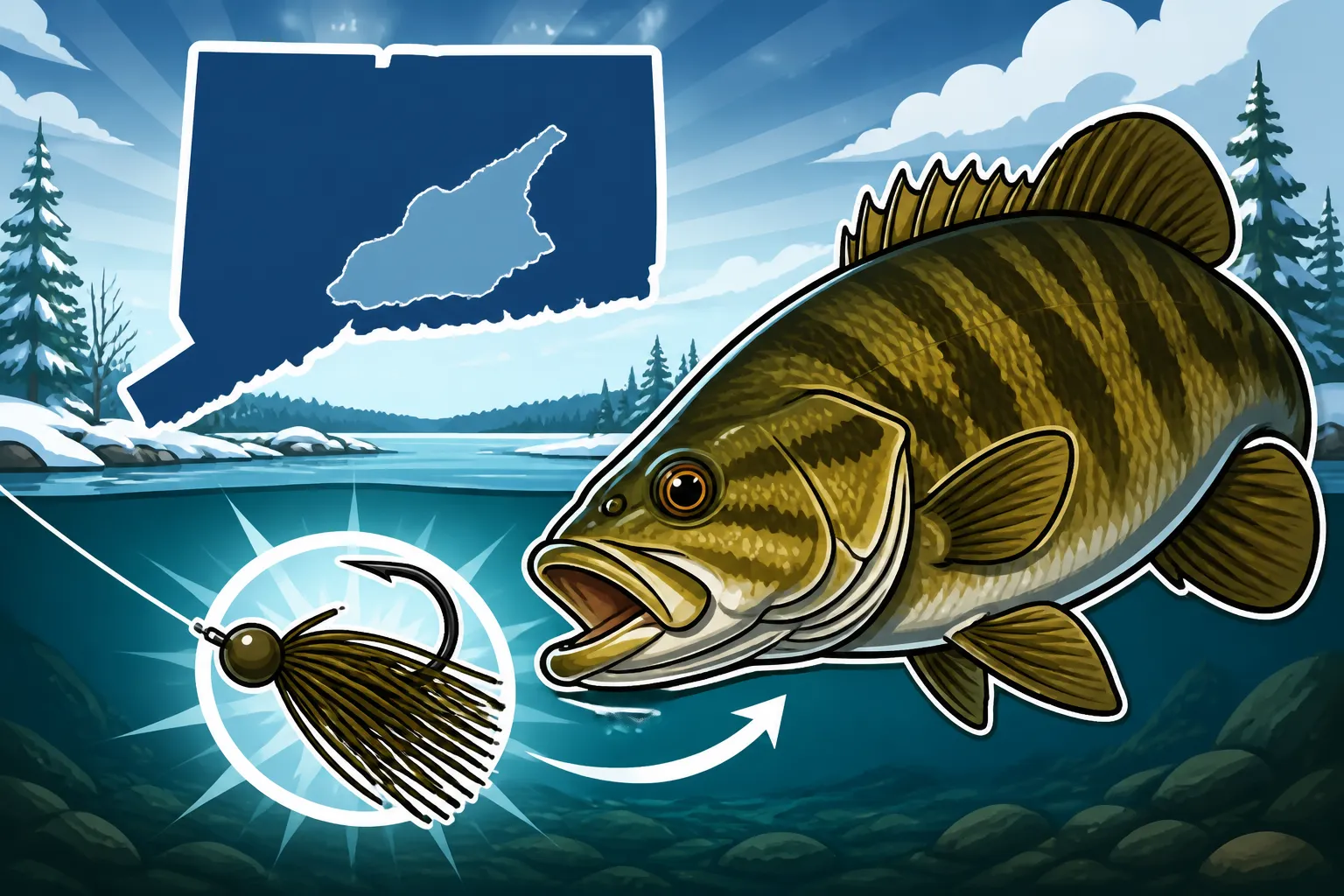
The Ned rig, often called "the mushroom head jig," is another incredibly effective cold-water presentation. It's essentially a small, light jig head paired with a short, buoyant soft plastic worm (often called a "TRD" style bait). The buoyancy of the plastic, combined with the flat head of the jig, allows the bait to stand straight up off the bottom, presenting a tantalizing, small profile that's irresistible to sluggish smallmouth. The retrieve is incredibly slow: cast it out, let it sink, then drag it, hop it, or dead-stick it along the bottom. The subtle action and small profile are perfect for triggering bites from lethargic fish.
Slow-Rolling Jerkbaits and Blade Baits
While finesse plastics are often the go-to, hard baits still have their place, especially on slightly warmer winter days or when fish are a bit more active. Slow-rolling jerkbaits can be deadly. These baits suspend or slowly float at a specific depth when paused, which is the crucial element. Cast it out, reel it down to its maximum depth, then retrieve with a series of long pauses—sometimes 10, 20, or even 30 seconds between twitches. The idea is to trigger a reaction strike from a fish that might not be actively feeding but can't resist an easy, injured-looking meal slowly suspending in front of its face. Choose jerkbaits that closely imitate the local baitfish, and experiment with colors.
Blade baits are another fantastic option for vertical presentations or when fish are slightly more active. These compact, metal lures vibrate intensely on the retrieve or when jigged vertically, mimicking a fleeing baitfish. They're excellent for targeting smallmouth suspended over deep structure. You can cast them out and retrieve them with a lift-and-fall action, or more effectively, use them for vertical jigging directly over schools of fish. Drop the blade bait to the desired depth, then use short, sharp lifts of the rod tip followed by controlled falls. Most strikes occur on the fall, so pay close attention to your line for any twitch or slack.
Vertical Jigging Spoons
When smallmouth are tightly schooled on deep structure, vertically jigging spoons can be one of the most efficient ways to catch them. These heavy metal lures sink quickly and, when jigged, flash and flutter like dying baitfish. The technique is straightforward but requires good boat control and electronics. Position your boat directly over the fish you've marked on your sonar, drop the spoon down to them, and then lift and drop the rod tip in short, sharp movements. Again, most bites will occur as the spoon falls, so watch your line intently.
Different spoon types offer varying actions. Some are designed for a wide, erratic flutter, while others have a tighter wobble. Having a selection of sizes and colors can be beneficial. Silver, gold, and white are often reliable choices, especially when imitating common baitfish. The heavy weight of spoons makes them easy to present in deep water, even with some current. This technique is particularly effective in lakes with good populations of alewives or other schooling baitfish, which smallmouth will eagerly follow into deep winter haunts.
Locating and Targeting Productive Winter Spots
Finding winter smallmouth is often more than half the battle. They are creatures of habit, but those habits change with the season. You can't just blind cast; you need a strategic approach to pinpoint their precise locations.
Interpreting Sonar and Electronics
Modern sonar and marine electronics are your absolute best friends for winter smallmouth fishing. Without them, you're essentially fishing blind in a season where precision is everything. Start by looking for deep water access points, like drop-offs, submerged humps, deep points, and channel swings. In larger bodies of water, use your charts and GPS to identify these areas. Once you're in a promising zone, slow down and meticulously scan the bottom. Look for hard bottom composition, distinct depth changes, and most importantly, baitfish schools and solid arches representing individual fish or tightly packed schools of smallmouth.
Pay attention to subtle details your sonar reveals. Sometimes, smallmouth will be hugging the very bottom, appearing as elongated blips. Other times, they might be suspended 10-20 feet off the bottom, especially if there's bait in the water column. Good electronics allow you to identify these fish, determine their depth, and then adjust your presentation accordingly. Don't be afraid to circle back over productive spots multiple times. The ability to read your electronics effectively is the single greatest advantage you can have for winter smallmouth fishing. Consider reviewing guides like How to use the Connecticut interactive trout stocking map to understand similar mapping technologies, though for smallmouth, it's more about bathymetry.
Effective Boat Positioning and Drifting Strategies
Once you've located a promising spot or a school of fish on your electronics, boat positioning becomes critical. You want to stay directly over or slightly upcurrent/upwind of the fish, allowing your baits to fall naturally into the strike zone. For vertical jigging or drop-shotting, an electric trolling motor with GPS Spot-Lock is invaluable. This allows you to hold your boat precisely in position, even in windy conditions, maximizing your time over the fish. Without it, you'll be constantly adjusting with your main motor, which can spook fish.
If you don't have Spot-Lock, or if the wind/current is too strong, controlled drifting can also be effective. Use drift socks or a combination of your trolling motor and main engine to slow your drift and keep you moving along the contour or over the structure where the fish are holding. The goal is to present your bait to as many fish as possible in a controlled, natural way. Remember that winter smallmouth are not going to move far to eat, so putting the bait right in front of them is key. For more tips on boat handling, you might explore topics like Connecticut Boating Laws for Anglers to ensure you're operating safely and efficiently.
Winter Smallmouth Techniques Summary
| Technique | Ideal Conditions | Presentation Style | Recommended Baits/Lures | Key Advantage |
|---|---|---|---|---|
| Drop Shot | Deep water, light wind/current, subtle bites | Vertical, subtle twitching | Small soft plastics (worms, minnows, creature) | Keeps bait at specific depth, high sensitivity |
| Ned Rig | Shallow to medium depths, tough bite | Slow drag, hop, dead-stick | Z-Man Finesse TRD, small worms | Stands up off bottom, small profile, buoyant |
| Jerkbait | Slightly warmer winter days, suspending fish | Twitch, long pauses | Suspending jerkbaits (e.g., Rapala, Lucky Craft) | Triggers reaction strikes from lethargic fish |
| Blade Bait | Deep water, vertically jigging, current | Lift-and-fall, vibration | Metal blade baits (e.g., Silver Buddy) | Mimics fleeing baitfish, strong vibration, sinks fast |
| Jigging Spoon | Deep, tightly schooled fish, vertical target | Vertical jig, flutter fall | Metal spoons (e.g., Kastmaster, Hopkins) | Fast to depth, erratic flutter, reflective flash |
Final Thoughts on Cold Weather Bronzebacks
Don't let the thought of chilly temperatures keep you off the water this winter. Targeting smallmouth bass during the colder months in Connecticut can be an incredibly rewarding experience, offering not just the thrill of the catch but also a unique challenge that hones your angling skills. While the fish might be slower, their bites more subtle, and the conditions tougher, the reward of landing a chunky winter bronzeback is unmatched.
Remember that patience, precision, and the right gear are your best allies. Embrace those finesse techniques, meticulously scour those deep-water hideouts with your electronics, and dress warmly! You might just find that winter fishing in Connecticut becomes your new favorite season. And for more insights on different fish, you might enjoy reading about Smallmouth Bass Fishing in Connecticut or even Best Time of Year to Fish in Connecticut to help plan your year-round adventures. Tight lines, and stay warm out there!
Disclaimer
This article is for general informational purposes only and does not constitute professional advice. Laws, prices and regulations vary by location and change over time. Consult a qualified professional for guidance on your specific situation.