Best technique for late fall smallmouth bass
The crisp, cold air of late fall in Connecticut can be brutal for anglers, often making us question if it's even worth bundling up to hit the water. It feels like the fish have just vanished, right? You've probably spent hours casting, feeling nothing but numb fingers, and wondering if all those bronzebacks packed their bags and headed south for the winter. But trust me, those feisty smallmouth bass are still there, hunkered down, and ready to bite – if you know how to entice them. This guide will walk you through the most effective techniques to target late fall smallmouth in Connecticut, helping you unlock incredible cold-water action.
Understanding Late Fall Smallmouth Behavior
As autumn gives way to the colder days of November and early December, smallmouth bass undergo a significant shift in their behavior. Gone are the aggressive, chase-oriented strikes of summer. Their metabolism slows down, and they become more lethargic, preferring to conserve energy. This doesn't mean they stop eating; it just means they're pickier, less inclined to move far for a meal, and highly concentrated in specific areas. Successfully catching them requires understanding these changes and adapting your approach.
The Impact of Cooling Water Temperatures
Water temperature is the absolute biggest driver of smallmouth behavior in late fall. As the surface temperatures drop into the 50s and then 40s, smallmouth begin their migration from shallow, summer haunts to deeper, more stable thermal zones. They're looking for areas where the water temperature fluctuates less, providing them comfort and easy access to forage. Think about how we bundle up and find a warm, cozy spot when it's chilly outside – fish do something similar! These fish aren't going to be cruising the weed lines in two feet of water anymore; they're moving towards submerged structures, deep points, ledges, and channels. If you want a deeper dive into this, you might find our guide on the Best water temperature for smallmouth bass fishing helpful.
Their feeding windows also become shorter and more sporadic. Instead of aggressively chasing down bait, they're more likely to ambush prey that presents itself slowly and easily. This means your presentations need to be dialed back significantly. Fast retrieves or flashy, erratic movements that worked in summer might spook them now, or simply not trigger their slower, more deliberate strike reflex.
Where to Find Them: Deep Water Concentration
One of the best things about late fall smallmouth fishing, once you figure it out, is that the fish tend to be highly concentrated. They'll gang up in deeper areas, often in large schools, providing opportunities for multiple hook-ups once you locate them. Look for areas with a quick transition from shallow to deep water, such as main lake points that drop off sharply into a channel, submerged humps surrounded by deep water, or rocky bluffs. River smallmouth will move into deeper pools, slack water eddies, and current seams adjacent to deep structure.
Electronic fish finders become invaluable tools during this time, helping you pinpoint these aggregations. You'll often see them as tight balls of fish suspended over structure or hugging the bottom. Without electronics, you're essentially blind-casting, which can be incredibly frustrating. They are also often associated with baitfish schools, which also seek refuge in these deeper, more stable environments. Understanding these deep-water havens is key to locating where the fish are holding, which is half the battle.
Key Techniques for Coldwater Smallmouth Success
Now that we know where they are and how they're acting, let's talk about how to catch them. The overarching theme for late fall smallmouth techniques is "slow and low." Think finesse, think subtle, and think irresistible. Forget the power fishing of summer; this is a game of patience and precision.
Jigging: The Undisputed Champion
When the water gets cold, jigs are hard to beat for smallmouth. They offer a compact, natural presentation that perfectly mimics dying baitfish or crawfish trying to burrow into the bottom – an easy meal for a sluggish smallmouth. There are a few variations you should always have tied on.
Hair Jigs and Marabou Jigs
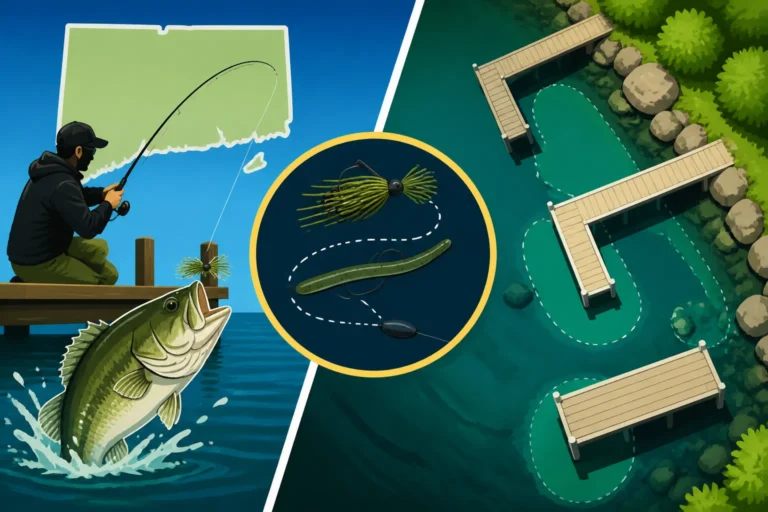
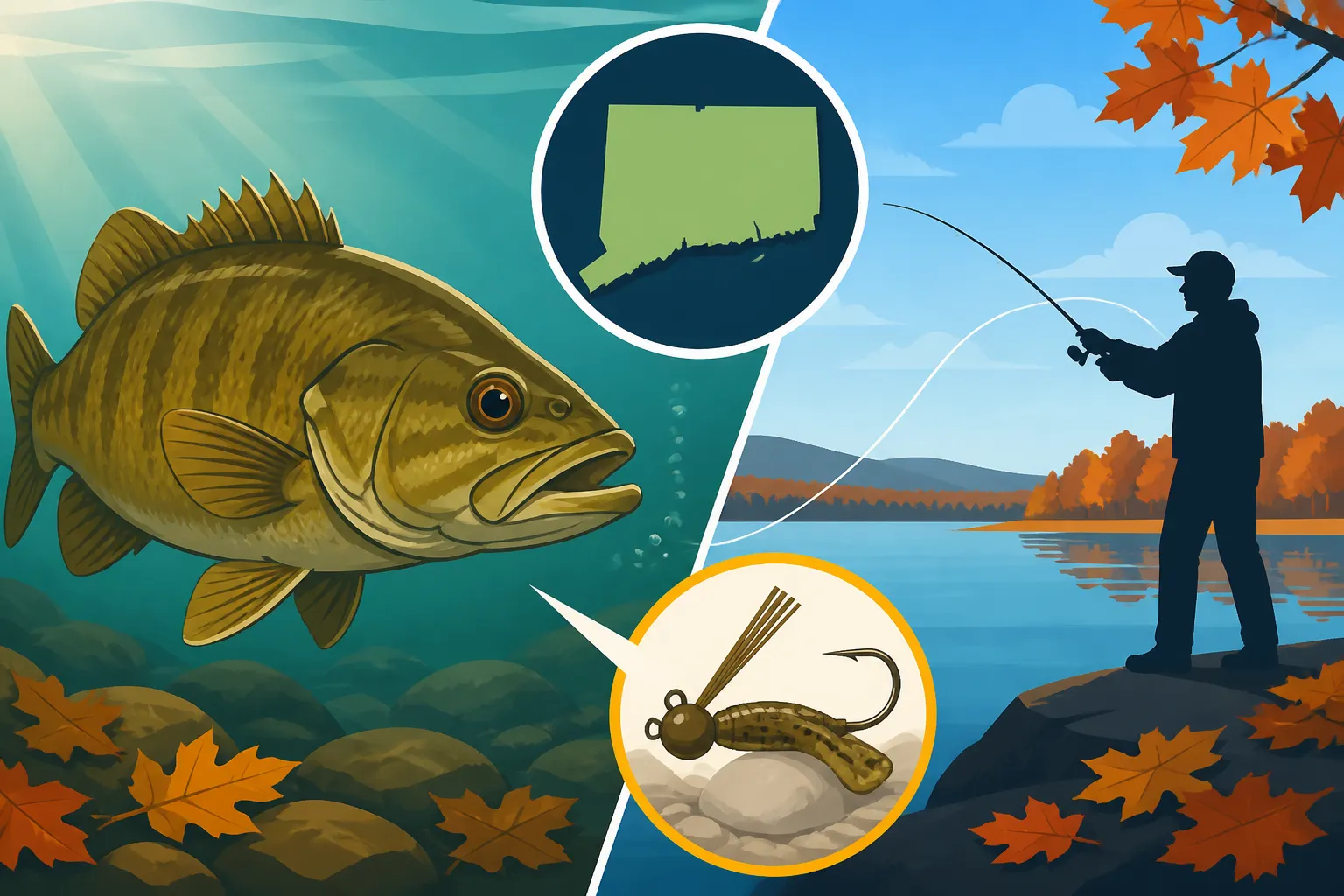
These are finesse powerhouses in cold water. Their natural fibers breathe and pulsate even with the slightest movement, creating an incredibly lifelike action without aggressive rod work. A 1/8 to 1/4 ounce hair jig, in natural colors like brown, olive, or black, is often all you need. Cast it out, let it sink to the bottom on a semi-slack line, and then use a super slow drag-and-pause retrieve. Think of it as barely moving the lure, just enough to make the hair undulate. Often, the bite is a subtle "thump" or simply a feeling of added weight on your line as you try to move it again. You can also experiment with small hop-and-fall actions, but always prioritize slow and subtle. These are particularly effective in clear, cold water on rivers like the Housatonic, which is known for its smallmouth bass. If you're looking for specific lure recommendations, you can usually find a great selection of hair jigs on Amazon, making it easy to stock up for your next trip.
Ned Rigs and Small Jigs with Soft Plastics
The Ned Rig, while often associated with largemouth, is an absolute killer for coldwater smallmouth. Its minimalist design and buoyant plastic stand-up presentation make it incredibly effective for tempting finicky fish. Pair a small 1/16 to 1/8 ounce mushroom-head jig with a short, buoyant soft plastic stick bait (like a Z-Man Finesse TRD). The key is to let it sit on the bottom for extended periods, shaking your rod tip slightly to impart subtle movement, then dragging it a few inches before pausing again. The smallmouth often pick it up during the pause. Other small jig heads (1/8 to 1/4 ounce) tipped with tiny grub tails, small tubes, or creature baits can also be incredibly effective, especially when hopped or dragged along deep structure. Again, natural, muted colors tend to perform best in clear, cold water.
Jerkbaits: Suspending for Success
Jerkbaits become extremely effective in late fall, particularly those designed to suspend in the water column when paused. Smallmouth, being suspended over deeper structure, will readily attack a jerkbait that hangs perfectly in their strike zone.
The Rip-Pause-Rip Retrieve
The technique is all about the "rip-pause-rip." Cast your suspending jerkbait (think Rapala X-Raps or Lucky Craft Pointers) out and twitch it sharply a couple of times to get it down to its running depth. Then, and this is crucial, pause for a long count. We're talking 5, 10, even 15 seconds. Let the bait just hang there, perfectly still. The subtle wobble of a suspending jerkbait is often enough to entice a strike from a curious but uncommitted smallmouth. Then, give it another twitch or two and pause again. The bites usually occur during the pause. The depth you work the jerkbait is important; try to keep it just above where you're seeing fish on your electronics. This technique can be particularly deadly around deep points and rocky ledges. If you're wondering how this might compare to other techniques, our article on How to fish a jerkbait for early spring bass offers some related insights into cold water bait presentations.
Dropshotting: Pinpoint Presentation
When fish are really deep, stubborn, or tucked into specific pockets of structure, dropshotting is your precision weapon. This technique allows you to present a small, soft plastic bait exactly at the fish's depth, keeping it suspended off the bottom and imparting subtle action without moving the entire rig.
Vertical Presentation and Micro-Movements
Dropshotting is often best executed vertically, right over the top of fish you've located on your sonar. Drop your rig down, making sure your bait is positioned a foot or two above the fish. Once at depth, use extremely subtle movements of your rod tip to make the plastic quiver and dance. Think about barely shaking your rod hand, just enough to make the worm or creature bait look alive. The weight stays on the bottom, holding your presentation in the strike zone. Small soft plastics, like tiny worms, flukes, or minnow imitators in natural colors, are ideal. The beauty of dropshotting is that you can keep the bait in the fish's face for a very long time without moving it out of the strike zone, eventually triggering a reaction strike.
Here's a quick comparison of these go-to techniques:
| Technique | Best Conditions | Ideal Lures/Baits | Retrieve Style | Notes |
|---|---|---|---|---|
| Jigging | Cold water (40s-50s), deep structure, clear water | Hair jigs, Ned rigs, small tubes | Slow drag & pause, subtle hops | Excellent for lethargic fish; subtle bites. |
| Jerkbaiting | Water (45s-55s), suspended fish, deeper points | Suspending jerkbaits (Rapala, Lucky Craft) | Rip-rip-pause (long pauses crucial) | Triggers reaction strikes; effective over open water. |
| Dropshotting | Deep water (20+ feet), tight schools, finicky fish | Small worms, minnow imitators, creature baits | Vertical presentation, micro rod tip shakes | Pinpoint accuracy; keeps bait in strike zone longer. |
Essential Gear for Braving the Chill
Late fall fishing isn't just about the lures; it's also about staying comfortable and having the right tools to detect those subtle bites. Freezing hands and chattering teeth will quickly end your day, and a bulky rod won't help you feel a tentative smallmouth pick up a jig.
Rods, Reels, and Line: Sensitivity is King
For jigging and dropshotting, a sensitive spinning rod is absolutely critical. Look for a fast-action, medium-light to medium power rod, typically 6'6" to 7'2" in length. Graphite construction is key for transmitting those faint bumps and thumps from deep water. Pair this with a smooth spinning reel spooled with 6-10 lb braided line. Braid offers superior sensitivity and minimal stretch, which is vital for feeling those cold-water bites. Use an 8-12 lb fluorocarbon leader, 6-8 feet long, tied to your braid with a strong knot like an FG knot or an Albright. Fluorocarbon is nearly invisible underwater and has excellent abrasion resistance around rocky structure.
For jerkbaits, a medium-action casting rod, around 6'8" to 7'0", paired with a baitcasting reel spooled with 10-12 lb fluorocarbon line, works wonderfully. The slight stretch of fluorocarbon can be an advantage for setting hooks on twitching baits, and its sink rate helps get those jerkbaits to depth. Remember, quality gear can often be found with competitive pricing and reliable delivery on Amazon, which can be super helpful when you need to upgrade your setup quickly for the changing seasons.
Cold Weather Apparel: Stay Warm, Stay Fishing
This might seem obvious, but proper layering can make or break your late fall fishing trip. Connecticut mornings can be frosty, and the wind off the water can be biting. Start with a moisture-wicking base layer against your skin, followed by insulating layers like fleece or wool, and then a waterproof and windproof outer shell. Don't forget a warm hat, neck gaiter, and insulated, waterproof gloves. Those smallmouth bites are subtle, and numb hands won't feel a thing. Good quality thermal socks are also a must to keep your feet from freezing. Trust me, feeling good makes you a better, more patient angler.
Electronics: Your Underwater Eyes
As mentioned earlier, good electronics are almost a necessity for consistently finding late fall smallmouth. A fish finder with down imaging and side imaging capabilities will help you locate schools of baitfish and the smallmouth that are often shadowing them. Pay attention to contour lines on your map, marking those sudden depth changes, humps, and points. Once you find a productive area, use your electronics to stay on top of the fish and understand their positioning. It's a game-changer for efficiently covering water and not just blind casting into empty expanses. For more general guidance on locating fish, check out our Reading the Connecticut Fishing Guide which often points to areas known for deep structure.
Prime Connecticut Spots for Autumn Bronzebacks
Connecticut offers some fantastic opportunities for late fall smallmouth, both in its larger lakes and its renowned rivers. Targeting these species in these waters requires a keen understanding of their movements as the temperatures drop.
Lake Fishing: Deep Water Havens
Large, deep lakes are prime candidates for late fall smallmouth. These bodies of water provide the consistent deep-water structure that smallmouth seek out.
Candlewood Lake
Candlewood Lake, Connecticut's largest lake, is a smallmouth haven throughout the year, but particularly shines in late fall. Its extensive deep structure, humps, rocky points, and submerged roadbeds provide endless holding areas for schooling smallmouth. Focus your efforts on the main lake basin, especially around the numerous islands and sharp drop-offs. Areas near New Fairfield, Sherman, and Brookfield often produce big fish as they congregate in deeper water. Look for baitfish activity on your sonar, as the smallmouth won't be far behind. Our Candlewood Lake Fishing Guide can offer even more specific insights into its layout and productive zones.
Bantam Lake and Other Deep Lakes
Bantam Lake, while not as deep as Candlewood, also has respectable smallmouth populations that will transition to deeper areas in late fall. Look for the main channel and any significant humps or rocky bottom structure. Other large lakes like Lake Lillinonah and Lake Zoar also hold smallmouth that can be targeted with these deep-water techniques. The key is to find those structural elements that drop into 20-40 feet of water, where the smallmouth will be staging for the winter. These deeper lakes often provide better thermal stability, attracting both smallmouth and their forage.
River Fishing: Current Breaks and Deep Pools
Rivers present a slightly different challenge but can be incredibly rewarding for late fall smallmouth. The current is a constant factor, so fish will seek out areas that offer a break from the flow while still providing access to deep water.
The Housatonic River
The Housatonic River, particularly downstream of Falls Village and through the sections known for trout, holds a very healthy population of smallmouth bass. As the water cools, these fish will move out of the faster riffles and into deeper, slower pools, eddies, and seams behind large boulders or ledges. Focus on areas where the current breaks create slack water next to significant depth changes. The section of the Housatonic River that flows through Kent and Cornwall, often considered part of the Housatonic River Fishing Guide, can be excellent for this. Drifting small jigs or Ned Rigs through these deeper sections can be incredibly effective. Remember, river smallmouth still appreciate a bit of current to bring food to them, but they won't fight a strong flow in cold water. They'll position themselves strategically in ambush points.
Connecticut River
While often known for its striped bass and shad runs, the lower Connecticut River also holds smallmouth, especially in areas with rocky bottoms and swift current. Look for deep holes and scour channels that are protected from the main current. The slower moving areas around Haddam or East Haddam, for example, might hold congregating smallmouth. Again, finesse presentations are paramount here, as the fish will be less inclined to chase. For those interested in the diverse fishing opportunities, don't forget to review the Connecticut Fishing Seasons by Month guide, which outlines key fishing periods across the state.
Conclusion
Late fall smallmouth bass fishing in Connecticut can be some of the most challenging, yet ultimately rewarding, fishing experiences of the year. It demands patience, attention to detail, and a willingness to slow down and embrace finesse techniques. By understanding how these fish react to colder water, where they congregate, and employing the right jigs, jerkbaits, and dropshot presentations, you'll be well on your way to catching some incredible bronzebacks. Don't let the chilly weather deter you; with the right approach, those hard-fighting smallmouth are waiting!
Disclaimer
This article is for general informational purposes only and does not constitute professional advice. Laws, prices and regulations vary by location and change over time. Consult a qualified professional for guidance on your specific situation.