Connecticut Fishing Seasons by Month
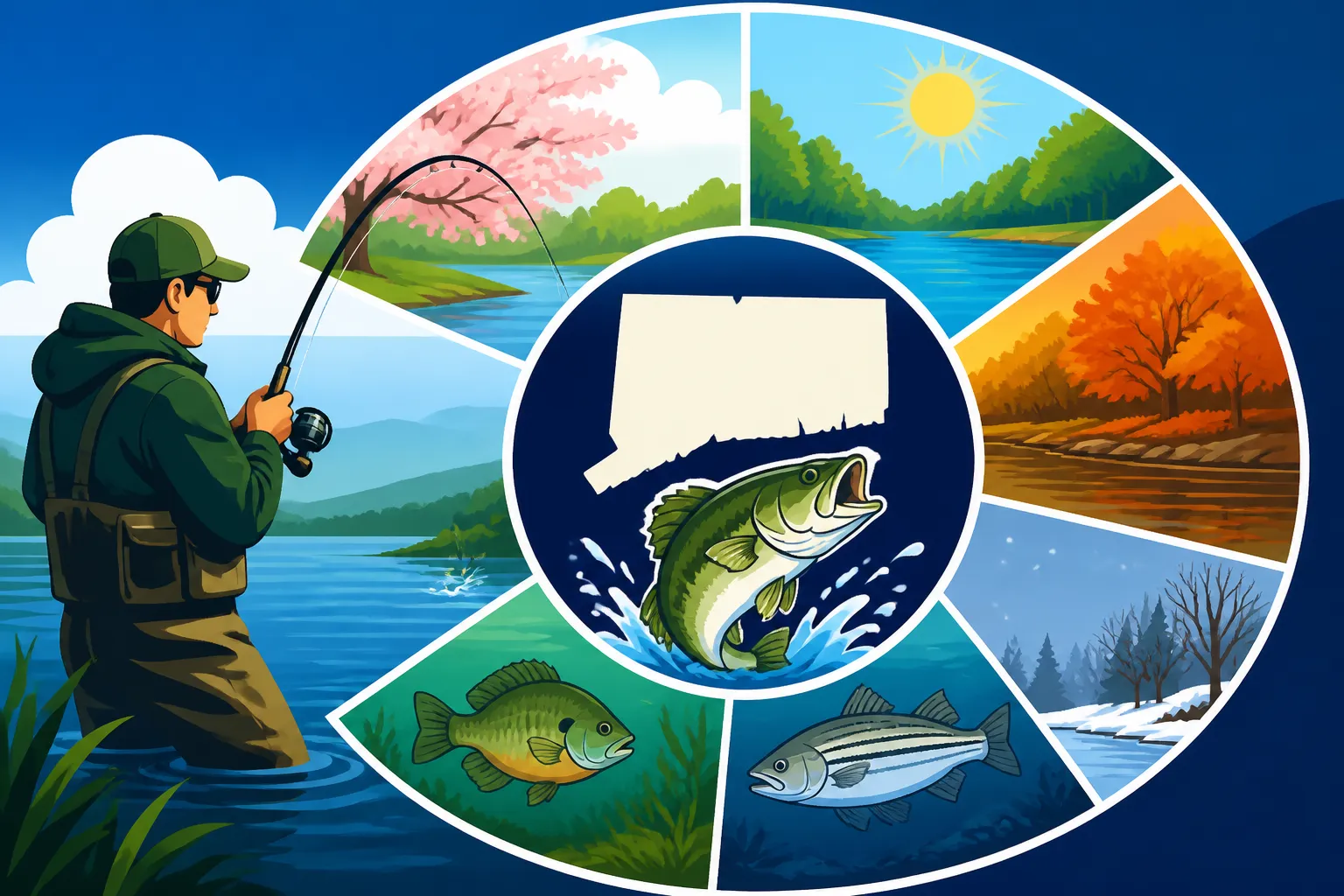
Navigating the ever-changing world of Connecticut fishing can feel like trying to hit a moving target. Just when you've got a handle on the bite in one season, the weather shifts, the fish move, and suddenly, your tried-and-true methods aren't working anymore. It's a common frustration for anglers, both seasoned and new, trying to figure out what's biting, where to find them, and what regulations apply throughout the year. This comprehensive guide will meticulously break down Connecticut's fishing seasons by month, offering insights into target species, tactics, and what to expect from our diverse waters, ensuring you're prepared for success no matter the time of year.
Spring Fishing: The Awakening
Spring in Connecticut is a period of incredible transition and renewed hope for anglers. As the ice melts and water temperatures slowly begin to climb, the state's diverse fish populations start to stir, signaling the start of prime fishing opportunities for many species. It's a time of fresh beginnings, but also one that demands adaptability due to often unpredictable weather.
Early Spring: Ice-Out and Trout Stocking Frenzy
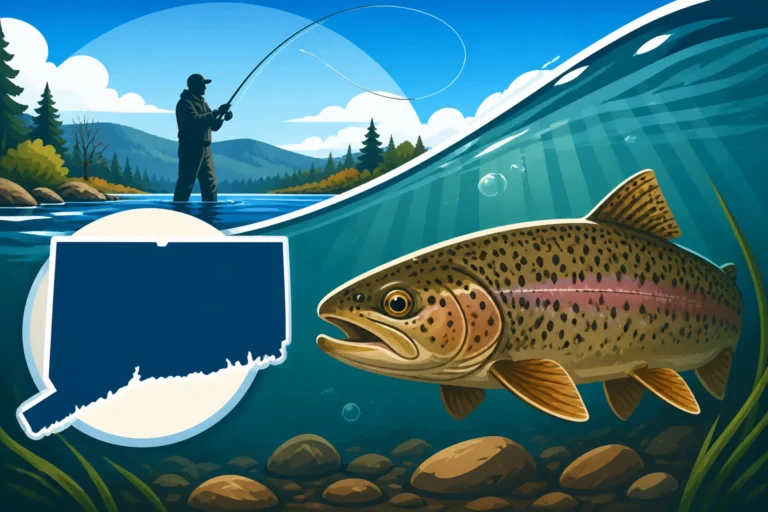
Typically spanning March and early April, this period is synonymous with the much-anticipated trout season opening day. The moment the last vestiges of ice vanish from our lakes and ponds, the Connecticut Department of Energy and Environmental Protection (DEEP) begins its extensive trout stocking program, pouring thousands upon thousands of hungry trout into waterways across the state. It's a vibrant, almost festival-like time, especially in smaller streams and ponds, where anglers line the banks eager to catch freshly stocked rainbow, brown, and brook trout. If you're looking for more details on specific dates and locations, check out our guide on Connecticut Trout Season and Stocking Rules.
Many anglers focus their efforts on these newly stocked waters, using traditional baits like worms, PowerBait, and corn, often fished under a bobber or on light bottom rigs. The fish are usually quite active and less wary at this point, making it a fantastic time for families and novice anglers to experience consistent action. However, don't underestimate the challenge; competition can be stiff, and water temperatures, while warming, are still on the chilly side, which means fish might be a bit lethargic until the sun is high. For the adventurous, a few larger lakes, like Candlewood Lake or Lake Lillinonah, might see some pre-spawn smallmouth bass becoming active, though they'll still be deep and hugging structure, requiring patient fishing with jigs or slow-moving presentations.
Beyond trout, early spring also sees a noticeable increase in activity from other freshwater species. Chain pickerel, known for their aggressive strikes, become very active in shallow, weedy areas as they shake off winter sluggishness. Largemouth bass might still be in deeper wintering holes but are beginning to make forays into shallower flats on sunny days, particularly in stained water bodies that warm up quicker. The Housatonic River, a celebrated fishery, begins to show signs of life for its resident trout populations, offering some early season fly fishing opportunities for those willing to brave the often-brisk conditions.
Mid-Spring: Shad Runs and Bass Awakening
As April transitions into May, water temperatures continue their steady climb, bringing a cascade of new fishing opportunities. One of the most iconic events is the American Shad run on the Connecticut River. These silvery, hard-fighting anadromous fish migrate from the ocean upriver to spawn, providing some truly spectacular light tackle action. Anglers typically target them with small darts, spoons, or flies, often from shore at popular access points or from boats drifting through the main channel. It's a unique fishery that draws a passionate crowd and is certainly a bucket-list experience for many Connecticut anglers.
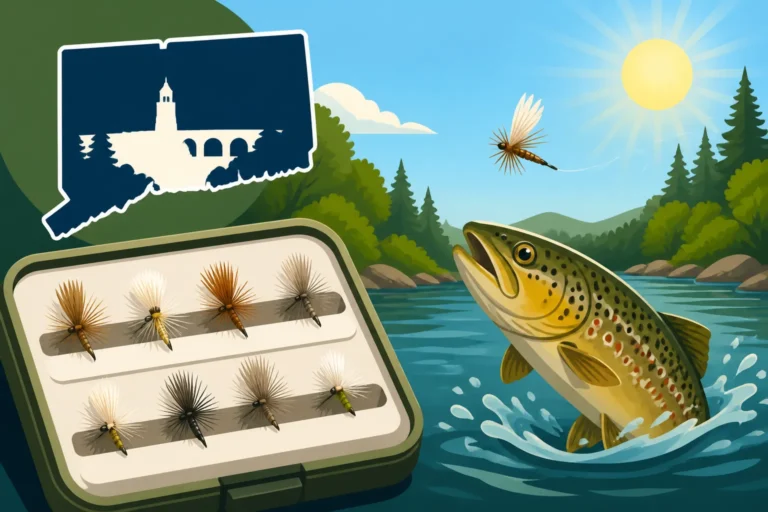
In the freshwater scene, both largemouth and smallmouth bass move definitively into their pre-spawn patterns. They become more aggressive, feeding heavily to build energy for the upcoming spawning season. Lake Zoar and Lake Lillinonah can be excellent for smallmouth, while many of Connecticut's State Park Fishing Guide and private ponds offer fantastic largemouth action. This is a great time to experiment with crankbaits, spinnerbaits, and jigs, as fish are often willing to chase down a meal. Rivers like the Housatonic and Farmington also see increased insect activity, leading to better dry fly fishing for trout as hatches become more consistent, making it a great time for Fly Fishing for Trout in Connecticut.
The saltwater scene is also starting to wake up. While the biggest striped bass are still a little while away, schoolie stripers begin to show up in the tidal rivers and estuaries, gorging on newly arrived baitfish. These smaller bass offer exciting light tackle action, often falling for soft plastics, small plugs, or flies. Early season tautog (blackfish) can also be targeted around rocky structures and wrecks, though their season and regulations require careful checking. Don't forget, you'll need a valid Connecticut Fishing License Guide for 2026 for both fresh and saltwater endeavors.
Late Spring: Fluke Arrive and Striper Action Heats Up
By late May and early June, Connecticut fishing is in full swing. The highly anticipated fluke (summer flounder) season kicks off, bringing anglers to Long Island Sound in search of these delicious flatfish. Fluke can be targeted by drifting with bait (like squid strips or spearing) or by jigging with bucktails tipped with soft plastics. Early season fluke often hang out in shallower areas before moving to deeper channels as the water warms. Our Connecticut Fluke and Summer Flounder Regulations will help you stay compliant.
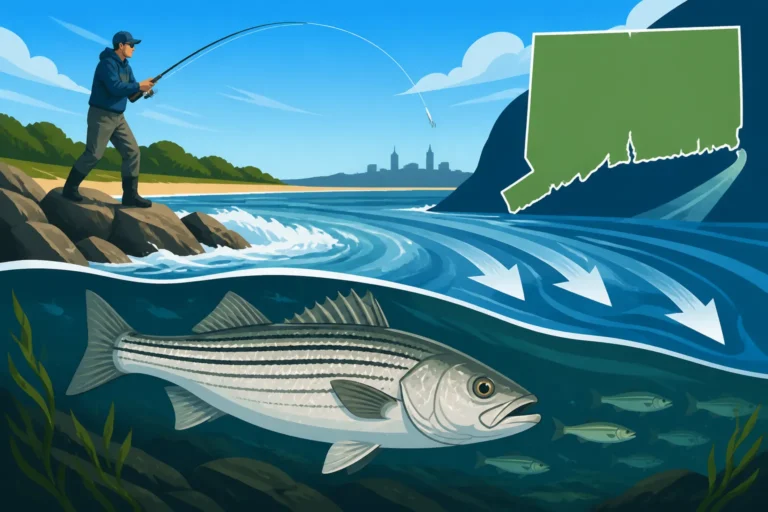
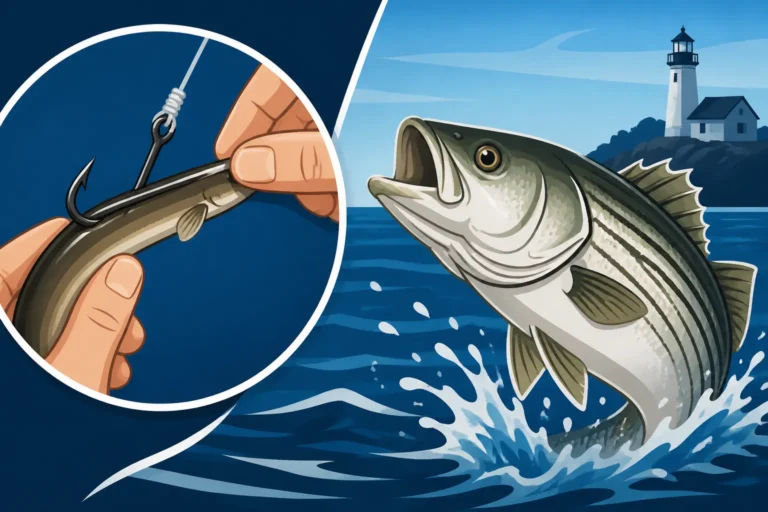
The striped bass bite truly ignites in late spring. Larger migratory stripers begin to enter Long Island Sound and our coastal rivers, following baitfish like bunker and herring. Anglers can find them around rocky points, jetties, rips, and estuaries. Topwater plugs at dawn or dusk, soft plastic paddle tails, and live-lining bunker are all effective methods for these powerful fish. The mouth of the Connecticut River and the various reefs and rips along the shoreline become prime real estate for striper anglers. For more in-depth information, consider exploring our guide on Striped Bass Fishing in Long Island Sound. Don't forget to double-check the Connecticut Striped Bass Slot Limit and Season as it's crucial for legal harvest.
In freshwater, bass fishing remains excellent as fish transition from spawning to post-spawn feeding patterns. Lake fishing for both largemouth and smallmouth can be fantastic, with fish often relating to submerged cover and weed lines. Panfish, like bluegill and crappie, are abundant and actively feeding in many ponds and lakes, offering easy and fun fishing for anglers of all ages. This vibrant period is a true testament to the richness of Connecticut's fisheries.
Summer Fishing: Warm Waters and Diverse Opportunities
Summer in Connecticut brings longer days and warmer waters, offering a different set of challenges and rewards for anglers. While some species might become more lethargic in the heat, others thrive, and the coastal waters truly come alive with migratory fish.
Early Summer: Offshore Adventures and Inshore Blitzes
June and early July mark the peak of excitement for many saltwater anglers. The inshore striped bass bite continues to be strong, with large schools of bunker (menhaden) drawing stripers and bluefish close to shore. This is when you can experience incredible "blitzes" where schools of baitfish are driven to the surface by predatory fish, creating a feeding frenzy that's visible from miles away. Topwater plugs, swimming plugs, and live-lining bunker are exceptionally effective during these times. Our How to Catch Striped Bass in Long Island Sound guide offers excellent techniques.
For those venturing further offshore into Long Island Sound, black sea bass fishing hits its stride. These feisty bottom dwellers congregate around rocky reefs, wrecks, and artificial structures. Jigging with metal jigs or fishing bait like squid and clam on hi-lo rigs are popular and highly effective methods. Always consult the Connecticut Black Sea Bass Regulations for 2026 as limits and seasons can change. Fluke fishing also remains strong, with fish often moving into deeper channels and cooler water as the shallower areas heat up.
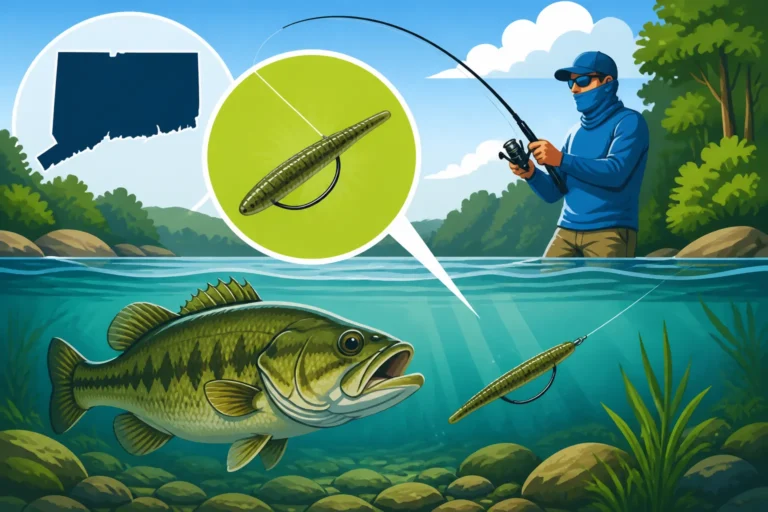
Freshwater fishing continues to be productive, especially in the early morning and late evening hours when water temperatures are cooler. Bass fishing, particularly for largemouth, transitions to more cover-oriented tactics, such as flipping jigs or soft plastics into lily pads, submerged timber, or dense weed beds. Smallmouth bass on larger lakes like Candlewood Lake or rivers like the Housatonic will often retreat to deeper, cooler water, requiring anglers to adapt with drop-shot rigs, deep-diving crankbaits, or Ned rigs.
Mid-Summer: Dog Days and Deep Water Tactics
The heart of summer, typically late July and August, can present the biggest challenges due to high water temperatures and often bright, sunny days. Fish, especially in freshwater, become more finicky and prone to seeking refuge in deeper, cooler water or dense shade. Early morning and late evening fishing become paramount. For bass anglers, this means focusing on low-light conditions or targeting deep structures, thermoclines, and shade lines under docks or overhanging trees. Techniques like deep cranking, Texas-rigged worms, and Carolina rigs come into their own.
In Long Island Sound, the action remains steady, though perhaps less explosive than early summer. Stripers might move into deeper rips or feed primarily at night or during strong tidal flows, making Night Fishing for Striped Bass in Connecticut a popular and often highly successful tactic. Bluefish, always a formidable adversary, are plentiful and provide thrilling topwater action with their aggressive strikes and powerful fights. They are less deterred by warm water than stripers, often remaining active throughout the day. Scup (porgy) become incredibly abundant on rocky bottoms, offering fast-paced action for anglers using small hooks and bait like clam or squid.
This is also a fantastic time for offshore species if you have access to a larger boat capable of venturing beyond the Sound. Tuna, mahi-mahi, and even sharks can be found in the open Atlantic, offering truly epic battles. However, for most inshore anglers, focusing on finding cooler water, either deep or in areas with strong current, is the key to success. Don't forget your polarized sunglasses from Amazon to cut the glare and spot those subtle fish movements in the bright summer sun.
Late Summer: Prepare for the Fall Run
As August winds down and we head into early September, a subtle shift begins to occur. The days start to shorten, and while air temperatures remain warm, the water temperature will slowly begin to drop, hinting at the upcoming fall migration. This period is a critical feeding time for many species as they bulk up for winter or prepare for long migrations.
Striped bass and bluefish become increasingly aggressive, often schooling up more tightly and actively pursuing baitfish in preparation for their southward journey. This is a fantastic time for casting large topwater plugs, swimbaits, or trolling umbrella rigs in the Sound. Offshore, false albacore, known for their incredible speed and fighting power, often make an appearance, providing a challenging and exhilarating light tackle or fly fishing opportunity for anglers targeting these "little tunny."
Freshwater lakes and rivers also see a surge in activity. Bass, both largemouth and smallmouth, sense the approaching change and feed more consistently throughout the day. They might move back into shallower areas, especially rocky points and submerged humps, making them more accessible than during the dog days of mid-summer. Crappie and other panfish also school up more tightly, offering excellent opportunities for anglers using small jigs or minnows. For detailed information on specific locations, our Best Fishing Lakes in Connecticut and Best Fishing Rivers in Connecticut guides can point you in the right direction.
Fall Fishing: The Grand Finale
Fall is arguably one of the most exciting and productive times to fish in Connecticut. The vibrant foliage provides a stunning backdrop, and the cooling water temperatures trigger intense feeding frenzies and major fish migrations. It's often referred to as the "fall run" for good reason.
Early Fall: The Striper Migration Begins
September ushers in the true beginning of the fall run along the Connecticut coastline. Striped bass and bluefish are actively migrating south, and their journey takes them through Long Island Sound. This means incredible opportunities for anglers targeting these species from shore or boat. Schools of baitfish, like peanut bunker and mullet, are abundant, and the predatory fish are hot on their heels. This often leads to spectacular surface feeding activity, or "blitzes," as fish push bait against the shorelines or into tidal rips.
Anglers should be prepared with a variety of lures, including large topwater plugs, poppers, swimbaits, and metal jigs. Live lining bunker or eels can also be incredibly effective for targeting larger stripers. Focus your efforts around estuaries, river mouths, rocky points, and jetties, especially during strong tides. The Connecticut River Striped Bass Fishing area becomes particularly active during this period. For those who prefer a more hands-on experience, our How to Catch Striped Bass in Long Island Sound guide offers excellent tips.
In freshwater, the cooling water revitalizes trout streams and lakes. The DEEP often conducts fall trout stockings, providing another boost to the trout population. Wild and holdover trout become more active, feeding on aquatic insects and minnows. Fly anglers will find improved nymphing and streamer fishing, while spin anglers can have success with small spinners and stickbaits. Bass fishing remains strong, with both largemouth and smallmouth aggressively feeding on baitfish in preparation for winter.
Mid-Fall: Trout Fishing Revival and Blackfish Bonanza
October is a truly special month for Connecticut anglers. The fall trout stocking is in full swing, creating excellent opportunities in streams, rivers, and ponds throughout the state. Rivers like the Farmington River West Branch and the Housatonic River offer exceptional trout fishing, with fish actively feeding in the cooler, well-oxygenated water. Fly fishing with nymphs, streamers, and occasional dry flies becomes highly productive. Spin anglers continue to find success with small inline spinners, stickbaits, and even worms, especially in the state's many stocked trout ponds.
Simultaneously, the tautog (blackfish) bite reaches its peak. These hard-fighting, structure-oriented fish become incredibly active around rocky reefs, jetties, wrecks, and mussel beds in Long Island Sound. Targeting them requires specific tactics, often involving green crabs, Asian crabs, or hermit crabs fished on stout tackle, tight to the structure. Their powerful bite and stubborn fight make them a favorite among dedicated bottom fishermen. To ensure you're within the rules, always check the Connecticut Blackfish Tautog Season Dates.
The striped bass and bluefish migration continues, with many larger fish still moving through the Sound. However, as the water cools further, their patterns might shift, requiring anglers to focus more on deeper water or specific tidal windows. False albacore might still be around in early October, offering thrilling, albeit fleeting, light tackle opportunities. This is also a fantastic time for shore fishing, as many fish move closer to accessible areas to feed.
Late Fall: Last Bites Before Winter
November signifies the winding down of many open-water fisheries as winter approaches. While the major fall runs of striped bass and bluefish begin to thin out, there are still opportunities for those willing to brave the colder weather. Large, holdover stripers can still be found in deeper holes in tidal rivers and around major structure in the Sound, often requiring slower, more deliberate presentations with soft plastics or large plugs.
Blackfish continue to be a strong target species into November, with some of the largest "white chins" being caught as they feed heavily before the deep cold sets in. It's a challenging but rewarding fishery for those with the patience and appropriate gear. Freshwater trout fishing can still be excellent, especially in designated Trout Management Areas where regulations often allow for extended seasons or catch-and-release fishing through the winter. Rivers like the Farmington and Housatonic offer some of the best opportunities for cold-weather trout.
Bass fishing becomes more challenging, with fish moving into deeper wintering areas. However, aggressive chain pickerel remain active in shallower, weedy areas, often providing consistent action for anglers using spoons or spinnerbaits. This is the time to start thinking about winterization for your boat and tackle, but also to cherish those last few open-water trips before the hard water season arrives. Grabbing a good pair of insulated fishing gloves from Amazon is a must for these late-season outings.
Winter Fishing: Under the Ice and in the Briny Deep
Winter fishing in Connecticut might seem daunting, but for those prepared, it offers unique and often highly rewarding opportunities. From the serene solitude of ice fishing to targeting hardy species in open water, there's always something to catch.
Early Winter: Holdover Trout and Lingering Stripers
December, especially early in the month, can still offer some decent open-water fishing, particularly if the cold snaps aren't too severe. Many of Connecticut's rivers, especially the larger ones like the Connecticut River and the lower reaches of tidal rivers feeding into Long Island Sound, will hold "holdover" striped bass. These fish often gather in deeper holes, providing a challenging but potentially very rewarding fishery. Slower presentations with soft plastics or even chunk bait can entice a strike.
In freshwater, stocked trout often remain active in larger lakes and ponds that haven't frozen over yet. These "holdover" trout, having survived the initial onslaught of opening day, become smarter and stronger, offering a more challenging fight. The designated Trout Management Areas (TMAs) on rivers like the Farmington and Housatonic often remain open for catch-and-release fishing through the winter, providing excellent opportunities for hardy fly and spin anglers to target truly trophy-sized trout. For those interested, our Connecticut Trout Management Area Regulations can offer more guidance.
As temperatures drop, focus shifts to safety, as ice begins to form on smaller ponds and shallow coves. Anglers should exercise extreme caution and always prioritize safety over a catch.
Mid-Winter: Ice Fishing Dominance
January and February are prime months for ice fishing across Connecticut, assuming safe ice conditions prevail. This unique fishery offers a chance to target a variety of species that become more accessible through the ice. Northern pike are a popular target, especially in lakes like Bantam Lake and Mansfield Hollow Lake, often caught on large shiners fished under tip-ups. Perch, crappie, bluegill, and pickerel are also abundant and provide steady action in many smaller lakes and ponds. Our comprehensive guide on Ice Fishing in Connecticut provides essential tips and safety protocols.
Ice fishing requires specialized gear, including augers to cut holes, tip-ups, ice fishing rods, and appropriate cold-weather clothing. Safety is paramount: always check ice thickness, never fish alone, and be aware of changing conditions. A spud bar is your best friend for testing ice as you venture out. Some dedicated anglers will brave the elements in search of panfish, using tiny jigs tipped with bait, while others will set up entire ice shanties for a day of pike fishing. The camaraderie and unique experience of ice fishing are truly something special.
While ice fishing dominates, open water opportunities are scarce. However, a few dedicated anglers might still find holdover trout in larger, faster-flowing rivers that resist freezing, or try their luck for cod further offshore in the Atlantic.
Late Winter: The First Signs of Spring
As February gives way to March, the first subtle hints of spring begin to appear. Days get longer, and if we're lucky, a few sunny days can start to melt the ice on smaller ponds, initiating the ice-out period. This transition can be a fantastic time for aggressive chain pickerel, which become very active around the edges of melting ice and in newly opened shallow, weedy areas. They are often the first species to really get going after winter, providing an exciting prelude to the main spring events.
Trout anglers start looking for those initial signs of spring melt and slightly rising water temperatures in rivers. While the major trout stocking season is still a few weeks away, the holdover trout in rivers and larger lakes begin to respond to the increased daylight and subtly warming flows. Patience is key during this period, as conditions can change rapidly, and fish might be found in deeper, slower pools.
This time of year is all about anticipation. Anglers begin to organize their tackle, repair their gear, and prepare for the upcoming spring rush. It's a great time to visit your local tackle shop or browse Amazon for any gear you might need for the busy fishing months ahead. Staying informed about the Connecticut Fishing Season Dates and Closures becomes increasingly important as official opening days draw near.
Understanding Connecticut's Aquatic Calendar
To truly master fishing in Connecticut, it's not enough to just know what species are available; you need to understand the underlying environmental factors that dictate their behavior and movements throughout the year. The state's diverse geography, from the cold, clear trout streams of the Litchfield Hills to the salty expanse of Long Island Sound, means that these factors play out differently across various fishing grounds.
The Impact of Water Temperature
Water temperature is perhaps the single most crucial environmental factor influencing fish activity and migration. Every fish species has an optimal temperature range for feeding, spawning, and general activity. When waters are too cold (winter), fish become lethargic, their metabolism slows, and they feed infrequently. Conversely, when waters become too warm (mid-summer), many cold-water species like trout become stressed and seek cooler refuges, while even warm-water species like bass can become less active during the hottest parts of the day.
For trout, anything above 68-70°F can be lethal, making summer fishing in many streams a delicate affair. Knowing when the Connecticut trout streams get too warm to fish is critical for their survival if practicing catch and release. Striped bass are powerful, but even they prefer certain temperature ranges, often moving into deeper, cooler waters of Long Island Sound during heat waves, or migrating south when coastal temperatures drop in the fall. Understanding how water temperature dictates fish location and feeding behavior is the ultimate angling advantage, pushing you to explore different depths and cover during various times of the year. Investing in a simple water thermometer can provide invaluable insights for your local spots.
Tides and Their Influence on Coastal Fishing
While freshwater anglers focus on currents and flow rates, saltwater fishermen live and die by the tides. Long Island Sound experiences two high tides and two low tides each day, and the movement of this water is a major driver of fish behavior. Tidal currents move baitfish, concentrate nutrients, and provide ambush points for predatory species like striped bass, bluefish, and fluke. For instance, the incoming tide often pushes baitfish into estuaries and shallow flats, while the outgoing tide can pull them out of rivers and concentrate them at choke points.
Fishing the "slack tide," the brief period when the water is neither rising nor falling, can be hit or miss. Some species, like blackfish (tautog), prefer the slower currents, making them easier to target around structure, while others, like stripers, often feed most aggressively during strong tidal flows, particularly around rips and eddies where baitfish are disoriented. Understanding your local tide charts, available online or in many tackle shops, is non-negotiable for successful saltwater fishing in Connecticut. Factors like moon phase also play a significant role, influencing the strength of the tides and, by extension, the feeding patterns of coastal fish. Our Long Island Sound Fishing Guide delves deeper into these critical factors.
Understanding Fish Behavior by Season
Each season brings distinct behavioral patterns in fish that anglers must recognize. In spring, fish are focused on two things: feeding after a lean winter and spawning. This means they'll often be found in shallower, warming waters, making them accessible. In summer, the focus shifts to surviving the heat, which often means seeking deeper, cooler water, or becoming nocturnal feeders. Their metabolism is high, but they can be finicky.
Fall is a period of intense feeding as fish prepare for winter or long migrations. This is when they are often most aggressive and willing to chase down a wide variety of baits and lures. They're trying to put on weight, and anglers can capitalize on this instinct. Winter, of course, sees a significant slowdown in activity for most species, with a focus on conserving energy. However, understanding this can lead to success for species that remain active, like pickerel, or those targeted through the ice. Becoming an observer of nature, noticing baitfish movements, water clarity, and even bird activity, will significantly enhance your understanding of fish behavior.
Seasonal Gear and Preparation
Being prepared with the right gear and knowledge for each season is paramount for a successful and comfortable fishing experience in Connecticut. The difference between a great day and a miserable one can often come down to a few key items.
Essential Tackle for Each Season
Just as fish behavior changes, so too should your tackle strategy. For instance, in spring, when targeting freshly stocked trout, a light spinning rod (6-7 feet, light to medium-light power) with 4-6 lb test monofilament or fluorocarbon line is perfect. Small inline spinners, spoons, and various baits are the go-to. For early season bass, heavier jigs and crankbaits might be needed to probe deeper structures.
As summer rolls around, you might shift to lighter, more finesse presentations for bass in clear waters, such as drop-shot rigs with small soft plastics on an ultralight setup. Saltwater anglers targeting fluke will want a medium-heavy rod for drifting and jigging, capable of handling heavier lead and strong fighting fish, often spooled with braided line for sensitivity. Bluefish and stripers might require heavier conventional or spinning gear for casting large plugs or live-lining bunker.
Fall demands versatility, especially for striped bass and bluefish. You'll want rods capable of casting heavy plugs and lures long distances, paired with robust reels and strong braided lines (20-50 lb test). For blackfish, stout conventional rods with strong, sensitive tips are crucial for feeling subtle bites and muscling fish out of structure. For trout, lighter fly rods (3-5 weight) with floating lines for dry flies and nymphs, or heavier sink-tip lines for streamers, become essential.
Winter ice fishing gear is unique: short, sensitive ice rods, often paired with small spinning reels, and specialized tip-ups for pike. Don't forget an ice auger, skimmer, and a sled to carry your gear. For any of these seasonal needs, Amazon is a great resource for finding specialized tackle.
Clothing and Safety for Changing Weather
Connecticut weather can be notoriously fickle, and layering is your best friend year-round. In spring, expect cold mornings and potentially warm afternoons, or sudden rain showers. Waterproof and windproof outer layers are crucial, along with moisture-wicking base layers. Insulated boots are a must for keeping feet warm and dry. Waders, particularly chest waders, are invaluable for trout fishing in rivers.
Summer brings heat and humidity, so lightweight, breathable, UV-protective clothing is essential. A wide-brimmed hat, polarized sunglasses, and plenty of sunscreen are non-negotiable. Don't forget insect repellent, especially in marshy areas or during dawn/dusk. Always bring rain gear, as pop-up thunderstorms are common.
Fall means rapidly cooling temperatures. Start with warm base layers, add insulating fleece or down, and top with a waterproof/windproof outer shell. Insulated gloves and a warm hat are critical, especially on cold boat rides. Safety-wise, always let someone know where you're going and when you expect to return, particularly if you're venturing out alone. For specific boating regulations, consult our Connecticut Boating Laws for Anglers.
Winter demands serious protection from the cold. Multiple layers, including thermal underwear, fleece pants, insulated bibs, a heavy insulated jacket, waterproof gloves, and a warm hat, are essential. Insulated, waterproof boots are critical for ice fishing or wading in cold streams. Beyond clothing, safety equipment like ice picks (for self-rescue on ice), a life jacket, and a spud bar for testing ice thickness are absolute necessities for ice fishing. Never take chances with ice safety.
Pre-Season Scouting and Planning
A successful fishing season doesn't just happen; it's the result of careful planning and preparation. Before each season kicks off, take the time to:
- Check Regulations: Regulations for different species (length limits, creel limits, season dates) can change annually. Always consult the latest Reading the Connecticut Fishing Guide or the DEEP website before heading out. This is especially true for species like striped bass, black sea bass, and tautog.
- Scout Locations: If possible, drive or walk around potential fishing spots. Look for changes in water levels, new fallen trees, weed growth, or public access points. Our guides like Best Bass Fishing Lakes in Connecticut or Best Trout Streams in Connecticut are great starting points for location scouting.
- Inspect Gear: Go through your rods, reels, lines, and tackle boxes. Replace old line, sharpen hooks, and repair any damaged equipment. Ensure your boat (if applicable) is registered and seaworthy, and that all safety equipment is on board and in good condition. You might want to get your Connecticut Safe Boating Certificate Requirement squared away.
- Study Forecasts: Keep an eye on weather and water temperature forecasts. This helps you predict fish behavior and dress appropriately. Understanding current conditions, even before you leave the house, helps you make informed decisions about where and how to fish.
By proactively preparing, you're not just ready for the season; you're setting yourself up for maximum enjoyment and success on the water.
Key Species by Season
Connecticut is blessed with an incredible diversity of fish species, each with its peak activity window throughout the year. Knowing which species to target when can greatly increase your chances of success.
Targeting Popular Species Year-Round
While some species are distinctly seasonal, a few popular ones offer opportunities in multiple seasons, albeit with changing tactics.
Trout: Connecticut is renowned for its trout fishing, and while spring stocking generates immense excitement, trout can be targeted nearly year-round. In spring, they are active in rivers and ponds. In summer, wild and holdover trout retreat to cooler, oxygenated waters in larger rivers and deeper lakes. Fall sees a resurgence with cooler temperatures and additional stockings, making for fantastic fly and spin fishing. Even in winter, dedicated anglers can find holdover trout in open rivers, particularly in Trout Management Areas, or target them through the ice in suitable ponds. Check out our detailed guide on Trout Fishing in Connecticut.
Largemouth and Smallmouth Bass: These freshwater powerhouses offer consistent action from early spring through late fall. In spring, they are in pre-spawn and spawning modes, often found shallower. Summer sees them retreat to deeper water or dense cover during the day, becoming more active at dawn/dusk. Fall brings an aggressive feeding binge as they fatten up for winter. While ice fishing for bass is less common, they can be caught incidentally while targeting other species. Our articles on Largemouth Bass Fishing in Connecticut and Smallmouth Bass Fishing in Connecticut provide excellent in-depth information.
Panfish (Perch, Crappie, Bluegill): These ubiquitous and eager biters are available in most freshwater bodies year-round. They provide excellent action for beginners and seasoned anglers alike. Spring and fall see them actively feeding in shallow areas. Summer means targeting them in deeper water or around structure. And in winter, they are a primary target for ice anglers, often schooling up and providing fast-paced jigging action.
Seasonal Hot Spots and Migrations
Beyond year-round species, understanding the seasonal movements of others is key.
Striped Bass and Bluefish: These migratory saltwater heavyweights are the stars of the spring and fall runs. They arrive in Long Island Sound in late spring, feed heavily through summer (though often preferring low-light conditions or specific tides during the hottest months), and then stage an epic fall migration, providing some of the most thrilling action of the year. During winter, a hardy few "holdover" stripers might remain in deeper tidal rivers. For detailed information on their movements, explore Striped Bass Migration Along the Connecticut Coast.
Fluke (Summer Flounder): Fluke season typically kicks off in late spring and continues strong through summer and into early fall. They prefer sandy or muddy bottoms, often moving into deeper channels as summer progresses. Early in the season, they might be shallower.
Blackfish (Tautog): These strong, structure-loving fish have specific open seasons, usually in spring and then a very strong run in fall, often extending into early winter. They are found exclusively around rocky structures, jetties, wrecks, and mussel beds in Long Island Sound.
American Shad: This anadromous species provides a spectacular, short-lived fishery in the Connecticut River during mid-spring (April-May) as they run upstream to spawn. It's a unique opportunity to catch these hard-fighting "poor man's salmon."
Northern Pike and Chain Pickerel: While pickerel are active through much of the year, both species are prime targets during the colder months, especially for ice fishing on lakes like Bantam Lake, Mashapaug Lake, and Hopeville Pond. Pike become particularly aggressive under the ice, often hitting large shiners or jigs.
Connecticut's Regulatory Calendar Considerations
Fishing in Connecticut isn't just about knowing where and when the fish are biting; it's also about understanding and adhering to the state's ever-evolving fishing regulations. These rules are put in place by the Connecticut DEEP to protect fish populations and ensure sustainable angling for future generations. Ignoring them can lead to significant penalties.
Season Openers and Closures
One of the most critical aspects of the regulatory calendar is understanding when specific seasons open and close for various species. For example, the freshwater trout season generally has a defined "opening day" in mid-April, though many designated trout waters have different rules. Saltwater species like black sea bass, tautog (blackfish), and fluke have specific season dates, which often involve periods of closure to protect spawning populations or allow for recovery.
It's crucial to consult the official Connecticut Angler's Guide, published annually by the DEEP, or visit their website for the most up-to-date information. These guides will clearly lay out the start and end dates for various fisheries, often broken down by water type (e.g., inland vs. marine) and even specific bodies of water. For instance, the Connecticut Housatonic River Seasonal Closure Explained highlights specific periods when parts of this famous river are closed to protect species during vulnerable times. Planning your trips around these open seasons is a fundamental step to avoid illegal fishing.
Length and Creel Limits that Change Seasonally
Beyond season dates, many fish species in Connecticut are subject to specific length (size) limits and creel (bag) limits, which dictate how many fish you can keep and their minimum or maximum legal size. What makes this particularly challenging for anglers is that these limits can change not only by species but also by season or even by specific body of water.
Take striped bass, for example. The Connecticut Striped Bass Slot Limit and Season often dictates a "slot limit," meaning you can only keep fish within a specific length range, not smaller or larger. This is a management tool to protect both juvenile fish and large, breeding adults. Similarly, fluke and black sea bass often have minimum length requirements to ensure fish have a chance to spawn before being harvested. Trout limits can vary between general open waters and special regulation areas like Trophy Trout Streams or Catch-and-Release Only sections.
It's not uncommon for these limits to be adjusted based on stock assessments and conservation needs, so checking the regulations each year is an absolute must. Carrying a copy of the current Angler's Guide (available digitally or in print from tackle shops) or having the DEEP website bookmarked on your phone is highly recommended. These rules are in place to ensure the health of our fisheries, so understanding and following them is part of being a responsible angler in Connecticut.
Disclaimer
Please note that fishing regulations in Connecticut are subject to change. Always consult the most current Connecticut Department of Energy and Environmental Protection (DEEP) fishing guide or website before heading out to ensure compliance with all laws and regulations. This guide provides general information and should not be considered a substitute for official regulatory documents.