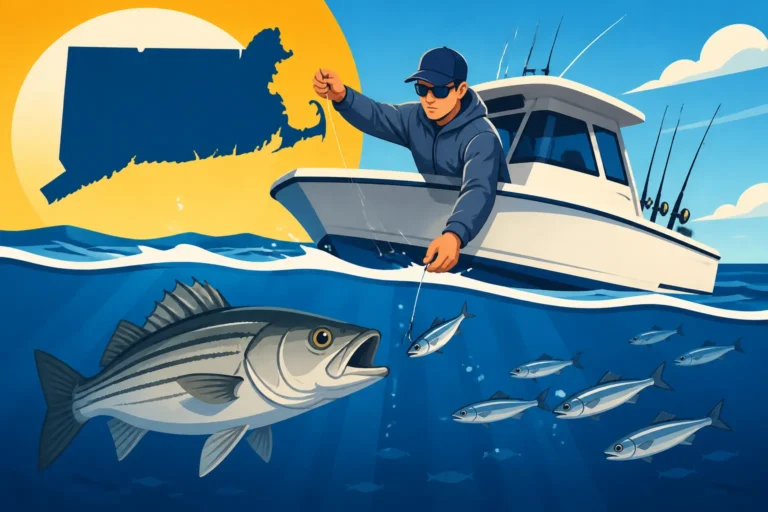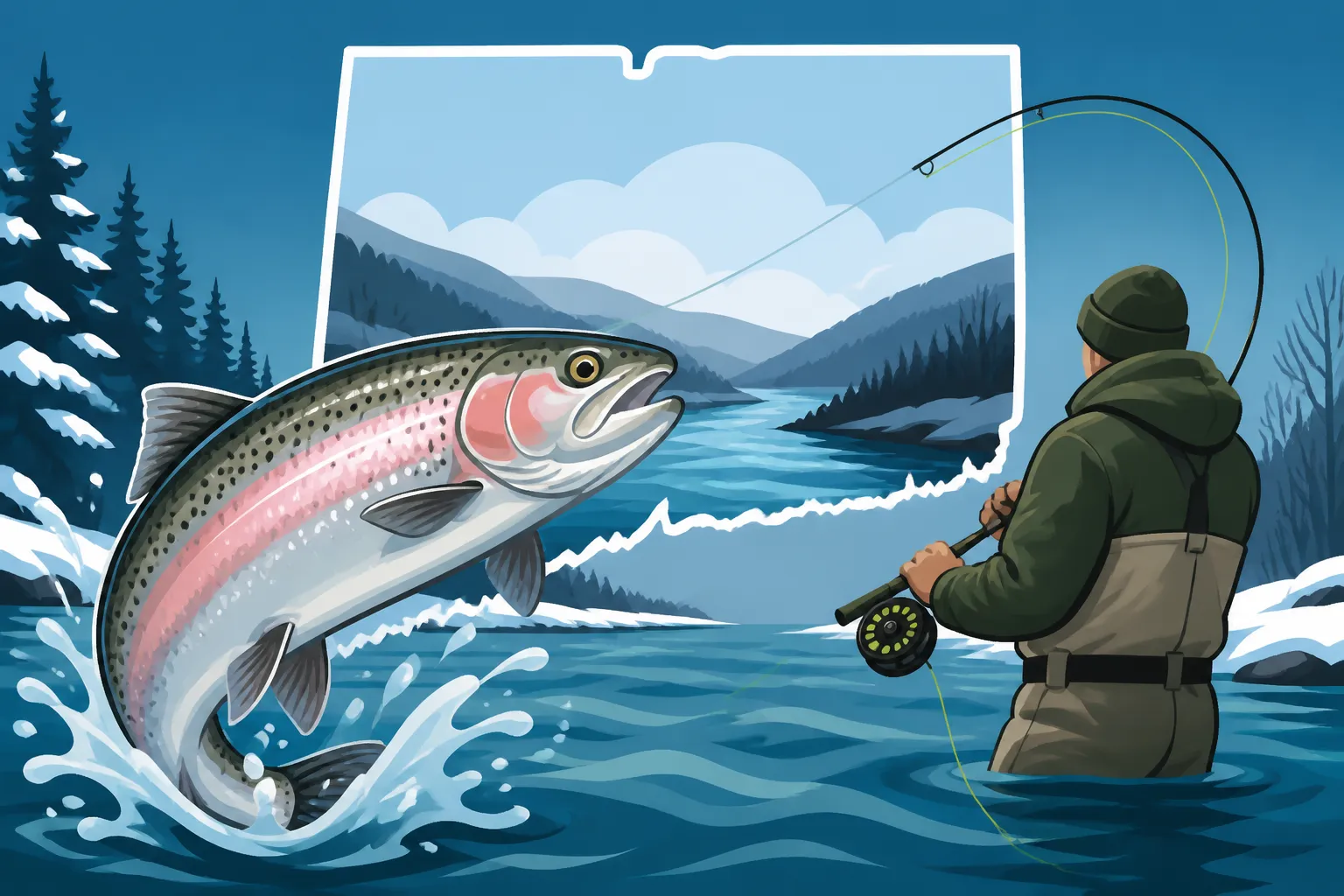
Best winter steelhead-style guide trips in Connecticut
Trying to scratch that fishing itch during the colder months in Connecticut can feel like a real challenge, especially when you're dreaming of hard-fighting fish that seem to vanish with the autumn leaves. Many anglers assume winter means hanging up the rods, but for those who know, it's a secret season for targeting big, migratory trout that behave much like their famous "steelhead" cousins out west. This guide will walk you through what "steelhead-style" guide trips in Connecticut truly offer, where to find them, and how to make the most of an incredible, often overlooked winter angling experience.
Understanding "Steelhead-Style" Fishing in Connecticut
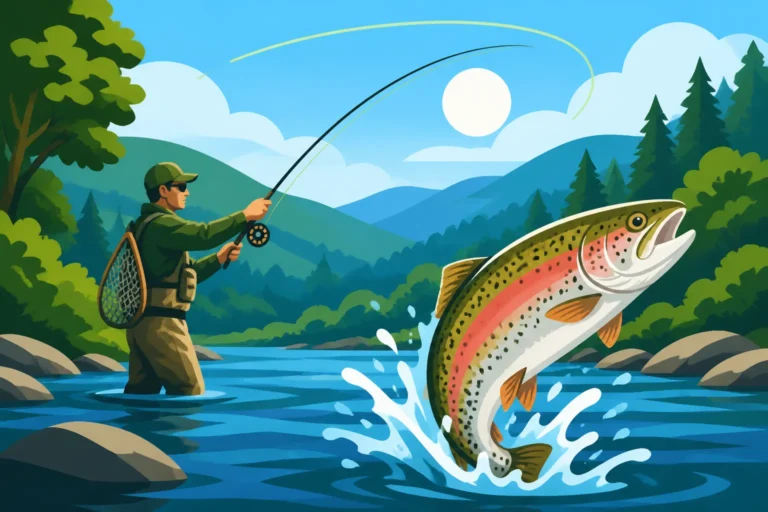
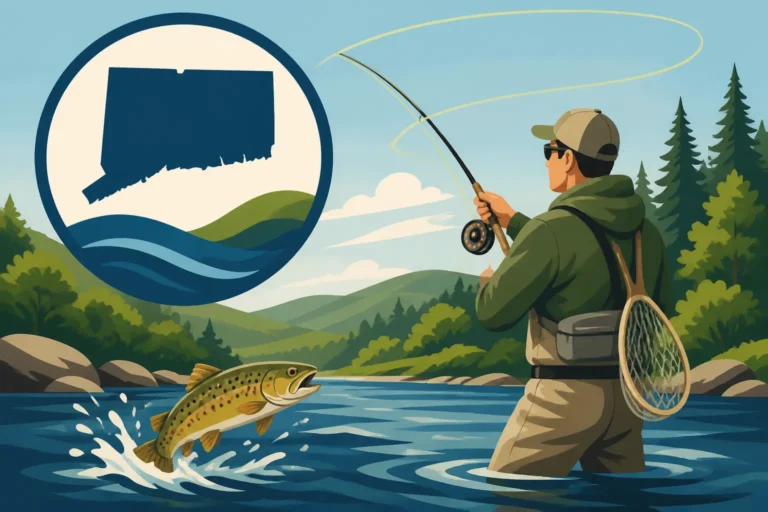
When we talk about "steelhead-style" fishing in Connecticut, we're not talking about actual steelhead trout – those magnificent sea-run rainbow trout found primarily in the Great Lakes or Pacific Northwest. Instead, we're referring to a very similar and equally thrilling experience involving large, migratory brown and rainbow trout that move up our cold rivers from larger lakes or even Long Island Sound. These fish are often referred to as "holdovers" or "winter browns/bows," and they exhibit the same powerful, acrobatic fights that make true steelhead so revered.
What Steelhead-Style Really Means for Connecticut Rivers
In Connecticut, our "steelhead-style" fishing primarily targets mature brown trout, and sometimes large rainbow trout, that have spent significant time growing in larger water bodies like the lower Connecticut River or even Long Island Sound itself. These fish migrate into the colder, oxygen-rich waters of our major river systems, especially during the fall and winter months, seeking spawning grounds or simply more stable thermal conditions. They are no longer the hatchery-fresh stockers you might find in a small pond. These are wilder, warier fish that have developed incredible strength and cunning.
Think of it: a brown trout that has spent years feasting in a nutrient-rich estuary or a vast lake, then pushes its way upstream into a flowing river. It's a different animal entirely. They often take on a stunning, silvery appearance, similar to actual steelhead, which is where the "steelhead-style" moniker comes from. Landing one of these powerful fish in the cold, clear water of a Connecticut river is an unforgettable battle, requiring specialized techniques, patience, and often, the keen eye and knowledge of a seasoned guide. The frustration of trying to find these elusive fish on your own can be immense, but a good guide knows their patterns and hideouts.
Why Connecticut's Winter Offers Unique Opportunities
While many anglers pack it in once the ice starts to form, winter actually presents some truly unique and often less-pressured opportunities for fishing these larger, migratory trout. The cold water slows down the metabolism of baitfish and insects, making the trout more opportunistic feeders and often congregating in predictable lies. The lower water temperatures also make these powerful fish incredibly strong fighters, as the cold water oxygenates their blood more efficiently.
Beyond the fish themselves, winter in Connecticut offers an unparalleled sense of solitude and beauty on the water. The stark, bare trees, the crisp air, and the quiet hush of a snow-dusted riverbank create an almost meditative fishing experience. You'll find fewer people on the water, giving you and your guide more access to prime spots. It's a chance to truly connect with nature, and when that reel screams as a big brown trout takes off downstream, the cold air is quickly forgotten. It's a completely different rhythm than the busy spring opener, and many dedicated anglers actually prefer it for the challenge and the tranquility.
Top Connecticut Rivers for Winter Steelhead-Style Trips
When it comes to pursuing these impressive, steelhead-like trout in Connecticut, two rivers consistently stand out as prime destinations: the Farmington River and the Housatonic River. Both offer distinct experiences and host healthy populations of these migratory beauties.
The Farmington River: A Premier Winter Destination
The Farmington River, particularly its West Branch, is practically synonymous with exceptional trout fishing in Connecticut, and winter is no exception. This river is a federally designated Wild and Scenic River and is managed with strict regulations to protect its incredible trout fishery. During the colder months, the Farmington sees an influx of larger brown trout, often referred to as "holdover" fish, that have survived previous seasons and grown to impressive sizes. These fish are savvy, powerful, and a true test of an angler's skill.
Guides on the Farmington typically focus on its Trout Management Areas (TMAs) and Trophy Trout Streams sections, which offer year-round fishing opportunities. The constant cold-water release from the Hogback Dam ensures stable temperatures, making it a reliable winter fishery. You'll often find guides utilizing drift boats or rafts to navigate the river, allowing them to cover more water and access prime holding lies that are difficult to reach on foot. They'll know the subtle currents, deep pools, and gravel runs where these larger trout tend to hold, especially in low-light conditions. Farmington River West Branch Trout Fishing is a particular hotspot. The river's character changes frequently, from wide, sweeping bends to narrow, turbulent sections, each requiring a different approach. A guide intimately familiar with these nuances is invaluable, especially when ice might be forming along the banks, or snow cover makes spotting fish impossible.
The Housatonic River: Wild and Challenging
The Housatonic River, especially its upper sections and the Housatonic River Trout Management Area Fishing downstream from Falls Village, offers a more wild and expansive experience for winter steelhead-style fishing. This is a larger, more powerful river than the Farmington, and it hosts not only an incredible population of brown and rainbow trout but also some true trophy-sized fish that migrate up from its impoundments like Lake Lillinonah and Lake Zoar. These fish are known for their incredible fight and often display even more of that silvery, steelhead-like appearance.
The Housatonic's larger size means more water to cover, which is where a guided trip truly shines. Guides often use larger drift boats or rafts, allowing them to safely navigate the powerful currents and access secluded stretches of river that hold big fish. The character of the Housatonic varies from wide, boulder-strewn runs to deep, slow pools and intricate riffles. Housatonic River Fishing Guide can be more challenging due to its breadth and depth, but the rewards are often spectacular. The sheer scale of the river can be intimidating for unguided anglers in winter, with potential for ice jams and strong currents. A local guide has the safety equipment, knowledge of river conditions, and specialized techniques to safely and effectively target these hard-fighting fish in even the most challenging winter weather. You might spend the day nymphing deep pockets, swinging streamers through prime runs, or even trying some specialized float fishing techniques.
What to Look for in a Winter Steelhead-Style Guide Trip
Booking a guided trip, especially for specialized winter fishing, isn't just about hiring someone to take you to a spot. It's an investment in expertise, safety, and a significantly higher chance of success and enjoyment. When considering a winter steelhead-style guide trip in Connecticut, there are key factors to consider to ensure you have the best possible experience.
Experience and Equipment: Your Guide's Essentials
A truly exceptional guide for winter steelhead-style fishing isn't just a good angler; they are a seasoned river expert. Look for guides who have years of experience specifically on the Farmington or Housatonic rivers, and who consistently fish them through the winter months. They should be intimately familiar with the river's ever-changing moods, knowing where the fish hold during different water flows, temperatures, and weather conditions. This isn't just about knowing spots; it's about understanding the nuances of fish behavior in cold water.
Their equipment should also be top-notch and tailored for winter conditions. This means a safe, comfortable drift boat or raft, equipped with proper cold-weather gear like heaters (yes, some guides offer them!), and all the necessary safety equipment. They should provide high-quality rods, reels, and lines suited for the specific techniques you'll be using, as well as an ample supply of flies or lures that have proven effective in winter. Don't forget, they should also prioritize your comfort. A good guide will ensure you have the right layers, hand warmers, and hot beverages to keep you warm throughout the day. When searching for guides, platforms like FishingBooker can be a great resource to read reviews and assess the experience levels and offerings of different Connecticut guides, helping you narrow down choices based on their stated specialties and client testimonials.
Techniques and Tactics: What You'll Learn
Winter steelhead-style fishing requires specialized techniques that differ from fair-weather angling. A good guide will not only put you on fish but also teach you these valuable skills. You can expect to learn or refine techniques such as:
- Euro Nymphing: This is often a go-to technique in colder water, allowing for incredibly precise depth control and detection of subtle strikes. Guides are masters at reading currents and setting up the perfect drift.
- Indicator Nymphing: Using strike indicators to suspend nymphs at specific depths, particularly in deeper pools and runs where fish are holding near the bottom.
- Streamer Fishing: Swinging or stripping large streamer patterns that imitate baitfish, which these larger predatory trout often key in on. This can be a very active and exciting way to target aggressive fish.
- Swinging Wet Flies: A traditional and highly effective method for covering water and enticing wary trout in specific runs.
- Float Fishing: On larger rivers like the Housatonic, guides might employ float fishing techniques with jigs or bait to cover wide stretches of water effectively.
Your guide will explain why certain techniques are being used, where to cast, and how to detect those often incredibly subtle winter strikes. This educational aspect is a huge part of the value of a guided trip. They adapt their approach based on river conditions and fish activity, sometimes changing tactics multiple times throughout the day to find what the fish are responding to.
Here's a quick comparison of common winter techniques:
| Technique | Primary Target Depth | Strike Detection | Best For | Skill Level Benefit |
|---|---|---|---|---|
| Euro Nymphing | Bottom/Near Bottom | Direct line tension/sighter | Deeper runs, complex currents, wary fish | Advanced precision & feel |
| Indicator Nymphing | Mid-water to Bottom | Indicator movement | Slower pools, predictable currents, beginners | Understanding current seams |
| Streamer Fishing | Mid-water/Aggressive | Visual strike, direct tug | Active, predatory fish, covering water fast | Casting & retrieve rhythm |
| Swinging Wet Flies | Mid-water/Sub-surface | Line tension/subtle tug | Covering runs, enticing subtle takes | Reading current & drift |
| Float Fishing | Full water column | Float disappearance/movement | Large rivers, covering expansive water | Broad coverage & depth control |
Planning Your Winter Adventure
Before you head out, there are some logistical steps to take to ensure a smooth and enjoyable trip. Getting everything sorted beforehand means more time on the water and less stress.
Essential Gear for Cold Weather Fishing
Let's be honest, winter fishing can be brutal if you're not prepared. The right gear isn't just about comfort; it's about safety. Your guide can provide specialized fishing equipment, but your personal layering system is absolutely critical.
- Layering is Key: Think in terms of base, mid, and outer layers.
- Base Layer: Moisture-wicking long underwear (merino wool or synthetic, never cotton) against your skin to pull sweat away.
- Mid-Layers: Fleece jackets, down vests, or wool sweaters for insulation. You'll want to be able to add or shed these as the temperature fluctuates.
- Outer Layer: A waterproof and windproof jacket and pants (or bibs) are non-negotiable. Even on a clear day, boat spray or a sudden snow squall can quickly soak you.
- Waders and Boots: If you're wading, breathable waders are great, but make sure your wading boots are insulated and a size up to accommodate thick wool socks. Many guides use drift boats, but you might still get out to wade certain sections.
- Head, Hands, and Feet: These are your critical areas for heat loss.
- Hat: A warm wool or fleece beanie that covers your ears.
- Gloves: Neoprene or fleece gloves with convertible finger covers are ideal for keeping warmth while still allowing dexterity for tying knots or handling fish. Hand warmers are your best friend!
- Socks: Multiple pairs of thick wool or synthetic socks. Bring an extra pair in a dry bag, just in case.
- Other Essentials: Sunglasses (for glare off snow and water), sunscreen (even in winter, UV rays reflect), a thermos of hot coffee or tea, high-energy snacks, and a camera to capture those stunning winter fish. Don't forget your valid Connecticut Fishing License Guide for 2026!
It’s often frustrating to realize you’re underdressed when you’re already an hour upriver. Always over-prepare for the cold. Your guide will likely provide rods, reels, and tackle, but it’s always smart to confirm ahead of time what they supply.
Booking Your Adventure
Booking a winter guide trip requires a little forethought. These specialized trips often have limited availability, especially with highly sought-after guides.
- Timing: While winter lasts for several months, specific periods can be better depending on target species and weather patterns. Early winter (December-January) can be fantastic after a cold snap, and late winter (February-March) often sees fish becoming more active as water temperatures begin their slow climb.
- Researching Guides: Start by researching guides who explicitly advertise winter fishing, particularly for brown trout or "steelhead-style" trips on the Farmington or Housatonic. Look at their websites, social media, and client testimonials. Again, platforms like FishingBooker are excellent for finding reputable guides in Connecticut. You can filter by location, target species, and even boat type. Reading reviews from other anglers who have fished with them in similar conditions can provide invaluable insights into their professionalism and ability.
- Ask Questions: Don't hesitate to call potential guides and ask specific questions:
- "What kind of fishing do you specialize in during the winter?"
- "What techniques will we be using?"
- "What do you provide in terms of gear and warmth (e.g., hot drinks, hand warmers, boat heater)?"
- "What is your cancellation policy for inclement weather?" (This is crucial for winter trips!)
- "What should I bring to ensure I stay warm and comfortable?"
- Book in Advance: Once you've found a guide you like, book your trip well in advance, especially if you have specific dates in mind. Popular winter guides fill up quickly. Be clear about your expectations—are you hoping for a trophy fish, or primarily looking to learn new techniques? Communicating this upfront helps the guide tailor the experience.
Remember to double-check the Connecticut Fishing Regulations Explained for your target river, as rules can vary, even in winter.
Common Challenges and Rewards of Winter Steelhead-Style Fishing
Winter fishing, by its very nature, brings a set of challenges that are less common in other seasons. However, overcoming these challenges often leads to the most memorable and rewarding fishing experiences.
Navigating the Cold and Variable Conditions
One of the biggest hurdles for winter fishing is, unsurprisingly, the cold itself. Air temperatures can hover around freezing or dip well below, and water temperatures are often in the low 30s and 40s. This isn't just uncomfortable; it can be dangerous if you're not properly dressed. Ice can form on rod guides, lines can become stiff, and fingers can quickly lose dexterity. Strong winds can make a mild day feel frigid, and a sudden snow squall can reduce visibility and make navigation tricky.
Furthermore, river conditions are often variable. Water levels can fluctuate rapidly due to snowmelt or dam releases, and turbidity can increase after heavy precipitation. A guide is absolutely crucial in these conditions. They have the experience to assess river safety, navigate challenging flows, and adapt fishing strategies on the fly. They'll know which stretches of river are fishable, which access points are safe, and how to stay warm and functional throughout the day. Without a guide, you might find yourself losing precious fishing time battling the elements or, worse, putting yourself in a risky situation. They have the up-to-date intel on river conditions that you simply won't get on your own.
The Thrill of the Winter Battle
Despite the challenges, the rewards of a winter steelhead-style guide trip are immense and uniquely satisfying. There's an unparalleled sense of accomplishment that comes with fooling a large, wary brown or rainbow trout in cold, clear water. These fish are at their peak physical condition, often having migrated long distances, and they fight with incredible power and determination. The crisp, cold air amplifies the sound of a screaming drag, and the sight of a big, chrome-sided trout leaping against a backdrop of snow-dusted evergreens is a memory that will stick with you for a lifetime.
Moreover, the quiet solitude of winter fishing allows for a deeper connection with the natural world. The absence of summer crowds, the stillness of the landscape, and the focused intensity of the fishing create an almost meditative experience. It's a chance to witness the subtle beauty of a Connecticut winter, and to appreciate the resilience of both the fish and the anglers who pursue them. Landing one of these magnificent fish in these challenging conditions is a testament to patience, skill, and the guidance of an expert. It's not just a fishing trip; it's an adventure into the heart of Connecticut's winter wild.
Disclaimer
This article is for general informational purposes only and does not constitute professional advice. Laws, prices and regulations vary by location and change over time. Consult a qualified professional for guidance on your specific situation.