Housatonic River Fishing Guide
The Housatonic River in Connecticut is a truly special place for anglers, but its sheer size and diverse ecosystems, coupled with a sometimes complex set of regulations, can feel incredibly overwhelming if you're not familiar with it. Many folks get frustrated trying to figure out where to go, what to use, and how to stay within the rules. This comprehensive guide is designed to cut through that confusion, giving you all the insider knowledge you need to confidently and successfully fish the magnificent Housatonic, from its cold-water trout havens to its tidal striper grounds.
The Majestic Housatonic River An Angler's Overview
The Housatonic River is more than just a body of water; it’s a living, breathing ribbon of life that offers an incredible array of fishing experiences. From its wild headwaters in Massachusetts to its sprawling tidal estuary entering Long Island Sound, this river transforms continually, presenting new challenges and opportunities for those who seek its bounty. Understanding its journey and character is the first step to unlocking its angling potential.
Tracing the River's Journey Through Connecticut
When you talk about the Housatonic, you're really talking about a significant portion of western Connecticut's landscape. The river spills into Connecticut from Massachusetts, beginning its long southward flow through the picturesque Litchfield Hills. It winds its way through charming towns like Salisbury, Kent, and Cornwall, often carving dramatic valleys and creating fast-moving rapids alongside serene, deep pools. As it progresses, the river widens and deepens, eventually slowing its pace significantly as it approaches the coastal communities of Derby and Shelton, where it finally empties into Long Island Sound. This extensive journey means you'll encounter dramatically different river environments, from classic freestone trout streams to broad, almost lake-like sections and finally, a dynamic tidal estuary.
Its length and varied terrain are precisely what make it so appealing, but also a bit daunting for newcomers. You can spend an entire day navigating small, intimate stretches in the upper reaches or find yourself on a wide-open boat controlling for powerful striped bass in the lower tidal zones. Each bend and riffle holds a new secret, a new challenge, and the possibility of a memorable catch. It’s a river that truly has something for every type of angler, provided you know where and when to look.
Distinct Sections and Their Unique Characteristics
To truly appreciate the Housatonic, it helps to mentally divide it into distinct sections, as each offers a unique fishing experience and caters to different species. The Upper Housatonic, roughly from the Massachusetts border down to the confluence with the Ten Mile River, is predominantly a cold-water trout fishery. Here, the river is narrower, often swifter, and characterized by abundant riffles, runs, and deep, clear pools. The substrate is rocky, and the surrounding landscape is rugged and scenic. This is where you'll find the famed Housatonic River Trout Management Area (HRTMA), a section subject to special regulations designed to protect its wild and stocked trout populations.
Moving downstream, the Middle Housatonic takes on a slightly different character. It widens and slows in places, forming impoundments like Lake Lillinonah and Lake Zoar, which introduce significant warmwater fisheries for bass and northern pike, alongside impressive holdover trout. Below these impoundments, the river reverts to a more riverine flow before finally reaching its Lower Housatonic or tidal section. This lower stretch, particularly from Derby downstream to the Sound, is where the river feels the influence of the tides. Here, you’ll find species like striped bass, bluefish, and various other saltwater species moving in and out with the ebb and flow, making for an entirely different angling adventure.
Understanding Water Flow and River Conditions
One of the most crucial elements to successful fishing on the Housatonic, especially in its upper and middle riverine sections, is understanding water flow. The river's level and clarity can change dramatically based on rainfall and snowmelt, and these conditions directly impact fish behavior and angler safety. A sudden heavy rain can turn the clear, riffled upper river into a muddy torrent, making fishing difficult and potentially dangerous, particularly for wading. Conversely, during periods of prolonged drought, low and clear water can make trout extremely wary.
Savvy anglers always check online resources, such as the USGS stream gauges (look for the gauge at Falls Village or Gaylordsville), before heading out. These gauges provide real-time data on flow rates (measured in cubic feet per second, or CFS) and water levels, giving you a critical insight into what to expect. Generally, stable or dropping flows after a high-water event can be excellent, as fish become more active. Extremely high flows often push fish into calmer pockets and eddies, while very low flows require a stealthier approach. Being aware of these conditions isn't just about catching fish; it's also about ensuring your safety, especially if you plan on wading.
A Biodiversity Hotspot Fish Species of the Housatonic
The Housatonic River is a veritable smorgasbord for anglers, boasting a remarkable diversity of fish species that range from cold-water trout to hard-fighting smallmouth bass and even saltwater stalwarts. This incredible variety is one of the river's greatest draws, offering year-round opportunities for different types of fishing adventures.
The Renowned Trout Fishery Brown, Rainbow, and Brookies
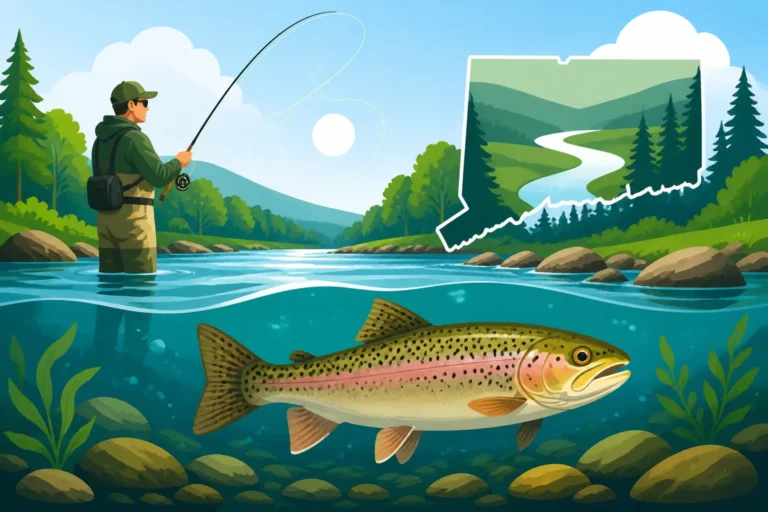
Without a doubt, the Housatonic River is most famous for its incredible trout fishery, particularly in the upper stretches. While Connecticut's state fish is the native brook trout, the Housatonic is primarily known for its thriving populations of brown trout and rainbow trout. Many of these are stocked by the Connecticut Department of Energy and Environmental Protection (DEEP), creating fantastic opportunities for anglers, especially after the spring stockings. However, the river also supports a significant population of wild brown trout, especially in its upper, colder tributaries and within the main stem, providing a thrill for those seeking naturally reproducing fish.
Brown trout are the backbone of the fishery, known for their resilience, elusive nature, and sometimes impressive size. They are often found holding in deeper pools, under cut banks, or behind large rocks, waiting to ambush prey. Rainbow trout, while stocked, offer a different kind of fight—often leaping and making powerful runs. You might occasionally encounter a small, jewel-toned brook trout in the cooler, higher elevation feeder streams, a truly special catch for any angler. The sheer volume of fish and the challenging environment make Trout Fishing in Connecticut on the Housatonic a premier experience. It's a place where you can refine your skills, whether you're fly fishing with tiny nymphs or casting spinners. Knowing the Brown Trout Habits in Connecticut Streams can significantly increase your chances, as these fish often respond differently to various conditions and presentations.
Warmwater Warriors Smallmouth, Largemouth, and Pike
Beyond its legendary trout, the Housatonic River is also a fantastic warmwater fishery, particularly for smallmouth bass. These bronze beauties are abundant throughout much of the river, especially in the middle and lower riverine sections where rocky structure, current breaks, and gravelly bottoms create ideal habitat. Smallmouth are incredibly aggressive and offer a tenacious fight, making them a favorite target for many anglers throughout the warmer months. You'll find them holding near eddies, submerged rocks, and along current seams, always on the lookout for an easy meal.
While less prevalent than smallmouth, largemouth bass can also be found in the Housatonic, typically preferring the slower, weedier backwaters, oxbows, and impoundments like Lake Lillinonah and Lake Zoar. These areas offer the dense cover that largemouth love, providing ambushing points for their prey. For those seeking a larger, predatory challenge, the Housatonic also holds respectable populations of northern pike. These toothy critters are typically found in the wider, slower sections of the river and in its impoundments, lurking in weed beds or around submerged timber. They can grow to impressive sizes and offer an explosive strike that will test any angler's tackle. Targeting Smallmouth Bass Fishing in Connecticut on the Housatonic can be a truly rewarding experience, especially during the summer and fall. If you're keen on pike, understanding the Northern Pike Waters in Connecticut is key to success.
Anadromous Fish and Estuarine Visitors Shad, Eels, and Stripers
As the Housatonic River winds its way towards Long Island Sound, its character shifts dramatically, becoming a vital migratory corridor for several anadromous species—fish that spend most of their lives in saltwater but return to freshwater to spawn. One of the most exciting seasonal events is the annual American Shad run in spring. These silvery, hard-fighting fish migrate upstream in massive numbers, providing fantastic light-tackle action for anglers from April through June. It’s a truly exhilarating experience to hook into a schooling shad on a light spinning rod or fly rod.
Further downstream, particularly in the lower tidal sections, the river acts as a major artery for various marine species. American eels, another anadromous fish, are common throughout the river system and can be caught at night. However, the true prize in the lower Housatonic is the striped bass. These iconic saltwater predators push deep into the tidal river from Long Island Sound, especially during their spring and fall migrations, and often hold in the deep channels, around bridges, and near rocky points. The lower Housatonic is a phenomenal location for Connecticut River Striped Bass Fishing, offering opportunities for both boat and shore anglers to target these powerful fish. The tidal influence here means that understanding the tides is just as important as understanding the current.
Fishing Through the Seasons What to Expect Year-Round
The Housatonic River is a year-round fishery, but what you target and how you approach it will change dramatically with the seasons. Each period offers unique opportunities and challenges, making it a river that never gets boring for the dedicated angler.
Spring Runoff and Opening Day Excitement
Spring on the Housatonic is a time of renewal and often, roaring waters. As winter snows melt and spring rains arrive, the river swells, becoming high and often turbid. This influx of cold water invigorates the trout, and the Connecticut DEEP performs extensive stockings of brown and rainbow trout, particularly in the upper river. While challenging due to the elevated flows, spring can be incredibly productive. Anglers often find success with bait like worms or PowerBait, fished on the bottom in slower eddies or current seams. For fly anglers, heavily weighted nymphs are the order of the day, often fished under an indicator to get down to where the fish are holding.
The official Connecticut Spring Fishing Day and Opening Day Rules are a highlight for many, marking the traditional start of trout season. Beyond trout, spring also heralds the arrival of the American Shad. From late April through June, these migrating fish surge upriver, providing incredible action on light tackle. The lower river also sees the first push of striped bass as they move in from Long Island Sound, hungry after their winter fast. Mastering Spring Trout Fishing Techniques for Connecticut Streams like the Housatonic is all about adapting to variable flows and understanding where fish seek refuge from strong currents.
Summer's Heat and Smallmouth Action
As summer fully arrives, the Housatonic undergoes another transformation. Water temperatures rise, and the fishing focus often shifts, especially in the upper river. The Housatonic River Trout Management Area (HRTMA) has specific summer closures for trout fishing in certain sections to protect trout from heat stress, making it crucial to check the Housatonic River summer fishing closure dates before you go. However, this doesn't mean fishing stops!
Summer is prime time for smallmouth bass. These feisty fish thrive in the warmer water and become incredibly active, often feeding aggressively on topwater lures at dawn and dusk. Wading the middle sections of the river or navigating by kayak becomes a popular way to target them, casting crankbaits, jigs, and soft plastics around rocky structure and current breaks. Largemouth bass will be active in the river's slower, weedier backwaters. Down in the lower, tidal Housatonic, summer means consistent striped bass fishing, often at night when the water cools, or during strong tidal movements. Understanding the Best Time of Day to Catch Striped Bass often means fishing at dawn, dusk, or under the cover of darkness.
Autumn Colors and Trophy Trout Potential
Many seasoned anglers consider autumn the absolute best time to fish the Housatonic River. As the leaves turn vibrant shades of red and gold, water temperatures begin to drop, revitalizing the trout and stimulating their appetites. The flow rates often stabilize after the summer lows, providing ideal conditions for both spin and fly fishing. Brown trout, in particular, become incredibly aggressive as they prepare for their spawning rituals, making them more susceptible to larger streamers and minnow imitations. It's a prime opportunity for catching a true trophy trout.
For smallmouth bass, fall offers a "second spring" of aggressive feeding before winter sets in. They will be actively chasing baitfish in preparation for colder months. The lower Housatonic truly shines in the fall for striped bass. These powerful fish are on the move, migrating south and fattening up, often forming large schools that push bait into easy striking distance. This can lead to incredible blitzes and sustained action, making it one of the most exciting times to target them. If you’re looking for big stripers, paying attention to the Best Techniques for Fall Striped Bass will be crucial, as they can be picky eaters at times.
Winter Challenges and Ice Fishing Opportunities
Winter on the Housatonic presents a different kind of challenge, but also unique rewards. While many fair-weather anglers pack away their gear, the Housatonic can still offer incredible opportunities for the dedicated few. The cold water slows down the metabolism of fish, making them less active, but also often concentrates them in deeper, slower pools. Large brown trout are still present and can be coaxed into biting with subtle presentations like small nymphs or slow-retrieved jigs. It's a time for patience and precision, but the rewards can be substantial, with the potential for truly large trout.
In the Housatonic's impoundments, such as Lake Zoar, when the ice is safe, Ice Fishing in Connecticut becomes a popular activity. Anglers brave the cold to target northern pike, perch, and occasionally larger trout through the ice. Always prioritize safety when ice fishing, checking ice thickness rigorously. Even in the riverine sections, a mild winter day can offer surprisingly good action, especially for anglers willing to explore the slower, deep bends where fish congregate to conserve energy.
Navigating the River Access and Public Spots
One of the great things about the Housatonic River is the amount of public access available, allowing anglers to explore its varied sections. However, knowing where to go and how to safely access the water is paramount for a successful and enjoyable trip.
Public Access Points and Boat Launches
The Housatonic River offers numerous points for public access, catering to different fishing styles. In the upper trout-focused sections, popular spots include publicly owned land in towns like Cornwall Bridge, Falls Village, and Kent. These areas often provide parking and clear paths to the river, making it easier to find suitable stretches for wading or shore fishing. For example, the DEEP maintains several designated access points along the Housatonic River trout management area access points, often with small parking lots.
As you move downstream, particularly into the impoundments and wider river sections, boat launches become more important. Public boat ramps can be found at Lake Lillinonah (e.g., Pond Brook or the State boat launch) and Lake Zoar (e.g., the public launch in Southbury), allowing access for kayaks, canoes, and small motorboats. Further south in the tidal sections near Derby and Shelton, several municipal and state boat launches provide access to the lower river and Long Island Sound for larger vessels, which are essential for navigating the broader, deeper waters and targeting striped bass. Always check signage for parking regulations and launch fees, if any.
Wading Safety and Considerations
Wading the Housatonic River, especially in its upper and middle sections, can be an incredibly effective way to fish, allowing you to reach prime lies that are inaccessible from shore. However, the Housatonic is a powerful river, and wading requires extreme caution and preparedness. The riverbed is often uneven, composed of slippery rocks, gravel, and sudden drop-offs. Water levels can change rapidly, and strong currents can quickly sweep you off your feet.
Always wear proper wading gear: sturdy waders, a wading belt, and wading boots with felt soles or studs for grip. A wading staff is an absolute non-negotiable piece of safety equipment; it provides crucial balance and helps you probe the bottom for stability. Never wade alone, and always let someone know your float plan. If the water looks too high or fast, err on the side of caution and opt for shore fishing or a different access point. It’s better to be safe than sorry; a momentary lapse in judgment can lead to serious consequences in a powerful river like the Housatonic.
Kayak and Canoe Exploration
For many anglers, exploring the Housatonic River by kayak or canoe offers the perfect blend of access and intimacy with the water. Paddle craft allow you to reach stretches of the river that are difficult or impossible to access by foot or larger motorboat. You can drift quietly through prime trout runs, paddle along bassy shorelines, or explore the expansive backwaters and coves of the impoundments.
The upper and middle sections of the river are particularly well-suited for canoes and kayaks. There are numerous informal put-in and take-out spots, though some require a bit of scouting or local knowledge to find. For longer floats, a shuttle plan with a friend or a local outfitter is often necessary. Always prioritize safety: wear your life jacket, even on calm days, and ensure you have proper communication and emergency gear. Pay attention to river currents, potential strainers (fallen trees), and any rapids, especially during higher flows. The Housatonic provides endless opportunities for paddle fishing, allowing for a truly immersive angling experience.
Mastering the Housatonic Essential Gear and Techniques
Fishing the Housatonic River successfully requires a versatile approach, as the diverse habitats and species demand different tackle and techniques. Being prepared with the right gear can make all the difference between a frustrating day and a memorable catch.
Tackle for Trout Spin Fishing and Fly Fishing
For spin fishing on the Housatonic's trout-rich waters, a light to ultralight spinning rod (6 to 7 feet in length) paired with a small spinning reel spooled with 4-8 pound monofilament or fluorocarbon line is ideal. This setup allows for sensitive presentations and enjoyable fights with trout of all sizes. Effective baits include live worms, mealworms, corn, or scented dough baits like PowerBait, fished on a small hook with a minimal weight to allow for a natural drift. Small inline spinners (such as Mepps Aglia, Panther Martin, or Rooster Tail) in sizes #0 to #2, or tiny spoons (like Kastmasters), are also incredibly effective, especially in faster water. Small stickbaits (Rapala countdowns or Rebel Wee-Crawfish) can imitate baitfish and attract larger, more aggressive trout.
For fly fishing, the Housatonic is a revered destination. A 4- to 6-weight fly rod, 8.5 to 9 feet long, is a versatile choice for most trout situations, allowing for delicate dry fly presentations yet enough backbone for nymphing or throwing smaller streamers. Floating line is standard, with sinking-tip leaders or full sinking lines useful for deeper nymphing or streamer fishing. Techniques vary by season and conditions:
- Nymphing is often the most productive, especially with techniques like Euro Nymphing or indicator nymphing, which allow you to get flies deep into the water column. Common patterns include Prince Nymphs, Hare's Ear Nymphs, Pheasant Tail Nymphs, and Caddis Larva imitations.
- Dry fly fishing can be exceptional during hatches of mayflies, caddisflies, or stoneflies, requiring accurate casts and precise imitations.
- Streamer fishing with patterns like Woolly Buggers, Sculpins, or Zonkers can entice larger brown trout, particularly in lower light conditions or when targeting aggressive fish.
Whether you prefer spin or fly, understanding Fly Fishing for Trout in Connecticut requires adapting your presentation to the specific conditions of the Housatonic. Knowing the most effective Fly Patterns for Connecticut Trout Streams at different times of the year can also significantly improve your success.
Lures and Baits for Bass and Pike
For the Housatonic's abundant smallmouth bass, versatility is key. Medium-light to medium spinning or casting rods are appropriate, spooled with 8-12 pound line.
- Jigs are deadly: tube jigs (2.5-4 inches) in greens, browns, and pumpkinseed colors, rigged on jig heads from 1/8 to 1/4 ounce, are a perennial favorite. Swimbaits on similar jig heads are also excellent.
- Crankbaits in natural baitfish or crawfish patterns, especially those that dive 3-8 feet, are great for covering water and triggering aggressive strikes.
- Topwater lures like poppers, walk-the-dog baits, and prop baits create explosive surface strikes, particularly during low light conditions or over submerged structure.
- Soft plastics like grub tails, worms (Wacky rigged or Texas rigged), and creature baits are effective for finesse presentations around rocky cover.
Knowing the Best Baits for Smallmouth Bass on the Housatonic will give you a significant edge.
Targeting largemouth bass in the river's quieter backwaters will benefit from similar gear but with a focus on weed-less presentations. Soft plastic frogs, Texas-rigged worms, and spinnerbaits are excellent for fishing around lily pads, submerged wood, and dense vegetation.
For northern pike, you'll need heavier tackle due to their size and sharp teeth. A medium-heavy casting rod with 15-20 pound monofilament or braided line (with a stout wire or heavy fluorocarbon leader) is essential.
- Large spoons (e.g., Daredevil, Johnson Silver Minnow) in silver, gold, or red/white patterns are classic pike lures.
- Spinnerbaits with large blades and skirts, in chartreuse or white, are also very effective.
- Jerkbaits and large swimbaits can trigger aggressive strikes.
- Dead bait (sucker, shiner, or bunker) fished under a large bobber or on the bottom is also a highly effective method, especially in colder water.
Techniques for Striped Bass in the Lower River
When you venture into the lower, tidal Housatonic for striped bass, the game changes once again. This is where the salt meets the fresh, and the techniques adapt to target these powerful migratory fish. Heavier spinning or casting gear is recommended, capable of handling 20-50 pound braided line, often with a fluorocarbon leader of 30-60 pounds.
- Live lining is a top choice when baitfish like bunker (menhaden) are present. A live bunker, hooked through the nose or back, drifted with the current can be irresistible to large stripers.
- Chunking bait from shore or a boat, using fresh cut bait (bunker, mackerel, or squid) on a fish-finder rig, is also highly effective, especially when stripers are feeding on the bottom.
- Trolling is popular from boats, using Mojo rigs, tube and worm combos, or umbrella rigs to cover larger areas, particularly in deeper channels or around structure.
- Casting plugs is a thrilling method. Minnow plugs (like Bombers or SP Minnows) imitate baitfish, while poppers and other topwater lures create exciting surface strikes, especially at dawn or dusk. Soft plastic paddle tail swimbaits (like those from FishingBooker guides often recommend) on heavy jig heads are also excellent for imitating injured baitfish.
- Remember the How to Catch Striped Bass in Long Island Sound principles, as the lower Housatonic shares many characteristics with the Sound itself. Tides are paramount here; fishing the moving tide, especially around changes in current or structure, is often the most productive.
Regulations and Responsible Angling on the Housatonic
Fishing on the Housatonic River, like any other body of water, comes with specific rules and regulations designed to protect fish populations and ensure sustainable angling for future generations. It's not just about what you catch, but how you catch it and your role in preserving this incredible resource.
Understanding the Housatonic River Trout Management Area (HRTMA)
The jewel in the Housatonic's crown for many trout anglers is the Housatonic River Trout Management Area (HRTMA). This special regulation area, which encompasses a significant portion of the upper river, is managed to provide a high-quality, year-round trout fishery, often with a strong emphasis on catch and release. Within the HRTMA, you'll find specific rules that differ from general statewide regulations. For instance, many sections are designated "Artificial Lures and Flies Only," meaning bait (like worms or PowerBait) is prohibited. There are also specific season dates for when harvest is allowed, or in some cases, certain sections might be entirely "Catch and Release Only" year-round.
It is absolutely critical to consult the most current Connecticut Fishing Guide published by the Connecticut DEEP before heading out. This guide provides detailed maps and descriptions of all special regulation areas, including the HRTMA. Failing to understand and adhere to these rules can result in fines and a less than stellar interaction with DEEP conservation officers. The whole point of the Connecticut Trout Management Area Regulations is to ensure the Housatonic remains a world-class fishery, and respecting those rules is part of being a responsible angler.
Other Key Regulations and License Requirements
Beyond the specific HRTMA rules, all anglers on the Housatonic River must abide by general Connecticut fishing regulations. First and foremost, anyone aged 16 or older needs a valid Connecticut fishing license. You can learn all about acquiring one in the Connecticut Fishing License Guide for 2026. Depending on whether you're targeting freshwater species in the upper and middle river or saltwater species in the lower tidal section, you'll need either an inland, marine, or all-waters fishing license. It's always best to get the all-waters license if you plan on fishing different parts of the Housatonic, to cover all your bases.
There are also specific length and creel (daily possession) limits for other species you might encounter, such as smallmouth bass, largemouth bass, and northern pike. For striped bass in the lower Housatonic, you'll need to be aware of the current slot limits and daily bag limits, which can change annually to reflect stock health. Additionally, there's a mandatory circle hook requirement for anglers using bait to target striped bass, a conservation measure designed to reduce gut hooking and improve survival rates for released fish. Always double-check the latest Connecticut Fishing Regulations Explained for all species you intend to pursue.
Practicing Ethical and Sustainable Fishing
Being a responsible angler on the Housatonic goes beyond just following the rules; it's about adopting an ethical approach to the resource. If you plan on practicing catch and release, especially with trout in the HRTMA or striped bass, familiarize yourself with best practices. This includes using barbless hooks (or crimping down barbs on your hooks), minimizing the time a fish is out of water for photos, using wet hands to handle fish, and reviving exhausted fish gently before release. The goal is to ensure the fish swims away healthy to fight another day.
Respecting private property is also crucial. While there is ample public access, many sections of the river flow through private land. Always be aware of property lines and gain permission before accessing private property. Lastly, practice "Leave No Trace" principles. Pack out all your trash, including discarded fishing line (which can be deadly to wildlife), and leave the riverbank cleaner than you found it. By acting as stewards of the Housatonic, we can all contribute to its health and ensure it remains a pristine and productive fishery for years to come.
Planning Your Ultimate Housatonic Fishing Adventure
A successful fishing trip on the Housatonic River isn't just about showing up with a rod and reel; it's about thoughtful planning. From understanding the best times to visit to knowing when to enlist the help of local experts, a well-prepared angler sets themselves up for the best possible experience.
Choosing the Right Time and Conditions
The Housatonic River's diverse ecosystems mean there's almost always something biting, but targeting specific species requires timing your trip carefully. For trophy trout, many anglers swear by spring and fall when water temperatures are ideal and fish are actively feeding. However, don't overlook winter for large holdovers. If smallmouth bass are your primary target, the warmer summer and early fall months offer explosive action, especially with topwater lures. The spring shad run is a brief but intense window, usually from late April through early June, and the striped bass action in the lower river is strongest during their spring and fall migrations.
Beyond the season, paying attention to daily conditions is paramount. Always check the weather forecast, particularly for rain, which can significantly impact river flows and clarity. As mentioned earlier, consulting USGS stream gauges for real-time flow data is a must, especially if you plan on wading. Optimal conditions for trout typically involve stable or slightly dropping water levels and cool, clear water. For bass, slightly stained water after a rain can sometimes be excellent, but extreme turbidity is usually a deterrent. Sunny vs. cloudy days, wind, and even barometric pressure can all influence fish behavior, so try to align your trip with conditions favorable to your target species.
Hiring a Local Guide or Booking a Charter
For anglers new to the Housatonic River, or those looking to fast-track their learning curve, hiring a local fishing guide or booking a charter (for the lower tidal section) can be an invaluable investment. A good guide isn't just someone who knows where the fish are; they understand the river's intricate currents, seasonal patterns, and specific techniques that work best at any given time. They can provide expert instruction, share local secrets, and often supply top-of-the-line gear. This is particularly true for fly fishing the technical trout waters or navigating the complex tidal flows for striped bass.
Many independent fly fishing guides specialize in the upper Housatonic's trout, offering wade or drift boat trips. For those interested in the lower Housatonic's saltwater species like striped bass, booking a charter can be a fantastic option. Services like FishingBooker list numerous reputable Connecticut fishing charters and guides, allowing you to compare options, read reviews, and book directly. Guides specializing in Best Fly Fishing Guides in Connecticut will have intimate knowledge of hatches, water levels, and the subtle nuances of the river that take years to acquire. Before you book, consider asking about their experience with your target species and what you can expect, as detailed in our guide on How to Choose a Connecticut Fishing Charter. A knowledgeable guide can turn a potentially frustrating first experience into a highly productive and educational one. You can find excellent Housatonic guides right on FishingBooker who specialize in everything from trout to stripers.
Essential Safety Gear and What to Pack
No matter how experienced you are, safety should always be your top priority when fishing the Housatonic. This is a powerful river, and complacency can have serious consequences. Here's a checklist of essential safety gear and other items to pack:
- Personal Flotation Device (PFD): Absolutely essential if you're in a boat, kayak, or canoe, or even if wading in fast water. In Connecticut, there are strict Connecticut Cold Water Life Jacket Rule (October to May) regulations, and Life Jacket Requirements for Connecticut Boaters are non-negotiable for anyone on the water.
- Wading Staff: If wading, this is critical for stability and probing the riverbed.
- First-Aid Kit: For minor cuts, scrapes, or other emergencies.
- Whistle: For signaling for help in an emergency.
- Navigation: A reliable map of the river, a GPS device, or a fully charged smartphone with mapping apps. Cell service can be spotty in some remote sections.
- Communication: A fully charged cell phone (in a waterproof case) or a VHF radio for boaters.
- Appropriate Clothing: Dress in layers, avoiding cotton. Wicking fabrics are best. Waterproof outerwear is a must in case of rain or spray.
- Sturdy Footwear: Wading boots with good grip for river wading, or waterproof boots for shore fishing.
- Hydration and Snacks: Always bring plenty of water, even on cool days, and high-energy snacks.
- Sun Protection: Sunscreen, a wide-brimmed hat, and polarized sunglasses (which also help you see fish and structure).
- Insect Repellent: Especially important during warmer months.
- Knife/Multi-tool: Always handy for cutting line, minor repairs, or emergencies.
- Headlamp/Flashlight: If fishing near dawn, dusk, or at night.
Being well-prepared not only ensures your safety but also allows you to focus on the fishing, maximizing your enjoyment of the Housatonic River's incredible opportunities.
Disclaimer
Please be aware that fishing regulations, season dates, and license requirements can change. While this guide provides comprehensive information, it is always your responsibility to consult the most current regulations published by the Connecticut Department of Energy and Environmental Protection (DEEP) before heading out on the water. Stay safe, fish responsibly, and enjoy the beauty of the Housatonic River!