Best Fly Fishing Guides in Connecticut
For many anglers, the thought of fly fishing in Connecticut brings to mind pristine rivers, subtle hatches, and the challenge of fooling wily trout. However, actually finding those perfect spots, understanding the local insect activity, and mastering the right techniques can feel like an impossible puzzle. This comprehensive guide will walk you through everything you need to know about finding and working with the best fly fishing guides in Connecticut, ensuring your next outing is both productive and incredibly rewarding.
Why Hire a Fly Fishing Guide in Connecticut?
You might be thinking, "Why do I need a guide? I've got my rod, my waders, and a map." And while that DIY spirit is commendable, Connecticut's diverse waterways, from its renowned trout streams to its saltwater flats, hold secrets that only years of experience can unlock. Hiring a fly fishing guide isn't just for beginners; it's a strategic move for anyone looking to truly elevate their game, save precious time, and get the most out of their day on the water.
Local Knowledge is Gold
Imagine spending hours driving from spot to spot, only to find the river blown out, the hatches non-existent, or the fish simply not cooperating. A local guide lives and breathes these waters. They know which sections of the Farmington River are fishing well after a recent rain, where the Housatonic River Trout Management Area Fishing holds the biggest browns in early spring, or what tide is best for chasing striped bass in Long Island Sound. This isn't just about pointing you to fish; it's about understanding the nuances of water temperature, current speed, insect cycles, and fish behavior that change almost daily. They’ll interpret the conditions, suggest specific flies, and often put you on fish before you've even had your second cup of coffee.
Consider a scenario where you've planned a weekend trip from out of state. You've heard great things about Connecticut's trout fishing, but without local insight, you're essentially gambling your valuable time. A guide eliminates that guesswork. They've been on the water scouting, they've talked to other guides, and they know the current pulse of the river. This intimate familiarity means less frustration and more actual fishing time, which, let's be honest, is what we're all really after. It’s like having a cheat sheet for the exam you're about to take, except the exam is catching that elusive native brook trout.
Learning New Techniques
Fly fishing is an art form with endless variations. Maybe you're comfortable with dry flies but want to master the intricacies of nymphing. Perhaps you've heard about Euro Nymphing Connecticut Trout Streams and are curious how it differs from traditional indicator fishing. A good guide isn't just a fish spotter; they're a patient, knowledgeable instructor. They can observe your casting, identify areas for improvement, and teach you new presentations or techniques that you might otherwise spend years trying to figure out on your own. This personalized instruction is invaluable, whether you're a complete novice or an experienced angler looking to refine specific skills.
Think about trying to learn a new cast or presentation technique by watching YouTube videos. It's helpful, sure, but nothing beats real-time feedback. A guide can stand right there with you, showing you how to mend effectively, read complex currents, or detect subtle takes. They can demonstrate proper fly selection for a particular hatch or explain why a certain retrieve works best for saltwater species. This one-on-one coaching often translates into breakthroughs in your angling ability that would be incredibly difficult to achieve otherwise. It’s an investment in your long-term skill development, not just a single day of fishing.
Maximizing Your Limited Time
For many of us, time on the water is a precious commodity. Between work, family, and other commitments, carving out a full day to go fishing can be a challenge. When you finally do get that opportunity, you want to make the absolute most of it. Hiring a guide ensures that every moment is optimized for success. They handle the logistics – where to go, what flies to tie on, what rig to use – allowing you to focus purely on the joy of fishing. This efficiency is particularly beneficial for those traveling from afar, as it guarantees a productive experience without the usual trial and error associated with fishing unfamiliar waters.
Imagine you have just one day to experience the famous Farmington River West Branch Trout Fishing. Do you want to spend the first few hours fumbling with maps, searching for access points, and guessing at fly patterns? Or would you prefer to step onto the water with a guide who knows exactly where the fish are holding, what they're eating, and how to present your fly for the best chance of a hook-up? The answer is usually clear. Guides are professionals at maximizing opportunity, turning potential frustration into genuine enjoyment and success. They can often get you into spots that are difficult to access for the average angler, further enhancing your experience.
What Makes a Great Connecticut Fly Fishing Guide?
Just like in any profession, not all fly fishing guides are created equal. Finding the right fit can make all the difference between a memorable day and a disappointing one. A truly great guide offers more than just a boat ride or access to private water; they provide an entire experience built on expertise, safety, and a genuine passion for teaching. When you're looking for someone to lead your next Connecticut fly fishing adventure, keep these essential qualities in mind.
Experience and Expertise
A top-notch guide possesses deep, firsthand knowledge of the waters they fish. This isn't just about knowing where the fish are, but understanding their seasonal movements, feeding patterns, and preferred habitats across different conditions. For instance, a guide specializing in Fly Fishing for Trout in Connecticut will know exactly when the sulfur hatch hits the Farmington River or what sections of the Housatonic fish best during high summer flows. They'll have a vast arsenal of Fly Patterns for Connecticut Trout Streams and know instinctively which one to tie on. This expertise comes from years of dedicated time on the water, observing, learning, and adapting.
Beyond local hydrography and entomology, a great guide is also an expert angler themselves. They have honed their casting, presentation, and fish-fighting skills to a high degree. They can deftly tie complex knots, diagnose tackle issues on the fly, and expertly handle fish for a quick, safe release. When you're looking for a guide, check their credentials, read reviews, and ask about their specific experience on the waters you plan to fish. You're looking for someone who has truly dedicated their life to understanding and interacting with the aquatic environment. Many reliable guides can be found on platforms like FishingBooker, where client reviews offer valuable insight into their experience.
Safety First Approach
No matter how good the fishing, safety should always be the guide's paramount concern. Fly fishing, especially in rivers or on large bodies of water like Long Island Sound, can present various hazards. A great guide is keenly aware of potential dangers, from slippery riverbeds and changing currents to sudden weather shifts or boating traffic. They are well-versed in first aid, carry appropriate safety equipment, and know how to react calmly and effectively in an emergency. This peace of mind allows you to focus on your fishing without unnecessary worry.
Before you even step into the water or onto a boat, a responsible guide will conduct a safety briefing. They’ll explain what to do if you fall, how to navigate certain sections of the river, or what to expect if weather conditions change. For float trips, they'll ensure all passengers wear appropriate personal flotation devices and understand boat safety protocols. If you're wading, they'll advise on Wading Techniques for Connecticut Trout Streams and identify any tricky spots. Always choose a guide who prioritizes your well-being above all else, making sure everyone returns safely at the end of the day.
Gear and Equipment Provided
One of the often-overlooked benefits of hiring a guide, especially for those new to fly fishing or traveling from out of state, is the provision of high-quality gear. A professional guide typically supplies everything you need: rods, reels, lines, leaders, and an array of flies specifically suited for the day's conditions. This means you don't have to worry about packing bulky equipment or investing in specialized tackle for a one-off trip. It also gives you the opportunity to try out different rod weights or brands before making a purchase yourself.
Think about it: arriving at the river with just your waders and boots, knowing that a perfectly rigged 5-weight rod with the ideal dry fly already tied on awaits you. This convenience is a huge plus. Moreover, the guide's equipment is usually well-maintained and chosen for performance on their home waters. They know what works best for the local fish and conditions. While most guides will encourage you to bring your own personal items like sunglasses and rain gear, they generally take care of the heavy lifting when it comes to fishing tackle, ensuring you have the right tools for the job.
Teaching and Communication Skills
A guide isn't just someone who takes you fishing; they're a teacher, a mentor, and a companion for the day. Excellent communication skills are crucial. They should be able to clearly explain techniques, offer constructive criticism without being discouraging, and engage you in conversation that enhances the overall experience. A great guide will adapt their teaching style to your skill level, patiently demonstrating casts for beginners or offering subtle tips to experienced anglers.
Beyond the technical aspects, a guide's ability to communicate also extends to their personality. You want someone who is friendly, approachable, and passionate about what they do. They should be able to share stories, offer insights into the local ecosystem, and make you feel comfortable and excited to be on the water. The best guides foster a relaxed and enjoyable atmosphere, making the day feel like an outing with a knowledgeable friend, rather than a rigid lesson. This blend of expertise and amiability is what truly sets exceptional guides apart.
Types of Fly Fishing Guides in Connecticut
Connecticut's diverse aquatic landscapes mean that fly fishing opportunities aren't limited to just one type of experience. From serene river floats to challenging surf casting, there's a guide for nearly every fly fishing ambition. Understanding the different types of guides available can help you narrow down your search and find the perfect match for your desired adventure.
Wade Guides for Rivers and Streams
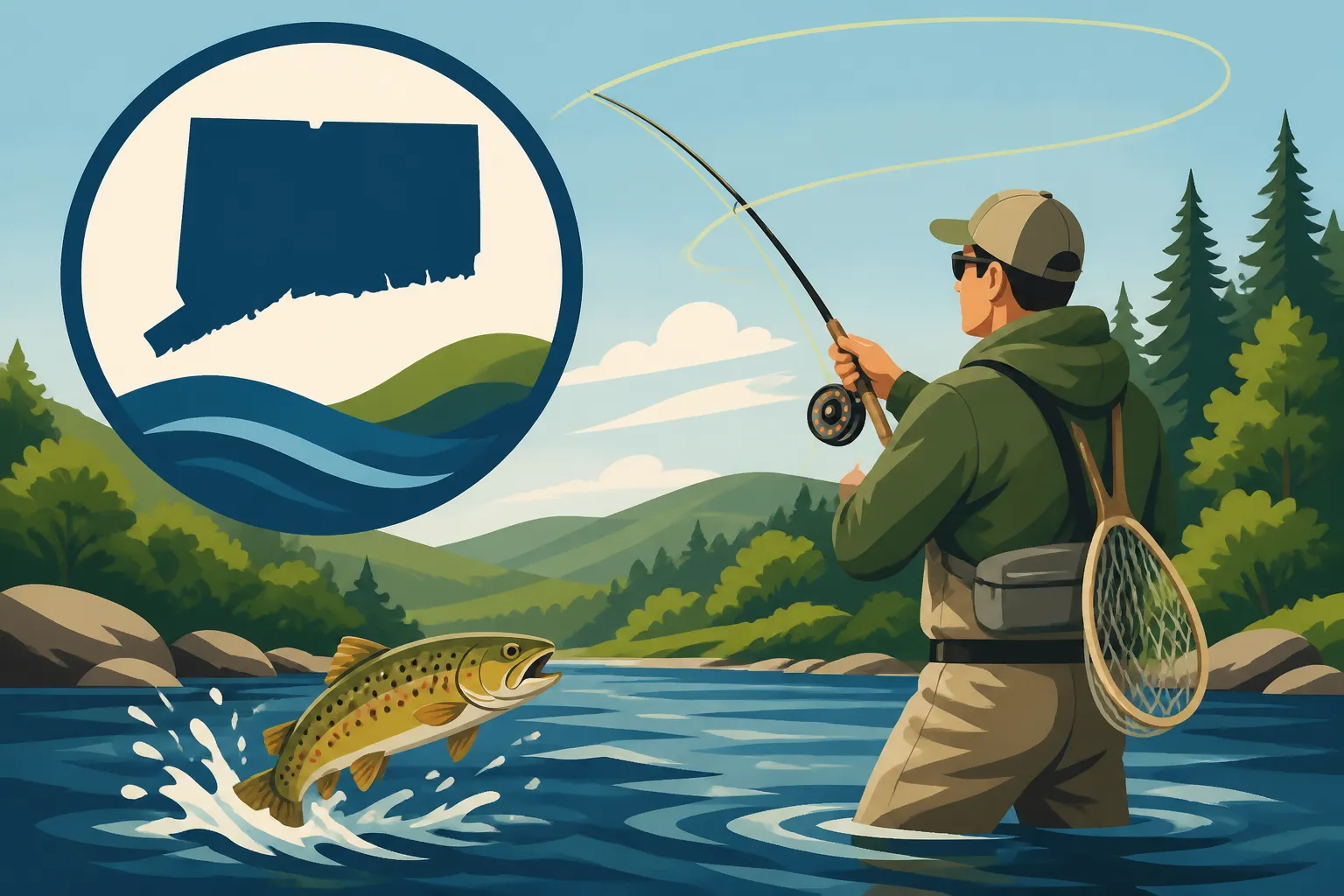
Wade guides are perhaps the most classic image of a fly fishing instructor. These guides specialize in leading anglers on foot through Connecticut's many rivers and streams, such as the renowned Farmington and Housatonic. They are intimately familiar with every rock, ripple, and holding lie of their home waters. A wade trip allows for a truly immersive experience, letting you connect directly with the river environment. The guide will typically walk with you, pointing out specific fish, teaching you how to read the water, and demonstrating precise casting and presentation techniques for different scenarios.
This type of guiding is ideal for anglers who want to focus on technical trout fishing, enjoy the physicality of wading, and prefer a more intimate, hands-on learning environment. Wade guides are experts at navigating tricky currents and slippery bottoms, ensuring your safety while positioning you for optimal casting opportunities. They often provide valuable insights into entomology, explaining what insects are hatching and why certain Fly Patterns for Connecticut Trout Streams are effective. If you dream of stalking native brook trout in smaller mountain streams or meticulously nymphing a prime trout run, a wade guide is likely your best bet. Many guides offer services specifically for Best Guided Wade Trips on the Housatonic River.
Float Guides and Drift Boat Trips
For those who prefer to cover more water, access harder-to-reach sections of rivers, or simply enjoy a more comfortable fishing platform, float guides operating drift boats or rafts are an excellent choice. On a float trip, the guide rows the boat downstream, positioning anglers to cast to prime spots along the banks, around submerged structure, and in deeper runs. This method is particularly popular on larger rivers like the Farmington or the Housatonic, allowing you to fish stretches that would be difficult or impossible to access on foot. It's an efficient way to experience a significant amount of river in a single day.
Float trips are fantastic for both beginners and experienced anglers. Beginners benefit from the guide's ability to control the boat and put them in optimal casting positions, reducing the physical demands of wading. Experienced anglers can cover productive water quickly, focusing on presentation and technique. While typically associated with trout fishing, some larger rivers might offer float trips for other species too. The comfort of a drift boat means you can bring more gear, enjoy a packed lunch on the water, and often stay out longer. If you're interested in Float Fishing the Farmington River or exploring extensive river sections, a float guide offers a unique and highly effective experience.
Saltwater Fly Fishing Guides
Connecticut's shoreline on Long Island Sound offers incredible, often overlooked, saltwater fly fishing opportunities. Saltwater fly fishing guides specialize in targeting species like striped bass, bluefish, and even false albacore on the fly rod. These guides typically operate shallow-draft boats (like skiffs or bay boats) that allow them to access skinny water flats, rocky shorelines, and productive estuaries where these predatory fish feed. The techniques, flies, and equipment for saltwater fly fishing are distinct from freshwater, making a specialized guide indispensable.
A saltwater guide understands tidal currents, baitfish movements, and the specific habitats of marine species. They'll teach you powerful casting techniques needed to handle larger flies and windy conditions, as well as how to fight strong, fast-running fish. From sight-fishing for striped bass on calm mornings to chasing schools of breaking fish, a saltwater fly fishing guide can unlock a thrilling and challenging dimension of the sport right here in Connecticut. If you're looking to expand your fly fishing horizons beyond trout and experience the adrenaline of a strong saltwater tug on your fly rod, this is the guide for you.
Key Fly Fishing Destinations and Associated Guides
Connecticut might be a small state, but it boasts some truly fantastic fly fishing waters, each with its own character and specialties. Knowing these prime locations is the first step, and pairing them with guides who specialize in those specific areas is key to a successful outing.
Farmington River Guides
The Farmington River, particularly its West Branch, is arguably Connecticut's most famous and revered trout stream. It's a true blue-ribbon fishery, known for its consistent cold water flows, abundant insect life, and a population of wild and holdover brown and rainbow trout that can challenge even the most seasoned angler. The complexity of its currents and the sophistication of its fish make a guide here almost essential, especially for newcomers. Guides on the Farmington are masters of nymphing, dry fly fishing during prolific hatches, and streamer tactics for bigger fish.
Many excellent guides dedicate their careers to the Farmington, offering both wade and float trips. They know every bend, every deep hole, and every riffle, and can put you on fish when others are struggling. They'll teach you about the specific caddis, mayfly, and stonefly hatches that occur throughout the year and how to match them with your fly patterns. If you're dreaming of a trophy brown trout on a dry fly, a Farmington River guide is your best bet. Look for guides who have extensive experience on the Farmington River West Branch Trout Fishing specifically, as this section has unique characteristics and regulations. Platforms like FishingBooker can help you find highly-rated Best Guided Fly Fishing Trips on the Farmington River.
Housatonic River Guides
The Housatonic River, particularly its upper and middle sections, offers a diverse and robust fishery, well-regarded for its significant trout population, including some very large brown trout, as well as smallmouth bass. The river's character varies from fast-flowing runs and deep pools in its upper stretches to broader, more open sections downstream. The Housatonic River Trout Management Area Fishing is a particular highlight, with special regulations designed to foster healthy fish populations. Guides on the Housatonic are often adept at targeting both trout and smallmouth bass, depending on the season and your preference.
Housatonic guides offer a mix of wade and float trips, adapting to the river's varied terrain and the specific fishing opportunities. They are skilled at navigating the river's currents and understanding the diverse insect life, which can differ from that of the Farmington. Whether you're interested in pursuing wild brown trout with streamers, sight-fishing for active smallmouth, or experiencing a scenic float through the Litchfield Hills, a Housatonic guide provides valuable expertise. They'll introduce you to specific access points and techniques that are most effective on this unique river system. Many guides specialize in Best Guided Fly Fishing Trips on the Housatonic River.
Smaller Streams and Lakes
While the Farmington and Housatonic often grab the headlines, Connecticut is dotted with countless smaller streams, creeks, and lakes that offer fantastic, often less-pressured fly fishing. These waters can hold wild brook trout, feisty panfish, and even some surprisingly large largemouth bass or pickerel on the fly. A guide specializing in these smaller, more intimate waters can open up a world of hidden gems. They might lead you on a hike to a remote stream for native brook trout or take you to a local pond where you can hone your casting skills on eager panfish.
These guides often emphasize different techniques, such as delicate presentations for spooky brook trout in tight quarters or stripping poppers for bass in lily pads. They might also introduce you to Dry Fly Fishing Connecticut Mountain Streams, a truly rewarding experience. The appeal here is often the solitude and the chance to connect with nature away from the more popular destinations. For anglers looking for a unique, off-the-beaten-path experience, or those who want to target specific warmwater species on the fly, a guide with knowledge of Connecticut's smaller waterways can be incredibly valuable. Don't underestimate the charm and challenge these smaller fisheries offer.
How to Choose the Right Fly Fishing Guide for You
Selecting a fly fishing guide isn't a decision to be made lightly. It's an investment in your time, your money, and your overall experience. With many talented guides available, finding the right one for your specific needs and expectations is crucial. Here's how to approach the process to ensure you have an exceptional day on the water.
Define Your Goals and Skill Level
Before you even start looking at guides, take a moment to honestly assess what you want to get out of the trip. Are you a complete beginner who needs to learn the basics of casting and knot tying? Are you an experienced angler hoping to target a specific species with advanced techniques? Do you want to catch a lot of fish, or are you more interested in improving your skills? Your goals will significantly influence the type of guide and trip that's best for you.
For instance, if you're a novice, you'll want a guide known for patience and strong teaching skills, perhaps one who specializes in Best Guided Trips for Beginners in Connecticut. If you're after a trophy brown trout, you'll seek out a guide with a reputation for putting anglers on large fish, possibly with expertise in streamer fishing or targeting selective trout during specific hatches. Be clear about your skill level too; don't exaggerate it. An honest assessment allows the guide to plan a trip that is appropriately challenging and rewarding, rather than frustrating.
Researching Guides and Reading Reviews
Once you have your goals defined, it's time to start your research. Begin by searching for guides who operate on the specific waters you're interested in, such as "Farmington River fly fishing guides" or "Long Island Sound saltwater fly fishing guides." Websites like FishingBooker are excellent resources, as they aggregate guide listings, provide detailed profiles, and, most importantly, feature client reviews. These reviews are invaluable because they offer firsthand accounts of other anglers' experiences, covering aspects like the guide's personality, teaching ability, equipment quality, and success rates.
Don't just skim the star ratings; read the actual comments. Look for patterns in feedback – positive mentions of patience, knowledge, and professionalism are good signs. Also, pay attention to any negative comments, and consider if they are deal-breakers for you. Cross-reference information across different platforms if possible. Many guides also have their own websites or social media pages where you can see photos of their catches, read their philosophies, and get a feel for their guiding style. This thorough research helps you identify guides whose approach aligns with your expectations.
Asking the Right Questions
Before booking, don't hesitate to reach out to potential guides and ask questions. This is a great way to gauge their communication style and ensure they can meet your needs. Here are some key questions to consider:
- What are your rates and what's included? (e.g., tackle, flies, lunch, drinks, Connecticut Fishing License Guide for 2026 – though typically licenses are not included and you need to obtain your own.)
- Do you cater to my skill level (beginner/intermediate/advanced)?
- What species will we be targeting and what techniques will we use?
- What's your cancellation policy, especially for weather?
- What should I bring (e.g., waders, boots, rain gear, snacks)?
- What's the typical duration of a trip?
- Do you practice catch and release, or is keeping fish an option (if allowed by regulations)?
- Can you provide references from past clients?
A professional guide will be happy to answer all your questions thoroughly and clearly. If a guide is vague, dismissive, or reluctant to provide details, that might be a red flag. Clear communication upfront sets the stage for a positive experience on the water, ensuring there are no surprises when your trip begins.
What to Expect and What to Bring on Your Guided Trip
So, you've done your research, picked your guide, and booked your trip. Congratulations! Now comes the exciting part. To make sure you're fully prepared and can maximize your enjoyment, it's helpful to know what to expect on the day of your adventure and what essential personal items you should bring along.
Typical Trip Duration and Inclusions
Most guided fly fishing trips in Connecticut are offered as half-day or full-day excursions. A half-day trip typically lasts around 4-5 hours, while a full-day trip can range from 7-9 hours, sometimes longer depending on travel time to various spots or the fishing conditions. Your guide will usually communicate the start time, meeting location, and estimated end time well in advance. For full-day trips, many guides will provide lunch, often a casual riverside meal, and plenty of water or other beverages. Always confirm these inclusions when booking.
As mentioned earlier, guides generally supply all the necessary fishing tackle – rods, reels, lines, leaders, and flies. However, it's always a good idea to clarify this beforehand. They’ll have an array of flies specifically chosen for the current conditions and target species, so you don't need to worry about bringing your own fly box unless you have some personal favorites you'd like to try. The goal is for you to show up ready to fish, with all the heavy lifting of equipment taken care of.
Essential Personal Items
While your guide handles most of the fishing gear, there are several personal items you absolutely need to bring for your comfort and safety. Think about the conditions and duration of your trip.
Here’s a checklist of essentials:
- Fishing License: This is crucial. In Connecticut, every angler typically needs their own valid fishing license, even when fishing with a guide. Guides do not provide licenses, so make sure you purchase one beforehand. Refer to Do You Need Your Own Fishing License for a Connecticut Charter? for more details.
- Waders and Wading Boots: If you're on a wade trip, these are non-negotiable. Even on a float trip, you might step out of the boat, so it's good to have them. Ensure they fit well and are in good repair.
- Appropriate Clothing: Dress in layers! Connecticut weather can be unpredictable. Even on a sunny day, mornings can be chilly. Bring rain gear (jacket and pants) regardless of the forecast – better safe than sorry. A hat for sun protection is also vital.
- Sun Protection: Sunglasses (polarized are highly recommended for spotting fish and protecting your eyes from errant hooks), sunscreen, and a wide-brimmed hat.
- Snacks and Drinks: Even if lunch is provided, extra snacks and drinks are always a good idea to keep your energy up.
- Camera: You'll want to capture those memories and maybe that trophy fish!
- Personal Medications: Any prescription medications you need, or over-the-counter pain relievers, motion sickness medication (for boat trips), etc.
- Small Backpack: To carry your personal items.
Tipping Etiquette and Professionalism
Tipping your fly fishing guide is customary and a widely accepted practice, similar to tipping in other service industries. These guides work incredibly hard – not just on the water during your trip, but also beforehand with scouting, cleaning gear, and maintaining their boats. A good guideline for tipping is typically 15-20% of the trip's total cost. If the guide went above and beyond, provided exceptional instruction, or put you on the fish of a lifetime, a larger tip is always appreciated.
Always offer the tip directly to your guide at the end of the trip, usually when settling up any remaining balances. It's a gesture of appreciation for their hard work, knowledge, and dedication to making your day successful and enjoyable. Beyond tipping, showing professionalism and courtesy throughout the day, respecting their instructions, and being mindful of the environment are all ways to demonstrate your appreciation for their service.
Understanding Costs and Booking Your Adventure
Planning a guided fly fishing trip in Connecticut involves understanding the financial aspect and navigating the booking process. Rates can vary, and knowing what factors influence the cost and how to secure your desired date will help you plan effectively.
Factors Influencing Guide Rates
The cost of a guided fly fishing trip in Connecticut isn't one-size-fits-all. Several factors contribute to the overall rate you'll pay:
- Trip Duration: Half-day trips are naturally less expensive than full-day trips. Some guides might also offer multi-day packages.
- Number of Anglers: Rates are typically quoted for one or two anglers. Adding more people (if the guide can accommodate them) usually increases the cost, but often provides a per-person discount.
- Type of Trip: Specialized trips, such as saltwater fly fishing for specific species or remote wilderness excursions, might command higher rates due to the specialized gear, boats, or logistics involved. Float trips often have a slightly higher overhead than wade trips due to boat maintenance and fuel.
- Guide's Experience and Reputation: Highly sought-after guides with years of experience and a stellar reputation often charge a premium for their expertise. You're paying for their proven ability to put you on fish and provide an exceptional experience.
- Inclusions: Whether lunch, drinks, or specific flies are included can also impact the base price. Always clarify what's covered.
While specific prices aren't static, expect rates for a full-day trip with a quality guide to be a significant investment. Remember, this cost covers not just the guide's time on the water, but also their extensive knowledge, expensive equipment, insurance, licensing, and the hours spent scouting and preparing.
Booking Process and Deposits
Once you've selected your guide, the booking process is generally straightforward. You'll typically contact the guide directly, often via phone or email, to check their availability for your desired dates. Many guides use online booking systems, especially those listed on platforms like FishingBooker, which makes the process very convenient. Be prepared to provide your preferred dates, the number of anglers in your party, and any specific goals you have for the trip.
Most guides require a deposit to secure your booking. This deposit is usually a percentage of the total trip cost and is non-refundable if you cancel within a certain timeframe (e.g., 30 days prior to the trip). This policy protects the guide, as they often turn down other bookings once your date is reserved. Always confirm the deposit amount, payment methods (credit card, check, etc.), and the cancellation policy before finalizing your reservation. A clear understanding of these terms prevents any misunderstandings later on.
Planning Ahead for Peak Seasons
Connecticut's fly fishing waters have distinct peak seasons, particularly for trout in spring and fall, and striped bass in summer and fall. During these busy times, popular guides and prime dates can book up months in advance. If you have specific dates in mind or want to fish with a particular guide, it is highly recommended to book as far ahead as possible. Waiting until the last minute, especially for Connecticut Trout Season and Stocking Rules opening day or prime fall foliage fishing, often leads to disappointment.
If your schedule is flexible, consider booking during the shoulder seasons (early spring or late fall) or on weekdays. You might find better availability, potentially lower rates, and often less crowded waters. Regardless of when you plan to go, communicate clearly with your guide about your expectations and any flexibility you have. Good planning ensures you get the guide you want and the trip you envision, making your Connecticut fly fishing adventure a truly unforgettable one.
| Guide Type | Best For | Typical Location | Common Species | Advantages | Disadvantages |
|---|---|---|---|---|---|
| Wade Guide | Technical trout fishing, immersive experience | Rivers, smaller streams | Trout (Brown, Rainbow, Brook) | Intimate, focused instruction, deep water access | Physically demanding, covers less water |
| Float Guide | Covering distance, comfort, diverse water | Larger rivers (Farmington, Housatonic) | Trout, Smallmouth Bass | Access to remote sections, less physical, stable | Limited to boat-accessible water, less intimate |
| Saltwater Guide | Striper, bluefish, albie on the fly | Long Island Sound, estuaries | Striped Bass, Bluefish, Albacore | Targets specific marine species, unique challenge | Often more expensive, can be wind-dependent |
Disclaimer
This article is for general informational purposes only and does not constitute professional advice. Laws, prices and regulations vary by location and change over time. Consult a qualified professional for guidance on your specific situation.