Best lure color for muddy water bass fishing
Connecticut bass fishing in muddy water requires understanding lure color science and how low visibility impacts fish behavior.
Match the method to the moment.
Seasonal patterns, proven tactics, rigging and presentation basics, bait choices, and how to adapt as conditions change.
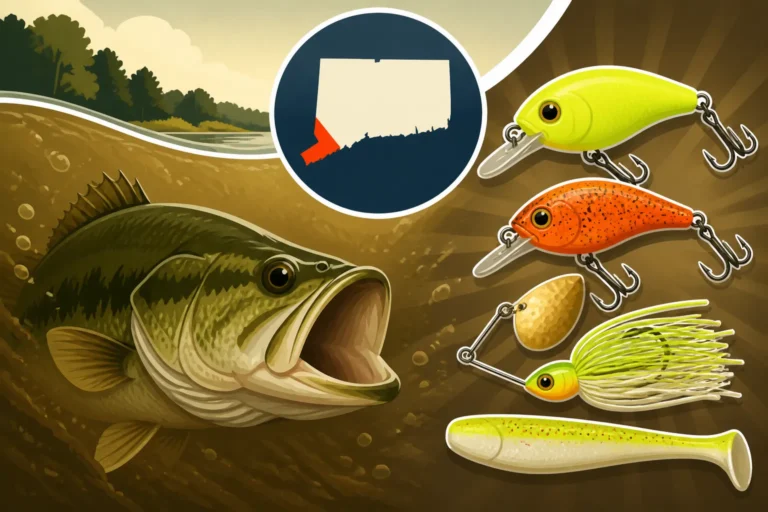
Connecticut bass fishing in muddy water requires understanding lure color science and how low visibility impacts fish behavior.
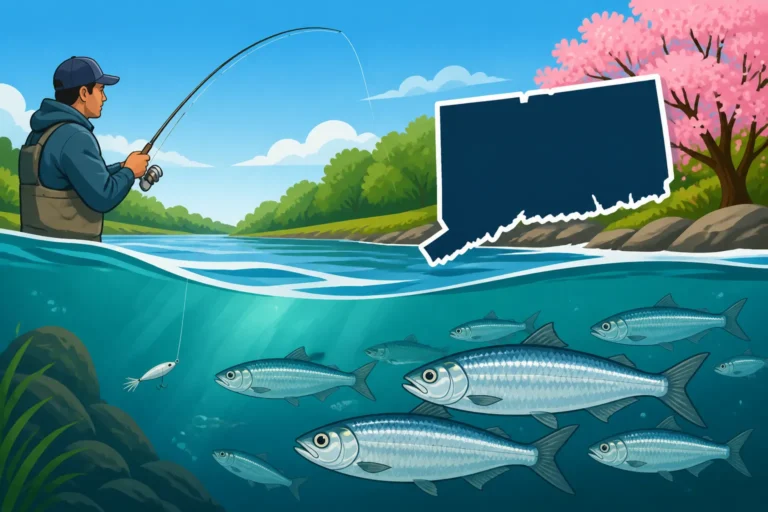
American shad behavior in Connecticut rivers during early spring, including water temperature triggers and holding patterns.
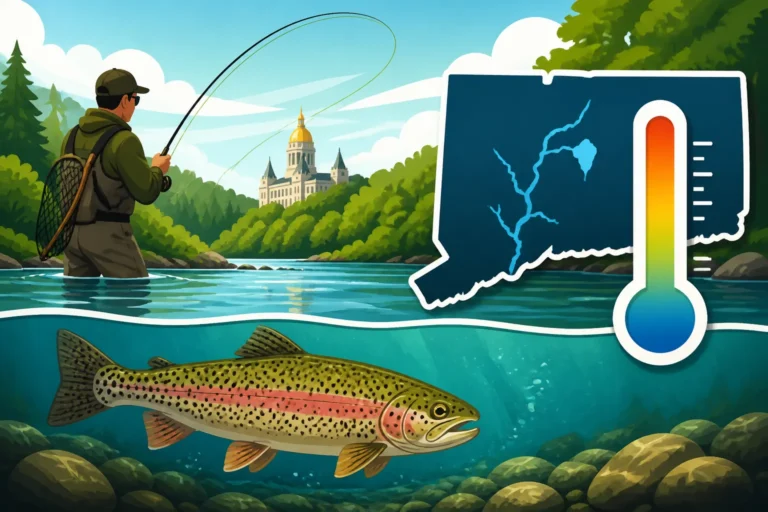
Connecticut trout water temperature ranges dictate brook, brown, and rainbow activity levels, metabolism rates, and seasonal survival limits.
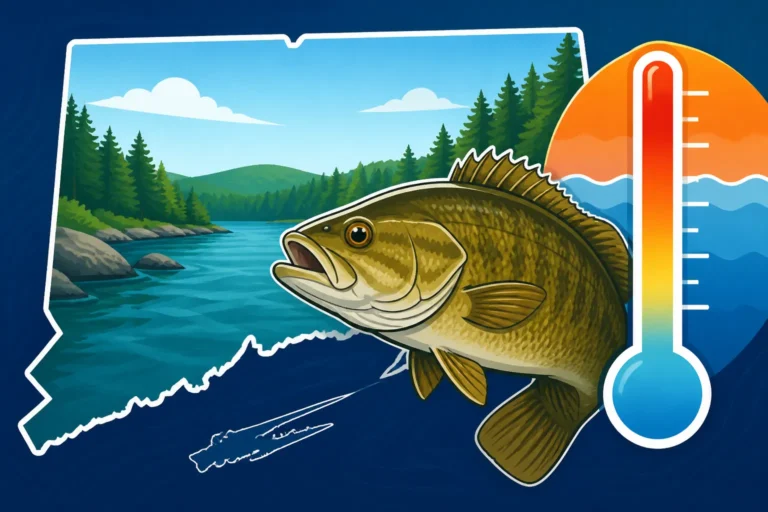
Smallmouth bass water temperature dictates fish metabolism and behavior across Connecticut lakes and rivers, driving seasonal feeding.
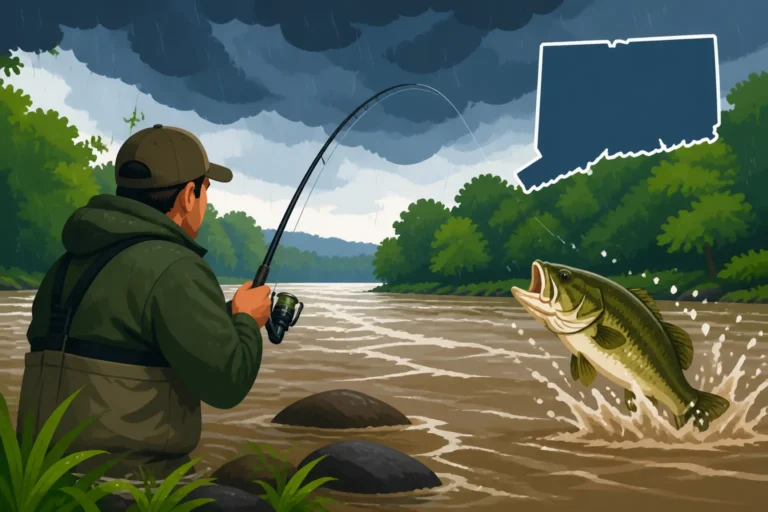
Connecticut river fishing after heavy rain requires specific strategies for high currents, murky water, and shifting fish locations.
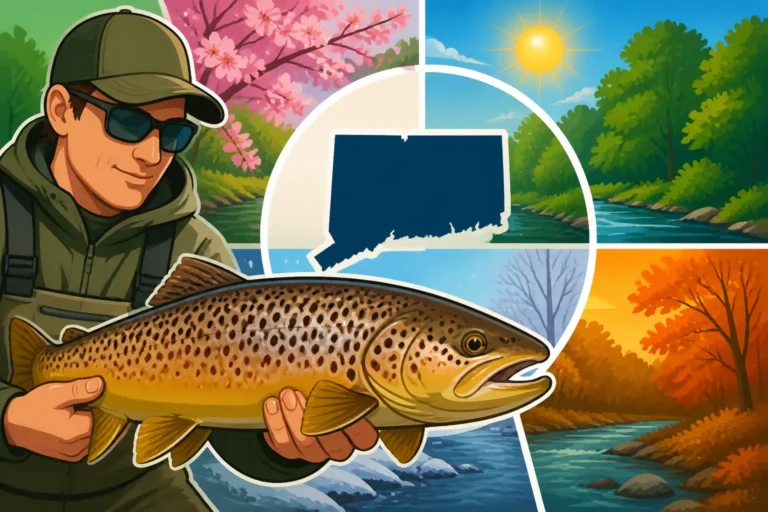
Connecticut seasonal strategies and river locations help anglers catch trophy brown trout measuring twenty inches or more.
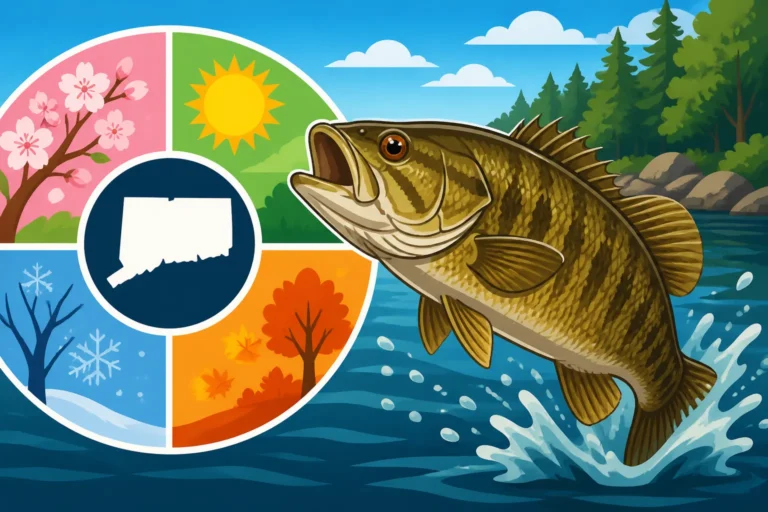
Connecticut smallmouth bass fishing success explained through seasonal water temperature changes and annual spawning stages.
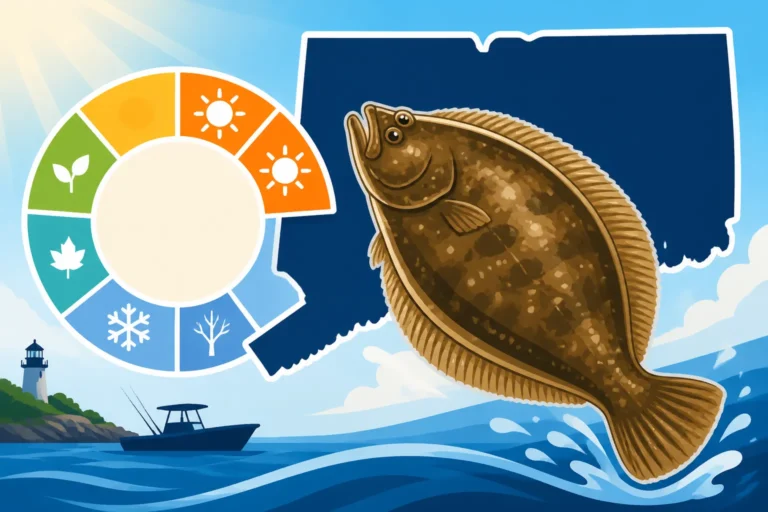
Connecticut fluke fishing months span from late spring through late fall, focusing on seasonal migration and state regulations.
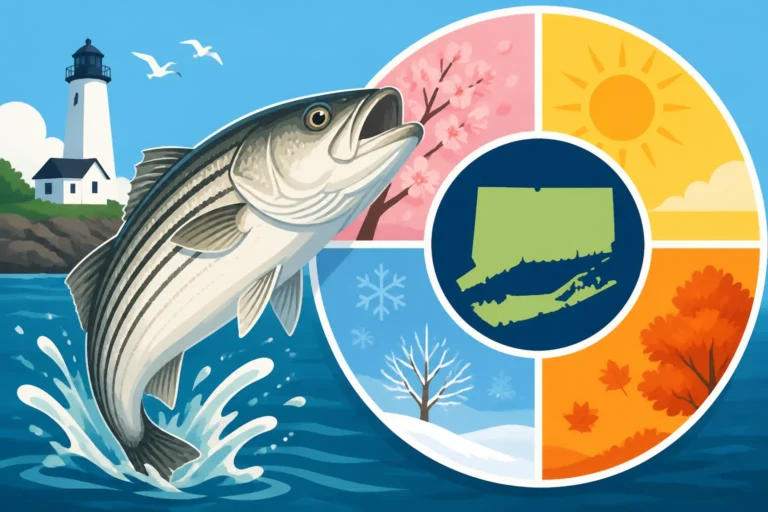
April schoolies, summer deep waters, and the fall run reveal the best months to catch striped bass in Long Island Sound.
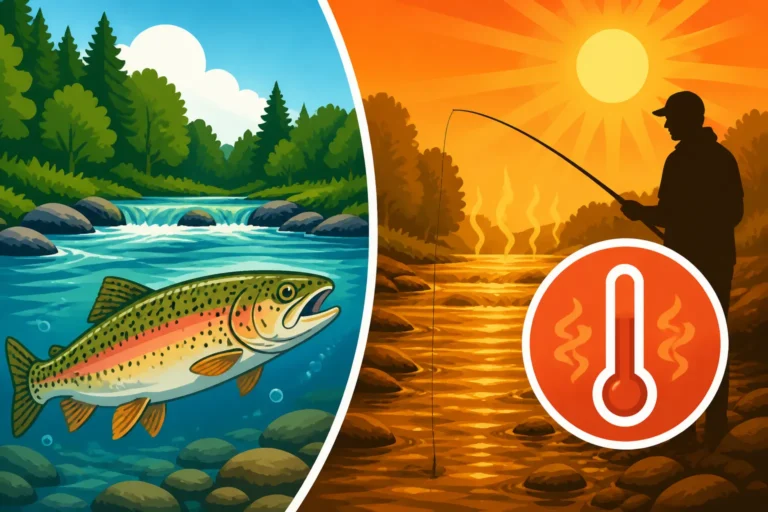
Connecticut trout survival limits and thermal thresholds explain when summer water temperatures become too warm for safe fishing.