How thick ice needs to be to fish safely in Connecticut
Connecticut ice fishing safety guidelines require four inches of clear solid ice for a single lone angler walking.
Match the method to the moment.
Seasonal patterns, proven tactics, rigging and presentation basics, bait choices, and how to adapt as conditions change.
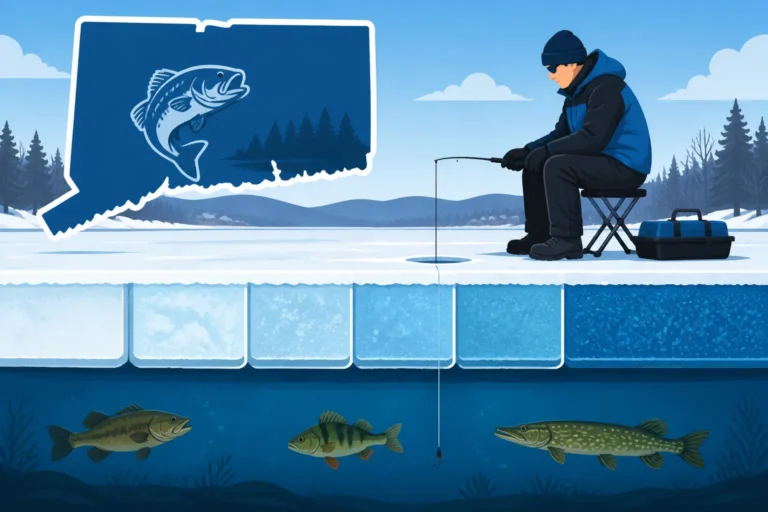
Connecticut ice fishing safety guidelines require four inches of clear solid ice for a single lone angler walking.
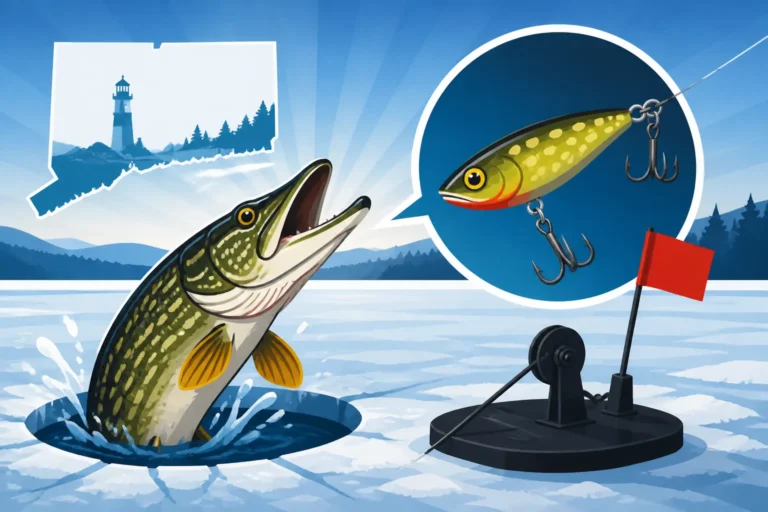
Northern Pike ice fishing techniques in Connecticut waters explain weed beds, drop offs, ambush points, and gear selection.
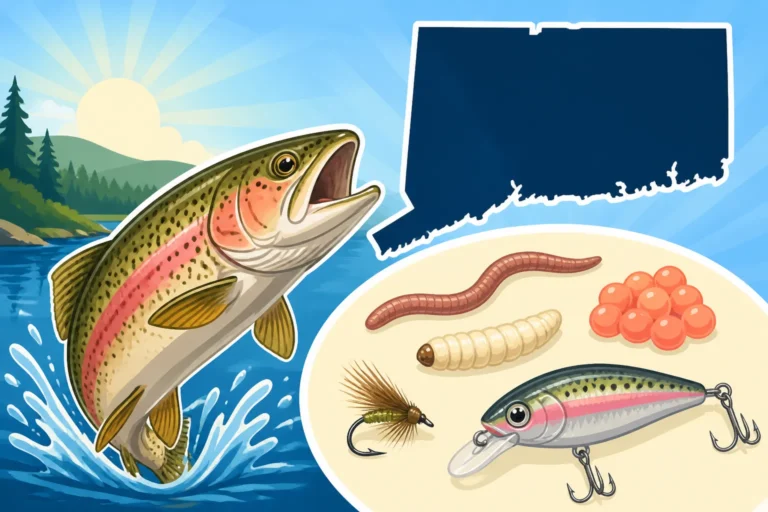
Connecticut opening day trout bait strategies help anglers catch hatchery-raised rainbow, brown, and brook trout successfully.
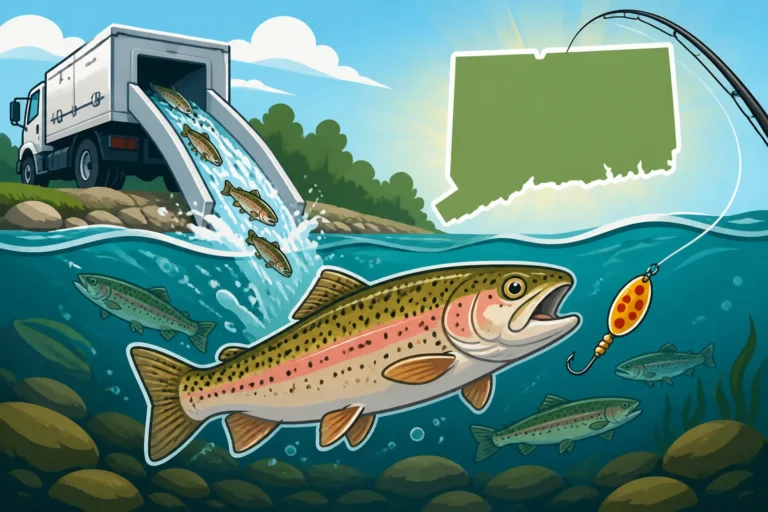
Stocked trout behavior in Connecticut streams and ponds explains tactics, gear, and locations to consistently catch freshly stocked fish.
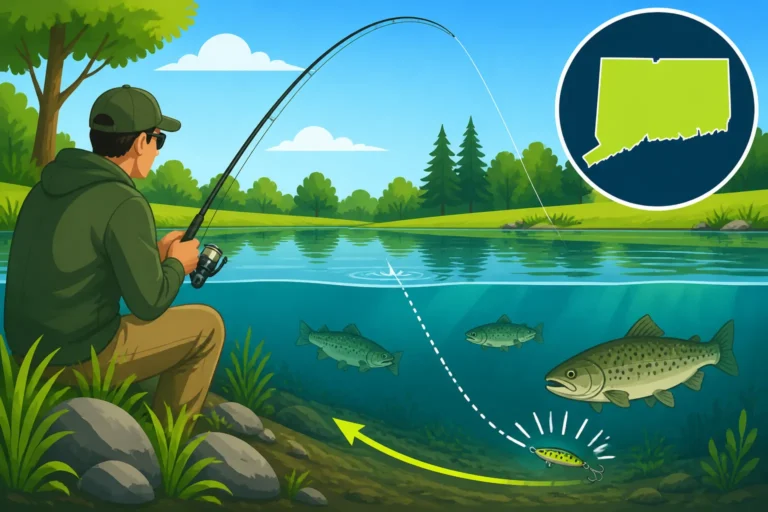
Connecticut bank fishing techniques help anglers catch stocked trout and bass by targeting pond structure and depth changes.
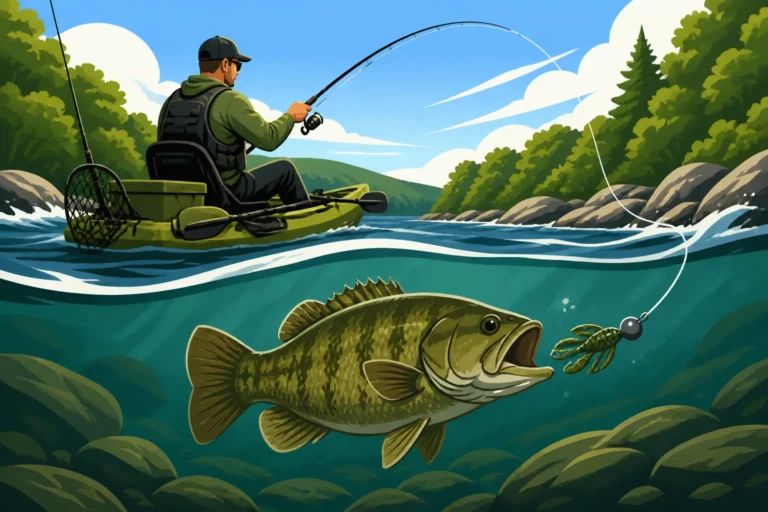
River smallmouth fishing from kayaks in Connecticut requires understanding current breaks, seasonal movements, and rocky habitats.
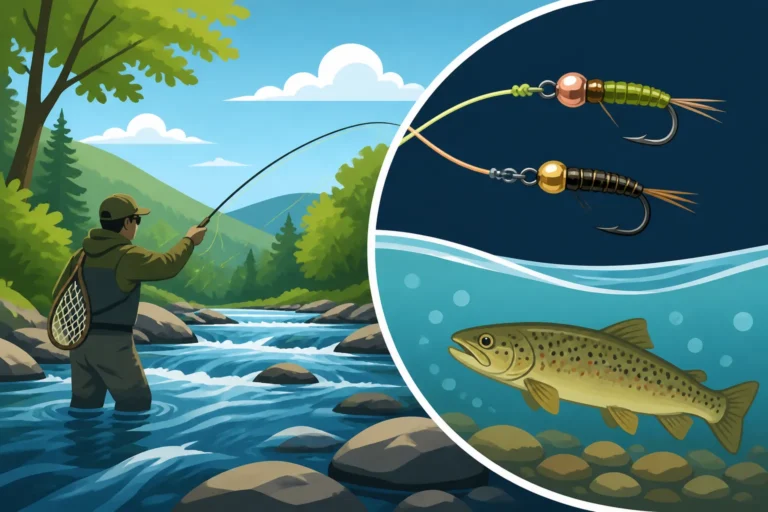
Euro nymphing techniques help anglers catch wary trout in Connecticut freestone streams using direct contact and specialized gear.
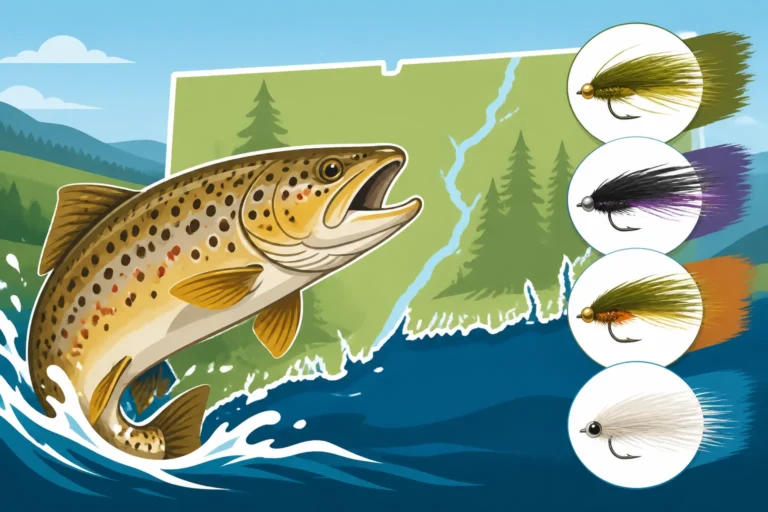
Connecticut brown trout streamer patterns, sizes, and natural baitfish behaviors explained for local fly fishing anglers.
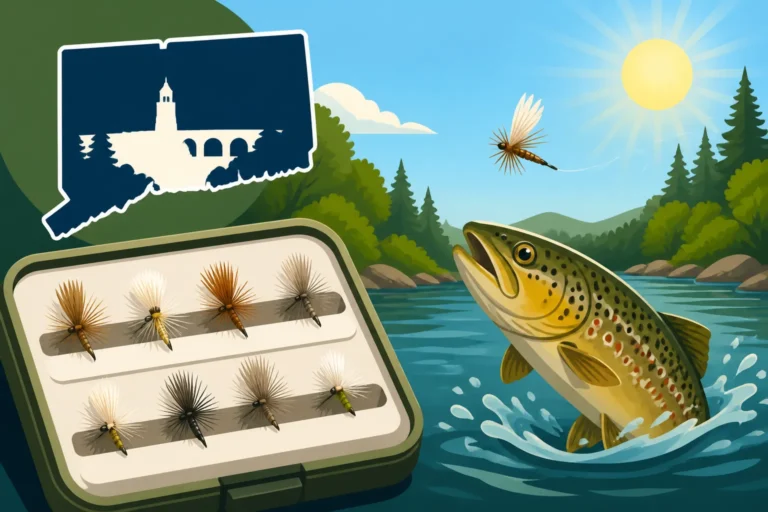
Connecticut summer trout hatches require specific dry fly patterns like caddisflies and mayflies to fool wary fish on the Farmington River.
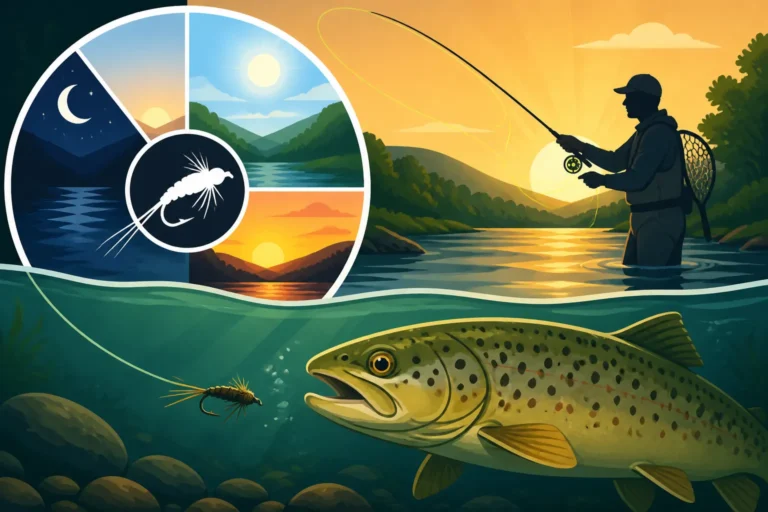
Spring water temperatures and abundant insect hatches create the best seasonal conditions for nymphing trout on the Housatonic River.