How to read structure for striped bass in Long Island Sound
Striped bass habitat in Long Island Sound includes rocky reefs, artificial wrecks, and current breaks that trap baitfish.
Match the method to the moment.
Seasonal patterns, proven tactics, rigging and presentation basics, bait choices, and how to adapt as conditions change.
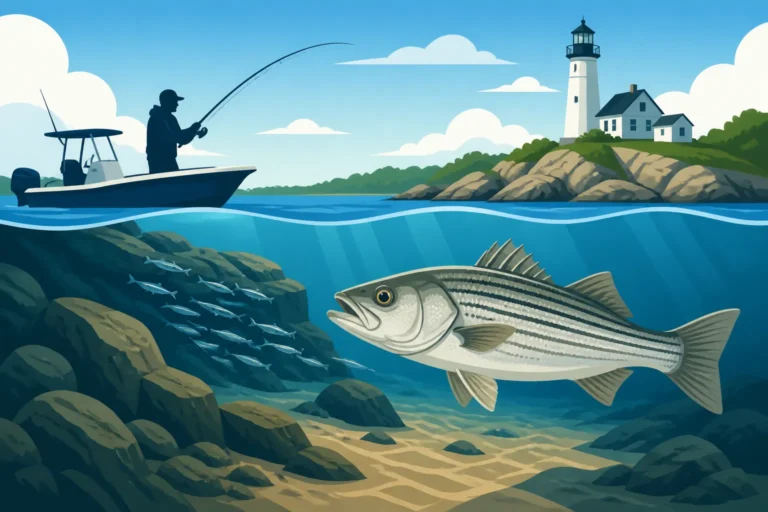
Striped bass habitat in Long Island Sound includes rocky reefs, artificial wrecks, and current breaks that trap baitfish.
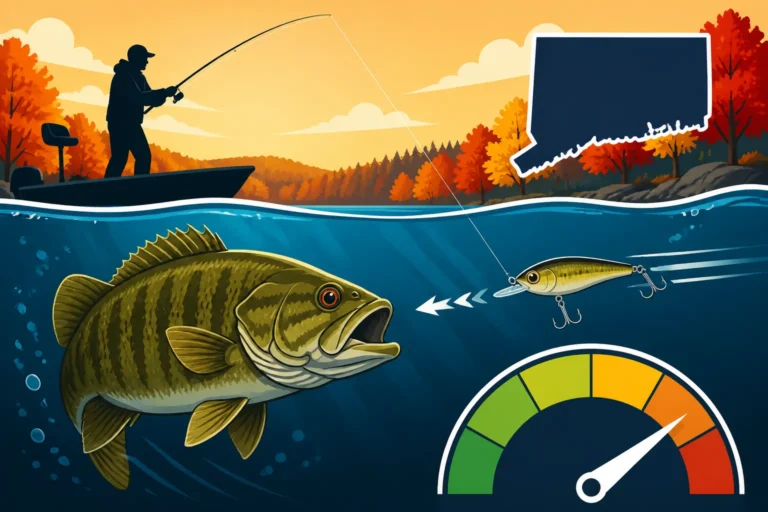
Fall smallmouth bass retrieve speed depends on water temperature and metabolism changes in Connecticut lakes and rivers.
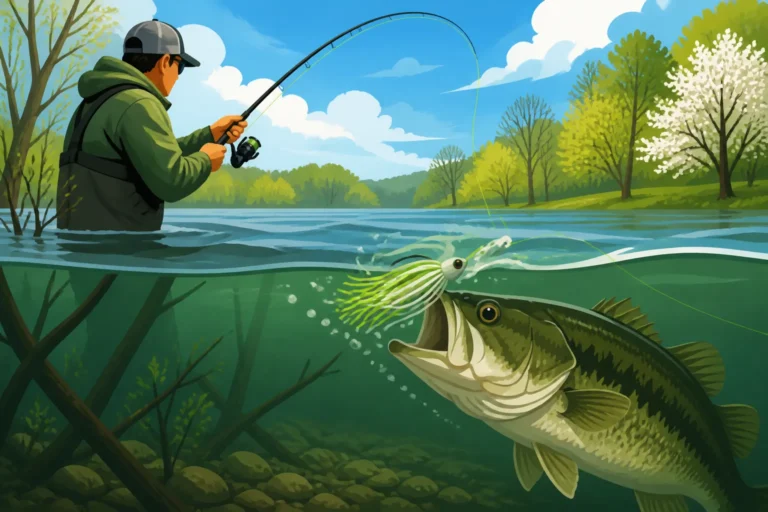
Connecticut spring bass fishing strategies explain how to catch largemouth and smallmouth bass during high water conditions.
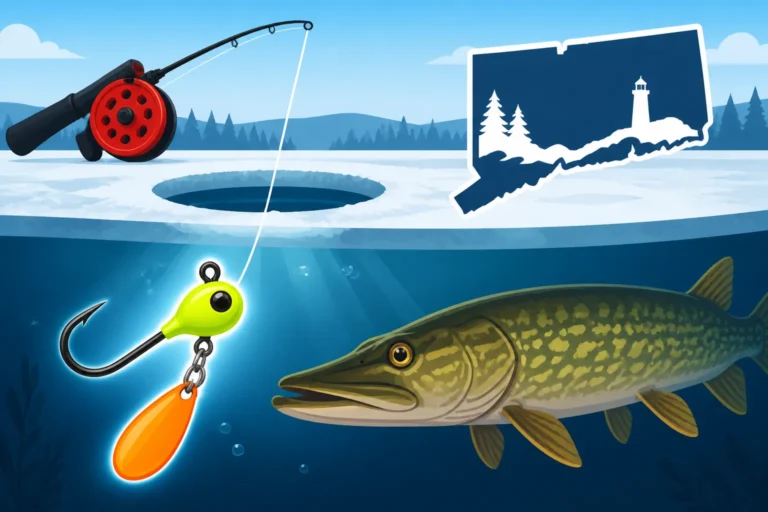
Effective jigs and slow presentation techniques help anglers catch finicky chain pickerel in Connecticut water depths of 4 to 15 feet.
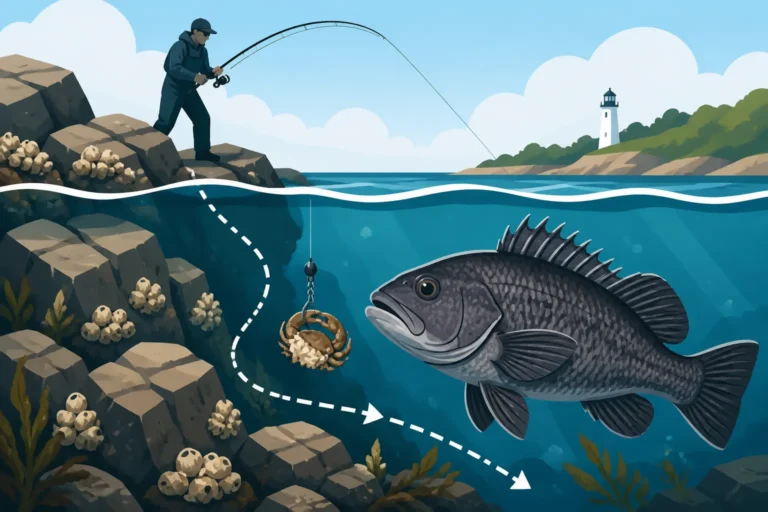
Connecticut blackfish tactics explain how to catch tautog around rocky structure, jetties, and wrecks in Long Island Sound.
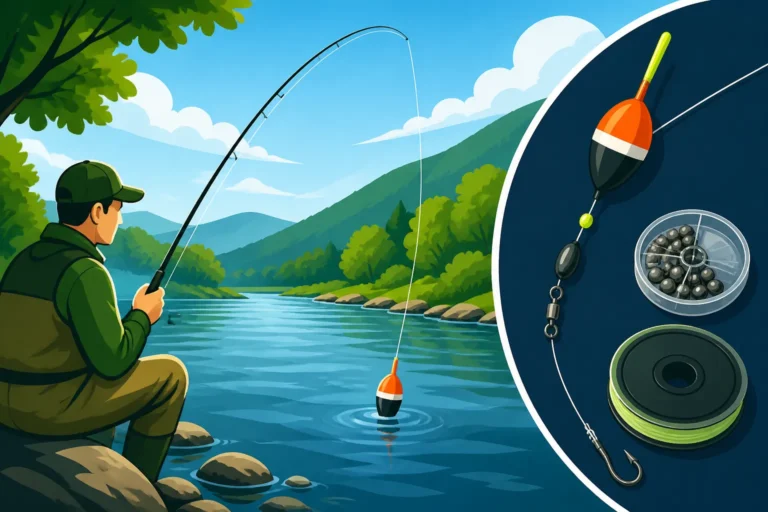
The optimal float fishing setup for the Farmington River West Branch helps anglers achieve drag free drifts for trout.
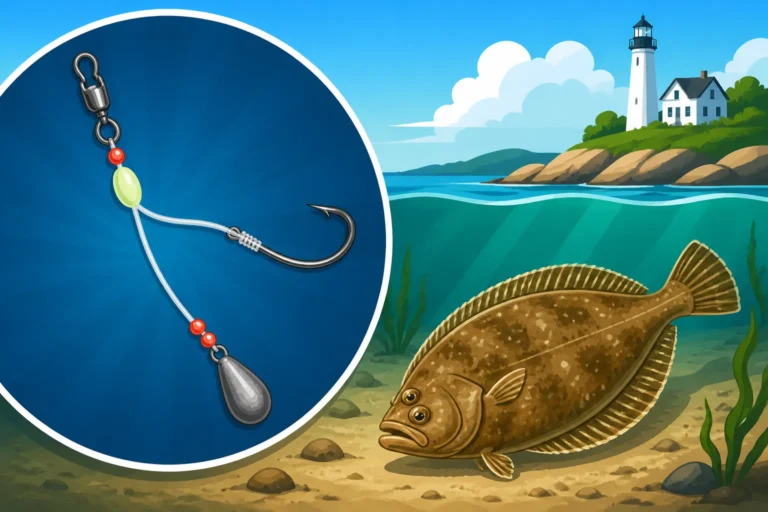
The best bottom fishing rig and wide gap hook sizes ranging from 2/0 to 5/0 to target summer flounder in Long Island Sound.
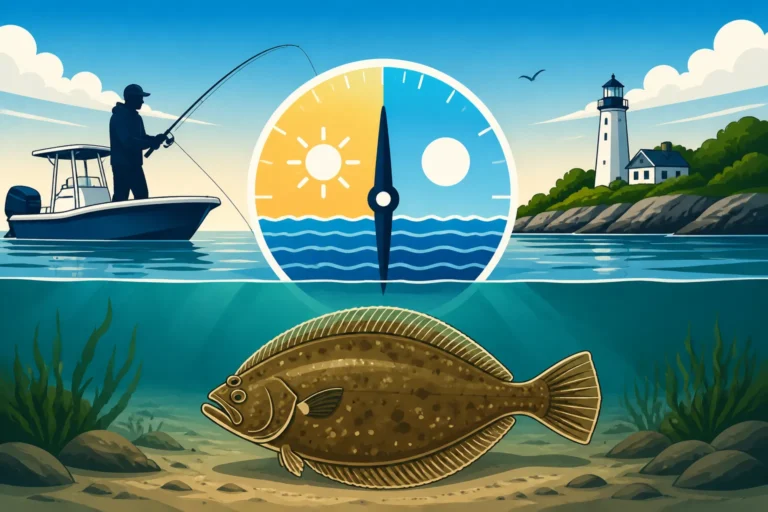
Fishing for fluke during slack tide requires adjusting techniques and targeting transition moments when water movement slows down.
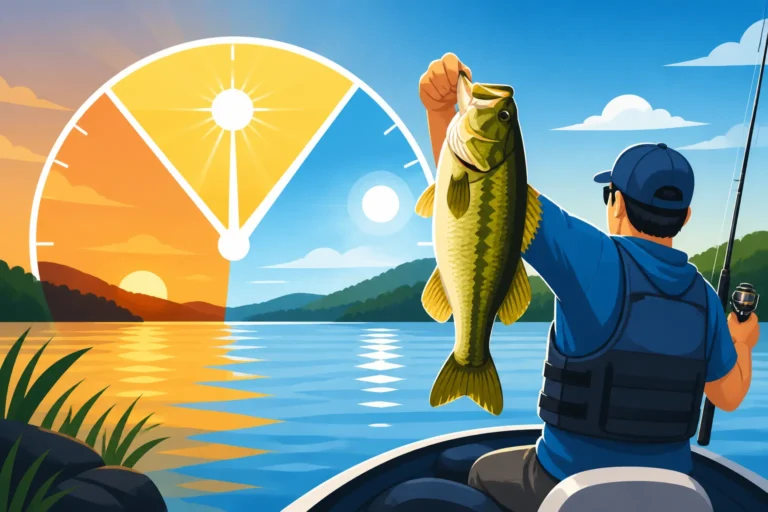
Candlewood Lake summer fishing timing explains optimal dawn windows and thermocline depths to avoid heavy boat traffic and warm water.
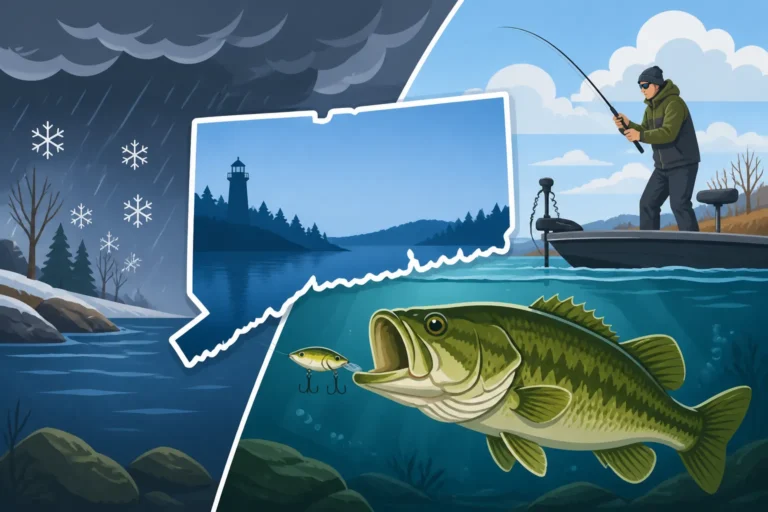
Connecticut bass fishing tactics during cold front conditions help anglers locate lethargic fish retreating to deeper water.