Best months to catch striped bass in Long Island Sound
There's nothing quite like the thrill of a striped bass hitting your line, especially when you're fishing the legendary waters of Long Island Sound. But if you've spent frustrating days on the water wondering where the bass are, it's often because you're missing the crucial piece of the puzzle: when they're most active. This guide is going to walk you through the absolute best months to target striped bass in Connecticut's magnificent Long Island Sound, explaining why certain times of year are far more productive than others.
Understanding the Striped Bass Migration in Long Island Sound
To truly understand when to catch striped bass in Long Island Sound, you first have to grasp their lifecycle and migratory patterns. These incredible fish are always on the move, driven by water temperature and the availability of their primary food sources. Think of Long Island Sound as a critical stopover and feeding ground on their larger coastal journey.
The Spring Migration and Early Arrivals
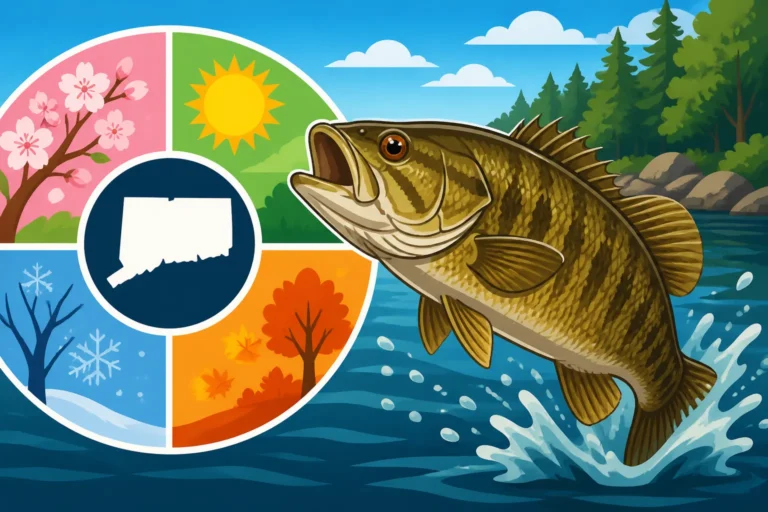
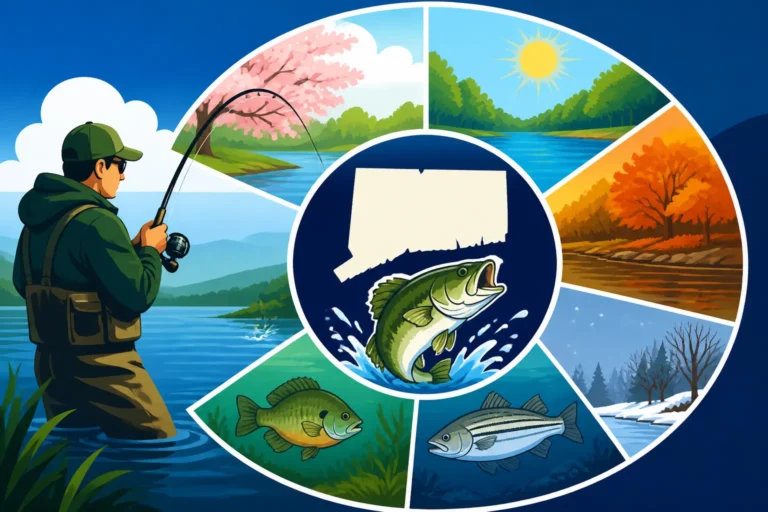
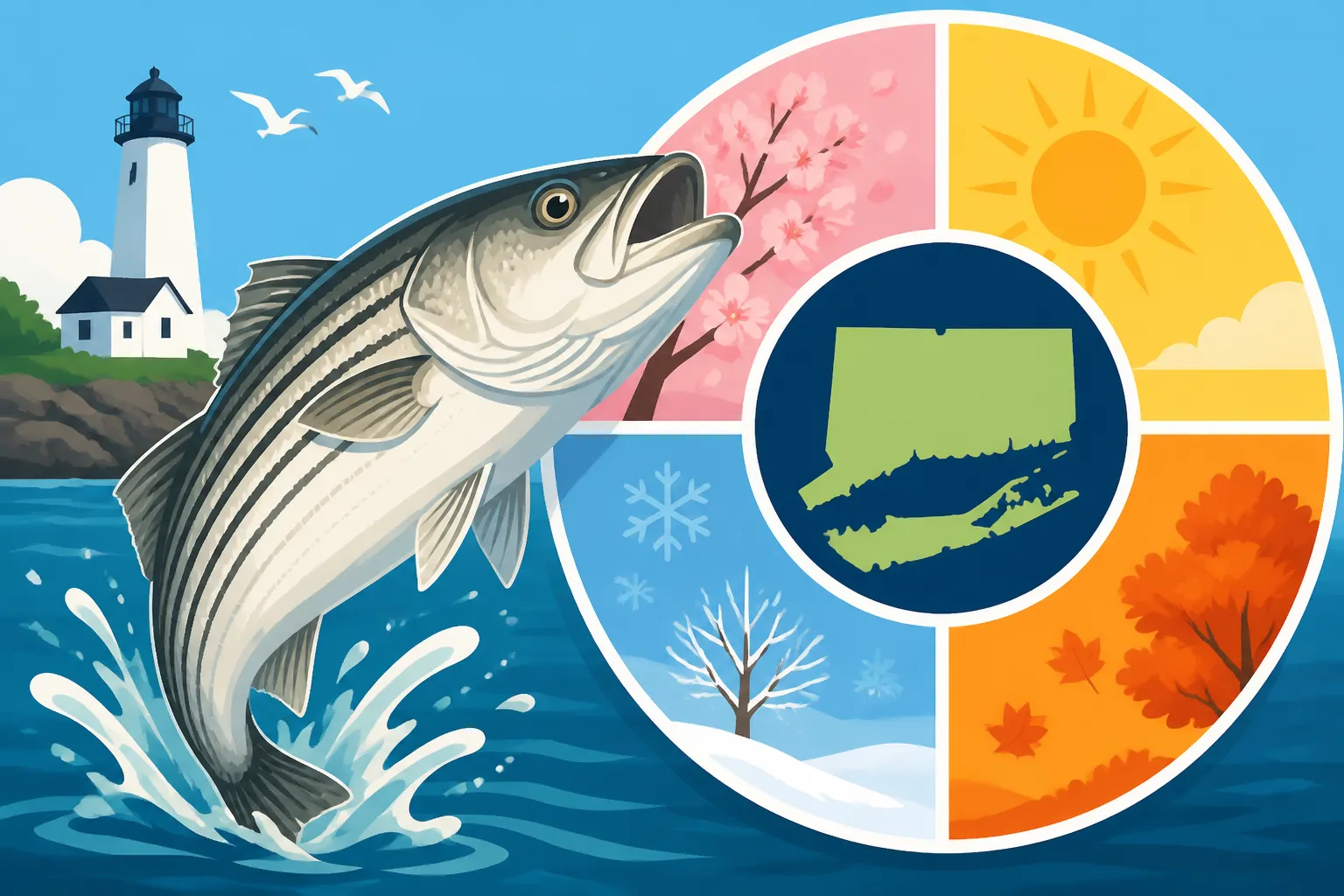
As the ice retreats and the waters of Long Island Sound begin their slow warm-up from the cold grip of winter, usually starting in April, the first signs of striped bass appear. These aren't the large schools of trophy fish yet; typically, you'll see "schoolie" stripers, smaller fish that are eager to feed after their long winter fast. They follow the warming water and the early influx of baitfish like herring, sand eels, and small bunker. The feeling among anglers this time of year is pure anticipation, that first tug on the line after a quiet winter is truly exhilarating.
Initially, these fish hug the coastline, seeking out the warmer, shallower bays, estuaries, and river mouths. They're looking for an easy meal as they regain strength. As May progresses, more and larger fish push into the Sound, migrating north along the coast from their overwintering grounds further south. This period is marked by increasing activity, and anglers often find success in traditional early-season spots. You can learn more about their journey in our guide on Striped Bass Migration Along the Connecticut Coast.
Summer Patterns and Deep Water Tactics
By the time late June rolls around and we enter the full swing of summer, Long Island Sound's waters can get quite warm. This change in temperature dramatically affects where striped bass choose to hang out. The biggest bass, often called "cows," don't particularly enjoy warm surface waters. They'll seek refuge in deeper, cooler areas, often congregating around prominent structures like reefs, rock piles, ledges, and rips where currents are strong and oxygen levels are higher. These deeper haunts also provide ambush points for baitfish.
Fishing during peak summer days often means adapting your strategy significantly. Day fishing can be challenging, with boat traffic and bright sun making the bass more wary. Many seasoned anglers switch to nocturnal missions, knowing that striped bass become much more aggressive and less cautious under the cover of darkness. This shift often requires different gear and techniques, like using specialized lures that glow or provide strong vibrations. Knowing How deep striped bass go in summer can be crucial for finding them during the dog days.
The Fall Run and Feeding Frenzy
If spring is about awakening and summer is about adapting, then fall is a full-blown party for striped bass anglers. As the days shorten and the water temperature begins to drop, mirroring the spring warm-up in reverse, a massive exodus of baitfish begins. Peanut bunker, adult bunker, bay anchovies, and spearing start their southward migration, and the striped bass are right behind them, voraciously feeding to build up reserves for their winter journey. This period is known as the "fall run," and it's a spectacle of nature and an angler's dream.
The bass are typically much more aggressive and less finicky during this time. They'll often hit a wider variety of lures and baits with gusto. The energy on the water is palpable; you might see incredible displays of surface feeding, with gulls and terns diving into boiling schools of bait and bass. This is the time when many trophy-sized fish are caught, as the larger, mature bass also join the southward push. It’s a period of intense activity that can offer some of the most memorable fishing experiences of the year. For tactics, check out Best Techniques for Fall Striped Bass.
Key Months for Targeting Striped Bass in Connecticut Waters
While striped bass can be found in Long Island Sound for a significant portion of the year, certain months stand out as truly exceptional. These are the windows when the combination of fish presence, feeding activity, and favorable conditions align to offer the best chances for success.
Prime Time: May and June
If you had to pick two months that consistently deliver the goods for striped bass in Long Island Sound, it would undoubtedly be May and June. This is the sweet spot, the absolute prime time when the Sound is teeming with fish. The water temperatures are ideal—not too cold from winter, and not yet stiflingly warm from summer—which means the bass are actively feeding throughout the water column and at all times of the day.
In May, we see the bulk of the larger migratory fish entering the Sound, often in excellent condition. They're focused on feeding after their long journey and before the spawning rituals. This is a fantastic time for both boat and shore anglers, with opportunities for targeting schoolies in the shallows and larger fish around deeper structure. As June progresses, the fishing remains red-hot. The fish are widespread, and schools of baitfish like bunker become abundant, leading to explosive topwater action at dawn and dusk. This period offers diverse fishing opportunities, from throwing poppers and walk-the-dog lures on the surface to jigging soft plastics or bucktails deeper down. Our Connecticut Fishing Seasons by Month guide offers a broader look at the year.
The Productive Summer Months: July and August
While May and June might be the "prime time," don't make the mistake of thinking the fishing completely shuts down in July and August. It simply changes. The summer heat forces bass into different patterns, but they are still very much catchable for the persistent and adaptable angler. These months require a bit more strategy, but they can be incredibly rewarding, especially if you enjoy the tranquility of night fishing or the challenge of finesse tactics.
During July and August, the most productive times often shift to early morning, late evening, and especially night. As mentioned earlier, the cooler water and reduced light make bass more confident and active. This is when local knowledge of deep rips, rocky points, and submerged structures really pays off. Live-lining bunker or eels, or chunking fresh bait on the bottom, can be incredibly effective for larger fish holding deep. For anglers gearing up for night excursions, essentials like powerful headlamps, specialized glow-in-the-dark lures, and reliable waterproof bags for gear can be found on platforms like Amazon. If you're considering targeting bass after dark, be sure to read our detailed guide on Night Fishing for Striped Bass in Connecticut.
The Glorious Fall: September and October
The fall run, spanning September and October, is a close second to the spring rush, if not equally exhilarating for many. As the water cools, the bass shed their summer lethargy and become incredibly aggressive once again. They know winter is coming, and they need to pack on calories. This translates into some of the most exciting fishing of the year.
Schools of baitfish, particularly bunker, herring, and spearing, start their southward migration out of the Sound and along the coast, creating a feeding frenzy that striped bass cannot resist. You'll often find birds diving, indicating massive schools of bait, with bass actively pushing them to the surface. Both boat and shore anglers can experience incredible action during these months. Larger fish are often caught closer to shore as they chase bait into shallower waters. Whether you're casting large plugs, jigging, or trolling, the fall run offers consistent action and the chance at trophy-sized fish. It's a fantastic time to be out on the water, and our comprehensive guide on How to Catch Striped Bass in Long Island Sound offers even more insights into seasonal tactics.
Factors Influencing Striped Bass Activity
While the calendar months provide a general framework, Mother Nature always has the final say. Understanding the environmental factors that drive striped bass behavior will significantly enhance your success, regardless of the month.
Water Temperature and Baitfish Presence
These two factors are inextricably linked and arguably the most critical determinants of where and when you'll find striped bass. Striped bass are cold-blooded creatures, and their metabolism is directly influenced by water temperature. They thrive in a range generally between 50-70 degrees Fahrenheit (10-21 degrees Celsius). When water temperatures are within this comfort zone, bass are typically more active and feed more aggressively.
Crucially, baitfish also respond to water temperature. Menhaden (bunker), herring, and sand eels, the primary forage for striped bass in Long Island Sound, move into and out of the Sound based on thermal preferences. The bass follow their food. For instance, in spring, as river mouths and bays warm up, baitfish move in, and the bass aren't far behind. In fall, as the overall Sound cools, baitfish consolidate and migrate, prompting the legendary fall run. Observing bird activity, which indicates schooling baitfish, is often your best clue to finding hungry stripers. Understanding What Atlantic menhaden are and why they matter to striped bass is key to cracking the code. To really dial in on these patterns, a good fish finder or sonar unit can be an invaluable tool for locating bait and predators, and many excellent models are readily available on Amazon.
Tides, Currents, and Structure
Striped bass are ambush predators, and they use tides, currents, and underwater structure to their advantage. Strong tidal flow and currents are like a conveyor belt for food, bringing baitfish directly to the waiting bass. This is why prime fishing spots are often found where currents accelerate, such as around points, islands, and narrow passages.
Structure, whether natural (reefs, rock piles, ledges, mussel beds) or artificial (wrecks, bridge pilings), provides cover for bass to hide and wait for passing bait. It also breaks up currents, creating eddies where baitfish can gather, making them easy targets. Learning to "read" the water and identify these current breaks and structural features is a skill that takes time to develop but is immensely rewarding. Many successful anglers religiously consult tide charts and current predictions before heading out. Sometimes, even finding specialized lures designed to perform well in strong currents, which you can often find through a quick search on Amazon, can make a difference. Our guide on How to read structure for striped bass in Long Island Sound dives deeper into this topic.
Weather Patterns and Moon Phases
While not as critical as water temperature and baitfish, weather patterns and moon phases can definitely play a role in striped bass behavior. Stable weather, with consistent barometric pressure, often leads to more predictable fishing. Conversely, drastic changes, like an approaching cold front, can sometimes shut down the bite, making fish more lethargic. Wind direction and strength also dictate where bait might be pushed and where bass will set up their ambush points. A strong onshore wind, for example, can push bait closer to shore, creating excellent surfcasting opportunities.
The impact of moon phases is a topic of much debate among anglers, with some swearing by certain tides during full or new moons, and others claiming it makes little difference. Generally, stronger tides associated with new and full moons can lead to more active feeding, as the increased current disorients baitfish. However, the exact correlation can be subtle and often secondary to bait presence and water temperature. For those who want to explore this further, you might find our article on Best moon phase for striped bass fishing insightful.
Here's a quick overview of the best months and conditions for striped bass in Long Island Sound:
| Month | Primary Activity | Typical Location | General Tactics | Notes |
|---|---|---|---|---|
| May | Strong spring migration, pre-spawn feeding | River mouths, bays, shallow structure | Plugs, soft plastics, bucktails, live bait | Abundant schoolies, increasing numbers of larger fish. Excellent for shore and boat anglers. |
| June | Peak activity, post-spawn feeding, widespread bait | Reefs, rips, deep channels, estuaries | Topwater, jigs, live-lining bunker/eels | Consistent action, good topwater opportunities. Often considered the best month overall. |
| July | Summer patterns, deeper water, nocturnal feeding | Deeper reefs, rips, cooler areas | Live-lining, chunking, jigs (dawn/dusk/night) | Requires adapting to heat; night fishing is often most productive for larger fish. |
| August | Continued summer patterns, subtle bite | Deep structure, current seams | Live bait, eels, deep jigs (dawn/dusk/night) | Can be challenging, but big fish are present for those who put in the effort, especially at night. |
| September | Start of the fall run, aggressive feeding | Entire Sound, chasing bait schools | Plugs, jigs, soft plastics, live bait | Renewed vigor, excellent surface action, large schools of bait and bass. |
| October | Peak fall run, trophy fish opportunities | Entire Sound, especially near inlets | Large plugs, eels, live bunker, chunking | Last chance for consistent big fish action before they move south. Aggressive feeding. |
Gear Considerations for Striped Bass Throughout the Season
Having the right equipment can make all the difference in your striped bass pursuit. The choice of gear often depends on the specific techniques you're employing and the size of the fish you anticipate catching.
Rods, Reels, and Line Choices
For striped bass in Long Island Sound, versatility is key. Most anglers opt for a medium-heavy to heavy action spinning or conventional rod, typically in the 7 to 9-foot range. This length provides good casting distance from shore or boat, and enough backbone to handle a strong fish and heavier lures. A 7-foot medium-heavy rod is a great all-around choice for boat fishing, while an 8-9 foot medium-heavy to heavy rod is excellent for surfcasting from the beach.
Matching your rod with a sturdy, corrosion-resistant spinning reel (sizes 4000-6000) or a reliable conventional reel is crucial. These reels need a smooth drag system and good line capacity. For line, braided line is almost universally preferred due to its incredible strength-to-diameter ratio, sensitivity, and lack of stretch. A 30-50 lb test braid is common. Always use a fluorocarbon or monofilament leader (20-50 lb test) at the end of your braid, typically 3-6 feet long, to provide abrasion resistance and make your presentation more stealthy. You can find a wide selection of quality rod and reel combos, as well as various types of fishing line, on Amazon, catering to all budgets and fishing styles.
Essential Lures and Baits
The tackle box of a successful striped bass angler is a diverse one. The "best" lure often depends on the season, time of day, and what baitfish are present. However, some staples consistently produce:
- Topwater Plugs: Poppers and walk-the-dog lures are explosive in low light conditions (dawn, dusk, night) and during the fall run when bass are aggressively feeding on the surface.
- Soft Plastics: Paddle tails, swim shads, and stick baits (like a soft plastic jerkbait) rigged on jig heads are incredibly versatile and effective, imitating a wide range of baitfish. They can be fished shallow or deep.
- Bucktail Jigs: These classic lures are indispensable. Tipped with a small soft plastic or pork rind, they're deadly when bounced along the bottom or jigged in current.
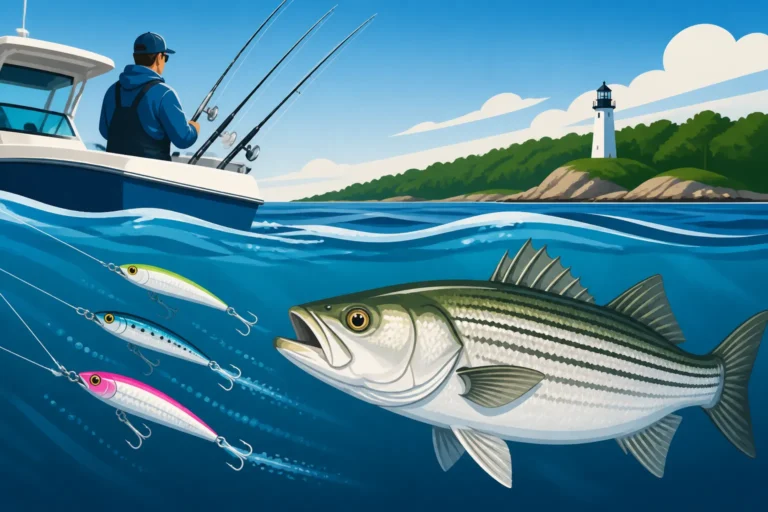
- Minnow Plugs/Lipless Crankbaits: Excellent for imitating slender baitfish like herring or sand eels, especially in shallower water or when casting from shore.
- Live Bait: Bunker (menhaden), eels, and mackerel are absolute killers for large striped bass. Live-lining a frisky bunker or eel in a strong current is a highly effective, albeit labor-intensive, method.
- Cut Bait: Chunks of fresh bunker or mackerel fished on the bottom can entice large, lazy bass, particularly during slow periods or at night.
Always try to "match the hatch" – use lures and baits that closely resemble what the striped bass are currently feeding on. A good selection of these essential lures and baits can easily be acquired through online retailers like Amazon, ensuring you're ready for any situation. For a more comprehensive look at what to throw, check out Best Lures for Striped Bass in Long Island Sound.
Maximizing Your Chances: Tips for Consistent Success
Even with the best gear and knowledge of the prime months, success in striped bass fishing often comes down to dedication, adaptation, and continuous learning.
Scouting and Staying Informed
Successful striped bass anglers are perpetual students of the water. They don't just show up and hope for the best; they do their homework. This means:
- Reading Fishing Reports: Local tackle shops and online forums are invaluable resources for understanding current conditions, bait movements, and where fish are being caught.
- Observing Nature: Pay attention to bird activity (diving birds often signal baitfish being pushed to the surface by predatory fish), splashes, and baitfish schools. The presence of bait is the single biggest indicator of where the bass will be.
- Studying Charts: Nautical charts (paper or digital) help you identify structure, depth changes, and current breaks before you even leave the dock. Knowing where the "sticky" spots are – those reefs, rock piles, and channels – gives you a massive advantage.
- Talking to Locals: A friendly chat at the boat ramp or tackle shop can yield golden nuggets of information. Be respectful, share what you know, and you might learn a new trick or a productive spot. For instance, sometimes the best Long Island Sound Striped Bass Spots are found through local chatter.
Adapting to Conditions
Long Island Sound is a dynamic environment, and conditions can change rapidly. What worked yesterday might not work today, and what works in the morning might not work in the afternoon. The most successful anglers are those who can adapt their tactics on the fly. If fish aren't hitting topwater, try a soft plastic jigging deeper. If the current is ripping, switch to a heavier bucktail. If the bait is small, downsize your lure.
This adaptability extends to timing as well. While we've discussed prime months, the exact best time can vary by the day. Pay attention to the tides; often, the beginning or end of a strong current offers the best bite. Sometimes, changing your fishing time to coincide with dusk, dawn, or even midnight can make all the difference, especially in warmer months. Remember that flexibility and persistence are your greatest assets. Knowing something like Best Time of Day to Catch Striped Bass can help inform your decision-making on adapting your schedule.
Disclaimer
Please remember that fishing regulations in Connecticut are subject to change. Always consult the latest Connecticut Department of Energy and Environmental Protection (DEEP) fishing guide before heading out on the water to ensure you are in compliance with all size, creel, and season limits for striped bass and other species.