Connecticut River shad run fishing spots
The arrival of spring in Connecticut brings with it an exciting, albeit sometimes fleeting, opportunity for anglers: the annual American shad run. Many folks get frustrated trying to pinpoint the best locations along the mighty Connecticut River to intercept these migrating fish, often arriving at the river to find the action slow or nonexistent in their chosen spot. This guide is dedicated to helping you understand the shad run, identify prime fishing locations, master effective techniques, and plan a successful trip to catch this iconic anadromous species.
Understanding the Connecticut River Shad Run
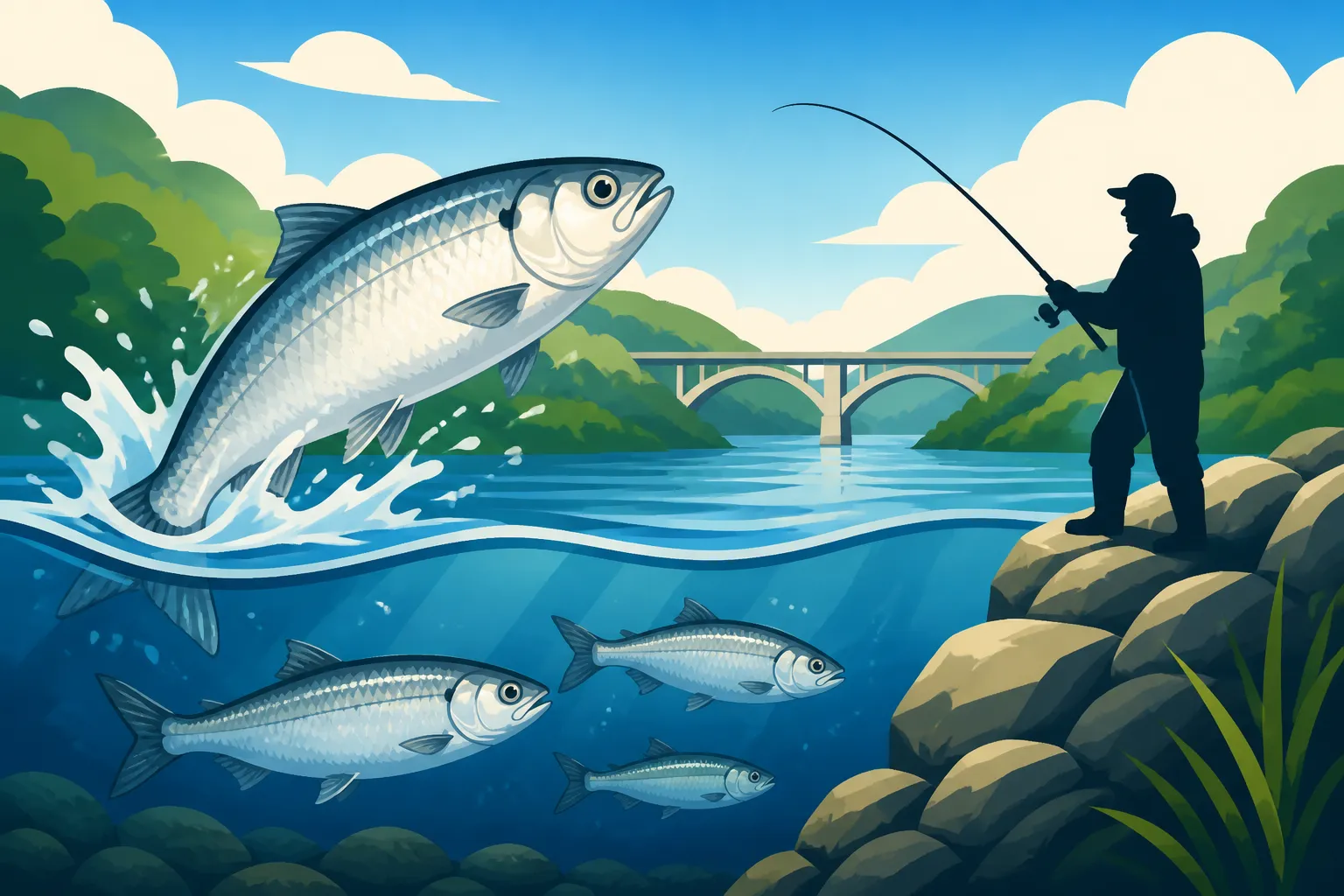
The American shad ( Alosa sapidissima ) is a truly incredible fish, known for its powerful fight and delicious meat. Every spring, these members of the herring family leave the Atlantic Ocean and journey up freshwater rivers to spawn, and the Connecticut River is one of the most significant spawning grounds on the East Coast. This annual migration is a major event for anglers, marking a true sign of spring and offering some fantastic fishing opportunities.
The Lifecycle and Migration Pattern
Shad begin their migration from the ocean, pushing into the brackish waters of Long Island Sound and then continuing upstream into the freshwaters of the Connecticut River. Their journey can take them hundreds of miles inland, all the way to dams and natural barriers that impede further progress. The exact timing of the run varies each year, primarily influenced by water temperature. Generally, as river temperatures climb into the 50s Fahrenheit, the first waves of shad start to appear, usually peaking when temperatures are in the low to mid-60s. This typically means the run gets into full swing from mid-April through late May, with some stragglers found into early June. Understanding this critical window is key to maximizing your chances. If you want to dive deeper into the general fishing calendar, you can explore the Connecticut Fishing Seasons by Month.
Why the Connecticut River is Prime for Shad
The Connecticut River, being the longest river in New England, provides an extensive migratory corridor for shad. Historically, dams presented significant obstacles, but thanks to decades of conservation efforts and the installation of fish ladders and bypasses, shad can now access much more of their ancestral spawning grounds. This makes many sections of the river, from its tidal estuary up to the northern reaches of the state, viable for catching these strong fighters. The sheer volume of water and the varied habitat – from deep channels to rocky runs – also contribute to its reputation as a premier shad fishery.
Prime Fishing Spots Along the Connecticut River
When it comes to the Connecticut River shad run, location is everything. Knowing where the shad tend to stack up, where they pause on their journey, or where the current provides a natural funnel can make all the difference. While shad are present throughout much of the river, certain spots consistently produce better results due to their hydrology and accessibility.
Lower River Hotspots: The Gateway to the Run
The lower stretch of the Connecticut River, particularly from its mouth up to the Enfield Dam, sees the initial push of shad and often holds large schools as they navigate the tidal influence and adjust to freshwater.
- Essex and Old Saybrook: These areas represent some of the earliest opportunities to catch shad. Here, the river is still quite wide and deep, and shad will hold in channels and along current seams. Public access points and marinas in towns like Old Saybrook offer chances for boat anglers, and there are some shore fishing opportunities as well. Keep an eye on tide charts here; incoming and outgoing tides can create strong currents that concentrate fish. If you're looking for guidance, remember that many local guides listed on platforms like FishingBooker specialize in these lower river sections during the spring shad run.
- Deep River and Chester: As the river narrows slightly, towns like Deep River and Chester provide excellent access, especially for boaters. Look for public boat launches where you can put in and then explore the river bends and deeper sections. Shad often gather in the slower pools directly above or below significant current breaks.
- East Haddam and Haddam: The area around the East Haddam Swing Bridge is another renowned hotspot. The bridge pilings themselves create current eddies and structure that shad love to hold near. Both shore anglers and boaters can find success here. There are several state boat launches and scenic riverside parks that offer access, like Haddam Meadows State Park. This is a crucial area where shad make a significant stop on their upstream journey.
Mid-River Magnets: Cromwell to Hartford
Moving further upstream, the river continues to offer productive shad fishing, especially as the run progresses and more fish push north. The urban backdrop around Hartford doesn't deter the shad one bit!
- Cromwell and Rocky Hill: These towns offer numerous public access points and boat launches. The river here still has considerable depth and flow. Shad will often be found in the main channel, especially along drop-offs and where tributaries enter the main stem, bringing in slightly warmer water or different oxygen levels. The Meadows areas can provide quieter sections for wading if water levels permit.
- Wethersfield and Hartford: Don't let the city fool you; downtown Hartford offers some fantastic, easily accessible shad fishing. Mortensen Riverfront Plaza in Hartford, for instance, provides public walkways and fishing platforms right on the river, making it incredibly convenient for shore anglers. The confluence with the Park River, though small, can sometimes draw fish. These are highly trafficked areas, so be courteous and patient with fellow anglers. Many local anglers recommend the early morning hours for these spots to avoid crowds. For more general information on fishing spots, check out our guide on Connecticut River Striped Bass Fishing.
Upper River Destinations: Windsor Locks and Enfield
The ultimate destination for many shad is the area below the Enfield Dam in Windsor Locks. This is where the vast majority of the Connecticut River's shad run culminates, making it an incredibly productive, albeit busy, location.
- Windsor Locks Canal State Park Trail: This is arguably the most famous shad fishing spot on the entire Connecticut River. The canal path runs parallel to the river and offers miles of bank fishing access directly below the Enfield Dam. The dam acts as a natural barrier, concentrating hundreds of thousands of shad in the deep pool and turbulent water directly downstream. Anglers often line the banks here, casting into the churning water. It's a truly unique experience, but be prepared for crowds, especially on weekends during the peak of the run. Parking is available, but fills up quickly.
- Enfield Boat Launch (off Route 5): For boaters, the public launch in Enfield, just south of the dam, provides direct access to the prime fishing waters below the dam. Boaters can position themselves to drift through the productive seams and eddies that form in the powerful current. If you're planning a trip here, consider that a good strategy might involve booking a local guide through a platform like FishingBooker who knows the specific intricacies of navigating and fishing this popular, high-current area safely and effectively.
| Location Category | Key Towns/Access Points | Best For | Notes |
|---|---|---|---|
| Lower River | Essex, Old Saybrook, Deep River, Chester, East Haddam | Early Run, Boats | Strong tidal influence, deeper channels. Good for intercepting first waves. |
| Mid-River | Cromwell, Rocky Hill, Wethersfield, Hartford (Downtown) | Boats & Shore | Consistent fishing as run progresses. Urban access points are convenient for shore anglers. |
| Upper River | Windsor Locks (Canal Trail), Enfield (Boat Launch) | Shore & Boats | Peak concentration below Enfield Dam. Expect crowds; prime during peak run. Highly productive. |
Techniques and Tips for Shad Success
Catching American shad isn't overly complicated, but there are definitely some tried-and-true techniques that will increase your chances of success. They are aggressive feeders when motivated, but their mouths are delicate, so a gentle touch is often required.
Gear Essentials: Rods, Reels, and Line
You don't need highly specialized equipment for shad fishing, which is great news for casual anglers.
- Rods: A light to medium-light spinning rod, typically 6 to 7 feet long, with a fast action is ideal. This allows for good casting distance with light lures and provides enough sensitivity to feel the subtle bites of shad. A moderate action can also be good for preventing hooks from pulling out of their soft mouths.
- Reels: Pair your rod with a small to medium-sized spinning reel (2000-3000 series) spooled with 6 to 10-pound test monofilament or braided line. Mono is often preferred for its stretch, which helps absorb the shock of a shad's head shakes, preventing lost fish. If using braid, consider a monofilament or fluorocarbon leader to add some shock absorption.
- Terminal Tackle: Keep it simple. Small, sharp hooks are crucial. Size 4 to 8 hooks are common. For lures, shad darts and small spoons are the kings.
Lure Choices: The Shad Dart Reigns Supreme
Shad are attracted to bright colors and erratic movements, which is why a few specific lure types dominate the scene.
- Shad Darts: These small, lead-headed jigs with a bucktail or synthetic tail are the undisputed champions of shad fishing. They come in various weights (1/8 to 1/4 ounce is typical) and an array of colors. Chartreuse, pink, white, and red are perennial favorites. The key is to cast them upstream and allow them to drift naturally downstream, just above the bottom, mimicking a baitfish. A slight jigging motion during the retrieve can entice strikes.
- Small Spoons: Classic metal spoons like a Little Cleo or a Kastmaster in silver, gold, or brass, often with a hint of red or orange, are also highly effective. Sizes around 1/8 to 1/4 ounce work best. They should be retrieved steadily, allowing their wobbling action to attract attention.
- Flies: For the fly-fishing enthusiast, small, brightly colored streamers or weighted nymphs can be incredibly productive, especially in the clear waters of the upper river. Clouser Minnows, Lefty's Deceivers, and various small synthetic patterns in chartreuse, pink, and white imitate the small baitfish shad might key on. If you're into fly fishing, you might be interested in our guide on Fly Fishing for Trout in Connecticut.
Retrieval Techniques: Drift and Jig
The most effective method for catching shad is to present your lure naturally in the current.
- Drift Fishing: This is the most common and often most productive method, especially from shore in faster currents. Cast your shad dart or spoon slightly upstream and across the current, letting it sink and drift downstream with the flow. Maintain a tight line to feel strikes, but allow the lure to tumble and bounce naturally near the bottom. The idea is to keep it in the "strike zone" as long as possible.
- Slow Retrieve with Jigs: When the current isn't as strong, or if you're fishing from a boat and can maintain a controlled drift, a slow, steady retrieve with occasional subtle jigs can be effective. Shad will often hit as the lure drops or changes direction. The bite can be subtle, sometimes feeling like a slight tap or just added weight on the line.
- Finding the Depth: Shad often hold in specific water columns. Experiment with different weights of darts or adjust your retrieve speed to find where the fish are holding. They might be right on the bottom, suspended mid-water, or hugging structure like rocks or current breaks.
Planning Your Connecticut Shad Fishing Trip
A successful shad trip involves more than just knowing where to go and what to throw. Proper planning, including understanding regulations and being prepared for the conditions, will make your experience much smoother and more enjoyable.
Essential Regulations and Licensing
Before you even think about hitting the water, make sure you're properly licensed and aware of the current regulations.
- Fishing License: Everyone 16 years of age and older needs a valid Connecticut fishing license. You can purchase these online through the Connecticut DEEP website, at town clerks' offices, or at many sporting goods stores. Information on Where and How to Buy a Connecticut Fishing License is readily available. Remember to always carry your license with you while fishing, whether it's a printed copy or a digital version on your phone. If you're wondering about costs, there's a detailed guide on the Connecticut Fishing License Guide for 2026.
- Shad Specific Regulations: While American shad are generally plentiful, always check the current Connecticut Angler's Guide for any specific daily creel limits or possession limits. Regulations can change annually, so staying informed is crucial. Typically, there's a daily creel limit on shad, so know your numbers before you head out.
- Safe Boating Practices: If you plan to fish from a boat, be aware of Connecticut's boating laws for anglers. This includes carrying all required safety equipment, understanding life jacket requirements, and potentially needing a Connecticut Safe Boating Certificate Requirement depending on the type and size of your vessel. The Connecticut River can be busy, especially during peak fishing seasons, so safe navigation is paramount.
Best Time to Go and River Conditions
Timing is incredibly important for shad fishing. Being there when the fish are running strong and the river conditions are favorable will greatly improve your chances.
- Peak Season: As mentioned, mid-April through late May is generally the sweet spot. However, monitoring local fishing reports, online forums, and the Connecticut DEEP's weekly fishing reports can give you real-time updates on the run's progress. A quick search for "Connecticut River shad reports" will yield valuable current information.
- Water Temperature: Keep an eye on river temperatures. The migration picks up significantly once water temperatures consistently reach the low to mid-50s Fahrenheit and typically peaks in the low to mid-60s. After that, the run begins to wane as spawning concludes.
- Water Levels and Clarity: Heavy spring rains can cause the Connecticut River to rise and become muddy. While shad can still be caught in stained water, extremely high and turbid conditions can make fishing challenging. Conversely, very low and clear water might make fish skittish. Ideal conditions are usually moderate flow with some clarity.
- Tides (Lower River): In the lower river sections, tide plays a significant role. Many anglers find the incoming or outgoing tide, especially around the middle of the tide swing when current is strongest, to be most productive. The moving water concentrates the shad.
Essential Comforts and Safety
Even a short fishing trip requires some preparation for personal comfort and safety.
- Weather Appropriate Gear: Spring weather in Connecticut can be unpredictable. Dress in layers, as temperatures can fluctuate wildly throughout the day. Waterproof outerwear is always a good idea, as spring showers are common.
- Footwear: If you're bank fishing, especially in areas with uneven terrain or muddy banks, sturdy, waterproof footwear is a must. Waders might be beneficial in certain shallow areas, but always exercise extreme caution in moving water.
- Sun Protection: Even on cloudy days, UV rays can be strong. A hat, sunglasses, and sunscreen are essential for protecting yourself during extended time on the water.
- Hydration and Snacks: Bring plenty of water and some snacks, especially if you plan to be out for several hours.
- First Aid Kit: A basic first aid kit with band-aids, antiseptic wipes, and pain relievers is always a smart addition to your fishing bag.
- Net: A long-handled landing net with a rubberized mesh (fish-friendly) can be incredibly helpful for landing shad, especially when bank fishing in areas with high banks. This helps prevent fish from flopping on the ground and also makes releasing them easier if you're not keeping your catch. For specific questions or to simplify planning, booking a guided trip through a platform like FishingBooker can provide peace of mind, as guides often handle many of these logistics and supply necessary gear.
Enjoying the Shad Run Experience
The Connecticut River shad run is more than just a fishing opportunity; it's a quintessential New England spring experience. The sights and sounds of the river coming alive, the camaraderie with fellow anglers, and the thrill of a hard-fighting shad on the line make for unforgettable memories. Whether you're a seasoned shad angler or trying it for the first time, take the time to appreciate the journey these fish undertake and the vibrant ecosystem of the Connecticut River.
Remember, patience is a virtue in fishing. Not every cast will yield a fish, but every moment on the water is an opportunity to learn, observe, and connect with nature. So pack your gear, check your license, and get ready to experience one of Connecticut's finest spring traditions!
Disclaimer
Please be aware that fishing regulations, season dates, and access points can change. Always consult the latest official Connecticut Department of Energy and Environmental Protection (DEEP) Angler's Guide or website for the most up-to-date information before planning any fishing trip. This guide is for informational purposes only and does not constitute legal advice.