Replacing a lost Connecticut fishing license
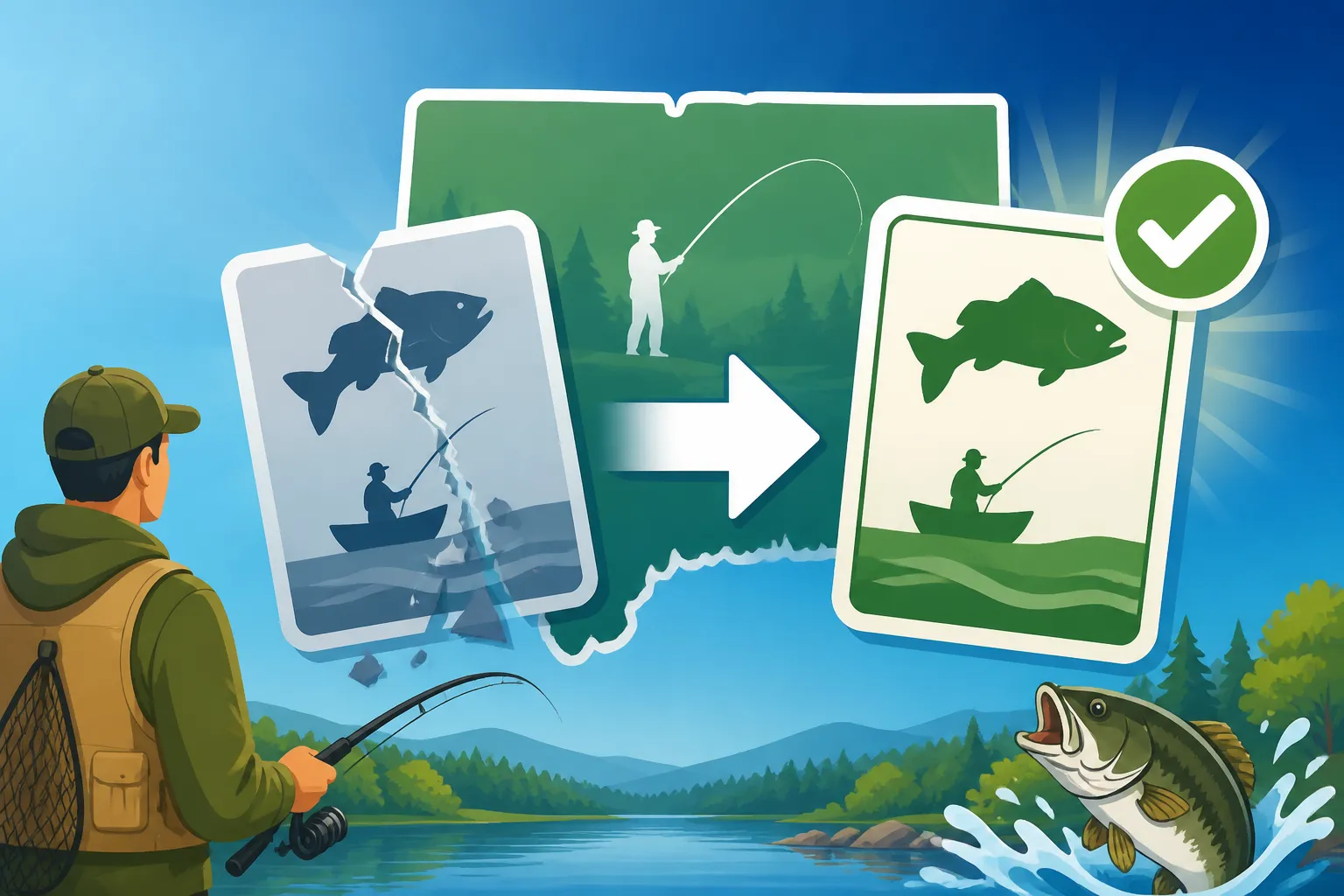
There’s almost nothing worse than getting ready for a great day on the water, only to realize your Connecticut fishing license has gone missing. That sinking feeling in your stomach, the frantic searching, and the sudden fear of being caught without it – it's a real buzzkill. Don't worry, it happens to the best of us, and thankfully, getting a replacement is a straightforward process. This guide will walk you through exactly how to replace your lost Connecticut fishing license quickly and easily, so you can get back to casting lines without a care in the world.
Why Losing Your License is Such a Headache and the Law
It’s not just about the inconvenience; carrying a valid fishing license is a legal requirement in Connecticut for most anglers. Forgetting or losing your license can lead to more than just a missed fishing trip – it can lead to fines and other penalties. Understanding why this piece of paper (or digital file) is so important can help you appreciate the replacement process and take steps to protect your next one.
The Legal Obligation to Carry Proof
Connecticut General Statute Section 26-27 is pretty clear: if you're 16 years of age or older and you're fishing in the state's waters, you generally need a valid fishing license. This applies whether you're targeting trout in a pristine river or chasing striped bass in Long Island Sound. But it's not enough to have a license; you also need to carry proof of it while you're actively fishing. Imagine a conservation officer asking to see your license, and all you can do is shrug. That's a scenario no one wants to be in.
The state wants to ensure that everyone contributing to the funding of fisheries management through license fees is properly identified. This helps the Connecticut DEEP (Department of Energy and Environmental Protection) maintain accurate records of licensed anglers, which in turn influences federal funding for conservation efforts. So, that little piece of paper isn't just a permit; it's a vital part of a larger ecosystem of fisheries management. If you're ever curious about the nitty-gritty, you can always check out the full details on the official Connecticut Fishing Regulations Explained.
Penalties for Fishing Without a License
Let’s be brutally honest: fishing without a valid license, or without being able to present it when requested, can land you in hot water. The exact penalties can vary depending on the officer's discretion, your prior record, and the specific circumstances, but it's often a fine. Nobody wants to shell out money that could have been spent on new lures or a fresh spool of line just because of a lost license.
A first offense might be a warning, but often it’s a citation. Fines can range from tens to hundreds of dollars, and repeatedly being caught without a license can lead to even stiffer penalties, including potential revocation of future licensing privileges. It’s a harsh reality, but these rules are in place to support sustainable fishing practices and fund the very programs that stock our waters and protect our aquatic environments. Learning about Fishing Without a License in Connecticut: Penalties can be a real eye-opener and certainly motivates you to keep that license secure.
Your Options for Replacing a Lost Connecticut Fishing License
Alright, so your license is gone. Panic over! The good news is that Connecticut DEEP makes it relatively simple to get a duplicate. You have a few convenient ways to replace it, whether you prefer the digital route or a physical copy. Each method has its own benefits, depending on how quickly you need it and what resources you have available.
Online Through the Connecticut DEEP Sportsmen’s Licensing System
This is hands down the quickest and often the easiest way to replace your lost license. The Connecticut DEEP's online Sportsmen's Licensing System is a fantastic resource that many anglers don't utilize enough until they absolutely have to. If you purchased your original license online, or if your information is already in the system from a previous purchase, you can access your profile and print a duplicate in minutes.
You’ll typically need your Conservation ID number (sometimes called a Customer ID), which is a unique number assigned to you when you first purchase any hunting or fishing license in Connecticut. If you don't know it, you can usually look it up using your name, date of birth, and possibly your social security number (or the last four digits). Once logged in, navigate to your license history, and you should see an option to print a duplicate or view your digital license. The system allows you to print it right from your home printer, giving you an immediate physical copy. This is particularly useful if you’re planning a fishing trip the very next day.
One important thing to remember: you still need to be able to present proof of license. While a paper copy from your home printer is perfectly valid, consider tucking it into a durable, waterproof wallet. You can find some excellent, inexpensive options on Amazon that will protect your paper license from splashes and tears. This way, your replacement isn't immediately subject to the same fate as the original. You can also save a digital copy to your phone, which is also considered valid proof. More on that in Printing or Carrying a Digital Fishing License in Connecticut.
In-Person at a License Vendor
If the online system isn't your cup of tea, or if you prefer the interaction of a real human being, you can visit any authorized Connecticut fishing license vendor. These are typically bait and tackle shops, town clerks' offices, or sporting goods stores like Cabela's or Dick's Sporting Goods that are equipped to issue licenses.
When you go in person, you'll need to provide some identification, such as a driver's license, and some details about your original license purchase to help them locate your record in the system. They can then print you a duplicate on the spot. While this might take a little more time out of your day than an online print, it's a great option if you don't have access to a printer, or if you simply want to combine your trip with picking up some fresh bait or a new lure. Plus, talking to local vendors can often provide you with valuable, up-to-date fishing reports and tips! If you're wondering where to find one near you, the DEEP website has a handy list, or you can check out Connecticut fishing license vendors near me.
What You'll Need for Replacement
Regardless of the method you choose, having the right information handy will make the replacement process much smoother. Here’s a quick overview:
| Required Information | Online Replacement | In-Person Replacement |
|---|---|---|
| Conservation ID | Highly Recommended | Helpful, but not always critical if other ID is sufficient |
| Full Name | Yes | Yes |
| Date of Birth | Yes | Yes |
| Address | Yes | Yes |
| Valid Photo ID | Not required immediately, but useful for verification if needed | Required for identification |
| Payment Method | Credit/Debit Card (no charge for duplicates, but good to have) | Cash/Card (no charge for duplicates, but good to have) |
| Email Address | Recommended for confirmation and digital copy | Optional |
It’s important to note that replacing a lost license typically doesn't incur an additional fee in Connecticut. You've already paid for the license itself, so printing a duplicate is usually free of charge. This is a relief, as getting hit with an extra fee for something you already purchased can be quite frustrating!
Step-by-Step Guide to Getting Your Duplicate License
Okay, let's break down the actual process into actionable steps. Whether you're a tech-savvy angler or prefer the old-fashioned way, these steps will help you quickly get your replacement.
Option 1: Replacing Your License Online
This is often the fastest route to getting back on the water.
- Access the DEEP Sportsmen’s Licensing System: Head to the official Connecticut DEEP website. Look for the "Online Sportsmen's Licensing" portal. It's usually prominently displayed.
- Log In or Find Your Profile:
- If you have your Conservation ID and password, log in directly. This is the smoothest path.
- If you don't remember your Conservation ID, look for an option like "Find My Customer ID" or "Look Up My Account." You'll typically be asked for your name, date of birth, and sometimes the last four digits of your Social Security Number to verify your identity.
- If you’ve never purchased a license online before, you might need to create an account first, but the system should still link to any past purchases made in person using your personal details.
- Navigate to Your License History: Once logged in, you should see a section for "License History" or "Print Licenses." Click on this.
- Select and Print Your License: Locate the current year's fishing license. There will usually be an option to "Reprint License" or "View Digital License." Click on this. Your license will generate as a PDF. You can then print it out on your home printer.
- Save a Digital Copy: Even if you print a physical copy, I highly recommend saving the PDF to your phone or sending it to your email. This provides a backup digital copy, which is perfectly legal to carry as proof. Consider saving it in a cloud storage service like Google Drive or Dropbox, or even just as a screenshot in your phone's photo gallery, so it’s always accessible. To ensure its safety, you might want a rugged, waterproof phone case from Amazon that can withstand being out on the boat or by the river.
Option 2: Replacing Your License In-Person
If you prefer to deal with it face-to-face, here’s what to do:
- Locate a DEEP License Vendor: Use the Connecticut DEEP website's vendor locator tool, or simply search online for "Connecticut fishing license vendors near me." Bait shops, sporting goods stores, and town clerks are common places. Call ahead to confirm their hours and that they process license replacements.
- Gather Your Identification: Bring a valid photo ID (like your driver's license) and ideally your Conservation ID if you know it. This will speed up the process. If you don't have your Conservation ID, your name and date of birth should usually suffice, but having a full address matching previous purchases is helpful.
- Request a Duplicate License: Inform the vendor that you need a replacement for a lost fishing license. They will access the DEEP system.
- Verify Your Information: The vendor will ask for your identifying information to pull up your existing license record. Double-check that all details are correct.
- Receive Your Printed Duplicate: Once your information is verified, the vendor will print out a new, official physical copy of your license right there for you. Again, there should be no charge for this duplicate.
- Consider Immediate Protection: Before you even leave the store, think about how you’ll protect this new license. Many tackle shops sell inexpensive waterproof pouches or lanyards right at the counter. It's a small investment to avoid this hassle again!
Important Considerations and Tips for Anglers
Once you have your replacement license in hand, it's a great opportunity to review your habits and make sure you're set for the rest of the fishing season. A little proactive planning can prevent future headaches.
Understanding Your License Expiration and Type
It’s easy to forget, but all Connecticut annual fishing licenses expire on December 31st of the year they were issued. So, even if you just replaced your license in October, it will still expire at the end of the calendar year. This is a common point of confusion for many anglers. Knowing your Connecticut Annual Fishing License Expiration Date is crucial to avoid inadvertently fishing without a valid license as the new year approaches.
Also, take a moment to confirm you have the correct type of license for your intended fishing. Connecticut offers different licenses, such as inland, marine, or all-waters licenses. If you bought an Inland license but plan to fish for striped bass in Long Island Sound, you’ll need a Marine or All-Waters license. It's a good time to review what kind of fishing you typically do and ensure your license covers it. You can learn more about these distinctions in Connecticut Inland vs Marine vs All-Waters License, Explained.
Storing Your License Safely to Prevent Future Loss
A lost license is a lesson learned. Here are a few practical tips to keep your valuable fishing permit safe:
- Waterproof Holder: Invest in a good quality waterproof license holder. These are inexpensive and can be clipped to your vest, belt loop, or stored securely in your tackle box. You can find durable, sealable options readily available on Amazon.
- Laminated Copy: If you prefer a physical copy, consider laminating your original (or your replacement) once you've printed it. This makes it much more durable and resistant to water damage. Just make sure the lamination doesn't obscure any important information or holograms if present (though this is less common with modern print-at-home licenses).
- Digital Backup: Always, always, always have a digital copy on your phone. Take a clear photo, or save the PDF directly to your device. This is often the most convenient "backup" that you'll always have on hand, assuming your phone is charged! Make sure you know how to access your Digital vs paper fishing license in Connecticut easily.
- Dedicated Spot: Designate a specific, consistent place for your license when you're not fishing – perhaps in your wallet's main compartment, a special pocket in your tackle bag, or clipped to your fishing vest. Muscle memory will save you a lot of searching down the line.
When to Contact Connecticut DEEP Customer Service
While the online system and vendors are usually efficient, sometimes things go wrong. If you encounter technical issues with the online system, can't find your Conservation ID, or if there's a discrepancy with your license record, don't hesitate to reach out to the Connecticut DEEP's Fisheries Division. Their customer service staff are there to help troubleshoot these kinds of problems.
You can usually find their contact information, including phone numbers and email addresses, on the DEEP website under the "Contact Us" or "Fisheries Division" sections. Having the Connecticut fisheries division customer service phone number saved in your phone can be a real lifesaver if you hit a snag. They can often access your records and guide you through specific issues, ensuring you get your replacement license without undue stress.
Remember, getting back on the water quickly and legally is the goal. Taking a few minutes to replace your lost license and implement some better storage habits will ensure your future fishing trips are smooth sailing!
Disclaimer
Please note that fishing regulations and licensing procedures can change. While every effort has been made to provide accurate and up-to-date information, it is the angler's responsibility to consult the official Connecticut Department of Energy and Environmental Protection (DEEP) website or current fishing guide for the most recent regulations and requirements before fishing.