Printing or Carrying a Digital Fishing License in Connecticut
We've all been there: standing on the dock or riverbank, rods rigged, excitement building, when that sudden pang of doubt hits. Did you remember your fishing license? Or worse, you see a DEEP conservation officer approaching, and you're frantically fumbling through your wallet or phone, wondering if that digital screenshot you took is even legal. The confusion around whether you can simply show your license on your phone or if a physical printout is truly necessary in Connecticut is a common and legitimate concern that can cast a shadow over an otherwise perfect day on the water. This guide will clarify everything you need to know about legally carrying and presenting your Connecticut fishing license.
The Digital Revolution: Connecticut's Approach to Fishing Licenses
It feels like everything is going digital these days, doesn't it? From boarding passes to concert tickets, our phones have become indispensable repositories for important documents. The Connecticut Department of Energy and Environmental Protection (DEEP) has certainly embraced this convenience, moving towards an online licensing system that simplifies the process for anglers and hunters alike. This shift has brought a lot of benefits, but also some lingering questions about what truly constitutes a "valid" form of your fishing license when you're out in the field.
The Convenience of Digital Licenses
Let's be honest, the ability to purchase your fishing license from the comfort of your couch, at any hour, is a game-changer. No more rushing to a sporting goods store before closing or wondering if the local town clerk's office is open. You can just hop online, navigate to the official DEEP Sportsmen's Licensing System, and within minutes, you've got your valid permit. Once purchased, your license information is immediately available digitally. This means you don't have to wait for something to arrive in the mail, which is fantastic for those spontaneous fishing trips or when you suddenly realize your old license expired yesterday. Many anglers appreciate the reduced paper clutter and the peace of mind knowing their license is just a few taps away on their smartphone. It integrates seamlessly into our modern lives, where we're already carrying our phones almost everywhere.
Legal Standing of Digital Licenses in Connecticut
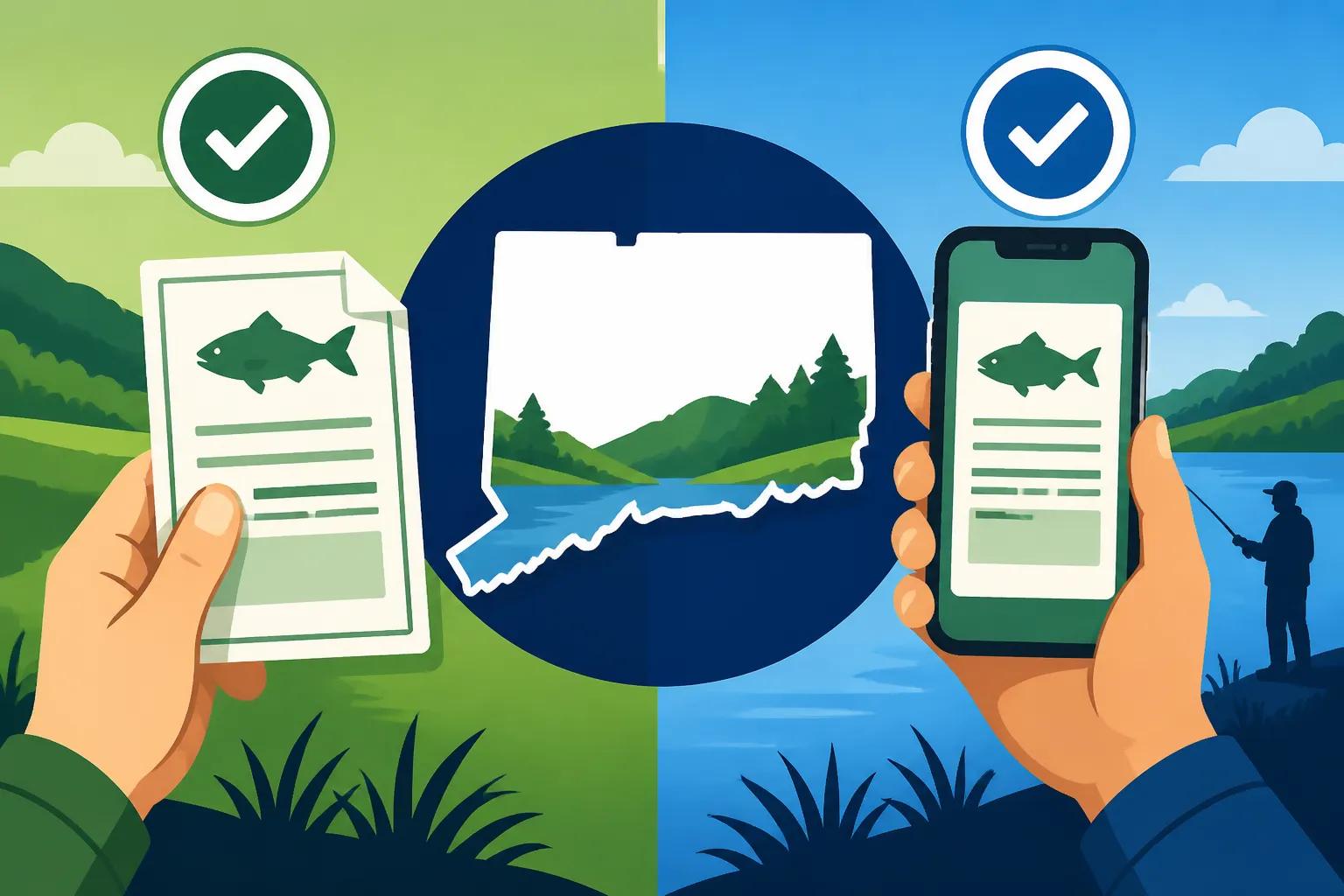
So, is that digital screenshot on your phone good enough? The short answer for Connecticut is generally, yes! Connecticut regulations do allow for the display of your fishing license on a mobile electronic device. This is a huge relief for many anglers who prefer to travel light and keep their physical wallet streamlined. However, there's a crucial caveat: the license displayed must be easily accessible and clearly legible for a conservation officer to review. This means if your phone screen is cracked, dirty, or your battery is dead, you could run into trouble. It's not just about having the license; it's about being able to present it effectively. The flexibility to present either a printed copy or a digital version on your phone offers convenience, but it also places the responsibility on the angler to ensure that digital access is always reliable when out fishing. It's a balance between modern convenience and the practical realities of being outdoors.
Printing Your Connecticut Fishing License: Why and How
Even with the ease of digital licenses, there are still compelling reasons why having a physical, printed copy of your Connecticut fishing license is a smart move, and in some specific scenarios, it might be the only practical option. Think of it as your reliable backup, or even your primary method, especially if you're venturing off the beaten path where cell service is a myth and charging outlets are non-existent.
Step-by-Step Guide to Printing Your License
Printing your license is actually quite straightforward once you've made your purchase online. After completing your transaction through the official DEEP Sportsmen's Licensing System, you'll usually be given an immediate option to print your license. If you miss that initial prompt, don't worry. You can always log back into your account on the DEEP website. From your account dashboard, there should be a section like "View My Licenses" or "Print My Licenses." Click on that, select the current fishing license you need, and you'll typically see a button to print a PDF version.
When you print it, make sure your printer has enough ink and paper, and that the print quality is good. You want all the details – your name, license number, license type (like an Connecticut Inland vs Marine vs All-Waters License, Explained), and expiration date – to be crystal clear. Consider printing a couple of copies: one for your wallet, and maybe another for your tackle box or glove compartment as a spare. It's a simple step that provides immense peace of mind. Many folks, myself included, will print one out, then take a photo of it with their phone too, just to cover all bases! For more details on the purchase process, you can refer to our guide on Where and How to Buy a Connecticut Fishing License.
Best Practices for Physical License Care
A printed license is only useful if it's in good condition and readily available when you need it. Think about the environments you typically fish in: often wet, dirty, and sometimes rough. A flimsy piece of paper won't last long. To protect your investment (because let's face it, a lost or unreadable license is a headache you don't need), consider laminating your license. You can get inexpensive laminating pouches and a small laminator, or visit a local print shop or office supply store that offers laminating services.
If laminating isn't an option, at the very least, slip your printed license into a waterproof sleeve or a sturdy plastic cardholder. These can often be found at sporting goods stores or even online marketplaces like Amazon, designed specifically for IDs or fishing licenses. Keep it in a dedicated spot in your wallet, tackle box, or fishing vest – somewhere easily accessible but also secure. The goal is to prevent it from tearing, getting waterlogged, or fading from sun exposure. A well-preserved physical license means one less thing to worry about when you're enjoying your time on the water.
Carrying Your Digital Fishing License: What You Need to Know
While the physical license has its merits, the convenience of a digital license stored on your smartphone is undeniable. It's usually with you anyway, so why carry extra paper? However, relying solely on your phone comes with its own set of considerations and potential pitfalls that every angler should be aware of before heading out.
Acceptable Digital Display Methods
When you purchase your Connecticut Fishing License Guide for 2026 online, you'll often receive an email confirmation with a link to view or download your license. This PDF file is the most robust way to carry your digital license. Instead of just a screenshot, downloading the actual PDF means it's stored directly on your device and can be accessed even without an internet connection. Most modern smartphones have a dedicated "Files" or "Downloads" app where you can save it.
Another option is to add the PDF or a clear, high-resolution screenshot of your license to your phone's digital wallet (like Apple Wallet or Google Pay) if your device supports it. Some states even have official DEEP apps that integrate your license directly. While Connecticut does not currently have a dedicated mobile app for license display, saving the PDF to your device or making it easily accessible in a folder on your home screen is a good strategy. The key is immediacy and clarity – the conservation officer needs to be able to see all relevant information quickly and clearly. Don't make them squint or scroll through a dozen photos of your latest catch to find it!
Common Issues with Digital-Only Licenses
Relying entirely on your phone for your fishing license can lead to some frustrating moments. The most common issue, by far, is a dead battery. Imagine being miles down a hiking trail to a remote trout stream, having the perfect day, only to realize your phone ran out of juice an hour ago. Now, if an officer asks for your license, you're out of luck.
Another big hurdle is a lack of cell service. Many of Connecticut's best fishing spots, especially those nestled in state forests or along secluded rivers, have notoriously spotty or non-existent mobile data coverage. If you're relying on accessing your license from an email or a web portal, no signal means no license. Furthermore, phone screens can be difficult to read in bright sunlight, and glare can make the details impossible to decipher for both you and the officer. Cracked screens are also a frequent problem; a license that can't be read clearly due to screen damage is functionally useless. Lastly, water damage is a constant threat when fishing. One slip, and your digital license might be gone along with your phone. These are all real-world scenarios that can quickly turn a peaceful day into a stressful one.
When a Physical Copy Still Makes Sense (or is Required)
Despite the digital convenience, there are absolutely times when a good old-fashioned printed license is not just preferable, but arguably essential. It's about preparedness and understanding the practical realities of angling in Connecticut. Thinking through these scenarios beforehand can save you a lot of grief.
Remote Areas and Battery Life Concerns
If your fishing adventures take you to some of Connecticut's wilder corners, like the remote sections of the Connecticut River Shad Fishing areas or lesser-known streams deep within Pachaug State Forest, you know that cell service can be a total gamble. And even if you start with a full battery, a long day of navigation, photos, and general phone use can quickly drain it. You don't want to be in a situation where a conservation officer needs to see your license, and you're apologetically explaining that your phone is dead.
Having a printed license in your wallet or tackle box acts as an independent backup, unaffected by signal strength or battery life. This is especially true for multi-day trips or extended outings where recharging options are limited. Think of it this way: your rod and reel don't need a battery, and neither should your proof of license. It's a simple, low-tech solution to modern tech problems.
Combining with Other Required Documents
Fishing isn't always just about the license itself. Depending on what you're targeting or where you're fishing, you might need other permits or stamps. For example, if you're trout fishing in specific areas, you might also need a Connecticut Trout and Salmon Stamp, Explained. When you buy your license online, this stamp is often integrated, but sometimes having a clear, physical record of all your endorsements together can simplify things.
Furthermore, if you're operating a boat, you might need to present your Connecticut Safe Boating Certificate Requirement or registration. While these are separate documents, having a consistent method for displaying all your official papers – perhaps all in a waterproof pouch – can make interactions with law enforcement much smoother. It presents a clear, organized picture of your compliance with all relevant Connecticut Fishing Regulations Explained.
The Case for a Backup Plan
In life, it's always wise to have a backup plan, and fishing licenses are no exception. Think about worst-case scenarios: your phone gets dropped in the water, stolen, or completely malfunctions. If your digital license is the only copy you have, you're suddenly in a bind. Even if you're diligent about saving the PDF, a total phone loss leaves you without immediate proof.
This is where a printed copy truly shines. It serves as a tangible, durable backup. I personally recommend carrying both: a printed, laminated copy in my fishing vest, and the PDF saved on my phone. This dual approach covers almost every contingency. If my phone dies, I have the paper. If I somehow lose my vest, I still have the digital version. This strategy ensures you're never caught off guard and can always present valid proof that you're licensed to fish, allowing you to focus on the fish, not the paperwork.
Ensuring Compliance: Avoiding Penalties and Hassle
Nobody wants a peaceful day of fishing to turn into a legal headache or an expensive fine. Understanding the rules around your license and proactively ensuring you're always in compliance is a critical part of being a responsible angler in Connecticut. It’s not just about avoiding penalties; it’s about respecting the system that supports our fisheries.
Penalties for Non-Compliance
Fishing without a valid license, or being unable to present it when requested by a conservation officer, is a serious matter in Connecticut. The penalties can range from a significant fine to, in some cases, even confiscation of your fishing gear. For specific details, you can always consult the official Connecticut Fishing Regulations Explained or our dedicated guide on Fishing Without a License in Connecticut: Penalties.
It's not worth the risk. A fine can easily cost more than several years' worth of fishing licenses, and the hassle of dealing with a citation can ruin your entire week. Conservation officers are there to protect our natural resources and ensure fair play, and they take their job seriously. Being cooperative and able to readily provide your license helps everyone. They understand that accidents happen, but being genuinely unprepared or unable to produce proof of license is a different story.
Verifying Your License Status
It's a good habit to periodically check the status of your fishing license, especially if you're unsure when it expires or if you've purchased any additional stamps. You can easily do this by logging into your account on the DEEP Sportsmen's Licensing System website. Your dashboard will clearly display all your active licenses, their expiration dates, and any associated permits like the trout and salmon stamp.
This proactive approach helps prevent those "oops, my license expired last week!" moments. Most Connecticut fishing licenses are valid for a calendar year, typically expiring on December 31st, regardless of when you purchased them. Keeping track of this is crucial. Consider setting a reminder on your phone or marking your calendar for renewal each year. This small step can save you from an awkward encounter with a conservation officer and ensure you're always legally covered when you head out to fish in Connecticut.
Troubleshooting Common License Access Issues
Even with the best intentions and preparation, things can go wrong. Technology can fail, paper can get lost, and sometimes you just need a little help. Knowing how to troubleshoot common issues with accessing your fishing license in Connecticut can be a real lifesaver when you're in a pinch.
Retrieving Your License Online
If you've lost your printed license or accidentally deleted the digital version from your phone, don't panic! The beauty of Connecticut's online licensing system is that your purchase is permanently recorded. You can easily retrieve your license details at any time.
- Log In to Your DEEP Account: Head to the official Connecticut DEEP Sportsmen's Licensing System website. If you've purchased a license before, you should have an account. If you've forgotten your login details, there's usually an option to retrieve your username or reset your password using your email address or other identifying information.
- Access Your License History: Once logged in, navigate to the section that displays your past and current licenses. This is typically labeled "My Licenses" or "License History."
- Reprint or Re-download: From there, you should be able to select your current fishing license and either print a new copy or download the PDF to your device again. It's a seamless process designed for convenience, preventing you from needing to purchase a new license entirely. For more information on dealing with lost licenses, check out our guide on Connecticut Fishing License Refund and Replacement Policy.
What to Do If Your Device Fails
This is the scenario that gives digital-only proponents cold sweats. What if your phone's battery dies, it gets wet, or simply decides to stop working right when you need to show your license?
Immediate Steps:
- Check for a backup: Did you follow the advice and print a physical copy? Now's the time it truly pays off!
- Ask a fishing buddy: If you're fishing with someone else, they might have a printed copy of their own license. While this won't cover your license, it shows intent and a general understanding of regulations, and they might be able to help you access your account from their device if you remember your login.
- Be honest and cooperative: If a conservation officer approaches and your device is dead, explain the situation calmly and politely. Offer any other identification you have. While they may still issue a warning or citation, being transparent and cooperative is always better than being evasive.
- Don't attempt to fish without a valid, presentable license: If your phone is dead and you have no physical backup, the safest course of action is to stop fishing until you can resolve the issue.
To prevent this from happening, always carry a portable power bank for your phone, especially on longer trips. And again, having that laminated physical copy in your tackle box is the ultimate safeguard against electronic failures. It’s about building redundancies into your angling preparation.
Digital vs. Paper: A Quick Comparison
To help you decide which method works best for you, here's a quick comparison of the pros and cons of digital versus physical fishing licenses in Connecticut:
| Feature | Digital Fishing License | Printed Physical Fishing License |
|---|---|---|
| Convenience | Always on your phone, no extra item to carry | Tangible, no reliance on battery or signal |
| Accessibility | Instant download after purchase, accessible online | Readily available, easy to produce |
| Durability | Susceptible to phone damage (water, drops, cracks) | Can be laminated for excellent durability, resistant to water if protected |
| Legibility | Clear on a functioning screen, but prone to glare | Clear and consistent, not affected by screen issues |
| Backup | Requires a functioning device and sometimes signal | Acts as a perfect backup to a digital copy |
| Security | Dependent on phone security | Less prone to technical issues, but can be lost |
| Cost | No additional cost beyond license purchase | Minimal cost for printing/laminating supplies |
Ultimately, the best approach for most Connecticut anglers is a combination of both: a durable, physical copy for reliability and a digital version on your phone for quick access. For more insights into this, check out our article on Digital vs paper fishing license in Connecticut.
Disclaimer
The information provided in this guide is for general informational purposes only and does not constitute legal advice. While we strive to keep the information up-to-date and correct, Connecticut fishing regulations can change. Always consult the official Connecticut Department of Energy and Environmental Protection (DEEP) website or the current Reading the Connecticut Fishing Guide for the most accurate and up-to-date regulations and licensing requirements.