Fishing Without a License in Connecticut: Penalties
It's incredibly frustrating when you're just trying to enjoy a peaceful day on the water, only to realize you might be breaking the rules without even knowing it, or worse, getting caught without the right paperwork. Many anglers in Connecticut, from seasoned veterans to excited newcomers, often find themselves wondering about the strictness of fishing regulations, especially when it comes to having a proper license. This guide is here to walk you through exactly what can happen if you're found fishing in Connecticut waters without a valid license, detailing the penalties and how to avoid these unwelcome surprises.
The Basics: Why a License is Non-Negotiable in Connecticut
You might think a fishing license is just another hoop to jump through, a piece of paper to buy. But in Connecticut, it's a fundamental requirement, and for good reason. Understanding the 'why' behind the regulations can sometimes make the 'what if' scenarios clearer.
Understanding the Legal Requirement
Every state, including our beautiful Connecticut, has regulations in place for fishing, and a license is at the heart of it all. These requirements aren't just there to be bothersome; they serve several critical purposes. First and foremost, the fees collected from fishing licenses directly fund critical conservation efforts. This money goes towards things like fish stocking programs for trout and other species, habitat restoration projects for both freshwater and marine environments, scientific research to monitor fish populations, and enforcement of fishing laws to ensure sustainable practices. Without these funds, the vibrant fisheries we enjoy wouldn't be nearly as healthy or accessible.
Beyond funding, licenses also help the state's Department of Energy and Environmental Protection (DEEP) gather valuable data. Knowing how many people are fishing and what types of licenses they hold helps wildlife managers assess fishing pressure and make informed decisions about stocking levels, season dates, and catch limits.
So, who exactly needs a license? Generally, any angler aged 16 or older must possess a valid Connecticut fishing license to fish in any public waters – both inland and marine. There are some nuances, of course. For instance, children under 16 can often fish without a license, which is a fantastic way to introduce youngsters to the sport without the barrier of paperwork. You can learn more about specific age requirements in our guide on Connecticut Fishing License Age Requirements. Additionally, there are specific exemptions and discounted options available for certain groups, which are detailed in our piece on Free and Discounted Fishing License Options in Connecticut. It’s always best to check the current regulations, especially if you fall into a category that might qualify for special consideration, rather than assuming you're exempt.
Different Types of Connecticut Fishing Licenses
Connecticut offers a variety of fishing licenses, designed to cover different types of fishing and residency statuses. It's not a one-size-fits-all situation, and getting the wrong type of license can be just as problematic as having no license at all.
For residents, the primary options include an Inland Fishing License, a Marine Fishing License, or an All-Waters Fishing License. As the names suggest, the Inland license covers all freshwater bodies, the Marine license covers saltwater, and the All-Waters combines both. For non-residents, similar options exist, though the costs are typically higher. There are even short-term options, like a Connecticut 3-Day Nonresident Fishing License Cost, for those just visiting for a quick angling trip.
Beyond these basic categories, specialized stamps or permits might be required for certain activities. The most common is the Connecticut Trout and Salmon Stamp, Explained. If you plan on keeping trout or salmon from designated trout-stocked waters, this stamp is mandatory in addition to your regular fishing license. It's easy to overlook these additional requirements, but they are just as enforceable as the main license. Understanding these distinctions is crucial to ensure you're fully covered, no matter where your fishing adventures take you in Connecticut.
The Immediate Consequences: Fines and Citations
Let's get down to what most people worry about first: the money. Being caught without a valid fishing license in Connecticut isn't just a slap on the wrist; it comes with tangible financial penalties that can quickly turn a relaxing day into an expensive headache.
Monetary Penalties for Fishing Without a License
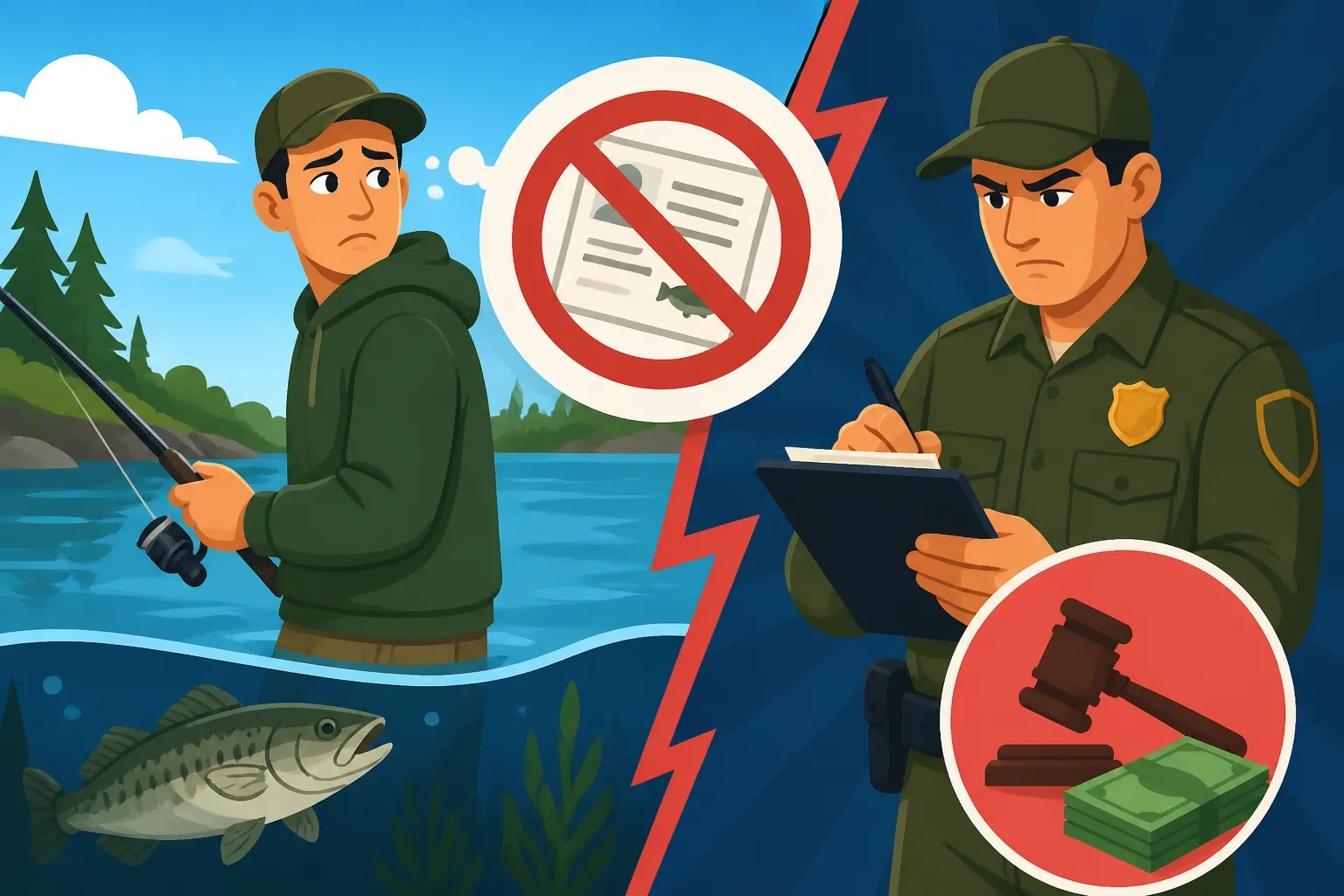
The most direct consequence of fishing without a proper Connecticut license is a fine. As of recent regulations, fishing without a license or permit is typically classified as an infraction, carrying a fine. While these fines can vary, the base amount for fishing without a license is generally around $85. This might not sound like a fortune, but it's certainly more than the cost of an annual license, which, for a resident all-waters license, is far less than an unexpected penalty. Think about it: that $85 could have bought you a new fishing reel, a year's supply of bait, or a nice dinner out. Instead, it's going towards a preventable mistake.
It's important to understand that this $85 is typically for a first offense where no other violations are present. Law enforcement officers, usually DEEP Environmental Conservation Police, have the discretion to issue citations on the spot. This citation will outline the specific violation and the amount due. You'll then have options to pay the fine, usually by mail or online, or contest it in court.
Repeat offenses, however, can escalate quickly. While a single infraction might not lead to more severe legal action, a pattern of fishing without a license demonstrates a disregard for regulations and can result in higher fines or other charges. It’s a bit like getting a speeding ticket; the first one hurts, but successive ones can really stack up and lead to more serious repercussions.
Additional Fines and Charges
Often, fishing without a license isn't the only issue an angler might face. A DEEP officer might discover other violations during their interaction, which can lead to additional, sometimes much heftier, fines and charges. These are typically layered on top of the initial license violation.
For example, if you're found fishing without a license and you've exceeded the daily catch limit for a certain species, you could face multiple citations. Taking more fish than allowed, especially for species like trout or striped bass, can incur significant per-fish restitution fines on top of the general violation fee. Imagine getting caught with three trout over the limit without a license – that could mean your $85 license fine, plus restitution for each fish, which for some species can be substantial. Our guide on Connecticut Trout Limit and Possession Rules offers more details on those specific regulations.
Other common accompanying violations include fishing in closed areas (such as a seasonal closure on the Connecticut Housatonic River Seasonal Closure Explained), using illegal gear (like treble hooks in certain fly-fishing-only zones), or fishing out of season (see Connecticut Fishing Season Dates and Closures). Each of these has its own set of penalties, and officers are trained to identify them. The penalties for these additional infractions are not trivial. For instance, certain gear violations or egregious poaching can even escalate to misdemeanor charges, which bring a whole new level of legal trouble beyond a simple infraction. It really drives home the point that knowing all the regulations is just as important as having the right license.
Beyond the Fine: Other Ramifications
While the immediate financial hit from a fine is certainly unpleasant, the consequences of fishing without a license in Connecticut can extend far beyond just paying up. There are other, sometimes more frustrating or embarrassing, repercussions that can impact your day and your future fishing endeavors.
Confiscation of Gear and Catch
One of the most immediate and disheartening consequences you might face is the confiscation of your fishing gear and your day's catch. Imagine spending hours carefully selecting your favorite rod and reel, meticulously tying on a lure, and finally landing a beautiful fish – only for an Environmental Conservation Police officer to inform you that everything, including your prized catch, is being seized because you lack a license. This isn't just a theoretical threat; it happens.
Why do they confiscate gear? It serves multiple purposes. First, it's a direct consequence for engaging in an illegal activity. Second, it removes the means by which the violation was committed, preventing further immediate illegal activity. Third, and perhaps most importantly, it acts as a significant deterrent. Losing a brand-new Fenwick rod, a top-of-the-line Shimano reel, or that tackle box full of expensive lures you painstakingly accumulated can be a much bigger financial blow than an $85 fine. It's a real gut punch.
Any fish you've caught will also likely be confiscated. This isn't just about losing your dinner; it's about the ethical implications. Those fish, which you worked hard to catch, are now taken away and often donated or disposed of, meaning your efforts were ultimately in vain and the resource was potentially exploited illegally. Recovering confiscated items, especially perishable catch, is generally not possible. For gear, it can be a long, arduous, and often unsuccessful process, sometimes requiring court orders or significant legal maneuvering, making it far more trouble than simply buying a license in the first place.
Potential for Arrest and Court Appearances
While fishing without a license is typically an infraction, there are circumstances where the situation can escalate to an arrest and a mandatory court appearance. This isn't usually for a first-time, simple oversight, but it's a possibility you should be aware of.
Factors that can lead to an arrest include:
- Refusal to Cooperate: If you are uncooperative, provide false information, or resist an officer's lawful commands, what started as a simple license check can quickly turn into resisting arrest or obstruction of justice charges.
- Aggravating Factors: If the license violation is coupled with more serious offenses, such as poaching protected species, fishing in highly sensitive areas, or multiple serious regulatory violations (e.g., grossly exceeding limits, using illegal netting), officers may opt for an arrest rather than just a citation.
- Repeat Offenses: If you have a history of prior fishing violations, especially for fishing without a license, an officer might decide that a simple infraction fine isn't enough and that a court appearance is necessary to address the pattern of non-compliance.
- Failure to Identify: If you cannot or will not properly identify yourself to the officer, they may have no choice but to arrest you to confirm your identity.
An arrest means being taken into custody, booked, and potentially held until bail is set or you are released on a promise to appear in court. This is a far cry from a peaceful day fishing! You'll then have to navigate the court system, which means lost time from work, potential legal fees if you choose to hire an attorney, and the stress of a judicial proceeding. Unlike an infraction where you can often just pay the fine, a court appearance demands your presence and attention. Even if the eventual outcome is just a fine, the process itself is significantly more burdensome and stressful than simply complying with the law from the outset.
Long-Term Repercussions and Future Fishing Privileges
The effects of a license violation in Connecticut aren't always immediate. Sometimes, the most significant impact can be felt much further down the line, affecting your ability to enjoy fishing and other outdoor activities for years to come.
Suspension or Revocation of Fishing Privileges
One of the most severe long-term penalties for fishing without a license, especially for repeat offenders or those involved in more serious violations, is the suspension or outright revocation of your fishing privileges. This means the state can legally bar you from purchasing a fishing license for a specified period, or even for life in extreme cases.
Imagine being an avid angler, living for those quiet mornings on the Farmington River West Branch Trout Fishing or chasing stripers in Long Island Sound Striped Bass Fishing, only to find out you can't buy a license for five years. That's a huge blow. The length of a suspension depends on the severity and frequency of the offenses. A first-time minor infraction might not lead to a suspension, but multiple violations or a single severe offense (like large-scale poaching) almost certainly will.
Once your privileges are suspended or revoked, obtaining future licenses becomes a complex and often impossible task. Your name will be flagged in the DEEP's licensing system. Even if the suspension period ends, there might be additional requirements or a review process before you're allowed to purchase a license again. This also often extends beyond Connecticut; many states have interstate compacts where a suspension in one state can be recognized and enforced in others, meaning your illegal fishing in Connecticut could prevent you from fishing legally in New York or Massachusetts, too. It's a reminder that these regulations are taken seriously and are designed to protect the resource for everyone who plays by the rules.
Impact on Hunting and Other Licenses
For many outdoor enthusiasts, fishing is just one passion among several. Many anglers also enjoy hunting, trapping, or boating. If you hold a Connecticut Combination Hunting and Fishing License Options or other permits, a violation related to your fishing license can have ripple effects across all your outdoor privileges.
Since all these activities are managed by the same state agency (Connecticut DEEP), a serious violation in one area can jeopardize your standing in others. For instance, if your fishing privileges are suspended, that suspension might automatically apply to the fishing portion of a combination license, or in severe cases, could even impact your ability to hold a hunting license. This cross-pollination of penalties is designed to ensure a holistic approach to conservation law enforcement. A person who shows a consistent disregard for fishing laws might be deemed untrustworthy to uphold hunting laws either.
Furthermore, if a violation escalates to a misdemeanor or felony conviction, this can have even broader implications. Such convictions can affect your ability to purchase firearms (impacting hunting), or even your eligibility for certain professional licenses. While these are extreme cases, they highlight the importance of taking all regulations seriously. A casual oversight could snowball into consequences that affect your entire lifestyle as an outdoor recreationalist, underscoring that staying compliant isn't just about avoiding a fine; it's about protecting your access to the activities you love.
How to Ensure You're Always Legal: Prevention is Key
Avoiding penalties for fishing without a license in Connecticut is incredibly straightforward: get a license and understand the rules. Prevention is always easier, cheaper, and far less stressful than dealing with the aftermath of a violation.
Buying and Carrying Your License Correctly
The first and most critical step is to actually purchase a valid fishing license. Thankfully, Connecticut has made this process quite accessible. You can buy your fishing license in several ways:
- Online: The quickest and often most convenient method is through the DEEP's online licensing system. Our guide on How to Buy a Fishing License Online in Connecticut provides a step-by-step walkthrough. It's available 24/7, meaning you can often purchase a license right before heading out the door, even if it's early in the morning.
- In Person: Many outdoor sports retailers, town clerks, and bait and tackle shops are authorized DEEP license agents. This is a great option if you prefer a physical transaction or have questions for a local expert. For instance, places like Hoffman's Gun Center or local Cabela's and Bass Pro Shops locations are often authorized vendors.
- DEEP Offices: You can also purchase licenses directly from select DEEP offices during business hours.
Once purchased, it's absolutely vital to carry proof of your license while fishing. Connecticut regulations specify that you must possess your valid fishing license and any required stamps (like the Trout & Salmon Stamp) while engaged in fishing activities. This can be a physical copy or, conveniently, a digital version displayed on your smartphone. Our article Printing or Carrying a Digital Fishing License in Connecticut offers more insights into accepted formats. To keep your paper license safe and dry, consider picking up a durable, waterproof license holder. You can find many reliable options, like those from Fishpond or even generic waterproof pouches, easily on Amazon.
Don't forget about renewal! Connecticut annual fishing licenses typically expire on December 31st of the year they were issued. Mark your calendar, set a reminder on your phone, or sign up for DEEP email notifications so you don't accidentally let your license lapse. Our piece on Connecticut Fishing License Expiration Date gives you the full rundown. A quick check of your wallet before you head to your favorite fishing spot is a simple habit that can save you a lot of grief.
Staying Informed on Regulations
Having a license is only half the battle; the other half is understanding and adhering to the myriad of specific regulations that govern fishing in Connecticut. These rules cover everything from species-specific catch limits and minimum sizes (like for Connecticut Striped Bass Minimum Size Limit or Connecticut Fluke Minimum Length Limit) to seasonal closures and gear restrictions in certain areas.
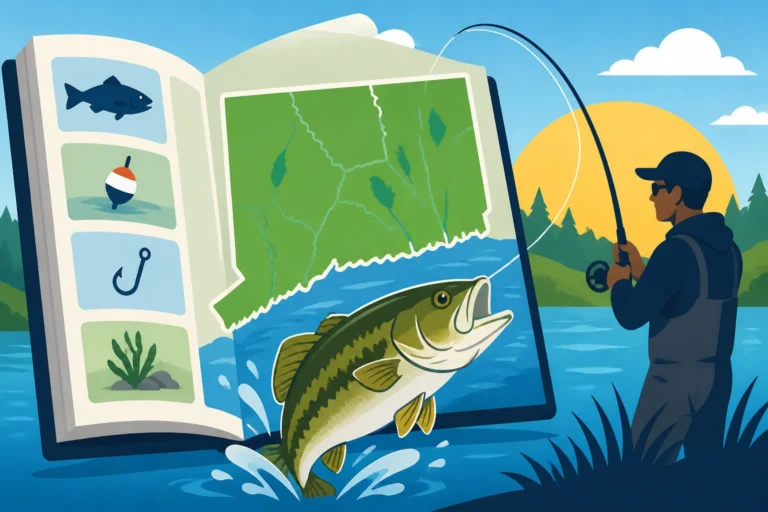
The best resource for staying informed is the official Reading the Connecticut Fishing Guide, published annually by the DEEP. This comprehensive guide details all the current rules for both inland and marine fishing, including specific regulations for popular locations and species. You can usually pick up a free physical copy at license vendors, or download the latest version from the DEEP website. Having a copy of this guide, even digitally, on your phone is highly recommended. For those who like a physical reference, you can often find supplementary fishing reference books for Connecticut or the New England region on Amazon that compile useful information, though always cross-reference with the official DEEP guide for the most up-to-date legal specifics.
Beyond the official guide, local bait and tackle shops are invaluable resources. The folks working there are often lifelong anglers themselves and are usually up-to-date on local nuances, recent stocking reports, and any temporary closures or special conditions. Online forums and local fishing groups can also be helpful for community knowledge, but always verify critical information with official DEEP sources. Make it a routine to check the DEEP website for any emergency closures or updates before a trip, especially during periods of rapidly changing conditions or unusual events. A few minutes of research can make all the difference between a legal, enjoyable outing and an avoidable citation.
Summary of Common Violations and Penalties
To give you a clearer picture, here's a table summarizing some common fishing license and regulation violations in Connecticut and their general penalties. Keep in mind that these are general guidelines, and actual penalties can vary based on the specific circumstances, the discretion of the officer, and judicial decisions.
| Violation Category | Specific Offense | Typical Fine (Infraction) | Other Potential Consequences |
|---|---|---|---|
| License & Permit Violations | Fishing without a valid license | ~$85 | Confiscation of gear & catch, potential license suspension |
| No Trout & Salmon Stamp (if required) | ~$85 | Confiscation of gear & catch, potential license suspension | |
| Catch Limit Violations | Exceeding daily creel limit | ~$154 + restitution/fish | Confiscation of catch, potential license suspension |
| Taking undersized fish | ~$154 + restitution/fish | Confiscation of catch, potential license suspension | |
| Seasonal & Area Violations | Fishing in a closed season | ~$85 – $154 | Confiscation of gear & catch, potential license suspension |
| Fishing in a closed area | ~$85 – $154 | Confiscation of gear & catch, potential license suspension | |
| Gear & Method Violations | Using illegal gear/methods | ~$85 – $154 | Confiscation of gear, potential license suspension |
| Illegal netting/snagging (poaching) | ~$200+ (misdemeanor possible) | Confiscation of gear & catch, significant license suspension, arrest, court appearance, jail time (severe cases) | |
| Boating Related Violations | No Safe Boating Certificate (if required) | ~$600 (first offense) | Required boater education, operational restrictions |
| No life jackets for children | ~$600 (first offense) | Required safety equipment updates |
Note: Fines are subject to change by the Connecticut DEEP and legislature. Always consult the most current official Connecticut Fishing Guide for exact figures and regulations.
Final Thoughts: Fish Smart, Fish Legal
As you can see, the penalties for fishing without a license in Connecticut, and for other related violations, are designed to be a strong deterrent. They aim to protect our precious natural resources and ensure that everyone contributes to their conservation. It's a simple choice: invest a small amount in a license and spend a little time understanding the rules, or risk significant fines, loss of gear, and potential long-term impacts on your ability to enjoy the outdoors.
To ensure you're always on the right side of the law, make it a habit to check the current Connecticut Fishing Regulations Explained before each season. You can even find specialized guides like those for Connecticut Saltwater Fishing Regulations by Species if you prefer targeting marine life. Remember, the DEEP Environmental Conservation Police are out there not to ruin your day, but to protect the state's natural heritage. By doing your part, you're not just avoiding penalties; you're actively contributing to the health and future of Connecticut fishing for generations to come. Happy, legal, and responsible fishing!
Disclaimer
The information provided in this guide is for general informational purposes only and does not constitute legal advice. While we strive to keep the information up-to-date and correct, laws and regulations can change frequently. Always refer to the official Connecticut Department of Energy and Environmental Protection (DEEP) website and current fishing guides for the most accurate and up-to-date regulations and penalty information. Penalties can vary based on specific circumstances and judicial discretion.