Best handicap-accessible fishing piers in Connecticut
It can be incredibly disheartening when the simple joy of casting a line feels out of reach due to accessibility challenges. For many anglers, navigating uneven terrain, steep banks, or crowded docks just isn't feasible, creating a real barrier to enjoying Connecticut's beautiful waters. This guide is here to change that, offering a detailed look at some of the best handicap-accessible fishing piers and platforms across the state, ensuring that everyone has the chance to experience the peace and excitement of a day on the water.
The Importance of Inclusive Fishing Access
Fishing, at its heart, is about connection – connection to nature, to a moment of quiet contemplation, and often, to friends and family. Yet, for too long, many of our beloved fishing spots weren't designed with everyone in mind. Imagine the frustration of arriving at a promising lake or river, only to find that the path to the water is a rocky scramble, or the dock has steps that make it impossible for a wheelchair user to reach. It’s a challenge many face, and it's why dedicated accessible fishing locations are not just a convenience, but a necessity for true inclusivity.
Breaking Down Barriers to Enjoyment
Accessibility in fishing means more than just a ramp; it’s about a holistic experience. It’s about the freedom to move independently, the dignity of accessing facilities without struggle, and the opportunity to participate fully in a cherished pastime. For someone who uses a wheelchair, has limited mobility, or is a senior angler looking for a safe and easy experience, a well-designed accessible pier can transform a frustrating outing into a truly joyful one. It removes the physical barriers that can often lead to isolation, fostering a sense of community and shared passion for the outdoors. Moreover, these accessible features aren't just for those with specific mobility needs; they benefit parents with strollers, families carrying a lot of gear, and anyone who simply appreciates a well-maintained, easy-to-access spot.
The Broader Impact on Our Fishing Community
When we talk about accessible fishing, we're really talking about enriching the entire fishing community. Providing accessible piers ensures that anglers of all ages and abilities can create lasting memories. It means a grandparent using a walker can still take their grandchild fishing, or a veteran with a disability can find solace and recreation by the water. These places become hubs of intergenerational activity, where stories are shared, techniques are taught, and the love of fishing is passed down. It cultivates a more welcoming environment overall, reminding us that the outdoors is for everyone, regardless of physical limitations. Plus, when looking for places to stay or things to do, resources like FishingBooker can sometimes help identify accommodations or other recreational opportunities that also prioritize accessibility, making the entire trip smoother.
What Makes a Fishing Pier Truly Accessible
It’s easy to throw around the term "accessible," but what does that truly mean when it comes to a fishing pier? It's much more than just a flat surface. A truly handicap-accessible fishing pier is thoughtfully designed to remove common physical obstacles, allowing people of all abilities to fish safely and comfortably. These considerations go beyond the pier itself, extending to the parking area and surrounding facilities.
Essential Design Features
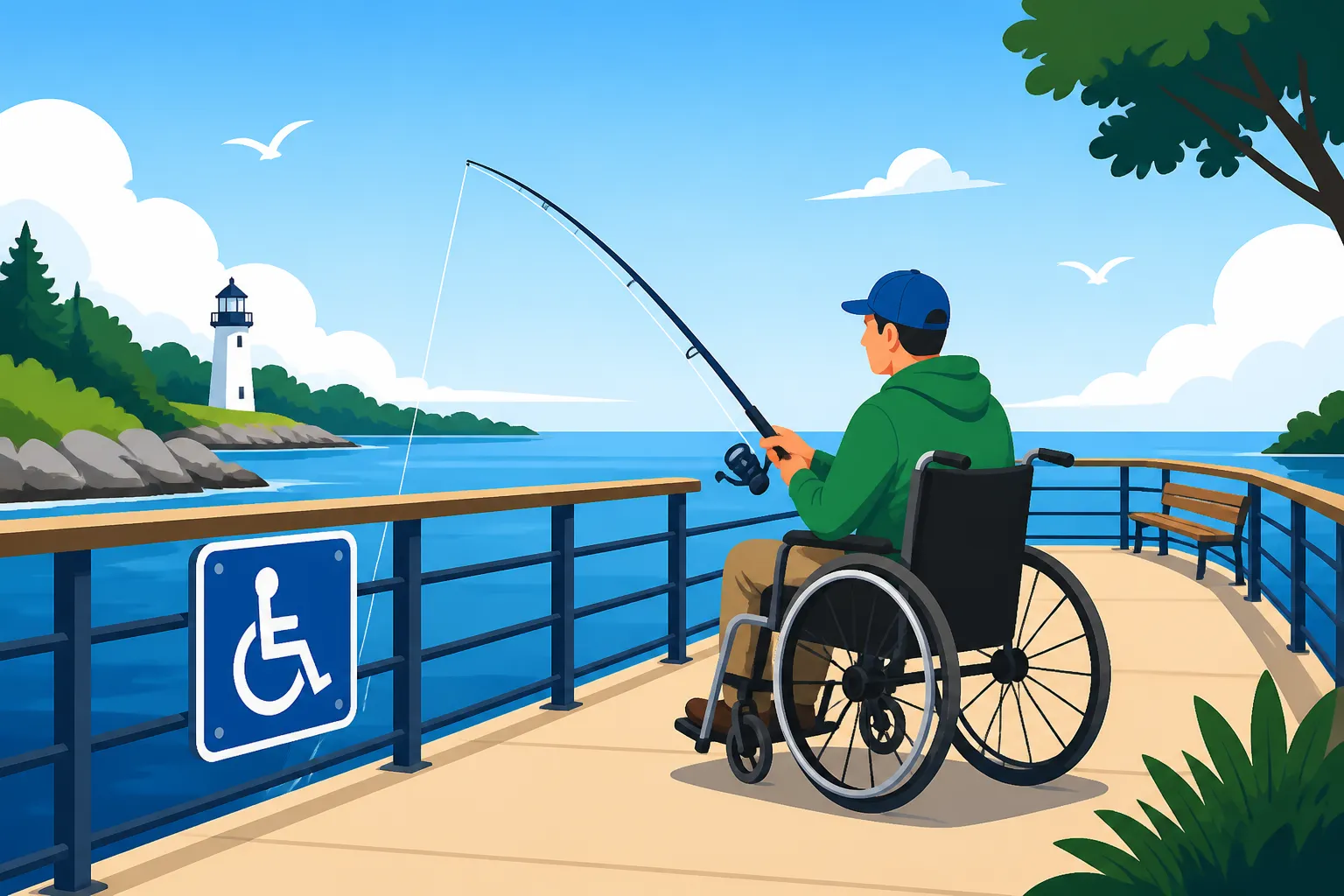
First and foremost, the path to the pier from parking should be paved, firm, and level. This means no loose gravel, no steep inclines, and certainly no stairs. The pier itself must be wide enough to comfortably accommodate wheelchairs and other mobility devices, ideally with turning spaces at intervals. Railings are crucial, but they need to be designed with varying heights or open sections to allow both standing and seated anglers clear views and safe casting. Some of the best designs include sections with lower railings or even cut-outs that allow a wheelchair user to roll right up to the edge and fish without straining. Non-slip surfaces are also critical, especially in wet conditions, to prevent falls. Additionally, many accessible fishing platforms will have benches that are wide and stable, sometimes even backless to allow for easier transfer.
Another often-overlooked but vital feature is the provision of accessible amenities nearby. This includes designated accessible parking spaces that are clearly marked and close to the pier entrance. Restrooms should be fully accessible, with ample turning room, grab bars, and accessible sinks. Signage, too, plays a role; clear, concise, and easy-to-read signs, sometimes with tactile or braille elements, help everyone navigate the area. The Connecticut Department of Energy and Environmental Protection (DEEP) often champions these kinds of projects, ensuring that fishing opportunities extend to all citizens, reflecting their commitment to public access.
Considering the Fishing Experience Itself
Beyond the physical structure, an accessible pier should also consider the actual fishing experience. Are there features that aid in fishing, such as rod holders or bait stations at an accessible height? Is the pier located in an area known for good fishing, providing a genuine chance to catch fish? What kind of species can you expect to find? For example, some accessible piers on the Connecticut River or along Long Island Sound might offer opportunities for striped bass, bluefish, or fluke, while those on inland lakes often yield panfish like sunfish and perch, or various trout species. Knowing the target species helps anglers prepare the right gear and bait. You can usually find information on species and methods in a Long Island Sound Fishing Guide or a specific guide on Panfish Fishing in Connecticut for inland waters.
Furthermore, the surrounding environment matters. Is there adequate shade for hot days, or shelters for unexpected rain showers? While not always strictly "accessible" features, these elements greatly enhance the comfort and enjoyment for all users, particularly those who might be more sensitive to weather conditions. The goal is to create an environment where the focus remains on the joy of fishing, rather than the struggle to access it. For those looking to go beyond piers, there are also accessible charter options, and services like FishingBooker can help filter for boats with accessible boarding or other accommodations, providing even more options for getting out on the water.
Top Handicap-Accessible Fishing Piers in Connecticut
Connecticut boasts several fantastic locations that have made significant strides in providing accessible fishing opportunities. These spots are not just convenient; they offer genuine, rewarding fishing experiences in beautiful settings. Let's dive into some of the best that the Nutmeg State has to offer.
Ocean Beach Park Pier, New London
Nestled in the vibrant city of New London, Ocean Beach Park is a beloved summer destination, and its fishing pier stands out as a beacon of accessibility. The entire park prides itself on being accessible, from its boardwalks to its restrooms, making it a fantastic spot for a full day out.
The pier itself is wide, smoothly paved, and offers sturdy railings, with sections that allow for easy access for wheelchair users to cast a line. The approach from the parking lot is flat and clearly marked, ensuring a hassle-free journey to the water's edge. This location offers a fantastic opportunity for saltwater fishing directly into Long Island Sound. Anglers here can expect to target a variety of species depending on the season, including scup (porgy), bluefish, and even some smaller striped bass. It’s a lively spot, often with other families enjoying the beach and recreational facilities nearby, creating a cheerful atmosphere. Remember, you'll need a valid Connecticut Fishing License Guide for 2026 if you're 16 or older, even when fishing from a pier. Check out Connecticut Saltwater Fishing Regulations by Species before you go, as limits and seasons can change.
Sleeping Giant State Park, Hamden
While Sleeping Giant State Park in Hamden is primarily known for its stunning hiking trails and panoramic views, it also offers a wonderful, often overlooked accessible fishing platform along the Quinnipiac River. This spot provides a tranquil freshwater fishing experience, a stark contrast to the bustling shorelines.
The fishing platform here is specifically designed with accessibility in mind, featuring a firm, level surface and protective railings. The pathway from the designated accessible parking areas to the platform is well-maintained and easy to navigate. The Quinnipiac River in this section is known for its diverse fish population. Anglers can often catch species like common carp, various panfish, and even some smallmouth bass or brown trout, especially during stocking periods. It’s a serene environment, perfect for a peaceful day of fishing surrounded by nature. This is also a great spot to introduce kids to fishing, especially if they are within the Connecticut Fishing License Age Requirements exemptions or can utilize a Connecticut Youth Fishing Passport, Explained. For those interested in freshwater catches, learning about Trout Fishing in Connecticut or Smallmouth Bass Fishing in Connecticut can be incredibly helpful for this location.
Hatch Pond, Kent
In the scenic Litchfield Hills, Hatch Pond in Kent offers another excellent accessible fishing opportunity, often highlighted by the Connecticut DEEP for its inclusive features. This inland pond is a popular spot for both recreational fishing and enjoying the quiet beauty of northwestern Connecticut.
Hatch Pond features an accessible fishing platform that extends over the water, providing excellent casting opportunities without the need to navigate uneven shorelines. The pathway to the platform is typically firm and flat, making it easy for mobility devices. The pond is regularly stocked by DEEP, making it a reliable spot for catching trout, particularly rainbow and brown trout, especially during spring and fall. Beyond trout, anglers can also find largemouth bass, chain pickerel, and a variety of panfish, making it a versatile destination. It’s a classic example of how a Connecticut State Park Fishing Guide or similar state resource can pinpoint accessible gems. Before heading out, it's always a good idea to check the Connecticut Trout Season and Stocking Rules for the most up-to-date information on stocking schedules and regulations.
Lower Bolton Lake, Bolton
Another gem from the DEEP's efforts to enhance accessibility is Lower Bolton Lake. This eastern Connecticut lake provides a picturesque setting for a relaxing day of fishing, complete with amenities designed for ease of access.
The accessible fishing area at Lower Bolton Lake includes a designated platform or section of the shoreline that has been developed to allow easy access for individuals with mobility challenges. The path from the parking area is typically well-graded and surfaced for wheelchairs. Lower Bolton Lake is known for its good populations of largemouth bass, various panfish species (like bluegill and yellow perch), and occasionally stocked trout. It's a great spot for both bait fishing and throwing lures, offering something for anglers of all skill levels. If you're looking for Best Fishing Lakes in Connecticut that cater to all abilities, this one should definitely be on your list. Remember to review the Connecticut Fishing Regulations Explained before you go to ensure you're compliant with all creel limits and season specifics for the species you hope to catch. Planning ahead and perhaps even checking a site like FishingBooker for any local insights or guides can help maximize your trip.
Planning Your Accessible Fishing Adventure
Preparing for an accessible fishing trip in Connecticut involves a bit of forethought, but with a few key tips, you can ensure a smooth, enjoyable, and successful outing for everyone involved. It’s about more than just knowing where to go; it’s about being ready for what you’ll encounter on the day.
Essential Gear and Supplies
First, consider the essentials you'll need. Depending on the type of fish you're targeting at these accessible piers – be it panfish at Hatch Pond or scup off Ocean Beach Park – you'll want appropriate rods, reels, and tackle. For most pier fishing, a medium-light to medium action spinning rod with 6-10 lb line is a versatile choice, allowing you to cast light lures or bait rigs effectively. Don't forget a tackle box stocked with hooks, sinkers, floats, and lures relevant to your target species. A pair of pliers for hook removal, a tape measure, and a small cooler for keeping your catch (if regulations allow) are also crucial.
Beyond fishing gear, think about comfort and safety. A wide-brimmed hat, sunglasses, and plenty of sunscreen are absolute musts, even on cloudy days. Bring enough water and snacks to stay hydrated and energized. A comfortable, portable chair (if not using a wheelchair or if the pier doesn't have benches) can make a big difference, allowing you to relax while you wait for a bite. If you plan to use a digital license, make sure your phone is fully charged, or if you prefer a paper copy, ensure it’s protected from the elements. You can find more details on Printing or Carrying a Digital Fishing License in Connecticut if you're uncertain.
Checking Conditions and Regulations
Before you even load the car, a quick check of the weather forecast is paramount. Wind, rain, or extreme temperatures can quickly turn a fun day into a miserable one, especially for those with mobility limitations. Strong winds can make casting difficult and potentially unsafe on an open pier. A gentle breeze, however, can be quite pleasant.
Equally important is a thorough review of the current fishing regulations for your chosen spot. The Connecticut DEEP website is your best friend here. Always check for specific rules regarding daily limits, minimum sizes, and open seasons for the species you intend to catch. For instance, Connecticut Trout Limit and Possession Rules are vital if you're fishing a stocked pond like Hatch Pond or Lower Bolton Lake. Saltwater regulations can be even more complex, with specific slot limits or circle hook requirements, such as the Connecticut Striped Bass Slot Limit and Season or the Connecticut Circle Hook Requirement for Striped Bass. Knowing these details beforehand prevents misunderstandings and ensures you’re fishing responsibly. Sometimes, even broad platforms like FishingBooker will have links to local regulations or advise checking official state resources, which is always the smart move.
| Accessible Fishing Pier/Location | Primary Fish Species | Key Accessible Features | Best Time to Visit | Fishing Environment |
|---|---|---|---|---|
| Ocean Beach Park Pier, New London | Scup, Bluefish, Striped Bass | Wide paved pier, low railings, accessible restrooms | Summer (saltwater season) | Lively, coastal, often busy |
| Sleeping Giant State Park, Hamden | Panfish, Carp, Bass, Trout | Accessible platform on river, firm path, serene | Spring/Fall (trout), Summer (bass/panfish) | Tranquil, riverine, natural |
| Hatch Pond, Kent | Trout, Largemouth Bass, Pickerel, Panfish | Accessible fishing platform, well-maintained path | Spring/Fall (trout stocking), Summer (bass/panfish) | Quiet, scenic pond, natural |
| Lower Bolton Lake, Bolton | Largemouth Bass, Panfish, Trout | Accessible shoreline/platform, good parking | Spring/Fall (trout stocking), Summer (bass/panfish) | Relaxed lake, natural |
Making the Most of Your Trip
To truly maximize your accessible fishing adventure, consider a few extra touches. If you’re traveling with a group, assign roles to make setup and breakdown easier – one person for gear, another for snacks, and so on. If you're new to the area or trying a new species, don't hesitate to chat with other anglers on the pier; they often have invaluable local knowledge about hot spots or effective baits. Embrace the experience, whether you're catching a trophy fish or simply enjoying the peaceful rhythm of the water.
Finally, remember to pack out everything you pack in, leaving the fishing area cleaner than you found it. This helps preserve these precious accessible spots for everyone to enjoy for years to come. Your thoughtful planning will ensure not only a successful fishing trip but also a comfortable and memorable experience for all.
Disclaimer
Please note that while this guide provides general information on handicap-accessible fishing piers in Connecticut, conditions and accessibility features can change. Always verify the latest information, including current regulations, hours of operation, and specific accessibility details, directly with the Connecticut Department of Energy and Environmental Protection (DEEP) or the park/facility management before planning your trip.