Gardner Lake best fishing spots
Gardner Lake, nestled in southeastern Connecticut, often presents a delightful challenge for anglers. It's a gorgeous body of water that can be incredibly rewarding, but figuring out where the fish are hiding, especially if you're new to its diverse underwater landscape, can feel like trying to solve a puzzle. This comprehensive guide aims to peel back the layers of Gardner Lake, revealing its best fishing spots and helping you understand the seasonal patterns that drive its thriving fish populations.
Understanding Gardner Lake's Character
Before you even cast a line, getting a feel for Gardner Lake's personality is key. It’s not just a big pond; it’s a living, breathing ecosystem with distinct areas that attract different species at various times of the year. Knowing these nuances can drastically improve your chances of a successful day on the water.
Lake Overview and Unique Features
Gardner Lake is a substantial body of water, spanning over 500 acres across Salem, Montville, and Bozrah. It's a natural lake, which means it has a more varied and intricate bottom contour compared to many man-made reservoirs. While much of the lake hovers around 15-25 feet in depth, there are significant deeper pockets, especially in the central and southern basins, dropping down to around 40-50 feet in places. This depth variation is crucial for fish, providing cooler, more stable temperatures in summer and ample oxygen.
The lake's shoreline is a mix of residential properties, undeveloped wooded sections, and some marshy areas, particularly in the northern reaches. This diversity translates to a fantastic array of fish habitat. You'll find rocky outcroppings, sandy bottoms, areas with extensive submerged vegetation like pondweed and coontail, and even some old timber or brush piles, especially near original streambeds. These features create natural holding patterns for different species. For instance, bass often relate to the edges of weed lines or rocky points, while trout might suspend in open water over deeper thermoclines. Understanding the lake's topography, which you can often glean from a good depth finder or even online bathymetric maps, will give you a significant advantage.
Dominant Fish Species
Gardner Lake is a true multi-species fishery, offering something for almost every angler. The most sought-after species here are undoubtedly largemouth bass, smallmouth bass, and a healthy population of trout. However, it also boasts excellent panfishing opportunities and a decent population of chain pickerel.
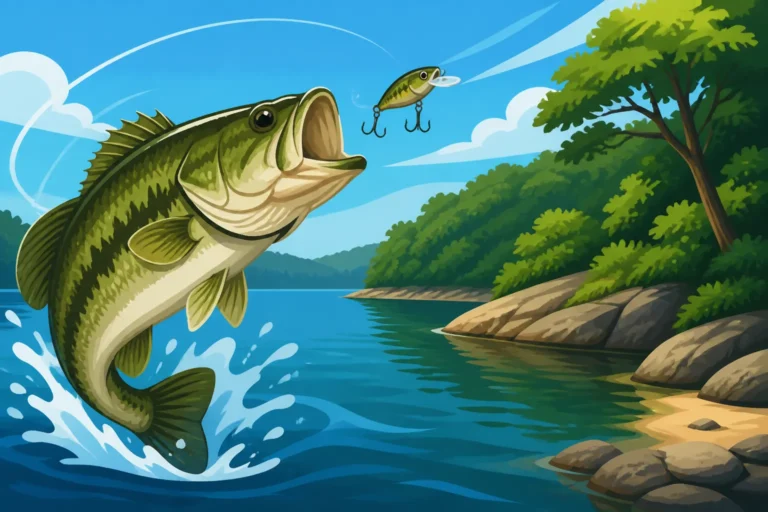
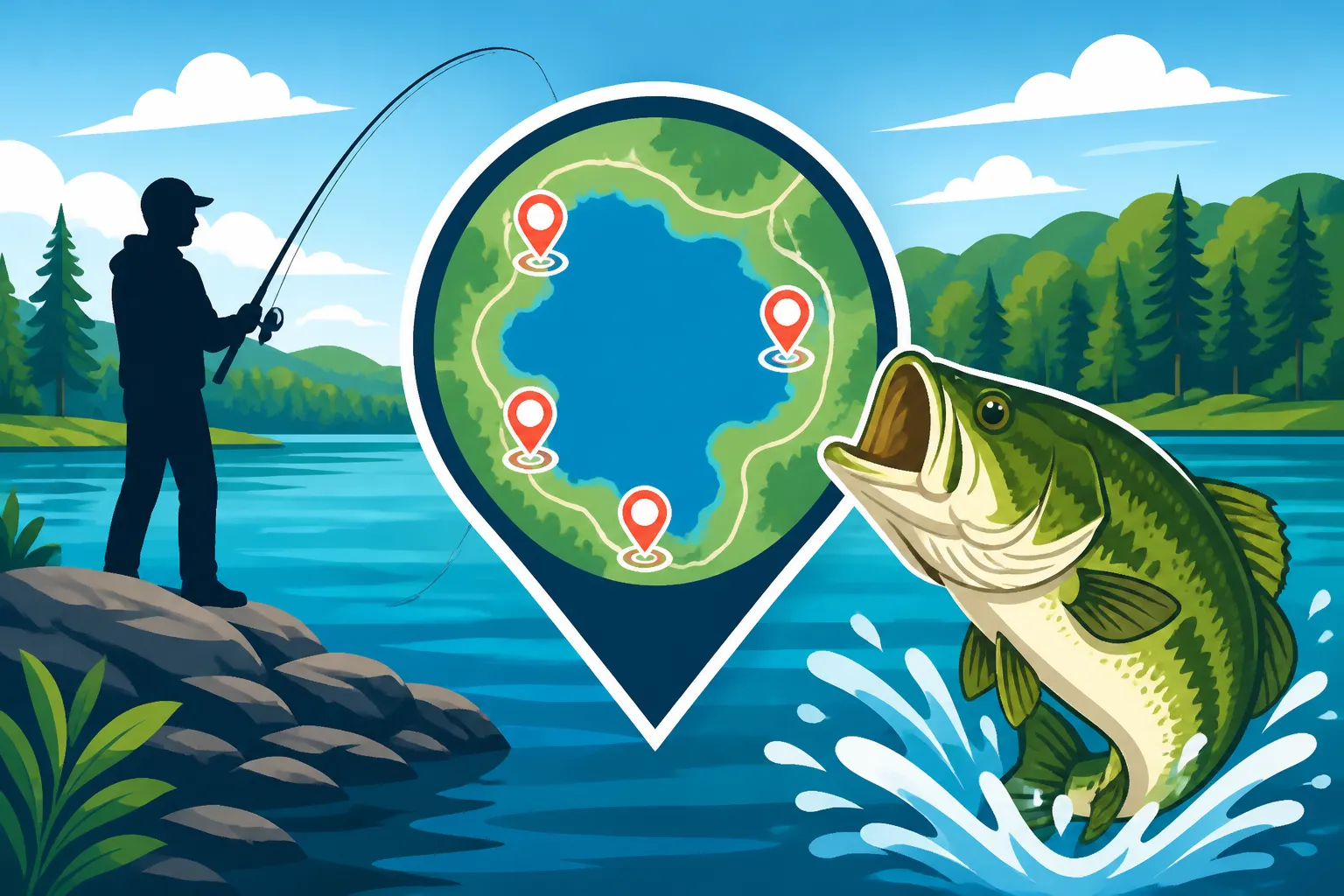
For largemouth bass, Gardner Lake provides ideal habitat with its abundant shallow cover—think lily pads, docks, and extensive weed beds. These green bass love to ambush prey from cover, so focusing on these areas is a smart move. They thrive in the warmer, shallower zones of the lake.
Smallmouth bass are also present, though often in lesser numbers than largemouth, and they tend to prefer the rockier sections and deeper, cleaner water. Look for them around points, submerged humps, and areas with a hard bottom, particularly in the central and southern parts of the lake. They're known for their powerful fights and can be a real thrill on light tackle.
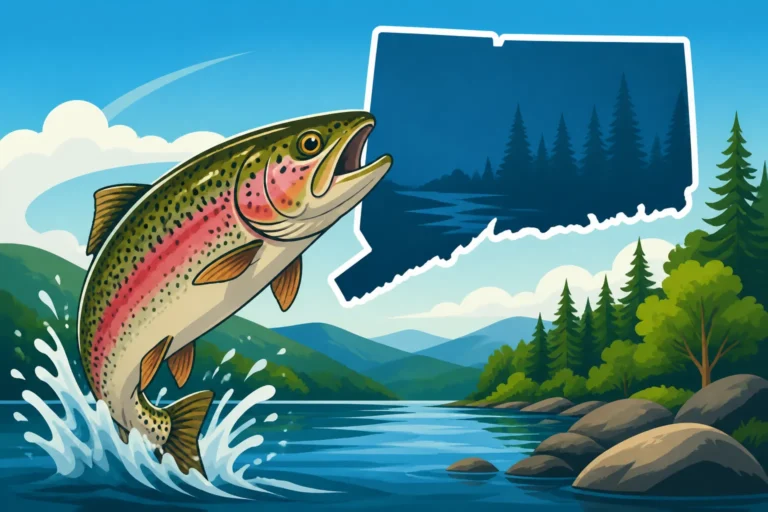
Trout fishing is a big draw on Gardner Lake, as the Connecticut DEEP regularly stocks it with both rainbow and brown trout, making it one of the premier trout lakes in southeastern Connecticut. These fish tend to inhabit the deeper, cooler sections of the lake, especially once the water warms up in late spring and summer. During the cooler months of spring and fall, they might be found closer to the surface or along temperature breaks. For those keen on chasing these beauties, understanding the Connecticut Trout Season and Stocking Rules is essential to ensure you're fishing legally and at the right time.
Beyond the main targets, panfish like black crappie, yellow perch, and bluegill are abundant and offer fantastic light tackle action, especially for families or beginners. They are often found in schools around docks, brush piles, and shallow weed edges. Finally, chain pickerel are another common inhabitant, lurking in the same weedy cover as largemouth bass. While sometimes considered a nuisance by bass anglers, they offer aggressive strikes and can be a lot of fun on a fast retrieve, especially in the cooler months. You might even find a local guide through platforms like FishingBooker who specializes in these diverse fisheries if you're looking for expert advice on species-specific techniques.
Key Fishing Hotspots on Gardner Lake
Gardner Lake has several distinct zones, each with its own characteristics that make it attractive to different fish species. Knowing where to focus your efforts can make all the difference, transforming a slow day into a memorable one.
The Northern Coves and Shallows
The northern end of Gardner Lake, particularly towards the Salem side, is generally shallower and characterized by numerous coves, extensive lily pad fields, and thick submerged vegetation throughout the warmer months. This area is a haven for largemouth bass and chain pickerel. The nutrient-rich water here supports a healthy insect and baitfish population, providing ample food for predatory fish.
When fishing these northern coves, pay close attention to the edges of the weed lines where shallow water drops into slightly deeper channels. Spinnerbaits, chatterbaits, and weedless frogs or soft plastics are incredibly effective when worked over or through the pads. During early morning or late evening, topwater lures can produce explosive strikes as bass ambush prey congregating in the low light. Docks, especially those with brush piles sunk nearby, also act as prime ambush points. Anglers often find success flipping jigs or soft plastic creature baits into these shaded areas. For those targeting panfish, a small jig under a bobber with a piece of worm or grub can yield plenty of crappie and bluegill around dock pilings and submerged brush. These shallow areas can heat up quickly in the summer, pushing fish deeper during the midday sun, but they remain productive during prime feeding windows.
Mid-Lake Humps and Drop-offs
As you move towards the center of Gardner Lake, the depth increases, and the bottom contour becomes more varied. This is where you'll find submerged humps, rocky points, and significant drop-offs that plunge into the lake's deeper basins. These areas are magnets for smallmouth bass and trout, as they provide cooler water and vertical structure that fish can relate to.
Identify these mid-lake structures using your electronics. Submerged humps, often just 10-15 feet below the surface but surrounded by much deeper water, are prime spots where baitfish congregate, attracting hungry smallmouth and suspending trout. Crankbaits, drop shots, and jigging spoons are excellent choices for working these humps. Smallmouth bass will often relate to the rockier edges of these structures. Deeper drop-offs, especially those that transition from a hard bottom to a softer, muddier substrate, can hold impressive numbers of trout. These cold-water fish will often suspend at specific depths, particularly along the thermocline (the boundary between warmer surface water and colder deep water) in summer. Trolling spoons, flashy spinners, or small swimbaits at various depths is a common tactic for trout in these open water areas. You might also find these deeper areas mentioned in guides about Best Trout Streams in Connecticut and nearby lakes that are regularly stocked with similar species.
Southern End and Inlet/Outlet Areas
The southern end of Gardner Lake is generally deeper and features a more complex blend of rocky shorelines, coves, and the lake's main outlet, which eventually flows into the Oxoboxo River. This area can be particularly productive due to its varied structure and the subtle current created by the outlet.
The rocky points and steep drop-offs along the southern shore are excellent for both smallmouth and largemouth bass, depending on the specific cover. In areas with more vegetation, largemouth will dominate, while the rockier zones will hold smallmouth. Spinnerbaits, crankbaits that mimic baitfish, and Texas-rigged worms are good choices here. The presence of a subtle current near the outlet can concentrate baitfish and, consequently, predatory species. Bass will often position themselves just out of the main flow, waiting to ambush anything that drifts by. This area can also be a hotspot for trout, especially in spring and fall, as they might congregate near the subtle flow or cruise the deeper sections. Exploring the nuances of Connecticut Fishing Regulations Explained can also offer insights into specific rules that might apply to areas near inlets or outlets, ensuring you're compliant with local laws. This deep, clear water often holds some of the lake's largest trout, so don't be afraid to experiment with slightly larger lures or bait.
Seasonal Fishing Strategies for Gardner Lake
Gardner Lake's fish behavior changes dramatically with the seasons, driven by water temperature, spawning cycles, and available food. Adapting your approach to these seasonal shifts is fundamental to consistent success.
Spring Tactics and Post-Spawn Activity
Spring is an exhilarating time on Gardner Lake as fish become highly active with warming water temperatures. As ice recedes, early spring sees trout becoming very active and accessible, often found cruising the shallower areas where the water warms fastest. This is prime time for shore anglers or small boats to target trout with PowerBait, worms, or small shiny spoons. The Connecticut Trout Season Opening Day for 2026 is a highly anticipated event, bringing many anglers to Gardner Lake, particularly to target these freshly stocked fish.
As spring progresses into late April and May, largemouth and smallmouth bass begin their pre-spawn ritual. They move into shallower coves and sun-drenched flats, seeking warmer water to stage for spawning. Spinnerbaits, shallow-running crankbaits, and jerkbaits worked slowly along emerging weed lines are incredibly effective for these aggressive, hungry bass. Once water temperatures hit the mid-50s to low-60s, bass will begin to spawn. During this period, they can be sight-fished on beds in clear, shallow water. Post-spawn, usually in late May to early June, bass will remain in shallower areas, feeding aggressively to recover. Topwater lures, soft plastics, and jigs pitched into cover near their spawning grounds can be very productive. Remember to check local regulations concerning specific bass season dates and limits.
Summer Patterns and Deep Water Holds
Summer fishing on Gardner Lake can be a bit more challenging as the surface waters warm considerably, often pushing many fish, especially trout and larger bass, into deeper, cooler refuges. The key to summer success is understanding the thermocline – the layer in the lake where water temperature changes rapidly. Many fish will suspend just above or within this layer, seeking cooler, oxygenated water.
For trout, this means targeting them in the deeper, open water sections of the lake. Trolling with downriggers or lead core line is a popular and effective method, allowing you to present spoons or stickbaits at precise depths where trout are holding. The mid-lake humps and deep basins on the southern end become prime trout territory. For largemouth bass, the early morning and late evening bites are crucial. During these times, they might move into shallower weed beds or under docks to feed. During midday, focus on deeper weed edges, shaded areas under overhanging trees, or submerged structure in 10-20 feet of water. Jigs, Carolina rigs, and deep-diving crankbaits are go-to lures. Smallmouth bass will be found on deeper rocky points and humps, often suspended over structure. Consider using a drop shot rig or football jigs to entice these deeper dwellers. If you're looking for guidance, perhaps a local guide found via FishingBooker could help unlock these summer patterns, especially for the elusive smallmouth.
Fall Transition and Feeding Frenzies
Fall is arguably one of the most productive times to fish Gardner Lake. As water temperatures begin to cool, fish become incredibly active, feeding heavily in preparation for winter. This period, often called the "fall turnover," mixes the lake's water layers, redistributing oxygen and nutrients and stimulating a widespread feeding frenzy.
Trout that have spent the summer in deep water will begin to move higher in the water column and closer to shore, making them more accessible to shore anglers and those without specialized trolling gear. Casting spoons, inline spinners, or drifting bait along the deep weed lines and rocky points can be highly effective. The cooler water revitalizes them, and they become quite aggressive. For bass, both largemouth and smallmouth, fall is about following the baitfish. Schools of perch, alewives, and shiners will move into shallower coves and onto points, and the bass won't be far behind. Look for actively feeding fish, often chasing bait to the surface. Topwater lures can still be explosive, especially on overcast days. Lipless crankbaits, jerkbaits, and swimbaits become exceptionally effective as you can cover a lot of water and mimic the fleeing baitfish. Focus on the same areas that were productive in spring—weed edges, rocky points, and transitions in depth—as fish will often revisit these areas during their fall feast.
Winter Ice Fishing Opportunities
When the cold truly sets in and Gardner Lake freezes over, it transforms into an excellent ice fishing destination, assuming safe ice conditions. Always prioritize safety and know the How Thick Ice Needs to Be to Fish Safely in Connecticut guidelines before venturing out.
Chain pickerel are a popular target through the ice. They remain active in their weedy haunts, and tip-ups rigged with live shiners or brightly colored jigging spoons can yield impressive results. Focus your efforts on the shallower coves and weed flats in the northern part of the lake. Panfish, including yellow perch and crappie, gather in schools and can provide consistent action. Small jigs tipped with a grub, mealworm, or scent bait are irresistible to them. Look for these schools near submerged structure or along the deeper edges of weed beds. Trout can also be caught through the ice, often suspending in the deeper parts of the lake. Using tip-ups with live bait or jigging spoons in the central and southern basins can entice a winter trout bite. Ice fishing requires different gear and techniques, but it offers a unique and often productive way to enjoy Gardner Lake's fishery during the colder months.
Accessing Gardner Lake and Boating Considerations
Getting on and around Gardner Lake is relatively straightforward, but understanding the access points and adhering to local boating regulations is essential for a safe and enjoyable experience.
Public Boat Launches and Shoreline Access
Gardner Lake offers good public access for anglers, which is a huge plus. The primary public boat launch is located on the eastern side of the lake, managed by the Connecticut Department of Energy and Environmental Protection (DEEP). This launch typically features concrete ramps suitable for trailered boats of various sizes, ample parking for vehicles and trailers, and often a portable restroom facility during peak season. It's a busy spot, especially on weekends and during trout stocking periods, so arriving early is always a good strategy. Always check the DEEP website for the most current information regarding launch conditions and any seasonal restrictions. This public access point makes it easy for anglers to explore all areas of the lake, from the shallow northern coves to the deeper southern basins.
For anglers without a boat, shoreline access is more limited due to private property bordering much of the lake. However, there are some small sections of public shoreline, particularly near the state boat launch area and potentially a few small easements. These spots are often best for targeting panfish or freshly stocked trout in early spring. It's crucial to respect private property boundaries and only fish from designated public access points. Exploring the Best Public Fishing Access Near Norwich Connecticut might reveal additional shore fishing opportunities in the general region around Gardner Lake. When planning your trip, consider what type of fishing you want to do – boat fishing offers maximum flexibility, while shore fishing requires more strategic spot selection.
Boating Regulations and Safety Tips
Navigating Gardner Lake by boat requires adherence to Connecticut's boating laws to ensure safety for everyone. The lake has specific rules that boaters must follow. For instance, there are typically speed limits or "no-wake" zones in certain areas, particularly near shorelines, coves, and the boat launch, to prevent erosion and ensure swimmer safety. Always keep an eye out for buoys and markers that indicate these restricted areas.
Every vessel on Connecticut waters, including Gardner Lake, must comply with certain safety equipment requirements. This includes having enough U.S. Coast Guard-approved personal flotation devices (PFDs or life jackets) for everyone on board. For children under 13, it's generally required that they wear a life jacket while the boat is underway. Beyond the legal requirements, it's just plain smart to have everyone wear a life jacket, especially in cooler weather or if you're venturing far from shore. For a detailed rundown of what's required, you should definitely consult the Connecticut Boating Laws for Anglers and understand the Life Jacket Requirements for Connecticut Boaters. Additionally, operating a boat, especially one with a motor, often requires a Safe Boating Certificate in Connecticut. This educational requirement ensures operators understand fundamental navigation and safety protocols. Beyond formal rules, always be mindful of other boaters, kayakers, and swimmers. Keep a lookout, maintain safe speeds, and be prepared for changing weather conditions. A good fishing day is a safe fishing day.
Gardner Lake Fishing Overview
To help you visualize the best spots and strategies, here's a quick summary of Gardner Lake's fishing opportunities.
| Area of Lake | Primary Species | Best Techniques | Season Highlights | Key Features |
|---|---|---|---|---|
| Northern Coves & Shallows | Largemouth Bass, Chain Pickerel, Panfish | Topwater lures, spinnerbaits, weedless jigs, bobber/worm | Spring (pre/post-spawn bass), Summer (early/late bass), Winter (ice fishing pickerel/panfish) | Lily pads, dense weeds, docks, shallower water |
| Mid-Lake Humps & Drop-offs | Smallmouth Bass, Trout, Yellow Perch | Drop shot, jigging spoons, deep crankbaits, trolling spoons | Summer (trout suspend), Fall (bass/trout feed aggressively) | Submerged humps, rocky points, rapid depth changes |
| Southern End & Outlet | Largemouth Bass, Smallmouth Bass, Trout | Spinnerbaits, Texas rigs, crankbaits, drifting bait | Spring (trout), Fall (bass/trout transition) | Rocky shorelines, deeper coves, subtle current from outlet |
Disclaimer
The information provided in this guide is for general informational purposes only and is subject to change. Fishing regulations, stocking schedules, and lake conditions can vary. Always consult the official Connecticut Department of Energy and Environmental Protection (DEEP) website or current fishing guide for the most up-to-date rules and safety advisories before planning your fishing trip. Stay safe and respect private property.