Best shore fishing near New Haven Connecticut
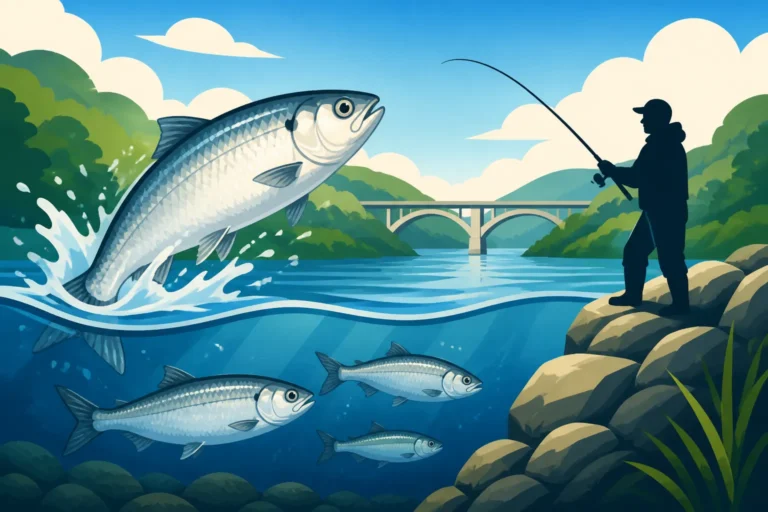
Finding that perfect spot to cast a line without needing a boat can feel like a real treasure hunt, especially when you're in a bustling area like New Haven. You want convenience, productive waters, and maybe even a scenic view, but often end up staring at "no fishing" signs or crowded docks. This guide is designed to cut through that frustration, leading you to the best shore fishing spots near New Haven, Connecticut, and arming you with the knowledge to make your next outing a success.
Understanding New Haven's Shore Fishing Landscape
New Haven, nestled on the Long Island Sound, offers a unique blend of urban waterfront and natural coastal features, providing diverse opportunities for shore anglers. It's not always easy to find those prime spots where you can just walk up and cast, but with a little local knowledge, you'll be surprised at what you can discover.
The Allure and Challenges of Urban Shore Fishing
There's something incredibly appealing about being able to fish close to home, especially when you don't have a boat or simply prefer the simplicity of shore-based angling. The New Haven area provides this accessibility, with many spots just a short drive or even a bike ride away. You'll find a mix of well-maintained public parks with piers, rocky coastlines offering more solitude, and river mouths where freshwater meets saltwater.
However, urban shore fishing comes with its own set of challenges. Parking can be a nightmare at popular spots, especially on weekends. You might contend with other anglers, curious onlookers, or even just the general hubbub of city life. Water access can sometimes be limited by private property or industrial zones. Plus, finding consistent fish can be tricky; these areas often experience heavy fishing pressure. Despite these hurdles, the reward of hooking into a strong striped bass or a feisty bluefish from a local pier or a quiet patch of beach is incredibly satisfying. It connects you to nature, even amidst the city, and provides a much-needed escape from daily stresses. For those looking for a different experience, even booking a local guide through platforms like FishingBooker can offer a unique perspective on these waters, showing you spots you might never find otherwise.
Key Species You'll Encounter from Shore
The waters around New Haven are teeming with a variety of fish, making every cast an exciting possibility. Your primary targets will largely depend on the season, but some species are perennial favorites for shore anglers.
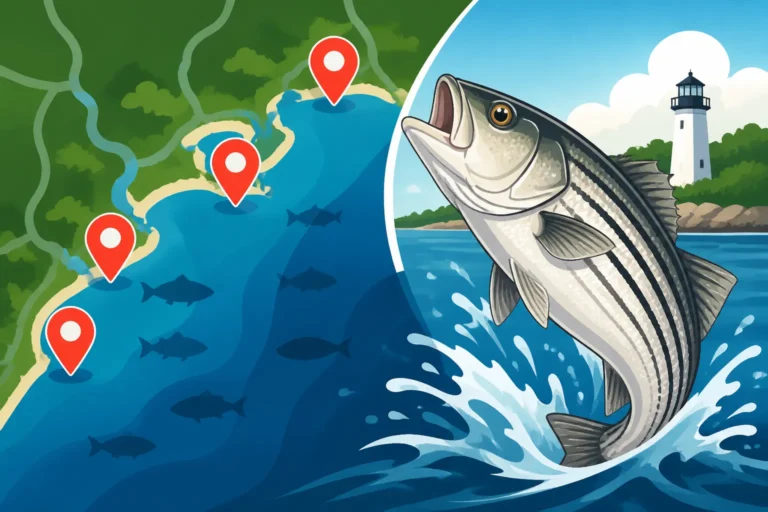
Striped Bass: These are arguably the most sought-after game fish in Long Island Sound. From late spring through fall, you can find them cruising the shoreline, especially around structure like jetties, rocks, and tidal rips. Even smaller "schoolie" stripers provide excellent action, while larger ones can give you a fight you won't soon forget. Understanding the Connecticut Striped Bass Slot Limit and Season is crucial for these prized catches.
Bluefish: Known for their aggressive strikes and powerful fights, bluefish are another common catch from New Haven's shores, particularly during the warmer summer months. They often school up and tear through baitfish, creating exciting surface action. Be mindful of their sharp teeth – a good pair of pliers is a must.
Fluke (Summer Flounder): While often associated with boat fishing, fluke can absolutely be caught from shore, especially where deeper channels or sandy flats are accessible. They're masters of camouflage, burying themselves in the sand or mud, waiting to ambush bait. Look for areas with a good current bringing bait past them. Be sure to check the specific Connecticut Fluke and Summer Flounder Regulations.
Blackfish (Tautog): If you're fishing rocky areas or around bridge pilings, blackfish are a definite possibility. These notoriously strong fighters love structure and are usually caught with crabs as bait. Their season is more restrictive, typically peaking in spring and fall. For more on these hardy fish, explore Blackfish Tautog Fishing in Connecticut.
Scup (Porgy): These panfish of the saltwater world are abundant and offer consistent action, making them perfect for beginners or a fun family outing. They typically arrive in numbers in late spring and stay through the fall, often found in rocky areas or around sandy bottoms.
Eels: Often overlooked, eels can provide surprising action, especially at night. They're strong, slimy, and make excellent bait for larger striped bass, but can also be caught on their own.
You might also encounter other species like winter flounder (in colder months), cunner, and various panfish, adding to the exciting diversity of shore fishing in the New Haven area. To ensure you're compliant with local laws, it’s always a good idea to consult the comprehensive Connecticut Saltwater Fishing Regulations by Species.
Top Shore Fishing Spots Around New Haven
The beauty of shore fishing around New Haven is the variety of locations available, each offering a slightly different experience and targeting potential. Whether you're looking for an easy-access pier or a more adventurous rocky outcrop, there's a spot for you.
Popular Piers and Parks for Easy Access
For many, the easiest and most accessible way to fish from shore is by heading to a public pier or park that offers waterfront access. These spots often have amenities like parking, restrooms, and sometimes even bait shops nearby, making them ideal for families or those new to the sport.
Fort Nathan Hale Park (New Haven): Located at the entrance to New Haven Harbor, Fort Nathan Hale offers excellent shore fishing opportunities, especially for striped bass and bluefish. The rocky shoreline and the pier provide varied casting options. You can cast out into the harbor channel or explore the shallower, calmer waters near the shore. Baitfish often congregate here, attracting predators. It’s a fantastic spot for both artificial lures, like Kastmasters or soft plastics, and chunk bait or live eels, particularly during an incoming or outgoing tide. The historical setting also adds a unique backdrop to your fishing experience.
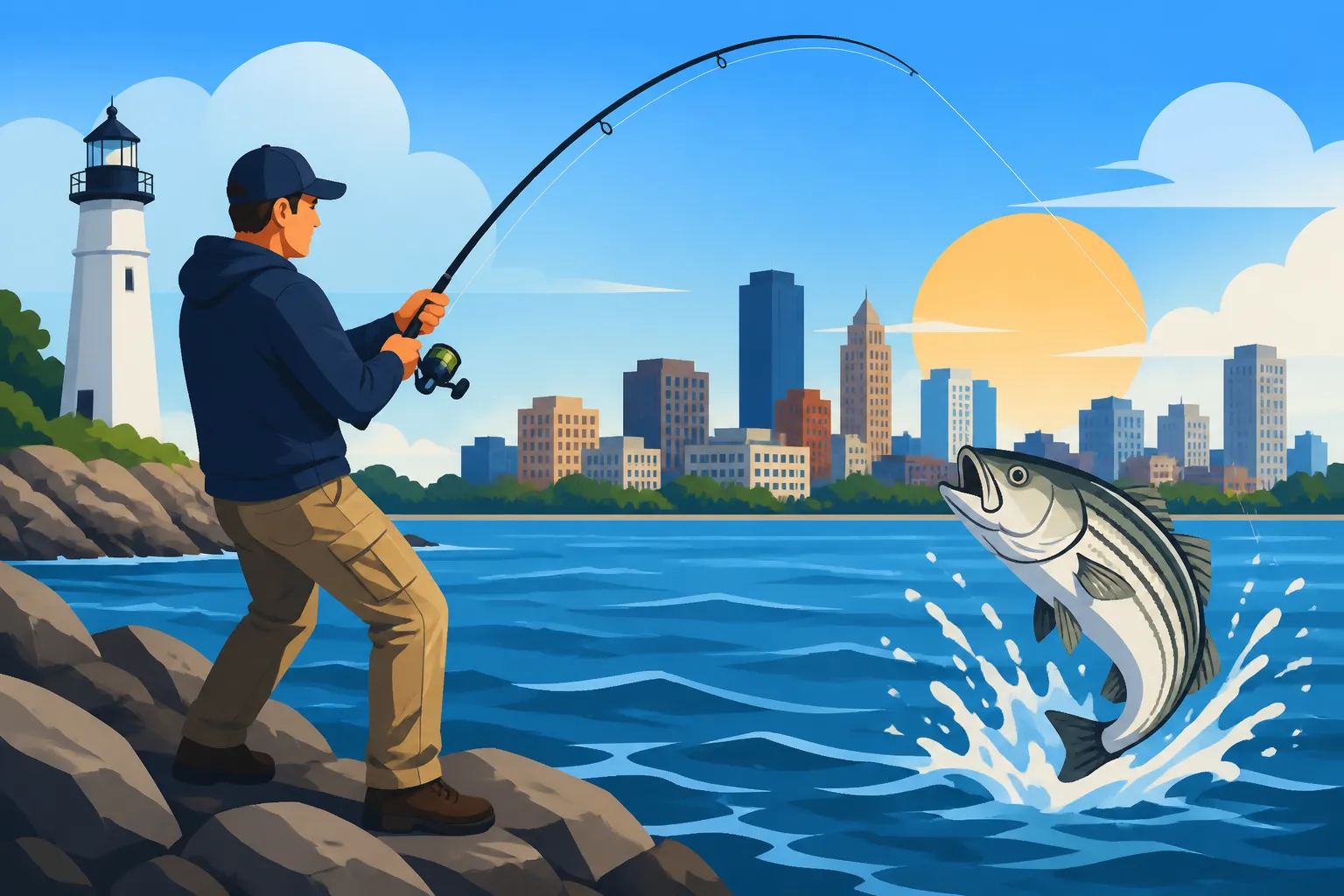
Lighthouse Point Park (New Haven): Home to the iconic Five Mile Point Lighthouse, this park is not just a scenic spot but also a popular fishing destination. The long jetty here extends into the Sound, providing access to deeper water and strong currents, which are ideal for larger stripers, bluefish, and even some fluke. The beach area itself can yield good results for casting into the surf. Early mornings or late evenings often yield the best results here, especially during the fall run when migratory fish pass through. The park has ample parking (though there might be a fee during peak season), restrooms, and picnic areas, making it a great family-friendly option. This is a classic example of what a Long Island Sound Fishing Guide often recommends.
East Shore Park (New Haven): Situated on the eastern side of New Haven Harbor, East Shore Park offers extensive shoreline access with a mix of sandy stretches and rocky areas. It's a bit less crowded than Lighthouse Point but still provides excellent opportunities for striped bass and bluefish. The marshy areas nearby can hold baitfish, drawing in predators. This spot is particularly good for casting artificials like swimming plugs or bucktails, especially at dawn or dusk.
Secluded Beaches and Rocky Outcrops for Adventure
If you're willing to walk a bit or explore more rugged terrain, the New Haven area also boasts several more secluded beaches and rocky outcrops. These spots often require a bit more effort to reach but can reward you with less crowded fishing and potentially larger, less pressured fish.
West Haven Beaches (West Haven): Just west of New Haven, the long stretches of beach in West Haven, including West Haven Beach and Savin Rock, offer ample surfcasting opportunities. While often popular for swimming, specific sections, especially near jetties or groins, can be excellent for striped bass, bluefish, and even fluke. You'll want a longer surf rod here to reach beyond the breaking waves. Early mornings before the crowds arrive or late evenings are your best bet. These beaches are particularly productive during the spring and fall migrations.
Hammonasset Beach State Park (Madison): A bit further east, but well worth the drive, Hammonasset is Connecticut's largest shoreline park. It features miles of sandy beach, jetties, and rocky points, providing diverse shore fishing options. While not right in New Haven, its reputation for productive fishing makes it a must-mention. You can target striped bass, bluefish, fluke, and even blackfish around the jetties. The sheer size of the park means you can often find a less crowded stretch to yourself. Just remember that parking can fill up quickly during peak season, and there's usually a day-use fee. Hammonasset truly exemplifies the potential for great Best Shore Fishing Spots in Connecticut.
Rocky Points in Branford and Guilford: Moving slightly east of New Haven, towns like Branford and Guilford offer a myriad of rocky points, small coves, and tidal estuaries that are perfect for exploration. Spots around Stony Creek in Branford or Faulkner's Island (though requiring a boat to get to the island, the surrounding mainland points are accessible) can hold excellent fishing. These areas require careful footing but offer fantastic opportunities for blackfish, striped bass, and bluefish, particularly during tidal changes. A medium-heavy spinning rod with strong braided line is a good choice for hauling fish out of these rocky environments. For precise locations, a quick scout on Google Maps or a local fishing forum can reveal hidden gems.
Tidal Rivers and Estuaries for Diverse Opportunities
The estuaries and tidal rivers flowing into Long Island Sound near New Haven provide a different type of shore fishing experience, blending freshwater influences with saltwater species. These areas are often rich in baitfish and offer sheltered conditions.
Quinnipiac River (New Haven): The mouth of the Quinnipiac River, as it empties into New Haven Harbor, can be a hotspot for striped bass, especially during their spring and fall runs. The brackish water attracts bait, and the river channel provides a natural migratory route. Fishing from the banks or small public access points can yield good results. Soft plastic swimbaits and bucktails are often very effective here, imitating the abundant baitfish. You might also encounter some panfish or even catfish further upstream.
Farm River (East Haven/Branford): This smaller tidal river, located just east of New Haven, is another excellent option for estuary fishing. It offers a mix of marshy banks and some accessible shoreline. Striped bass and bluefish move in and out with the tides, especially during the warmer months. It's a great spot for light tackle fishing, using smaller plugs, jigs, or bait like worms and mussels. The quieter nature of these smaller rivers can make for a more peaceful fishing trip.
Housatonic River Mouth (Stratford/Milford): While a bit further west of New Haven, the mouth of the Housatonic River is a legendary spot for striped bass. Accessible from shore points in Stratford and Milford, this area sees massive baitfish migrations, particularly menhaden (bunker), which draw in large numbers of stripers and bluefish. Fishing from the bank or public docks near the mouth can be incredibly productive, especially during the spring and fall runs. Live-lining bunker or casting large plugs are common and effective tactics here. This is a premier spot for Striped Bass Fishing in Long Island Sound.
Essential Gear and Techniques for New Haven Shore Anglers
Having the right equipment and knowing how to use it effectively can dramatically improve your success when shore fishing around New Haven. You don't need a boatload of gear, but a thoughtful selection will serve you well.
The Right Rods, Reels, and Line for the Job
Shore fishing means you need tackle that can handle casting distance, potential snags, and strong fish, all while being comfortable to handle for extended periods.
Rod Selection:
- Medium-Heavy to Heavy Spinning Rod (7-10 feet): This is your workhorse. A rod in this range, rated for 1-4 ounces of lure weight, will give you the casting distance needed to reach beyond the immediate shore breaks and enough backbone to handle larger striped bass or bluefish. Popular choices include models from Ugly Stik, St. Croix, or Lamiglas for surf casting.
- Medium Action Spinning Rod (6-7 feet): For lighter applications, like targeting scup, smaller fluke, or fishing in calmer estuary waters, a shorter, lighter rod is more enjoyable. It offers better sensitivity and less fatigue.
Reel Selection:
- Corrosion-Resistant Spinning Reel (4000-6000 size): Saltwater environments are tough on gear. Look for reels designed for saltwater use with good drag systems. Penn Battle II or III, Shimano Nasci, or Daiwa BG are excellent mid-range options that can handle the abuse. Ensure it's spooled with enough line.
Line Selection:
- Braided Line (20-40 lb test): Braided line is highly recommended for its strength, lack of stretch, and excellent casting distance. The thinner diameter allows for more line on the spool. A good 20-30 lb test is usually sufficient for most shore fishing.
- Fluorocarbon Leader (20-50 lb test): Always tie on a fluorocarbon leader (2-4 feet) to your braided main line. Fluorocarbon is nearly invisible underwater, more abrasion-resistant, and provides a buffer for the no-stretch braid. Match the leader strength to your target species – lighter for finesse, heavier for toothy bluefish or big stripers.
Baits and Lures That Get Results
Matching your bait or lure to what the fish are feeding on is key. The New Haven area offers a variety of forage, so having a selection is wise.
Live and Natural Baits:
- Clams, Worms, and Mussels: These are universal baits, especially effective for bottom-dwelling species like scup, blackfish, and even striped bass. Fresh clam is hard to beat for scup and small stripers. Bloodworms and sandworms are great all-around choices.
- Live Eels: A top choice for targeting large striped bass, particularly at night. Eels can be fished live or as chunks.
- Bunker (Menhaden): When bunker are present, they are prime bait. Live-lining a small bunker or chunking a larger one is highly effective for big stripers and bluefish.
- Crabs (Green Crabs, Fiddler Crabs): Essential for blackfish (tautog). They are often fished on a jig head or a specific tautog rig.
Artificial Lures:
- Soft Plastics (Paddle Tails, Shads): Lures like the Keitech Swing Impact FAT or Tsunami Split Tail Shads (3-6 inches) rigged on a jig head (1/2 to 2 ounces) are incredibly versatile. They imitate baitfish and work well for striped bass, bluefish, and fluke. Colors like chartreuse, white, and pearl are perennial favorites.
- Bucktail Jigs: Classic and effective. Bucktails, often tipped with a piece of Gulp! or a soft plastic trailer, are deadly for fluke, striped bass, and bluefish. Vary the weight depending on current and depth.
- Swimming Plugs/Stickbaits: Daiwa SP Minnow, Tsunami Talkin' Popper, or Bomber Long A lures are excellent for imitating larger baitfish like bunker or herring. Cast them out and retrieve steadily to entice striped bass and bluefish. Topwater plugs are exhilarating when fish are feeding on the surface.
- Metal Lures (Spoons, Jigs): Kastmasters, Hopkins, or similar metal lures are great for long casts and imitate fleeing baitfish. They're excellent for targeting bluefish and striped bass, especially when baitfish are schooling.
Timing Your Trip: Tides, Seasons, and Weather
Fishing success is often a matter of timing. Understanding the natural rhythms of the water can give you a significant advantage. The Best Time of Year to Fish in Connecticut truly depends on your target species.
Tides: This is perhaps the single most important factor for shore fishing in Long Island Sound.
- Moving Water: Most saltwater species feed most actively during moving tides (incoming or outgoing). The current stirs up bait, disorients smaller fish, and concentrates food.
- Slack Tide: This period, right around high or low tide when the water is still, can be slower for some species, but can also be productive for others like blackfish hiding in structure, or fluke waiting on the bottom.
- Targeting Species: For striped bass and bluefish, focus on the periods leading up to and just after high or low tide, when the current is strongest. For fluke, drifting a bait or jig during a slow drift (often achieved during moving tides) can be best.
Seasons:
- Spring (April-June): This is when migratory striped bass and bluefish first arrive in numbers. Trout season also opens, but we're talking saltwater here. Water temperatures are rising, and baitfish like bunker begin to appear. Early season action can be fantastic.
- Summer (July-August): Bluefish are abundant and aggressive. Striped bass might move to deeper, cooler water during the day but can be found near shore during cooler mornings, evenings, and nights. Fluke fishing is usually good.
- Fall (September-November): The "fall run" is legendary. Striped bass and bluefish feed aggressively as they migrate south, packing on fat for the winter. This can be the most productive time for shore anglers, with big schools of fish pushing bait close to shore.
- Winter (December-March): Shore fishing largely slows down, though some hardy anglers might target holdover striped bass in deeper channels or tidal rivers, or try for winter flounder.
Weather:
- Overcast Days: Often excellent for fishing, as bright sun can push fish deeper.
- Pre-Frontal Conditions: Fish often feed actively before a storm front moves in.
- Wind: A gentle chop can be good, as it breaks up the water's surface and makes baitfish more vulnerable. However, strong winds can make casting difficult and fishing uncomfortable. Always prioritize safety, especially near rocky areas.
Remember, local knowledge is invaluable. Talk to other anglers, visit bait shops, or even check online fishing reports for real-time information. You can also explore options to learn from local captains; many offer educational trips, which you can often find listed on services like FishingBooker, providing insights into optimal timing.
Navigating Regulations and Responsible Angling
Fishing in Connecticut, whether inland or marine, comes with rules. It's not just about avoiding fines; it's about preserving our precious fishery for future generations. Knowing the ropes ensures your fishing trips are both successful and sustainable.
Understanding Connecticut Fishing Regulations
Before you even think about wetting a line, you absolutely need to be familiar with the regulations set forth by the Connecticut Department of Energy and Environmental Protection (DEEP). These rules cover everything from license requirements to size and creel limits for specific species.
Fishing License Requirements:
- Who Needs One: Generally, anyone 16 years of age or older needs a valid Connecticut fishing license to fish in either inland or marine waters. There are specific exemptions, for instance, for those under 16, or certain disabled individuals, but for the majority, a license is mandatory. For clarity on age requirements, see Connecticut Fishing License Age Requirements.
- Types of Licenses: Depending on where you plan to fish, you might need an Inland, Marine, or All-Waters license. Since you're shore fishing the Long Island Sound area, a Marine or All-Waters license will cover your bases. If you plan to dabble in freshwater ponds or rivers, the All-Waters is your best bet. You can easily purchase these licenses online through the CT DEEP website, or from various local vendors. For a detailed breakdown, check out the Connecticut Fishing License Guide for 2026 or How to Buy a Fishing License Online in Connecticut.
- Trout and Salmon Stamp: If you plan to target trout or salmon in designated trout waters, you'll need to purchase a separate Trout and Salmon Stamp in addition to your fishing license. While not directly relevant to shore fishing in Long Island Sound, it's a good regulation to be aware of if your fishing adventures take you inland.
Size and Creel Limits:
- Regulations on fish length and how many you can keep (creel limit) change frequently. It's critical to check the most current Connecticut Angler's Guide annually, either online or pick up a physical copy at a license vendor. These rules are designed to protect fish populations and vary significantly by species. For example, striped bass have a strict slot limit, meaning you can only keep fish within a certain size range, while bluefish might have a different daily bag limit. This information is vital to ensure you're fishing legally and responsibly.
Prohibited Areas and Methods:
- Some areas, like certain protected harbors, spawning grounds, or private property, may be closed to fishing or have specific restrictions. Always look for signage. Certain fishing methods, such as snagging (except for specific baitfish species) or using certain types of nets, are also prohibited. Ignorance of the law is not an excuse, so stay informed!
Practicing Catch and Release and Conservation
Beyond simply following the rules, responsible angling means adopting practices that promote the health of our fisheries. Catch and release, especially for larger breeding fish, is a cornerstone of conservation.
Handle Fish with Care:
- Minimize Stress: When you catch a fish you intend to release, try to land it as quickly as possible to minimize its fight time and stress.
- Wet Hands: Always wet your hands before handling a fish. Dry hands can remove the protective slime layer, making the fish susceptible to disease.
- Support the Fish: When holding a fish, especially larger ones, support its body horizontally to avoid damaging its internal organs or spine. Never hold a large fish vertically by the jaw alone.
- Barbless Hooks: Consider using barbless hooks or crushing the barbs on your hooks. This makes hook removal much easier and faster, reducing trauma to the fish.
- Quick Release: Have your de-hooking tool ready. If the hook is deep, cut the line as close to the hook as possible. Don't try to rip it out.
Reduce Your Environmental Impact:
- Leave No Trace: Pack out everything you pack in, and then some. This includes discarded fishing line, bait containers, and any other trash. Our fishing spots are shared resources.
- Dispose of Monofilament Properly: Fishing line is a significant hazard to wildlife. Many tackle shops and parks have monofilament recycling bins. Use them!
- Respect Wildlife and Habitat: Be mindful of nesting birds, seals, and other wildlife. Avoid disturbing sensitive habitats like salt marshes or dune grasses.
- Report Poaching: If you witness illegal fishing activity, report it to the CT DEEP Environmental Conservation Police. Protecting our resources is everyone's responsibility.
By understanding and adhering to regulations, and by adopting a conservation-minded approach, you contribute to ensuring that the incredible shore fishing opportunities around New Haven remain vibrant for future generations.
| Fishing Spot | Primary Target Species | Best Times to Fish | Notes |
|---|---|---|---|
| Fort Nathan Hale Park | Striped Bass, Bluefish, Scup | Incoming/Outgoing Tide, Night | Pier and rocky shoreline access, historic site |
| Lighthouse Point Park | Striped Bass, Bluefish, Fluke, Scup | Strong Tides, Dawn/Dusk | Long jetty, beach access, popular, fee may apply |
| East Shore Park | Striped Bass, Bluefish | Dawn/Dusk, Moving Tides | Extensive shoreline, less crowded, marsh areas |
| West Haven Beaches | Striped Bass, Bluefish, Fluke | Early Morning/Late Evening | Surfcasting, jetties, popular in summer |
| Hammonasset Beach State Park | Striped Bass, Bluefish, Fluke, Blackfish | Fall Run, Moving Tides | Miles of beach, jetties, diverse options, fee |
| Quinnipiac River Mouth | Striped Bass, Bluefish, Eels | Moving Tides, Night | Estuary fishing, bank access, good for artificials |
| Farm River | Striped Bass, Bluefish, Panfish | Moving Tides | Quieter estuary, light tackle friendly |
| Housatonic River Mouth | Striped Bass, Bluefish | Spring/Fall Runs, Moving Tides | Legendary spot, big fish potential, farther west |
Disclaimer
The information provided in this guide is for general informational purposes only and is subject to change. Fishing regulations, license requirements, and access to fishing locations can vary and be updated by the Connecticut Department of Energy and Environmental Protection (CT DEEP) at any time. It is the angler's responsibility to consult the most current official Connecticut Angler's Guide and local signage before fishing to ensure compliance with all laws and regulations. Fishing activities carry inherent risks, and participants should always prioritize personal safety.