Which Connecticut lake holds the state’s biggest pike catch
Finding that elusive trophy northern pike in Connecticut can feel like a real quest, can't it? Many anglers spend years chasing stories of monster pike, wondering which hidden gem of a lake holds the true giants. This guide is going to cut through the guesswork and reveal the specific water body in Connecticut renowned for producing the state's biggest pike catches, along with insights into what makes it so special and how you can increase your chances of landing your own memorable fish.
The Legendary Waters of Bantam Lake: Home to the State Record Pike
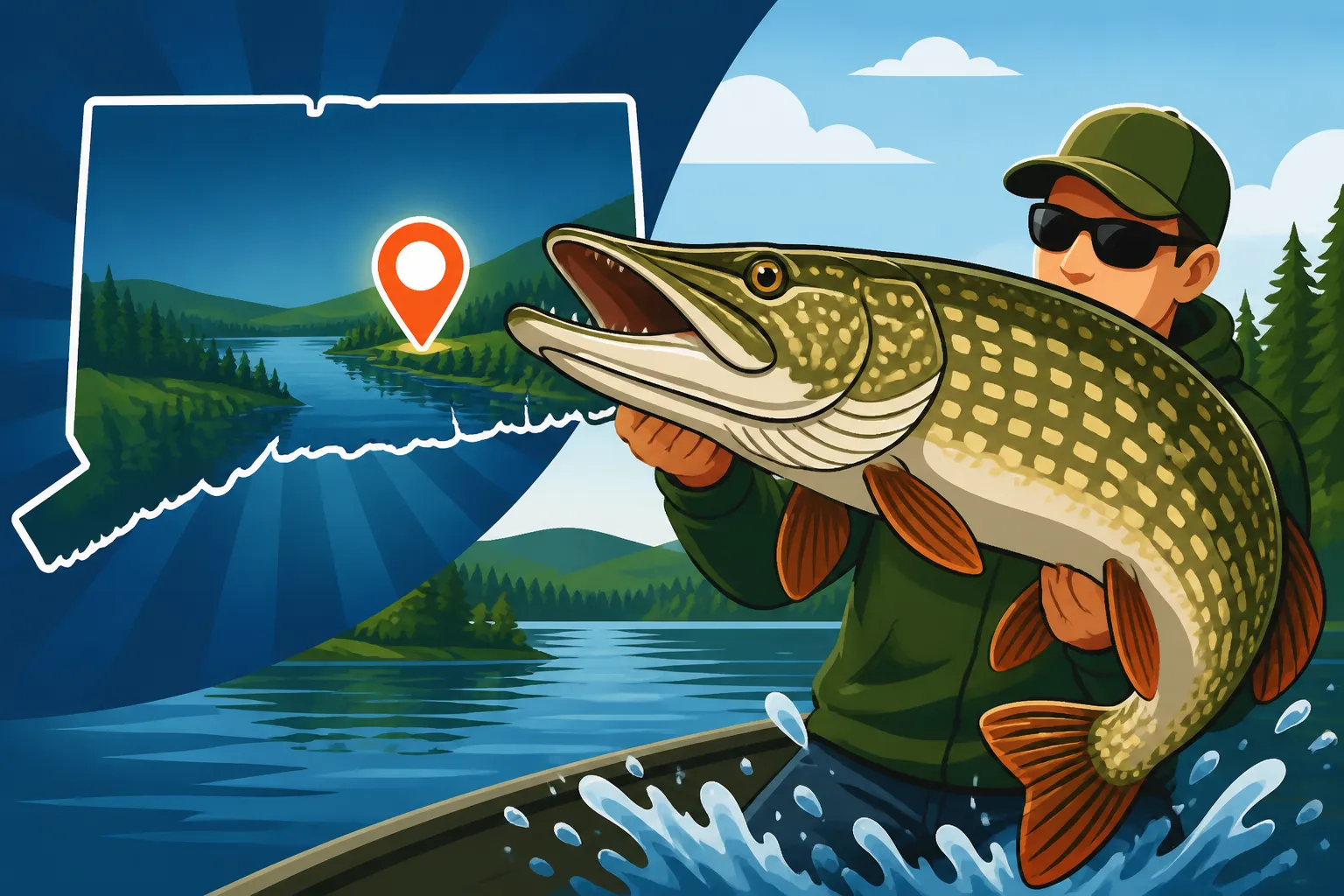
When we talk about the biggest northern pike catches in Connecticut, one name rises above the rest: Bantam Lake. This isn't just a rumor among local anglers; it's the official record holder. Bantam Lake, nestled in the towns of Litchfield and Morris, is a true jewel in Connecticut's crown, not only for its stunning natural beauty but also for its reputation as a premier trophy pike destination. For decades, anglers have flocked to its waters, knowing that every cast could potentially connect them with a fish of a lifetime. The sheer size and health of the pike populations here are a testament to the lake's rich ecosystem and careful management.
The lake's history of producing massive pike isn't just about a single fluke catch; it's a consistent pattern. While some lakes might occasionally kick out a large fish, Bantam Lake has a sustained reputation for harboring numerous pike that push the upper limits of what's possible in the state. This makes it a bucket-list destination for anyone serious about targeting these aggressive, toothy predators. When you're dreaming of a truly gargantuan pike, Bantam is often the first and last place mentioned in conversation among seasoned Connecticut anglers. It's the benchmark, the proving ground, and where the biggest stories are made.
The Allure of Trophy Pike Fishing
There's something incredibly captivating about targeting northern pike. They're apex predators, possessing an aggressive strike, incredible power, and a mouth full of razor-sharp teeth. Landing a trophy pike isn't just about the fight; it's about the hunt, the strategy, and the sheer awe of holding such a magnificent creature. Many anglers describe the moment a large pike hammers their lure as an adrenaline rush unlike any other, a jolt that travels up the line and through the rod. It's an instant connection to raw wilderness and predatory instinct.
Beyond the thrill of the strike, the visual appeal of a trophy pike is undeniable. Their elongated, torpedo-shaped bodies, often adorned with beautiful patterns of spots and stripes, make them incredibly photogenic. The feeling of safely landing, admiring, and then releasing a fish that might weigh 10, 15, or even 20 pounds or more is deeply satisfying. It's a testament to the health of the fishery and a contribution to its future. This pursuit of a "personal best" or a state record is what keeps many anglers coming back, year after year, dedicating countless hours to understanding these formidable fish.
Bantam Lake's Ecosystem and Habitat
Bantam Lake is Connecticut's largest natural lake, covering over 947 acres, and its size alone contributes to its ability to support large fish. But it's more than just size. The lake boasts diverse habitat that is absolutely crucial for growing trophy northern pike. You'll find extensive shallow weed beds, particularly in the coves and along the shorelines, which provide ideal ambush points for pike to hide and launch attacks on unsuspecting baitfish. These submerged vegetation mats also offer crucial cover for smaller fish, creating a rich food source for growing pike.
The lake also features deeper sections, drop-offs, and various bottom structures. These areas can be particularly productive during different seasons, as pike move to adapt to water temperature and baitfish movements. The abundant forage base in Bantam Lake, including species like yellow perch, sunfish, and various minnows, provides a continuous buffet for pike to grow large and healthy. Furthermore, the lake's water quality and the relative lack of extreme fishing pressure in certain areas contribute to the longevity and growth potential of its pike population. Anglers exploring the lake will find a dynamic environment that consistently rewards those who understand its intricacies, making it a prime destination for Bantam Lake Pike Fishing.
Understanding Connecticut's Pike Landscape Beyond Bantam
While Bantam Lake holds the undisputed crown for the largest northern pike, it's certainly not the only place in Connecticut where you can tangle with these impressive fish. Many other lakes and even some river systems across the state offer fantastic opportunities for pike fishing, including some very respectable catches. It's important for anglers to diversify their knowledge and understand that while a state record might be held by one lake, consistent action and good-sized fish can be found elsewhere. This broader understanding allows for more fishing opportunities throughout the year, preventing disappointment if Bantam isn't producing, or if it's too far a drive.
Exploring other waters not only increases your chances of catching pike but also allows you to experience different fishing environments and techniques. Some lakes might offer better ice fishing opportunities for pike, while others might be more conducive to kayak fishing. Knowing the nuances of each potential pike fishery can significantly enhance your overall angling success and enjoyment. It's all about matching your expectations and preferred fishing style with the right body of water.
Other Notable Pike Waters in Connecticut
Beyond Bantam, several other Connecticut water bodies have strong reputations for northern pike. Lake Lillinonah, one of the largest lakes in the state, is well-known for its impressive pike population and has produced some very large specimens over the years. Its diverse structure, including submerged timber and deep channels, provides excellent habitat. Another popular spot is Mansfield Hollow Lake, which, while perhaps not yielding the sheer giants of Bantam or Lillinonah, offers consistent pike action and a good chance at healthy, medium-to-large fish.
The Connecticut River itself, particularly in its broader, slower-moving sections, can also hold significant numbers of northern pike. These riverine pike often ambush prey in calmer backwaters, oxbows, and areas with submerged vegetation. Other lakes like Lake Zoar and even some smaller impoundments are worth exploring, as pike can establish themselves in various environments. Each of these locations offers a unique challenge and a different experience, allowing anglers to refine their skills across a range of conditions. For a comprehensive overview, checking out Northern Pike Waters in Connecticut can provide more detail on these and other potential spots.
What Makes a Lake a Good Pike Fishery
A top-tier northern pike fishery isn't just about having some pike; it's about having the right conditions for them to thrive and grow large. Several key factors contribute to a lake's ability to produce consistent trophy-sized fish. First and foremost is a robust and varied forage base. Pike are voracious eaters, and they need a plentiful supply of smaller fish like perch, shiners, sunfish, and even smaller bass to reach their maximum size. Lakes with thriving panfish populations often equate to lakes with healthy pike.
Secondly, ample and diverse habitat is crucial. This includes expansive weed beds, which serve as crucial ambush points and cover, especially in warmer months. Deeper water access, rock piles, submerged timber, and sharp drop-offs also provide essential structure for pike to hold in, particularly as seasons change. Finally, water quality and a sufficient amount of "unpressured" areas contribute to the longevity of larger pike. Lakes that are managed well, perhaps with some catch-and-release practices, tend to foster older, larger fish. The table below outlines some key characteristics:
| Characteristic | Importance for Pike | Examples in a Good Fishery |
|---|---|---|
| Abundant Forage | Provides necessary calories for growth | Large populations of yellow perch, sunfish, shiners, suckers |
| Diverse Habitat | Offers ambush points, cover, and thermal refuge | Extensive weed beds, submerged logs, rock piles, sharp drop-offs, deep holes |
| Water Quality | Supports healthy fish and ecosystem | Clean, well-oxygenated water, balanced pH levels |
| Lake Size/Depth | Allows for larger territories and diverse food sources | Large enough to sustain complex food webs, with varying depths |
| Angler Pressure | Reduces stress on larger, older fish | Moderate pressure, or areas with difficult access that act as sanctuaries |
| Spawning Grounds | Essential for natural reproduction and population health | Shallow, vegetated areas that warm quickly in spring |
Targeting Trophy Pike in Connecticut
So, you've identified Bantam Lake as the place to be, or maybe you're exploring other prime pike waters like Lake Lillinonah. Now comes the exciting part: how do you actually catch one of these toothy giants? Targeting trophy northern pike requires a combination of the right gear, understanding their behavior, and knowing when and where to present your offerings. These are not dainty fish, and you need to approach them with a robust strategy and equipment built to handle their power and sharp teeth. Don't go into this underprepared, or you'll quickly learn a lesson the hard way!
It's often a game of patience, but also one of aggressive tactics. Pike are known for their fierce strikes and powerful runs, so you need to be ready for anything once that takes place. Many anglers have stories of broken lines, bent hooks, or even snapped rods when underestimating a large pike. Preparation is key, from your leader material to your reel's drag settings. Success often comes down to paying attention to the details and adapting your approach to the specific conditions of the day.
Best Baits and Lures for Big Pike
When it comes to baits and lures for trophy northern pike, you need to think big and bold. Pike are opportunistic predators, and they're not afraid to hit something substantial. Large inline spinners, like those from Mepps or Musky Killer, are classic pike getters, often in sizes ranging from 3/4 oz up to a couple of ounces. Their flash and vibration can trigger aggressive strikes, especially when retrieved at a steady pace through weed edges or over submerged structure. You can find a fantastic selection of these on Amazon.
Another go-to for big pike are large spoons, such as Dardevle or Johnson Silver Minnow, again, in the larger sizes. Wobbling spoons imitate wounded baitfish and are incredibly effective when cast out and reeled in with a varied retrieve, or even jigged vertically in deeper water. Swimbaits, both soft plastic and hard-bodied, designed to imitate perch, shiners, or even small trout, can be absolutely deadly. Look for models that are 6-10 inches long. For live bait enthusiasts, large shiners, suckers, or even medium-sized perch (where legal) fished under a bobber or on a quick-strike rig can be irresistible to a trophy pike, particularly when they're less active.
Seasonal Strategies for Pike Success
Pike behavior shifts significantly with the seasons, and adapting your approach is critical for consistent success. In spring, as water temperatures rise after ice-out, pike become very active and move into shallower areas to spawn. They'll remain in these shallower areas, often around weed growth and flooded timber, as they recover and feed heavily. Large, slow-moving baits like glide baits or big soft plastic swimbaits can be very effective during this time. The early spring bite in places like Bantam Lake can be phenomenal, just before the full green-up of the weeds.
Summer fishing for pike can be a bit more challenging, as they often retreat to deeper, cooler waters or find dense, submerged weed beds where they can ambush prey from cover. Trolling large crankbaits or spoons along weed lines or over deeper structure can be productive. Casting topwater lures over shallow weeds during low-light conditions (dawn/dusk) can also trigger explosive strikes. As fall arrives, and water temperatures begin to cool, pike enter a prime feeding frenzy. They become incredibly aggressive, putting on weight for the upcoming winter. This is often considered the best time to target truly trophy-sized pike. Large jerkbaits, crankbaits, and big swimbaits fished near prominent structure or baitfish schools are excellent choices. Many anglers also find success with large live baits during this period. Finally, winter brings ice fishing opportunities, particularly on lakes like Bantam. Pike can be targeted with tip-ups set with large shiners or suckers, or by jigging with large spoons or lipped baits. For more on this, check out Best Techniques for Ice Fishing Pike.
Conservation and Responsible Pike Angling
Catching a trophy northern pike is an incredible experience, but it comes with a responsibility to ensure these magnificent fish continue to thrive for future generations. Large, older pike are vital to the ecosystem, not just as predators but as breeding stock. Practicing responsible angling techniques, especially when targeting trophy fish, is paramount. We want to enjoy these fisheries today, but also ensure our children and grandchildren have the same opportunities to chase these impressive predators. It's about respecting the resource and understanding our role in its preservation.
The actions we take on the water, from how we handle a fish to our choice of gear, have a direct impact on the survival rates of released fish. A small amount of extra care can make all the difference, turning a thrilling catch into a positive contribution to the fishery rather than a detrimental one. This ethos of conservation is deeply ingrained in the angling community, and it's particularly important when dealing with species that grow to impressive sizes and have relatively long lifespans, like the northern pike.
The Importance of Catch and Release
For trophy northern pike, catch and release is not just a suggestion; it's practically a necessity for sustaining a healthy population of large fish. These larger pike take many years to grow to their impressive size, and they contribute significantly to the reproductive success of the species. Removing too many large females, in particular, can have a detrimental impact on the lake's overall pike population dynamics. When you catch a truly big pike, take a quick photo if you wish, and then release it gently back into the water. This allows it to continue its role in the ecosystem and offers another angler the chance to experience the same thrill.
The goal isn't just about releasing a fish, but releasing it in the best possible condition to maximize its survival. This means minimizing the time the fish is out of the water, handling it gently, and avoiding contact with its gills. If the fish appears stressed, take extra time to revive it by holding it upright in the water and moving it gently back and forth to push water over its gills until it swims away under its own power. Many anglers consider the successful release of a trophy pike as rewarding as the catch itself.
Gear for Safe Handling of Pike
To ensure a safe and successful release of a big northern pike, having the right gear is non-negotiable. Their sharp teeth demand respect and the right tools. A large landing net with rubberized mesh is crucial. The rubber coating protects the fish's slime coat (its first line of defense against disease) and prevents hooks from tangling. A net also allows you to keep the fish submerged while you prepare for handling.
Next, invest in long-nose pliers or a dedicated hook remover. These are essential for safely extracting hooks from a pike's mouth without putting your fingers at risk or causing unnecessary damage to the fish. Forget trying to use your fingers; a large pike can easily cause a serious injury. A jaw spreader can also be invaluable, particularly for deeply hooked fish or when you need to quickly and safely access the mouth without fear of being bitten. While not always necessary, having one on hand from Amazon is a wise precaution. Finally, consider a fish gripper or gloves if you plan to lift the fish for a quick photo, but always support the pike's body weight, especially its belly, if lifting horizontally. Never just hold a large pike by the jaw vertically, as this can severely damage its internal organs. Always prioritize the fish's well-being over the perfect photo.
Disclaimer
This article is for general informational purposes only and does not constitute professional advice. Laws, prices and regulations vary by location and change over time. Consult a qualified professional for guidance on your specific situation.