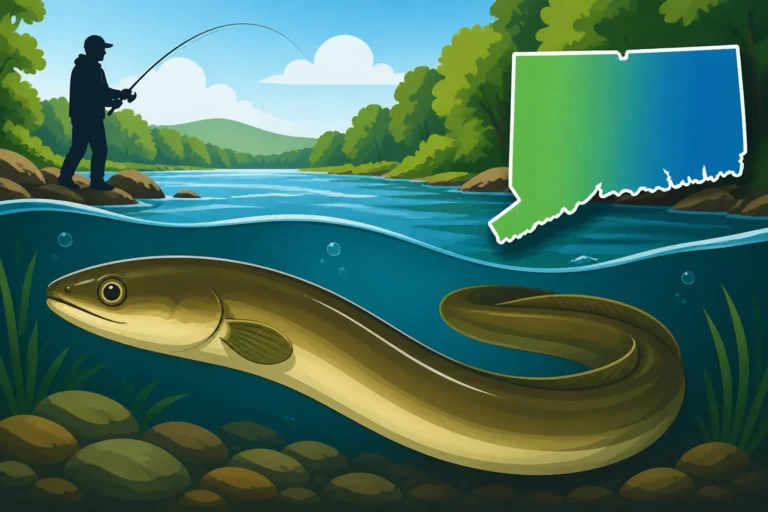
What sea lamprey control means for Connecticut rivers
For anglers and conservationists alike, the sight of a sea lamprey attached to a prized fish can be truly disheartening. These parasitic creatures have a long, complex history in Connecticut's rivers and can wreak havoc on native fish populations if left unchecked. Understanding what sea lamprey control entails and its implications is crucial for appreciating the health and vitality of our cherished waterways and the fishing opportunities they provide. This guide will delve into the challenges posed by sea lampreys, the methods employed to manage their populations, and what these efforts ultimately mean for the future of fishing in Connecticut.
Understanding the Sea Lamprey Problem in Connecticut Rivers
The very mention of "sea lamprey" often conjures up images of a nightmare creature, and for good reason. These ancient, jawless fish are notorious for their parasitic feeding habits, which can severely impact the health and numbers of other fish species in our rivers. Their presence isn't just an ecological curiosity; it's a significant management challenge that directly affects the quality of fishing we experience here in Connecticut.
The Invasive Nature of Sea Lampreys
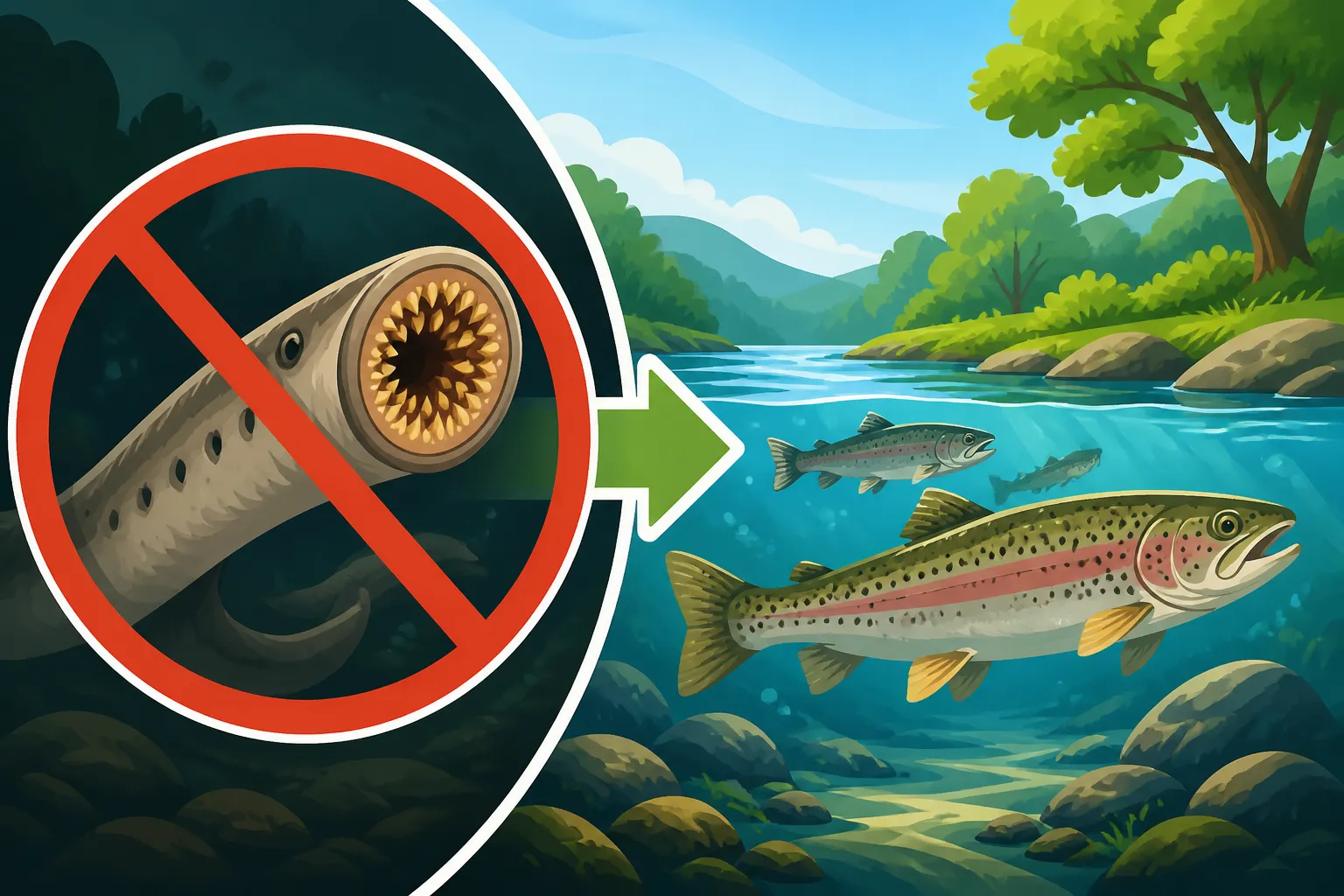
Sea lampreys ( Petromyzon marinus) are not like the fish we typically catch with a rod and reel. They are primitive vertebrates, often described as "living fossils," characterized by their eel-like bodies, lack of scales, and a distinctive round, sucking mouth lined with rows of sharp, horny teeth. While some populations of sea lampreys are native to the Atlantic Ocean and historically migrated into coastal rivers to spawn, their expansion into freshwater systems like the Great Lakes through man-made canals turned them into a devastating invasive species there. In Connecticut, we deal primarily with the anadromous form, meaning they live in the ocean but migrate up freshwater rivers to spawn, much like salmon or shad.
Their life cycle is fascinating yet destructive. After hatching in freshwater rivers, the larval lampreys, called ammocoetes, burrow into the sediment and live as filter feeders for several years – sometimes up to seven or more! These tiny, worm-like creatures are harmless during this stage. However, upon metamorphosis, they transform into their parasitic adult form. They then migrate downstream to the ocean (or large freshwater lakes, in other regions) where they attach themselves to host fish using their suction-cup mouths and rasp away tissue with their tongues, feeding on blood and bodily fluids. After one to two years of parasitic feeding, they return to freshwater rivers to spawn, create their nests, and then die, completing their life cycle. This return to rivers for spawning is the critical window for control efforts in Connecticut.
Why Sea Lampreys are a Threat to Native Fish
The impact of adult sea lampreys on host fish is significant. They don't typically consume an entire fish, but their prolonged feeding weakens their victims, often leading to secondary infections or making them more vulnerable to predators. Imagine a trout, salmon, or even a striped bass carrying a gaping wound from a lamprey attachment – it's a severe handicap. For fish like Atlantic Salmon, which are working to re-establish populations in some of our larger rivers, or our beloved trout species, the added stress and mortality caused by sea lampreys can hinder recovery efforts dramatically.
Beyond the direct harm to individual fish, a high population of sea lampreys can disrupt the entire aquatic ecosystem. They act as a top predator in their parasitic phase, impacting species that are themselves vital parts of the food web. For recreational anglers, this translates directly to fewer fish, smaller fish, and often, scarred fish that aren't as appealing to catch. The economic impact on local tackle shops, charter services, and tourism related to fishing can also be substantial. It's not just about a single fish; it's about the health of the entire fishery that draws so many of us to Connecticut's beautiful rivers. For example, healthy populations of Striped Bass Fishing in Long Island Sound or Trout Fishing in Connecticut depend on limiting sea lamprey impact.
Methods of Sea Lamprey Control in Connecticut
Given the significant threat sea lampreys pose, particularly in systems where native fish are already under pressure, active control measures are essential. Connecticut, often in cooperation with federal agencies and regional bodies, employs a multi-pronged approach to manage sea lamprey populations, focusing on disrupting their life cycle in the freshwater spawning habitats.
Lampricides: A Key Control Tool
One of the most effective and widely used methods for controlling sea lampreys in their freshwater larval stage is the application of targeted chemicals known as lampricides. The primary lampricide used is TFM (3-trifluoromethyl-4-nitrophenol). This chemical is specifically chosen because it targets larval lampreys at concentrations that are generally much lower than those harmful to most other fish species. The idea is to treat specific stretches of rivers where ammocoetes are known to reside in the sediment.
The process is meticulously planned and executed. Before any application, extensive surveys are conducted to identify lamprey larval habitats. Scientists then determine the precise amount and duration of TFM application needed for that specific river section, taking into account water flow, temperature, and other environmental factors. Specialized equipment is used to precisely meter the lampricide into the water, ensuring even distribution and adherence to strict safety protocols. While concerns about any chemical in a waterway are understandable, decades of research and monitoring have shown TFM to be highly effective and, when applied correctly, to have minimal impact on non-target organisms, including game fish and other aquatic life. It's a tool that has proven indispensable in many lamprey-infested waters.
Barriers and Traps: Physical Control Methods
While lampricides target the larval stage, physical barriers and trapping mechanisms are aimed at preventing adult sea lampreys from reaching their spawning grounds or capturing them before they can reproduce. These methods are particularly useful in rivers where lampricide application might be difficult or less effective, or where there's a desire to reduce chemical use.
One common physical control is the use of barriers – essentially small dams or weirs that prevent adult lampreys from migrating further upstream to spawn. Lampreys are not strong jumpers like salmon, so even relatively low barriers can be effective. However, these structures must allow for the passage of other migratory fish like shad and salmon, often requiring "fish ladders" or bypasses that lampreys cannot navigate.
Traps are another vital physical method. These can be integrated into barriers or set up independently in areas where adult lampreys congregate during their spawning runs. Lamprey traps are designed to funnel the migrating adults into a collection chamber from which they can be removed. These trapped lampreys are then typically euthanized, preventing them from spawning. This method has the added benefit of providing valuable data on lamprey populations and their movements. For larger rivers, a combination of barriers and traps can significantly reduce the number of spawning adults, thereby decreasing the next generation of parasitic lampreys.
Integrated Pest Management (IPM) Approach
Effective sea lamprey control in Connecticut, and indeed in most places, doesn't rely on a single solution. Instead, it employs an Integrated Pest Management (IPM) approach. This means combining various strategies – lampricides, barriers, traps, and ongoing monitoring – in a coordinated and adaptive way to achieve the most effective and sustainable results.
The IPM philosophy recognizes that ecosystems are complex and that different tools may be more appropriate for different situations or stages of the lamprey life cycle. For instance, a river might have a section where larval lampreys are abundant and best treated with a lampricide, while further upstream, a natural waterfall or a strategically placed barrier with traps might prevent new adults from entering. Continuous monitoring is a cornerstone of IPM. Scientists regularly survey river sections to detect larval populations, assess the effectiveness of treatments, and identify new spawning areas or migrations. This data-driven approach allows managers to adapt their strategies, refine their methods, and ensure resources are allocated where they will have the greatest impact. It's a dynamic process that requires ongoing research and flexibility. If you're looking for resources to understand IPM principles, many academic texts and guides are available from major booksellers like Amazon.
The Impact of Control Efforts on Connecticut's Ecosystem
The efforts to control sea lamprey populations are not undertaken lightly. They require significant resources, scientific expertise, and careful planning. However, the positive impacts of these control programs on Connecticut's aquatic ecosystems, particularly for our cherished fish species, are substantial and far-reaching.
Benefits for Native Fish Species
When sea lamprey populations are successfully reduced, the benefits for native fish are often immediately apparent. Host fish experience less parasitic pressure, leading to higher survival rates, healthier individuals, and ultimately, more robust populations. For species like brown trout and rainbow trout, which are heavily stocked in many Connecticut rivers and highly sought after by anglers, a reduction in lamprey attacks means they can thrive and grow larger. Rivers that once saw high numbers of scarred fish now show fewer signs of lamprey predation.
This is particularly critical for species that are already vulnerable or undergoing restoration efforts, such as Atlantic Salmon. Every salmon that successfully returns to spawn is vital, and protecting them from lamprey attacks increases their chances of survival and successful reproduction. The positive ripple effect extends beyond game fish. Healthier baitfish populations, which might also be targets for lampreys, contribute to a more balanced food web, supporting all levels of the aquatic community. Anglers will likely notice more active and healthier fish in their favorite spots, from the Farmington River Trophy Trout Stream Rules areas to the smaller wild trout brooks.
Challenges and Controversies
Despite the proven effectiveness of sea lamprey control, the methods are not without their challenges and, occasionally, controversy. The use of lampricides, while highly targeted, can sometimes raise public concern about introducing chemicals into waterways. While scientists go to great lengths to ensure environmental safety, some citizens worry about potential impacts on non-target species or human health. These concerns are addressed through transparent communication, rigorous testing, and continuous monitoring, but they remain a factor in public perception.
Another challenge is the sheer scale and ongoing nature of the problem. Sea lampreys are incredibly prolific, and control efforts require continuous funding and dedicated personnel. It's not a "one-and-done" solution; it's a long-term commitment. Furthermore, the construction and maintenance of barriers and traps can be costly and require careful planning to avoid impeding other beneficial migratory species or altering natural river dynamics in unintended ways. Balancing the needs of lamprey control with broader ecosystem health and other river uses (like recreational boating or angling for other species) is a constant balancing act.
The Future of Sea Lamprey Management
The future of sea lamprey management in Connecticut is likely to continue with an adaptive, integrated approach. Ongoing research into new control technologies, such as pheromone-based attractants or sterile male release techniques, holds promise for potentially supplementing or enhancing current methods. Genetic studies could offer insights into population dynamics and help refine control strategies.
A key aspect of future management will undoubtedly be continued collaboration between state agencies like the Connecticut DEEP, federal partners, and academic institutions. Sharing data, research, and best practices across different regions facing similar lamprey challenges is essential. Public education also plays a vital role. The more anglers and river users understand the "why" behind control efforts, the more support these programs will garner. It's about preserving a healthy, diverse, and productive aquatic environment for generations to come, ensuring the beauty and bounty of rivers like the Housatonic River Fishing Guide and Connecticut River Striped Bass Fishing continue to thrive.
What This Means for Anglers and River Health
For those of us who love to cast a line in Connecticut's waters, the success of sea lamprey control programs directly translates into a better experience. It's not just an abstract ecological concept; it's something you can see and feel when you're out on the water.
Improved Fishing Opportunities
Simply put, fewer sea lampreys mean more fish and healthier fish. When populations of host species like trout, bass, and other game fish are not being constantly attacked and weakened, they have a higher chance of survival and can devote more energy to growth and reproduction. This means you're more likely to encounter larger, more robust fish, and the overall numbers in our rivers can increase. Imagine catching a vibrant, unblemished brown trout from the Farmington River, or a healthy smallmouth bass from the Housatonic – these experiences are enhanced by effective lamprey control.
It also means that the aesthetic quality of your catch improves. No one wants to reel in a fish covered in lamprey scars. By reducing lamprey populations, we ensure that the fish we catch are not only healthy but also beautiful, adding to the satisfaction of a successful day on the water. Furthermore, with healthier fish populations, state agencies can potentially sustain more generous stocking programs or see increased natural reproduction, further bolstering angling opportunities. These efforts contribute to the overall Best Time of Year to Fish in Connecticut by protecting fish throughout their lifecycle.
How Anglers Can Support Control Efforts
As anglers, we have a role to play in supporting these vital conservation efforts. Here are a few ways you can help:
- Report Sightings: If you catch a fish with a sea lamprey attached, or if you observe adult sea lampreys migrating or spawning in a river, consider reporting it to the Connecticut Department of Energy and Environmental Protection (DEEP). Accurate data helps scientists track lamprey movements and identify new areas of concern. Make a mental note of the location, date, and any distinguishing features.
- Understand and Respect Regulations: Familiarize yourself with fishing regulations, especially those pertaining to sensitive areas or species. These regulations are often designed to protect vulnerable fish populations, which indirect lamprey control supports. Always adhere to Connecticut Fishing Regulations Explained.
- Practice Good Stewardship: Engage in responsible angling practices, such as proper catch-and-release techniques when appropriate, to minimize stress on fish. Avoid introducing non-native species, and always properly dispose of bait and tackle to prevent unintended ecological impacts. Your actions on the water contribute to the overall health of the river.
- Educate Yourself and Others: Learn more about the challenges facing Connecticut's aquatic ecosystems, including the sea lamprey issue. Share this knowledge with fellow anglers, friends, and family. The more informed our community is, the better we can collectively advocate for and support effective management strategies. Educational materials, from online articles to books found on Amazon, can be great resources.
Sea lamprey control is an ongoing battle, but it's a battle worth fighting for the health of our rivers and the future of fishing in Connecticut.
Sea Lamprey Control Methods: A Comparison
To provide a clearer picture of the strategies involved, here's a breakdown of the primary sea lamprey control methods and their key characteristics:
| Control Method | Primary Target Life Stage | Mechanism | Advantages | Disadvantages |
|---|---|---|---|---|
| Lampricides (e.g., TFM) | Larval (ammocoetes) | Chemical application in spawning/nursery areas | Highly effective; selective for lampreys; treats wide areas | Public perception concerns; requires precise application; ongoing cost |
| Barriers (Dams, Weirs) | Adult (migrating) | Physical obstruction to upstream movement | Prevents spawning; can be permanent once installed | Can impede other fish; potential habitat alteration; initial cost |
| Traps | Adult (migrating) | Capture adult lampreys during spawning run | Removes adults before spawning; provides data; no chemicals | Labor-intensive; requires monitoring; specific placement needed |
| Integrated Pest Management | All stages | Coordinated use of multiple methods | Most comprehensive and adaptive; maximizes effectiveness | Complex coordination; requires significant research and resources |
Disclaimer
This article is for general informational purposes only and does not constitute professional advice. Laws, prices and regulations vary by location and change over time. Consult a qualified professional for guidance on your specific situation.