Best Techniques for Ice Fishing Pike
The biting cold, the endless expanse of white, and the sheer challenge of coaxing a toothy predator from beneath thick ice can be daunting. Many Connecticut ice anglers spend hours staring at motionless tip-up flags, wondering if there's even a pike down there, or if their approach is all wrong. This comprehensive guide is here to cut through the ice, offering proven techniques and crucial insights to help you successfully target northern pike this winter.
Understanding Connecticut Pike Beneath the Ice
Northern pike are formidable predators, and understanding their behavior during the frigid winter months is the first step to consistently finding and catching them through the ice. They don't just disappear; they adapt, often becoming more predictable in their movements and feeding patterns once stable ice forms.
Pike Behavior in Winter
When the ice locks in Connecticut's lakes and ponds, northern pike undergo a shift in their behavior. Unlike some species that become incredibly sluggish, pike remain active, though their metabolism does slow down. They're still opportunistic hunters, but they tend to conserve energy, often preferring to ambush prey rather than expend great effort chasing it. You'll frequently find them relating to specific structures or areas where baitfish congregate.
During winter, pike often gravitate towards transitional zones – areas where shallow water drops off into deeper basins, or where weed lines meet open water. These spots offer them the best of both worlds: cover for ambush opportunities and access to different depths as conditions change. They're often found patrolling the edges of dense weed beds that still hold oxygen and small fish, or lurking near submerged timber, rock piles, and points that extend into deeper water. Understanding these preferred habitats is critical, as blindly drilling holes across a vast lake will yield far fewer results. Their activity often peaks during certain times of day, too, often aligning with low-light periods like early morning and late afternoon, much like during open water season.
Identifying Pike vs. Pickerel
It's a common mix-up on the ice, especially for newer anglers: distinguishing between a northern pike and its smaller, equally toothy cousin, the chain pickerel. Both are long, predatory fish with similar markings, but knowing which one you've hooked can impact how you handle it and what regulations apply. While you're out there, it’s worth noting that the Fish Species Identification Guide for Connecticut can provide even more detailed visual cues for many species you might encounter.
The easiest way to tell them apart is by the markings on their sides and the scales on their gill covers. Northern pike typically have light spots or bean-shaped markings on a darker green body. Their gill covers are fully scaled on the upper half, but the lower half is typically bare. Chain pickerel, on the other hand, have a distinctive chain-like or reticulated pattern on their sides, and their entire gill cover is usually scaled. Size is another good indicator, though not always foolproof. Pike generally grow much larger in Connecticut waters, often reaching impressive sizes, whereas pickerel rarely exceed 2-3 pounds. If you're wondering, Do Connecticut Lakes Have Northern Pike? is a great resource to confirm which waters hold these larger predators. Knowing the difference not only helps you correctly identify your catch but also ensures you're adhering to specific regulations, as daily limits and size restrictions can vary between species.
Essential Gear for Ice Fishing Pike
Having the right equipment can make or break your ice fishing trip for pike. It's not just about comfort; it's about efficiency, safety, and ultimately, success. From the tools that cut through the ice to the lines that connect you to the fish, every piece of gear plays a vital role.
Tip-Ups and Rods
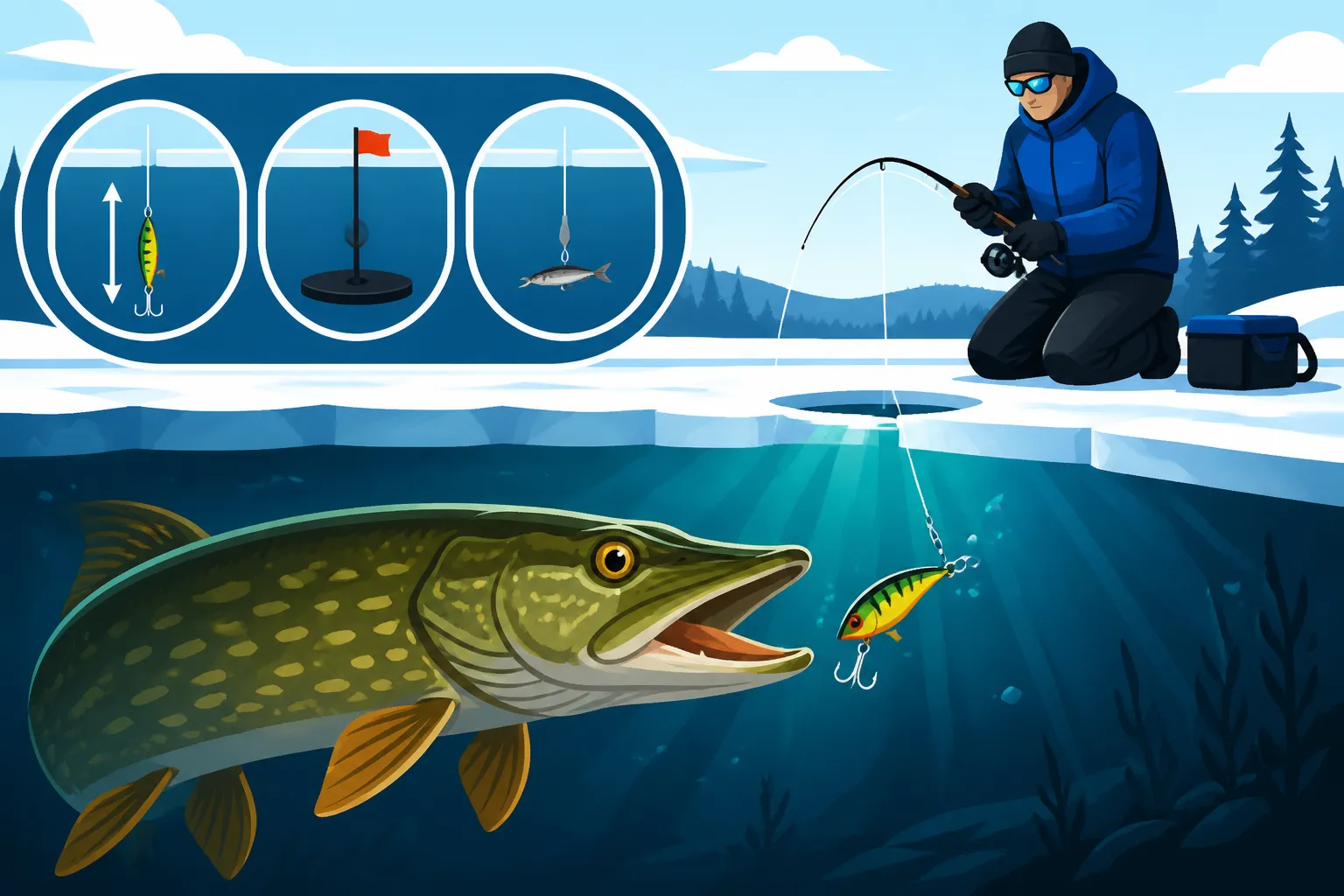
When it comes to ice fishing for pike, tip-ups are often the star of the show, allowing you to cover more water and present multiple baits simultaneously. A standard tip-up consists of a spool of line submerged under the ice and a flag mechanism that springs up when a fish takes the bait, signaling a bite. For pike, you want robust tip-ups that can handle powerful runs and the cold. Look for models with large spools to hold plenty of heavy line (at least 20-30 lb test braided line is common for pike, often with a fluorocarbon or steel leader). Quality brands like Clam, HT Enterprises, and Frabill offer reliable options. You can find a wide selection of these essential tools on Amazon, often with various features like thermal covers to prevent holes from freezing.
While tip-ups are primary, a good ice fishing rod and reel setup is still crucial for jigging or when you want to fight a hooked fish actively. A medium-heavy to heavy power rod, around 30-40 inches long, paired with a smooth spinning reel spooled with 15-20 lb braided line, is ideal. This setup allows you to feel subtle bites when jigging and provides the backbone needed to wrestle a big pike out of the hole. Some anglers even use a dead stick rod—essentially a rod set in a holder with a bait, mimicking a tip-up but allowing for a more direct fight when a flag goes up on an adjacent hole. The versatility of having both tip-ups and a rod allows you to adapt to different pike moods and fishing conditions.
Bait and Lures
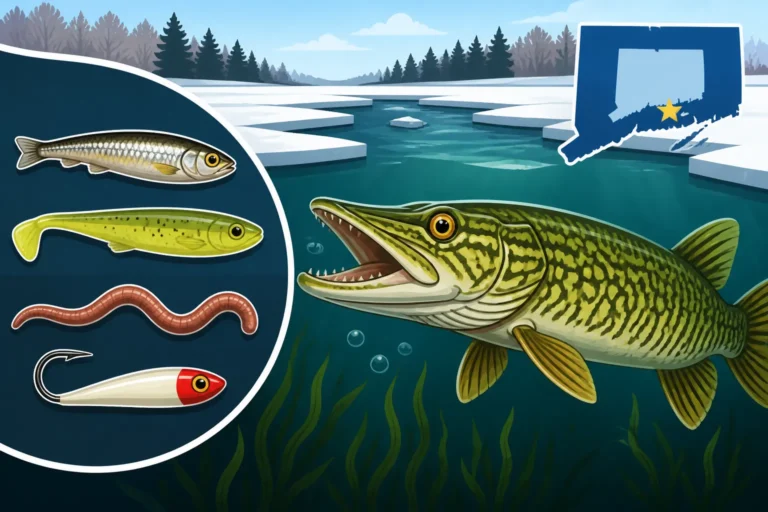
Pike are opportunistic predators, and their diet in winter mainly consists of baitfish. Therefore, live bait is often the most effective choice when ice fishing for these toothy giants. Large shiners, suckers, or even small perch (where legal) are prime choices. The size of the bait matters – don't be afraid to use baitfish in the 4-8 inch range, as pike are looking for a substantial meal to justify the energy expenditure. Presenting live bait just off the bottom or midway through the water column, depending on depth and observed baitfish schools, is key. Always check Connecticut's specific regulations for baitfish use, as rules can vary by water body.
Beyond live bait, various lures can also entice pike, especially when actively jigging. Large jigging spoons, lipless crankbaits, and swimbaits are excellent choices. Spoons in silver, gold, or flashy perch patterns, often tipped with a piece of bait or a scented soft plastic, can be highly effective. The erratic flash and vibration mimic a wounded baitfish, triggering a pike's predatory instincts. When selecting lures on Amazon, consider robust construction and sharp hooks capable of standing up to a pike's jaws. For those targeting smaller chain pickerel, similar lures might be used, but generally on lighter tackle; if you're curious about different tactics, you might want to look into Best jig for winter pickerel through the ice. Remember, the goal is to present something that looks, smells, or moves like a vulnerable prey item.
Electronics and Auger
In modern ice fishing, electronics are no longer a luxury but a vital tool, especially when targeting discerning predators like pike. A portable fish finder (flasher or LCD unit) can give you invaluable real-time information. It shows you the depth, the presence of baitfish, the structure on the bottom, and most importantly, any fish that swim into your sonar cone. This allows you to precisely set your bait at the optimal depth, track fish movements, and even observe their reaction to your jigging presentation. Brands like Vexilar, Humminbird, and Garmin offer excellent ice fishing specific units that are designed to withstand cold temperatures. You can typically find a wide array of these advanced electronics on Amazon, making it easy to compare features and prices.
An efficient auger is absolutely non-negotiable for pike fishing. You'll often need to drill numerous holes to cover prime locations or follow a hot bite, and a dull or inefficient auger can quickly sap your energy and enthusiasm. For pike, you'll want at least an 8-inch auger, preferably a 10-inch, to ensure you can land larger fish without struggling to fit them through the hole. Manual augers are fine for occasional use or thinner ice, but for serious pike fishing on thicker ice, a gas-powered, propane, or electric auger is a game-changer. These powerhouses make drilling multiple holes quick and effortless, allowing you to focus more on fishing and less on labor. Remember, safety first when operating any power tool on the ice.
Prime Locations and Timing for Pike Ice Fishing
Success in ice fishing for northern pike hinges not just on your gear and techniques, but profoundly on where and when you choose to fish. Connecticut offers some fantastic opportunities, but knowing the specifics can drastically improve your odds.
Best Pike Waters
Connecticut might be a smaller state, but it boasts several excellent waters for northern pike, especially during the hardwater season. When planning your trip, consider these proven pike strongholds. Bantam Lake in Litchfield, for instance, is renowned for its large pike population, with many anglers reporting significant catches each winter. Its diverse structure, including extensive weed beds and varying depths, creates ideal ambush points for pike. Another prime location is Winchester Lake, also in Litchfield County, which consistently produces good numbers of pike. Don't overlook the coves and backwaters of the lower Connecticut River, particularly around areas like Haddam and East Haddam, which can hold impressive pike during periods of stable ice. These calmer, shallower sections of the river system provide excellent winter habitat.
Other notable mentions include Pachaug Pond in Voluntown, where pike can be found lurking near weed lines and drop-offs, and even smaller, lesser-known ponds in the northeast and northwest corners of the state that connect to river systems. While venturing out, it's always wise to check Northern Pike Waters in Connecticut for the most current information and to explore new possibilities. Remember, pike thrive in waters with abundant forage, so look for lakes and ponds known to have healthy populations of shiners, perch, and other baitfish. Local tackle shops are often an invaluable resource for up-to-the-minute reports on where the bite is hot. For specific access points on popular lakes, guides like Best ice fishing access on Bantam Lake and Best ice fishing access on Candlewood Lake can be incredibly helpful for planning your day.
Optimal Ice Conditions
Safety should always be your top priority when venturing onto the ice. Understanding optimal ice conditions isn't just about fishing; it's about making sure you come home safe and sound. Generally, a minimum of 4 inches of clear, solid black ice is recommended for walking and ice fishing. However, for a species like pike, which often requires more extensive gear and more holes, a thicker cushion is always better. Many seasoned anglers prefer 6-8 inches of good ice, especially if they're bringing shanties, power augers, or fishing with a group. The ice can vary drastically in thickness even on the same body of water, so always test it as you go, particularly near inlets, outlets, points, or areas with current.
New ice is usually stronger than old ice, and clear ice is much stronger than cloudy or "honeycomb" ice. Snow cover can also insulate the ice, slowing its growth, and can hide weak spots or open water. Early season and late season ice are particularly hazardous. Always use an ice spud bar to test the thickness as you walk, and bring safety gear like ice picks, a rope, and a flotation device. Before heading out, it's always a good idea to consult resources like How thick ice needs to be to fish safely in Connecticut to refresh your knowledge and stay current on conditions. Never assume the ice is safe just because others are out there; always verify for yourself.
Time of Day and Season
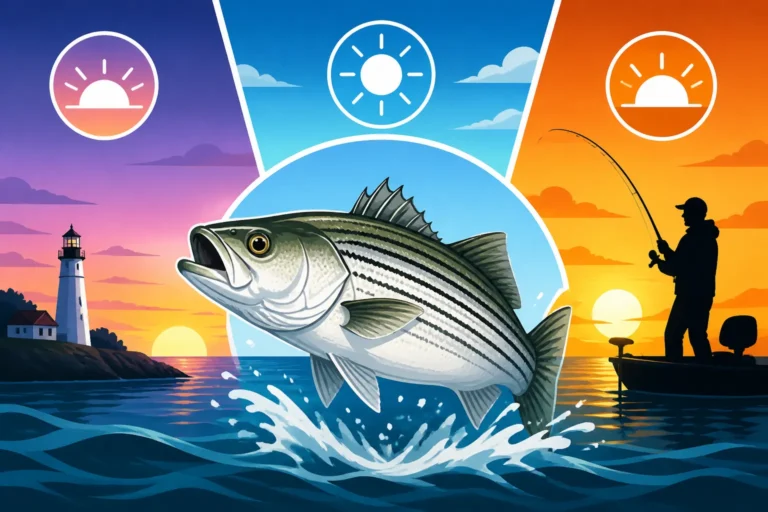
Just like open water fishing, the time of day and the overall season can significantly influence pike activity under the ice. Generally, the best action for pike often occurs during the low-light periods of dawn and dusk. These are typically prime feeding times when baitfish are more active, and pike are more inclined to move and hunt. Setting up your tip-ups an hour before sunrise and fishing until an hour or two after, then repeating the process in the late afternoon, often yields the most flags. Mid-day can be productive, especially on overcast days or if you're actively jigging and moving, but the bites tend to be less frequent.
The "season" of ice fishing also plays a role. Early ice, when 4-6 inches of good, solid ice has just formed, can be phenomenal. Pike are often still in their fall patterns, aggressively feeding before their metabolism fully slows, and they can be found in shallower weed beds. Mid-winter can be tougher, as pike may become more lethargic and suspend in deeper water, often requiring more patience and subtle presentations. Late ice, just before spring thaw, can see a resurgence in activity as pike begin to stage for spawning, often moving into shallower bays and coves. However, late ice is also the most dangerous due to rapidly deteriorating conditions. Always be aware of the daily conditions and heed warnings from the Connecticut DEEP.
Proven Techniques for Success
Once you’ve got your gear and you know where to go, it's time to talk tactics. Ice fishing for pike isn't just about waiting; it's about strategy, presentation, and knowing how to respond when that flag flies.
Setting up Tip-Ups
The art of setting up tip-ups for pike is a blend of science and intuition. The goal is to maximize your chances by covering prime locations effectively. A common strategy is to spread your tip-ups across different depths and structural elements within a known pike area. For example, if you're fishing a point, place one tip-up on the shallow flat, another along the drop-off, and one in deeper water. If there's a weed line, place tip-ups both on the edge and within pockets in the weeds. This allows you to pinpoint where pike are holding on a given day. Remember, per Connecticut Fishing Regulations Explained, you’re allowed a certain number of tip-ups, so make each one count.
When deploying your tip-ups, set your bait at varying depths. Some pike might be cruising just under the ice, while others might be hugging the bottom. A good starting point is to suspend your live bait 1-3 feet off the bottom or just above any visible weed tops. Ensure your bait is lively and unobstructed. The leader choice is also paramount: a strong fluorocarbon leader (40-60 lb test) or a bite-proof steel leader (often 30 lb test or more) is essential to prevent a pike's sharp teeth from cutting your line. Hooking a pike on light line only to lose it to a bite-off is a frustrating experience many anglers can relate to, especially after braving the cold for hours. After setting, pay attention to which depths and locations are getting the most action, and adjust your other tip-ups accordingly.
Jigging for Pike
While tip-ups excel at presenting passive live bait, active jigging can be incredibly effective, especially when pike are hesitant or when you're trying to locate them quickly. Jigging involves using a short rod to vertically present and work a lure through the ice. The movement and flash generated can trigger aggressive strikes from curious or hungry pike. This is where your fish finder truly shines; you can observe your lure's presentation and any fish reacting to it in real-time.
Effective jigging techniques for pike often involve large spoons, lipless crankbaits, or even substantial soft plastics rigged on heavy jig heads. The retrieve should vary – sometimes a steady lift-drop motion works, mimicking a wounded baitfish, while other times a more aggressive series of snaps and pauses is necessary to draw a strike. Don't be afraid to experiment with retrieve speed and cadence. Many anglers will "pound" the bottom briefly to stir up sediment, attracting attention, before lifting their lure. Remember to pause frequently, as pike often strike on the fall or during a moment of stillness when the lure appears vulnerable. Actively jigging can be a great way to warm up and stay engaged, especially on slower days, and it allows for a more direct and exciting fight once a pike commits.
Using Scent and Sound
Pike, like many predators, rely heavily on their senses to locate prey, even under a layer of ice. Incorporating scent and sound into your presentation can give you a distinct advantage, especially on tough days when fish are less active. For live bait on tip-ups, the natural scent of the baitfish is often enough, but some anglers enhance this by nicking the baitfish slightly to release more blood and scent. There are also various commercially available scent attractants, often in gel or spray form, that can be applied to both live bait and artificial lures. These can mask human odors and add an enticing aroma that draws pike in from a distance.
Sound, too, plays a crucial role. Many jigging lures, such as rattling spoons or lipless crankbaits, incorporate internal rattles designed to create noise under the water. This sound travels surprisingly well through the water column and can attract the attention of pike, drawing them to investigate. When actively jigging, consider varying the intensity of your jigging motions to create different sound profiles. Sometimes a heavy thump on the bottom can send vibrations through the water, alerting distant pike. Similarly, if you're using dead bait on a tip-up, occasionally giving the line a gentle tug can impart some movement and release more scent, acting as an extra invitation.
Safety First on the Ice
Ice fishing is a fantastic winter pastime, but it carries inherent risks. Being prepared and prioritizing safety is not just good practice; it's absolutely essential. Ignoring ice safety can turn a fun day into a life-threatening situation faster than you can say "pike on!"
Ice Thickness and Quality
The golden rule of ice fishing is: "No ice is 100% safe." You must constantly evaluate the ice thickness and quality. As mentioned before, a minimum of 4 inches of clear, solid black ice is generally considered safe for walking alone. For groups or if you're bringing an ice shanty or ATV, you need significantly more – 6-8 inches for small groups, and 12-15 inches for snowmobiles or ATVs. But thickness is only part of the equation. The quality of the ice is just as important. Clear, solid "black ice" that forms from a quick freeze of still water is the strongest. "White ice" or "snow ice," which forms from frozen slush or snow, is much weaker, often only half the strength of clear ice.
Always be wary of areas around inlets, outlets, currents, springs, or aerators, as these spots will almost always have thinner or compromised ice. Sun-exposed areas, especially during late season, can also thin quickly. Carry a spud bar or an auger to drill test holes as you walk, checking the ice every 10-20 feet when moving into new areas. Look for cracks, open water, or areas where the ice color changes drastically. It's a smart idea to carry a length of rope and a set of ice picks around your neck, so they're easily accessible if you do fall through. And remember, conditions can change rapidly. What was safe in the morning might not be safe in the afternoon. For detailed guidance, the Connecticut Cold Water Life Jacket Rule October to May is a critical read, as life jackets are often overlooked but can be life-savers.
Emergency Preparedness
Beyond knowing ice thickness, being prepared for an emergency is crucial. Even on seemingly safe ice, accidents can happen. Always inform someone of your fishing plans: where you're going, who you're with, and when you expect to return. This "float plan" is a simple yet effective way to ensure help can be dispatched if you don't check in. Dress in layers, avoiding cotton, which loses its insulating properties when wet. Wool and synthetic materials are much better choices for staying warm and wicking moisture. A full change of clothes stored in a waterproof bag in your vehicle is also a good idea.
In addition to ice picks and rope, a whistle or air horn can help alert others if you're in trouble. A fully charged cell phone (stored in a waterproof case) is also essential for calling for help. If you're fishing in a remote area, consider bringing a portable shelter with a heater for warmth and a first-aid kit. Understanding basic first aid for hypothermia is also a valuable skill. If you do fall through, the immediate instinct is to panic, but try to remain calm. Use your ice picks to pull yourself onto the solid ice, kicking your feet for propulsion. Once out, roll away from the hole to distribute your weight, and immediately seek warmth and dry clothing. Remember that Connecticut ice shanty registration rules exist for a reason – shanties provide shelter but also need to be properly marked for safety.
Advanced Tips for Trophy Pike
While basic techniques will get you fish, if you're truly after those elusive trophy pike – the ones that make your friends' jaws drop – you'll need to elevate your game with some more refined strategies.
Scouting and Hole Hopping
Blindly drilling holes is a recipe for mediocrity. Trophy pike, by their very nature, are not everywhere; they occupy specific, often subtle, areas that provide optimal hunting grounds. Advanced anglers dedicate significant time to scouting. This starts even before ice forms, by studying bathymetric maps (contour maps) of lakes to identify key structures: deep weed edges, sudden drop-offs, underwater humps, rock piles, and submerged timber. Pay attention to pinch points, narrow areas, or channels that funnel baitfish. These are natural ambush zones for large pike.
Once on the ice, don't be afraid to be mobile. This is where "hole hopping" comes into play. Instead of settling in one spot, drill a series of holes along a promising structure or depth contour. Use your fish finder to quickly scan each hole for baitfish activity or the presence of pike. If a hole isn't showing signs of life after a short period (say, 15-20 minutes of active jigging or a tip-up set for 30 minutes), move to the next. The faster you can eliminate unproductive water and find the fish, the better your chances of encountering a trophy. This proactive approach, rather than passively waiting, significantly increases your odds, especially on those challenging mid-winter days.
Reading Structure
Successful pike ice fishing, particularly for larger specimens, is less about luck and more about understanding the underwater landscape. Pike are highly structure-oriented, using features as ambush points and resting areas. Therefore, "reading the structure" of a lake beneath the ice is paramount. This involves not just knowing where the obvious weed beds are, but understanding how they relate to depth changes, bottom composition, and current. Look for subtle variations – a small point extending into a bay, a slight depression in the bottom, or an isolated clump of weeds.
Utilize your electronics to not only mark fish but to interpret the bottom. A good fish finder can show you the transition from soft mud to hard bottom, or the precise depth of a submerged tree. Pike will often position themselves on the "downcurrent" side of a point or hump, waiting for baitfish to be swept past. They also love vertical structure, so if you find standing timber or significant rock formations, you've likely found a pike haven. Understanding these nuances allows you to place your baits precisely where a trophy pike is most likely to be holding, rather than just in the general vicinity. This intimate knowledge of the lake's topography, often built over years of experience and careful observation, truly separates the casual angler from the consistent trophy hunter.
Handling and Releasing Big Pike
Catching a trophy pike through an ice hole is an exhilarating experience, but the fight doesn't end when the fish is at the hole. Proper handling and, often, careful release are critical for the fish's survival and for ensuring future generations of big pike. Pike are notoriously strong, and their sharp teeth and gill plates can cause serious injury if not handled correctly. Always use a proper landing tool, such as a large gaff (if keeping the fish) or a strong, long-handled net designed for ice fishing. If you're planning a catch-and-release, a pair of long-nosed pliers or jaw spreaders is indispensable for safely removing hooks.
Once the pike is at the hole, try to slide it headfirst onto the ice. Avoid simply yanking it out, which can damage its internal organs, especially in sub-freezing temperatures. If it's a true trophy and you want a photo, be quick. Support the fish horizontally with two hands – one under the belly and one near the tail – to protect its spine. Avoid holding it vertically by the gills or jaw. For hook removal, use those pliers to gently back out the hook. If the fish is deeply hooked, it's often better to cut the line as close to the hook as possible rather than tearing vital tissues. Gently slide the pike back into the hole, headfirst, and if possible, hold it upright in the water for a moment until it swims away under its own power. Conservation-minded anglers understand that a quick, safe release ensures that magnificent fish can be caught again, perhaps even larger.
Disclaimer
Please be aware that fishing regulations in Connecticut, including those related to ice fishing and specific species like northern pike, can change. Always consult the latest official Connecticut Department of Energy and Environmental Protection (DEEP) fishing guide and regulations prior to your trip to ensure compliance. This article is intended for informational purposes only and does not constitute legal advice. Safety on the ice is paramount; always exercise extreme caution and never take unnecessary risks.