Black Sea Bass Habits in Connecticut Waters
It's a common frustration for anglers in Connecticut to hear whispers of a great bite, only to find themselves scratching their heads, wondering where the fish actually are. Black sea bass, in particular, can be elusive if you don't understand their patterns. This guide will dive deep into the fascinating habits of black sea bass in Connecticut waters, from their preferred hideouts to their seasonal migrations, giving you the insights you need to consistently find and catch these delicious and hard-fighting fish.
Understanding Black Sea Bass in Connecticut Waters
Black sea bass are truly a gem of the Long Island Sound and its surrounding waters. They're a species that brings a lot of excitement to the table, both for the fight they put up on the line and for how utterly delicious they are when they end up on your dinner plate. But before we get into the nitty-gritty of catching them, let's get a good grasp on who these fish are and why they’ve become such a beloved target for so many anglers along the Connecticut coast.
What Exactly Are Black Sea Bass?
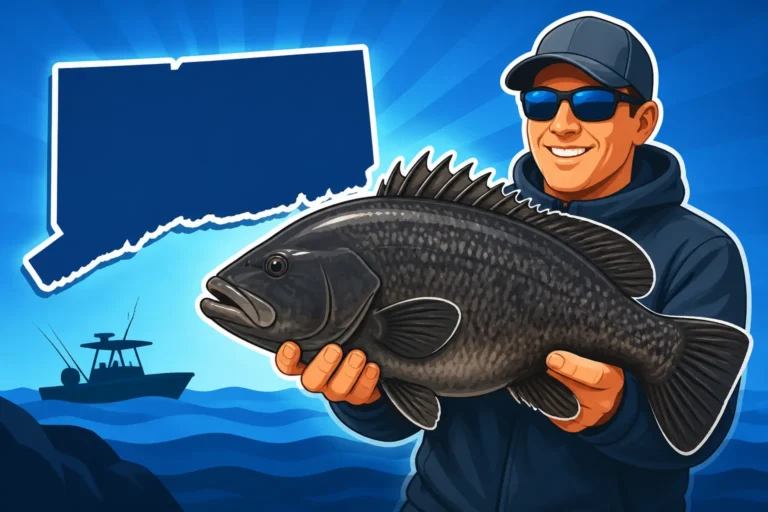
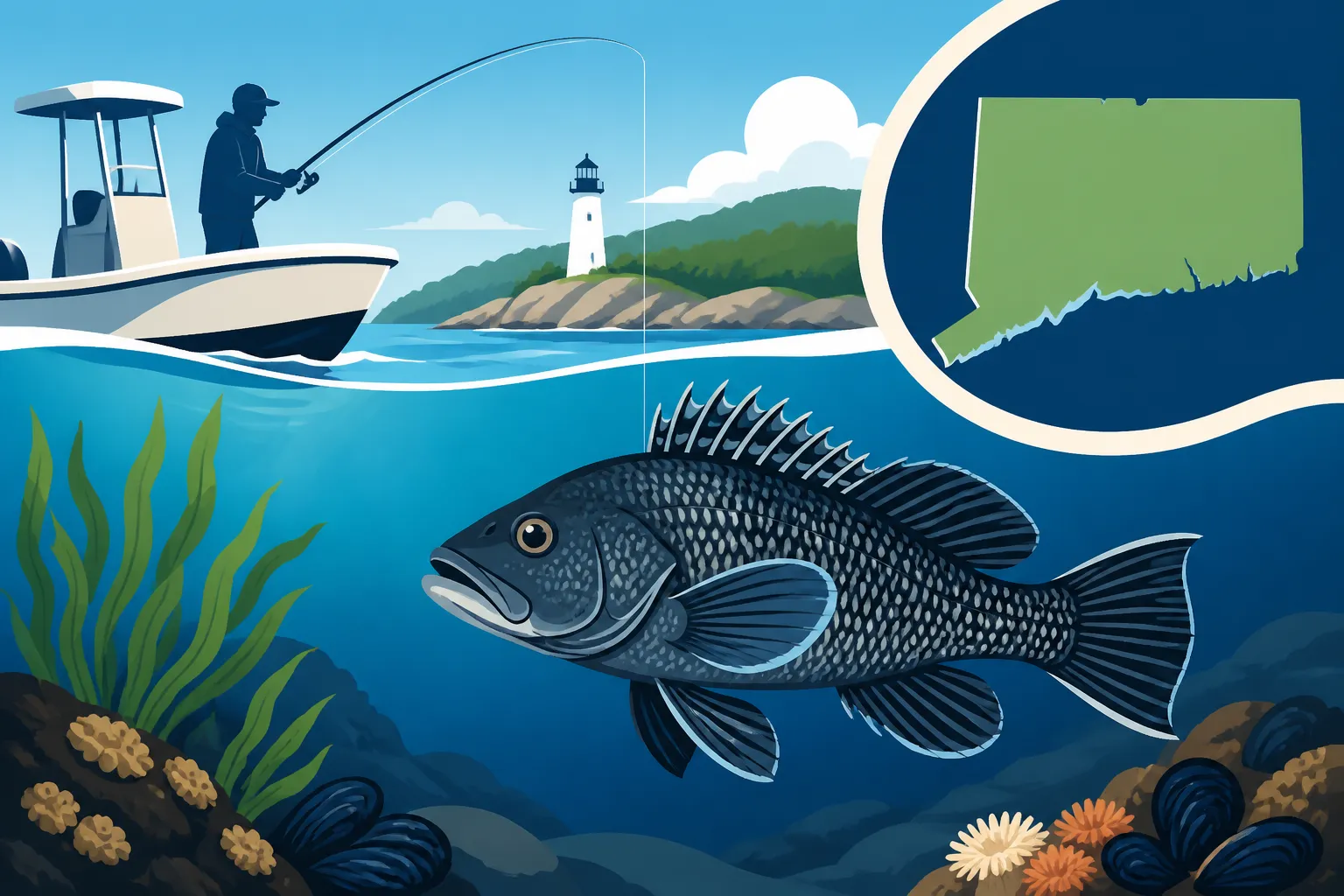
Often referred to simply as "sea bass" by local anglers, Centropristis striata are part of the temperate bass family. They're a distinct-looking fish, typically sporting a dark, mottled brown to black coloration, which helps them blend seamlessly into their rocky and structured habitats. What often stands out on an adult black sea bass, especially the males, is the prominent hump on their head – a sort of "nuchal hump" that becomes more pronounced with age and during spawning season. Their fins can have a beautiful iridescent blue tint, adding a splash of color to their otherwise dark appearance.
You'll also notice their large, expressive eyes and a mouth designed for snapping up crustaceans and small baitfish. While they might not grow to the gargantuan sizes of some other offshore species, a large black sea bass, often called a "knothead" or "hubcap," is a formidable catch. These larger specimens generally have a more pronounced hump and can be quite chunky, indicative of their age and dominant status within their schools. Identifying them correctly is key, especially since Connecticut Saltwater Fishing Regulations by Species can vary between similar-looking species.
Why They're a Popular Target for Anglers
There are a few key reasons why black sea bass hold such a special place in the hearts of Connecticut anglers. First and foremost is their incredible table fare. Their white, flaky meat is mild, sweet, and firm, making them a favorite for grilling, baking, or frying. Many consider them one of the best-eating fish in the Sound, often preferring them over other local species. This reputation alone makes them a prized catch, turning a successful day of fishing into a delicious meal.
Beyond their culinary appeal, black sea bass are known for being tenacious fighters, especially on light tackle. When you hook into one, expect a vigorous head-shaking battle as they try to dive back into the structure they call home. This strong fight, combined with their willingness to strike a variety of baits and lures, makes them incredibly fun to pursue. Whether you're a seasoned veteran or new to saltwater fishing, the thrill of reeling in a feisty black sea bass is undeniably satisfying. They also tend to congregate in good numbers, so once you find a school, you can often enjoy consistent action, which is always a bonus for a day out on the water.
Where to Find Black Sea Bass: Habitat Preferences
Black sea bass are creatures of structure, plain and simple. If you want to find them, you need to think like a sea bass and look for places that offer protection, ambush points, and a ready supply of food. In Connecticut, this means focusing on specific types of underwater real estate that provide these essential elements. They won't just be hanging out in open, featureless sand; they're always near something.
Rocky Reefs and Ledges: Prime Real Estate
When most seasoned anglers talk about targeting black sea bass, the first thing that often comes to mind are rocky reefs and natural ledges. These aren't just random piles of rocks; we're talking about complex underwater topography that features a mix of boulders, crevices, and sharp drop-offs. Imagine a bustling underwater city, complete with hiding spots, highways for currents, and plenty of dining options. These intricate structures provide black sea bass with everything they need: protection from predators, shelter from strong currents, and perfect ambush points to snatch unsuspecting prey.
Connecticut’s section of Long Island Sound Fishing Guide is dotted with these natural formations, often remnants of ancient geological activity. Anglers who spend time studying nautical charts, using sophisticated sonar, or even just asking local bait shops for tips on "broken bottom" areas will be on the right track. These areas act as magnets for various marine life, including crabs, shrimp, and smaller baitfish, which form the cornerstone of the black sea bass diet. The more complex the reef system, the more likely it is to hold a significant population of these opportunistic feeders.
The depth at which you'll find them on these reefs can vary dramatically throughout the season. In the cooler waters of late spring or early summer, they might be shallower, maybe 20 to 40 feet. But as the summer sun heats the inshore waters, they'll often retreat to the deeper, cooler sections of these reefs, sometimes down to 80-100 feet or more. It’s a constant quest for optimal water temperature and food availability. Successfully fishing these areas often involves precise boat positioning and understanding how the current interacts with the structure to present your bait or lure effectively.
Wrecks and Artificial Reefs: Man-Made Havens
Beyond natural rock formations, man-made structures provide equally attractive habitats for black sea bass. Shipwrecks, both historical and more recent, are incredible fish magnets. These underwater hulks create massive amounts of vertical and horizontal structure, offering countless hidey-holes and complex current patterns that concentrate bait. Think of a wreck as a pre-built, multi-level condominium for fish, attracting a diverse array of species, with black sea bass often being among the most dominant residents.
Connecticut has several designated artificial reef sites, created through the sinking of various materials like old bridge sections, concrete structures, and even old barges. These initiatives by the state's environmental agencies aim to enhance marine habitat and fishing opportunities. These artificial reefs are essentially purpose-built structures designed to mimic natural reefs, quickly becoming colonized by algae, barnacles, and mussels, which in turn attract a food chain up to the black sea bass. Locating these sites often requires good GPS coordinates, which are sometimes publicly available or can be obtained through local fishing forums and guides.
Fishing these wreck and reef sites can be incredibly productive, but it also comes with its challenges. The snag potential is incredibly high, so anglers often go prepared with extra tackle. Specialized tackle, like heavier sinkers, braided line, and robust hooks, which you can easily find on platforms like Amazon, are often necessary to effectively fish these snag-ridden environments and wrestle a strong sea bass out of its home. The key is to get your offering right down into the heart of the structure where the fish are holding, without getting perpetually hung up.
Shellfish Beds and Drop-offs: Food and Shelter
While rocky structures and wrecks are undeniably prime real estate, black sea bass also frequent other types of bottom topography, especially those offering abundant food. Shellfish beds, particularly those comprised of mussels, oysters, or clams, are rich feeding grounds. These beds aren't always hard, rocky bottom; they can be areas of mixed sand and mud with a high concentration of shellfish. The sea bass are drawn to these areas not just for the shellfish themselves, which they readily consume, but also for the crabs, shrimp, and other small invertebrates that thrive in these rich ecosystems.
Drop-offs, whether steep or gradual, are another critical habitat. A drop-off creates a current break, which fish love. It allows them to sit just out of the main current flow, conserving energy, while waiting for food to be swept by. These transitions in depth often mark the edges of different habitats, such as a sandy flat meeting a rocky patch, or a shallow bay dropping into a deeper channel. These "edge habitats" are incredibly productive because they offer the best of multiple worlds, attracting a wider variety of prey.
Fishing these areas effectively often means paying close attention to your boat’s depth sounder and understanding the local tides and currents. As the tide changes, the fish might reposition themselves along the drop-off to take advantage of new current flows or bait movements. Using jigs or bottom rigs that allow you to maintain contact with the bottom, even in varying depths, is crucial. Many anglers will drift these drop-offs, slowly covering ground until they pinpoint a school of fish. It's a slightly different approach than anchored reef fishing, but equally effective when you understand the bottom contours and the fish's feeding patterns.
Seasonal Movements and Migration Patterns
Understanding the seasonal movements of black sea bass is absolutely crucial for any angler hoping to consistently find them. These fish aren't static residents; they undertake significant migrations throughout the year, driven primarily by water temperature and their reproductive cycle. Knowing when they arrive, where they tend to hold, and when they start to head out can make all the difference in your fishing success.
Spring Arrival: Warming Waters Bring Them In
As winter’s chill finally begins to recede and the waters of Long Island Sound slowly warm up, anglers eagerly anticipate the arrival of black sea bass. Typically, their migratory journey into Connecticut waters begins in late spring, usually around April or early May, though the exact timing can fluctuate based on how quickly the water temperatures rise. These fish spend the colder months offshore in deeper, more stable thermal environments, but as their inshore foraging grounds become hospitable again, they make their push.
Initially, when they first arrive, black sea bass tend to be found in slightly shallower, more accessible depths compared to later in the season. They're often focused on feeding aggressively after their long journey, replenishing their energy stores. Early season hotspots often include prominent rocky points, shallow wrecks, and the edges of major channels where current helps to concentrate baitfish. This period can be incredibly productive, as the fish are hungry and often less wary than they might become later in the summer when fishing pressure increases.
Anglers targeting these early arrivals should pay close attention to water temperature readings. Once the water consistently hits the low to mid-50s Fahrenheit, you can expect the first waves of black sea bass to start showing up. This is also a good time to check local regulations like Black Sea Bass Regulations for 2026, as seasons and limits can vary and often kick off in the spring. Many anglers use smaller jigs or natural baits during this cooler period, focusing on precise presentations to entice a strike from these newly arrived, eager feeders.
Summer Stays: Spreading Out Along the Coast
By early to mid-summer, the black sea bass population in Connecticut waters is usually at its peak. The fish have fully dispersed from their initial arrival points and are now widely distributed throughout suitable habitats across Long Island Sound Fishing Guide. The warmer water temperatures encourage them to spread out more, and they can be found across a broader range of depths and structures. This is when the fishing can be truly fantastic, offering consistent action for those who know where to look.
During the height of summer, black sea bass will inhabit everything from inshore rock piles in 20 feet of water to deeper wrecks and reefs in 80-100 feet or even more. Their distribution often correlates with the availability of food and cooler, oxygenated water. While they'll still be heavily concentrated around prominent structures, you might find smaller schools or individual fish exploring more varied bottom types, especially near shellfish beds or areas of mixed rubble. The key is to keep exploring different depths and structures, as their preferred locations can shift day-to-day based on current, bait movements, and temperature.
This is also the time when larger "knothead" sea bass are frequently caught, as they’ve had ample opportunity to feed and grow. When you're out on a charter, like those mentioned in Best Black Sea Bass Charters in Connecticut, the captains will often have a wealth of numbers for various reefs and wrecks, allowing them to move around and stay on top of the best bite. The summer months offer the most consistent fishing, but it also means more boat traffic and fishing pressure, so adapting your tactics and being willing to explore is essential.
Fall Departure: Heading Offshore for Winter
As the long, warm days of summer give way to the crisp air of autumn, the black sea bass begin their annual reverse migration. This is a fascinating period for anglers, as the fish start to concentrate in specific areas before making their final push offshore to deeper wintering grounds. The fall bite can be incredibly productive, with many anglers reporting some of their largest black sea bass catches during this transition.
Starting in late September and continuing through October and into November, black sea bass will gradually move from shallower, inshore areas towards deeper water. They often stage up on larger, more prominent offshore reefs, wrecks, and ledges, forming dense schools. This aggregation is driven by both cooling water temperatures and the instinct to prepare for their offshore migration. They feed heavily during this time, gorging on crabs, squid, and baitfish, building up fat reserves for the winter ahead.
This pre-migration feeding frenzy can lead to some truly epic fishing days. Anglers often find larger fish in these concentrated schools, and multiple hookups are not uncommon. However, as the water continues to cool into late fall, the fish will eventually make their final departure, heading to their deeper, offshore winter habitats. The season for Black Sea Bass Fishing in Connecticut typically extends well into the fall, allowing for excellent opportunities right up until the last possible moment, but knowing when they’ve truly moved out requires staying attuned to local reports and water temperatures.
Black Sea Bass Diet and Feeding Habits
Black sea bass are not picky eaters, which is great news for anglers! They are opportunistic predators with a diverse diet, and understanding what they like to eat, and how they go about getting it, is key to choosing the right bait and presentation. Their feeding habits are closely tied to the available forage in their structured environments.
Opportunistic Predators: What's on the Menu
If it's small enough to fit in their mouth and lives on or near the bottom, a black sea bass will likely eat it. Their diet is incredibly varied, making them very adaptable. The cornerstone of their diet, however, is crustaceans. Crabs, particularly Jonah crabs, rock crabs, and hermit crabs, are a huge favorite. If you've ever cleaned a black sea bass, you've probably found tell-tale remnants of crab shells in their stomachs. Shrimp are another prime target, especially grass shrimp and larger marine shrimp that frequent rocky areas and weed lines.
Beyond crustaceans, black sea bass also have a strong appetite for small baitfish. Sand eels, silversides, juvenile scup, and even small mackerel can all end up on the menu, particularly when these baitfish schools are abundant around the reefs and structures where sea bass reside. They also consume squid, especially during certain times of the year when squid are present in Long Island Sound. This varied menu is why both natural baits like squid strips, clam, and chunks of fish, as well as artificial lures resembling crabs or baitfish, are effective. You can find a wide array of specialized bait rigs and jigs designed for these varied diets on platforms like Amazon.
Interestingly, black sea bass will even consume worms and other small invertebrates found clinging to structure or burrowing in the soft bottom surrounding their haunts. This broad dietary preference means that anglers have a lot of options when it comes to bait. The trick is to match the hatch, so to speak – if there's a strong presence of sand eels, a slender jig might be best. If crabs are abundant, a chunk of clam or a crab imitation could be more effective. Knowing What Black Sea Bass Eat Around Wrecks and Reefs directly informs your bait choices.
Foraging Strategies: How They Hunt
Black sea bass are primarily ambush predators, perfectly adapted to their structured environments. They don't typically chase prey over long distances in open water. Instead, they utilize the nooks, crannies, ledges, and overhangs of reefs and wrecks as their hunting grounds. They'll often sit tucked into a piece of structure, camouflaged by their dark coloration, waiting patiently for an unsuspecting crab, shrimp, or small fish to swim by. Once prey is within striking distance, they dart out with surprising speed, engulfing it with their strong jaws.
Their keen eyesight and lateral line system make them highly effective hunters, even in low light or turbid conditions. They can detect vibrations and movements in the water, alerting them to nearby prey. When feeding aggressively, a school of black sea bass can create a frenzy around a baitball or a rich patch of crustaceans, snapping up everything in sight. This aggressive feeding behavior is what makes them such a popular target for jigging, where the angler mimics an injured baitfish or a darting crustacean.
Another common foraging strategy involves patrolling the edges of structures and drop-offs. Here, they take advantage of currents that sweep food past them. By positioning themselves in a current break, they expend less energy while having a constant stream of potential meals delivered to them. This is why drifting over structured bottom and along channel edges can be so productive; you're essentially presenting your bait or lure in a way that mimics how their natural food sources would move through the water. Understanding these foraging behaviors is central to developing effective tactics, whether you're using bait or artificials.
Reproduction and Life Cycle in Connecticut
The life cycle of black sea bass, particularly their reproductive habits, is a fascinating aspect of their biology that directly impacts their populations and our ability to sustainably fish for them. In Connecticut waters, understanding when and where they spawn helps us appreciate the importance of fishing regulations and conservation.
Spawning Season: The Annual Cycle
The spawning season for black sea bass in Connecticut typically kicks off in late spring to early summer, generally from May through July, though it can extend slightly earlier or later depending on water temperature. During this period, the fish move into shallower, nearshore waters, often congregating over rocky bottoms, shell beds, and artificial reefs where conditions are ideal for reproduction. The males develop more vibrant colorations and their characteristic nuchal hump becomes even more pronounced, acting as a display to attract females.
Black sea bass are known for being protogynous hermaphrodites, which means they can change sex during their lifetime. They typically begin their lives as females and then, later in life, transition to males. This unique reproductive strategy influences their population dynamics and makes management a bit more complex. Larger, older fish are almost always male, which means selective harvesting of the biggest fish can potentially impact the male-to-female ratio and, consequently, reproductive success.
During spawning, females release eggs into the water column, which are then fertilized by males. The eggs are pelagic, meaning they float freely in the water, drifting with the currents. This dispersal mechanism ensures that new generations can settle in diverse habitats. Understanding the timing of this crucial annual event is why regulations, like those found in Connecticut Fishing Regulations Explained, often include closed seasons or specific limits during peak spawning times to protect the breeding stock and ensure future generations of black sea bass.
Growth and Longevity: From Larva to Lunker
Once fertilized, black sea bass eggs hatch into tiny larvae, no bigger than a speck of dust. These larvae drift as plankton for a period, feeding on microscopic organisms, before developing into juvenile fish. The juveniles then settle into structured habitats, often utilizing shallower, inshore areas like eelgrass beds, small rock piles, or even dock pilings as nursery grounds, where they can find protection and abundant food. This early life stage is critical, and survival rates are influenced by environmental factors like water quality, food availability, and predator presence.
Black sea bass are relatively fast-growing compared to some other long-lived marine species, but their growth rate slows down as they age. They typically reach sexual maturity within 1-2 years, at a size of around 7-10 inches. A "keeper" size fish in Connecticut often means they are at least 15 inches, representing a few years of growth. The largest black sea bass, often the old "knotheads" or "hubcaps," can live for over 10 years, reaching impressive weights. You can find out more about the largest specimens in Connecticut State Fish Records by Species.
The size and age of black sea bass can vary significantly between different populations and depending on environmental conditions. A healthy black sea bass population exhibits a good mix of age classes, from small juveniles to large, mature adults. Sustainable fishing practices, including size limits, bag limits, and seasonal closures, are designed to protect these different age classes, particularly the breeding stock, ensuring that there are enough fish to reproduce and maintain a robust population for years to come. This focus on managing for growth and longevity is crucial for keeping black sea bass a healthy and accessible fishery in Connecticut.
Angling Considerations and Conservation Efforts
Successfully targeting black sea bass in Connecticut isn’t just about knowing where they live and what they eat; it’s also about employing the right techniques and understanding the importance of responsible fishing. As an increasingly popular species, conservation efforts play a huge role in ensuring their continued abundance.
Best Times and Tactics for Black Sea Bass
To consistently catch black sea bass, you'll want to focus your efforts during their peak seasons in Connecticut: late spring, summer, and fall. The specific dates can vary, so always refer to the most current Connecticut Fishing Season Dates and Closures. For tactics, the most effective methods revolve around getting your offering right to the bottom and into the structure where they live.
One of the most popular and effective methods is jigging. This involves using heavy jigs, often between 1-4 ounces, depending on the current and depth. Metal jigs, bucktail jigs, or even soft plastic baits rigged on a jig head work exceptionally well. The technique involves dropping the jig to the bottom, then imparting a retrieve that mimics a fleeing baitfish or scuttling crab – a series of sharp lifts and drops. Black sea bass are aggressive, and they'll often strike the jig on the fall or when it's just off the bottom. Manufacturers like Daiwa and Shimano offer excellent jigging rods and reels, and you can stock up on a variety of jigs and terminal tackle from retailers such as Amazon.
Bait fishing is another highly effective method, especially for those who prefer a more relaxed approach. Standard two-hook bottom rigs, often called "high-low" rigs, baited with squid strips, clam, or small pieces of cut fish (like mackerel or bunker) are deadly. Many anglers also use pieces of crab. The key is to keep your bait in direct contact with the bottom or just a few inches above it, letting the scent attract the fish out of their hiding spots. Drifting these rigs over rocky bottom or anchoring upcurrent from a wreck are common and productive strategies. Remember, black sea bass are known to swallow baits quickly, so being attentive to bites is crucial. Understanding best techniques for black sea bass around structure will greatly improve your success with both methods.
Importance of Regulations and Sustainable Practices
As black sea bass populations have rebounded and their popularity has surged, the importance of adherence to fishing regulations and embracing sustainable practices has never been greater. Regulations are put in place by agencies like the Connecticut Department of Energy and Environmental Protection (DEEP) to manage fish stocks, prevent overfishing, and ensure that healthy populations persist for future generations of anglers. These rules typically include specific size limits (minimum length), bag limits (number of fish you can keep per day), and season dates (when you are allowed to fish for them).
Ignoring these regulations isn't just illegal; it actively harms the fishery. Keeping undersized fish, for example, removes individuals before they've had a chance to reproduce, impacting the spawning stock. Over-harvesting beyond bag limits puts undue pressure on the population. It’s every angler's responsibility to know and abide by the current rules, which are easily accessible through official DEEP publications or local bait shops. Checking sources like Black Sea Bass Regulations for 2026 should be a routine part of your fishing preparation.
Beyond just following the rules, practicing responsible angling means adopting habits that minimize impact. This includes using appropriate tackle to avoid gut-hooking fish, handling released fish carefully to maximize their survival rates, and avoiding excessive harvest even when the limits allow for more. For instance, if you're deep dropping for sea bass and notice fish coming up with distended swim bladders (barotrauma), being prepared with a descending device can greatly increase their chances of survival upon release. It's about being a steward of the resource, ensuring that the thrill of catching black sea bass remains a part of Connecticut's fishing heritage for years to come.
Black Sea Bass Key Information
To help you keep track of the essential information about black sea bass in Connecticut waters, here's a quick summary of key habits and characteristics:
| Characteristic | Description |
|---|---|
| Primary Habitat | Rocky reefs, ledges, wrecks, artificial reefs, shell beds, and drop-offs. Always near structure. |
| Depth Preference | Varies seasonally. Shallower (20-40 ft) in spring/early summer, deeper (40-100+ ft) in peak summer and fall. |
| Seasonal Movement | Migratory. Arrive in late spring (April/May) as waters warm, spread out in summer, move to deeper offshore waters in fall for winter. |
| Diet | Opportunistic predator. Primarily crustaceans (crabs, shrimp), small baitfish (sand eels, silversides), and squid. |
| Spawning Season | Late spring to early summer (May-July) in shallower, nearshore structured areas. Protogynous hermaphrodites. |
| Fishing Methods | Jigging (metal, bucktail, soft plastic jigs) and bait fishing (squid, clam, cut fish, crab on bottom rigs). |
| Typical Size | Juveniles are 7-10 inches, "keepers" generally 15+ inches. Can live over 10 years, reaching several pounds. |
Disclaimer
This article is for general informational purposes only and does not constitute professional advice. Laws, prices and regulations vary by location and change over time. Consult a qualified professional for guidance on your specific situation.