Black Sea Bass Fishing in Connecticut
Few fish species ignite the excitement of Connecticut anglers quite like black sea bass. These feisty, delicious bottom dwellers offer a fantastic challenge, but trying to figure out where they are, what they'll bite, and most importantly, what the ever-changing rules are can be incredibly frustrating. This comprehensive guide is designed to demystify black sea bass fishing in Connecticut, providing you with everything you need to know to find, catch, and ethically enjoy these incredible fish.
The Allure of Black Sea Bass: Why They're a Connecticut Favorite
There's a reason why so many anglers eagerly anticipate black sea bass season in Connecticut. They're aggressive biters, put up a surprisingly strong fight for their size, and perhaps best of all, they are absolutely delicious on the dinner table. But before you head out, it helps to know a little bit about what makes them tick.
Identifying Black Sea Bass: What to Look For
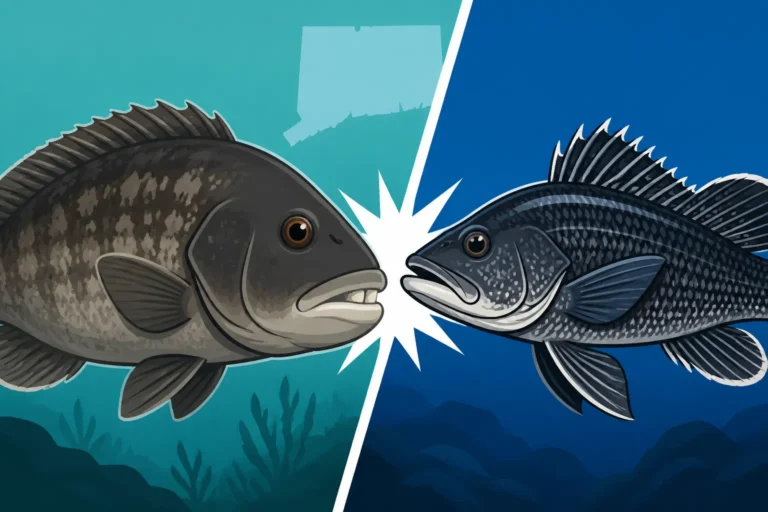
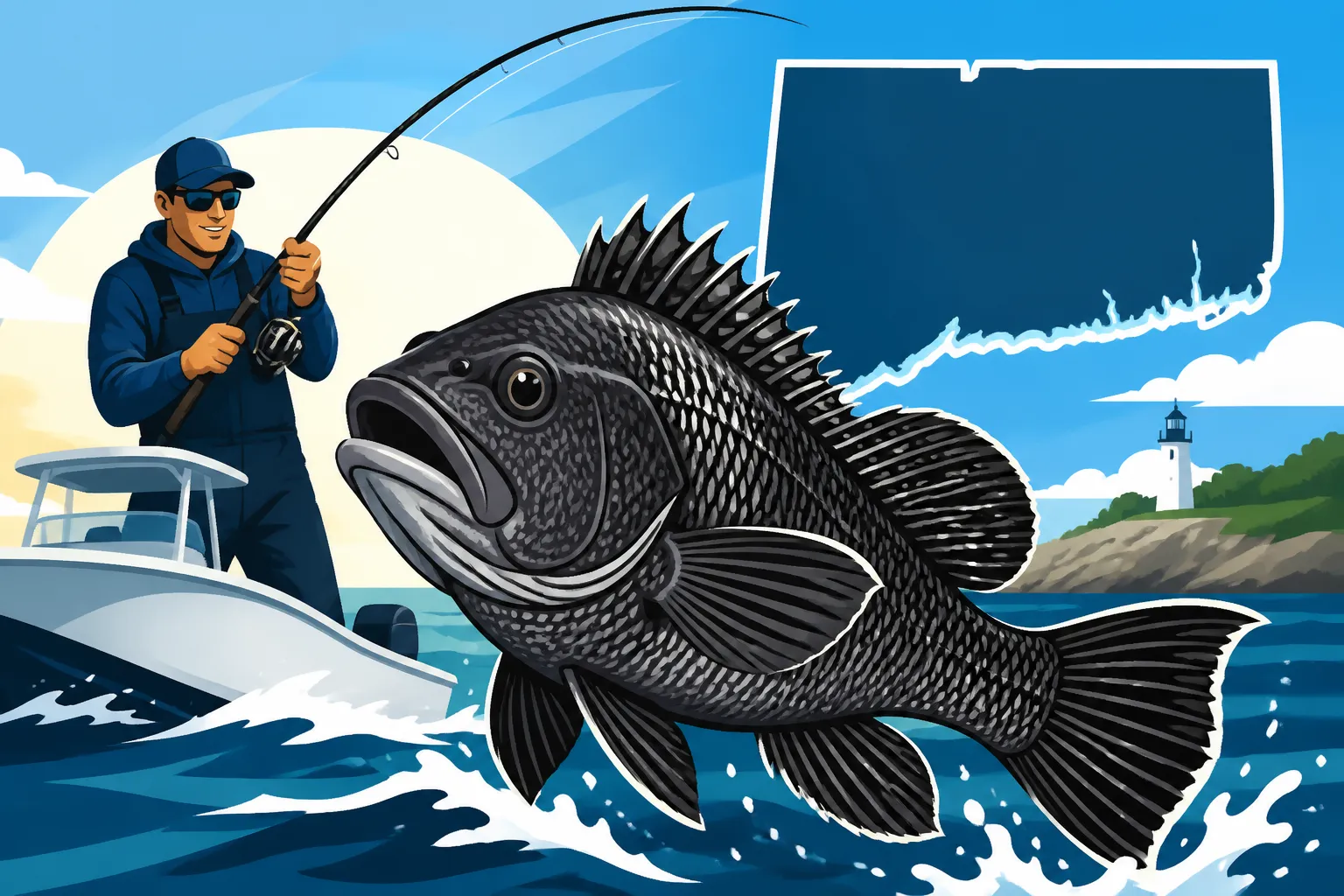
When you pull a fish up from the depths, especially in rocky areas, you might encounter a few different species. Black sea bass are pretty distinctive, though. They have a stout body, often a mottled brown-to-black color, which can lighten or darken to blend with their surroundings. Their dorsal fin is continuous and spiny, and they often have a darker spot at the base of the tail fin. Adult males, especially during spawning, develop a prominent fleshy hump on their head, a really cool feature that earns them the nickname "knobheads." Their mouths are fairly large, designed for ambushing prey in structure. Don't confuse them with scup (porgy), which are typically flatter and more silvery, or even small tautog, which have blunt, buck teeth and a more uniform dark coloration. Knowing these key features will help you quickly identify your catch and ensure you're adhering to the correct regulations.
Their Habitat and Behavior in Connecticut Waters
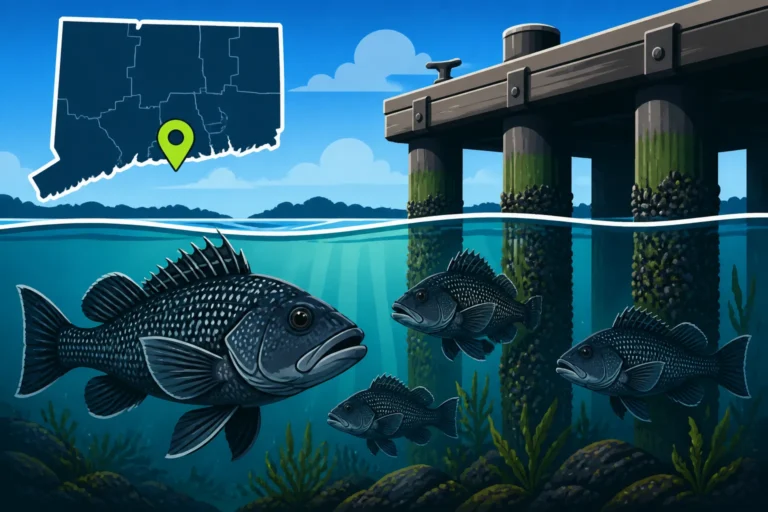
Black sea bass are creatures of structure. Think reefs, wrecks, rocky outcrops, mussel beds, and even submerged bridge pilings or derelict docks. These are their homes, offering both protection from predators and prime ambush points for prey. In Connecticut, you'll primarily find them in Long Island Sound, though they can venture into the lower reaches of some tidal rivers. They tend to prefer deeper, cooler water, especially as the summer progresses, often congregating in depths from 20 to over 100 feet. They are opportunistic feeders, dining on crabs, shrimp, squid, small fish, and even worms. This diverse diet is good news for anglers, as it means they'll strike at a variety of baits and lures. Understanding Black Sea Bass Habits in Connecticut Waters is key to consistently finding them. They're also quite social, often schooling up in good numbers around prime structures, so if you find one, chances are there are more nearby!
The Fight and the Feast: Why Anglers Love Them
The moment a black sea bass hits your line, you know you're in for some fun. They're not the biggest fish, but they pull hard, darting back into structure the moment they feel the hook. This "head-shaking" and "bulldogging" fight requires a firm hand and quick reflexes to keep them out of snags. It's a satisfying battle, especially on lighter tackle. And once you land one, the reward is incredible. Black sea bass are renowned for their firm, flaky white meat and delicate flavor. They're incredibly versatile in the kitchen, lending themselves to grilling, baking, frying, or even steaming. From a simple pan-fry to a more elaborate ceviche, they are truly a culinary delight. Their deliciousness combined with their feisty nature makes them one of Connecticut's most sought-after game fish.
Navigating Connecticut's Black Sea Bass Regulations
Ah, regulations. The bane of many an angler's existence, yet absolutely essential for protecting our precious fisheries. Black sea bass regulations in Connecticut are subject to change, often annually, as part of regional management efforts to ensure sustainable populations. It's critical to know the current rules before you ever wet a line. Getting it wrong can lead to hefty fines, so don't just guess!
Understanding the Essentials: Seasons, Size Limits, and Bag Limits
The most crucial information you need revolves around three core elements: the open season, the minimum size limit, and the daily bag limit. The season dictates when you can legally fish for and keep black sea bass. It often has distinct periods, like a spring season, followed by a closure, and then a longer summer/fall season. The minimum size limit is the smallest length a black sea bass must be from the tip of its nose to the end of its tail (often measured with the tail pinched) to be legally kept. Anything shorter must be immediately and carefully released. The daily bag limit is the maximum number of black sea bass you can keep per person, per day. These numbers are non-negotiable. For example, if the limit is 15 inches and 8 fish, every single fish you keep must be 15 inches or longer, and you cannot have more than 8 in your possession at any point. Make sure you check the official Connecticut Black Sea Bass Regulations for 2026 for the most up-to-date information before each trip.
Special Rules and Designated Areas
While the general season, size, and bag limits apply broadly, there can sometimes be special nuances. For instance, sometimes party boats (charters where you pay for a spot) might have different regulations than private recreational anglers, or there could be specific gear restrictions in certain areas. While less common for black sea bass, it's always worth a quick scan of the full regulation document. Some states have different rules for federal waters versus state waters, though within Long Island Sound, things are generally more uniform. Always be aware of any protected areas or marine sanctuaries where fishing might be restricted or entirely prohibited. Ignorance of the law is never an excuse, so taking the time to understand these details prevents a lot of headaches later on. Remember, you also need a valid Connecticut Fishing License Guide for 2026 for any saltwater fishing in the state.
How to Stay Updated on Current Regulations
The best way to stay informed is to consult the official Connecticut Department of Energy and Environmental Protection (DEEP) website. They publish the annual Connecticut Angler's Guide, which is your bible for all fishing regulations, both freshwater and saltwater. You can usually find a digital version online, or pick up a physical copy at tackle shops and town halls. Another great resource is your local tackle shop. The folks behind the counter are often anglers themselves and can provide practical, real-time advice on what's biting and what the current rules are. Don't rely solely on what a buddy told you last year, or what you read on an old forum post. The rules really do change! Check regularly, especially before the start of a new season. Understanding the nuances of Connecticut Saltwater Fishing Regulations by Species is a lifelong pursuit for dedicated anglers.
Top Spots to Find Black Sea Bass in Connecticut
Black sea bass are widespread throughout Long Island Sound, but they're not just anywhere. You need to know where to look. They're not going to be cruising sandy beaches or swimming in open water. Remember their love for structure? That's your biggest clue.
Key Structures: Reefs, Wrecks, and Rocky Bottoms
If you're looking for black sea bass, you're looking for underwater real estate. Natural reefs, composed of boulders, rock piles, and ledges, are prime habitats. These natural formations provide crevices for them to hide in and ambush points for prey. Artificial reefs, often created from sunken barges, old tires, or even purpose-built concrete structures, are equally productive. These man-made features become instant ecosystems, attracting baitfish and, consequently, predatory species like black sea bass. Wrecks, whether intentional or accidental, are also black sea bass magnets. The remains of old boats, cars, or even trains (yes, there are some out there!) offer complex structures that sea bass adore. If you have access to a boat with a good fish finder, look for "hard bottom" readings – areas where the bottom isn't soft sand or mud. These are often indicators of rocky patches or rubble that hold fish. Consider exploring some of the areas mentioned in our Long Island Sound Fishing Guide.
Tidal Flow and Depth Considerations
Tidal currents play a significant role in where black sea bass position themselves. They often prefer areas where the current is moving, bringing food to them, but they'll also seek out the "lee" side of structures where they can rest out of the strongest flow. This means that fishing the outgoing or incoming tide can often be more productive than slack tide. As for depth, while you might find some shallower fish in the spring or fall, black sea bass typically prefer deeper waters, especially in the warmer months. Don't be afraid to fish anywhere from 30 to 80 feet, and sometimes even deeper, particularly if you're targeting larger "knobheads." A good depth sounder is invaluable here, helping you pinpoint those sudden drops, humps, and holes where sea bass tend to congregate. Pay attention to how the tide interacts with the structure you're fishing; sometimes a slight move of 50 feet can make all the difference in finding the biting fish.
Accessing Prime Black Sea Bass Grounds: Boat vs. Shore
While black sea bass are predominantly a boat-based fishery in Connecticut, there are limited shore-based opportunities. For boat anglers, options range from private boats of all sizes to booking a spot on a party boat or charter. If you have your own boat, a GPS with charted wrecks and reefs (or the ability to mark your own spots) is essential. Kayak anglers can also have great success, carefully navigating to shallower rocky areas or even some nearshore artificial reefs. Just be mindful of currents and boat traffic, and always prioritize safety with proper Life Jacket Requirements for Connecticut Boaters. For shore anglers, your best bet will be fishing from sturdy jetties or piers that extend into deeper water with rocky bottoms. Public fishing access points that provide access to deeper channels or rocky shoreline stretches can also be worth exploring. While shore access is limited compared to boat fishing, persistence and a keen eye for structure can still yield results. Looking into Best Shore Fishing Spots in Connecticut might give you a few ideas for land-based opportunities.
Essential Gear for Black Sea Bass Success
Having the right tackle can make all the difference between a frustrating day of lost fish and a productive trip. Black sea bass aren't massive, but their tendency to dive into structure means your gear needs to be robust enough to handle the fight and the environment.
Rods, Reels, and Line: Matching Your Setup
For black sea bass, you want a medium-light to medium power spinning or conventional rod, typically 6'6" to 7'6" in length. The rod should have a sensitive tip to detect subtle bites but enough backbone to pull a fish away from snags. A fast action rod is ideal for quick hook sets. Pair this with a reel in the 3000-5000 size range for spinning, or a small conventional reel with a decent drag system. Your main line should be braided, anywhere from 15 to 30 lb test. Braid offers superior sensitivity, allowing you to feel even the lightest taps, and its thin diameter helps cut through the current. It also has virtually no stretch, which is crucial for pulling fish out of structure. I often find great deals on reliable braided line from reputable brands on Amazon, especially when stocking up for the season. You'll want to connect your braid to a fluorocarbon leader, usually 20-30 lb test, using a strong knot like an FG or Alberto knot. Fluorocarbon is nearly invisible underwater and much more abrasion-resistant than braid, which is vital when fishing around sharp rocks and wrecks.
Terminal Tackle: Jigs, Rigs, and Hooks
This is where the magic happens! For black sea bass, vertical jigs are incredibly effective. Diamond jigs, flutter jigs, and Gulp! Swimming Mullet on a bucktail jig head are all excellent choices. Jigs can be tipped with a small strip of squid for added scent and appeal. Sizes typically range from 1/2 oz to 2 oz, depending on depth and current. You might even find some specialized black sea bass jigs on Amazon that mimic local baitfish. For bait fishing, a simple two-hook dropper rig is a classic. Tie a 2-3 foot section of fluorocarbon leader to a swivel, then tie two dropper loops or snell two small hooks (sizes 1/0 to 3/0, often Gami or Octopus style) about 8-12 inches apart above a sinker. The sinker size (usually 1-4 oz) will depend on the current and depth to keep your bait on the bottom. Some anglers also use a single snelled hook tied directly to their leader with a sinker slid freely above it (a "fish finder" rig) for a more natural presentation, especially in lighter currents.
Bait and Lure Choices: What Gets Their Attention
Black sea bass are not particularly picky eaters, which is one of their charms. For bait, fresh squid strips are king. Cut them into small, thin strips that flutter enticingly in the current. Clams, especially fresh surf clams, are another excellent option. Small pieces of crabs (green crabs, fiddler crabs, or hermit crabs) can also be irresistible. For artificials, as mentioned, jigs are fantastic. Beyond metal jigs, soft plastics rigged on jig heads can be very effective. White, pink, chartreuse, and natural baitfish colors are usually a good starting point. The key is to impart action. Whether you're jigging or slowly bouncing bait, you want to make it look alive and vulnerable. Don't be afraid to experiment with different baits and lures until you find what the fish are keying in on that particular day. Sometimes, a subtle change in color or size can make all the difference.
Master Your Techniques for Black Sea Bass
Knowing where the fish are and having the right gear is only half the battle. The other half is presenting your bait or lure in a way that triggers a strike. Black sea bass fishing techniques are relatively straightforward but require attention to detail and a feel for the bottom.
Jigging Strategies: Vertical, Casting, and Drifting
Jigging is incredibly productive for black sea bass, especially when you've located a school over structure. Vertical jigging is perhaps the most common technique. Once you're positioned directly over the structure, drop your jig to the bottom. Once it hits, reel up a crank or two to get it just above the snags, then lift your rod tip sharply and let the jig fall back down on a semi-slack line. The bite often comes on the fall. Repeat this motion, experimenting with different speeds and heights until you find what works. Casting jigs can be effective when you're drifting parallel to a ledge or reef. Cast ahead of your drift, let the jig sink, and then work it back with short hops and drops as your boat moves. This allows you to cover more ground. Drifting with jigs involves letting the current carry your boat and jig over a productive area. Keep your line as vertical as possible, adjusting jig weight as needed. The key to all jigging is maintaining contact with the bottom, but not getting perpetually snagged. It's a fine line to walk! Our guide on Jigging for Fluke in Long Island Sound shares some crossover tips that can be applied to black sea bass.
Bait Fishing Tactics: Anchoring and Drifting with Bait
If jigging isn't producing, or you prefer a more relaxed approach, bait fishing is a solid option. Anchoring is effective when you've pinpointed a specific piece of structure that's holding fish. Once anchored, cast your bait rig (like the two-hook dropper rig mentioned earlier) to different sides of the boat, letting it sink to the bottom. Keep your rod in hand, feeling for the distinct tap-tap-tap of a sea bass bite. Sometimes they'll just inhale it, but often they're quite aggressive. Let them chew for a second, then set the hook firmly. Drifting with bait allows you to cover more ground, especially over a wider reef or broken bottom. Use just enough weight to keep your bait bouncing along the bottom as your boat drifts. This technique is excellent for prospecting new areas or when the fish are spread out. When drifting, it's particularly important to pay attention to your line angle. If your line is far behind the boat, you're using too light a sinker for the current and depth, and you'll likely miss bites and get snagged.
Kayak and Small Boat Approaches
Kayak and small boat anglers can find great success targeting black sea bass by leveraging their ability to access shallower, often less pressured spots. For kayakers, paddling out to nearshore rock piles, jetties, or smaller artificial reefs can be incredibly productive. The stealth of a kayak allows for a quiet approach, minimizing disturbance to the fish. Focus on areas with good current flow around structure. For small boat owners, you have the flexibility to explore a wider range of spots, from inshore reefs to deeper wrecks. Both kayaks and small boats benefit from using a quality fish finder to locate structure. With a kayak, anchoring can be done with a small grapple anchor, or a drift sock can be used to slow your drift over productive areas. Always be mindful of your safety, especially when venturing into open waters of Long Island Sound. Wearing an inflatable PFD, having a VHF radio, and checking the weather forecast are non-negotiable.
Seasonal Black Sea Bass Strategies
Black sea bass are present in Connecticut waters for a good portion of the year, but their behavior and where you find them will shift with the seasons. Understanding these patterns is key to maximizing your success.
Spring Run: Early Season Opportunities
When the regulations open for the spring season, anglers are often chomping at the bit. In early spring, black sea bass begin to move into shallower, nearshore waters as the water temperatures rise. They'll often be found in depths of 20-40 feet, sometimes even less, around prominent rock piles, jetties, and inshore wrecks. This is a great time to target them with jigs or bait, as they are often hungry after the colder months. The fish tend to be a bit smaller on average during this early push, but you'll find them in good numbers. Focus on areas with good sun exposure that warm up first, and look for baitfish concentrations. Early spring also presents opportunities for anglers fishing from shore or kayaks to access these fish before they move to deeper, offshore grounds.
Summer Action: Peak Season Fishing
As summer progresses and the water heats up, black sea bass tend to move to deeper, cooler waters. This is when the offshore wrecks, deeper reefs, and larger rock formations truly shine. You might be fishing in 50 to 100 feet of water, or even more. The fish are often larger in the summer, with those coveted "knobheads" making an appearance. This is prime time for charter boats and private boat anglers willing to venture further out into Long Island Sound. The fishing can be incredibly consistent during the summer, with multiple hook-ups common if you find the right spot. Jigging is highly effective during this period, as is fishing with fresh squid or clam. Pay close attention to tidal rips and current breaks around structures, as these are natural feeding zones.
Fall Feast: Late Season Bounties
Fall is arguably one of the best times to target black sea bass in Connecticut. As the water begins to cool, these fish undergo a feeding frenzy in preparation for winter. They'll often move back into slightly shallower depths, and their aggression increases. The fish are often fat and healthy, providing excellent table fare. You'll find them on the same types of structure as earlier in the year, but their activity levels can be off the charts. As the season progresses into late fall, the fish will begin their deeper migration to overwintering grounds, but before they do, the fishing can be exceptional. Keep an eye on the weather, as fall can bring unpredictable conditions, but a calm, crisp autumn day on the Sound can lead to some of the most memorable black sea bass fishing of the year.
Handling Your Catch: From Hook to Table
You've put in the time, refined your techniques, and now you're pulling black sea bass over the rail. What's next? Proper handling is crucial, both for the health of released fish and the quality of your dinner.
Proper Handling for Release and Retention
For fish you intend to release, handling them correctly minimizes stress and increases their chances of survival. Try to keep the fish in the water as much as possible. If you must bring them aboard, use a wet hand to handle them and avoid touching their gills or eyes. Dehooking tools, often available on Amazon, can be invaluable for quickly and safely removing hooks, especially if the fish has swallowed the hook. If the fish is "barotrauma" affected (showing signs like a bulging stomach or eyes due to rapid ascent from deep water), you might consider using a descending device, if legal and appropriate, to return them to depth. For fish you're keeping, dispatch them quickly and humanely. A swift blow to the head or a process called "iki jime" (spiking the brain) is best. Then, immediately place them on ice in a cooler. This rapid cooling preserves the quality of the meat, keeping it firm and delicious. Never let your catch sit in a warm bucket or on a hot deck.
Cleaning and Filleting Your Black Sea Bass
Cleaning black sea bass is relatively straightforward, especially once you get the hang of it. Many anglers choose to fillet them, but they can also be scaled and gutted to be cooked whole, particularly the smaller ones. To fillet, start by making a cut behind the gill plate down to the backbone, then turn your knife and run it along the backbone towards the tail. Repeat on the other side. You'll end up with two boneless, skin-on fillets. To skin the fillet, lay it skin-side down, hold the tail end firmly, and use a flexible fillet knife to cut between the skin and meat, wiggling the knife back and forth as you pull the skin away. You can also leave the skin on for some cooking methods, as it crisps up nicely. After filleting, give the fillets a quick rinse in cold water and pat them dry. They're now ready for cooking or storing.
Delicious Ways to Cook Black Sea Bass
Black sea bass are incredibly versatile in the kitchen. Their firm, white, flaky meat holds up well to various cooking methods and takes on flavors beautifully.
- Pan-Seared: This is a classic for a reason. Lightly dredge the fillets in seasoned flour or simply salt and pepper, then pan-sear in butter or olive oil until golden brown and cooked through. Serve with a squeeze of lemon.
- Baked/Roasted: Place fillets on a baking sheet, drizzle with olive oil, add herbs, garlic, and maybe some cherry tomatoes. Bake until flaky. This is a very healthy and hands-off method.
- Grilled: Whole, scaled and gutted smaller sea bass or thicker fillets can be grilled. Brushing with a marinade or lemon-herb butter keeps them moist and adds flavor.
- Frying: For a crispy treat, dip fillets in a batter or breading and deep-fry or pan-fry until golden. Perfect for fish tacos!
- Ceviche: For the freshest fish, dice raw sea bass, marinate in lime juice with red onion, cilantro, and chili. The acid "cooks" the fish, creating a refreshing appetizer.
The key is not to overcook them; their delicate flavor shines when they're just cooked through.
Responsible Angling and Conservation
Our marine resources are precious, and as anglers, we have a responsibility to ensure their health for future generations. Black sea bass populations, while currently healthy, depend on all of us doing our part.
Practicing Catch and Release Effectively
For any fish that don't meet the legal size limit or exceed your bag limit, catch and release is paramount. The goal is to return the fish to the water in the best possible condition. This means using appropriate tackle that minimizes fight time, avoiding excessive handling, and using barbless hooks or crushing the barb on your hooks to make removal easier. If a fish is deeply hooked, especially in the gills or throat, it's often better to cut the line as close to the hook as possible rather than trying to rip the hook out. This can cause less damage than prolonged attempts to extract it. Always support the fish's body, especially larger ones, and allow them to recover in the water before letting them swim off under their own power. Education on Striped Bass Catch and Release Survival Tips can also be broadly applied to other saltwater species for maximizing post-release survival.
Understanding the Importance of Regulations
Fishing regulations aren't arbitrary rules designed to make your life difficult. They are scientifically based tools developed by fishery managers to ensure the long-term health and sustainability of fish populations. Size limits allow fish to mature and spawn at least once before being harvested, contributing to future generations. Bag limits prevent overfishing and distribute the harvest more equitably among anglers. Seasons protect fish during vulnerable periods, such as spawning. Regional management bodies, like the Atlantic States Marine Fisheries Commission (ASMFC), coordinate regulations across state lines for migratory species like black sea bass to manage the stock as a whole, not just within Connecticut waters. Your adherence to these rules directly contributes to ensuring that black sea bass fishing remains a vibrant part of Connecticut's angling scene for years to come.
Protecting Connecticut's Black Sea Bass Fishery
Beyond simply following the rules, there are other ways to be a responsible angler. Consider minimizing your impact on fragile marine habitats by being careful with your anchor, not littering, and reporting any suspicious activities that might indicate poaching or environmental damage. Support organizations dedicated to marine conservation. If you're using a boat, make sure you understand Connecticut Boating Laws for Anglers and practice safe boating habits, as a healthy marine environment benefits all species. By staying informed, adhering to regulations, and practicing ethical angling, you become a vital steward of Connecticut's black sea bass fishery, helping to ensure that these delightful fish continue to thrive for future generations of anglers to enjoy.
Disclaimer
This article is for general informational purposes only and does not constitute professional advice. Laws, prices and regulations vary by location and change over time. Consult a qualified professional for guidance on your specific situation.