Connecticut state record blackfish weight
There’s a special kind of challenge that comes with pursuing blackfish, or tautog as they’re often called, here in Connecticut. Anyone who’s spent time on the Sound, feeling those subtle taps and trying to time the perfect hookset, knows how notoriously tricky these fish can be. It's a game of patience, skill, and a little bit of luck. And for those of us who dream of landing a true behemoth, the thought often turns to the ultimate benchmark: the state record. This guide is all about that elusive record, what makes a blackfish a record-breaker, and how you might just get closer to catching your own personal best in Connecticut waters.
The Elusive Connecticut State Record Blackfish: The Benchmark
For many anglers, the Connecticut state record blackfish represents the pinnacle of tautog fishing in our state. It's a testament to incredible skill, persistence, and being in the right place at the absolute right time with the perfect bait. Chasing this kind of achievement is what keeps us coming back to the water, season after season, hoping to feel that unmistakable pull of a true giant.
The Record Holder and the Weight
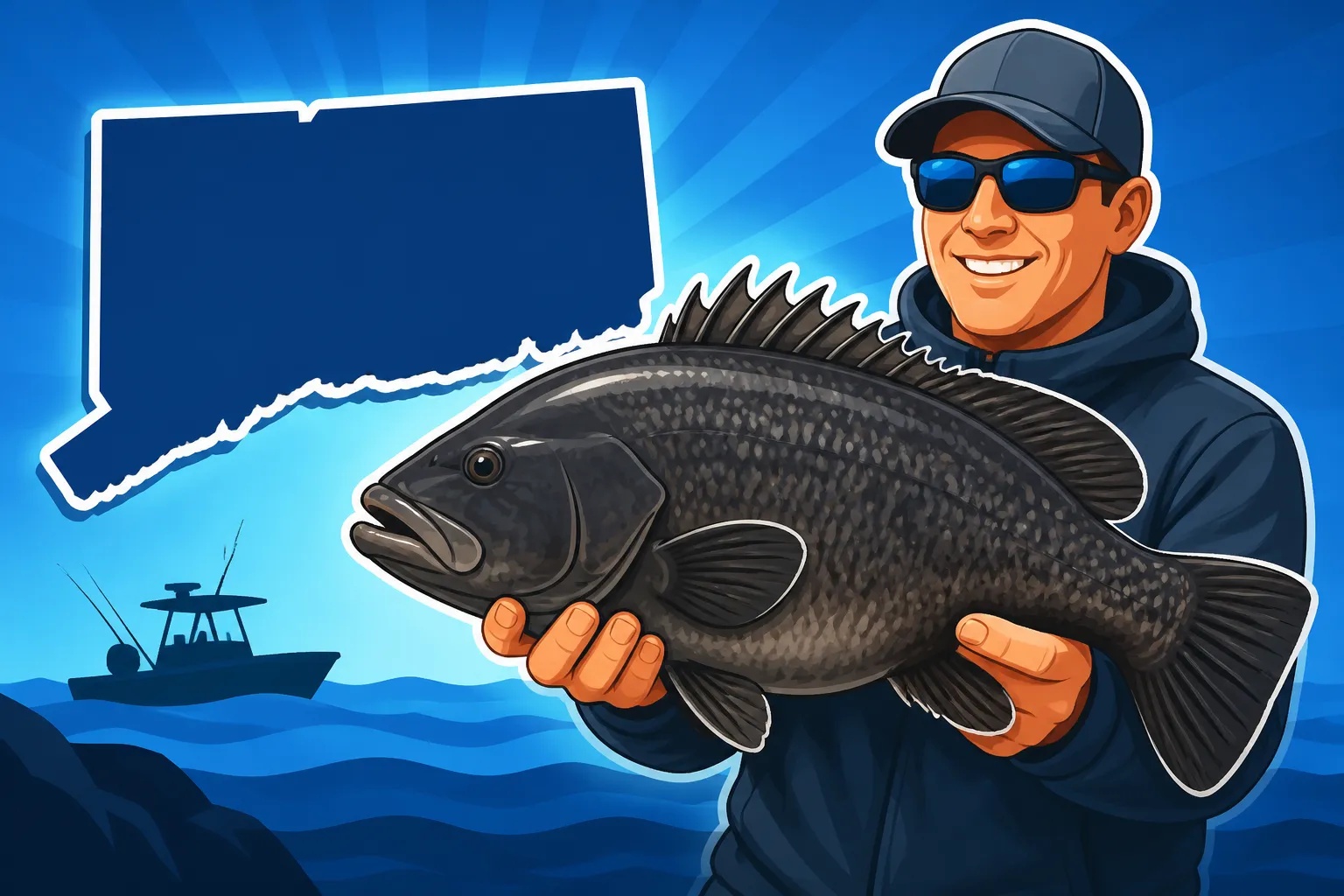
The current Connecticut state record for blackfish is a truly remarkable catch, standing at an impressive 21 pounds, 5 ounces. This magnificent fish was caught way back in 1999 by an angler named Gregory Ziemak. Imagine the fight that fish put up, especially considering the rocky, unforgiving habitat blackfish prefer! This record has stood the test of time, showcasing the incredible size these bottom-dwelling brutes can achieve in our local waters. It’s a weight that seasoned anglers respect, knowing just how difficult it is to even get a double-digit tautog to the boat, let alone one over 20 pounds.
Where the Record Was Caught
While the exact coordinates are often kept under wraps by record holders (and who can blame them?), it's widely known that this record-breaking blackfish came from the nutrient-rich, structure-laden waters of Long Island Sound. Specifically, deep, rocky reefs and wrecks are the prime hunting grounds for such large specimens. These underwater features provide both abundant food sources, like crabs and shellfish, and crucial protection from predators and strong currents. The sheer depth and complexity of these areas make them challenging to fish, demanding precise boat positioning, strong current knowledge, and robust tackle to avoid getting snagged or broken off. Understanding the typical "hangouts" for big blackfish is the first step in even imagining a record-breaking catch. If you’re looking to explore these types of areas, a good starting point is researching Long Island Sound Fishing Guide.
What Makes a Record-Breaking Blackfish?
Catching a blackfish of any size is a thrill, but a true record-breaker is a fish of a different caliber. It's not just about luck; it's about understanding the life cycle, habitat, and feeding habits of these fascinating creatures. These giants have lived long and prospered, evading countless hooks and hungry predators.
Age and Growth Patterns
Blackfish are known for their relatively slow growth rate and impressive longevity. A 20-pound blackfish isn't a young pup; it's an ancient warrior of the deep, likely decades old. They spend their entire lives navigating the treacherous underwater landscapes of the Sound, gradually adding mass and bulk. Factors like consistent food availability, lack of fishing pressure in their specific hiding spots, and genetic predisposition all play a role in a blackfish reaching such immense proportions. It truly takes a special combination of circumstances for a tautog to grow to over 20 pounds, making encounters with such fish incredibly rare and memorable. They are a testament to the resilience of marine life.
Prime Habitat and Feeding Habits
Record-breaking blackfish don't just hang out anywhere; they have very specific preferences. They are true structure specialists, gravitating towards the gnarliest, most complex underwater environments. Think expansive rock piles, sunken wrecks, old bridge pilings, mussel beds, and deep ledges. These spots are not only rich in the crabs, clams, and other crustaceans that make up the bulk of their diet, but also offer countless nooks and crannies for shelter. The deeper, colder waters of Long Island Sound, especially around prominent features and tidal rips, tend to hold the biggest fish. If you want to understand these underwater communities better, checking out Blackfish Habits Around Structure can give you a real edge. It's in these unforgiving environments that you'll find the truly old, big blackfish, patiently waiting for their next meal.
Tactics and Gear for Targeting Trophy Tautog
If you're serious about trying to land a blackfish that might rival the state record, or at least your personal best, you need to elevate your game. This isn't just casual fishing; it's a dedicated pursuit that requires specialized tackle, the right bait, and a deep understanding of their unique bite. You need to be prepared for the battle even before you feel the first tap.
Specialized Tackle for Structure Fishing
Tackling big blackfish means gearing up for a tug-of-war with a stubborn, powerful fish in a rocky arena. You can't show up with flimsy freshwater gear and expect success. First, your rod needs a strong backbone to pull these fish away from structure, but also a sensitive tip to detect their notoriously subtle bites. Many anglers opt for specialized "tautog rods" that offer this dual characteristic. A good quality conventional reel, spooled with strong braided line (often 30-50 lb test) is essential for its sensitivity and power. The braid allows you to feel those delicate taps and transmit power directly to the hook. A fluorocarbon leader of 30-60 lb test is crucial for its abrasion resistance against sharp rocks and mussels, and its invisibility in clear water. You can find a fantastic selection of these specialized rods, reels, and lines on Amazon, often with detailed reviews from other tautog enthusiasts. It's an investment, but worth it if you're serious about battling big blackfish.
Baits and Rigging for Success
When it comes to bait, crabs are king for blackfish. Green crabs are perhaps the most popular and effective, but hermit crabs, Asian shore crabs, and even pieces of blue crab or fiddler crabs can be deadly. The key is to present them naturally and securely. For rigging, a simple hi-lo rig with strong, sharp Octopus-style hooks (often sizes 1/0 to 4/0, depending on the bait size) is standard. Some anglers prefer specialized blackfish jigs, often tipped with a piece of crab, which offer a more direct connection to the bait and can be incredibly effective in lighter currents or when precise presentation is required. Whatever your choice, ensure your knots are strong and your hooks are sticky-sharp; blackfish have tough mouths! Finding a reliable source for fresh crabs can sometimes be a challenge, but many bait shops along the Connecticut shoreline stock them during the season. If you're looking for specialized blackfish jigs or unique rigging components, Amazon can be a surprisingly good resource for those harder-to-find items.
Mastering the Art of the Blackfish Bite
The blackfish bite is legendary for being one of the most frustrating yet rewarding in fishing. It's often described as a series of light "taps" or "pecks" before the fish actually commits. You might feel a gentle tap, then another, then a heavier pull. The trick is to wait for that true weight, that solid pull where the fish has fully taken the bait into its mouth, before setting the hook with authority. It takes immense patience and focus. Boat positioning is also critical; you need to be anchored directly over the structure where the fish are holding, or drifting slowly enough to keep your bait in the strike zone. Learning how currents affect your presentation and adjusting your lead accordingly is part of the ongoing learning curve. There are many fantastic guides and books on tautog fishing that dive deep into these nuances, many of which are available through Amazon, offering invaluable insights from seasoned pros. Developing that "sixth sense" for the blackfish bite truly comes with experience on the water, but studying the techniques beforehand can shorten the learning curve.
Connecticut's Blackfish Fishery: Beyond the Record
While the idea of breaking a state record is thrilling, the daily pursuit of blackfish in Connecticut is a rewarding experience in itself. From understanding the regulations that protect these species to knowing the best spots, there's a lot to appreciate about this robust fishery.
Blackfish Regulations and Conservation
Connecticut has specific regulations in place to manage the blackfish fishery, ensuring its sustainability for future generations. These regulations typically include minimum size limits, daily creel limits, and specific season dates. These numbers can change from year to year, so it's always critical to consult the most current Connecticut Fishing Regulations Explained or the official Connecticut DEEP fishing guide before heading out. The seasons usually run through much of the spring, then close for a period, and reopen for a popular fall and early winter fishery. Paying close attention to Connecticut Blackfish Tautog Season Dates is crucial, as fishing outside these periods can result in penalties. Responsible angling, including adhering to limits and practicing careful catch-and-release for fish you don't intend to keep, plays a vital role in conservation.
Top Spots for Blackfish in Connecticut
Connecticut offers a plethora of excellent blackfish spots, predominantly throughout Long Island Sound. The key is seeking out rocky bottom, wrecks, reefs, and any form of submerged structure. Well-known areas can be found off the coast of places like Niantic, Old Saybrook, New Haven, and Stonington. Specific natural and artificial reefs, as well as the numerous rock piles and jetties that dot our coastline, are prime targets. Many anglers find great success fishing near the notorious "rips" where strong currents create dynamic feeding zones. If you're new to the area or don't have a boat equipped for offshore fishing, consider hiring one of the many excellent Best Blackfish Charters in Connecticut. These captains have years of experience and intimate knowledge of the best spots and tactics. For those looking for specific locations to explore, checking out a guide on Best Blackfish Spots on Long Island Sound can provide a great starting point for your next adventure.
Here’s a quick comparison of average blackfish to the state record:
| Feature | Average Blackfish (Connecticut) | Connecticut State Record Blackfish |
|---|---|---|
| Weight | 2-5 pounds | 21 pounds, 5 ounces |
| Length | 12-18 inches | ~30 inches or more |
| Estimated Age | 5-15 years | 25+ years |
| Habitat | Rocky bottom, jetties, shallow reefs | Deep wrecks, expansive rock piles, ledges |
| Rarity | Common | Extremely rare |
| Challenge | Moderate to high | Very high |
Disclaimer
This article is for general informational purposes only and does not constitute professional advice. Laws, prices and regulations vary by location and change over time. Consult a qualified professional for guidance on your specific situation.