How big blackfish get in Connecticut waters
You've probably heard the whispers down at the tackle shop or out on the docks: tales of enormous blackfish pulled from Connecticut's rocky depths. It's enough to make any angler wonder, just how big do these tautog actually get around here? The truth is, while we don't often see those monster specimens every trip, Connecticut waters are absolutely home to some truly impressive blackfish. This guide will dive deep into their size potential, what makes them grow so big, and how you might just land one of those giants yourself.
Understanding Blackfish (Tautog) in Connecticut Waters
Before we talk about their impressive dimensions, let's get to know the blackfish a little better. These incredible fish are a staple of New England saltwater angling, renowned for their incredible pulling power and their even more incredible flavor. But they're not just a delicious meal; they're a fascinating species perfectly adapted to their environment.
What Exactly is a Blackfish (Tautog)?
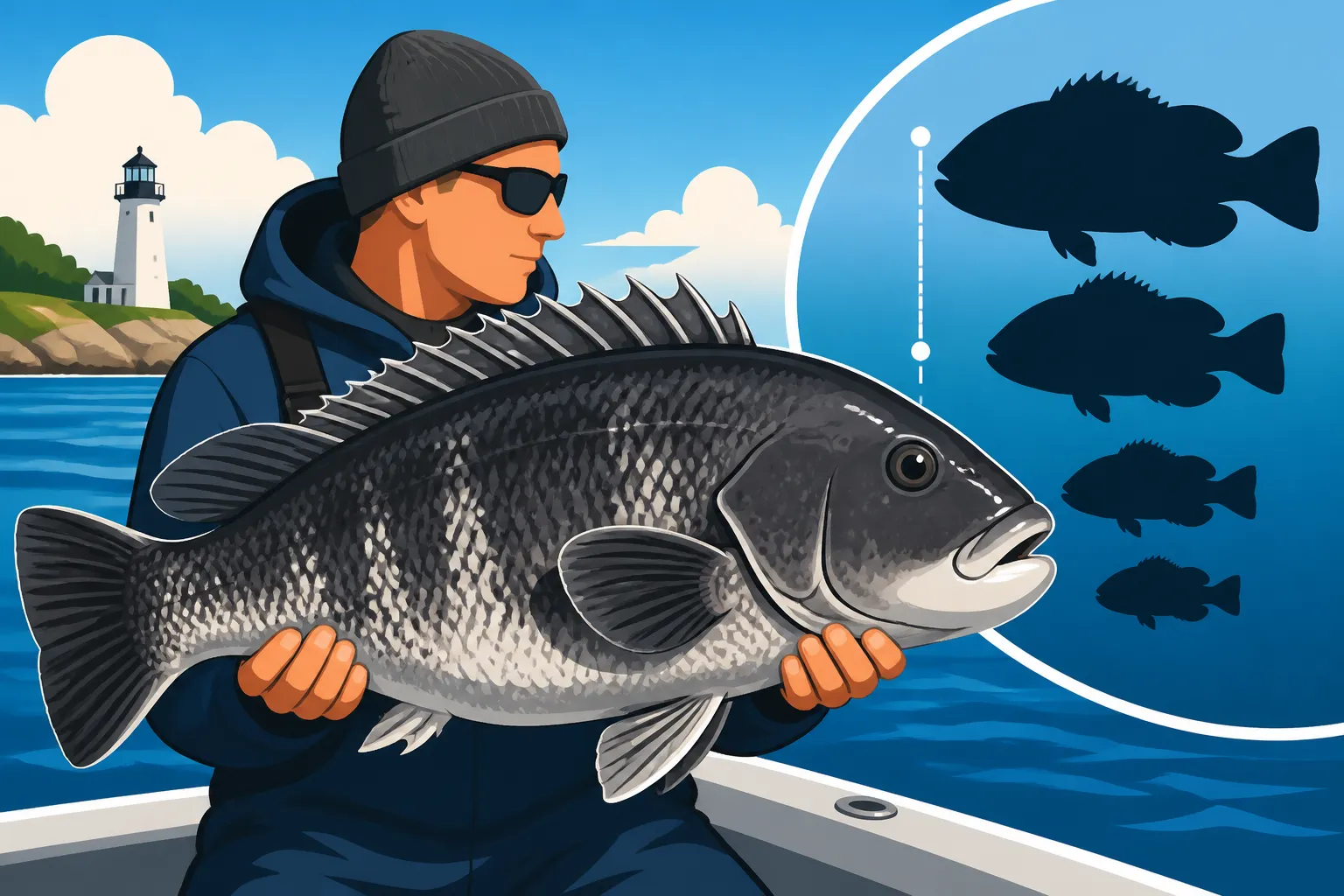
The blackfish, scientifically known as Tautoga onitis, is a member of the wrasse family. They're unmistakable with their thick, stocky bodies, usually dark mottled brown, gray, or black coloring that helps them blend perfectly with the rocky bottom. What really sets them apart, though, are their powerful jaws, equipped with a fearsome set of canines and crushing molars designed for cracking open shellfish and crustaceans. Think of them as the brawny, underwater bulldozers of the rocky shoreline. You'll find them almost exclusively around structure – think mussel beds, oyster reefs, rock piles, jetties, bridge pilings, and wrecks. This is their kingdom, where they find both food and shelter. Blackfish Habits Around Structure explains this in detail. They are masters of their environment, capable of disappearing into crevices and hanging tough when hooked, making them a true challenge for anglers.
Growth Factors and Lifespan of Connecticut Blackfish
Blackfish are relatively slow-growing but can live for a surprisingly long time. Unlike some other species that reach impressive sizes quickly, tautog take their sweet time. Their growth rate is heavily influenced by several factors:
- Diet: Their primary diet consists of crustaceans and mollusks – crabs (green crabs, fiddler crabs, hermits, asian shore crabs), mussels, barnacles, and small lobsters. Abundant food sources mean more energy for growth. If a specific piece of structure consistently holds a massive supply of these critters, the tautog living there will generally grow faster and larger than their counterparts in less fruitful areas.
- Water Temperature: Like many cold-blooded creatures, their metabolism slows in colder water, meaning slower growth. Connecticut's temperate waters offer a good balance, allowing for decent growth during warmer months. During the colder parts of the year, their feeding activity decreases significantly, effectively pausing their growth spurts.
- Available Structure: As mentioned, structure is paramount. Older, larger blackfish often claim the prime real estate within these structures, giving them first dibs on food and the best protection from predators. Complex, deep-water structures like shipwrecks or extensive rock reefs in Long Island Sound Fishing Guide often hold older, larger fish because they provide more hiding spots and stable food sources over time.
- Lifespan: Blackfish are known to be long-lived, with some individuals reaching ages of 20 years or even more! This extended lifespan is key to their ability to grow to significant sizes. A fish that survives two decades has had many seasons to pack on the pounds, given the right conditions. This incredible longevity makes catching a true trophy blackfish feel like shaking hands with an ancient sentinel of the deep.
The Real Deal: How Big Blackfish Get in Connecticut
Alright, let's get to the question everyone's really asking: what are the actual numbers? How big can you realistically expect these formidable fish to be?
Average Size Expectations for Connecticut Blackfish
For most recreational anglers, a "keeper" blackfish in Connecticut will typically range from 16 to 22 inches in length, weighing anywhere from 2 to 6 pounds. This is a solid, respectable fish, offering a fantastic fight and excellent table fare. When you hit the docks after a successful trip, these are the fish that will fill your cooler and put a smile on your face.
It's common to catch many smaller "short" fish, under the legal size limit. These youngsters are crucial for the future of the fishery, and proper catch and release techniques are vital for their survival. You'll often feel their tell-tale tap-tap-pull on your line before you even see them. But with patience and persistence, those bigger bumps will come.
Trophy Blackfish: The Elusive Giants
Now, for the really exciting part – the giants. A true "trophy" blackfish in Connecticut is generally considered to be anything over 8 pounds, and fish exceeding 10-12 pounds are the stuff of local legend. These are often referred to as "white chins" due to the lighter coloration that many older, larger fish develop around their mouths. Landing one of these requires not just skill, but often a bit of luck and a lot of dedication. They are cunning, powerful, and will test your gear to its absolute limit.
The Connecticut state record for blackfish stands at an incredible 21 pounds, 14 ounces. Imagine pulling a fish like that out of the water! While breaking the state record is an extraordinary feat, catching a fish in the 12-15 pound range is absolutely possible for dedicated anglers in our state. These are often older, battle-hardened individuals that have spent years navigating the complex underwater terrain.
Factors Influencing Size: Why Some Blackfish Are Bigger
Why do some blackfish reach such colossal sizes while others remain more modest? It's a combination of factors, often linked to the specific locations they inhabit:
- Water Depth: Deeper water often provides more stable temperatures and less fishing pressure, allowing fish to grow larger. Many of the biggest blackfish are pulled from deeper wrecks and reefs in Long Island Sound, away from the easily accessible shallow-water structures.
- Food Availability: Areas with exceptionally rich mollusk and crustacean populations will naturally support larger, healthier fish. A wreck that has become a thriving ecosystem over decades is a perfect example.
- Fishing Pressure: Heavily fished areas tend to yield smaller, younger fish as the larger, older ones are removed from the population. Finding those less-pressured spots is key to consistent trophy hunting. This doesn't mean you have to go to the middle of nowhere; sometimes, it's just about knowing the spots that are a little harder to reach, or fishing during times when others aren't.
- Age and Genetics: Simply put, some fish live longer, and some might just be genetically predisposed to grow larger. Just like people, fish have individual variations. The fish that survive long enough to reach those advanced ages have proven themselves to be adept at avoiding predators and finding food. Life span of a blackfish in Connecticut waters dives deeper into their longevity.
Strategies for Targeting Larger Blackfish in Connecticut
If you're dreaming of a double-digit blackfish, you'll need to adapt your strategy. These aren't your average panfish; they demand respect, heavy-duty gear, and a keen understanding of their habits.
Gear Up for Giants: Rods, Reels, and Terminal Tackle
To pull a big blackfish out of its rocky lair, you need robust equipment. Finesse fishing is not typically the name of the game here.
- Rods: Look for a medium-heavy to heavy conventional rod, usually 6.5 to 7.5 feet long, with a fast action and a strong backbone. You need a rod that can withstand the intense head shakes and powerful surges as the fish tries to bury itself back into the structure. Brands like St. Croix, Ugly Stik, or Penn often have excellent options.
- Reels: A sturdy conventional reel (star drag or lever drag) loaded with braided line is essential. Something in the 20-30 pound class for braided line is a good starting point, paired with a smooth drag system. You'll be setting the hook hard and putting a lot of pressure on the fish, so a reliable reel is non-negotiable. For braid, I'd suggest at least 40-50 lb test, maybe even 60 lb for the really gnarly spots. You can find robust braided lines and conventional reels on Amazon that are perfectly suited for this kind of heavy-duty fishing.
- Terminal Tackle: This is where the rubber meets the road.
- Leaders: Fluorocarbon leader is a must. It's abrasion-resistant and nearly invisible underwater. Go heavy, like 30-50 lb test, depending on the structure and how much confidence you have. Blackfish have incredibly strong, sharp teeth and mouths, and they will absolutely chafe through lighter leader material against rocks.
- Hooks: Octopus-style hooks, snelled hooks, or specialized tautog jigs are preferred. Sizes typically range from 1/0 to 4/0, but some anglers go larger for bigger baits. Ensure they are strong, sharp, and durable. Gamakatsu, Owner, and Mustad are popular choices. Don't cheap out on hooks; a bent or broken hook means a lost fish and a lot of frustration. Again, you can stock up on quality hooks in various sizes through Amazon.
- Sinkers/Jigs: Depending on current and depth, you might use sinkers ranging from 1 to 8 ounces or more. Many anglers prefer fishing specialized tautog jigs (like Tidal Tails, Jeck's, or JoeBaggs) as they offer a more direct feel and less snagging. The weight needs to be sufficient to hold your bait directly on the bottom, in the strike zone, especially when fishing current.
Locating Prime Blackfish Habitat for Bigger Catches
Finding big blackfish means finding big structure. They live where they can hide, feed, and feel secure.
- Natural Reefs and Rock Piles: These are classic tautog grounds. Look for areas marked on nautical charts as "rocky bottom," "obstruction," or "reef." Your fish finder is your best friend here, helping you identify subtle changes in bottom contour.
- Artificial Reefs and Wrecks: Connecticut has several artificial reef sites, and the Long Island Sound is littered with historical wrecks. These provide complex habitat that holds significant numbers of tautog, including larger specimens. These spots are usually marked on charts or can be found through local fishing forums or charter captains.
- Bridge Pilings and Jetties: While often heavily fished, the pilings of bridges and the rocky edges of jetties can hold big fish, especially if there's less accessible structure deeper down. Fish the deepest parts and the side away from heavy boat traffic.
- Oyster and Mussel Beds: These are prime feeding grounds. Tautog will patrol the edges of these beds, waiting for a chance to snatch a meal. They are particularly active during feeding tides around these areas.
Understanding where Blackfish Habits Around Structure can give you an edge in finding these honey holes.
Baits and Techniques That Attract Larger Blackfish
Blackfish are primarily crab eaters, but they're not always picky. However, for bigger fish, specific baits and presentations often work best.
- Green Crabs: These are the undisputed king of blackfish baits. They're readily available at bait shops, tough, and blackfish absolutely love them. Halve or quarter larger crabs, keeping smaller ones whole.
- Fiddler Crabs: Smaller, but highly effective, especially when blackfish are being finicky.
- Hermit Crabs: Another excellent choice, often found under rocks. Their soft bodies are a tempting target.
- Asian Shore Crabs: An invasive species, but blackfish devour them. Many anglers collect these themselves from local rock piles.
- Mussels/Clams: While not as durable as crabs, fresh mussels or clams can work, especially if you're fishing areas with natural shellfish beds.
Techniques:
- Bottom Fishing with a Sinker Rig: This is the most common method. A simple two-hook dropper rig with a heavy sinker on the bottom allows you to present two baits directly in the strike zone. You want just enough weight to hold bottom, but not so much that you can't feel the subtle bites.
- Jigging: Using specialized tautog jigs can be incredibly effective. The jig is tipped with a piece of crab, and the presentation is often more natural, allowing for a better feel of the bite. It also results in fewer snags than traditional dropper rigs if you're skilled. This is often the preferred method for experienced anglers targeting larger fish.
- Feeling the Bite: This is critical. Blackfish bites are notoriously subtle at times. It's often described as a series of "taps" or "mouthing" before they commit. You need to distinguish between a short nudging nibble and the solid pull that signals the fish has the bait firmly in its mouth. Don't strike on the first tap; wait for the definitive weight or pull.
- Setting the Hook and Fighting: Once you feel that solid pull, set the hook hard! Then, immediately crank, crank, crank! You need to get that fish away from the structure right now before it can dive back in and break you off. This is where your strong rod and reel, and heavy leader, really earn their keep. It’s an adrenaline rush when you hook into a true giant.
Conservation and Regulations for Connecticut Blackfish
The thrill of catching a big blackfish is immense, but it comes with a responsibility to ensure these incredible fish remain plentiful for generations to come. Connecticut has specific regulations in place to protect the blackfish population.
Understanding Minimum Size and Bag Limits
Connecticut's Department of Energy and Environmental Protection (DEEP) sets specific regulations for blackfish, including minimum size limits and daily creel (bag) limits, and seasonal closures. These limits are designed to protect the breeding stock and allow fish to reach maturity and spawn before being harvested. While specific numbers can change, they generally require blackfish to be a certain length (e.g., 16 inches) and limit the number you can keep per day (e.g., 3-5 fish). It's crucial to check the current Connecticut Saltwater Fishing Regulations by Species or the annual Reading the Connecticut Fishing Guide before every trip. Ignorance of the law is never an excuse, and penalties for violations can be steep. These regulations are periodically adjusted based on stock assessments and conservation efforts, so staying informed is paramount.
Practicing Responsible Catch and Release for Big Blackfish
Even if you're targeting keepers, you'll inevitably catch "shorts" and sometimes you might choose to release a trophy fish to spawn again. Responsible catch and release is vital, especially for older, larger fish that are crucial for the population's health.
Here are some tips:
- Minimize Handling Time: Get the fish unhooked and back in the water as quickly as possible.
- Wet Hands: Always wet your hands before touching a fish to protect its protective slime coat.
- Support the Fish: If you need to lift it for a photo, support its body horizontally, especially larger fish, to avoid damage to internal organs.
- Avoid Contact with Dry Surfaces: Don't let the fish flop around on a dry boat deck or dock.
- Use Proper Tools: Have dehooking tools and needle-nose pliers readily available. Circle hooks are often recommended for blackfish as they tend to hook in the corner of the mouth, making release easier and reducing gut hooks. You can find specialized dehookers on Amazon that minimize damage. Connecticut Circle Hook Requirement for Striped Bass offers similar principles, even though it's for a different species.
- Revive If Necessary: If a fish seems sluggish, hold it gently in the water, facing into the current, until it regains its strength and swims away on its own.
By adhering to regulations and practicing ethical angling, we can all contribute to the sustainability of Connecticut's incredible blackfish fishery. There’s nothing quite like the feeling of watching a powerful blackfish swim away, knowing it might be there for another angler, or another season.
| Blackfish Size Category | Typical Length (Approx.) | Typical Weight (Approx.) | Where You'll Find Them (General) | Notes |
|---|---|---|---|---|
| Shorts | Up to 15 inches | Under 2 lbs | Shallower rocks, jetties | Must be released, crucial for future stocks. |
| Keepers | 16 – 22 inches | 2 – 6 lbs | Reefs, wrecks, bridge pilings | Common catch for successful trips, excellent eating fish. |
| Big Keepers | 22 – 26 inches | 6 – 10 lbs | Deeper reefs, larger wrecks | Becoming less common, requires more dedication and specific spots. |
| Trophy | 26+ inches | 10+ lbs | Deep, complex wrecks, remote reefs | Elusive, often called "white chins," state record holders. |
Disclaimer
This article is for general informational purposes only and does not constitute professional advice. Laws, prices and regulations vary by location and change over time. Consult a qualified professional for guidance on your specific situation.