What American shad runs look like on the Connecticut River
There's nothing quite like the collective excitement that builds among Connecticut anglers when the whispers of the American shad run start to circulate. You hear tales, you see the first few photos, but if you've never witnessed it firsthand, it can be hard to truly grasp what this incredible migration looks like on the mighty Connecticut River. This guide will walk you through the full spectacle, from the subtle beginnings to the electrifying peak and the quiet conclusion, giving you a vivid picture of one of New England's most cherished spring traditions.
The Anticipation and Arrival of American Shad
For many of us, the shad run isn't just about catching fish; it's about the deep-seated anticipation, the harbinger of warmer weather and vibrant river life. It's a feeling that gets into your bones after a long winter, a signal that the natural world is waking up in a spectacular way.
Early Signs: Water Temperature and Initial Stragglers
The first real indicator that the shad are on their way is often the river's water temperature. As the ice melts and spring rains swell the tributaries, the Connecticut River begins to warm up. Anglers and seasoned observers know to start paying attention when the water temperatures consistently hit the mid-40s Fahrenheit. These initial warming trends coax the earliest, most adventurous shad—often referred to as "scouts" or "stragglers"—to begin their upstream journey from Long Island Sound.
You won't see a massive, undeniable wave of fish at this point. Instead, it's more subtle. You might hear reports from a few dedicated anglers who've been out casting tirelessly, perhaps catching one or two of these silvery pioneers. These early fish are typically robust and full of energy, eager to get a head start on the spawning grounds. For those keen to be among the first, this is the time to start checking river conditions and local fishing forums daily. You might even find specialized gear for early season conditions available on platforms like Amazon, ready for those eager to hit the water.
The Build-Up: Why Connecticut Becomes a Shad Hotspot
The Connecticut River, being the longest river in New England, is a critical artery for migratory fish like American shad. Its vast watershed provides extensive spawning habitat, making it one of the premier destinations on the East Coast for this anadromous species. As the river continues to warm, usually reaching the 50s and low 60s Fahrenheit, the trickle of early arrivals turns into a steady flow, and then a torrent. This is when the main body of the run begins.
The geography of the lower river, particularly around areas like Essex, Haddam, and up towards the Holyoke Dam in Massachusetts (though many spawn well before then in Connecticut waters), creates natural funnels where the fish concentrate. Tidal influences in the lower stretches also play a significant role, with shad often pushing upstream strongly on the incoming tides. This concentration is why specific locations become legendary "shad spots" year after year, drawing anglers from all over. Understanding Connecticut Fishing Season Dates and Closures can help you time your visit perfectly to witness this incredible event.
Visual Spectacle: What a Full Shad Run Truly Looks Like
To say a full American shad run is "impressive" feels like an understatement. It's truly a natural wonder, an explosion of life that takes over the river. It's not just about seeing a few fish; it's about experiencing the sheer abundance.
The Sheer Numbers: An Unforgettable Sight
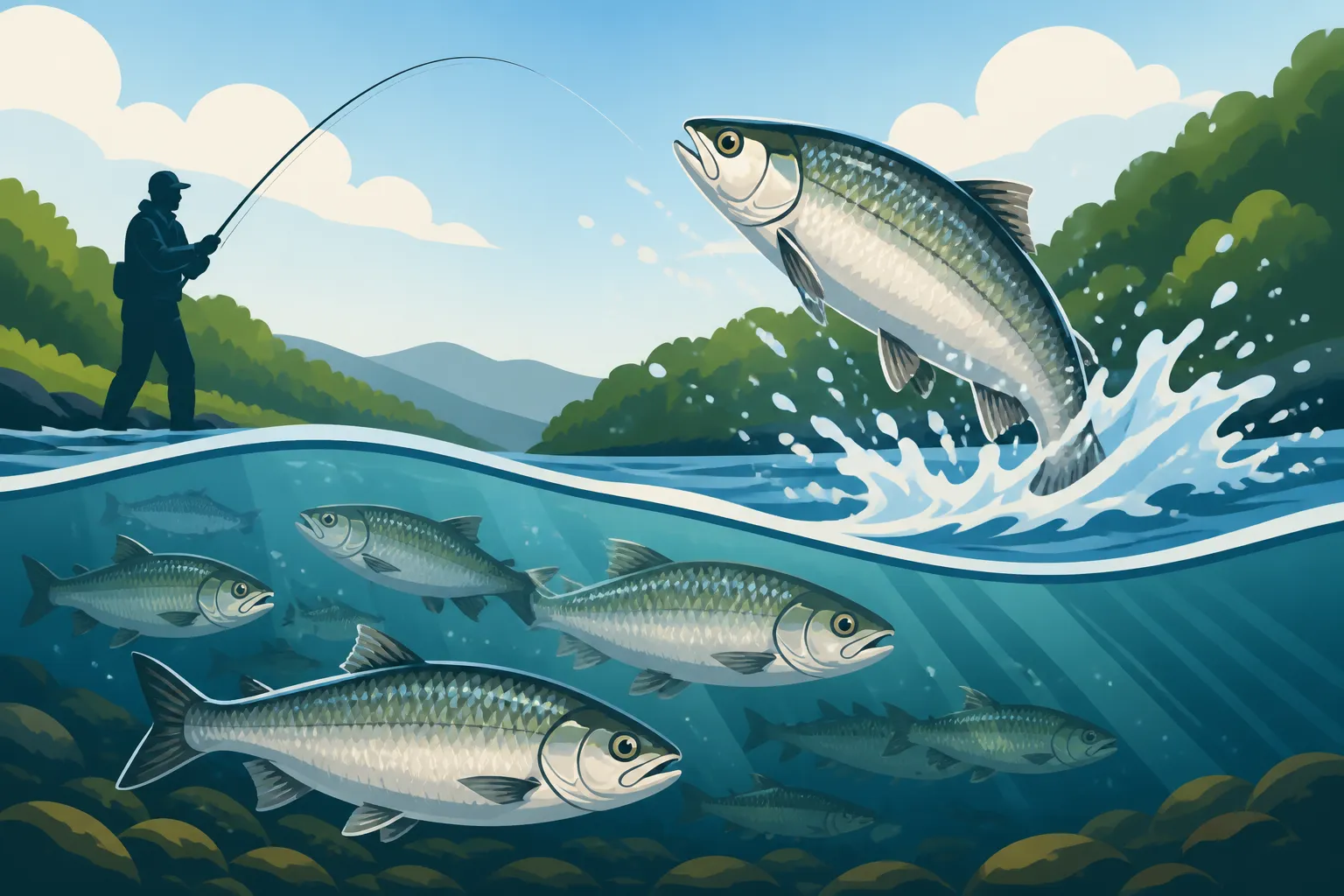
When the run is at its peak, the Connecticut River becomes alive with shad. Imagine stretches of water where you can literally see hundreds, sometimes thousands, of fish moving upstream. From an elevated vantage point, like a bridge or a high bank, you'll witness shimmering schools, often looking like moving clouds just beneath the surface. Each fish is a torpedo of silver, constantly on the move, reflecting the sunlight in flashes as they navigate the currents.
Sometimes, especially in shallower areas or when startled, you'll see them leap clear out of the water – a spectacular display that can catch you completely off guard. These acrobatic displays are a testament to their strength and determination, a thrilling sight for any observer. It's during this peak that the river ecosystem truly buzzes with activity, as various predators, including Striped Bass Fishing in Long Island Sound, follow the shad upstream, creating a dynamic food chain right before your eyes.
Shad Behavior: Leaping, Flashing, and Feeding
American shad are fascinating to watch during their spawning migration. While they aren't actively feeding in the river in the traditional sense, they are very reactive. You'll observe them often swimming in tight schools, hugging current seams, eddies, and deeper channels as they conserve energy for their arduous journey. Their flashes of silver are constant as they turn and dart, sometimes in unison, sometimes seemingly haphazardly.
The "leaping" behavior is one of the most iconic parts of the shad run. While the exact reason isn't fully understood – some speculate it's to dislodge parasites, others believe it's a way to reorient themselves in strong currents, or perhaps just sheer exuberance – it's an undeniable hallmark of the event. On a good day, you might see dozens of fish jumping within an hour in a single area. This energetic display, combined with the sheer volume of fish, makes the peak of the shad run a truly immersive experience. It's a prime example of the vibrant life found in Best Fishing Rivers in Connecticut.
The Sound and Feel of the Run: More Than Just Seeing
The American shad run isn't just a visual phenomenon; it's a full-sensory experience that captures the essence of spring on the river. The sights are only part of the story; the sounds and the general atmosphere contribute just as much to its unique charm.
Sensory Experience: Sounds of the River and Angler Excitement
During the peak of the shad run, the Connecticut River often emits a distinct symphony of sounds. Beyond the rushing water itself, you might hear the soft splish of fish leaping, followed by the audible plop as they re-enter the water. If you're near a waterfall or a fish ladder, the sound of thousands of fish moving and splashing can be surprisingly loud and continuous. It’s a rhythmic, organic sound that tells you without even looking that the river is truly alive.
And then there are the human sounds. The excited shouts of anglers who've hooked a fish, the whirring of reels as a shad makes a strong run, the friendly banter between folks lining the banks. There's an undeniable buzz of energy that permeates the air, a shared sense of joy and anticipation. You'll often find experienced anglers offering tips, sharing stories, and fostering a true community spirit. It's a far cry from the quiet solitude often associated with other forms of fishing. Connecticut River Shad Fishing is as much a social event as it is a fishing pursuit.
Angler Activity: What to Expect on the Banks
When the shad are running strong, expect to see a lively scene along the riverbanks and at popular access points. Anglers will be lined up, shoulder to shoulder at times, casting their small, brightly colored darts, spoons, or flies. You'll see everything from seasoned veterans with specialized ultralight setups to families with kids trying their luck for the first time. The camaraderie is palpable; strangers quickly become friends, sharing their experiences and celebrating each other's catches.
The type of gear you'll see is pretty specific. Light to ultralight spinning rods are common, often paired with small, flashy lures designed to provoke a strike from the anadromous shad. Some fly anglers will also be out, presenting flashy flies with sinking lines to entice the migrating fish. It's a great opportunity to learn from others and perhaps even pick up some new techniques. If you're new to the game, a quick search on Amazon for "shad darts" will show you the kind of tackle that dominates this fishery. This vibrant scene is a crucial part of What American shad runs look like on the Connecticut River.
Beyond the Peak: The Waning Days and Lingering Effects
Like all good things, the American shad run eventually winds down. But even as the peak passes, the river continues to tell the story of this incredible migration, with lingering effects that shape the ecosystem for weeks and months to come.
Post-Spawn Activities and Their Impact
After successfully spawning in the freshwater reaches of the Connecticut River, the adult shad, now often referred to as "downrunners" or "spent shad," begin their journey back to the ocean. These fish are usually thinner and less energetic than when they first arrived, having expended a tremendous amount of energy on their upstream migration and spawning duties. While some perish after spawning, many make it back to the ocean to return and spawn in future years.
Meanwhile, the next generation of shad begins its life. The tiny shad fry hatch and spend the summer months in the nutrient-rich freshwater nurseries of the Connecticut River. They grow rapidly, feeding on plankton and small invertebrates, preparing for their own downstream migration to Long Island Sound in the fall. These juvenile shad become an important food source for other predators in the river before they depart, showcasing the intricate web of life. For more on how river conditions impact these migrations, consider reading about Fishing after a heavy rain on Connecticut rivers.
Why the Shad Run Matters to the Ecosystem (and Other Fish!)
The American shad run is far more than just a fishing event; it's a critical ecological phenomenon that injects an immense amount of biomass and energy into the Connecticut River system. The sheer number of fish moving upstream, spawning, and then returning downstream provides a massive food source for a wide array of predators. Ospreys, bald eagles, and various waterfowl gorge on the shad, particularly the spent fish.
And let's not forget about other fish species. Striped bass are notorious for following the shad migration, keying in on these abundant, protein-rich meals. As the shad move upstream, stripers are often right behind them, providing fantastic fishing opportunities for anglers targeting both species. Even the presence of shad eggs and larvae influences the food chain, becoming sustenance for smaller fish and invertebrates. It truly underpins the entire health of the river. Understanding this delicate balance can enhance any angler's experience, especially when considering What Atlantic menhaden are and why they matter to striped bass as another crucial forage species.
The American shad run on the Connecticut River is a truly unique and powerful natural event. It's a testament to the resilience of migratory fish and the importance of healthy river systems. Witnessing it firsthand is an experience that stays with you, a vivid reminder of the incredible biodiversity right here in our backyard. Whether you're an avid angler or just a nature enthusiast, observing this migration is an unforgettable spring highlight. Don't forget to check Connecticut Fishing Regulations Explained before heading out.
| Run Stage | Typical Timing (Connecticut River) | Water Temperature (F) | Visual Appearance | Angler Activity & Notes |
|---|---|---|---|---|
| Early Run | Late March – Mid-April | 45-50 | Sparse, occasional flashes, few leaps; "scouts" | Dedicated anglers, often targeting deep seams; colder weather |
| Peak Run | Late April – Mid-May | 50-60 | Thousands of fish, constant flashing, frequent leaping | Crowded banks, high catch rates, vibrant community atmosphere |
| Late Run | Late May – Early June | 60-65+ | Fewer active fish, more "spent" downrunners; less leaping | Decreasing catch rates, focus shifts to post-spawn strategies |
| Post-Spawn | June onwards | 65+ | Juvenile shad visible in shallow nurseries (later in fall) | Adults largely absent; focus shifts to other species |
Disclaimer
This article is for general informational purposes only and does not constitute professional advice. Laws, prices and regulations vary by location and change over time. Consult a qualified professional for guidance on your specific situation.