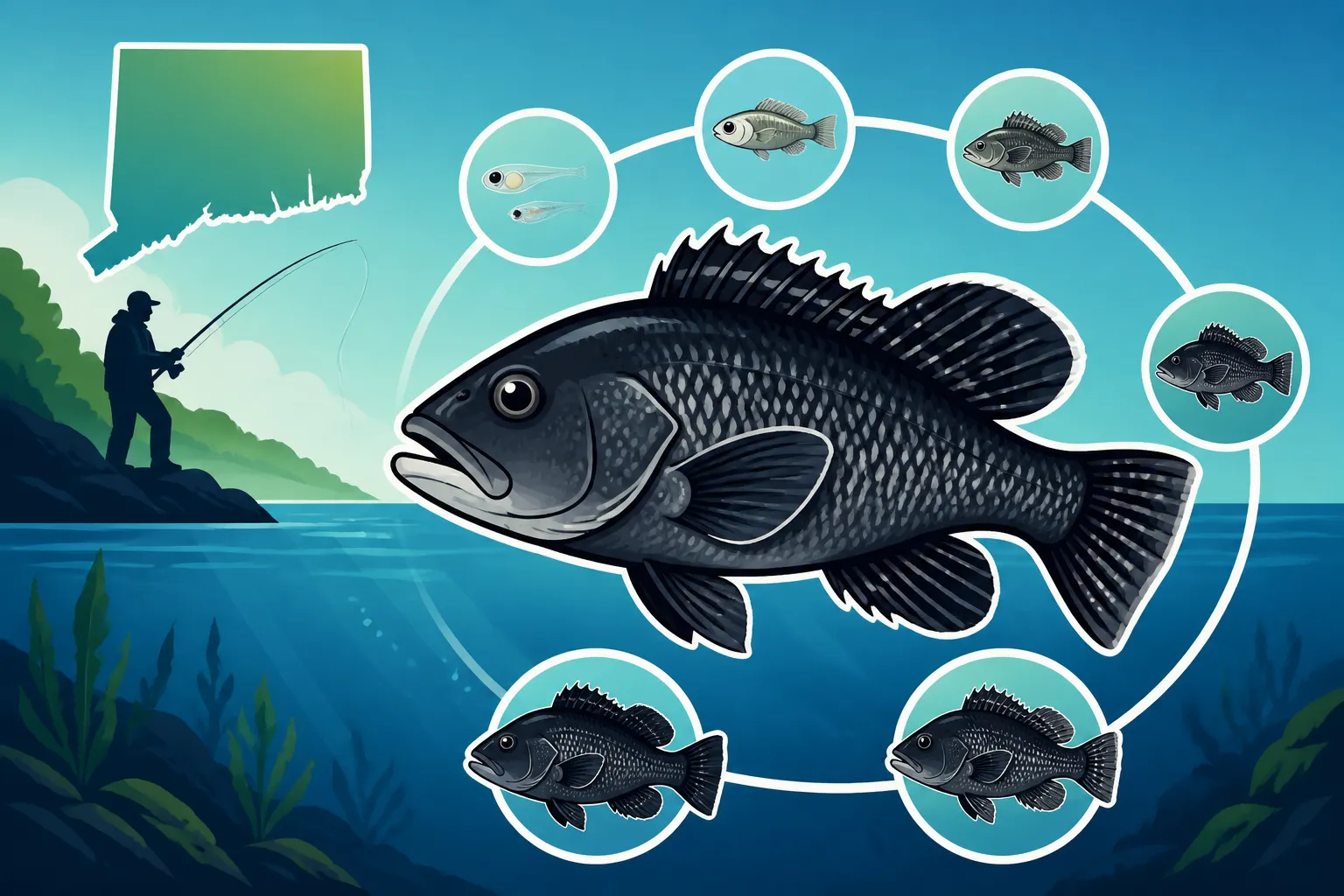
Life span of a blackfish in Connecticut waters
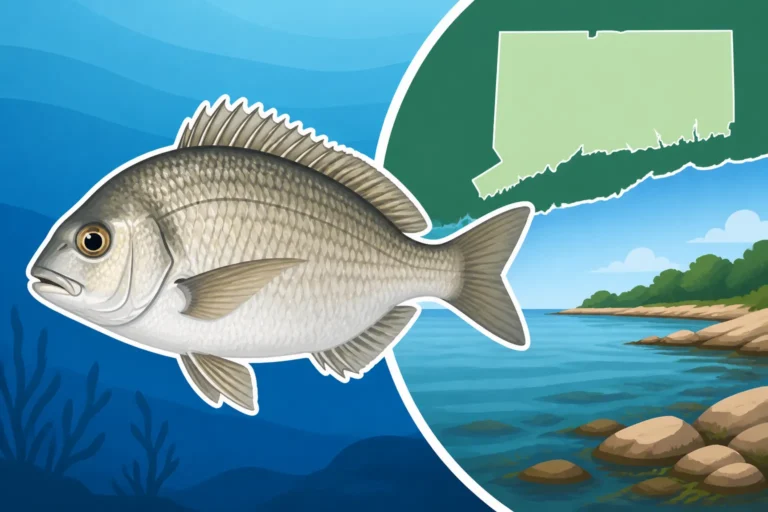
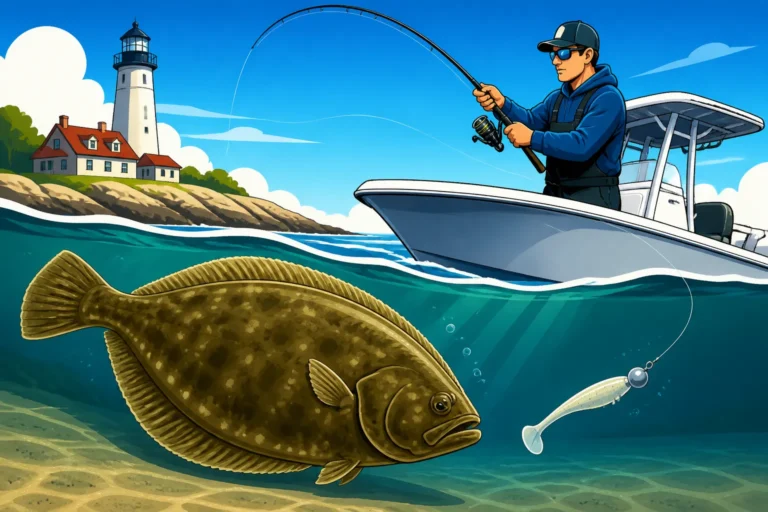
There's a unique satisfaction that comes from battling a tenacious blackfish, or tautog, pulling it from the gnarly structure it calls home in Connecticut's salty waters. But beyond the thrill of the catch, many of us anglers often find ourselves wondering, "Just how old is this fish?" When you hold a particularly large, scarred veteran of the reef, it sparks a deeper respect for its journey through the currents and tides. These incredible fish are known for their impressive staying power, and understanding the true life span of a blackfish in Connecticut waters reveals just how resilient and ancient some of these creatures really are. This guide will explore the remarkable longevity of blackfish, delve into the factors that contribute to their long lives, and discuss what this means for anglers and conservation efforts in our beloved state.
The Astonishing Longevity of Connecticut Blackfish
It might surprise you, but blackfish are absolute champions when it comes to longevity in the marine world, particularly among the species we actively target here in Connecticut. While many popular game fish might live for a decade or two, blackfish can easily surpass that, often reaching ages that put them firmly in the "senior citizen" category of the ocean. Some individuals in our local waters have been documented to live for over 20 years, and there are records of tautog reaching well into their late 30s and even beyond in cooler, less disturbed environments further north. Imagine catching a fish that was swimming around Long Island Sound before you even picked up your first fishing rod!
This incredible endurance is one of the many reasons blackfish are such revered and sought-after species. They've navigated countless seasons, dodged predators, survived storms, and found food through the harshest winters. Each older fish you encounter is a testament to natural selection and a healthy ecosystem. Their longevity also makes them a crucial part of the marine environment, playing a role in the intricate food web for decades.
Why Blackfish Live So Long
So, what's their secret? Blackfish possess a combination of biological and behavioral traits that contribute to their remarkable lifespans. For starters, they are relatively slow-growing fish. Unlike some species that pack on pounds quickly, blackfish grow at a more measured pace. This slower growth rate often correlates with greater longevity across many fish species. Their metabolism tends to be slower, requiring less energy and potentially leading to less cellular wear and tear over time.
Their diet also plays a role. Blackfish are true connoisseurs of crustaceans and mollusks, feasting on crabs, mussels, and barnacles that cling to rocky structures. This nutrient-rich, protein-packed diet provides them with the energy needed to sustain a long, healthy life. Think of it like a human eating a balanced, whole-food diet versus fast food; the former generally leads to better long-term health. These food sources are abundant in the rocky coastal areas and reefs where blackfish thrive, providing a consistent energy supply throughout their lives. You can learn more about their diet in What blackfish eat around structure.
Perhaps one of the most significant factors is their habitat. Blackfish are absolute homebodies, intimately tied to the rocky reefs, jetties, wrecks, and mussel beds that define much of Connecticut's coastline. These structures offer crucial protection from larger predators like seals and sharks, as well as shelter from strong currents and turbulent weather. By staying close to these safe havens, they reduce their exposure to open-water dangers. This sedentary lifestyle, combined with their ability to blend into their surroundings, helps them avoid being eaten and allows them to mature and age gracefully. Their preferred rocky haunts are not just feeding grounds but fortresses.
Age vs. Size: It's Not Always What You Think
When you reel in a big, stout blackfish, it's natural to assume it's an ancient warrior. And often, you'd be right! However, it's important to understand that size isn't always a perfect one-to-one indicator of age. While larger blackfish are generally older, there can be variations. Factors like food availability, water temperature, and individual genetics can influence a fish's growth rate. A blackfish in an area with an incredibly abundant food supply might grow larger faster than one in a leaner environment, even if they're the same age.
Conversely, a fish that has faced significant environmental stress or injury might be smaller for its age. Think of it like humans – not everyone grows to the same height or weight at the same age. So, while a 10-pound blackfish is certainly an old fish, it might be 15 years old, or it might be 20. The key takeaway is that blackfish, especially the bigger ones, represent many years of survival and contribution to the ecosystem. Do Blackfish Get Bigger in Deeper Water? is a great read if you're interested in the nuances of their size and habitat.
Factors Influencing Blackfish Lifespan
While blackfish are built for longevity, their individual lifespan can still be impacted by a host of environmental and anthropogenic factors. It's a delicate balance of nature and human influence that dictates how long these incredible fish get to patrol our rocky bottoms. Understanding these influences can help us appreciate the challenges they face and why conservation is so vital.
Habitat and Food Availability
As we touched on, the quality and accessibility of their habitat are paramount to a blackfish's long life. Pristine rocky structures, vibrant mussel beds, and thriving invertebrate communities provide both shelter and sustenance. A healthy reef, teeming with crabs and other shellfish, acts like a five-star restaurant and a fortified castle all in one. Blackfish that can reliably find abundant food sources will grow stronger, be more resilient to disease, and have the energy reserves needed to survive lean times, such as harsh winters or spawning periods.
Conversely, areas with degraded habitats – perhaps due to coastal development, dredging, or pollution – can severely impact their ability to find food and shelter. If a blackfish has to expend more energy searching for scarce food, or if its preferred hiding spots are destroyed, its overall health will decline, shortening its life. These fish are highly dependent on specific types of structure; they can't just pick up and move to a sandy flat. This localized dependency makes them particularly vulnerable to changes in their immediate environment. You can often find fantastic gear to explore these habitats on Amazon, from high-quality depth finders to specialized jigs.
Predation and Fishing Pressure
Even with their preference for hiding in structure, blackfish are not immune to predation, especially when they are smaller and more vulnerable. Larger fish, seals, and even some birds can target juvenile blackfish. However, once they reach a certain size, their tough skin, strong bones, and adeptness at wedging themselves into tight spots make them formidable prey. The biggest threat to adult blackfish, however, comes from humans.
Fishing pressure is undeniably the most significant factor that can shorten a blackfish's life. While regulations like Connecticut Blackfish (Tautog) Season Dates and Connecticut Blackfish Minimum Length Limit are in place to manage the fishery and protect populations, a highly targeted species like blackfish still faces considerable pressure. Anglers are often very good at finding these fish, and while many practice catch and release, others harvest their legal limits. Over time, consistent harvesting of older, larger fish can reduce the overall average age of the population. This isn't just about individual fish; it can impact the reproductive potential of the species, as older, larger females are typically the most prolific spawners.
Water Quality and Environment
The overall health of the marine environment directly correlates with the lifespan of blackfish. Clean, oxygen-rich water free from pollutants is essential for all marine life, including blackfish. Pollution, whether from industrial runoff, agricultural runoff, or residential waste, can introduce toxins into the ecosystem. These toxins can accumulate in the food chain, affecting the blackfish that consume contaminated invertebrates. This can lead to weakened immune systems, reproductive issues, and shorter lifespans.
Temperature also plays a role. While blackfish are hardy, extreme fluctuations or prolonged periods of unusually warm or cold water can stress them. As bottom dwellers, they can often find refuge in deeper, more stable temperatures, but prolonged environmental shifts can impact their health and access to food. Climate change and warming ocean temperatures are ongoing concerns for many marine species, and blackfish are no exception. A healthy, stable environment allows blackfish to live out their full potential lifespan, reaching those impressive veteran ages we so admire.
How Scientists Determine Blackfish Age
So, how do scientists know how old these fish are? It's not like they have birth certificates! Determining the age of a fish is a fascinating science, and it relies on natural growth markers, much like counting the rings on a tree. For blackfish, and many other bony fish species, the primary method involves examining specific hard structures that grow incrementally throughout the fish's life.
Otoliths: The Inner Ear Bones
The gold standard for aging blackfish is the analysis of their otoliths, often called "ear bones." Fish have three pairs of otoliths, small, calcified structures located in their inner ear canals. As a fish grows, these otoliths also grow, laying down concentric rings, or annuli, much like tree rings. These rings represent annual growth cycles, with wider rings indicating periods of rapid growth (like summer) and narrower rings representing slower growth (like winter).
To age a fish, scientists carefully remove these delicate structures, typically the largest pair, called the sagittae. They then prepare the otolith – sometimes by cutting a thin cross-section or by grinding and polishing it – and examine it under a microscope. By counting the distinct annual rings, they can accurately determine the fish's age in years. It's a meticulous process, but it provides incredibly reliable data that is crucial for understanding fish populations and setting effective management strategies. This method allows researchers to track population demographics, understand recruitment success, and assess the impact of fishing pressure on different age classes.
Scale and Fin Ray Analysis
While otoliths are preferred for their accuracy, especially in older, slower-growing fish like blackfish, other methods can also provide age estimates, though often with less precision. One common alternative is examining scales. Fish scales also grow incrementally, adding rings as the fish gets larger. These rings, called circuli, can be analyzed to estimate age. However, scales can be reabsorbed and regrown, making them less reliable than otoliths, especially for very old fish where the outer rings might be compressed and harder to distinguish.
Another technique involves analyzing cross-sections of fin rays, particularly from the pectoral or dorsal fins. Similar to otoliths, these bony structures also lay down annual growth rings. While generally more accurate than scales, fin rays can still be less precise than otoliths for certain species or age groups. For the best scientific understanding of blackfish longevity, otolith analysis remains the benchmark. This scientific effort is vital for the sustainable future of blackfish fishing, helping to inform regulations like those found in Connecticut Saltwater Fishing Regulations by Species.
Implications for Anglers and Conservation
Understanding the remarkable life span of blackfish fundamentally changes how we might view these fish and how we approach fishing for them. Knowing that a blackfish can live for decades highlights their unique value within our marine ecosystem and underscores our responsibility as anglers. It's not just about the thrill of the catch; it's about respecting a long-lived creature that has played a vital role in its environment for many years.
The Importance of Conservation for Long-Lived Species
When a species lives for a very long time, it often means it takes a long time to reach reproductive maturity and to contribute significantly to the next generation. Older, larger female blackfish are typically the most prolific spawners, producing a disproportionately large number of eggs compared to younger, smaller females. This makes them incredibly important for the health and sustainability of the blackfish population. If we consistently remove these "grandmothers" of the reef, it can have a profound impact on the future of the species.
This is why catch and release, particularly for the largest blackfish, becomes such a critical conservation practice. By carefully releasing these veteran fish, we allow them to continue their vital role in spawning and contributing to the gene pool. It's a way of ensuring that there will be blackfish for generations to come. Learning Best Techniques for Blackfish Around Structure that minimize stress on the fish and employing careful handling practices are crucial aspects of responsible angling. Many anglers now carry specialized tools for quick and safe release, which can be found easily on Amazon, such as dehookers and measuring tapes.
Targeting Older, Wiser Fish
Knowing about their longevity also gives us insight into the behavior of these older, wiser fish. An ancient blackfish isn't likely to be fooled by the same simple presentations that might catch a juvenile. They've seen it all, they've survived it all, and they've become incredibly adept at avoiding danger. This means that targeting trophy-sized, truly old blackfish often requires more skill, patience, and a deep understanding of their habits.
Anglers who consistently land large blackfish usually understand their intricate relationship with structure, their preferred feeding patterns, and how to present baits in a subtle, natural way. These fish are masters of their domain, and catching one is not just about luck, but about outsmarting a creature that has honed its survival instincts over decades. It transforms fishing from a simple pursuit into a strategic chess match against a formidable and respected opponent. Exploring resources like Blackfish Habits Around Structure can greatly enhance your understanding and success in targeting these long-lived denizens of the deep. It reminds us that every fish, especially a long-lived one, has a story, and as anglers, we are briefly a part of it.
Disclaimer
This article is for general informational purposes only and does not constitute professional advice. Laws, prices and regulations vary by location and change over time. Consult a qualified professional for guidance on your specific situation.