Do Connecticut Lakes Have Northern Pike?
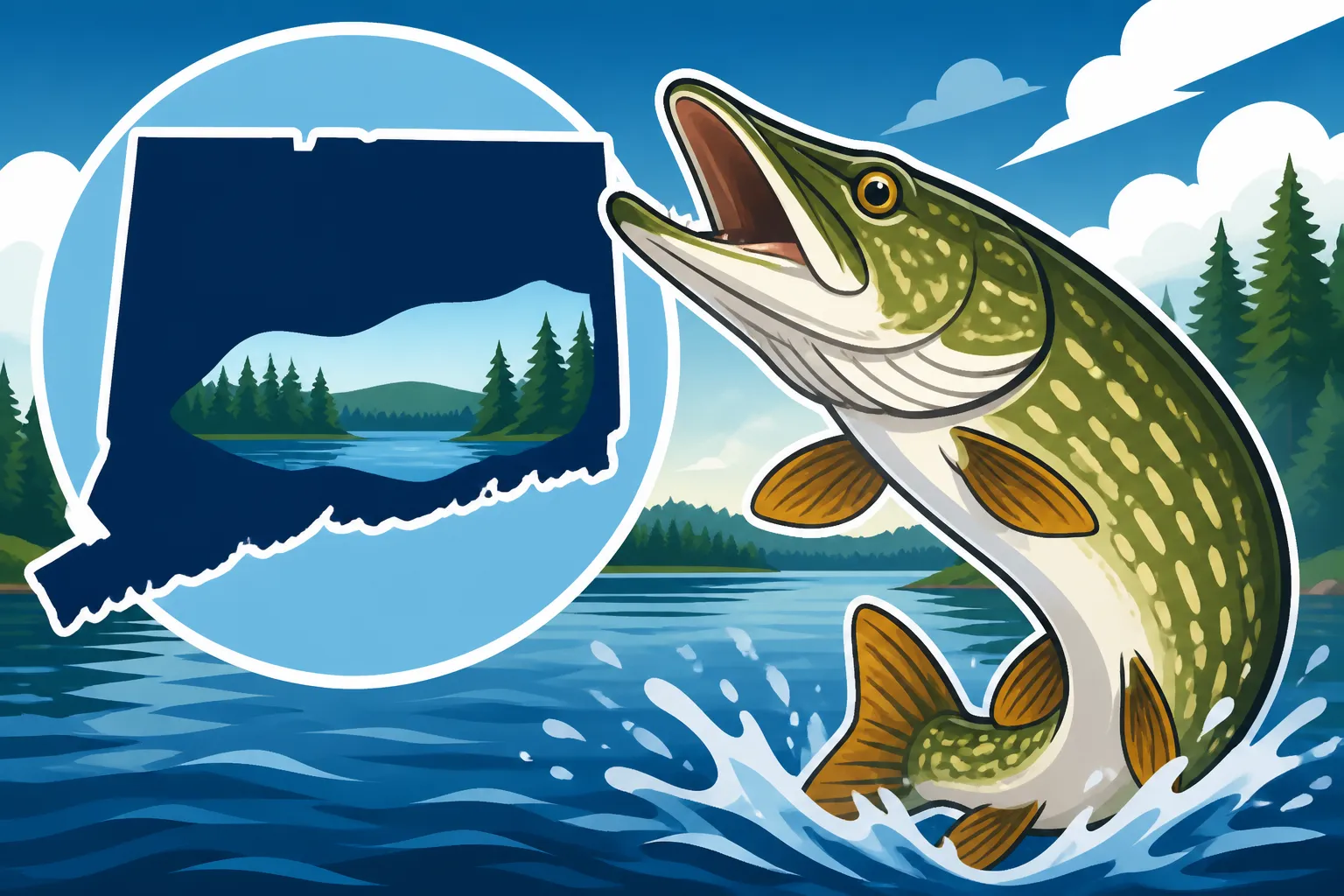
It’s a question many of us Connecticut anglers ponder, especially if you’ve ever had a monstrous, toothy northern pike snap your line on a smaller body of water elsewhere. You start to wonder, could these freshwater titans be lurking in our own local lakes? The short answer is a resounding "Yes!" Northern pike are indeed part of Connecticut's diverse freshwater fishery, offering an exciting, challenging target for those who love a good fight. This guide will dive deep into where you can find these impressive predators, how to identify them, and the best ways to go about catching them in our beautiful Nutmeg State waters.
The Presence of Northern Pike in Connecticut Waters
For many years, the idea of chasing northern pike in Connecticut might have seemed like a pipe dream, something you'd plan a trip to Canada or the Midwest for. But over time, through a mix of intentional stocking efforts and natural migration (likely from adjacent states), these formidable fish have established themselves in several key locations across the state. They add a thrilling dimension to our freshwater fishing scene, providing an opportunity to hook into something truly memorable without leaving Connecticut.
Where Northern Pike Thrive in Connecticut
Northern pike aren't just in any lake; they tend to prefer larger, cooler, and often deeper bodies of water with plenty of weed beds, submerged timber, and other structures to ambush their prey. These are prime locations where they can grow to impressive sizes, making them a top-tier target for anglers looking for a real challenge.
One of the most well-known spots for pike in Connecticut is Bantam Lake in Litchfield. This lake is practically synonymous with pike fishing in the state, boasting a healthy population and producing some truly enormous specimens. Anglers regularly head to Bantam specifically for these toothy critters, especially during the colder months. You'll find that Bantam Lake best pike fishing coves often hold the biggest fish, offering plenty of ambush points. Other waters where pike have been documented include specific areas of the Connecticut River and some smaller, interconnected systems, though Bantam is certainly the star of the show. If you're wondering Northern Pike Waters in Connecticut, Bantam is always at the top of the list, but it's worth exploring reports from other large lakes too.
Stocking Efforts and Natural Reproduction
The presence of northern pike in Connecticut waters isn't entirely accidental. For decades, the state's fisheries division has undertaken strategic stocking programs to introduce and maintain viable populations of these desirable game fish. These efforts are carefully managed to ensure the pike thrive without negatively impacting other native species.
In some areas, given the right conditions, these stocked pike have successfully reproduced, leading to a more self-sustaining fishery. This natural reproduction is a sign of a healthy ecosystem and means there's a continuous cycle of pike growing and challenging anglers. However, it's important to remember that not all pike populations are fully self-sufficient, and continued stocking remains vital in many locations to bolster numbers and maintain fishing opportunities. This careful balance ensures that future generations of anglers can also experience the thrill of battling a Connecticut pike.
Identifying Northern Pike and Their Habits
Imagine you're out on the water, and you hook into something that feels powerful, shakes its head wildly, and then flashes a long, dark, torpedo-shaped body. How do you know it's a pike and not, say, a chain pickerel or another predatory fish? Distinguishing northern pike from other species is key, not just for bragging rights, but also for adhering to regulations, as specific rules might apply.
Key Identification Features
Northern pike are unmistakable once you know what to look for. They have a long, slender, olive-green body with light, horizontal bean-shaped spots or markings on their flanks, which stand out against their darker background. Their dorsal fin is set far back on their body, almost directly above their anal fin, giving them a streamlined, arrow-like appearance. This rearward fin placement is a dead giveaway for their ambush predator lifestyle.
Perhaps their most iconic feature is their mouth: a large, duck-bill-shaped jaw filled with rows of sharp, needle-like teeth. These teeth are designed for gripping and tearing, making short work of unfortunate baitfish. Compared to a chain pickerel, which shares a similar elongated body shape and toothy grin, a pike's snout is typically broader and more flattened, and its markings are distinct. Pickerel usually have a more pronounced chain-like pattern, while pike have those unique bean-shaped spots. Knowing these differences helps anglers accurately identify their catch.
Preferred Habitats and Behavior
Northern pike are masters of camouflage and ambush. They are typically found in shallow to moderately deep water, always near cover. Think dense weed beds, lily pad fields, submerged logs, brush piles, and even docks. These structures provide the perfect hiding spots from which they can launch lightning-fast attacks on unsuspecting prey. They often patrol the edges of these cover areas, waiting for an opportunity.
During different seasons, their preferred depth and specific locations might shift slightly. In warmer months, they tend to stay deeper during the day, seeking cooler water and denser cover. As temperatures cool in the fall and into winter, they might become more active in shallower areas, especially as baitfish move. Understanding these behavioral patterns is crucial for successful pike fishing. They are opportunistic hunters, always on the lookout for an easy meal, which means presenting a tempting target near their preferred ambush points is often the key to success.
What Northern Pike Eat
Northern pike are apex predators in most freshwater ecosystems, and their diet reflects this. They are carnivorous and will consume just about any creature they can overpower. Their primary diet consists of smaller fish such such as perch, shiners, suckers, and even smaller panfish like bluegill or crappie. If it swims in the same water as them and is small enough to swallow, it's on the menu.
Beyond fish, pike are known to eat frogs, ducklings, muskrats, and even small mammals that venture too close to the water's edge. Their aggressive nature and insatiable appetite contribute to their rapid growth and impressive size. When targeting pike, understanding their diet is paramount, as mimicking their natural prey with your lures or bait will significantly increase your chances of a strike. For more insight into their dining preferences, you might want to read up on What Northern Pike Eat in Connecticut Ponds.
Fishing for Northern Pike in Connecticut
So, you're convinced that chasing pike in Connecticut is for you! That's fantastic! But how do you go about it? Pike fishing requires a slightly different approach than, say, trout or panfish, primarily because of their size, strength, and formidable teeth. Being prepared with the right gear and techniques is half the battle.
Recommended Gear and Techniques
When it comes to tackle, you'll want something robust. A medium-heavy to heavy action spinning or baitcasting rod, typically 6 to 7.5 feet long, paired with a reel spooled with strong braided line (20-40 lb test) is a good starting point. The braided line offers superior strength and sensitivity, but the real secret weapon for pike is a leader. Those sharp teeth will make short work of monofilament or fluorocarbon main line. A steel, fluorocarbon, or titanium leader of at least 12 inches is absolutely essential. Many anglers head to Amazon for their specialty pike gear, including pre-made leaders and heavy-duty lures.
For lures, think big and flashy! Large spoons (like Daredevils or Johnson Silver Minnows), crankbaits, jerkbaits, and swimbaits are all excellent choices. Spinnerbaits with large blades can also be highly effective, especially when worked along weed lines. Colors that imitate baitfish or offer a strong contrast are usually good bets. If you prefer live bait, large shiners or suckers, fished under a bobber or on a quick-strike rig, can be irresistible to a hungry pike. Always ensure your hooks are sharp and sturdy to penetrate their bony mouths. You can find a huge variety of tackle on platforms like Amazon that are specifically designed for pike.
Best Times and Conditions
Northern pike can be caught year-round in Connecticut, but certain seasons and conditions tend to be more productive.
- Spring: After the ice melts, pike become very active as they feed heavily following the spawn. They'll often be found in shallower waters, making them accessible to both boat and shore anglers. This is a prime time for targeting them with spoons and spinnerbaits.
- Summer: As water temperatures rise, pike often retreat to deeper, cooler water, concentrating around submerged structures and the deepest weed beds. Early morning and late evening can be the most productive times, with slower presentations often working best.
- Fall: This is another excellent season. As temperatures drop, pike once again go on a feeding frenzy to bulk up for winter. They can be found actively cruising shallower areas, making them aggressive hitters. Large crankbaits and swimbaits can be very effective.
- Winter (Ice Fishing): Connecticut offers fantastic ice fishing opportunities for pike, particularly on lakes like Bantam. Tip-ups set with large live shiners are a classic and highly effective method. Jigging with larger spoons or soft plastics can also produce strikes. For those who enjoy Ice Fishing in Connecticut, pike are a top target. Learning Best Techniques for Ice Fishing Pike can definitely increase your success rate.
Overcast days, especially those with a light chop on the water, can often trigger pike into feeding. They tend to be less active during bright, sunny, calm conditions.
Handling Pike Safely
Landing a northern pike is exciting, but handling them requires caution. Their teeth are no joke, and a thrashing pike can cause serious injury.
Here are some tips for safe handling:
- Use a Net or Grippers: A large landing net with rubberized mesh is ideal for subduing a pike. Alternatively, fish grippers (like those available on Amazon) can securely hold the fish by the lower jaw, keeping your hands away from the teeth.
- Control the Head: Once landed, always try to control the head of the fish. A pike can twist and bite even when it seems subdued.
- Tools for Hook Removal: Pliers, long-nosed forceps, or even a specialized hook remover are absolutely essential. Trying to remove a hook with your fingers is a recipe for disaster. If the hook is deep, consider cutting the line rather than tearing up the fish's gills or throat, especially if you plan to release it.
- Support the Body: If you want to take a quick photo, support the pike horizontally with two hands, one under the head (with grippers if possible) and one under the tail, to prevent injury to its internal organs. Avoid hanging them vertically by the jaw.
- Quick Release: If releasing, do so quickly and gently. Revive the fish if necessary by holding it upright in the water and moving it back and forth until it swims away under its own power.
Responsible handling ensures both your safety and the health of the fish, contributing to sustainable fishing practices in Connecticut.
Northern Pike Regulations in Connecticut
Just like with any other species in Connecticut, fishing for northern pike comes with its own set of rules and regulations. These rules are put in place to manage the fishery, ensure healthy populations, and provide fair opportunities for all anglers. It’s absolutely critical to stay informed and abide by these guidelines. Ignorance of the law is never an excuse, and violating regulations can lead to fines or other penalties.
Size and Creel Limits
The state fisheries division sets specific regulations regarding the minimum length a pike must be to be legally kept, as well as the maximum number of pike an angler can keep in a single day (known as the creel limit or daily limit). These numbers can change, so it's paramount to check the most current Connecticut Angler's Guide, usually available on the state's Department of Energy and Environmental Protection (DEEP) website, or wherever you purchase your fishing license.
For example, you might find a rule like "all northern pike between X and Y inches must be immediately released," or "daily creel limit is Z fish." These specific slot limits and possession limits are designed to protect larger, spawning-size fish while allowing anglers to harvest some fish. Always measure your catch accurately if you intend to keep it, and never exceed the daily limit. These regulations are a key part of protecting our Best Fishing Lakes in Connecticut for future generations.
Seasonal Considerations
While northern pike fishing is often a year-round pursuit, there can be specific seasonal regulations that affect when and how you can fish for them. Sometimes, certain bodies of water may have special rules that apply during spawning periods or during specific events like ice-out.
For instance, there might be particular dates that mark the opening or closing of a season for certain species, or specific regulations that only apply during ice fishing season. It's less common for pike to have very strict closed seasons compared to, say, trout during their spawning runs, but always double-check the current regulations. These rules can also apply to specific gear restrictions in certain areas. For example, some waters might be fly-fishing-only, or have bait restrictions. While these are less common for pike, they do exist for other species, so a thorough review of the Connecticut Fishing Regulations Explained is always advised before you head out. Understanding these nuances ensures you're fishing legally and responsibly.
| Northern Pike Key Characteristics (Connecticut) | Description | Angler Relevance |
|---|---|---|
| Body Shape | Long, slender, torpedo-like | Fast, ambush predator; excellent fighters |
| Coloration | Olive-green back, lighter sides with light, bean-shaped spots | Camouflaged in weeds; look for patterns |
| Dorsal Fin | Set far back on the body, near tail | A key ID feature; helps with quick bursts of speed |
| Mouth | Large, duck-bill shaped, filled with sharp teeth | Requires steel/heavy fluorocarbon leaders; handle with care |
| Preferred Habitat | Weed beds, submerged timber, lily pads, structure | Target these areas with lures/bait |
| Primary Diet | Smaller fish (perch, shiners), frogs, small mammals | Use lures/bait that mimic their natural prey |
| Typical Size (CT) | Can range from small "hammer handles" to trophy fish (30"+) | Exciting potential for a large catch; check state records Connecticut State Fish Records by Species |
| Active Seasons | Year-round, especially spring, fall, and ice fishing | Adapt techniques to seasonal behavior and water temps |
So, there you have it! Northern pike are absolutely a part of the Connecticut angling scene, offering a fantastic opportunity for those seeking a powerful freshwater challenge. From the well-known depths of Bantam Lake to other less-publicized spots, these toothy predators are out there, waiting for a well-presented lure or bait. Remember to gear up appropriately, understand their habits, and always, always fish responsibly and within the current regulations. Tight lines, and may your next Connecticut fishing adventure include the thrill of a northern pike!
Disclaimer
This article is for general informational purposes only and does not constitute professional advice. Laws, prices and regulations vary by location and change over time. Consult a qualified professional for guidance on your specific situation.