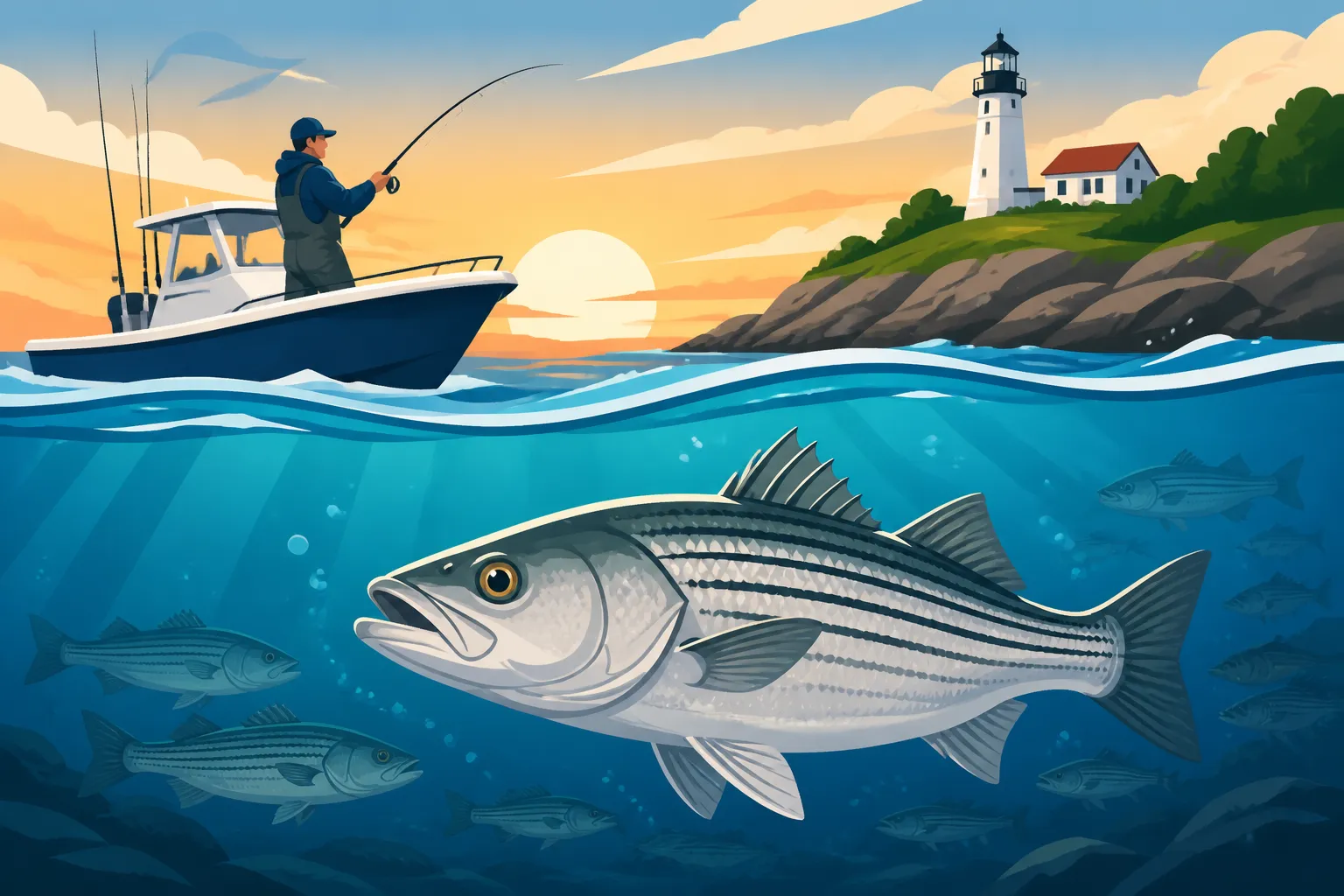
When striped bass migrate into Long Island Sound
Ah, the age-old question that gets every angler in Connecticut buzzing each year: "When will the striped bass show up in Long Island Sound?" It’s a question packed with anticipation, a hopeful whisper on the chilly March winds, and a hearty shout once those first lines start bending. Pinning down exact dates can feel like trying to catch smoke, with so many variables at play. But don't you worry, this guide is here to shed some light on the migratory dance of these incredible fish, helping you anticipate their arrival and departure from our beloved Long Island Sound.
Understanding the Grand Migration of Striped Bass
Before we dive into the specific timing for Long Island Sound, it helps to understand that striped bass are incredible travelers. These aren't just local fish; they're part of a vast, coast-wide migration that stretches from the Carolinas all the way up to Canada. Think of them as snowbirds, but in reverse, heading south for the winter and north for the summer to find optimal water temperatures and abundant food sources. This grand movement is largely driven by a few key factors: spawning instincts, the pursuit of baitfish, and maintaining a comfortable temperature range.
The primary spawning grounds for Atlantic striped bass are estuaries like the Chesapeake Bay, the Delaware River, and, crucially for us in Connecticut, the Hudson River. After their springtime spawning rituals, these different populations disperse, with many heading northward along the coast for their summer feeding grounds. Long Island Sound, nestled between Connecticut and New York, becomes a prime destination for many of these fish, offering a smorgasbord of baitfish and diverse habitats. So, when we talk about stripers "migrating into" Long Island Sound, we're really talking about a continuous flow of fish from these southern spawning areas, joining some local, smaller populations that might overwinter in deeper sections of the Sound or its larger rivers. It's a dynamic, ever-changing pattern, which is why predicting an exact "opening day" can be so challenging and why Striped Bass Migration Along the Connecticut Coast is such a fascinating topic for many local anglers.
The Exciting Spring Arrival: When Schoolies and Bigger Bass Begin to Show
The first real signs of striped bass migrating into Long Island Sound are often met with a collective sigh of relief from anglers who've endured the long, cold Connecticut winter. This initial push typically starts in late March and gains serious momentum through April and May. It's a gradual process, not an overnight invasion.
Early Season Pushes and Water Temperature Triggers
The biggest trigger for these spring movements is, without a doubt, rising water temperatures. As the shallow waters and estuaries begin to warm up, it signals to the stripers that it's time to move. You'll often hear about "schoolie" stripers—the smaller, younger fish—being the first to arrive. These eager, often 18-28 inch fish, are usually found poking around the mouths of rivers, tidal creeks, and sun-warmed coves in the Western Sound, especially those influenced by the Hudson River's spring run. They're looking for an easy meal as baitfish like river herring and early season bunker begin their own movements. Don't be surprised if you're out early spring fishing for trout in a local river like the Farmington and hear reports of stripers in the tidal reaches of the Connecticut River or Quinnipiac. Many anglers will gear up for this early season, even finding specialized lures and protective apparel on sites like Amazon to be ready.
As April progresses, and especially by early May, the influx of stripers into the Sound truly intensifies. Water temperatures generally climb into the mid-50s and low-60s, which is right in their comfort zone. This is when the larger, migratory bass, often referred to as "sows" or "cows" (especially the really big ones!), start making their presence known. They follow the warming water and, more importantly, the larger bait schools moving into the Sound. These bigger fish might initially stage in deeper channels or along structure before pushing further into the shallower feeding grounds. It’s a fantastic time to be out on the water, full of promise and the excitement of the first big bend in the rod after months of waiting.
Key Spring Fishing Zones
During this spring migration, certain areas become magnets for striped bass. The mouths of major rivers like the Connecticut River, the Housatonic River, and the Thames River are absolute hotbeds. These rivers serve as corridors for migratory baitfish and often hold slightly warmer water, making them irresistible to hungry stripers. Estuaries and shallow bays with ample structure, like the Norwalk Islands area or the various harbors along the coast, also light up. Anglers often target these areas with soft plastics, swimming plugs, and bucktails, trying to imitate the local bait. Early season also sees a good number of bunker (menhaden) starting to show up, and when these schools arrive, the stripers are not far behind. Knowing Best Techniques for Early Spring Trout can sometimes translate to understanding early season striper movements, as both fish are often reacting to rising water temperatures and the availability of early-season forage.
Summer Residency: The Peak Season and Hot Spot Bonanza
Once the spring migration has settled and water temperatures across Long Island Sound become consistently warm, usually from June through September, the striped bass are fully "in residence." This is prime time for many anglers, with a good mix of schoolie to trophy-sized fish spread throughout the Sound.
Adapting to Warmer Waters and Abundant Forage
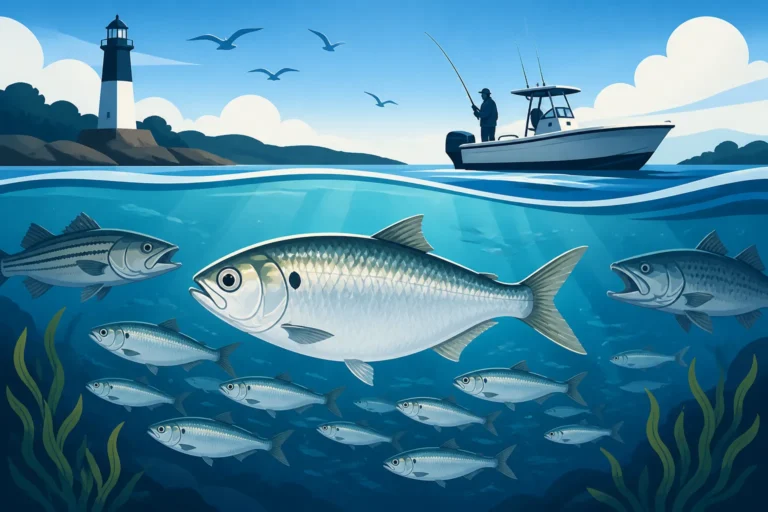
As summer heats up, stripers adapt their behavior. While they enjoy the warmer water, extreme heat can sometimes push them into deeper, cooler thermoclines or areas with strong current. They'll often hold around significant structure—rocky reefs, wrecks, ledges, and channels—where they can ambush bait and find refuge from the strong sun. This is also when the Sound is absolutely teeming with forage fish. Big schools of Atlantic menhaden (bunker) become prevalent, along with squid, mackerel, and various other baitfish. When these bait schools are thick, the stripers are often right there, aggressively feeding. You'll see exciting surface blitzes, where stripers and bluefish erupt, smashing bait on the surface. Understanding What striped bass eat in Long Island Sound during these months is key to selecting the right lures and baits.
Summer nights, in particular, become magical for striped bass fishing. As the sun dips and the water cools slightly, bigger fish often move into shallower water to feed under the cover of darkness. This is when large swimming plugs, eels, and big soft plastics shine. Many dedicated anglers embrace the night bite, as it often offers the best chance at a truly trophy-sized fish away from the boat traffic and bright sun of the day. If you're wondering about Best Time of Day to Catch Striped Bass, summer nights are often high on the list, along with dawn and dusk.
Finding Summer Stripers in Long Island Sound
During the summer, stripers are less concentrated in river mouths and more distributed across the Sound, though certain areas always seem to hold more fish. The rips and reefs of the Eastern Sound, like those around The Race and Plum Gut, become legendary for their strong currents and abundant bait, attracting massive schools of stripers. Western Sound anglers will find excellent fishing around boulder fields, mussel beds, and deeper channels. Fishing spots like Best striped bass spots on Long Island Sound near Niantic become key destinations, offering fantastic opportunities for both boat and shore anglers.
Drifting live bunker or chunking fresh bait are highly effective techniques, as is trolling umbrella rigs or large plugs for those covering more ground. Light tackle jigging with soft plastics or metal jigs can also be deadly when fish are located on structure or feeding on smaller bait. Whatever your preferred method, summer is the time when the Sound truly comes alive with striped bass action. Many anglers rely on specific tackle, and you can often find a wide array of options, from specialized jigs to heavy-duty rods, through online retailers like Amazon to keep your tackle box well-stocked.
The Fall Departure: The Epic Blitz and Southern Migration
Just as predictably as their spring arrival, striped bass will begin their southward migration from Long Island Sound as autumn progresses. This period, often called the "fall run" or "fall blitz," is arguably the most exciting time of year for striper fishing in Connecticut.
Cooling Waters and the Feeding Frenzy
Starting in late September and continuing fiercely through October and November, and sometimes even into early December, the cooling water temperatures signal an urgent need for the stripers to pack on calories for their long journey south to their wintering grounds. This triggers an absolutely ferocious feeding frenzy. The fish become incredibly aggressive, chasing down baitfish with a reckless abandon that makes for unforgettable fishing.
During this time, massive schools of baitfish, including bunker, mullet, and silversides, are also migrating out of the estuaries and bays, heading for deeper, warmer water. The stripers intercept these bait schools, often pushing them against shorelines, into harbors, or onto shallow flats, creating epic surface blitzes that can last for hours. It’s a spectacle to behold, with birds diving, baitfish showering, and striped bass (and bluefish!) exploding everywhere. For anyone looking for Best Techniques for Fall Striped Bass, this is the time to throw big topwater plugs, large soft plastics, and metal-lipped swimmers right into the fray.
Where and When the Fall Run Peaks
The fall run sees stripers congregating again in predictable areas: river mouths, inlets, rocky points, and coastal breaches where baitfish are flushing out. The mouth of the Connecticut River, the various harbors along the shoreline, and prominent points in both the Eastern and Western Sound become prime real estate. Anglers flock to these areas, both by boat and from shore, hoping to intercept the migrating schools.
The exact timing of the peak of the fall run can vary slightly year to year depending on water temperatures and bait movements, but generally, mid-October to mid-November is the sweet spot. As the water cools further, usually into the low 40s, the bulk of the larger migratory fish will have moved out of Long Island Sound, continuing their journey along the New Jersey and Mid-Atlantic coasts. A few hardy holdovers might remain in deeper, warmer pockets or rivers throughout the winter, but for the most part, by the time December hits, the Sound is quiet again, awaiting the next spring's migration. Exploring Long Island Sound Striped Bass Spots during the fall will give you the best chance to be part of this incredible event. Before the chill really sets in, many anglers will make sure they have their cold-weather gear, like insulated boots and waterproof jackets, readily available from trusted sources like Amazon, to stay comfortable during these late-season trips.
Here's a quick overview of the striped bass migration phases in Long Island Sound:
| Migration Phase | Typical Timing | Key Characteristics | Angling Focus |
|---|---|---|---|
| Early Spring | Late March – Early April | First "schoolies" arrive, seeking warmer shallow water. | River mouths, tidal creeks, small soft plastics |
| Mid-Spring | Late April – May | Main body of migratory fish arrive, following bait. | Rivers, estuaries, shallow bays, various lures |
| Early Summer | June – Early July | Bigger fish settle, abundant bait, surface activity. | Rips, reefs, structure, varied techniques |
| Mid-Summer | Mid-July – August | Fish move deeper or feed at night due to heat. | Deep channels, wrecks, night fishing, live/chunk bait |
| Early Fall | September – Early October | Cooling water, increased feeding, pre-migration. | River mouths, rocky points, surface plugs, jigs |
| Late Fall Blitz | Mid-October – Late November | Intense feeding frenzy, large schools pushing south. | All coastal areas, chasing bait, heavy lures |
| Winter Holdovers | December – February (limited) | Few fish remain in deep pockets or specific rivers. | Specific deep spots, slow retrieve, live bait |
Remember, these timelines are general guidelines. Mother Nature always has the final say, and local conditions like specific water temperature fluctuations, baitfish abundance, and even tidal currents can shift the patterns a bit. But understanding these broader movements will give you a significant advantage in anticipating when and where to find these magnificent fish in Long Island Sound. Don't forget that Connecticut Fishing Season Dates and Closures can impact when and where you can target specific species, so always check the latest regulations before heading out.
Disclaimer
This article is for general informational purposes only and does not constitute professional advice. Laws, prices and regulations vary by location and change over time. Consult a qualified professional for guidance on your specific situation.