What striped bass eat in Long Island Sound
It can be incredibly frustrating to hit your favorite spot on Long Island Sound, only to find the striped bass aren't biting. You've got the right tide, the right time of day, but still no luck. Often, the missing piece of the puzzle isn't your skill, but a deep understanding of what these powerful predators are actually feeding on at that moment. This guide will pull back the curtain on the varied and often surprising diet of striped bass in our Connecticut waters, helping you crack the code to more successful outings.
The Cornerstones of the Striped Bass Diet: Abundant Baitfish
Striped bass, particularly those in the nutrient-rich waters of Long Island Sound, are opportunistic and highly adaptable feeders. However, like any predator, they have their preferred meals, and these often revolve around the most abundant baitfish species available in the area. Understanding these staples is your first step to thinking like a striper.
Atlantic Menhaden (Bunker): The Prime Feast
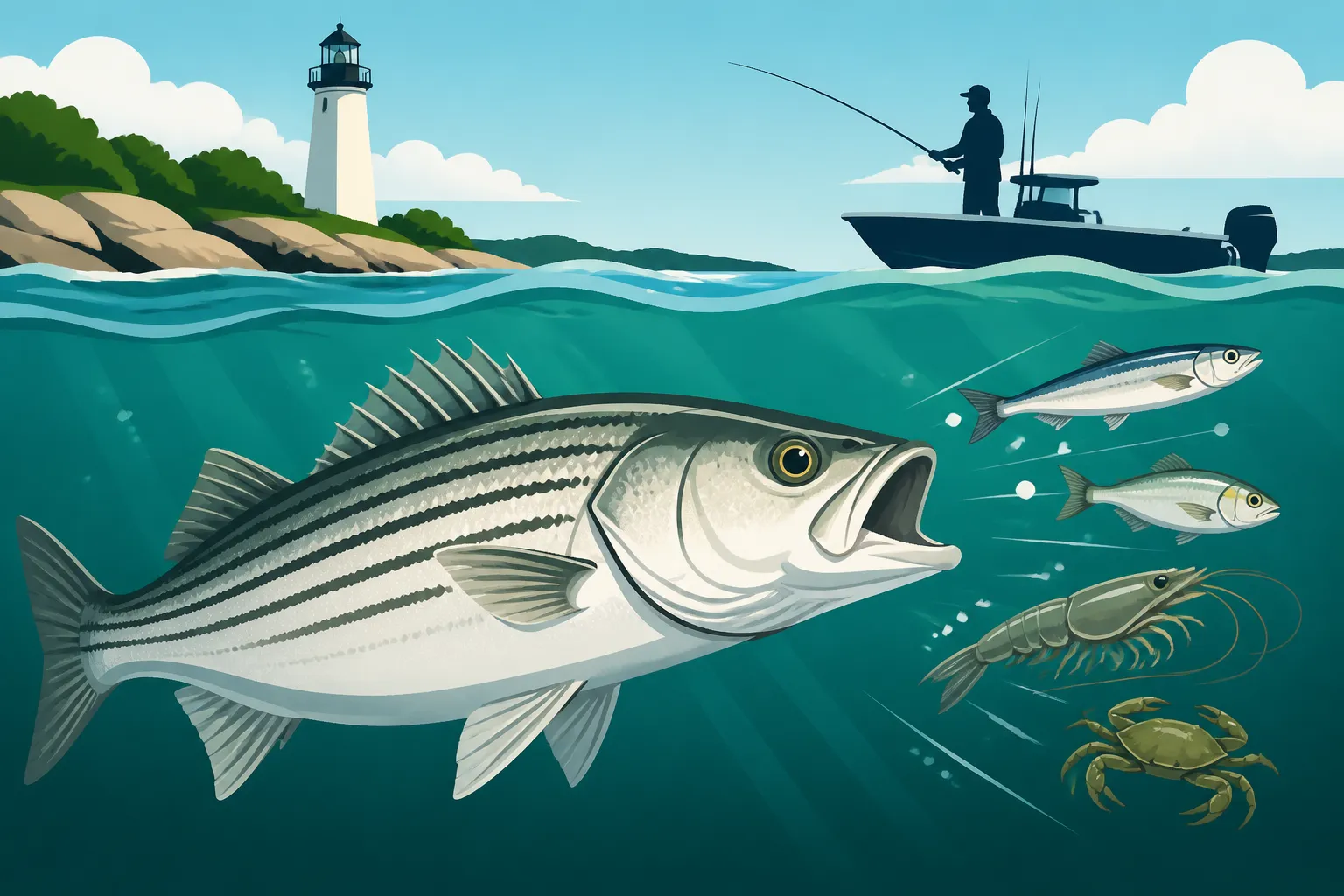
If there's one baitfish synonymous with big striped bass in Long Island Sound, it's the Atlantic menhaden, or "bunker." These oily, schooling fish are absolutely packed with protein and fat, making them an irresistible meal for stripers of all sizes. When the bunker schools move into the Sound in spring and persist through the warmer months, the striped bass are rarely far behind.
You'll often find menhaden in large, dense schools, sometimes creating "slicks" on the surface from their oily excretions. Stripers will violently attack these schools, pushing them to the surface, where gulls and other seabirds join the frenzy. This sight is often what anglers dream of, as it indicates actively feeding fish. Whether they're being pursued by the stripers themselves or by larger predators like sharks, bunker are a critical food source. Anglers often try to "match the hatch" by using large swimming plugs, poppers, or soft plastic paddle tails that imitate the size and profile of these plump baitfish. You might even find specialized bunker imitation lures available on platforms like Amazon, designed specifically for these conditions. When menhaden are present, it's almost always a good idea to consider them a primary target food for any nearby striped bass. For more on this critical species, check out Atlantic Menhaden as Forage Fish in Long Island Sound.
Bay Anchovies and Silversides: Small but Mighty
While menhaden get all the glory for attracting trophy fish, don't underestimate the importance of smaller baitfish like bay anchovies and silversides. These diminutive, silvery fish congregate in massive schools closer to shore, in estuaries, and around harbors. They might not seem like much individually, but when stripers encounter a dense school of thousands, it's an easy and energy-efficient meal.
Juvenile striped bass, or "schoolies," are particularly fond of these smaller baitfish, as they are a more manageable mouthful. However, larger stripers will also gorge themselves on anchovies and silversides, especially when bigger bait like bunker is scarce. Think of it like a human encountering a huge bowl of tiny but delicious snacks – you'll eat them all! Anglers targeting smaller stripers from shore or in shallow backwaters often find success with small soft plastics, epoxy jigs, or flies that mimic these baitfish. Their abundance means that even when the big bunker aren't around, there's still plenty of food to keep the stripers happy and actively feeding. Understanding the presence and movements of these smaller baitfish is crucial for consistent success, especially during certain times of the year or in specific locations within the Sound.
Sand Eels (Ammodytes): A Buried Treasure
Sand eels, also known as sand lances, are another crucial food source, though they often get less attention because they spend much of their time buried in sandy or silty bottoms. These slender, elongated baitfish are incredibly oily and nutritious, making them a favorite snack for striped bass, especially when the stripers are hunting in sandy areas or near inlets.
Striped bass will root them out of the sand, or ambush them when they emerge to feed in the water column. You might not see surface activity from sand eel feeds as dramatically as you would with bunker, but the stripers are there, trust me. Anglers often use slender jigs, soft plastics, or even flies that imitate the long, thin profile of a sand eel. These baits are particularly effective when retrieved close to the bottom, or with a jigging action that mimics a sand eel darting out of the sand. They are a staple through much of the year, providing a consistent food source that can be overlooked by those only focused on visible surface activity. Knowing when and where sand eels are prevalent can unlock some truly fantastic fishing, especially during certain seasons like spring and fall when stripers are on the move.
Seasonal Shifts and Opportunistic Dining Habits
The diet of striped bass isn't static; it's a dynamic reflection of what's available in Long Island Sound throughout the year. As temperatures change, so do the migrations and availability of various prey species. Stripers are masters of adaptation, readily switching their diet to whatever provides the most calories with the least effort.
Spring Forage: The Arrival of Life
Spring in Long Island Sound is a period of awakening, and the striped bass are keenly aware of every new arrival. As waters warm, the first waves of migratory baitfish flood into the Sound, and stripers are often right on their tails, hungry after their long journey.
Early spring sees the arrival of river herring (alewives and blueback herring) pushing into freshwater rivers to spawn. Striped bass will stage themselves at the mouths of these rivers, ambushing the herring as they move in and out. This creates incredible, albeit often brief, fishing opportunities. As the season progresses, bay anchovies and silversides become more prevalent, and eventually, the first schools of bunker start to appear. The stripers at this time are looking to pack on weight, so they're not picky. Matching the size and general profile of these early baitfish is key. Think smaller, slimmer baits in the very early spring, gradually increasing size as bunker become more common. This is a crucial time for understanding Striped Bass Migration Along the Connecticut Coast and their feeding patterns.
Summer Sustenance: The Menhaden Reign
Summer truly belongs to the bunker in Long Island Sound. From late spring through early fall, large schools of Atlantic menhaden dominate the baitfish landscape, and the striped bass diet shifts accordingly. This is when you'll see those incredible surface blitzes where large stripers smash into bunker schools with explosive power.
During these months, stripers will gorge themselves on menhaden, often to the exclusion of other prey. Anglers often employ large topwater plugs, lipped swimmers, or even live-lining bunker to tempt these fish. But it's not just bunker. Summer also brings a proliferation of other species. Squid might move into certain areas, providing another highly nutritious meal. Crabs and small lobsters become more active in rocky areas, and stripers will root them out. Even juvenile scup (porgies) and other bottom fish can become prey. The warmer waters mean a higher metabolism for stripers, so they need constant feeding. Focusing on the primary, most accessible food source like bunker, while keeping an eye out for other opportunities, is vital for summer success. When bunker are thick, that's often the best time of year to catch striped bass.
Fall Feast: Preparing for Winter
As fall approaches and water temperatures begin to drop, striped bass enter a crucial feeding phase known as the "fall run." They are intensely focused on building up fat reserves for their southward migration and the lean winter months. This means they become incredibly aggressive feeders, often targeting whatever is most abundant and easiest to catch.
The fall run sees a mix of baitfish available, often with bunker still present, but sand eels and silversides becoming even more dominant as many larger baitfish move offshore. Smaller fish like juvenile herring and spearing are also plentiful. Stripers will often chase these baitfish into shallow water or against structures, making for exciting fishing. Anglers can find success with a wide array of lures, from smaller soft plastics and jigs imitating sand eels, to larger topwater plugs if bunker are still around. The key is often finding the bait, as the stripers will be tightly keyed into these schools. This period is often described as a feeding frenzy, and understanding the specific baitfish present is paramount. Many seasoned anglers stock up on a variety of lures on sites like Amazon to cover all the potential baitfish scenarios during the unpredictable fall run. You'll want to read up on Best techniques for fall striped bass to capitalize on this.
Winter and Early Spring: Leaner Times
While many striped bass migrate south out of Long Island Sound for the colder months, a population of "holdover" stripers does remain. These fish enter a period of reduced activity and feeding, but they still need to eat. Their diet becomes much more opportunistic and energy-conservative.
During winter, holdover stripers might target whatever invertebrates are still active on the bottom, such as crabs or worms. Small, hardy baitfish like winter flounder juveniles, or even killifish and mummichogs in tidal creeks, can become important food sources. Their feeding windows are shorter, and they often hold in deeper, more stable water where temperatures fluctuate less. Anglers targeting holdovers typically use slow-moving baits, such as soft plastics on jig heads, presented meticulously on the bottom. Success in winter often comes down to finding these deeper holding areas and tempting a lethargic fish with a perfectly presented, easy meal.
Beyond Baitfish: Other Meals for a Hungry Striper
While baitfish form the bulk of a striped bass's diet, these powerful predators are not above diversifying their menu. Their opportunistic nature means that if it's edible and available, a striper will likely try to eat it. This varied diet is part of what makes them such formidable and fascinating game fish.
Crustaceans: Crabs and Shrimp
Believe it or not, crabs and shrimp can be a significant part of a striped bass's diet, especially in certain habitats. In rocky areas, around docks, and within tidal estuaries, green crabs, hermit crabs, and various shrimp species are abundant. Stripers, particularly larger ones, will root around these structures, crushing shells with their powerful jaws.
Anglers targeting stripers in these "crabby" environments might find success with soft plastic presentations designed to imitate crabs or shrimp, or even by using actual pieces of crab as bait. This is a common tactic in areas where stripers are less focused on open-water baitfish and are instead grubbing around the bottom. Think of a striper nosing along a jetty or a rocky shoreline, much like a blackfish (tautog) might. They're looking for an easy, protein-rich snack that doesn't require a lot of chasing. It’s a reminder that stripers aren't always chasing fast-moving schools in open water; sometimes they're more like bottom-feeding foragers.
Squid: A Nutrient-Dense Delicacy
When squid move into Long Island Sound, usually during the warmer months, they become a highly prized food source for striped bass. Squid are incredibly nutrient-dense, easy to digest, and offer a substantial meal. Stripers will actively hunt squid, often at night, making them a key target for anglers fishing after dark.
You might find stripers gorging on squid around light sources, like dock lights or bridge lights, where the squid are attracted. Anglers use specialized squid imitation lures, often soft plastics or even metal jigs, to mimic these cephalopods. The presence of squid can sometimes even pull stripers away from bunker schools, as squid offer such a concentrated burst of energy. Understanding the squid migration and their typical haunts can provide fantastic Night Fishing for Striped Bass in Connecticut opportunities. Many anglers consider squid a "trophy bait" because of its effectiveness on larger, more discerning striped bass.
Worms and Other Invertebrates: The Occasional Snack
Even seemingly humble worms can play a role in a striped bass's diet. During certain times of the year, particularly in estuaries or after heavy rains wash worms into the water, stripers will readily consume them. Bloodworms, sandworms, and other marine worms can attract stripers, especially smaller schoolies.
Beyond worms, stripers will occasionally eat other invertebrates like small mussels, clams (if easily dislodged), or even tiny juvenile fish of various species. While these rarely form the primary diet, they highlight the highly opportunistic nature of the striped bass. If you're fishing a tidal flat or a muddy bottom where these invertebrates are abundant, don't be surprised if a striper takes a bait that mimics one. It's all part of their survival strategy – eat what's available and easy to catch.
Using Diet Knowledge to Your Advantage: Angler Strategies
Understanding what striped bass eat in Long Island Sound isn't just academic; it's a powerful tool for every angler. By "matching the hatch" and thinking like a fish, you can significantly increase your chances of success.
Match the Hatch: Lure Selection
The most direct way to apply your knowledge of striper diet is through lure selection. If you know stripers are feeding on bunker, you'll want lures that mimic bunker in size, shape, and color. This could mean large swimming plugs, topwater poppers, or big soft plastic paddletails. For small baitfish like anchovies and silversides, opt for smaller epoxy jigs, slim soft plastics, or flies. If sand eels are the meal of choice, long, slender stick baits or jigs are your best bet.
Keeping a diverse tackle box is crucial. You never know exactly what the stripers will be focused on until you're out there. Having a range of What lures imitate the baitfish striped bass eat covering different bait profiles will prepare you for whatever the Sound throws at you. Don't be afraid to experiment, but always start with a bait that closely resembles the dominant forage in the area. Checking what other anglers are catching, or even observing the stomach contents of a keeper, can give you immediate clues.
Observe and Adapt: Reading the Water
Beyond just knowing the general diet, truly successful anglers are constantly observing the water for clues about what stripers are currently eating. Look for signs of baitfish schools on your sonar or breaking the surface. Watch for diving birds, especially terns and gulls, which often indicate baitfish being pushed to the surface by predators from below. "Slicks" on the water's surface can also indicate oily baitfish like menhaden being chewed up.
If you see bunker schools, but stripers aren't hitting your bunker imitation, perhaps they're keyed into something else, or maybe they're just not actively feeding on top. How menhaden schools attract striped bass and bluefish is critical to understanding. Sometimes, stripers will be underneath the bunker, picking off wounded fish, so a jig fished below the school might be more effective. The ability to quickly observe, hypothesize, and adapt your lure and technique is what separates good anglers from great ones. Platforms like Amazon offer quick access to a wide array of terminal tackle and specialized lures, allowing you to react quickly to changing conditions on the water.
Location, Location, Location: Where the Food Is
Striped bass are migratory predators, and their movements are almost entirely dictated by the availability of food. They will follow baitfish into and out of Long Island Sound, up into estuaries, and along the shoreline. Therefore, finding the food is often synonymous with finding the fish.
Knowing that bunker prefer warmer, shallower waters in the summer might lead you to focus on bays and harbors. If sand eels are prevalent, targeting sandy beaches or tidal rips might be more productive. In the spring, concentrating your efforts near river mouths where herring are spawning makes sense. As the season progresses, and if you're looking for bigger fish, exploring the offshore reefs and structures where large schools of menhaden hold can be incredibly rewarding. Consider booking a trip with one of the Best Striped Bass Charters on Long Island Sound to gain local insights into current feeding patterns and locations. A keen understanding of their diet helps you predict not only what they're eating, but also where they'll be eating it.
| Forage Species | Preferred Habitat | Primary Season(s) | Key Characteristics for Mimicry |
|---|---|---|---|
| Atlantic Menhaden | Open Sound, bays, harbors | Spring, Summer, Fall | Oily, large, deep-bodied, schooling |
| Bay Anchovies | Estuaries, shallow bays, nearshore | Spring, Summer, Fall | Small, slender, silvery, schooling |
| Silversides | Shallow protected waters, estuaries | Spring, Summer, Fall | Small, slender, silvery, schooling |
| Sand Eels | Sandy bottoms, rips, inlets | Spring, Summer, Fall | Long, thin, darting, oily |
| River Herring | River mouths, estuaries | Early Spring | Medium-sized, silvery, migratory |
| Squid | Open Sound, near structure/lights | Summer, Early Fall | Soft-bodied, fast-moving, clear |
| Crabs/Shrimp | Rocky bottom, docks, estuaries | Year-round | Bottom-dwelling, hard-shelled |
| Worms | Muddy/sandy bottom, estuaries | Year-round | Elongated, burrowing |
Ultimately, becoming a truly successful striped bass angler in Long Island Sound involves more than just casting a line. It's about becoming a student of the ecosystem, understanding the intricate dance between predator and prey, and adapting your tactics accordingly. By keeping a close eye on what the stripers are eating, you'll not only catch more fish but also gain a deeper appreciation for the wild beauty of Connecticut's marine environment.
Disclaimer
This article is for general informational purposes only and does not constitute professional advice. Laws, prices and regulations vary by location and change over time. Consult a qualified professional for guidance on your specific situation.