What a holdover trout is
One of the most thrilling experiences for any angler in Connecticut is the pursuit of holdover trout. It’s a common frustration to see freshly stocked fish quickly depleted, leaving many wondering if any quality trout survive beyond opening day. This guide will dive deep into understanding what a holdover trout truly is, where to find these resilient fish in our local waters, and the specialized techniques you can use to successfully bring one to the net, offering a rewarding challenge far beyond the initial stocking frenzy.
Understanding the Holdover Trout Phenomenon in Connecticut
For many of us who love trout fishing in Connecticut, there's a certain magic in the word "holdover." It speaks to resilience, to survival against the odds, and to a fish that has outsmarted countless anglers and natural predators. Unlike the eager, often easily caught trout that have just been released from the hatchery, a holdover has proven its mettle, adapting to its new environment and growing larger, smarter, and often more beautiful. It's not just a fish; it's a testament to the quality of our waters and a true prize for any dedicated angler.
What Makes a Trout a "Holdover"?
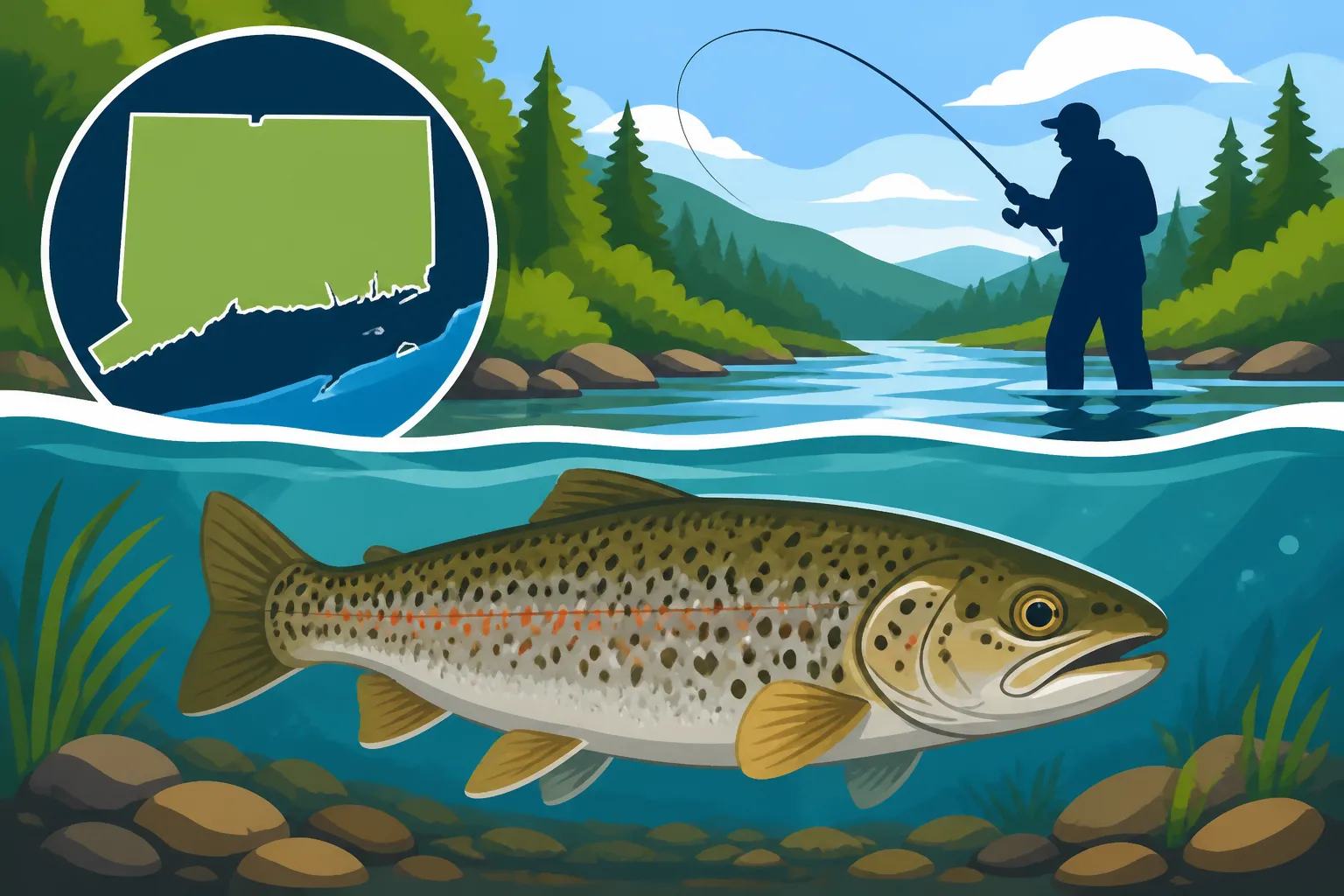
The definition is pretty straightforward, but the implications are huge. A "holdover trout" is, simply put, a trout that was stocked by the Connecticut Department of Energy and Environmental Protection (DEEP) in a previous stocking period—either last season, or sometimes even years prior—and has managed to survive. This isn't a wild, naturally reproduced trout, though they share many characteristics in terms of their behavior and wariness. Instead, these are hatchery-raised fish that, through a combination of luck, good genetics, and suitable habitat, have learned to forage, evade predators, and withstand angling pressure.
Think about it: a trout released into a river or pond has to quickly figure out where to find food, how to avoid becoming a meal for an osprey or a bigger fish, and how to stay hidden from the dozens of lines cast its way. Most don't make it. The ones that do, the holdovers, are the survivors. They lose some of that tell-tale hatchery fin wear, their colors become more vibrant and natural, and their instincts sharpen dramatically. They become a different caliber of fish entirely. It's important to remember this distinction when you're out there; a holdover isn't a wild trout in the biological sense, but it behaves much more like one than a freshly stocked fish. You might even mistake them for wild fish due to their strong fins and vibrant patterns.
The Allure of Catching Holdovers
So, why do anglers in Connecticut get so excited about holdover trout? It's simple: they represent a genuine challenge and a far more rewarding catch. There's nothing wrong with enjoying the fast action of a fresh stocking, especially if you're introducing kids to fishing. But for those who crave a more strategic, skill-based pursuit, holdovers are the ultimate game. These fish aren't going to hit every worm or PowerBait that drifts by. They've seen it all before. They're selective, spooky, and demand a higher level of finesse, patience, and understanding of trout behavior.
Successfully catching a holdover isn't just about luck; it's about making the right presentation, using the right bait or lure, understanding current seams, and approaching the water with stealth. When you finally hook into one, you'll immediately feel the difference. They fight harder, often making powerful runs and acrobatic leaps that can quickly snap a light leader. And when you finally land that beautifully colored, larger-than-average trout, perhaps a gorgeous brown trout with vivid red spots, there's an immense sense of accomplishment. It's proof that your dedication and honed skills paid off, making it a truly memorable experience. This pursuit adds an extra layer of depth to Trout Fishing in Connecticut.
Where to Find Holdover Trout in Connecticut Waters
Finding holdover trout is a bit like searching for buried treasure; you need to know where to look and what clues to follow. They don't just appear anywhere. Holdovers thrive in specific conditions that allow them to survive the initial angling pressure and the changing seasons. Understanding these environmental factors is crucial for increasing your chances of success.
Key Characteristics of Holdover Habitat
Holdover trout, being survivors, naturally gravitate towards areas that offer them a survival advantage. The most critical factor, especially in Connecticut's often warmer summers, is cold water. Trout are coldwater fish, and water temperatures above 68-70 degrees Fahrenheit can be lethal. So, you'll typically find holdovers in:
- Spring-fed streams and rivers: These waterways maintain a more consistent cold temperature year-round due to groundwater inputs, even during the dog days of summer.
- Deep lakes and ponds with thermoclines: The deeper sections of larger water bodies can retain cold, oxygenated water below the warmer surface layers. Holdovers will retreat to these depths when surface temperatures rise.
- Tailwaters below dams: Rivers flowing out from the bottom of large reservoirs often have consistently cold water, as the water released comes from the cooler depths of the impoundment. The Farmington River, for example, is famous for this.
- Areas with abundant cover: Holdovers are smart. They seek out places where they can hide from predators (like eagles, herons, and otters) and from observant anglers. This means submerged logs, rock piles, undercut banks, deep pools, dense aquatic vegetation, and overhanging trees are prime real estate.
- Consistent food sources: While they're adapting to natural forage, holdovers still need a reliable food supply. Areas with prolific insect hatches (both aquatic and terrestrial), small baitfish populations, or plentiful aquatic invertebrates will sustain healthier, larger holdovers. Think about sections of streams with healthy riffles and runs that produce a constant drift of food.
When you're scouting a new spot or revisiting a familiar one, look for these specific characteristics. If a stream looks shallow and warms up quickly, it's unlikely to hold many trout through a hot summer. But a river with deep, shaded pools and visible springs bubbling in? That's holdover country.
Specific Connecticut Waters Known for Holdovers
While any stocked water could have holdovers, some locations in Connecticut are truly renowned for consistently producing these prized fish. These are often the same waters that naturally support wild trout populations or have managed sections specifically designed for year-round trout fishing.
- The Farmington River (West Branch especially): Without a doubt, the Farmington is arguably Connecticut's premier trout fishery, and a significant reason is its incredible holdover population. The cold water released from the bottom of the Colebrook Dam creates perfect conditions year-round, allowing many stocked brown and rainbow trout to not only survive but thrive and grow to impressive sizes. It’s a true trophy fishery. Anglers often target these sections for Fly Fishing for Trout in Connecticut. You can learn more about specific rules in Connecticut Farmington River Trophy Trout Stream Rules.
- The Housatonic River: Another powerhouse, particularly its upper sections which are often managed as a Trout Management Area (TMA). While the "Housy" is also known for its incredible smallmouth bass fishing, its cold, clear waters and abundant insect life allow many stocked trout to hold over and grow, particularly brown trout. It’s a favorite for both fly and spin anglers seeking a challenge. Check out Housatonic River Fishing Guide for more details.
- East Aspetuck River, Salmon River, Hammonasset River: These are other examples of rivers known for good cold water flow and structure that can support holdovers. They might not have the sheer numbers of the Farmington or Housatonic, but they offer excellent opportunities, especially in their cooler sections.
- Deep Lakes and Ponds: Lakes like Candlewood Lake Fishing Guide, Bantam Lake Fishing Guide, and even some deeper state park ponds can hold trout over, especially rainbow and brown trout, which are more tolerant of lake environments. These fish often retreat to the deepest, coolest sections during summer and become active again closer to the surface in spring and fall. Access can sometimes be tricky here, requiring a boat or kayak, but the reward of a chunky lake holdover is well worth the effort.
Remember, even in these prime locations, holdovers aren't everywhere. You need to focus on those specific habitats within these waters that offer the best chance of survival. Pay attention to local knowledge, inquire at tackle shops, and perhaps consult resources like Connecticut Interactive Trout Stocking Map, Explained to see where fish are regularly introduced, thus increasing the potential for some to remain.
Strategies for Targeting Connecticut Holdover Trout
Okay, you've identified a promising spot—a cold, deep pool on the Farmington, or a spring-fed section of the Housatonic. Now comes the hard part: convincing a savvy holdover trout to bite. This isn't your typical opening day free-for-all. These fish are educated, cautious, and demand a thoughtful approach.
Reading the Water for Holdover Potential
Holdover trout are masters of their environment. They know where the food is, where the current brings it, and where they can expend the least energy while waiting for a meal. To catch them, you need to think like them.
- Identify Current Seams and Eddies: Trout will often position themselves in slower water (an eddy or current seam) right next to faster-moving water. This allows them to dart out quickly to grab drifting food without fighting the main current constantly. Look for these "lanes" where fast and slow water meet, often marked by foam lines or subtle changes in water texture.
- Target Undercut Banks and Overhanging Cover: This is classic trout real estate. An undercut bank provides shade, protection from aerial predators, and a direct food delivery system. Overhanging branches or bushes offer similar benefits. These spots are crucial hiding places, especially for larger, more experienced trout.
- Focus on Structure: Submerged rocks, logs, root balls, and even bridge abutments create current breaks and ambush points. These are natural magnets for holdovers seeking shelter and feeding opportunities. A big boulder in the middle of a river, for instance, creates a perfect "cushion" of slower water directly downstream where a trout can sit.
- Look for Deeper Pools and Runs: While trout will feed in shallower riffles, larger holdovers often retreat to deeper water for safety and thermal refuge, especially during brighter parts of the day or warmer periods. Work these deeper sections thoroughly, ensuring your presentation gets down to their level.
- Observe Insect Activity: If you see caddis flies, mayflies, or stoneflies hatching or fluttering near the water, that's a huge clue. Holdovers will key in on natural insects, so matching the hatch (for fly anglers) or using imitations (for spin anglers) can be incredibly effective. Even if you don't see rising fish, the presence of insects indicates a healthy ecosystem capable of supporting trout.
Approach these areas stealthily. Holdovers are incredibly spooky. Walk softly, keep a low profile, and cast from a distance if possible. A heavy step or a visible silhouette can send them scattering.
Effective Baits, Lures, and Flies for Wary Holdovers
Forget the bright, unnatural baits that work wonders on fresh stockers. Holdovers require a more refined approach.
For Spin Anglers:
- Natural Baits: Live worms, small shiners, or even mealworms and crickets can be irresistible. Present them naturally, allowing them to drift with the current. Use minimal weight to avoid an unnatural presentation. Small pieces of corn or salmon eggs can also be effective if allowed to drift naturally.
- Small Spinners and Spoons: Think subtle. Lures like a classic Rooster Tail, Panther Martin, or a small Kastmaster spoon in natural colors (silver, gold, black, brown) can imitate baitfish or larger insects. Sizes 00 to 1 are often perfect. Cast upstream and retrieve just fast enough to get the blade spinning, allowing the current to help with the presentation. Brands like Mepps and Acme are popular.
- Soft Plastics: Small scented grub tails or trout worms, fished on a tiny jig head (1/32 to 1/16 oz) or under a bobber, can mimic worms or aquatic insects. The key is natural movement. Colors like white, clear, brown, or green pumpkin often work well. You can find a huge variety of these on Amazon.
- Floating Minnows/Jerkbaits: For larger holdovers, especially brown trout, a small floating Rapala or similar jerkbait can be deadly. These imitate struggling baitfish. Work them with a twitch-pause retrieve near structure or current seams.
For Fly Anglers:
- Nymphs: This is often the most productive method for holdovers, as trout do most of their feeding subsurface. Patterns like the Pheasant Tail, Hare's Ear, Prince Nymph, Caddis Larva, or a Zebra Midge in sizes 14-20 are indispensable. Fish them on a tight line or under an indicator, making sure they drift naturally along the bottom. Consider exploring Euro Nymphing Connecticut Trout Streams for advanced techniques.
- Streamers: For aggressive, larger holdovers, especially brown trout, streamers that imitate baitfish can be incredibly effective. Woolly Buggers (black, olive, brown), Clouser Minnows, and Mickey Finns in sizes 6-10 are popular. Strip them through deep pools, along undercut banks, or across current seams.
- Dry Flies: When there's an active hatch, dry fly fishing for rising holdovers is incredibly exciting. Match the insect species you see on the water with patterns like Parachute Adams, Elk Hair Caddis, or small Tricos. Presentation is key: a gentle, drag-free drift is paramount. Learning about Fly Patterns for Connecticut Trout Streams is invaluable.
- Terrestrials: In late summer and fall, ants, grasshoppers, and beetles become important food sources. Foam hoppers, ant patterns, or beetle imitations fished near grassy banks or under overhanging trees can tempt a wary holdover.
Regardless of your chosen method, light tackle is essential. Use lighter lines (4-6 lb mono or fluorocarbon for spin, 4-5X tippet for fly) and sensitive rods. Holdovers are not only shy but will also quickly detect unnatural resistance. Patience and a willingness to experiment with different presentations are your best friends.
Here's a quick comparison of common holdover trout baits/lures:
| Method | Type | Best For | Presentation | Notes |
|---|---|---|---|---|
| Spin | Live Worms | All trout, especially when sluggish | Drift naturally on light hook, minimal weight | Very effective, appeals to natural instincts |
| Spin | Small Spinners | Active trout, imitating baitfish/insects | Cast upstream, slow retrieve with blade spin | Sizes 00-1, natural colors (Mepps, Panther Martin) |
| Spin | Soft Plastics | Bottom feeders, mimicking worms/larvae | Tiny jig head, slow retrieve or still under bobber | Scented options on Amazon can increase effectiveness |
| Fly | Nymphs | Subsurface feeders (most common) | Dead drift along bottom, under indicator | Pheasant Tail, Hare's Ear, Prince Nymph (sizes 14-20) |
| Fly | Streamers | Aggressive larger trout, imitating baitfish | Strip through deep pools/structure | Woolly Bugger, Clouser Minnow (sizes 6-10) |
| Fly | Dry Flies | Rising trout during a hatch | Drag-free float on surface | Match the hatch, precise presentation is critical |
The Challenge and Reward of Holdover Trout Fishing
There's a reason seasoned anglers often speak of holdover trout with a sense of reverence. It's not just about catching a fish; it's about the entire experience—the detective work, the refined techniques, and the satisfaction of outsmarting a truly intelligent adversary. It’s a completely different game than chasing freshly stocked fish.
Distinguishing Holdovers from Freshly Stocked Fish
When you hook a trout in Connecticut, how do you know if it's a fresh stocker or a prized holdover? Sometimes it's obvious, sometimes it's more subtle, but there are distinct clues:
- Fin Condition: This is often the most telling sign. Freshly stocked trout from hatcheries often have worn, stubby, or even malformed fins (especially the dorsal and pectoral fins) due to rubbing against tank walls or crowding. Holdovers, having survived in a natural environment, will have fully formed, often larger, and very healthy fins that are not frayed. Their tails will be broad and strong, designed for powerful swimming against currents.
- Coloration: Hatchery trout can sometimes appear pale or uniform in color. Holdovers, however, quickly adapt the vibrant, distinct coloration of wild fish. Their spots become sharper, their flanks take on richer hues, and their overall appearance is more striking. A holdover brown trout will have vivid red halos around its spots, and a rainbow will boast a deeper, more iridescent stripe.
- Body Shape and Muscle Tone: Fresh stockers can sometimes look a bit "soft" or torpedo-shaped. Holdovers, by virtue of actively hunting and navigating currents, will have a leaner, more muscular, and often deeper body shape. They feel incredibly solid in your hand.
- Fight: This is where the real difference is felt. A holdover will fight with ferocity and endurance that a freshly stocked trout rarely displays. Expect powerful runs, head shakes, and often acrobatic jumps. They know how to use the current and structure to their advantage, making for an exhilarating battle on appropriate tackle.
- Size: While not a definitive marker (some small trout can hold over, and some large trout are stocked), holdovers often have had more time to grow, meaning they can be significantly larger than the average fresh stocker. Landing a truly impressive 18-20 inch trout in a stocked stream is usually a good indicator you've found a holdover. The thrill of catching Trophy Trout Waters in Connecticut is often tied to these resilient fish.
Here's a comparison table to help you identify:
| Feature | Freshly Stocked Trout | Holdover Trout |
|---|---|---|
| Fins | Worn, stubby, frayed, often damaged | Full, well-formed, healthy, strong |
| Coloration | Often pale, uniform, less vibrant | Vivid, distinct spots, deeper hues, natural patterns |
| Body Shape | Sometimes "soft," torpedo-like | Leaner, muscular, often deeper-bodied |
| Fight | Typically less vigorous, shorter runs | Powerful runs, head shakes, acrobatic jumps, strong endurance |
| Size | Variable, often within typical stocked range | Often larger, having had more time to grow |
Conservation and Respect for These Resilient Fish
Catching a holdover trout is a fantastic achievement, but it also comes with a responsibility to these magnificent survivors. Many holdover trout are caught and released, allowing them to continue growing and providing a challenge for other anglers. If you intend to release, handling them with care is paramount.
- Minimize Handling: Try to keep the fish in the water as much as possible. If you must remove it for a quick photo, do so quickly and gently.
- Wet Hands: Always wet your hands before touching a trout. Dry hands can remove the protective slime layer, leaving the fish vulnerable to infection.
- Barbless Hooks: Consider using barbless hooks or pinching down the barbs on your hooks. This makes hook removal much easier and reduces stress and injury to the fish. You can find barbless hooks easily on Amazon.
- Proper Hook Removal: Use forceps or pliers to remove the hook quickly. If the fish is deeply hooked, it may be better to cut the line as close to the hook as possible rather than tearing vital organs.
- Revive Gently: If the fish seems sluggish, hold it gently in the water, facing into the current, until it regains its strength and swims away on its own. Don't throw it back.
The pursuit of holdover trout connects us more deeply to the natural rhythms of our Connecticut waterways. It’s a testament to the resilience of nature and the rewarding challenge that awaits those willing to put in the effort. By understanding what makes them special, where they live, and how to respectfully pursue them, we can all enjoy the thrill of connecting with these truly special fish. Remember to always be mindful of Connecticut Fishing Regulations Explained and specific rules for the waters you are fishing, as some areas have special catch-and-release or harvest regulations for larger trout.
Disclaimer
This article is for general informational purposes only and does not constitute professional advice. Laws, prices and regulations vary by location and change over time. Consult a qualified professional for guidance on your specific situation.