Best Techniques for Early Spring Trout
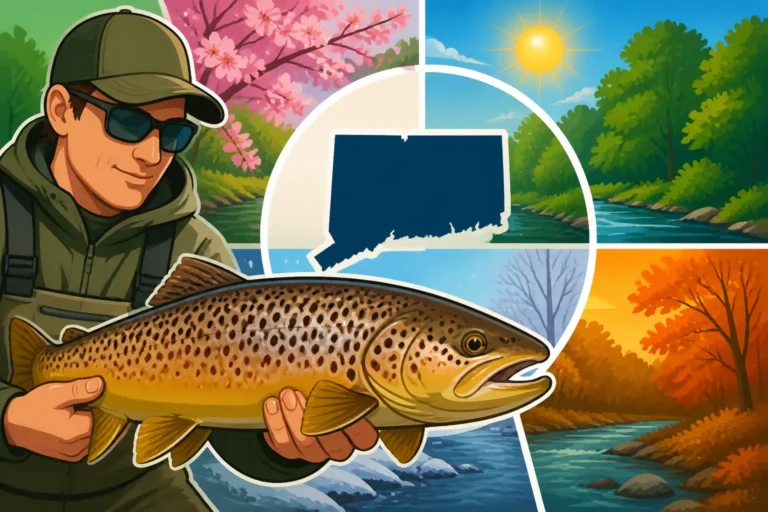
Early spring trout fishing in Connecticut can be a real head-scratcher. One day the fish are biting everything, the next they're finicky, ignoring perfectly presented offerings. This comprehensive guide is here to walk you through the unique challenges and the most effective techniques for targeting those beautiful trout when the seasons are just starting to shift, helping you navigate the unpredictable waters and find success.
Understanding Early Spring Trout Behavior and Environment
When winter finally starts to loosen its icy grip on Connecticut, trout in our rivers, streams, and ponds begin to stir, but they're still very much influenced by the lingering cold. It’s not like summer where they’re actively chasing everything. Their metabolism is still a bit sluggish, and the water temperatures dictate much of their activity. Understanding these factors is crucial for putting yourself in the best position to catch them.
Water Temperature and Trout Metabolism
The biggest factor influencing early spring trout is undoubtedly water temperature. Unlike us, fish are cold-blooded, meaning their body temperature mirrors that of their surroundings. In early spring, water temperatures can swing wildly. A sunny day might warm shallow riffles to 45-50°F, while deeper pools and colder tributaries remain in the low 40s or even upper 30s. When the water is cold, trout are lethargic. They won't expend much energy chasing fast-moving prey, preferring an easy meal that drifts right into their strike zone. As the water slowly warms, especially after a few consecutive sunny days, their metabolism picks up, and they become more active, moving into faster water to feed. You'll find them in slower seams and deeper pools when it's really cold, but as the thermometer climbs, they'll start holding in the current where food is more plentiful.
It's also worth noting the specific temperature ranges for different trout species. While brook trout, Connecticut’s native beauties, are quite tolerant of colder water, rainbow trout and brown trout also become more active as water temperatures rise. Knowing this helps you understand where they might be holding. For instance, in very cold water, target the deepest, slowest parts of pools. As it warms, look for the edges of faster currents, behind structure, or in areas with consistent food delivery. Pay attention to flows too; if snowmelt is heavy, water might be high and turbid, pushing fish closer to the banks or into slack water pockets.
Impact of Snowmelt and Runoff
Early spring in Connecticut often brings a mix of sunshine and sudden thaws, leading to significant snowmelt and rain runoff. This influx of freshwater can dramatically change conditions in our fishing spots, from the smaller tributaries feeding into the Farmington River West Branch Trout Fishing to larger bodies like the Connecticut River. Runoff can bring a surge of cold water, lowering the overall temperature and potentially making the water murky with sediment. While this might seem like a negative, it actually has a dual effect.
On one hand, the cold, dirty water can slow down fish activity and make it harder for them to see your presentation. On the other hand, runoff often washes a bounty of insects, worms, and other terrestrial food sources into the water, creating an unexpected buffet for hungry trout. The key is to find the balance. Look for areas where the runoff mixes with clearer water, creating "seams" or transition zones. These are prime spots where trout will stage, waiting for food to drift by. Turbidity can also provide a sense of security for trout, making them less wary of anglers and potentially more willing to bite larger, more visible offerings. Don't be afraid to use brighter, more contrasting colors in stained water, as they can stand out better.
Essential Gear for Early Spring Trout
Equipping yourself properly for early spring trout fishing in Connecticut is about more than just having a rod and reel. The conditions can be challenging, from chilling winds to slick, muddy banks, so having the right apparel, lines, and terminal tackle is crucial for both comfort and success. A little preparation goes a long way when you're out on the water.
Waders and Layering for Comfort
Let's face it, early spring fishing means cold water, and often, cold air. Good quality waders are non-negotiable if you plan on stepping foot in a stream or river. Chest waders, preferably breathable ones, will keep you dry and much warmer than hip boots. Pair them with sturdy wading boots that offer good ankle support and grip, especially important on slippery rocks or muddy banks. You don't want to take an unexpected dip in 40-degree water! Many anglers find felt soles or rubber soles with studs from brands like Simms or Orvis invaluable for navigating the unpredictable stream bottoms of places like the Housatonic River Trout Management Area Fishing.
Beyond waders, layering is your best friend. Start with a moisture-wicking base layer against your skin to pull sweat away. Add a fleece or wool mid-layer for insulation, and top it with a waterproof and windproof outer shell. Gloves and a warm hat are also critical, as you lose a lot of heat through your extremities and head. Remember, even if the sun is out, the wind can be brutal, and standing in cold water will chill you quickly. Being comfortable means you can stay out longer and focus on fishing, rather than shivering. You can find excellent layering options and reliable waders on platforms like Amazon, making it easy to prepare for whatever Mother Nature throws at you.
Line Selection and Terminal Tackle
Your line choice and terminal tackle need to be robust enough to handle potentially larger, feistier trout after their winter dormancy, but also subtle enough for finicky eaters. For spinning gear, a good quality monofilament or fluorocarbon line in 4-6 lb test is generally ideal. Fluorocarbon is less visible underwater and has less stretch, offering better feel, which can be a huge advantage when bites are subtle. If you're using braided line, always add a fluorocarbon leader for stealth.
When it comes to terminal tackle, early spring usually calls for smaller, sharper hooks. Size 8-12 hooks are common for bait fishing, while small jigs and spoons might use similar sizes. Split shot weights are essential for getting your bait or lure down to the fish quickly in current. Carry a variety of sizes, from tiny micro-shot to heavier sizes, so you can adjust to different water speeds and depths. Swivels are also handy to prevent line twist, especially with spinning lures. Don't forget a pair of forceps for unhooking fish gently and line clippers for quick changes. Having a well-stocked tackle box means you're prepared for any situation on the water, ensuring you don't miss out on an opportunity because you lack the right gear.
Top Baits and Lures for Early Spring Trout
Early spring trout can be a bit picky, so having a versatile arsenal of baits and lures is key. The cold water often means they're looking for an easy, high-calorie meal, but sometimes a flashy presentation can trigger a reaction strike. Let's explore some of the most consistent performers when the water is still chilly.
Live Bait and Scented Baits
When trout are lethargic due from the cold, nothing beats live bait. Worms, especially nightcrawlers or garden worms, are universally appealing. The natural scent and subtle wiggling action are often irresistible to trout seeking an easy meal. Present them on a small hook (size 8-12) with minimal weight, allowing them to drift naturally with the current. This can be particularly effective in slower pools or eddies where trout are conserving energy.
Another excellent option is scented baits, often referred to as "power baits" or "dough baits." Brands like Berkley PowerBait and Pautzke Bait's Eggs are perennial favorites among Connecticut anglers. These baits come in various colors and scents, designed to mimic natural food sources or simply entice a bite with their strong odor. They are often fished on a small treble hook or a single bait holder hook, molded around the hook to float just off the bottom. The key here is the scent trail they leave, which can draw in sluggish trout that aren't actively foraging. Some anglers swear by trout worms, which are synthetic and infused with powerful attractants, offering durability and a consistent presentation. You can find a wide range of these scented baits, including various colors and flavors, on Amazon, making it easy to stock up for your next trip.
Small Spinners and Spoons
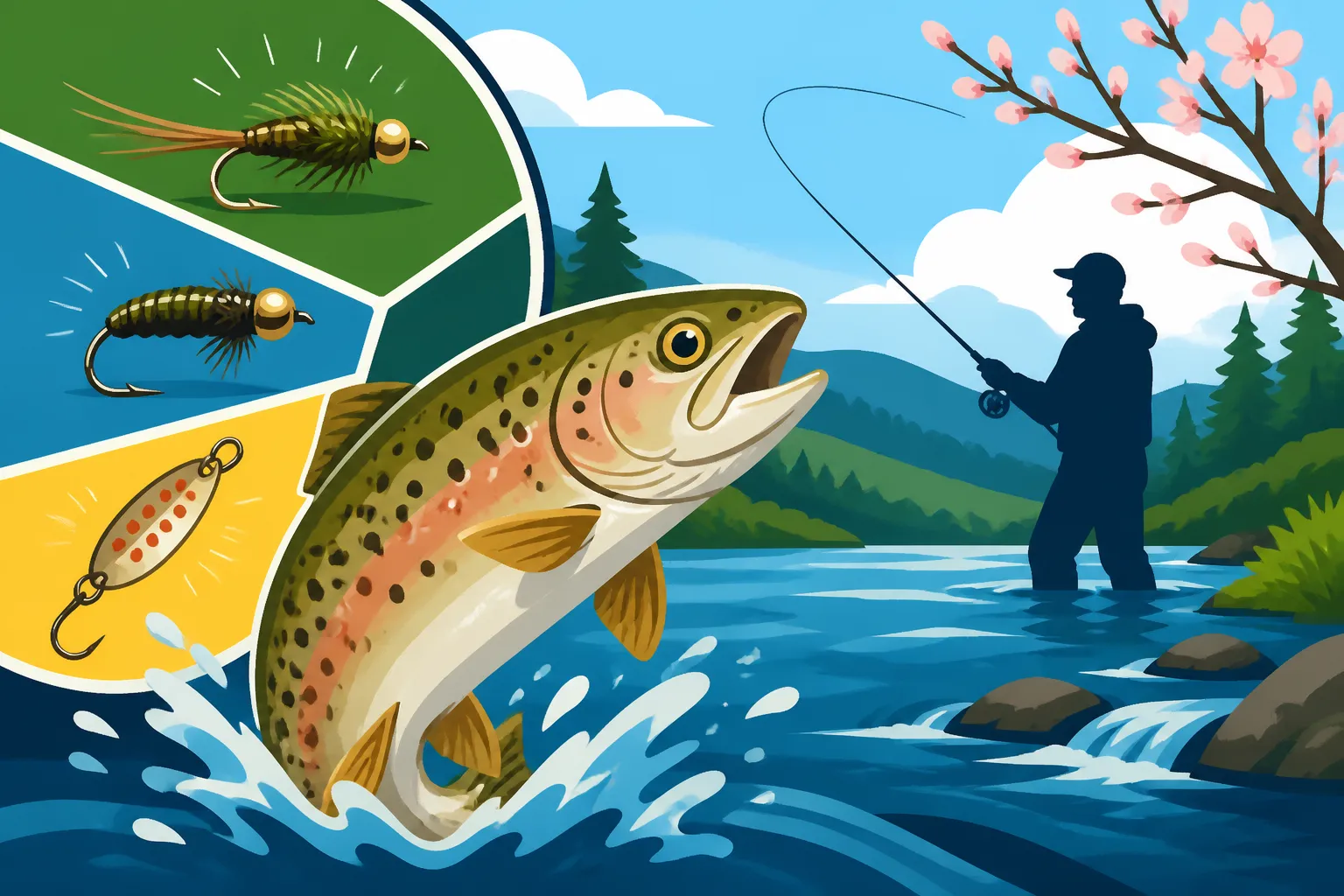
Once water temperatures start to tick up even a few degrees, small spinners and spoons become incredibly effective. These lures create flash and vibration that can trigger a predatory response from trout that are beginning to feel more active. Classic inline spinners like Mepps Aglia, Panther Martin, and Roostertail are excellent choices. Sizes #0 to #2 are typically best for early spring trout, mimicking smaller baitfish or insects that might be present. Focus on natural metallic colors like silver, gold, or copper, but don't shy away from brighter colors with orange or chartreuse accents, especially in slightly turbid water.
Spoons, particularly diminutive ones such as the Kastmaster or Little Cleo, also shine in early spring. Their wobbling action can imitate a struggling baitfish, and their weight allows for good casting distance and depth control in currents. Again, silver, gold, and white are reliable colors. The presentation is key: a slow, steady retrieve with occasional twitches or pauses can often elicit a strike from hesitant trout. When fishing these lures in streams, cast slightly upstream and across, letting the current sweep the lure down while you retrieve just fast enough to get the blade spinning or spoon wobbling. This mimics a natural drift and covers a lot of water.
Small Jigs and Soft Plastics
Jigs and soft plastics offer another fantastic option for early spring trout, especially when conditions call for a more subtle approach or when trout are holding deeper. Small jig heads (1/32 to 1/8 ounce) tipped with tiny soft plastics, such as micro grubs, tube baits, or small worms, can be incredibly effective. White, black, olive, and brown are common colors, mimicking aquatic insects or small crustaceans. The beauty of jigs is their versatility: they can be bounced along the bottom, drifted under a bobber, or slowly retrieved with subtle twitches.
Another popular choice is small marabou jigs or hair jigs, particularly in white, black, or olive. The marabou feathers pulsate in the water, giving the jig a lifelike action with minimal movement. These are excellent for targeting trout in slower pools or deeper runs. Often, a simple drift and slow retrieve is all it takes. For a truly minimalist approach, consider tiny trout magnets or similar micro soft plastics fished on a small jig head. These are designed for ultralight presentations and can be deadly on finicky trout, especially in clear water where a natural appearance is paramount. The slow fall and subtle action are key to enticing a bite from wary fish.
Effective Fishing Techniques for Chilly Waters
Fishing for early spring trout in Connecticut requires a bit of finesse and adaptability. The fish aren't always aggressive, and cold water conditions mean you often need to slow down your presentation and get your offering right in front of them. Whether you prefer spin fishing or fly fishing, there are specific techniques that will increase your chances of success.
Drifting Baits and Lures
Drifting is arguably one of the most effective techniques for early spring trout, especially when they're lethargic and holding in current seams or deeper pools. The idea is to present your bait or lure as naturally as possible, allowing it to move with the current, just as a natural food source would. For spin anglers, this often means using a small split shot or two a foot or so above your bait (like a worm or a scented dough bait) or a small jig. Cast upstream and across, letting the line go slack enough to allow the bait to tumble downstream without drag, but not so slack that you can't feel a bite. Watch your line carefully; any hesitation or sudden movement could indicate a subtle take. This method works wonderfully on rivers like the Naugatuck River Trout Fishing Spots when the water is still cold.
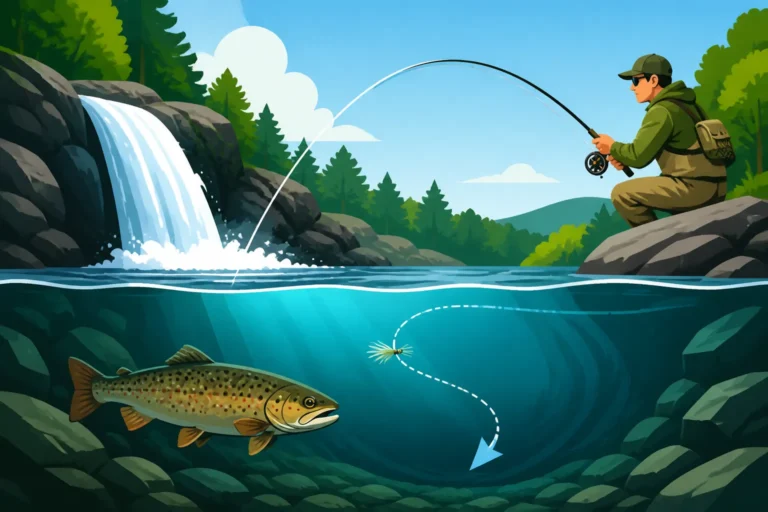
Fly anglers, of course, are masters of the drift. Nymphing is particularly potent in early spring. Dead-drifting a small nymph pattern (like a Pheasant Tail, Hare's Ear, or Caddis Larva) under an indicator is a fantastic way to target submerged trout. The indicator helps detect those incredibly subtle takes and keeps your fly at the correct depth. Sometimes, even adding a tiny split shot above your nymph can help it get down faster in heavier currents, ensuring it reaches the trout's feeding lane. The key to both spin and fly drifting is achieving a "drag-free" drift, where your line, indicator, and bait/fly all move at the same speed as the current, presenting a perfectly natural offering.
Slow Retrieves and Bottom Bouncing
When fishing with lures like spinners, spoons, or small jigs in early spring, a slow retrieve is usually more productive than a fast one. Remember, trout are still conserving energy. A lure that zips past them too quickly might be ignored, whereas a slower, more deliberate retrieve allows them more time to react and commit to a strike. For spinners, retrieve just fast enough to get the blade spinning. For spoons, a slow wobble is what you're aiming for. Consider adding pauses to your retrieve; sometimes, the lure falling on a pause can trigger a strike from a following fish.
Bottom bouncing is another powerful technique, especially in deeper pools or along the bottom of slower runs. This involves using just enough weight (often a heavier jig head or a worm weight) to keep your bait or lure occasionally touching the bottom as it drifts or is slowly retrieved. The idea is to kick up a little sediment and present the bait right where bottom-dwelling insects or worms would be. This is excellent for targeting larger brown trout that often hug the bottom. For soft plastics on jig heads, a slow hop-and-drag retrieve along the bottom can mimic a crayfish or sculpin. Just be mindful of snags when bottom bouncing, especially in rocky areas.
Strategic Location Choices for Early Spring Trout
Finding the right spot can make all the difference in early spring. Trout, still recovering from winter, tend to congregate in specific areas that offer a combination of shelter, slightly warmer water, and accessible food. Knowing where to focus your efforts can save you a lot of casting time.
Deeper Pools and Slow Moving Water
In the coldest parts of early spring, trout will invariably seek refuge in the deepest pools and slowest sections of rivers and streams. These areas provide thermal stability, meaning the water temperature fluctuates less dramatically than in shallow riffles. Deeper water also offers protection from predators and strong currents, allowing trout to conserve energy. Look for the deepest parts of bends, large eddies behind obstacles, or the tailouts of deep pools. Fish often stack up here, waiting for food to drift into their zone.
Ponds and lakes also see trout congregating in deeper sections, especially those with dark bottoms that absorb more sunlight, or near inlets where slightly warmer water might be entering. The transition zones from deeper to shallower water can be particularly productive as fish move up to feed when conditions allow. Don't overlook slower-moving runs where the current is gentle but still brings food. These "holding water" areas are where trout can rest comfortably and intercept passing meals without expending too much energy. Learning how to read the water to identify these prime spots is a skill that comes with practice but is essential for early season success.
Sun-Exposed Sections and Structure
As the sun gains strength in early spring, trout will often migrate to sun-exposed sections of the water body. Shallow flats, riffles, or parts of pools that receive direct sunlight for several hours can warm up a few crucial degrees, activating both the trout and their food sources. These areas might be barren in winter, but in early spring, they become feeding grounds. Look for shallow, gravelly areas in streams, or sunny coves in lakes and ponds.
Structure also becomes a magnet for trout. Submerged logs, large rocks, undercut banks, and even bridge abutments provide current breaks and ambush points. Trout will hide behind or beneath these structures, darting out to grab passing food. The cover also offers protection from aerial predators. On our local waters, like the Shetucket River Fishing Spots, finding those combination spots – a deep pool with some woody debris in a sunny section – can be gold. Cast your baits or lures close to these structures, letting them drift right into where a trout might be holding. Remember that trout, especially in cold water, often won't move far to feed, so precise presentations around these key structures are vital.
The Role of Stocking and Regulations
Connecticut is fortunate to have an excellent trout stocking program, which significantly enhances early spring fishing opportunities. Understanding how this program works and adhering to the specific regulations for trout season are paramount for enjoying a successful and responsible fishing experience.
Connecticut's Trout Stocking Program
The Connecticut Department of Energy and Environmental Protection (DEEP) does an incredible job stocking hundreds of thousands of trout into rivers, streams, and lakes across the state each spring. This influx of hatchery-raised fish provides fantastic opportunities for anglers, especially in the early season. These stocked trout are often quite eager to bite as they adjust to their new environment and are less wary than wild fish. Knowing the stocking schedule and locations can give you a significant advantage. The DEEP usually publishes an interactive trout stocking map and lists of stocked waters, allowing anglers to target freshly stocked areas.
Many popular trout fishing spots in Connecticut, such as the upper Farmington River, sections of the Housatonic, and numerous state park ponds, receive substantial stockings. These areas often draw large crowds on opening day and in the weeks following. While some anglers prefer the challenge of wild trout, targeting recently stocked waters is a great way to guarantee some action, particularly for beginner anglers or families. Check the DEEP website for the most up-to-date information on stocking schedules and locations for Connecticut Trout Season and Stocking Rules. Remember, these fish are often hungry, so your standard early spring techniques (worms, power baits, small spinners) will usually work wonders.
Key Early Spring Regulations and Limits
Fishing in Connecticut, especially for trout, comes with specific regulations that anglers must follow. Ignorance of the rules is no excuse, and wardens are out there enforcing them. First and foremost, you need a valid Connecticut fishing license. For resident vs. nonresident options, and various types of licenses, you can refer to the Connecticut Fishing License Guide for 2026.
For early spring trout, pay close attention to opening day rules and specific water body regulations. While many waters open on the third Saturday in April for the regular trout season, some designated Trout Management Areas (TMAs) or Wild Trout Management Areas (WTMAs) have different rules, including catch-and-release only periods, special lure restrictions, or extended seasons. The Connecticut Trout Management Area Regulations are particularly important to review. Daily creel limits and minimum length limits for trout also apply and can vary by water body. For example, the general daily limit might be five trout, but in a TMA, it could be less or even zero during certain times. Always consult the current Connecticut Angler's Guide, published by DEEP, before heading out. It's your bible for knowing what's open, what's allowed, and how many fish you can legally take home. Adhering to these rules not only keeps you out of trouble but also helps conserve Connecticut's valuable fisheries for future generations.
| Bait/Lure Type | Best Conditions | Pros | Cons | Recommended Retrieve/Presentation |
|---|---|---|---|---|
| Live Worms | Cold, murky water; lethargic fish | Natural scent, universally appealing | Can be messy, less durable | Dead drift with minimal weight |
| Scented Dough Bait | Cold water; passive fish; stocked trout | Strong scent trail, floats | Less natural action, can fall off hook | Still fish on bottom, light drift |
| Small Spinners | Slightly warming water; active fish | Flash and vibration, covers water | Can cause line twist, snags easily | Slow, steady retrieve; upstream cast |
| Small Spoons | Deeper pools; targeting larger fish | Good casting distance, deep wobble | Can be heavy, less subtle | Slow retrieve with pauses, jigging |
| Micro Jigs/Plastics | Clear water; finicky fish; subtle bite | Subtle action, natural appearance | Harder to cast, light line needed | Bottom bounce, slow twitch-and-drift |
| Marabou Jigs | Slower currents; deeper water | Lifelike pulsation, subtle | Can tangle, delicate | Slow drift, minimal movement |
Disclaimer
The information provided in this guide is for general informational purposes only. Fishing regulations, stocking schedules, and environmental conditions in Connecticut can change rapidly. Always consult the official Connecticut Department of Energy and Environmental Protection (DEEP) website and the most current Connecticut Angler's Guide for the most up-to-date and accurate information before planning any fishing trip. Adhere to all local, state, and federal laws and practice ethical angling to protect our fisheries.