Best Montauk Charters from Connecticut Ports
Many Connecticut anglers dream of venturing to the legendary fishing grounds off Montauk, New York. It's a rite of passage, a bucket list trip for many, but figuring out how to make that happen from a Connecticut port can feel like navigating a maze. You're wondering about the logistics, the best departure spots, and most importantly, how to find a charter that's truly equipped and experienced enough to take you all the way out there for a successful day. This guide will walk you through everything you need to know to find the best Montauk charters departing directly from Connecticut, ensuring your offshore adventure is well-planned and unforgettable.
Why Montauk? The Allure of the "Fishing Capital of the Northeast"
When you hear "Montauk," it immediately conjures images of big fish and epic battles. There's a reason this easternmost tip of Long Island has earned its reputation as the "Fishing Capital of the Northeast." It’s not just a catchy nickname; it's a testament to the incredible marine environment that congregates here, drawing anglers from all over the region, including many dedicated folks from Connecticut. If you're serious about targeting a diverse array of trophy-sized fish, Montauk is often the answer.
Species Variety and Abundance
One of the biggest draws to Montauk is the sheer diversity and abundance of fish species you can encounter. While our own Long Island Sound Fishing Guide offers fantastic opportunities, Montauk opens up a whole new world. Striped bass are, of course, a primary target, especially the larger, migratory cows that patrol the rips and rocky structures. But the list doesn't stop there.
Imagine hooking into a hefty bluefin or yellowfin tuna offshore, or battling a thresher shark in the deeper waters. Closer to shore, you can find a robust fluke population, often larger than what you might typically encounter closer to home. Black sea bass fishing can be absolutely phenomenal around the wrecks and reefs, and tautog (blackfish) also thrive in these rocky environs. For many Connecticut anglers, the chance to add these kinds of pelagic or larger bottom fish to their fishing repertoire is a huge motivator for making the journey. It's a place where you truly never know what might bite next, and that exciting uncertainty is a big part of the appeal.
World-Class Fishing Grounds
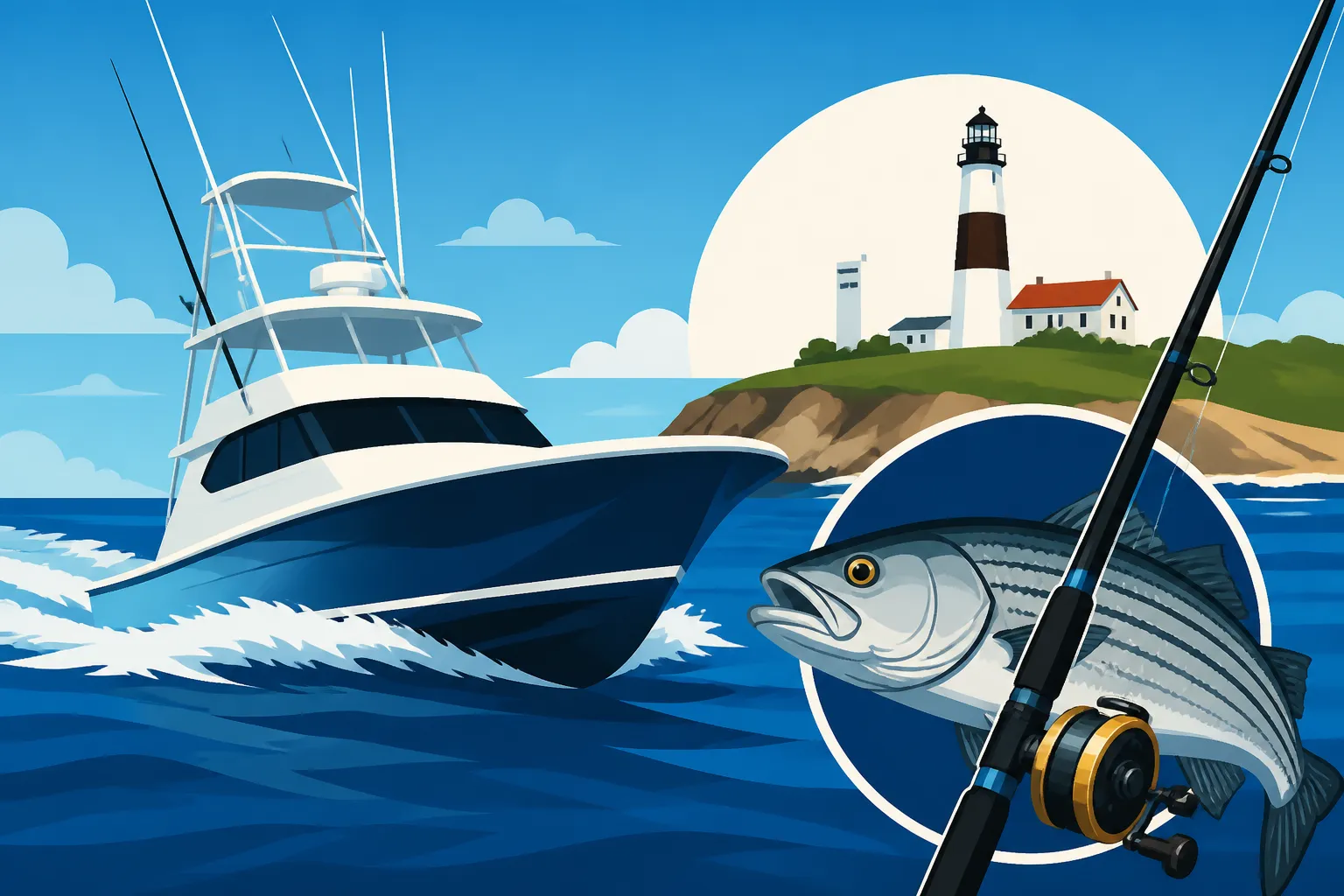
The geological and oceanographic features surrounding Montauk are what create such fertile fishing grounds. Montauk Point itself acts like a funnel, concentrating baitfish and, consequently, the predators that feed on them. The turbulent rips and strong currents around the lighthouse are famous for producing some of the best striped bass fishing anywhere.
Just beyond the point, the waters drop off dramatically into deeper canyons, attracting pelagic species. Block Island Sound, to the east, offers vast expanses of prime bottom fishing grounds. The convergence of different currents, the abundance of structure like wrecks and reefs, and the sheer volume of baitfish—from bunker and squid to sand eels—create a dynamic ecosystem that supports a thriving fishery. Charters departing from Connecticut will take you across Long Island Sound and into these rich waters, often making the most of specific tides and current flows that stack up the fish. It’s a truly unique environment that consistently rewards anglers willing to make the trip.
Understanding Connecticut Ports for Montauk Charters
While Montauk is geographically part of New York, its proximity to eastern Connecticut makes it a viable, and popular, destination for charters operating out of the Nutmeg State. It saves anglers the drive to the Hamptons or points further west on Long Island. However, not all Connecticut ports are created equal when it comes to launching a Montauk expedition. The choice of your departure point can significantly impact your travel time, the cost of the trip, and even the type of boat best suited for the journey.
Key Departure Points and Their Advantages
When you're looking to head to Montauk, you'll find most Connecticut charters willing to make the run will be located in the southeastern part of the state. Towns like Stonington, Mystic, Niantic, and Old Saybrook are prime candidates.
- Stonington and Mystic: These are arguably the closest points in Connecticut to Montauk. From a port like Stonington, the run across Block Island Sound to Montauk Point can be as short as 15-20 nautical miles, depending on the exact fishing grounds. This shorter run means more fishing time and less fuel burned, which can sometimes translate to a more economical trip, or at least one where more time is spent with lines in the water. These towns also boast beautiful maritime atmospheres, with good amenities for before and after your trip.
- Niantic and Old Saybrook: Located a bit further west along the Connecticut shoreline, these ports still offer excellent access to Long Island Sound and the open ocean beyond. The run to Montauk from these locations will be a bit longer, perhaps 25-35 nautical miles. This means a slightly longer ride out and back, but many excellent charter operations are based here, and they are well-versed in making the trip. They are also easily accessible from central Connecticut, making the drive for anglers a bit shorter than heading all the way to Stonington.
Choosing a departure point often comes down to your personal convenience, the specific charter captain you want to fish with, and how much time you're willing to spend traveling to the fishing grounds versus fishing itself. Best Charters Out of Stonington Connecticut or Best Charters Out of Niantic Connecticut might be good starting points for your research.
Travel Time and Considerations
Let's be realistic: a trip to Montauk from a Connecticut port is not a quick run to a local reef. You're embarking on a true offshore adventure, and that means dedicating significant time to travel.
From Stonington or Mystic, you can expect the ride to the primary Montauk fishing grounds to take anywhere from 1 hour to 1.5 hours, depending on the boat's speed and sea conditions. From ports further west like Niantic or Old Saybrook, that travel time can extend to 1.5 to 2.5 hours. This is all before you even start fishing.
Rough sea conditions, even if the forecast seems okay for the shoreline, can make these runs longer and less comfortable. Experienced captains will always prioritize safety and comfort, and they'll make the call on whether conditions are suitable for the journey. It's crucial to understand that a "full day" Montauk charter often means 8-10 hours, and a significant portion of that is transit time. This also factors into fuel consumption, which is a major operating cost for charters, so don't be surprised that these trips often come at a premium compared to shorter, inshore excursions. Always discuss the expected travel time with your captain when booking so you have a clear picture of the day ahead.
What Makes a "Best" Montauk Charter from Connecticut?
Finding a charter that consistently delivers a fantastic Montauk experience from a Connecticut port isn't just about finding any boat. It's about finding the right boat and captain. This isn't your average local fishing trip; it requires specific expertise, robust equipment, and clear communication to ensure a successful and safe adventure.
Captain Expertise and Experience
This is, without a doubt, the most critical factor. A captain making the run to Montauk needs more than just a fishing license; they need a deep understanding of those specific waters. Montauk has its own unique currents, rips, bottom structures, and baitfish patterns. An experienced Montauk captain, even one operating out of Connecticut, will know:
- Montauk-Specific Knowledge: Where to find the fish in the legendary rips around the lighthouse, how to navigate the intricate channels, and where the secret humps and bumps are in Block Island Sound that hold black sea bass or fluke. They'll also understand the migrations of larger pelagics offshore.
- Weather and Sea State Acumen: The open waters off Montauk can be unforgiving. A good captain will have an acute sense of how the weather and currents will affect the sea state, especially for the long run back to Connecticut. They'll know when it's safe to go and, more importantly, when it's not.
- Safety Record and Protocols: Offshore trips demand stringent safety measures. Look for captains who prioritize safety, have all required Coast Guard certifications, and are prepared for any contingency, from minor first aid to more serious emergencies.
When researching charters, ask about their experience fishing Montauk specifically. How many years have they been making that run? What species do they specialize in out there? Platforms like FishingBooker often include detailed captain bios and reviews that can help you gauge this vital experience. This is one instance where choosing an experienced hand truly pays off.
Boat Features and Equipment
The vessel itself is another key component of a successful Montauk trip. You need a boat that is seaworthy, comfortable for the longer run, and properly outfitted for the fishing you'll be doing.
- Seaworthiness and Size: For trips to Montauk, you're generally looking for a boat in the 30-foot range or larger. A bigger, heavier boat will handle the potentially rougher offshore conditions much better, providing a more stable and comfortable ride. A deep V hull is often preferred for cutting through waves.
- Fishing Platform: Is the deck spacious enough for your group to fish comfortably? Is there good rod holder placement? Does it have a livewell if live bait is used? For serious offshore fishing, outriggers for trolling for tuna or mahi-mahi are a plus.
- Electronics: Modern electronics are essential. This includes reliable GPS and chartplotters for navigation, a powerful fishfinder (sonar) to locate structure and schools of bait/fish, and radar for safe navigation in fog or at night, which can sometimes be a factor on those long runs.
- Tackle: High-quality, well-maintained tackle is a must. Charters should provide appropriate rods and reels for the target species, whether it's heavy-duty gear for tuna or lighter outfits for fluke. Ask if the tackle is included in the price, as it usually is for full-service charters. This is critical because What Gear a Connecticut Charter Provides can vary.
- Comfort Amenities: Given the length of the trip, amenities like a clean marine head (restroom), a comfortable cabin for breaks from the elements, and perhaps even a small galley can significantly improve the experience.
Inclusions and Pricing Transparency
Understanding what's included in your charter price and the overall cost structure is essential to avoid surprises. While I can't give specific figures, I can tell you what to look for in terms of transparency.
- What's Included? Most reputable Montauk charters from Connecticut will include bait, tackle, and ice for your catch. Some might also include a cooler for drinks and snacks, but often you'll be expected to bring your own. Always confirm these details upfront. Fish cleaning at the dock is a common courtesy, but sometimes it's an additional service.
- Fuel Surcharges: Given the distance to Montauk, some charters might implement a fuel surcharge, especially if fuel prices are volatile. This isn't uncommon for long-distance trips, so don't be alarmed, but ask about it.
- Tipping: Remember that Tipping Etiquette for Connecticut Fishing Charters is customary for the mate, who works incredibly hard throughout the day. Plan to tip 15-20% of the trip's cost directly to the mate.
- Deposit and Cancellation Policy: Good charters will require a deposit to hold your date. Ensure you understand their cancellation policy, especially regarding weather. Reputable captains will always put safety first and reschedule or refund if conditions are unsafe. You might want to review Connecticut Fishing Charter Refund and Replacement Policy for more general guidance.
A detailed discussion with the captain or booking agent about all costs and inclusions before booking is highly recommended. You can often find this information or ask questions through booking platforms like FishingBooker, which makes comparing different charters easier.
Planning Your Montauk Charter Trip from Connecticut
Once you've decided on Montauk, the next step is nailing down the details to ensure your trip is perfectly timed and prepared for. From understanding the seasonal fish movements to knowing what to pack, a little foresight goes a long way.
Best Seasons for Target Species
Timing is everything when it comes to Montauk fishing. Different species have their prime seasons when they are most abundant and actively feeding in the area.
- Striped Bass: The spring run (late May into June) sees big migratory stripers moving through, offering incredible opportunities. The fall run (September through November) is equally famous, with large schools of bass and bluefish pushing bait along the Montauk shoreline. Best time of year to catch striped bass in these waters is definitely spring and fall.
- Fluke (Summer Flounder): Fluke season typically kicks off in late spring (May/June) and can remain strong through the summer, with larger "doormats" often caught in deeper waters during mid-summer.
- Black Sea Bass: This species is usually available from late spring through late fall, with peak fishing often occurring in summer around deep wrecks and reefs.
- Tuna (Bluefin, Yellowfin): Offshore tuna fishing is primarily a summer and early fall affair, typically from July through October, when warmer waters attract these pelagics. This often requires running to the canyons, which is an even longer trip than just Montauk Point.
- Blackfish (Tautog): Tautog are usually targeted in cooler water months, with a strong spring season (April/May) and an even better fall season (October/November).
Knowing what you want to target will help you pick the perfect time to book your Montauk charter. A good captain will be able to advise you on the best windows for your desired catch.
Booking Strategies and Resources
Finding and booking the right Montauk charter from a Connecticut port takes a bit of research, but it's well worth the effort.
- Start Early: Especially for prime weekend dates during peak season (spring and fall runs), Montauk charters book up quickly. You'll want to start looking and making reservations several months in advance. How far in advance to book a Connecticut charter is crucial here.
- Online Platforms: Websites like FishingBooker are invaluable resources. They list numerous charters, often with detailed profiles, photos, customer reviews, and availability calendars. You can filter by departure port, target species, boat type, and more, making it easy to compare options. Many reputable Connecticut captains making Montauk runs will be listed on such platforms, and they often offer seamless booking processes.
- Direct Contact and Referrals: Don't hesitate to call captains directly once you've narrowed down your choices. A quick phone call allows you to ask specific questions about their Montauk experience, the boat, and what they expect for your trip. Word-of-mouth referrals from other anglers can also be gold, so ask around at local tackle shops or fishing clubs.
- Define Your Trip: Before booking, have a clear idea of your group size, target species, desired trip length (usually full-day for Montauk), and budget. This will help you communicate your needs effectively to potential captains. For groups, consider Best Charters for a group of six anglers or Best Charters for a group of two anglers and how that impacts boat choice.
What to Bring and Prepare For
A full-day Montauk trip is an endurance event, both for you and the fish! Proper preparation ensures you're comfortable and ready for action.
- Appropriate Clothing: Dress in layers! Even on a warm summer day, it can be significantly cooler and windier offshore. Bring a waterproof outer shell, even if no rain is forecast, as spray can be an issue. Sunglasses, a hat, and non-slip deck shoes are also essential. Check out What to wear on a Connecticut fishing charter for more tips.
- Food and Drink: Pack plenty of water, sports drinks, and snacks/lunch. You'll be expending a lot of energy, and staying hydrated and fueled is crucial. Avoid overly greasy or heavy foods if you're prone to seasickness.
- Seasickness Prevention: If you're at all susceptible to motion sickness, take preventative measures before you even leave the dock. Over-the-counter medications work best when taken the night before and again in the morning. Many anglers swear by ginger candies or pressure point wristbands. Being well-rested and avoiding alcohol the night before also helps. Read up on Seasickness tips for a Connecticut fishing charter.
- Sun Protection: The sun's glare off the water can be intense. Sunscreen (high SPF), lip balm with SPF, a wide-brimmed hat, and polarized sunglasses are non-negotiable.
- Camera: You'll want to capture those trophy catches and the stunning Montauk scenery! Ensure your camera or phone is well-protected from water.
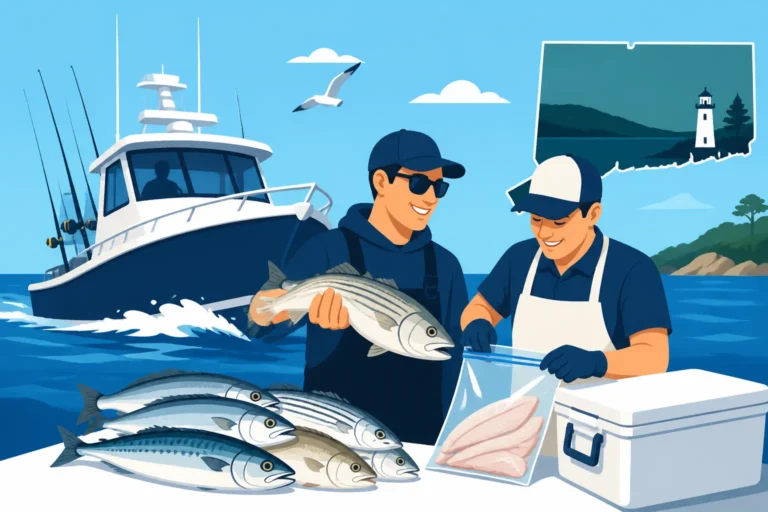
- Cooler for Your Catch: While the charter might have an onboard cooler for fish, bringing your own large cooler with ice to transport your filleted catch home is a good idea. This ensures your fish stays fresh for dinner.
Navigating Regulations and Licensing
Fishing Montauk from a Connecticut charter boat introduces a unique twist when it comes to regulations and licensing. Since you're departing from Connecticut but will primarily be fishing in New York waters, understanding whose rules apply is absolutely critical. Getting this wrong can lead to fines, so it's not something to overlook.
Connecticut vs. New York Waters: Where Your License Applies
This is where it gets a little nuanced. Generally, if you are fishing in New York State waters (which includes the marine waters off Montauk), you will need to comply with New York State's fishing license requirements, even if you departed from Connecticut.
- Your Responsibility: While some charter boat captains might have a vessel permit that covers everyone on board for certain species, this is not always the case, and it often depends on the type of vessel and the specific permit. It is always your responsibility as the individual angler to ensure you are properly licensed.
- New York Marine Registry: New York requires recreational marine anglers (and anyone fishing for specific migratory species like striped bass, bluefish, or fluke) to enroll in the New York State Recreational Marine Fishing Registry. This is typically free for residents and non-residents, but it's mandatory. It's often easier to complete this online before your trip.
- Discuss with Your Captain: The most straightforward advice is to confirm the exact licensing requirements with your charter captain when you book your trip. They will be the most up-to-date on what's needed for their specific operation and the waters they plan to fish. Don't assume your Connecticut Fishing License Guide for 2026 automatically covers you. Remember that Do You Need Your Own Fishing License for a Connecticut Charter? is a common question with complex answers depending on the jurisdiction.
It's a small administrative step, but an important one to ensure your Montauk adventure is legal and stress-free.
Specific Montauk Regulations
Beyond licensing, Montauk's proximity to New York means you'll be adhering to New York State's specific fishing regulations, which can differ significantly from Connecticut Saltwater Fishing Regulations by Species. These differences might include:
- Size Limits: Minimum and maximum size limits for species like striped bass, fluke, and black sea bass can vary between states.
- Bag Limits: The number of fish you're allowed to keep per day (daily creel limit) may also differ.
- Seasons: Opening and closing dates for certain species might not align perfectly with Connecticut's seasons.
- Gear Restrictions: While less common for common recreational species, some gear restrictions might also vary. For example, Connecticut Circle Hook Requirement for Striped Bass is in place, but you'd need to confirm New York's current regulations.
Always check the most current New York State Department of Environmental Conservation (DEC) marine fishing regulations before your trip. Your charter captain will certainly be aware of these, but it's good for you to have a general understanding as well. Reputable captains will always ensure they operate within the legal framework, but having personal awareness adds an extra layer of confidence.
Top Charter Considerations and Tips
Embarking on a Montauk charter from Connecticut is a serious undertaking that deserves careful thought. Maximizing your enjoyment and success involves making a few key decisions and maintaining clear communication.
Full-Day vs. Multi-Day Trips
For Montauk, a "full-day" trip is typically the minimum, but even then, you're looking at a significant portion of that day dedicated to travel.
- Full-Day (8-10 hours): This is the most common option. It allows enough time to make the run, fish for several hours, and return. For many, a full day is sufficient to experience Montauk's offerings, especially if targeting striped bass or fluke closer to the point. Check out Best Full-Day Fishing Charters in Connecticut for general information, keeping in mind the Montauk distance.
- Longer/Extended Full-Day (10-12+ hours): Some charters offer extended full days, which are highly recommended if you're looking to venture further offshore for tuna or sharks, or want more dedicated fishing time at multiple spots around Montauk. This extra time allows for flexibility if the bite is slow in one area or if the captain wants to explore new grounds.
- Multi-Day Trips: While less common for departing from Connecticut for Montauk, some specialized operations might offer multi-day trips where you stay overnight near Montauk (or even on Block Island) to maximize fishing time. These are typically high-end, custom trips. If you're considering a truly extensive offshore experience, this might be an option to explore with a very specific charter.
For most Connecticut anglers, a well-planned full-day Montauk charter provides an excellent balance of adventure and accessibility.
Group Size and Charter Type
Matching the charter type to your group is crucial for a comfortable and enjoyable experience.
- Private Charters: This is where you book the entire boat for your private group (friends, family, colleagues). This offers the most flexibility in terms of target species, fishing locations, and overall pace of the trip. It also allows for personalized instruction and a more intimate experience. For a Montauk trip, private charters are often preferred because of the longer distance and the desire for a tailored adventure. Best Private Fishing Charters in Connecticut are plentiful.
- Shared/Open Boat Charters: While less common for Montauk trips from Connecticut, some larger party boats might occasionally offer extended trips that venture to Montauk, or you might find shared charters departing directly from Montauk, meaning you'd have to drive there. Shared charters are generally more budget-friendly per person but offer less flexibility and a more "assembly line" style of fishing. If you're heading to Montauk, the investment in a private charter usually makes the most sense given the distance and cost already involved.
Consider your group's experience level, patience for travel, and desired comfort. If you have beginners or younger anglers, a private charter allows the captain and mate to give them more attention. Best Guided Kids Fishing Trips in Connecticut often lean towards private setups for this reason.
Communication and Expectations
The success of your Montauk charter often hinges on clear communication between you and your captain.
- Pre-Trip Discussion: Don't be afraid to ask questions before you book and again a few days before your trip. Confirm meeting times, what to bring, what's provided, and current fishing conditions. Discuss your expectations for target species and fishing style. Are you hoping for numbers of fish, or are you strictly hunting for a trophy striped bass? This helps the captain plan the day.
- During the Trip: Once on the water, listen to your captain and mate. They are the experts on their boat and in those waters. Follow their instructions, especially regarding safety and fishing techniques. If you're feeling unwell, speak up. If you have questions about what you're seeing or doing, ask! A good crew loves to share their knowledge.
- Flexibility: While you might have a dream fish in mind, be open to the captain's recommendations. Fishing is unpredictable, and conditions or bait movements might mean changing plans to maximize your chances of success. A good captain will always try to put you on fish, even if it means adjusting the target species or location. The Best Fishing Charters in Connecticut are those with captains who are adaptable and communicate well.
By approaching your Montauk charter with preparation, realistic expectations, and open communication, you're setting yourself up for an incredible day of fishing on some of the Northeast's most fabled waters.
| Connecticut Departure Port | Estimated Travel Time to Montauk Rips | Common Target Species (Montauk focus) | Pros for Montauk Trips | Cons for Montauk Trips |
|---|---|---|---|---|
| Stonington / Mystic | 1 – 1.5 hours | Striped Bass, Fluke, Black Sea Bass, Tuna | Shorter run, more fishing time, picturesque ports | Can be further drive for Western CT anglers |
| Niantic | 1.5 – 2 hours | Striped Bass, Fluke, Black Sea Bass, Tuna | Central CT accessibility, good charter options | Slightly longer run, more fuel burn |
| Old Saybrook | 2 – 2.5 hours | Striped Bass, Fluke, Black Sea Bass, Tuna | Good for Central/Western CT, large charter fleet | Longest run, less fishing time for same trip length |
Disclaimer
This article is for general informational purposes only and does not constitute professional advice. Laws, prices and regulations vary by location and change over time. Consult a qualified professional for guidance on your specific situation.