Best Fishing Charters in Connecticut
Oh, the dream of a perfect day out on the water, reeling in a trophy fish, feeling the tug on your line—it's what many of us anglers live for! But let's be honest, organizing a successful fishing trip, especially if you're targeting specific species or unfamiliar waters, can be a monumental headache. From figuring out the right gear and bait to knowing the best spots and dodging unpredictable weather, it often feels like you need a degree in marine biology and meteorology just to get started. This comprehensive guide is here to cut through all that confusion and frustration, walking you through everything you need to know about finding and booking the best fishing charters in Connecticut, ensuring your next angling adventure is less stress and more success.
Why Hook Up with a Fishing Charter in Connecticut?
There's a special kind of freedom that comes with casting lines from your own boat, or even just from shore. But for certain experiences, or when you're just looking to truly relax and learn, hopping aboard a fishing charter in Connecticut can transform a good fishing trip into an unforgettable one. It's about leveraging expertise, top-notch equipment, and local knowledge that you simply can't get any other way, especially if you're not intimately familiar with our beautiful, diverse waters.
Expertise and Local Knowledge at Your Fingertips
One of the biggest advantages of a charter is the captain's deep well of experience and hyper-local knowledge. These folks aren't just boat drivers; they're seasoned anglers who spend countless hours on the water, tracking fish movements, understanding seasonal patterns, and knowing exactly where the bite is hot. They know the rips, the reefs, the hidden channels, and the secret spots that aren't on any map you'd find at a tackle shop. This kind of intel is invaluable. Imagine spending your precious weekend blindly searching for fish, only to come up empty-handed. A good captain eliminates that guesswork, steering you directly to the action and increasing your chances of success exponentially. They've seen it all, from the earliest spring runs of striped bass to the late fall tautog bite, and they understand the nuances of each season and species.
You might have heard stories of anglers hitting the Long Island Sound Fishing Guide for years and still learning new tricks from a seasoned charter captain. That's the power of their localized expertise. They can interpret the tide charts, understand the specific baitfish movements, and know which parts of the sound are holding bigger fish on any given day. It’s like having a fishing guru personally guiding you every step of the way.
Top-Tier Gear and a Seaworthy Vessel Provided
Let's face it, investing in quality fishing gear, especially for saltwater, can be incredibly expensive. Rods, reels, tackle, and specialized electronics add up fast. When you book a charter, all that high-end equipment is typically provided. You're not just getting a rod and reel; you're getting setups specifically chosen and maintained for the target species and conditions. This means you can show up with just your enthusiasm and still fish with professional-grade gear that’s perfectly suited for battling a feisty striped bass or jigging for fluke.
Beyond the tackle, the vessel itself is a huge part of the experience. Charter boats are purpose-built for fishing, offering spacious decks, comfortable seating, and often, advanced navigation and fish-finding electronics. They are maintained to rigorous safety standards, giving you peace of mind that you're in capable hands on a reliable boat. No need to worry about engine trouble or navigating unfamiliar waters in low visibility; your captain handles all of that. It's a huge relief not to have to clean the boat afterward either!
Safety, Convenience, and Pure Enjoyment
Fishing should be enjoyable, not stressful. For many, navigating busy waterways, understanding complex regulations, or dealing with unexpected mechanical issues can dampen the fun. Charters handle all the logistics. The captain is responsible for safety, knows the local Connecticut Boating Laws for Anglers, and ensures everyone on board is comfortable. This freedom allows you to focus purely on the fishing, the camaraderie, and the beautiful Connecticut coastline.
Furthermore, many charters will even handle the tricky stuff like bait and ice, sometimes even processing your catch. You step on, you fish, you step off – often with fresh fillets in hand. This level of convenience is unbeatable, especially for families with kids or groups looking for a hassle-free outing. Plus, for anglers new to the area, the captain can even guide you through the latest Connecticut Fishing Regulations Explained for your specific catch, ensuring you stay compliant and avoid any potential penalties.
Decoding the Different Types of Fishing Charters in Connecticut
Connecticut's waters offer a fantastic variety of fishing opportunities, from the vast expanse of Long Island Sound to the winding rivers like the Connecticut and Housatonic. Naturally, this means there's a wide array of fishing charters to match every angler's preference and target species. Understanding the different types available will help you choose the perfect adventure.
Inshore vs. Offshore Expeditions
This is perhaps the most fundamental distinction when it comes to saltwater charters.
The Thrill of Inshore Fishing
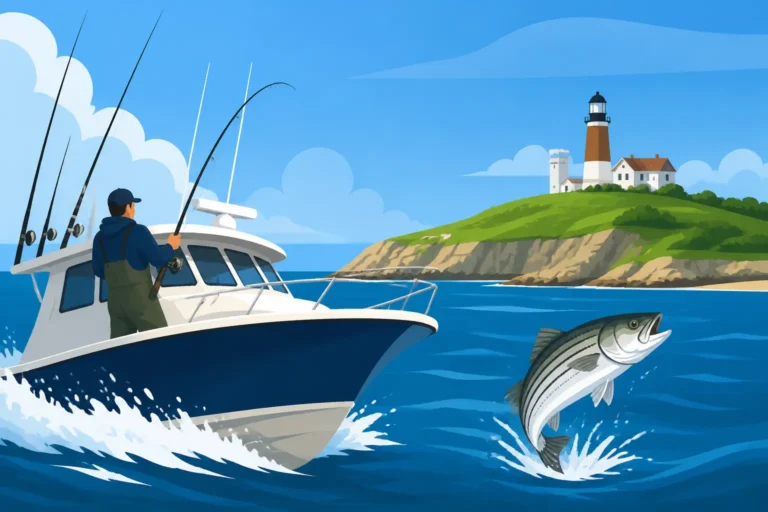
Inshore charters typically operate closer to shore, in bays, estuaries, shallow reefs, and around coastal structures. Think of places like the Thimble Islands, the mouth of the Connecticut River, or the numerous coves and tidal flats along the coastline. These trips often target species like striped bass, bluefish, fluke, and blackfish (tautog). The waters are generally calmer, making it a great option for those prone to seasickness or families with younger children. The scenery is often stunning, with lighthouses, quaint shoreline towns, and abundant wildlife.
Many of these inshore captains are experts at navigating the shallower, structure-rich areas where these fish hide. They know how to position the boat just right to drift over a reef for blackfish or cast soft plastics into a tidal rip for stripers. It's a very hands-on experience, often involving light tackle and a lot of casting, making it incredibly engaging for anglers of all skill levels. You'll often find dedicated Best Striped Bass Charters on Long Island Sound focusing heavily on these nearshore waters.
The Adventure of Offshore Fishing
Offshore charters venture further out into Long Island Sound, sometimes even heading towards Block Island or Montauk, depending on the trip and target species. These trips are typically longer, involve deeper waters, and can get rougher. They might target species like tuna (though less common directly from CT), shark, or large migratory striped bass that are schooling in deeper waters. For the most part in Connecticut, "offshore" still means within Long Island Sound but significantly further from the coast than an inshore trip.
These boats are usually larger, more powerful, and equipped with serious offshore gear and electronics. They're designed to handle open water conditions and provide a stable platform for battling larger fish. If you're looking for a true deep-sea experience, chasing bigger game, and don't mind a longer ride, an offshore charter might be for you. However, be prepared for potentially choppier conditions and a longer commitment of time.
Half-Day vs. Full-Day Trips
The length of your trip directly impacts the cost, the range of fishing spots, and how much time you'll have on the water.
The Quick Satisfaction of a Half-Day Charter
Half-day charters usually run for about 4-5 hours. These are excellent choices for beginners, families with young children who might have shorter attention spans, or anglers looking for a quick escape without dedicating an entire day. They are also typically more budget-friendly. While you might not venture as far or hit as many spots as on a full-day trip, a good captain will still work hard to get you on fish. It’s perfect for a morning or afternoon outing.
You might be able to hit a productive reef for black sea bass or drift for fluke in a nearby channel. It's enough time to get a good feel for charter fishing and usually plenty of time to catch some dinner. Just be realistic with your expectations; chasing trophy fish often requires more time on the water.
The Immersive Experience of a Full-Day Charter
Full-day charters, typically 8 hours or more, offer a more comprehensive fishing experience. With more time, the captain can take you to multiple locations, adapt to changing conditions, and venture further out to target specific species that might be holding in deeper or more distant waters. This is where you have the best chance at landing bigger fish, trying different techniques, or targeting a wider variety of species throughout the day.
If you're serious about fishing, want to maximize your chances for a cooler full of fish, or simply love being on the water, a full-day trip is often worth the extra investment. It allows for more travel time to prime fishing grounds and provides ample opportunity to learn from the captain and truly immerse yourself in the angling adventure.
Private vs. Shared (Open Boat) Trips
How you interact with other anglers on the boat is another key consideration.
The Exclusivity of a Private Charter
On a private charter, you book the entire boat for your group, whether it's just you and a friend or a larger party of six. This offers incredible flexibility. You can often discuss your specific fishing goals with the captain beforehand—what species you want to target, what fishing style you prefer, and even adjust the departure time (within reason). It's a highly personalized experience, allowing for one-on-one instruction and undivided attention from the crew. It's ideal for families, corporate outings, or a group of serious anglers who want a tailored adventure. Of course, this comes at a higher price point, as you're covering the full cost of the boat and crew yourself.
The Community of a Shared (Open Boat) Charter
Shared charters, also known as "open boat" or "head boat" trips, allow individual anglers or smaller groups to book spots on a larger vessel. You'll be fishing alongside other paying customers. This is a much more economical option, as the cost is split among all passengers. While you sacrifice some of the personalized attention and flexibility of a private trip, it can be a fantastic way to meet fellow anglers, share stories, and learn from others.
Head boats are great for solo anglers, couples, or small families who want to experience charter fishing without the private charter price tag. Just be aware that the captain will be catering to the group as a whole, focusing on species that are biting well and accessible to everyone on board. It might not be the best choice if you have a very specific, niche fishing goal.
Specialty Charters: Beyond the Usual
Beyond the standard options, some captains specialize in particular types of fishing that cater to niche interests.
Fly Fishing Charters
For the dedicated fly angler, some guides offer specialized fly fishing charters, particularly for striped bass on the flats or in rivers. These trips require specific boat designs (often shallow-draft skiffs) and captains with expertise in spotting fish in shallow water and guiding clients through casting opportunities. While less common than conventional tackle charters, they offer a unique and thrilling challenge. If you're interested in Fly Fishing for Trout in Connecticut but want to try it for striped bass, a fly fishing charter is your best bet.
Night Fishing Charters
Chasing striped bass under the cover of darkness can be incredibly productive, especially for larger fish. Some charters specialize in night fishing, often focusing on nocturnal feeders like stripers that become more active as the sun sets. These trips offer a completely different atmosphere and technique, often involving drifting eels or large plugs. The quiet of the night, combined with the anticipation of a monster strike, makes for an exhilarating experience.
Freshwater Guide Trips
While most "charters" refer to saltwater excursions, Connecticut also has excellent freshwater fishing. Many professional guides offer trips on lakes like Candlewood or Bantam for largemouth and smallmouth bass, or on rivers like the Farmington and Housatonic for trout. These are often smaller operations, sometimes in bass boats or drift boats, offering highly personalized guidance. If you're looking to target Largemouth Bass Fishing in Connecticut or Smallmouth Bass Fishing in Connecticut in a focused way, a freshwater guide can be invaluable.
Prime Fishing Destinations for Charters in Connecticut
Connecticut's coastline, rivers, and lakes offer a fantastic variety of fishing opportunities, each with its own charm and target species. Knowing where charters typically operate and what they target in those areas can help you narrow down your search.
Long Island Sound: The Saltwater Playground
Without a doubt, Long Island Sound is the premier destination for saltwater fishing charters in Connecticut. This vast estuary provides diverse habitats, from shallow flats and rocky shorelines to deep channels and artificial reefs, making it a hotspot for a wide variety of species.
Striped Bass and Bluefish Central
The Sound is legendary for its striped bass and bluefish populations. Charters here will often target these migratory species as they move through the Sound in spring, summer, and fall. Key areas include the rips around the mouth of the Connecticut River, the deeper channels off coastal towns like Niantic and Old Saybrook, and the numerous rocky outcroppings and islands. Captains will employ various techniques, from trolling umbrella rigs to live-lining bunker or casting artificials. A good charter captain can put you on fish when the bite is hot. Striped Bass Fishing in Long Island Sound is a prime reason many anglers book a charter.
Fluke, Black Sea Bass, and Blackfish Havens
Beyond the main predators, Long Island Sound is also fantastic for bottom fishing. Charters specializing in fluke (summer flounder) will often drift over sandy or muddy bottoms in areas like Fishers Island Sound or the various harbors, using bucktails and bait. Fluke Fishing in Long Island Sound is a perennial favorite. For black sea bass, captains will typically head to rocky reefs, wrecks, and other hard-bottom structures. And for the elusive blackfish (tautog), charters will hug tight to rocky ledges and jetties, often using green crabs or Asian crabs as bait. These bottom fish provide excellent table fare and a fun fight. You'll find plenty of charter options explicitly advertising Black Sea Bass Fishing in Connecticut and tautog trips.
The Mighty Connecticut River: From Shad to Stripers
While often associated with freshwater, the lower Connecticut River transforms into a brackish highway for migratory species, especially in spring and fall.
Spring Shad Runs and Early Season Stripers
In late spring, the Connecticut River becomes a hub of activity during the American shad run. While many anglers target shad from shore or smaller boats, some guides will offer trips specifically for these hard-fighting "poor man's salmon." More notably, the mouth of the Connecticut River and its immediate vicinity is an absolute magnet for early-season striped bass. As vast schools of baitfish, including river herring and bunker, push into the river, stripers follow. Charters will often focus on these tidal waters, fishing around mudflats, submerged structures, and river mouths. It's an excellent place to hook into larger stripers early in the season before they disperse into the wider Sound.
Coastal Ports and Their Specialties
Several Connecticut towns serve as popular hubs for charter operations, each with its unique access to fishing grounds.
Niantic and Old Saybrook: Gateway to the Sound
Towns like Niantic and Old Saybrook, located near the mouth of the Connecticut River, offer prime access to both the lower river and some of the most productive striped bass and bluefish grounds in eastern Long Island Sound. You'll find many Best Charters Out of Niantic Connecticut and Best Charters Out of Old Saybrook Connecticut here, frequently targeting the rich waters around Plum Island, Gull Island, and the numerous reefs and rips in that vicinity. These areas are known for strong currents and abundant baitfish, making them ideal for predatory species.
Stonington and Eastern Sound Access
Further east, Stonington provides excellent access to the deeper, more eastern sections of Long Island Sound, closer to Fishers Island. Charters from Stonington often target larger fluke, black sea bass, and can sometimes run trips closer to Block Island for a more offshore feel. It's a beautiful area with a rich maritime history, and the fishing can be exceptional.
Western Sound Ports: Greenwich, Stamford, Norwalk
On the western side of the state, ports like Greenwich, Stamford, and Norwalk offer different fishing dynamics. These areas are often productive for smaller striped bass and bluefish, especially in the shallower bays and estuaries. They also offer good opportunities for porgies (scup) and smaller black sea bass. The proximity to more populated areas makes them convenient for many anglers. Charters here often adapt to the urban environment, knowing which spots still hold good fish.
Key Factors When Choosing a Connecticut Fishing Charter
Booking a fishing charter is an investment, both of your time and money. To ensure you have the best possible experience, it's crucial to consider several factors beyond just the price tag. A little homework upfront can save you a lot of disappointment later.
Captain's Experience and Licensing Credentials
This is arguably the most important factor. A good captain makes all the difference.
Proven Track Record and Local Expertise
Look for captains with years of experience fishing specifically in Connecticut waters. Someone who's fished the same areas for decades will have an intimate understanding of the local marine environment, seasonal fish movements, and subtle cues that lead to a successful day. Don't be shy about asking how long they've been running charters in the area and what their specialties are. Do they focus on Best Bass Fishing Lakes in Connecticut or are they a master of How to Catch Striped Bass in Long Island Sound? Their answers should align with your fishing goals.
A captain with a proven track record will often have repeat clients and a solid reputation. They know the current bite patterns, the best baits or lures, and how to adapt to changing weather and tide conditions. They're not just taking you for a boat ride; they're actively working to put you on fish.
Proper Licensing and Safety Certifications
Every legitimate charter captain must hold a valid U.S. Coast Guard (USCG) Captain's License. This isn't just a formality; it signifies that they've undergone rigorous training, passed examinations, and have accumulated sea time to ensure they are competent and qualified to operate a passenger vessel safely. Never book with someone who isn't properly licensed. It's illegal, uninsured, and incredibly dangerous.
Beyond the license, a reputable captain will also maintain all required safety equipment on board, including life jackets, flares, fire extinguishers, and communication devices. They should also be well-versed in emergency procedures. You can often verify a captain's license or check their standing on platforms like FishingBooker, which often vets their listed captains, or by asking for their credentials directly.
Boat Type and Amenities: Comfort and Capability
The vessel itself plays a huge role in your comfort, safety, and fishing success.
Suitability for Target Species and Conditions
Different boats are designed for different types of fishing. If you're heading offshore in the Sound, you'll want a larger, more stable vessel with a deep V-hull to handle potential chop. For inshore flats fishing or fly fishing, a smaller, shallower-draft boat might be ideal. Consider the type of fishing you plan to do. A dedicated center console for light tackle casting is very different from a large party boat with rails for dozens of anglers. Make sure the boat is appropriate for your desired trip.
Onboard Amenities and Comfort
Think about what makes you comfortable. Does the boat have a restroom (a head)? This is often a dealbreaker for families or longer trips. Is there ample seating? Shade from the sun? A cooler for your drinks and snacks? If you're prone to seasickness, a boat with a stable ride and comfortable cabin might be a priority. While many charter boats are fishing machines first and foremost, a few creature comforts can greatly enhance your experience. Don't be afraid to ask about these details when booking.
Target Species and Fishing Style: Aligning Expectations
Be clear about what you want to catch and how you want to catch it.
Matching Your Goals with the Charter's Specialty
Some charters are generalists, happy to chase whatever is biting. Others specialize. If you're obsessed with landing a trophy striped bass, look for a captain renowned for Best Night Fishing Charters for Striped Bass or who focuses heavily on larger migratory fish. If you want to fill the cooler with delicious fluke, seek out a charter known for Best Fluke Charters on Long Island Sound. Don't book a blackfish trip if your heart is set on catching tuna (which aren't common in CT anyway!).
Communicating your fishing goals upfront ensures the captain can tailor the trip or, if they can't meet your expectations, recommend another reputable captain who can. This alignment of expectations is key to a satisfying trip.
Conventional, Fly, or Light Tackle Preferences
Are you a fly fishing enthusiast? Or do you prefer conventional spinning or baitcasting gear? Most charters use conventional tackle, but some specialize in fly fishing or light tackle. If you have a specific preference, confirm that the captain can accommodate it and has the appropriate gear. For instance, a fly fishing trip for false albacore requires a very different approach and skill set than a bottom fishing trip for scup.
Reviews and Recommendations: Learning from Others' Experiences
Past client experiences can be incredibly insightful.
Online Reviews and Testimonials
Check online review platforms. Websites like FishingBooker are excellent resources, as they feature reviews from verified customers. Look for consistent themes: Is the captain knowledgeable? Friendly? Did people catch fish? Was the boat clean and safe? Pay attention to both positive and negative feedback, but don't let one bad review completely sway you if everything else is glowing. Look for patterns.
Word-of-Mouth Referrals
Sometimes the best recommendations come from fellow anglers. Chat with people at your local tackle shop, fishing clubs, or even other anglers you meet on the water. Personal referrals can often lead you to a hidden gem of a captain who consistently delivers great experiences. A trusted friend's recommendation often carries more weight than dozens of anonymous online reviews.
By carefully considering these factors, you can dramatically improve your chances of selecting a Connecticut fishing charter that perfectly matches your desires and delivers an incredible day on the water.
Understanding What's Included and What to Bring on Your Charter
One of the biggest conveniences of booking a fishing charter is that much of the heavy lifting is done for you. However, it's essential to understand exactly what the charter provides and what you're responsible for bringing yourself. This clarity prevents misunderstandings and ensures you're prepared for a comfortable and successful day.
Standard Inclusions: What Your Charter Fee Usually Covers
While specifics can vary slightly from one captain to another, most Connecticut fishing charters include a core set of provisions.
Fishing Gear and Bait
Almost universally, your charter fee will cover the use of rods, reels, and all the necessary tackle for the target species. This often means high-quality, well-maintained equipment appropriate for the fishing style. You won't need to haul your own gear unless you have a specific favorite rod you absolutely can't fish without. Similarly, bait is typically provided. Whether it's live bunker, green crabs, squid, or clam, the captain will have the right bait for the day's fishing. This is a huge cost saving for you, as specialized baits can be expensive and hard to source.
Sometimes, leaders, hooks, and sinkers are also considered part of this, but it's always good to confirm if you're curious about specific terminal tackle. The goal is for you to just show up and start fishing.
Fishing Licenses and Regulations
This is a big one! In most cases, if you're fishing on a licensed charter boat in Connecticut waters, you do not need to purchase your own Connecticut Fishing License Guide for 2026. The captain's commercial license usually covers everyone on board. This is a massive relief for visitors or those who only fish occasionally. However, it's always a good idea to confirm this with your captain when booking, just to be absolutely sure. This convenience makes a charter particularly appealing for first-time anglers or those from out of state who don't want to navigate Connecticut's specific licensing requirements.
Furthermore, a good captain will be up-to-date on all Connecticut Fishing Regulations Explained concerning size limits, bag limits, and seasons for the species you're targeting. They'll ensure your catch adheres to all rules, preventing any legal issues.
Ice and Fish Cleaning Services
Many charters provide ice for keeping your catch fresh throughout the day. Some even offer basic fish cleaning and filleting services at the end of the trip. This means you can go home with ready-to-cook fillets, eliminating the messy work at home. Again, confirm this service when you book, as some captains might charge a small additional fee or prefer to just gut the fish. It's an excellent perk that adds to the overall value and convenience of the charter experience.
Personal Essentials: What You Need to Bring Aboard
Even though much is provided, there are several crucial items you'll want to bring for your personal comfort and enjoyment.
Food, Drinks, and Snacks
You'll be out on the water for several hours, so bring plenty of water, soft drinks, and snacks. Pack a lunch if it's a full-day trip. A small cooler is perfect for this. Remember, alcohol policies vary by charter, so if you plan on bringing adult beverages, clear it with the captain first. Safety is always paramount.
Sun Protection
The sun's rays are amplified on the water, even on cloudy days. Bring sunscreen (apply often!), a wide-brimmed hat, and polarized sunglasses. Polarized lenses not only protect your eyes but also help you see through the glare on the water, potentially spotting fish or structure. Don't forget lip balm with SPF too.
Layers of Clothing and Rain Gear
Weather on the water can change quickly, and it's often cooler than on land, even in summer. Dress in layers that you can easily add or remove. A lightweight, waterproof jacket is highly recommended, even if rain isn't in the forecast. Spray from waves or an unexpected shower can make you miserable if you're not prepared. Quick-drying fabrics are always a plus. Even on a hot day, a long-sleeved shirt can offer sun protection and a bit of warmth if the breeze picks up.
Medications and Personal Items
If you take any daily medications, don't forget them. If you're prone to seasickness, take preventative measures before you board the boat. Over-the-counter remedies like Dramamine or Bonine work best when taken an hour or two before departure. Bring any personal toiletries you might need.
Camera and Cooler for Your Catch
You'll want to capture those trophy moments! Bring a waterproof camera or ensure your phone is protected. And if you plan on keeping your catch (within legal limits, of course), bring a separate cooler to transport your fish home. While the boat might have ice for the trip, you'll need your own cooler for the journey back.
Tipping Etiquette for Charter Crews
Knowing when and how much to tip is a common question, and it's important to get it right.
Standard Tipping Guidelines
Tipping is customary in the charter fishing industry, just as it is in other service sectors. A good rule of thumb is to tip the captain and/or mate 15-20% of the total charter cost. If you had an exceptional experience, caught a lot of fish, or received outstanding service, a higher tip is always appreciated. These crews work incredibly hard, often for long hours, to ensure your trip is successful and enjoyable. They rely on tips to supplement their income.
When and How to Tip
It's best to present the tip at the end of the trip, as you're departing the boat. You can give it directly to the captain, who will then typically split it with the mate, or give it directly to the mate. Cash is always preferred, as it avoids processing fees and is immediately available to the crew. If you're unsure, a polite question to the captain at the beginning or end of the trip (e.g., "Do you prefer cash or credit for tips?") is perfectly acceptable. For more detailed guidance, check out Tipping Etiquette for Connecticut Fishing Charters.
By being well-informed about what's included and what to bring, you'll ensure a smooth, comfortable, and ultimately more rewarding fishing charter experience in Connecticut.
Booking Your Connecticut Fishing Charter: Logistics and Planning
You've done your research, picked your target species, and know what kind of trip you want. Now it's time to actually book that charter! Knowing the best time to book, how to navigate online platforms, and understanding cancellation policies are all crucial steps to a stress-free experience.
When to Book: Timing is Everything
Charter boats, especially the highly reputable ones, can book up quickly, particularly during peak seasons.
Peak Season and Weekend Demand
Connecticut's prime fishing season generally runs from late spring through fall. If you're planning a trip during the summer months (June-August) or on a weekend, you'll want to book well in advance—sometimes several months out. These are the busiest times, and popular captains will have their calendars filled. Waiting until the last minute will likely leave you with limited choices or no availability at all. Targeting species like striped bass or fluke during their peak runs, for instance, means vying for prime dates.
Off-Peak Advantages and Flexibility
If your schedule allows, consider booking an off-peak trip (e.g., early spring, late fall) or a weekday outing. You'll often find more availability, potentially more flexible captains, and sometimes even slightly better rates. Fishing during these times can also be fantastic, often with fewer boats on the water and still plenty of fish to catch. For example, late fall can be excellent for blackfish or trophy striped bass. The key is to be flexible if you want to snag a last-minute deal or a less crowded experience.
How to Book: Online Platforms vs. Direct Contact
There are generally two main avenues for booking a charter.
Leveraging Online Booking Platforms
Websites like FishingBooker have become incredibly popular resources for finding and booking fishing charters. They act as a central hub where you can browse numerous captains in Connecticut, compare prices, read reviews, check availability, and often book directly online. These platforms offer a streamlined booking process and a sense of security, often with customer support to assist with any issues. They also allow you to easily compare different types of trips, target species, and boat amenities.
When using such a platform, be sure to filter by location (e.g., Connecticut, specific ports like Niantic or Stonington) and any other preferences you have. The detailed listings usually provide photos, descriptions of the boat and trips, and captain bios. This is an excellent way to get a comprehensive overview of your options and read verified feedback from other anglers, giving you confidence in your choice.
Direct Booking with the Captain
Alternatively, once you've identified a captain you're interested in (perhaps through a referral or by seeing their boat at a local marina), you can often book directly through their website or by calling them. This allows for direct communication, where you can ask specific questions and discuss your expectations in detail. Sometimes, captains prefer direct bookings as it bypasses platform fees.
However, direct booking might require more back-and-forth communication to finalize details and secure your date. Always ensure you receive a clear confirmation, including date, time, price, and any deposit requirements. Having a written confirmation is always a good idea, whether it's an email or a digital invoice.
Deposit Requirements and Cancellation Policies
Understanding the financial agreements and what happens if plans change is vital.
Securing Your Spot with a Deposit
Most charters require a deposit (often 25-50% of the total trip cost) to secure your booking. This protects both you and the captain: it guarantees your date, and it compensates the captain for holding that date for you. Always clarify the deposit amount and whether it's refundable under certain conditions.
Navigating Weather-Related Cancellations
Connecticut weather, especially on Long Island Sound, can be unpredictable. Reputable captains will always prioritize safety. If the weather forecast calls for unsafe conditions (high winds, heavy seas, thunderstorms), the captain will likely cancel or reschedule the trip. This decision is solely at the captain's discretion.
In such cases, you will almost always be offered a full refund of your deposit or the opportunity to reschedule your trip for another available date. This is standard industry practice, and you should never feel pressured to go out in unsafe conditions. Ensure you understand this policy before you book.
Other Cancellation and Rescheduling Policies
What if you need to cancel for non-weather-related reasons? Charter cancellation policies vary. Some captains might offer a full refund if you cancel with sufficient notice (e.g., 7-14 days), while others might retain the deposit or offer a partial refund. Late cancellations (within 48 hours, for example) often result in forfeiture of your deposit, as the captain likely can't rebook that spot. Always read the charter's specific cancellation policy carefully before finalizing your booking. It’s part of ensuring a smooth, transparent process for everyone involved.
By approaching the booking process with these considerations in mind, you'll set yourself up for a hassle-free and enjoyable Connecticut fishing charter experience.
Common Fish Species Targeted by Charters in Connecticut
Connecticut's diverse waters, particularly Long Island Sound, are teeming with a variety of game fish that make for exciting charter targets. Knowing what you're likely to catch can help you choose a charter that specializes in your preferred species or simply get you excited about the possibilities!
Striped Bass: The Northeast's Prized Catch
The striped bass, or "striper," is hands down one of the most popular game fish in Connecticut's saltwater. These powerful fish are migratory, moving into Long Island Sound in spring and staying through the fall, offering a long season of opportunity.
Where and When to Find Them
Striped bass are found throughout Long Island Sound, from its western reaches near Greenwich all the way to the eastern end by Stonington and Fishers Island. They often congregate around structure like rocky reefs, jetties, rips, and river mouths, especially the mouth of the Connecticut River. Early spring (May-June) sees a strong run as they enter the Sound, and late summer/fall (September-November) can offer some of the best fishing for larger, migrating fish. Charters will target them in various depths, from shallow flats to deeper channels. You can learn more about where and when they migrate in Striped Bass Migration Along the Connecticut Coast.
Popular Charter Techniques
Charters employ a range of techniques for stripers. Trolling with Mojo rigs, umbrella rigs, or large swimming plugs is very effective, especially for locating schools of fish. Live-lining baitfish like bunker (menhaden) or eels is a favorite method for targeting trophy-sized stripers. Casting artificial lures like soft plastics, topwater plugs, or metal jigs is also common, especially for light tackle enthusiasts or when fishing shallower areas. Night fishing charters often specialize in targeting large stripers that feed after dark.
Fluke (Summer Flounder): Delicious Bottom Dwellers
Fluke are another highly sought-after species, known for their distinctive flat shape and delicious white meat. They offer an exciting fight and are a staple of many summer charter trips.
Habitat and Seasonal Movements
Fluke prefer sandy or muddy bottoms, often near drop-offs, channels, or edges of rocky areas where they can ambush baitfish. They typically move into Long Island Sound in late spring/early summer and remain through the warmer months. Areas like Fishers Island Sound, the deeper sections off Niantic, and various harbors and bays are prime fluke grounds. Charters will often focus on Fluke Habits in Long Island Sound to find the best spots.
Effective Charter Methods
The most common and effective method for fluke is drifting. Charters will drift over productive bottom, allowing anglers to present bucktail jigs tipped with squid strips, Gulp! artificial baits, or live killifish. The key is to keep your bait in contact with the bottom while gently jigging. Some captains also use slow trolling techniques with bait or lures. If you're looking to fill the cooler, a dedicated fluke charter is a fantastic choice.
Black Sea Bass: Aggressive Reef Dwellers
Black sea bass are feisty, hard-fighting, and incredibly tasty fish that are found in abundance in Connecticut's saltwater.
Where to Find Them
Black sea bass are structure-oriented fish, meaning they love to hang around rocky reefs, wrecks, artificial structures, and mussel beds. They are found throughout Long Island Sound, often in slightly deeper waters than fluke. Charters will frequently head to known fishing spots near reefs or explore new patches of hard bottom. Their season typically opens in May and runs well into the fall, offering a long window for anglers.
Best Charter Fishing Techniques
Jigging is a highly effective method for black sea bass. Small metal jigs, soft plastics, or baited rigs (using squid, clam, or small crabs) are dropped to the bottom and worked with an aggressive jigging motion. Charters will use their electronics to locate schools of sea bass holding tight to structure. Once you find them, the action can be fast and furious, with multiple hookups common. They're a blast to catch and provide excellent table fare.
Blackfish (Tautog): The Challenging "White Chin"
For anglers who love a challenge and some incredible eating, blackfish (often called tautog or "white chin") are a top target, especially in the cooler months.
Preferred Habitat and Feeding
Blackfish are notorious for their preference for rocky structure. They are found around jetties, bridge pilings, mussel beds, rocky shorelines, and wrecks throughout Long Island Sound. They are primarily crustacean eaters, with a powerful set of teeth designed for crushing shells. The fall (October-November) is a prime time for blackfish, though a spring season also exists.
Specialized Charter Tactics
Blackfishing requires specialized techniques and tackle. Charters typically use relatively heavy tackle to get fish out of the rocks quickly and stout hooks. The most common baits are green crabs or Asian crabs, which are presented on a bottom rig. Anglers often fish directly over or next to rocky structure, waiting for the distinct "tap-tap" bite. Setting the hook at the right moment is crucial, as is muscling the fish away from its rocky home before it can "sleeve" you. It's a game of patience and skill, making it incredibly rewarding when you land a good one.
Bluefish: The Chopper of the Sound
Bluefish are strong, aggressive, and toothy predators that provide an exhilarating fight. While often secondary to stripers, they are abundant in Long Island Sound and a welcome addition to any catch.
When and Where They Roam
Bluefish arrive in Long Island Sound during late spring and stay through the fall, often following schools of baitfish like bunker. They can be found in similar areas to striped bass – rips, deeper channels, and around bait schools. They are less structure-oriented than stripers, often roaming more freely in open water.
Charter Fishing for Blues
Bluefish will readily hit a variety of lures and baits. Trolling is very effective, especially with spoons or diving plugs. Casting topwater plugs can lead to explosive strikes that are incredibly exciting. They'll also hit live or chunked bait. Be prepared for a strong fight and to replace a few chewed-up leaders, as their sharp teeth can make short work of light tackle.
By understanding these popular species and the methods used to catch them, you can better communicate your preferences to a charter captain and embark on an adventure perfectly tailored to your angling dreams.
| Species | Best Season | Primary Habitat | Common Charter Techniques | Fishing Challenge |
|---|---|---|---|---|
| Striped Bass | Spring-Fall | Rips, reefs, river mouths | Trolling, live-lining, casting | Moderate-High |
| Fluke | Summer | Sandy/muddy bottoms | Drifting with bait/jigs | Moderate |
| Black Sea Bass | Spring-Fall | Rocky reefs, wrecks | Jigging, bait fishing | Moderate |
| Blackfish | Spring, Fall | Rocky structure, jetties | Bottom fishing with crabs | High |
| Bluefish | Summer-Fall | Open water, bait schools | Trolling, casting topwater | Moderate-High |
Disclaimer
This article is for general informational purposes only and does not constitute professional advice. Laws, prices and regulations vary by location and change over time. Consult a qualified professional for guidance on your specific situation.