Best Charters Out of Stonington Connecticut
Finding the perfect fishing charter in a new area can feel like navigating a maze, especially when you're dreaming of a fantastic day out on the water. You want to make sure you're getting a knowledgeable captain, a comfortable boat, and the best chance at reeling in some memorable catches. This guide is all about helping you understand what makes Stonington, Connecticut, such a special place for charter fishing and how to choose the right experience for your next adventure.
Why Stonington is a Premier Fishing Destination
Stonington, Connecticut, isn't just a picturesque seaside town; it's a genuine angler's paradise, offering unparalleled access to some of the richest fishing grounds in Long Island Sound and beyond. Its unique geographical position, right at the eastern edge of Connecticut, places it strategically close to productive waters that teem with various prized game fish throughout the year.
Proximity to Rich Fishing Grounds
One of Stonington's biggest draws for charter fishing is its incredible proximity to diverse fishing environments. You're not just limited to the immediate harbor area; captains can quickly get you out to fertile reefs, productive rips, and deep-water ledges where fish congregate. This means less travel time and more fishing time, which is exactly what you want when you're paying for a charter. The waters off Stonington are known for their strong currents and varied bottom structures, creating ideal habitats for many species.
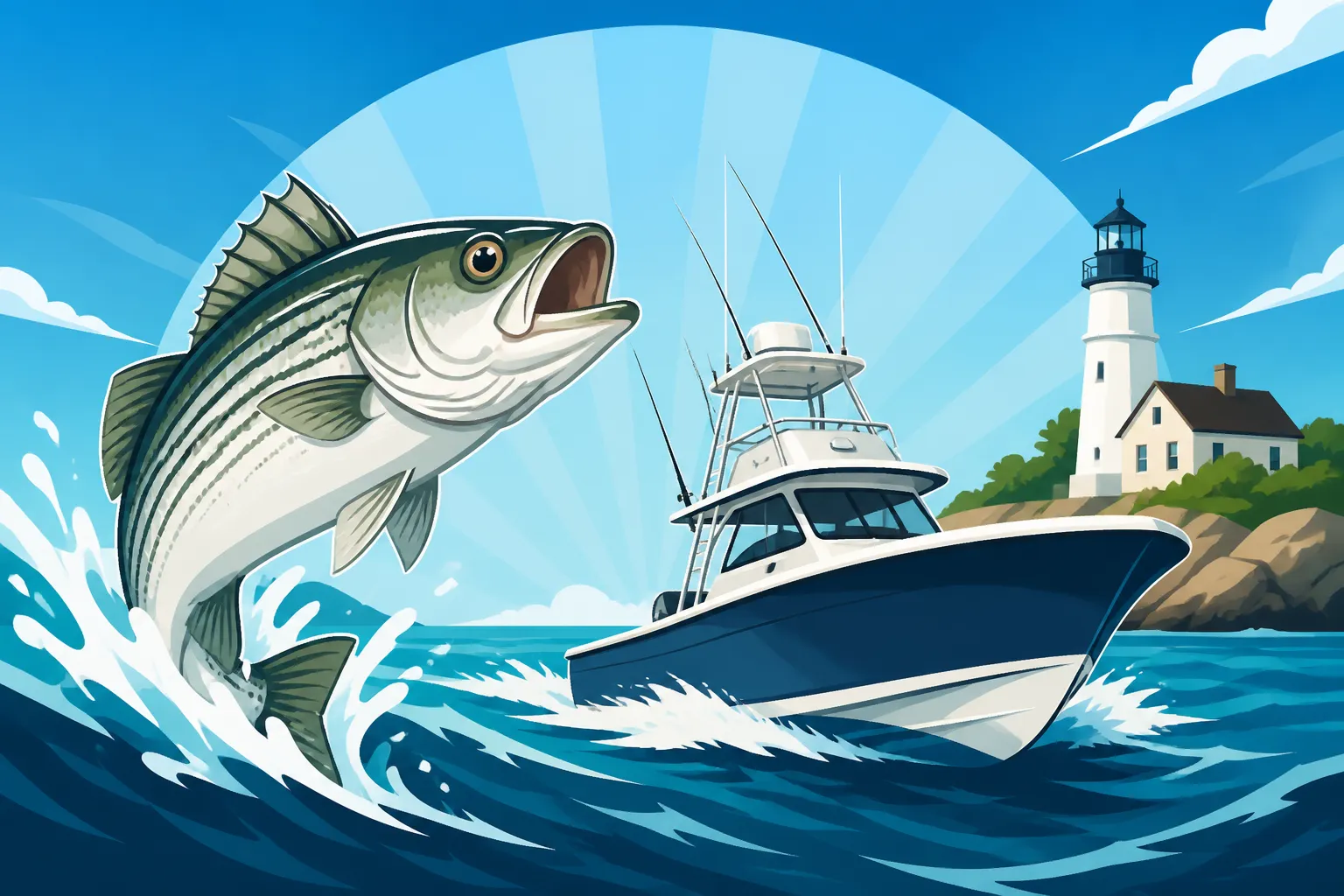
Many experienced captains operating out of Stonington will often target areas like The Race or the notorious waters around Fishers Island, which are just a short run away. These areas are renowned for their incredible productivity, particularly for larger striped bass and bluefish. The convergence of currents and deep channels here creates a veritable buffet for predatory fish, making it a hotspot that many anglers dream of fishing.
Diverse Target Species and Seasons
The sheer variety of fish you can target from Stonington charters is truly impressive and changes with the seasons, keeping the fishing exciting year-round. Depending on when you visit, you could be chasing different species with different techniques. This seasonal diversity ensures that whether you're a spring, summer, or fall angler, there’s always something exciting to catch.
In the spring, as the water warms, you'll find an influx of migratory fish. Striped bass are often the main event, moving into the Sound to feed, and you might also find some early fluke. As summer hits its stride, the fishing really heats up. This is prime time for Striped Bass Fishing in Long Island Sound, along with strong runs of bluefish, black sea bass, and scup (porgy). Fall offers some of the most spectacular fishing, with big striped bass and bluefish gorging themselves before their migration, often providing intense topwater action. Even in cooler months, if conditions allow, you might target tautog (blackfish) around rocky structures.
Access to Offshore Opportunities
While Long Island Sound offers incredible inshore fishing, Stonington's location also provides a jumping-off point for more adventurous offshore trips. Depending on the vessel and the captain's expertise, you can venture further out into Block Island Sound or even towards the waters south of Block Island. This opens up possibilities for different, often larger, species.
For those looking for a truly deep-sea adventure, some Stonington charters are equipped to head offshore in pursuit of pelagic species like tuna, mahi-mahi, or even shark. These trips are typically full-day excursions and require specific boats and gear, but they offer a completely different kind of challenge and reward. It’s a chance to experience the vastness of the ocean and test your skills against truly powerful game fish.
Types of Charters Available in Stonington
Stonington offers a fantastic array of fishing charter options, catering to just about every type of angler, from the seasoned veteran looking for a trophy to families hoping to introduce their kids to the joy of fishing. Knowing the different types available will help you narrow down your choices and pick the perfect trip.
Inshore vs. Offshore Charters
This is often the first distinction you’ll encounter when looking at charters, and it really dictates the kind of experience you’ll have.
Inshore Fishing Trips
Inshore charters from Stonington typically focus on the rich waters within Long Island Sound, including coastal areas, reefs, rips, and channels relatively close to shore. These trips are fantastic for targeting species like striped bass, bluefish, fluke, scup (porgy), and blackfish. They generally involve shorter boat rides to the fishing grounds, making them a great option for those prone to seasickness, families with young children, or anyone who prefers to stay within sight of land. Best Inshore vs Offshore Charters in Connecticut details these differences nicely.
Captains specializing in inshore trips usually have an intimate knowledge of local currents, baitfish movements, and bottom structures that hold fish. They might employ a variety of techniques, from light tackle casting and jigging to bait fishing, depending on the target species and conditions. These trips are often more focused on quantity and consistent action, making them incredibly popular for anglers of all skill levels. You're still going to catch some truly impressive fish, but the focus is on accessible, action-packed fishing in generally calmer waters.
Offshore Fishing Excursions
Offshore charters, on the other hand, venture further out, often into Block Island Sound or even beyond. These trips are designed for anglers seeking pelagic species like tuna (such as yellowfin or bluefin), mahi-mahi, or even shark. They are typically full-day trips, sometimes even multi-day, and involve longer runs to the fishing grounds, often in choppier seas.
These excursions require larger, more robust boats equipped with specialized offshore gear, including heavy-duty rods and reels, outriggers, and advanced navigation systems. While the chances of landing a truly massive, once-in-a-lifetime fish are higher, these trips can also be more physically demanding and less predictable in terms of action. They're definitely for the more adventurous angler who isn't afraid of a long day on the open ocean and is prepared for the challenge of fighting powerful, fast-moving fish.
Half-Day vs. Full-Day Trips
Another common decision point is the duration of your trip. Stonington charters typically offer both half-day and full-day options, each with its own set of advantages.
Half-Day Charters
Half-day trips usually last around 4-5 hours and are a fantastic choice for families, beginners, or those with limited time. They offer a taste of the action without committing to a full day on the water. Many Best Half-Day Fishing Charters in Connecticut are highly productive, as captains know exactly where to go for quick action. You'll still have a great chance at catching fish, especially in the productive inshore waters around Stonington.
These shorter trips are also often more budget-friendly and are ideal for getting a feel for charter fishing. You can often choose between a morning or afternoon departure, which provides flexibility for your vacation schedule. While you might not venture as far or have as much time to explore different spots, a good captain will make the most of the time you have, focusing on known fish-holding areas for consistent bites.
Full-Day Charters
Full-day trips, typically lasting 8-10 hours, offer a much more comprehensive fishing experience. This extra time allows captains to travel to more distant fishing grounds, explore a wider variety of spots, and adapt to changing conditions throughout the day. If you're serious about targeting specific species, especially larger ones, or want to maximize your chances of a truly epic catch, a full-day trip is usually the way to go.
The longer duration means more opportunities to try different techniques, move between locations if one spot isn't producing, and simply enjoy more time on the water. These trips are often preferred by more experienced anglers or groups looking for a dedicated fishing adventure. They allow for a deeper dive into the fishing potential that Stonington's waters offer, from targeting trophy striped bass to filling a cooler with delicious black sea bass or scup.
Key Factors When Choosing a Stonington Charter
Choosing the right fishing charter is crucial for a successful and enjoyable trip. It can feel like a daunting task with so many options, but by focusing on a few key factors, you can make an informed decision that perfectly matches your expectations.
Researching Captains and Boats
The captain and their vessel are arguably the most important elements of your charter experience. A great captain isn't just skilled at finding fish; they're also excellent communicators, safety-conscious, and dedicated to making your trip memorable.
Reputation and Reviews
Before booking, take the time to research the captain's reputation. Look for online reviews on platforms like FishingBooker or other fishing forums. Pay attention to what past customers say about the captain's expertise, their communication style, the condition of the boat, and the overall fishing experience. Do they consistently put clients on fish? Are they patient with beginners or kids? Are they passionate about what they do? These insights are invaluable.
A good reputation often speaks volumes. If a captain is consistently getting positive feedback about their professionalism, their knowledge of local waters, and their ability to create a fun atmosphere, that's a strong indicator you're on the right track. Don't just look for five-star ratings; read the actual comments to understand why people loved their trip.
Vessel Features and Amenities
Beyond the captain, the boat itself plays a huge role in your comfort and safety. Consider the type of fishing you want to do and how many people are in your group. Are you looking for a fast center console for light tackle action, or a larger, more stable sportfisher with a cabin and head (restroom) for longer trips? Ensure the boat is well-maintained, clean, and equipped with all the necessary safety gear, like life jackets, first-aid kits, and communication devices.
Think about amenities that matter to you. If you're going on a full-day trip, a comfortable seating area, shade, and a clean restroom are often appreciated. For serious anglers, features like livewells, ample deck space, and quality electronics (fish finders, GPS) are important. Don't hesitate to ask about these details when inquiring about a charter.
Target Species and Fishing Styles
Matching your fishing goals with the charter's specialty is essential. Every captain has their preferred methods and target species, and finding one that aligns with yours will lead to a more satisfying trip.
Captain's Expertise for Desired Fish
If you have your heart set on catching a specific fish, like a trophy striped bass or a limit of black sea bass, make sure the captain has a proven track record for that species. Some captains are renowned for their expertise in How to Catch Fluke in Long Island Sound, while others might specialize in light tackle for bluefish. Ask about their typical fishing strategies for your target species – do they troll, jig, drift bait, or anchor up?
A good captain will be upfront about their specialties and what to realistically expect during your chosen season. They'll also understand the nuances of Connecticut Saltwater Fishing Regulations by Species for each species, ensuring your catch is legal and sustainable. Don't be shy about discussing your fishing aspirations with the captain before booking; it helps manage expectations for everyone involved.
Preferred Fishing Techniques
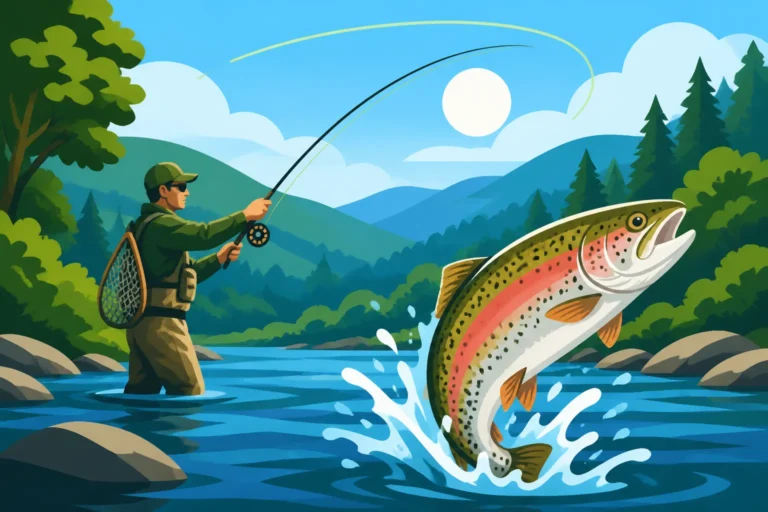
Are you an avid fly fisherman hoping to sight-cast to striped bass? Or do you prefer the steady action of bait fishing for scup? Some charters cater to specific techniques, while others are more versatile. If you have a strong preference, ensure the charter can accommodate it. For instance, fly fishing requires different boat setups and casting space than conventional tackle.
Discussing techniques upfront ensures that the captain can prepare the appropriate gear and plan the trip accordingly. It also helps manage expectations about the pace and style of fishing. You might even discover a new technique from an experienced captain who’s willing to teach!
Cost and Booking Information
Understanding the financial aspects and booking process is key to a smooth experience. While specific prices aren't discussed here, understanding the structure of charter costs is important.
Understanding Inclusions and Exclusions
When you inquire about a charter, always ask what is included in the price. Typically, a good charter will provide all necessary fishing gear, bait, and tackle. Some might also include licenses, though it's always wise to clarify Do You Need Your Own Fishing License for a Connecticut Charter?. Find out if fish cleaning is part of the service. On the other hand, things like food, drinks, sunscreen, and gratuity for the mate are almost always extra.
Clarifying these details upfront prevents any surprises on the day of your trip. Don't assume anything; a quick conversation or checking the charter's website or FishingBooker listing for a clear breakdown will save you headaches later.
Booking Process and Availability
Stonington charters, especially the popular ones, book up quickly, particularly during peak seasons (summer and fall weekends). It’s always best to book well in advance, sometimes several months ahead, to secure your preferred date and captain. Platforms like FishingBooker make it easy to see availability and compare different options.
Understand the deposit requirements and the cancellation policy. What happens if the weather turns bad? Is there an option to reschedule or get a refund? A reputable charter will have a clear policy on these matters. Being prepared for these eventualities ensures a stress-free booking process.
What to Expect on a Charter Trip from Stonington
Embarking on a fishing charter from Stonington is an exciting experience, but knowing what to expect can help you prepare and make the most of your day. From the moment you arrive at the dock to the time you leave, there are certain elements that are common to most charter trips.
Pre-Trip Preparation
A little preparation on your part goes a long way in ensuring a comfortable and successful outing.
What to Pack and Wear
Even on a sunny day, conditions on the water can be unpredictable. Layers are your best friend! Start with moisture-wicking clothing, add a fleece or sweatshirt, and always bring a waterproof and windproof outer shell. Sunglasses, a hat for sun protection, and non-slip, closed-toe shoes are essential. What to wear on a Connecticut fishing charter is a helpful resource for this.
Beyond clothing, pack sunscreen, lip balm with SPF, and any personal medications you might need. Bring plenty of water and snacks; while some charters might offer drinks, it's always best to have your own. A cooler to bring home your catch is also a good idea. Don't forget your camera to capture those memorable moments!
Meeting Point and Departure
Most Stonington charters will depart from local marinas or public docks. Your captain will provide specific instructions on where and when to meet. It's always a good idea to arrive a little early, typically 15-20 minutes before the scheduled departure time, to allow for parking, getting your gear on board, and a quick pre-trip briefing from the captain.
Upon arrival, the captain or mate will usually greet you, go over safety procedures, and answer any last-minute questions. They'll show you where to store your belongings and explain the plan for the day's fishing. This is also a good time to mention any specific preferences or concerns you might have, like if someone is prone to seasickness.
Onboard Experience and Safety
Once you're underway, the focus shifts to fishing, but safety always remains paramount.
Boat Rules and Safety Briefing
Before heading out, your captain will conduct a safety briefing, pointing out where life jackets are stored, how to use safety equipment, and general rules for moving around the boat. Pay close attention – these aren't just formalities. The ocean can be unpredictable, and knowing what to do in an emergency is vital.
Common boat rules include keeping the deck clear of clutter, listening to the captain's instructions, and being mindful of your surroundings, especially when lines are in the water or the boat is moving. Children on board often have specific life jacket requirements, so be sure to understand those. Life Jacket Requirements for Connecticut Boaters can provide more detail.
Fishing Instruction and Assistance
Whether you're a seasoned pro or a complete novice, the captain and crew are there to assist you. They'll typically provide instruction on how to use the gear, bait your hook, and properly fight a fish. Don't be afraid to ask questions! A good crew enjoys teaching and wants you to have a successful day.
They'll also be actively working to put you on fish, moving the boat, adjusting tactics, and keeping an eye on the rods. They'll help net fish, unhook them, and if you're keeping your catch, they'll usually store them in a cooler with ice. Your job is to relax, follow instructions, and enjoy the thrill of the catch!
Maximizing Your Stonington Fishing Charter Experience
You've picked your charter, packed your bags, and you're ready to hit the water. Now, let's talk about how to make sure your Stonington fishing trip is truly unforgettable.
Communication with Your Captain
Open and honest communication with your captain is key to a successful trip, both before and during your charter.
Setting Expectations
Before you even leave the dock, have a clear conversation with your captain about your goals for the day. Are you primarily interested in catching dinner, or are you hoping for a shot at a trophy fish, even if it means fewer bites? Are you bringing kids and want to prioritize steady action over size? Being upfront about your expectations allows the captain to tailor the trip to your preferences as much as possible.
Remember, fishing is fishing, and there are no guarantees. The captain can only control so much, but by understanding what you want, they can make the best decisions about where to go and what techniques to employ. If you're flexible, that's great too – just let them know you're open to whatever the conditions dictate.
Asking Questions During the Trip
Once you're out on the water, don't hesitate to ask questions. Wondering why the captain is heading to a particular spot, or why they're using a certain bait? Ask! Most captains love sharing their knowledge and insights into the local fishery. It's a fantastic learning opportunity that can deepen your appreciation for the sport and the area.
If you're feeling unwell, need a break, or have any concerns, communicate them immediately and clearly. Your captain is there to ensure your safety and comfort. This is where those hyper-local details really come into play; a good captain can explain how the tides affect Connecticut River Striped Bass Fishing or why a particular reef holds black sea bass on certain days.
Tipping and Etiquette
Understanding proper tipping and general etiquette ensures a smooth and appreciative experience for everyone involved.
Gratuity Guidelines
Tipping the crew (captain and/or mate) is customary in the charter fishing industry, much like in the restaurant service industry. A good rule of thumb is to tip around 15-20% of the total charter cost. If the crew went above and beyond, provided excellent service, worked hard to put you on fish, or was particularly helpful, a higher tip is always appreciated.
Bring cash for tips, as it's often preferred and easier for the crew. Hand the tip directly to the mate, or if there's no mate, to the captain, at the end of the trip. Remember, these professionals work incredibly hard, often in challenging conditions, to provide you with a memorable experience. Your gratuity is a direct reflection of your appreciation for their efforts. For more detailed advice, check out Tipping Etiquette for Connecticut Fishing Charters.
Respecting the Crew and Environment
Treat the boat and equipment with respect. These are the captain's tools of the trade, and they rely on them for their livelihood. Listen to instructions, particularly when handling fish, rods, or nets. Keeping the boat clean and tidy throughout the trip helps everyone.
Also, be mindful of the marine environment. Dispose of all trash properly – never throw anything overboard. If you're practicing catch and release, handle fish carefully to maximize their survival chances. A respectful attitude towards the crew and the environment ensures that everyone has a positive experience and that the fishing grounds remain healthy for years to come.
Seasonal Planning for Best Results
Timing your trip to Stonington can significantly impact the species you encounter and the overall fishing action.
Peak Seasons for Target Species
As discussed earlier, different fish bite best at different times of the year. If you're dreaming of big striped bass, late spring and fall are often prime. For abundant black sea bass and fluke, summer typically shines. Tautog (blackfish) are a fall and spring specialty. Researching Best Time of Year to Fish in Connecticut will give you a general overview, but then dive into specific species.
Discussing seasonal expectations with your chosen Stonington captain is invaluable. They live and breathe the local waters and can tell you what's biting, where, and when to get the best action. They might even suggest a different target species if conditions for your initial preference aren't ideal.
Weather and Tide Considerations
Weather plays a huge role in saltwater fishing. While charters will typically cancel or reschedule for unsafe conditions, be prepared for cooler temperatures, wind, or even a bit of rain. Trust your captain's judgment on weather. Tides are equally important in Long Island Sound, especially in areas near Stonington like The Race. Strong currents can create feeding opportunities but also challenge some anglers.
A knowledgeable captain will factor in tides and currents when planning the day. They might target specific rips or structures during certain tidal phases. Understanding these dynamics can make your fishing more engaging and help you appreciate the captain's expertise in navigating the complex waters.
Specific Species Targeted from Stonington Charters
Stonington's rich waters offer a fantastic array of species for anglers. Here's a closer look at some of the most popular catches you can expect from a Stonington charter.
Striped Bass and Bluefish
These two predatory species are often found together and provide some of the most thrilling action in Long Island Sound.
Trophy Stripers and Schoolie Blitzes
Stonington is renowned for its striped bass fishing. From chunky "schoolie" stripers that provide non-stop action, to legitimate trophy fish weighing 30, 40, or even 50+ pounds, these waters have it all. Striped Bass Fishing in Long Island Sound often involves targeting structure, rips, or baitfish schools. Captains might use live bait like eels or bunker, troll large plugs, or encourage casting with artificial lures like soft plastics or topwater poppers during a feeding frenzy.
The spring and fall migrations are often the best times for trophy stripers, as large fish move through the area. During the summer, you can still find good numbers of bass, often holding in deeper, cooler water or feeding aggressively during dawn and dusk.
Aggressive Bluefish Action
Bluefish are known for their voracious appetites and fierce fighting spirit. They often travel in large schools and can make for incredibly exciting fishing, especially when they're in a "bluefish blitz," tearing through schools of baitfish on the surface. They’ll hit just about anything, from shiny spoons and poppers to chunks of bait, and their sharp teeth require steel leaders.
While sometimes considered a bycatch when targeting stripers, bluefish are a blast to catch in their own right. They are powerful fighters that can make your reel sing! Many charters will specifically target bluefish for their aggressive nature and the sheer fun of battling them.
Fluke, Black Sea Bass, and Scup
These bottom-dwelling species are fantastic for filling a cooler and provide consistent action, making them great for family trips.
Flounder and Fluke Fishing
Fluke, also known as summer flounder, are a highly prized table fish. They are ambush predators that lie flat on the bottom, camouflaged, waiting for bait to swim by. Charter captains often target them by drifting baits or jigs along sandy or muddy bottoms, particularly near structure or channel edges. Fluke Fishing in Long Island Sound requires a good feel for the bottom and patience.
You'll typically use a "fluke rig" with a bucktail jig or a plain hook tipped with a strip of squid or spearing. The bite can be subtle, so paying attention to your line is key. When a fluke hits, it's often a solid thud, followed by a steady pull.
Black Sea Bass and Scup Abundance
Black sea bass are another incredibly popular species, known for their delicious white meat and aggressive bites. They love rocky bottom, wrecks, and reefs, and can be caught by jigging, bait fishing with clam or squid, or even small metal lures. They often travel in schools, so when you find them, the action can be fast and furious.
Scup, or porgy, are also abundant in these waters and are a fantastic choice for consistent action, especially for kids or new anglers. They readily take small pieces of clam or squid fished on simple bottom rigs. While not as large as stripers, they provide continuous tugs on the line and are excellent eating. Charters often combine trips for these species, ensuring a full cooler and plenty of rod-bending fun.
Disclaimer
This article is for general informational purposes only and does not constitute professional advice. Laws, prices and regulations vary by location and change over time. Consult a qualified professional for guidance on your specific situation.