Comparing Charter Boats vs Guide Boats in Connecticut
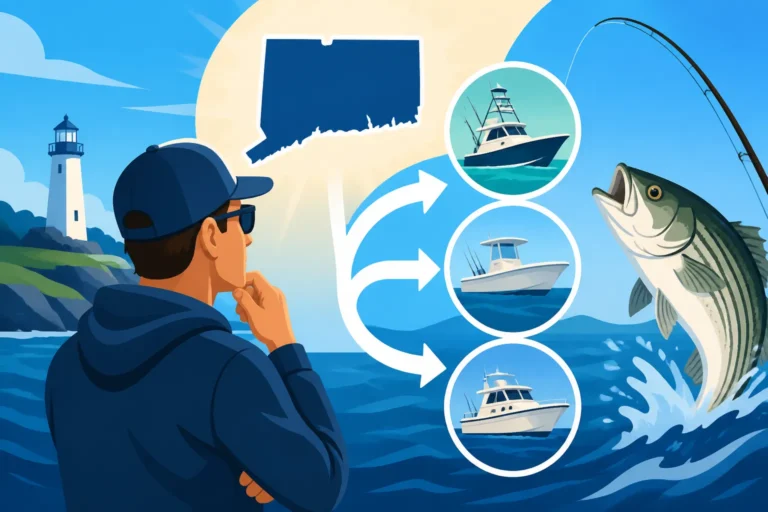
For many folks dreaming of a fishing trip in Connecticut, one of the first big questions that pops up is whether to book a charter boat or a guide boat. It’s a common point of confusion, and frankly, it can feel overwhelming trying to figure out the right fit when you're just looking to get out on the water and catch some fish or enjoy a new experience. This comprehensive guide is here to untangle the differences, making it crystal clear which option aligns best with your fishing aspirations in the Nutmeg State.
What Exactly is a Fishing Charter?
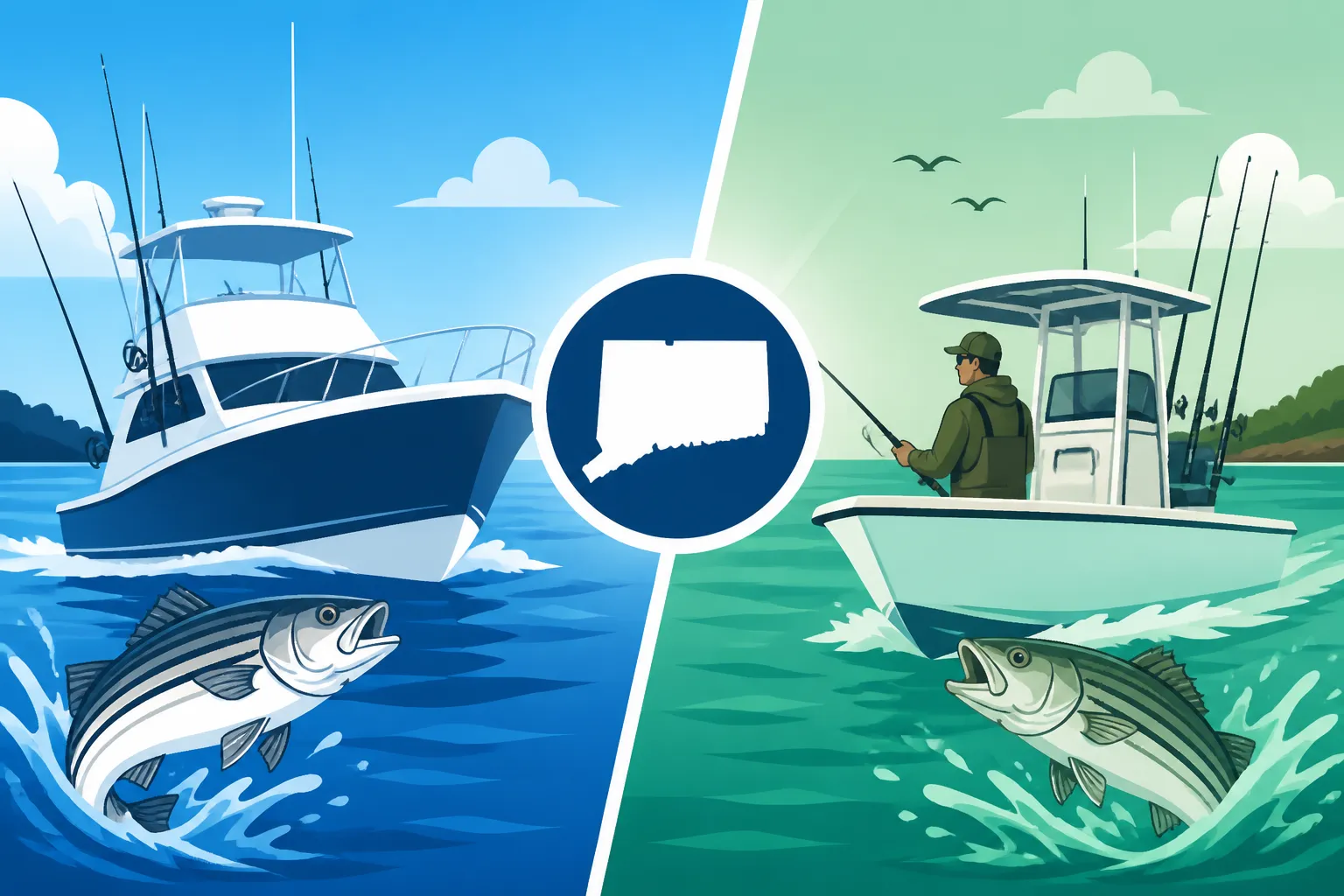
When you hear "fishing charter" in Connecticut, generally, your mind should drift to the expansive saltwater stretches of Long Island Sound and beyond. These are typically larger vessels, designed to handle the open waters, accommodate more people, and often venture further from shore. Think of them as your maritime taxi service for a day of serious angling, equipped to take you to where the big fish roam.
Typical Vessel and Crew
Charter boats are generally quite a bit bigger and sturdier than what you might imagine for a freshwater trip. We're talking about vessels ranging from 25-foot center consoles to much larger sportfishing yachts, all built to handle the varied conditions of Long Island Sound. These boats are outfitted for comfort and capability, often boasting cabins, heads (marine toilets), and ample deck space for multiple anglers to cast simultaneously without bumping elbows. Safety equipment is paramount, of course, and you can expect state-of-the-art electronics for navigation and fish finding.
Crucially, a charter trip usually comes with a full crew: a seasoned captain at the helm, holding the necessary Coast Guard certifications, and often a dedicated mate or first mate. The mate is your go-to person on deck, handling everything from rigging baits and untangling lines to gaffing fish and keeping the cooler stocked. Their expertise is invaluable, especially for novices, as they're constantly working to ensure everyone has a successful and enjoyable trip. It’s a team effort designed to make your fishing experience as seamless as possible, allowing you to focus purely on the thrill of the catch.
Common Trip Types and Target Species
Fishing charters in Connecticut are synonymous with saltwater action. They open up a world of possibilities, from inshore reefs and rips to deeper offshore waters. One of the most popular targets is the mighty striped bass, which migrate through Long Island Sound and can be found in abundance, especially during the spring and fall runs. Charters often specialize in chasing these powerful fish, using various techniques from trolling big plugs to live-lining bunker. Striped Bass Fishing in Long Island Sound covers more on these amazing fish.
Beyond stripers, you'll find charters targeting a fantastic variety of species. Fluke (summer flounder) are a summertime favorite, often jigged or drifted over sandy bottoms. Black sea bass are another incredibly popular species, known for their aggressive bites and delicious fillets, usually found over rocky structures and wrecks. Other common targets include bluefish, scup (porgy), and tautog (blackfish), especially around ledges and rocky areas where they love to hide. For those looking for a true deep-sea experience, some charters will even head further offshore for tuna, shark, or cod, though these are typically full-day or even multi-day excursions that require specific licensing and gear.
Understanding Fishing Guide Boats
Switching gears, a "guide boat" often brings to mind a different kind of angling adventure in Connecticut. While there are certainly inshore saltwater guides, the term most frequently refers to specialized freshwater operations on our state's incredible rivers and lakes. These trips are generally more intimate, highly personalized, and focused on specific techniques and species, often with an emphasis on instruction and skill development.
Vessel Characteristics and Personalization
Guide boats are typically smaller and more agile than charter vessels, designed for specific environments like shallow rivers, secluded coves on lakes, or tight marshy areas. You might find a drift boat, perfectly suited for navigating the currents of a trout stream, or a bass boat, equipped with trolling motors and shallow-water anchors for silent approach in a lake. Kayaks and canoes are also popular "vessels" for guides specializing in paddle fishing or reaching remote waters. The size of these boats means they generally accommodate fewer people – often just one or two anglers, plus the guide.
This smaller scale is where the personalization really shines. With only a couple of clients, the guide can offer much more direct, one-on-one instruction and attention. They can tailor the day's itinerary, techniques, and even the pace of the fishing specifically to your interests and skill level. Want to learn how to properly cast a fly rod? A guide is your best bet. Hoping to hone your finesse tactics for stubborn smallmouth? That's precisely what a guide is there for. It’s a bespoke fishing experience, crafted to maximize your learning and enjoyment, making it vastly different from a larger charter trip.
Expertise and Focus Areas
The expertise of a fishing guide in Connecticut is often highly specialized. While a charter captain needs to know a broad range of saltwater techniques, a guide might be intimately familiar with every rock, ripple, and eddy of a particular stretch of the Farmington River West Branch Trout Fishing or the best bass coves on Candlewood Lake. They've spent countless hours dissecting their chosen waters, understanding fish behavior, seasonal patterns, and the subtle nuances that lead to success.
Their focus areas often include specific fish species and specialized techniques. For instance, many guides are masters of fly fishing, offering instruction on everything from dry fly presentations to intricate nymphing rigs for trout. Others might specialize in light tackle casting for Smallmouth Bass Fishing in Connecticut on the Housatonic River or largemouth bass on one of our many freshwater lakes. They're not just putting you on fish; they're teaching you how to fish for them effectively, sharing valuable insights into gear selection, reading the water, and understanding fish biology. It's an educational experience interwoven with the thrill of the catch, perfect for anglers looking to deepen their understanding and skill set.
Key Differences in Experience and Expectations
Understanding the core distinctions between a charter boat and a guide boat goes beyond just the size of the vessel. It’s about the entire philosophy of the trip, from who you’re fishing with to what you’re likely to pay and the kind of fishing you’ll be doing. These aren't minor variations; they represent fundamentally different types of angling adventures, each with its own set of expectations and rewards.
Group Size and Intimacy
One of the most immediate and impactful differences you'll notice is the group size. Charter boats, especially those operating on Long Island Sound, are built to accommodate a party. You might be part of a larger group of six to ten anglers, often sharing the deck with people you've never met if it's a "head boat" or "open boat" trip where individuals pay for a spot. Even on private charters, you're usually looking at a larger party of friends, family, or colleagues. The atmosphere is often lively, with multiple hookups happening simultaneously and a general buzz of activity. While there's camaraderie, direct individual attention from the crew can be limited, as they're managing a busy deck and multiple lines.
Guide boats, on the other hand, prioritize intimacy. Most guided trips are designed for one to three anglers, sometimes even just one-on-one. This significantly smaller group means you get almost undivided attention from your guide. Imagine floating down a serene river with just your guide, discussing fly patterns and casting mechanics in detail. This setup fosters a much more personal connection, allowing for in-depth instruction, quiet contemplation, and a fishing experience that feels tailored precisely to your needs. If you're looking for focused learning or a tranquil escape, the intimacy of a guide boat is a huge draw.
Cost Structure and Inclusions
The way you pay for these trips also differs considerably. For fishing charters, especially saltwater ones, pricing can often be either "per person" for open boat trips or a flat rate for the entire boat for private charters. The larger the boat and the longer the trip (half-day vs. full-day), the higher the overall cost. However, the price typically includes a significant amount: rods, reels, tackle, bait, ice, fuel, and often fish cleaning services at the end of the day. You show up, hop on, and everything you need to catch fish is usually provided, making it a very convenient, all-inclusive package for the day. For a detailed breakdown, check out Connecticut Fishing Charter Cost Guide.
Guide boats generally operate on a flat-fee basis for the guide's time, regardless of whether there's one angler or three. This means the cost per person can decrease with more participants, but the overall price for the day remains consistent. While basic rods and reels are almost always included, specialized gear like fly rods, waders, or specific high-end lures might be extra or require you to bring your own. Bait, if used, is typically included. Fuel costs for smaller vessels are less of a factor than on large ocean-going charters. The value here isn't just in catching fish, but in the personalized instruction and access to a highly specialized local expert, which contributes to the pricing structure.
Gear, Techniques, and Target Species
The type of gear and techniques employed, and consequently the species targeted, are distinct. Charter boats focusing on saltwater often utilize heavier tackle – robust rods and reels designed to handle powerful fish like striped bass, bluefish, or even offshore species. Techniques can range from heavy trolling with multiple lines out to bottom fishing with chunk bait or jigging with large metal lures. The goal is often to put as many fish in the cooler (within legal limits, of course) as possible, focusing on efficiency and power.
Guide boats, particularly in freshwater settings, tend to employ lighter tackle and more nuanced techniques. This could involve delicate fly fishing presentations for trout in clear streams, precision casting with artificial lures for smallmouth bass around structure, or even ultralight setups for panfish. The emphasis is often on skill, finesse, and understanding the subtle behaviors of the fish. Target species are usually inland game fish such as Trout Fishing in Connecticut, Largemouth Bass Fishing in Connecticut, or pike. The difference in approach reflects the contrasting environments and objectives: brute force and volume versus finesse and learned skill.
When to Choose a Charter Boat
Deciding between a charter and a guide often boils down to your specific fishing goals and the kind of experience you're after. While a guide boat offers intimate learning, a charter boat excels at delivering a particular type of thrilling, often celebratory, day on the water.
Best for Offshore Adventures
If your idea of fishing involves the vast expanse of the ocean, the chance to chase powerful pelagic species, or simply getting out beyond the sight of land, a charter boat is unequivocally your best bet. Connecticut's access to Long Island Sound Fishing Guide offers incredible opportunities for saltwater angling, and charter boats are purpose-built to navigate these waters safely and effectively. They have the range, the speed, and the capacity to take you to prime fishing grounds that are simply inaccessible to smaller guide boats.
Imagine heading out before dawn, watching the sunrise paint the sky over the water, and then spending the day trolling for trophy striped bass in the rips, or jigging for black sea bass over a sunken wreck miles offshore. These are the kinds of epic, deep-sea adventures that only a robust charter vessel can provide. The thrill of hooking into a truly large fish in open water, feeling the raw power of the ocean, is an experience unparalleled in smaller, inshore settings. If the call of the blue horizon and big saltwater fish resonates with you, then a charter is your vessel of choice.
Ideal for Larger Parties and Celebrations
Another significant advantage of charter boats is their capacity to accommodate larger groups. This makes them the perfect choice for special occasions, corporate outings, family reunions, or even bachelor/bachelorette parties where fishing is the main event. Trying to coordinate a day on the water for six or more people with individual guide boats can be a logistical nightmare and often far more expensive.
A single charter boat can host your entire party, fostering a shared experience and plenty of laughs and memories. The ample deck space means everyone has room to cast, relax, and enjoy the journey together. It’s an easy way to organize a fun, unique activity where everyone can participate, regardless of their prior fishing experience. The crew is adept at managing multiple anglers, providing assistance where needed, and ensuring everyone has a shot at catching fish. So, if you're planning an event and want to get a sizable group out for some memorable fishing and bonding, a charter boat is truly the way to go. You can easily find options that suit your group size by browsing platforms like FishingBooker, which often specifies boat capacity.
When to Opt for a Guide Boat
While charters are fantastic for big groups and big water, guide boats offer a different, equally rewarding experience, particularly if you're looking for a more focused, educational, or niche angling adventure. They cater to a desire for specialized knowledge and a more intimate connection with the pursuit of fish.
Perfect for Specialized Freshwater Trips
Connecticut is blessed with an incredible network of freshwater rivers, streams, and lakes that offer world-class fishing, particularly for trout and bass. If your passion lies in these inland waters, especially in pursuing specific species like the elusive brown trout in a cold-water river or targeting trophy smallmouth in a pristine lake, then a guide boat is absolutely your ideal choice. These guides are experts in their specific freshwater domains, often knowing every bend, rock, and undercut bank where fish might hold.
Consider a trip down the Housatonic River Fishing Guide, renowned for its smallmouth bass, or a serene float on the Farmington River for its abundant trout. A guide will navigate these waters with precision, positioning you perfectly for casts, identifying subtle feeding lanes, and providing insights into the local insect hatches or baitfish patterns. They have the specialized boats and intimate knowledge to access spots that you simply couldn't find or safely navigate on your own. It's about unlocking the secrets of these specific freshwater ecosystems with someone who has dedicated their life to understanding them.
Great for Learning and Skill Development
Perhaps one of the most compelling reasons to choose a guide boat is if you're keen to significantly improve your fishing skills or learn a completely new technique. Unlike a charter where the primary goal is often catching a volume of fish for the group, a guided trip can be heavily focused on instruction. If you've always wanted to try fly fishing, understand the nuances of nymphing, or master specific lure presentations, a guide offers unparalleled one-on-one or small-group coaching.
Imagine spending a day with an expert fly fishing guide on a trophy trout stream, where they patiently teach you proper casting mechanics, how to "read the water" for trout lies, and the correct way to present a delicate dry fly. Or perhaps you want to refine your bass fishing tactics – a guide can teach you everything from how to use sonar effectively to the subtle retrieves of a jerkbait or the art of pitching a jig into heavy cover. This dedicated attention can fast-track your learning process, turning a day of fishing into a valuable masterclass. It’s an investment in your personal angling growth, providing knowledge and techniques that will serve you well on future solo trips.
Making Your Decision: Factors to Consider
With a clearer understanding of what charter boats and guide boats offer, the next step is to weigh these options against your own desires and practical considerations. It's not about one being inherently "better" than the other, but about finding the perfect match for your ideal day on the water.
Your Fishing Goals and Desired Experience
Before you even start looking at boats, sit down and honestly ask yourself: What do I want to get out of this trip? Are you dreaming of filling a cooler with delicious fillets for a big family dinner? If so, the high-volume, often catch-and-keep oriented approach of many saltwater charters might be exactly what you need. They are designed for efficient fish acquisition within legal limits.
Perhaps your goal is less about the cooler and more about the challenge – targeting a specific, difficult-to-catch species, or trying to land a trophy fish you’ve always dreamed of. Or maybe you're a passionate conservationist looking for a Best catch-and-release only charters in Connecticut. If the thrill of the chase, the technical skill, and the learning process are paramount, then a guide who specializes in that particular species or technique, and often practices catch-and-release, will provide a more fulfilling experience. Consider whether you want an action-packed, social atmosphere or a more serene, focused, and educational outing.
Budget and Group Dynamics
The financial aspect is always a key consideration. While we can't state specific prices, generally, a larger charter boat trip for a private group might have a higher upfront total cost than a freshwater guided trip for two people. However, if you break it down "per person" for a larger party on a charter, it can sometimes be more economical than individual guided trips if you're trying to get many people on the water. How much does a Connecticut Fishing License Cost is another factor to consider for each angler.
Think about how many people are in your fishing party. If you have a large group, say six or more, a charter boat is almost always the more practical and cost-effective solution for keeping everyone together. If it's just you, you and a buddy, or a small family, a guide boat offers a more intimate and often more flexible experience for a similar or even lower per-person cost. This is also where you consider skill levels. Is everyone experienced, or do you have complete beginners who will need a lot of hands-on help? A guide boat offers more personalized instruction, which can be invaluable for novices or those looking to refine advanced techniques.
Researching and Booking Your Trip
Once you've narrowed down your choice between a charter and a guide, the next crucial step is finding the right one. This is where solid research and reputable booking platforms come into play. Start by searching for "Best Fishing Charters in Connecticut" or "Best Fly Fishing Guides in Connecticut" depending on your preference. Read reviews, look at photos, and pay attention to what previous clients highlight – whether it's the captain's expertise, the mate's helpfulness, the condition of the boat, or the guide's teaching style.
Platforms like FishingBooker are incredibly useful resources for this. They allow you to filter by location, trip type (inshore, offshore, freshwater), target species, and even boat size or group capacity. You can compare different captains and guides side-by-side, read verified reviews, and often see what's included in the price. Don't hesitate to reach out to potential captains or guides directly with any questions you might have about their specific trips, gear, or what to expect. This communication is key to ensuring there are no surprises on the day of your adventure and that your expectations align with what the captain or guide can deliver. Make sure to clarify what you need to bring, like a valid Connecticut Fishing License Guide for 2026 for each angler over the age of 16.
Comparison Table: Charter Boat vs. Guide Boat
Here's a quick comparison to help solidify the differences:
| Feature | Fishing Charter Boat | Fishing Guide Boat |
|---|---|---|
| Typical Water | Saltwater (Long Island Sound, nearshore, offshore) | Freshwater (Rivers, lakes, ponds) or inshore saltwater |
| Vessel Size | Larger (25 ft+), often with cabin/head | Smaller (drift boat, bass boat, kayak, 15-25 ft) |
| Crew | Captain & Mate(s) | Often just the Guide |
| Group Size | Larger parties (4-10+), open boat or private | Smaller parties (1-3 anglers), private |
| Focus | Catching fish (quantity/trophy), group experience | Instruction, specific techniques, specific species |
| Primary Gear | Heavier tackle, trolling rods, bottom fishing setups | Lighter tackle, fly rods, spinning setups |
| Instruction | Limited, general assistance | Extensive, personalized, skill-focused |
| Cost Basis | Per person (open boat) or flat rate (private) | Flat rate for guide's time |
| Best For | Offshore adventure, big fish, large groups, celebrations | Learning new skills, specific species, intimate experience |
Ultimately, whether you choose a charter boat or a guide boat for your Connecticut fishing adventure, the most important thing is to pick the option that excites you the most and aligns with your vision for a perfect day on the water. Both offer unique and incredibly rewarding experiences that showcase the diverse angling opportunities our beautiful state has to offer.
Disclaimer
This article is for general informational purposes only and does not constitute professional advice. Laws, prices and regulations vary by location and change over time. Consult a qualified professional for guidance on your specific situation.