Best Bluefish Charters in Connecticut
Feeling that intense pull on your line, the sudden, aggressive fight that lets you know you've hooked into something truly powerful? If you've ever dreamt of battling one of the ocean's most formidable inshore predators, then a bluefish charter in Connecticut is calling your name. Many anglers get discouraged thinking they need to go far offshore or own a fancy boat to find these toothy warriors, but the reality is that Connecticut's diverse coastline offers incredible opportunities. This guide will walk you through everything you need to know about finding and enjoying the best bluefish charters, ensuring you’re ready for the exhilarating challenge these "chopper blues" present.
Why Target Bluefish in Connecticut? The Thrill of the Chase
Let's be real, there's nothing quite like the raw power of a bluefish. They're not subtle, they're not finicky, and when they hit, you know it. For many of us, the appeal isn't just catching a fish; it's engaging in a true tug-of-war with a creature that seems to embody pure, unadulterated aggression. Connecticut anglers are lucky because our stretch of Long Island Sound is prime bluefish territory, especially during their seasonal migrations.
Their Reputation and Accessibility
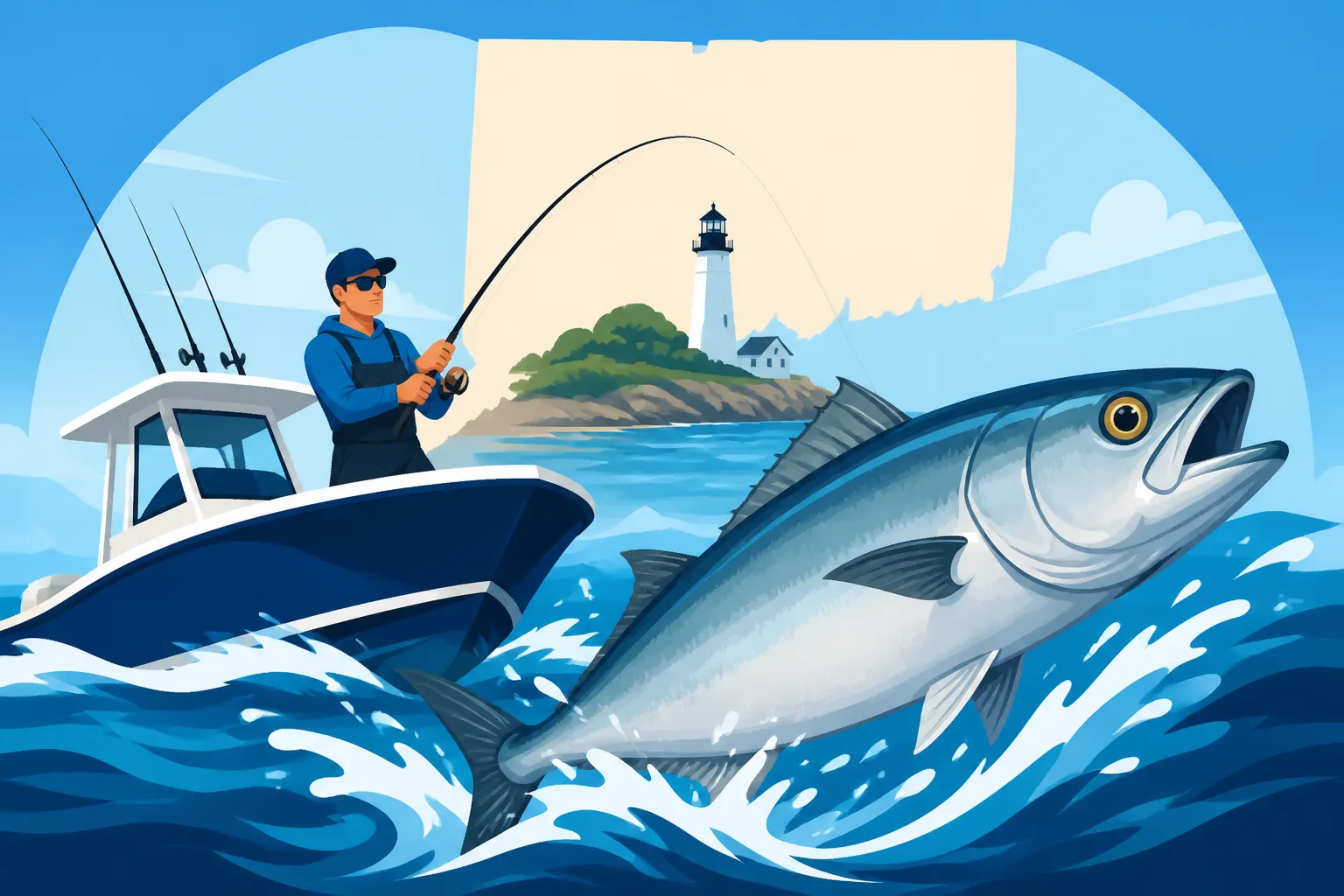
Bluefish, or "chopper blues" as they're affectionately (or fearfully) known, have a legendary reputation for their voracious appetites and fierce fighting ability. They travel in large schools, often herding baitfish to the surface in spectacular feeding frenzies known as "blitzes." Witnessing one of these events from a charter boat is an experience you won't soon forget, with birds diving, baitfish leaping, and the water erupting with activity. While they might not have the table fare reputation of some other species, their sheer sporting value is undeniable.
What's great about Connecticut is how accessible these fish are. You don't need to embark on an epic offshore journey lasting days. Many of the best bluefish spots are relatively close to shore, making half-day or full-day charters a perfect option. From the mouths of our major rivers to rocky reefs and even sandy beaches, bluefish patrol a wide variety of habitats within Long Island Sound, putting them within reach of countless charter operations. Plus, while bluefish might sometimes get overshadowed by their striped bass cousins, they offer consistent action and an unforgettable fight that appeals to both seasoned anglers and newcomers alike. If you're looking for an honest, hard-fighting fish that doesn't require a PhD in angling to catch, bluefish are your ticket.
The Thrill of the Fight
Oh, the fight! This is where bluefish truly shine. Unlike some fish that might give a few head shakes and then come in relatively easily, a bluefish fights from the moment it’s hooked until it’s in the net. They pull hard, make strong runs, and often shake their heads violently, trying to throw the hook. Their sharp, needle-like teeth are designed for tearing through baitfish, and they'll put that same power into resisting your efforts to bring them aboard. This aggressive nature is precisely why so many anglers specifically seek them out.
Imagine this: you're casting a popper or jig into a frothing school of bait, and suddenly, your line goes tight with an explosion on the surface. Your rod bends double, and the reel screams as a powerful bluefish peels off line. It's an adrenaline rush that few other inshore species can match. This consistent, relentless fight means that even when the bite is hot, you're still working for every fish, providing a truly engaging and satisfying fishing experience. For many, it's not just about landing the fish, but about the intense, physical challenge of the battle itself.
What Makes a Great Bluefish Charter?
When you're shelling out your hard-earned money for a fishing trip, you want to make sure you're getting the best experience possible. A great bluefish charter isn't just about having a boat and some rods; it's about the captain's knowledge, the quality of the equipment, and an unwavering commitment to safety. You're investing in an adventure, and a good charter understands that.
Captain Expertise and Experience
This is arguably the most critical factor. A seasoned charter captain knows the waters of Long Island Sound like the back of their hand. They understand the nuances of the tides, the currents, and how different weather conditions affect fish behavior. More importantly, they know where the bluefish are likely to be, at what depth, and what they're feeding on. This isn't just about general fishing knowledge; it's about specialized bluefish behavior in Connecticut.
An experienced captain will be able to read the signs – diving birds, baitfish on the surface, subtle changes in water temperature – and put you directly on the fish. They'll also be skilled at teaching, patiently guiding beginners on casting techniques or proper fish handling, while also providing valuable insights for more experienced anglers looking to refine their approach. They know the Best Techniques for Fall Striped Bass, for instance, which often apply to bluefish as well. A captain who has spent decades targeting bluefish specifically will be able to adapt quickly if the bite slows down, moving to different spots or changing tactics to keep the action going. This deep well of local knowledge and the ability to adapt on the fly are what separate a good charter from a truly great one.
Quality Gear and Tackle
Bluefish hit hard and fight dirty, so you need gear that can stand up to the challenge. A reputable bluefish charter will provide high-quality rods, reels, lines, and lures that are specifically suited for battling these strong fish. This means sturdy conventional or spinning setups with strong drag systems, abrasion-resistant lines, and a wide array of lures and baits that bluefish find irresistible. You definitely don't want to be battling a 10-pound bluefish on flimsy gear that's prone to breaking.
Beyond just the basics, a great charter will also have a variety of tackle on hand to match different conditions and fishing styles. This might include heavy-duty poppers for surface blitzes, metal jigs for vertical jigging, and fresh bait for drifting or anchoring. They'll also have the necessary tools for safely unhooking toothy bluefish – think long-nosed pliers, de-hookers, and maybe even a lip-gripping tool – to protect both you and the fish (if you plan on releasing it). Providing excellent gear means you don't have to worry about bringing your own and ensures you have the best chance of landing that trophy blue. Check out what they recommend you wear or bring with What to Bring on a Connecticut Fishing Charter, as some personal items are always a good idea.
Safety Protocols and Licensing
This should be non-negotiable. Your safety, and the safety of everyone on board, is paramount. A professional bluefish charter captain will always prioritize safety, adhering to all U.S. Coast Guard regulations. This includes having all required safety equipment on board – life jackets for everyone (including children), flares, first-aid kits, VHF radio, and proper navigation equipment. They'll conduct a safety briefing at the beginning of the trip, explaining where everything is and what to do in an emergency.
Furthermore, a legitimate charter captain will possess the necessary licenses and certifications, like a U.S. Coast Guard Master's License. This license ensures they have met rigorous requirements for seamanship, navigation, and emergency procedures. Don't be shy about asking to see proof of their credentials or asking about their safety procedures. Any captain worth their salt will be happy to provide this information. Knowing you're in capable, licensed hands allows you to relax and fully enjoy the fishing experience, confident that you're safe on the water.
Top Regions for Bluefish Charters in Connecticut
Connecticut's coastline on Long Island Sound is a fantastic fishery, and different areas offer unique advantages for targeting bluefish. From the eastern reaches where the Sound meets the open Atlantic to the more protected western bays, bluefish can be found patrolling varied structures and chasing different baitfish. Understanding these regions can help you choose the best departure point for your bluefish adventure.
Eastern Long Island Sound Hotspots
The eastern end of Long Island Sound, particularly around areas like Old Saybrook, Niantic, and Stonington, is often considered prime bluefish territory. This region benefits from stronger tidal flows and closer proximity to the open Atlantic, which means a constant influx of baitfish and migrating predatory species like bluefish and Striped Bass Fishing in Long Island Sound. Waters here tend to be a bit deeper and feature more complex bottom structure, including reefs, rips, and channels that bluefish love to ambush bait from.
Spots like "The Race" off Plum Island, though challenging to fish due to strong currents, are legendary for holding massive schools of bluefish during peak season. Closer to shore, areas around Black Point in Niantic and the numerous rocky outcroppings near Mystic and Stonington can also be incredibly productive. Charters operating out of these ports often have a slight edge in reaching some of the most consistent and often larger bluefish. They are well-versed in navigating these dynamic waters and capitalizing on the significant concentrations of bait, such as bunker and spearing, that funnel into the area. For a high-action trip, the eastern Sound is often where it's at.
Central Long Island Sound Havens
Moving westward, the central portion of Long Island Sound, encompassing ports like Westbrook, Clinton, and Guilford, also offers excellent bluefish opportunities. While the currents might not be as fierce as in the east, this area still boasts a rich diversity of habitats. You'll find a mix of rocky reefs, sandy bottoms, and numerous river mouths that pour nutrients and baitfish into the Sound. The Connecticut River, in particular, is a major highway for migrating fish and often holds large schools of bluefish at its mouth and surrounding areas during the season.
Charters from these central ports can often find good bluefish action without traveling great distances. Areas around the Thimble Islands, Faulkner's Island, and the various deeper channels and artificial reefs are common targets. This stretch of the Sound is often favored by anglers looking for a slightly less intense ride than the choppier eastern waters, while still providing plenty of opportunities for hard-fighting blues. Plus, with numerous baitfish species moving through, like peanut bunker and bay anchovies, bluefish here are typically active and hungry.
Western Long Island Sound Opportunities
Even further west, around ports like Bridgeport, Norwalk, and Stamford, bluefish remain a strong presence, especially in the warmer months. While often shallower and more protected, the western Sound has its own unique hotspots. Large harbors and bays, coupled with numerous creeks and estuaries, attract massive schools of baitfish, which in turn draw in hungry bluefish. Structure here often includes rocky jetties, bridge pilings, and various submerged features.
Charters operating out of these western ports often specialize in navigating the busier waterways and finding bluefish that might be more scattered but still aggressive. Areas around the Norwalk Islands, the Stratford shoals, and the many smaller reefs and rips can be incredibly productive. The shallower water can sometimes make for explosive topwater action when bluefish are feeding aggressively. While perhaps not as renowned for giant choppers as the eastern Sound, the western reaches offer consistent action and convenience for those living in Fairfield County, providing excellent bluefish fishing close to urban centers. If you're looking for Long Island Sound Striped Bass Spots in this region, bluefish are usually right there with them.
Choosing Your Bluefish Charter: Key Considerations
So, you're fired up to catch some blues! Now comes the practical part: actually picking the right charter. It's not a one-size-fits-all situation. Your budget, your group size, and your desired experience will all play a role in making the best choice.
Trip Length: Half-Day vs. Full-Day
One of the first decisions you'll face is how long you want to be out on the water. Most charters offer both half-day and full-day trips, each with its own set of pros and cons.
A half-day trip typically runs for 4-5 hours. These are fantastic for beginners, families with young children, or anyone who might be prone to seasickness and wants a shorter experience. They are also generally less expensive, making them a great option if you're on a tighter budget or just want to get a taste of charter fishing. On a half-day, the captain will usually stick to closer-in spots that are known to hold fish, maximizing fishing time. While you can certainly catch plenty of bluefish on a half-day, the action might be more concentrated, and you might have less time to chase down blitzes if the fish are on the move. However, if bluefish are actively feeding close to port, a half-day can be incredibly productive and leave you with plenty of energy (and fish) to spare.
Full-day trips, on the other hand, usually last 7-9 hours. These are ideal for serious anglers who want to maximize their time on the water and explore a wider range of fishing grounds. A full-day trip allows the captain to travel further to find the most productive spots, giving you more flexibility to chase migrating schools of bluefish or try different techniques if the bite is slow in one area. You'll also have more time to learn from the captain and deckhand, refine your technique, and really immerse yourself in the fishing experience. While more expensive, a full-day trip offers a more comprehensive adventure and often a higher chance of a truly memorable catch, especially if the fish are playing hard to get in certain areas. It's often the preferred choice for those targeting larger, trophy-sized blues.
Here's a quick comparison to help you decide:
| Feature | Half-Day Trip (4-5 hours) | Full-Day Trip (7-9 hours) |
|---|---|---|
| Duration | Shorter, ideal for quick outings | Longer, for dedicated anglers and more exploration |
| Cost | Generally lower | Higher, reflecting extended time and range |
| Target Audience | Beginners, families, those prone to seasickness | Serious anglers, those seeking variety or trophy fish |
| Travel Range | Stays closer to port, less travel time | Can venture further to prime fishing grounds |
| Flexibility | Less time to adapt to changing conditions | More time for captain to find active fish, try multiple spots |
| Fatigue Factor | Lower, easier to manage | Higher, requires more stamina and preparation |
Private vs. Open Boat Charters
This is another important decision, heavily influenced by your group size and desired level of intimacy.
Private charters mean you book the entire boat for your group, and only your party will be on board. This offers the ultimate in flexibility and personalized attention. You and your friends or family get to decide the target species (within reason and season, of course), the trip length, and even have more say in where the boat goes. The captain and mate can focus all their attention on your group, providing tailored instruction and assistance. This is perfect for bachelor parties, family reunions, corporate outings, or a group of dedicated anglers who want a customized experience. The downside? Private charters are significantly more expensive, as you're covering the entire cost of the boat and crew yourself. However, if you have enough people to split the cost, it can become quite reasonable, offering an exclusive and unforgettable trip.
Open boat charters, also known as "head boats" or "party boats," sell individual spots to multiple anglers. You'll be fishing alongside other people you don't know, which can be a fun way to meet new fishing buddies and share the experience. These trips are much more budget-friendly, as the cost is spread among many passengers. The trade-off is less personalized attention from the crew and less flexibility regarding the fishing plan. The captain will generally aim for the most consistent bite for the broadest group, and you'll fish from a designated spot on the rail. While you might not get one-on-one casting lessons, the mate is usually still very helpful with rigging, unhooking, and netting fish. Open boats are an excellent option for solo anglers, couples, or small groups who want to experience charter fishing without breaking the bank and don't mind a more communal atmosphere. Many charters specializing in Best Bluefish Charters in Connecticut will offer both options.
Understanding Pricing and Inclusions
Charter prices can vary widely based on duration, boat size, number of anglers, and the specific target species. It's crucial to understand what's included in the price and what might be an additional cost. Most reputable charters will include:
- Rods, reels, and tackle: This is standard, but confirm the quality if possible.
- Bait and lures: A good variety should be provided.
- Fuel: This is almost always part of the upfront cost.
- Captain and crew: Their expertise and service.
What might not be included, and important to budget for:
- Fishing licenses: While many charters offer blanket licenses for their passengers, it's always best to clarify if you need your own Connecticut Fishing License Guide for 2026 or if it's covered.
- Food and drinks: You'll almost certainly need to bring your own snacks and beverages.
- Fish cleaning: Some charters offer this for an additional fee, while others include it. Ask specifically!
- Gratuities for the crew: Tipping the mate is customary and expected. A general guideline is 15-20% of the trip cost. You can learn more about this in Tipping Etiquette for Connecticut Fishing Charters.
- Specialized tackle: If you have a specific request for a very expensive lure or technique, confirm if it's included.
Always get a clear, itemized understanding of the total cost before you book. Don't be afraid to ask for clarification on anything that seems unclear.
What to Expect on a Bluefish Charter
Embarking on a bluefish charter is an exciting prospect, but knowing what to anticipate can help you feel more prepared and make the most of your adventure. From the moments before you even step on the boat to the exhilarating experience of landing a fish, here's a rundown of what a typical bluefish charter entails.
Pre-Trip Preparation
Your captain will usually provide specific instructions before your trip, often a day or two beforehand. This might include confirmation of departure time, location, and any last-minute weather updates. It's always a good idea to arrive at the dock a little early to give yourself time to park, get your gear together, and chat with the captain or mate. Don't forget to double-check the weather forecast for yourself and dress in layers, as conditions on the water can change quickly. Even on a warm day, a windbreaker or rain jacket is a smart addition. Sunscreen, sunglasses, and a hat are also crucial for protecting yourself from the elements.
Hydration is key, so bring plenty of water, and some snacks or a packed lunch, especially for full-day trips. If you're prone to seasickness, take preventative medication well in advance of departure. A camera is a must-have for capturing those exciting moments and trophy catches. Remember to pack lightly, as space on a charter boat can be limited. The less clutter, the better for everyone on board.
A Day on the Water
Once everyone is on board and the safety briefing is complete, the boat will depart for the fishing grounds. The ride out can range from a short run to an hour or more, depending on where the fish are biting. This is a great time to enjoy the scenery of Long Island Sound Fishing Guide, get to know your fellow anglers, and ask the captain or mate any questions you might have. Once at the chosen spot, the captain will likely use their fish finder and local knowledge to locate schools of bluefish or baitfish concentrations.
The fishing itself can vary. If bluefish are actively blitzing on the surface, you'll be casting poppers, spoons, or soft plastics into the fray. The action can be fast and furious, with multiple hookups happening simultaneously. If the fish are holding deeper, you might be jigging metal lures or drifting fresh bait near the bottom or around structure. The mate will be there to help with baiting hooks, untangling lines, and netting fish. They're invaluable in keeping the action going and ensuring everyone has a smooth experience. Listen to their advice and follow their lead; they're there to make your trip a success.
Catch Care and Regulations
When you land a bluefish, the mate will typically handle unhooking it, especially given their sharp teeth. If you plan to keep your catch, they'll usually place it directly into a cooler with ice to ensure it stays fresh. For those planning to release fish, the mate will demonstrate proper handling techniques to minimize stress on the fish. It's important to be aware of Connecticut Saltwater Fishing Regulations by Species, specifically for bluefish, which include size and bag limits. Your charter captain will always adhere to these rules, ensuring legal and sustainable fishing practices.
At the end of the trip, once back at the dock, the mate may offer fish cleaning services, sometimes for a small fee. This is a great convenience, as cleaning bluefish can be a messy job. If they do clean your fish, remember that this is part of their service, and a good tip is certainly warranted for their hard work throughout the day, including handling your catch. Even if you're not planning to keep fish, the experience of a bluefish charter offers immense satisfaction and a deeper connection to the incredible fisheries of Connecticut.
Booking Your Bluefish Adventure
Ready to cast a line for some of Connecticut's most aggressive fighters? The process of finding and booking a charter doesn't have to be complicated, but a little strategic thinking can go a long way in ensuring you pick the perfect trip.
Finding Reputable Charters
The first step is locating charter services that specialize in bluefish. Word-of-mouth recommendations are golden, so ask around at local tackle shops or fellow anglers. Online search engines are also a great starting point, but always dig deeper than just the first result. Look for charters with strong, consistent positive reviews on platforms like Google, Facebook, or dedicated fishing forums. Pay attention to comments about the captain's demeanor, the condition of the boat, and the overall fishing success.
Online booking platforms like FishingBooker are incredibly useful resources. They consolidate listings for numerous charters, often providing detailed profiles of the boats, captains, target species, and customer reviews. You can easily compare options side-by-side, filter by location (e.g., specific Connecticut ports), and even see real-time availability. FishingBooker also frequently highlights specials or specific trips tailored to bluefish season, making it simpler to find exactly what you're looking for. Using such a platform can save you a lot of time and help you feel confident in your choice by seeing verified feedback from other anglers.
Questions to Ask Before Booking
Once you've narrowed down a few potential charters, don't hesitate to call them directly. A brief conversation can tell you a lot about the captain's personality and professionalism. Here are some essential questions to ask:
- "Is bluefish a primary target during the dates I'm considering?" While bluefish are common, their presence can fluctuate. Ensure they are actively targeting them.
- "What's your typical approach for bluefish – casting, jigging, or bait?" This gives you an idea of the fishing style.
- "What's included in the price, and what should I bring?" Reiterate what we discussed earlier about licenses, food, drinks, and fish cleaning.
- "What's your policy on weather cancellations?" This is crucial. Reputable charters will have a fair policy for rescheduling or refunds due to unsafe conditions.
- "How many anglers will be on board for an open boat trip?" This helps manage expectations for space and attention.
- "Do you have a mate, and what are their duties?" A good mate significantly enhances the experience.
- "What are the current Connecticut Fishing Regulations Explained for bluefish?" A good captain will know this offhand.
A good captain will answer these questions clearly and patiently. If you feel rushed or find their answers vague, it might be a red flag.
Preparing for Your Trip
Once your bluefish charter is booked, the excitement really builds! Take the time to do some basic preparation to make your trip as enjoyable as possible. As mentioned, check the weather forecast a couple of times leading up to your departure day. This includes air temperature, wind speed and direction, and any chance of rain. Dressing in layers is always the best strategy for changeable conditions on the water. Bring a waterproof bag or backpack for your personal items to keep them dry.
If you have your own lucky fishing hat or sunglasses, definitely bring them along. Many anglers also find comfort in bringing their own soft drinks or water bottles. Consider bringing a small cooler for your cleaned catch if the charter doesn't provide one or you want to keep your fish separate. If you found your charter through FishingBooker, they often send helpful reminders and packing lists, making it even easier to ensure you haven't forgotten anything essential. Just remember the goal: focus on the fun, the fight, and the potential for a fantastic bluefish haul. The thrill of landing a Connecticut chopper blue is a memory you won't soon forget!
Disclaimer
This article is for general informational purposes only and does not constitute professional advice. Laws, prices and regulations vary by location and change over time. Consult a qualified professional for guidance on your specific situation.