What to wear on a Connecticut fishing charter
One of the biggest anxieties when you're planning a fishing trip, especially a charter out on the unpredictable waters of Long Island Sound or one of Connecticut's larger lakes, is simply figuring out what to wear. You don't want to be shivering and miserable, or sweltering under the sun, let alone slip and fall because of inappropriate footwear. This guide is here to walk you through exactly what clothing and accessories you'll need to stay comfortable, safe, and focused on reeling in that trophy catch during your Connecticut fishing adventure.
Understanding Connecticut's Variable Weather Afloat
Connecticut's weather, much like its diverse fishing opportunities, can be incredibly varied and, frankly, a bit finicky. What starts as a clear, sunny morning can quickly turn into a breezy, overcast afternoon, especially when you're out on the water. It’s not like fishing from shore where you can easily retreat to your car for an extra layer. Once you’re on that charter boat, you’re committed, so understanding these weather nuances is paramount to your comfort.
Coastal vs. Inland Microclimates
You might be thinking, "It's 70 degrees in Hartford, so it'll be perfect on the Sound!" And while that logic is sound on land, the marine environment plays by its own rules. Coastal areas, particularly out on Long Island Sound, experience a noticeable cooling effect from the water, even on warm days. A gentle breeze on land can become a stiff, constant wind over the open water, dropping the perceived temperature by several degrees. Inland lakes and rivers, while not as dramatically different as the coast, also have their own microclimates. Shaded river valleys can hold cooler air, while open lakes can feel warmer under direct sun but are still subject to wind. Always remember that the air temperature forecast is just one piece of the puzzle; the water temperature, wind speed, and humidity all factor into what it actually feels like on the boat.
Rapid Weather Changes on the Water
One of the most frustrating aspects of planning for a day on the water is how quickly conditions can shift. A clear sky at the dock can give way to unexpected rain squalls, or a calm morning can turn choppy with a sudden front moving in. The weather reports are a good starting point, of course, but they aren't always perfect, especially for localized conditions offshore or within complex river systems. That's why adaptability in your clothing choices is key. You need to be prepared for a range of possibilities, from a light drizzle to a stronger downpour, or from a mild start to a surprisingly chilly finish, even within the same outing. This unpredictability is precisely why a layering system is not just a suggestion, but a fundamental strategy for any Connecticut angler hitting the water.
The Wind Chill Factor Afloat
Ah, wind chill. The silent, comfort-destroying nemesis of many an unprepared angler! When you’re standing on a boat that’s moving, even slowly, you’re creating your own apparent wind. Add to that the natural breeze on the open water, and the wind chill can make a 50-degree day feel more like 40 degrees, or even colder. This effect is amplified when your clothes get wet, whether from sea spray, rain, or even sweat. The evaporation of moisture from your skin and clothing draws heat away from your body at an accelerated rate. Wearing windproof outer layers is critical to cutting through this chill and keeping your core temperature stable, allowing you to focus on the fishing instead of just enduring the cold.
Essential Gear for Every Charter Trip
No matter the season, there are a few foundational principles for dressing for a Connecticut fishing charter that will serve you well. Think about versatility, comfort, and protection. You'll thank yourself for taking the time to plan your attire. Many anglers who book through services like FishingBooker find themselves pleasantly surprised by how well a little preparation makes for a much better trip.
Layering is Your Best Friend
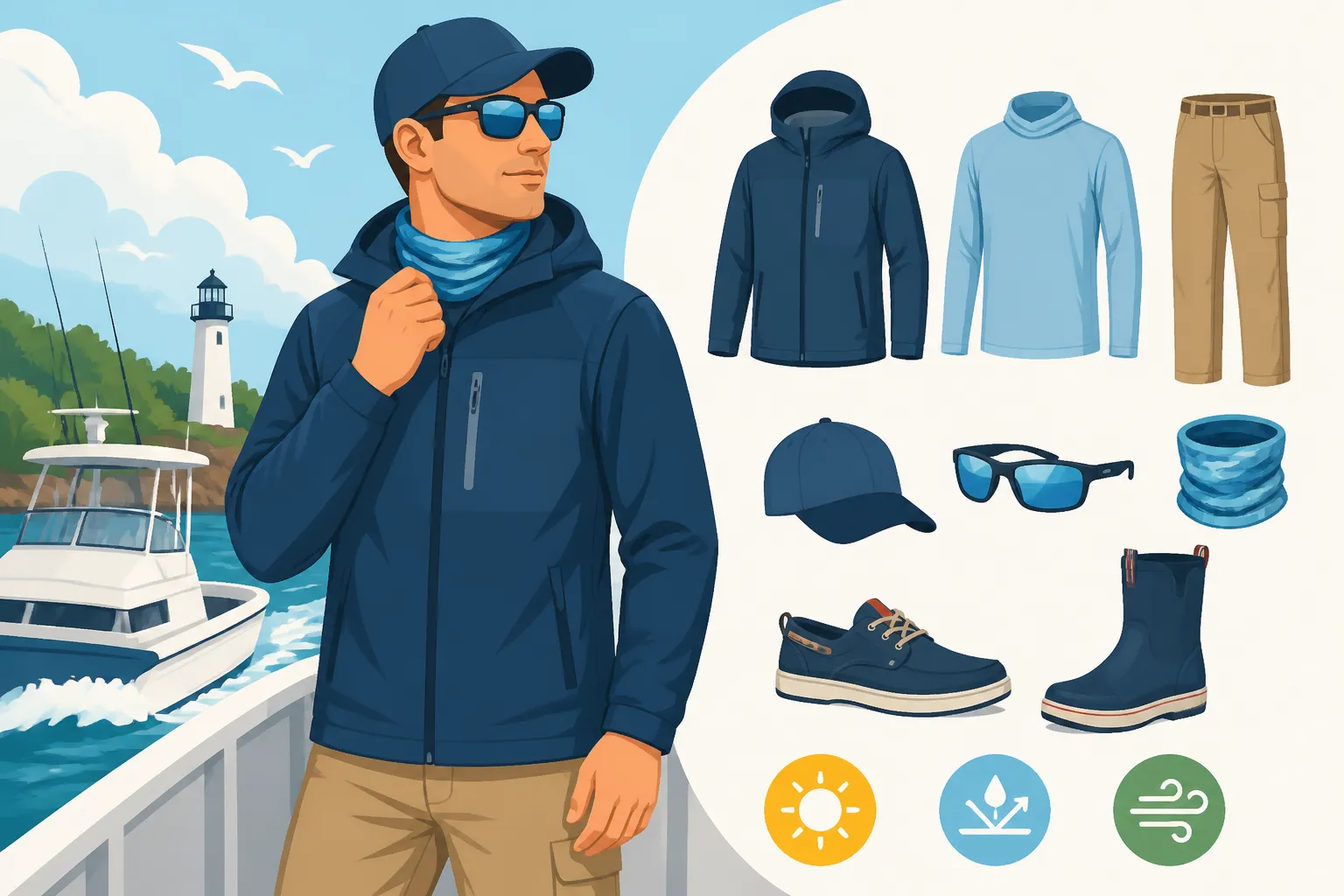
If there's one piece of advice you take away from this guide, let it be this: dress in layers. This isn't just a suggestion; it's a non-negotiable strategy for comfort on the water. Why? Because layering allows you to adapt to those rapid weather changes we just talked about. As the sun rises and temperatures climb, or as you get active reeling in fish, you can shed a layer. If a cloud rolls in, the wind picks up, or a sudden shower hits, you can quickly add a layer back on. A typical layering system consists of three main components: a base layer, a mid-layer, and an outer layer. We'll dive into each of these next, but the concept is simple: versatile pieces that can be added or removed to regulate your body temperature.
Moisture-Wicking Base Layers
Your base layer is the foundation of your comfort. This is the layer that sits directly against your skin, and its primary job is to manage moisture. Forget cotton for this layer! Cotton absorbs sweat and holds it against your skin, making you feel cold and clammy once it gets wet. Instead, opt for synthetic materials like polyester or merino wool. These fabrics are designed to "wick" moisture away from your body, pushing it to the outer layers where it can evaporate. In colder weather, a thicker merino wool or synthetic thermal base layer provides insulation while still wicking moisture. In warmer weather, a lightweight, breathable synthetic t-shirt will do the trick, keeping you dry and preventing chafing.
Outer Layers for Wind and Spray
The outer layer is your shield against the elements – wind, rain, and sea spray. For serious anglers, a good quality waterproof and windproof jacket and pants (often called "foul weather gear") are indispensable. These don't have to be heavy or bulky; many modern materials are lightweight and packable. Look for features like taped seams, adjustable cuffs, and a hood that can cinch down tight. Even on a seemingly clear day, sea spray can be relentless, and nothing saps your energy like being constantly damp. A proper outer layer will keep you dry and protect you from the biting wind, which, as we discussed, can make even a mild day feel quite chilly. If you're going out on Best Striped Bass Charters on Long Island Sound, a good outer layer is especially important given the potential for longer runs and more exposed conditions.
Dressing for Specific Conditions
While layering is always the rule, the types of layers you choose will depend heavily on the time of year and the expected conditions. Connecticut offers fantastic fishing year-round, but what you wear in April for trout is vastly different from what you'd wear in August for fluke. Consulting a guide or charter operator, perhaps one found on FishingBooker, can give you specific insights into typical conditions for your chosen date and target species.
Cold Weather Considerations
When fishing in colder months (think late fall, winter, and early spring), insulation is key. Your base layer should be a medium to heavy-weight synthetic or merino wool. For your mid-layer, think fleece jackets, insulated vests, or even a lightweight puffy jacket. These layers trap warm air close to your body. Your outer layer must be completely windproof and waterproof. Many anglers opt for insulated bibs and jackets that offer full-body protection. Don't forget warm socks (again, wool or synthetic, never cotton!), waterproof gloves, and a warm hat that covers your ears. Remember, a significant amount of body heat is lost through your head.
Rainy Day Protection
Even a warm day can turn nasty with rain. While your waterproof outer shell is crucial, consider what you wear underneath. A good rain jacket and rain pants (bibs are often preferred for their coverage) will keep you dry, but if you're layering for rain and cold, make sure your insulating layers aren't cotton, as they'll get heavy and cold if they do happen to get wet from the inside or if your outer layer fails. It's always a good idea to pack a full change of clothes in a dry bag, just in case. There's nothing worse than a long ride home in soggy clothes.
Sunny Day Essentials
When the sun is blazing, your focus shifts from warmth to sun protection and staying cool. Even on hot days, however, a long-sleeved, lightweight, breathable fishing shirt is recommended. Look for shirts made from technical fabrics with a UPF (Ultraviolet Protection Factor) rating. These protect your skin from harmful UV rays far better than bare skin or a thin cotton t-shirt. Light-colored clothing will also reflect sunlight and keep you cooler. A wide-brimmed hat is essential, and don't forget good polarized sunglasses to cut glare off the water and protect your eyes. Staying hydrated is also crucial in sunny weather, so bring plenty of water. You can find more details about general conditions in Connecticut Fishing Seasons by Month.
Transitional Season Dressing
Spring and fall in Connecticut are beautiful but notoriously temperamental. These are the seasons where layering truly shines. You might start the morning in a thick fleece and rain jacket, only to strip down to a long-sleeved t-shirt by midday, then bundle back up as the sun starts to dip. A light to medium-weight base layer, a versatile fleece or synthetic vest for your mid-layer, and a reliable, breathable waterproof/windproof shell are your go-to items. Pack a thin pair of gloves and a beanie, as mornings and evenings can be surprisingly crisp, especially on a moving boat.
Footwear and Headwear: Don't Overlook Them!
Many anglers focus heavily on their torso and forget about their extremities. However, your feet and head play a massive role in your overall comfort and safety on a fishing charter.
Choosing the Right Footwear for Deck Safety
This is paramount. Slipping on a wet, rocking boat deck is a quick way to ruin your trip and potentially cause serious injury. Your footwear needs to offer excellent grip, especially on wet surfaces, and be comfortable for hours of standing.
- Non-Marking Soles: This is a big one. Most charter captains will specifically ask that you wear shoes with non-marking soles to protect their boat's deck. Dark-soled sneakers can leave scuff marks that are hard to remove.
- Slip-Resistant: Look for shoes with siped rubber soles, designed to channel water away and maximize grip. Deck shoes, boat shoes, or specialized fishing boots are ideal.
- Closed-Toe Protection: While flip-flops might seem tempting on a hot day, they offer no protection for your toes against dropped weights, lures, or even a fish thrashing on deck. They also offer poor stability. Opt for closed-toe shoes.
- Water-Resistant or Waterproof: Even on dry days, decks can get wet from spray, fish slime, or spilled bait. Keeping your feet dry will contribute immensely to your comfort, especially in cooler weather. Rubber boots or waterproof deck shoes are excellent choices.
Consider a popular brand like XTRATUF or similar deck boots for serious protection and grip. They are a common sight on many charter boats for good reason. For lighter conditions, something like a classic Sperry Top-Sider or similar boat shoe with good traction would work.
Head Protection for Sun, Wind, and Cold
Your head is a primary point of heat regulation and vulnerability.
- Sun Protection: A wide-brimmed hat (a full-brimmed boonie hat or a legionnaire-style cap with a neck flap) is invaluable for protecting your face, ears, and neck from the sun's relentless UV rays. Even a baseball cap is better than nothing, but consider one with a dark underside to reduce glare.
- Wind Protection: On breezy days, a snug-fitting cap or beanie can prevent your hair from whipping around and keep your head warm. In colder weather, a fleece-lined beanie or a balaclava (a head covering that also protects your face and neck) can make a huge difference in keeping you comfortable.
- Eye Protection: Again, polarized sunglasses are a must. They cut the glare off the water, allowing you to see deeper into the water (sometimes even spotting fish or structure!), and protect your eyes from hooks, flying spray, and UV damage. Look for a pair with a strap, so they don't go overboard if you lean too far or get hit by a wave.
Additional Comfort and Safety Items
Beyond your core clothing, a few extra items can elevate your charter experience from merely tolerable to truly enjoyable and safe.
Personal Flotation Devices (PFDs) – When to Bring Your Own
Reputable charter boats, like those you can find and book through a platform like FishingBooker, are legally required to have Coast Guard-approved PFDs for every passenger on board. These PFDs are typically stowed away and are standard "Type I" or "Type II" vests, designed for emergency flotation. While they'll certainly save your life, they aren't always the most comfortable for active fishing.
If you prefer, you can bring your own "Type III" recreational PFD, often called a fishing vest. These are designed for comfort and mobility, with features like pockets for tackle, knife holders, and sometimes even hydration pack compatibility. They allow for much greater freedom of movement for casting and reeling. If you decide to bring your own, just ensure it's Coast Guard-approved and fits you properly. While not mandatory to bring your own, it can significantly enhance your comfort if you plan on being active on deck. For more on general boating rules, see Connecticut Boating Laws for Anglers.
Sun Protection and Eyewear
We touched on this briefly, but it bears repeating. Sunscreen is non-negotiable, even on cloudy days. The sun's rays reflect off the water, intensifying their effect. Apply a broad-spectrum, water-resistant sunscreen with at least SPF 30 to all exposed skin, and reapply frequently. Don't forget often-missed spots like the tops of your ears, neck, and the backs of your hands. A lip balm with SPF is also a great idea.
Beyond sunscreen, sunglasses aren't just for looking cool; they're vital eye protection. As mentioned, polarized lenses are key. Make sure they offer 100% UV protection.
Bags and Storage for Your Gear
You'll need something to carry all these layers and essentials. A waterproof dry bag or a water-resistant backpack is highly recommended. This will protect your extra clothes, wallet, phone, and snacks from spray, rain, or accidental splashes. Many charter boats have limited dry storage, so having your own protected bag is smart. Don't bring a huge, bulky suitcase; think compact and functional.
Here’s a quick summary table to help you pack efficiently:
| Item Category | Essential for All Trips | Cold Weather / Rain Additions | Sunny Weather Additions | Notes |
|---|---|---|---|---|
| Base Layer | Moisture-wicking shirt (synthetic or merino wool) | Medium to heavy-weight thermal base layer | Lightweight, long-sleeved UPF fishing shirt (light color) | Avoid cotton directly against skin. |
| Mid Layer | Light fleece or quick-dry shirt | Insulated vest, heavier fleece, or puffy jacket | (Optional) Very light long-sleeve for sun/chill | Provides insulation; easily added/removed. |
| Outer Layer | Waterproof/windproof jacket | Insulated waterproof/windproof jacket & bibs/pants | Lightweight waterproof/windproof shell (for spray/rain) | Crucial for protection from wind and water. |
| Bottoms | Quick-drying pants or shorts | Insulated waterproof bibs/pants over base layer | Quick-drying shorts or light fishing pants | Avoid denim (holds water, gets cold). |
| Footwear | Non-marking, slip-resistant, closed-toe boat shoes/boots | Waterproof, insulated rubber boots (e.g., XTRATUF) | Non-marking, slip-resistant boat shoes | ABSOLUTELY critical for safety on deck. |
| Headwear | Baseball cap or beanie | Warm beanie, balaclava | Wide-brimmed hat with neck protection | Protects from sun, wind, and heat loss. |
| Hands | (Optional) Light gloves for grip | Waterproof, insulated gloves | (Optional) Sun gloves | Keeps hands warm, protected, and aids grip. |
| Eyewear | Polarized sunglasses with strap | Polarized sunglasses with strap | Polarized sunglasses with strap | Essential for glare reduction and eye protection. |
| Extras | Sunscreen (SPF 30+), lip balm with SPF, dry bag | Hand warmers, thermos with hot beverage | Water bottle, cooling towel | Always pack extra water and a full change of clothes in a dry bag. |
By following these guidelines, you'll be well-prepared for whatever Mother Nature throws at you during your Connecticut fishing charter. Being comfortable means you can relax, enjoy the camaraderie, and most importantly, focus on the thrill of the catch. Don't let improper attire detract from what should be an amazing day on the water! You'll be ready for a fantastic trip, whether you're targeting Fluke Fishing in Long Island Sound or Trout Fishing in Connecticut.
Disclaimer
This article is for general informational purposes only and does not constitute professional advice. Laws, prices and regulations vary by location and change over time. Consult a qualified professional for guidance on your specific situation.