Fluke Fishing in Long Island Sound
There's nothing quite like the thrill of feeling that distinctive "thump" on your line when a hefty fluke hits, especially after spending a beautiful day out on the majestic Long Island Sound. But let's be honest, successfully targeting summer flounder, or fluke as we call them, can sometimes feel like a puzzle. From understanding their finicky habits to choosing the right bait and mastering the drift, it can be frustrating when the bites aren't coming. This comprehensive guide is here to unravel those mysteries, equipping you with the knowledge and techniques to consistently put fluke in your cooler and make your next trip on Long Island Sound a memorable one.
Understanding Fluke: The Summer Flounder of Long Island Sound
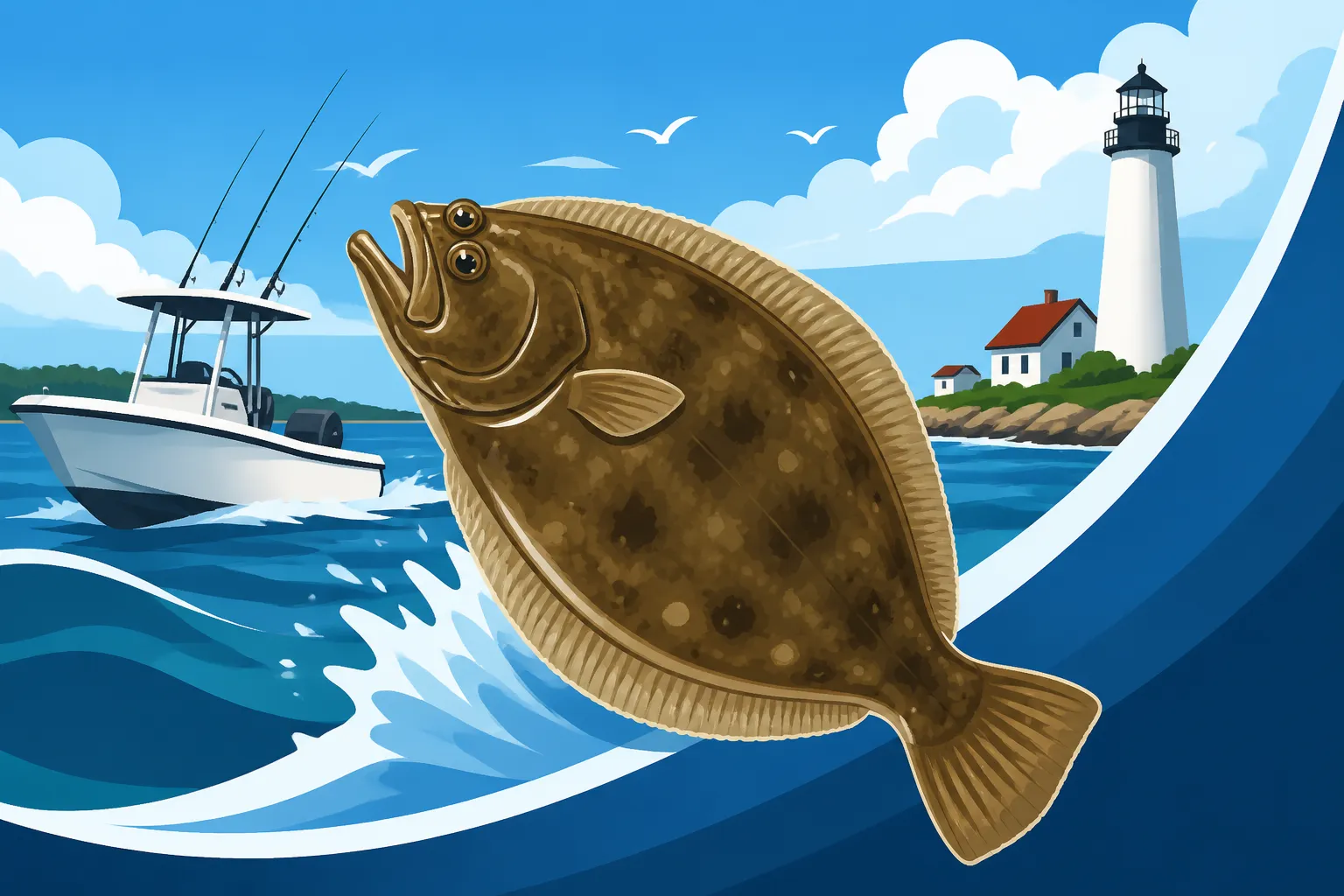
Fluke, scientifically known as Paralichthys dentatus, are one of the most popular and delicious bottom-dwelling fish species in Long Island Sound. They are characterized by their flattened bodies, both eyes on one side (typically the left as adults), and remarkable camouflage abilities, allowing them to blend seamlessly with the sandy or muddy seafloor. These opportunistic predators lie in wait, often partially buried, ambushing unsuspecting baitfish and crustaceans that swim by. Their presence signals warmer waters and the quintessential Connecticut summer fishing season.
Understanding the fundamental biology and habits of fluke is your first step towards becoming a more effective angler. Knowing why they choose certain spots or what drives their feeding instincts will give you an invaluable edge. It's not just about tossing a line in; it's about connecting with the natural rhythm of the Sound and the creatures that call it home.
What Makes Fluke Such a Sought-After Species?
For many anglers, fluke fishing is synonymous with summer. The sheer challenge of locating these ambush predators, coupled with their aggressive strikes and respectable fighting capabilities, makes them incredibly addictive to pursue. There's a certain satisfaction in carefully working a bucktail or drifting a bait rig and feeling that distinct pull.
Beyond the fight, fluke are highly prized for their delicate, white, flaky meat, making them exceptional table fare. A freshly caught and properly prepared fluke fillet is a culinary delight, whether pan-fried, baked, or broiled. This combination of sporting challenge and gourmet quality firmly places them at the top of many anglers' target lists throughout the summer months in Connecticut.
The pursuit of fluke often involves a mix of strategy and patience, making it a rewarding experience for both seasoned veterans and newcomers alike. It's a fantastic way to spend a day on the water, soaking in the sun and enjoying the beautiful scenery of the Sound, all while anticipating that next exhilarating bite. Many anglers feel a deep connection to the tradition of chasing these elusive flatfish, passing down techniques and favorite spots through generations.
Fluke Habitat and Behavior in Long Island Sound
Fluke are masters of disguise and opportunistic hunters, primarily inhabiting sandy or muddy bottoms where they can easily camouflage themselves. In Long Island Sound, you'll find them congregating near structure such as rocky reefs, wrecks, mussel beds, and channel edges. These areas provide both cover from predators and prime ambush points for their prey. They're also drawn to areas with moving water, which brings food directly to them.
As the water temperatures warm, fluke migrate from deeper offshore waters into the shallower, richer feeding grounds of Long Island Sound. They tend to prefer depths ranging from 15 to 80 feet, depending on the time of year, tide, and available bait. During periods of strong current, they will often position themselves on the "down-current" side of structure, waiting for prey to be swept past them. To learn more about their specific movements and feeding habits, check out our guide on Fluke Habits in Long Island Sound.
Their feeding behavior is characterized by sudden, aggressive strikes. They'll often suck in their prey rather than just biting it, which is why a keen sense of touch is crucial for detecting bites. Anglers often refer to this as a "thump" or a "tick" on the line. Being able to distinguish a bite from bottom contact is a skill developed over time and leads to many more successful hookups.
Essential Gear for Successful Fluke Fishing
Having the right equipment is absolutely crucial when you're targeting fluke, especially when you're dealing with the currents and varied bottom structures of Long Island Sound. Using gear that's too heavy can diminish the sport, while tackle that's too light can lead to lost fish, particularly those prized "doormats" that give a surprisingly strong fight. Investing in appropriate rods, reels, line, and terminal tackle will significantly increase your success rate and overall enjoyment on the water.
It's not just about having any rod and reel; it's about having a balanced setup that allows you to feel the subtle bites, manage your bait effectively, and stand up to the fight of a good-sized fluke. Think of your gear as an extension of your senses. The more finely tuned it is, the more effectively you can interpret what's happening beneath the waves.
Rod and Reel Setups for Fluke
For fluke fishing, a medium to medium-heavy spinning or conventional rod, typically 6 to 7 feet in length, is ideal. You want a rod with a sensitive tip to detect those subtle takes, but enough backbone to set the hook firmly and muscle a strong fish away from structure. A fast action rod, where the bend is concentrated near the tip, is often preferred for this reason.
Pair your rod with a reliable spinning reel in the 3000-5000 size range, or a conventional reel with a good drag system and line capacity. Look for reels that are smooth, durable, and offer precise drag adjustments, as this is vital when a big fluke makes a run. Many anglers find quality options from brands like Penn, Shimano, or Daiwa, and you can often find competitive prices and a wide selection of these on Amazon.
Having a balanced setup means your rod and reel work together harmoniously, allowing for comfortable casting, efficient retrieving, and confident fish-fighting. Don't underestimate the comfort factor either; a rod and reel that feel good in your hands will make long days on the water much more enjoyable.
The Right Line and Leaders
When it comes to line, braided line is a game-changer for fluke fishing. Its low stretch provides incredible sensitivity, allowing you to feel every bump and bite, even in deep water or strong currents. A 15 to 30-pound test braided line is a good starting point for most Long Island Sound applications. The thinner diameter of braid also cuts through the water better, reducing drag and allowing you to use lighter sinkers.
Despite the benefits of braid, you'll want to add a fluorocarbon leader. Fluke have excellent eyesight, and fluorocarbon is nearly invisible underwater, making it less likely to spook wary fish. A 20 to 30-pound test fluorocarbon leader, anywhere from 3 to 6 feet long, is a good choice. Connect your braid to your fluorocarbon leader using a strong knot like an FG knot or an Albright knot, both of which are slim and pass through rod guides smoothly.
The combination of sensitive braided mainline and clear fluorocarbon leader provides the best of both worlds: superior feel and stealth. Regularly check your leader for nicks and abrasions, especially after fishing around rocky areas, as a compromised leader is a recipe for a lost fish.
Terminal Tackle Essentials
Your terminal tackle is where the magic happens, connecting your line to the fish. For fluke, a standard two-hook "hi-lo" rig or a simple dropper loop rig is incredibly effective. These rigs allow for multiple bait presentations and keep your bait near the bottom. You'll want to use sharp, durable hooks—octopus or Kahle style hooks in sizes 2/0 to 5/0 are popular, depending on the size of your bait.
Sinkers are perhaps the most critical component of your terminal tackle, as you need to maintain bottom contact to effectively target fluke. Pyramid, bank, or Sputnik sinkers ranging from 3 to 8 ounces are common, but the exact weight needed will depend entirely on the current and depth. Always carry a variety of weights. You can find convenient assortments of sinkers and pre-tied rigs on Amazon, which can save you time on the water.
Swivels, particularly barrel or SPRO power swivels, are also essential for preventing line twist and making quick changes to your rig. A quality snap swivel at the end of your leader makes it easy to attach and detach your sinker. Having a well-stocked tackle box with a range of hooks, sinkers, and pre-tied rigs will keep you fishing efficiently and minimize downtime.
Mastering Fluke Fishing Techniques
Fluke fishing isn't a one-size-fits-all endeavor; successful anglers employ a variety of techniques, often adapting their approach based on current conditions, depth, and the specific behavior of the fish. From the steady art of drifting to the active engagement of jigging, each method has its time and place in Long Island Sound. Understanding these techniques and knowing when to deploy them will make you a much more versatile and productive fluke fisherman.
The key to mastering these techniques lies in practice and keen observation. Pay attention to how the boat moves, how your line interacts with the water and bottom, and the subtle cues the fish give you. Fishing is as much about reading the environment as it is about the equipment.
The Art of Drifting for Fluke
Drifting is arguably the most popular and effective method for catching fluke, especially when covering large areas of Long Island Sound. It involves allowing your boat to be moved by the wind and current, dragging your bait or lure along the bottom. The goal is to keep your offering in the strike zone, mimicking natural prey. Proper weight selection is paramount here; you need just enough weight to maintain consistent bottom contact without snagging excessively, allowing your bait to bounce along naturally.
Boat control is a nuanced skill in drifting. Smart anglers will use their boat's motor (often in reverse to slow the drift or maintain a specific course) to control the speed and direction of their drift. This allows you to cover productive areas thoroughly, presenting your bait to as many fluke as possible. Adjusting your drift speed can also entice bites; sometimes a faster drift is better, other times a slower, more deliberate presentation is key.
When drifting, pay close attention to your line angle. You want to keep it as vertical as possible, typically between a 45 and 70-degree angle, to maximize sensitivity and prevent your line from bowing out too much in the current. This helps in detecting those often subtle fluke bites. A common frustration is losing bottom contact; if you notice your line getting too far behind the boat, it's time to add more weight or adjust your drift speed.
Effective Jigging and Bucktailing Strategies
Jigging and bucktailing offer a more active and engaging approach to fluke fishing. Bucktails are weighted lead heads adorned with deer hair, often tipped with a strip of squid or a soft plastic, creating an irresistible profile. The technique involves vertically jigging the bucktail up and down just off the bottom, mimicking a fleeing baitfish or a scuttling crab. This can be incredibly effective when fluke are actively feeding or holding tight to structure. For more detailed insights into this method, refer to our Jigging for Fluke in Long Island Sound guide.
When bucktailing, experiment with different retrieve speeds and jigging motions. Some days a sharp, aggressive snap of the rod tip followed by a pause works best, while other times a subtle lift and drop is more effective. The goal is to make your bucktail dance and flutter, attracting attention. Always try to maintain bottom contact; let the bucktail hit the bottom, then lift it a foot or two before letting it fall again.
Many anglers will use a "teaser" fly tied a foot or two above their bucktail. This additional offering, often a small grub or Mylar fly, provides a secondary target and can sometimes be what ultimately triggers a strike, especially on finicky fish. The double presentation increases your chances and allows you to experiment with different colors or profiles simultaneously.
Trolling for Fluke
While less common than drifting or jigging in Long Island Sound, trolling can be a highly effective method for covering ground and locating concentrations of fluke, especially in shallower areas or when scouting new spots. Trolling involves dragging baits or lures behind a moving boat at a slow, controlled speed. This can be particularly useful when there's minimal current or wind to facilitate a good drift.
For trolling, you'll typically use a three-way swivel rig with a sinker on one dropper and a baited hook or a swimming plug on another. The key is to keep your offering close to the bottom where fluke are ambushing prey. Depressor planes or downriggers can also be employed to ensure your baits stay at the desired depth, especially when targeting deeper channels or drop-offs.
Trolling allows you to systematically explore different depths and contours of the seafloor. Pay close attention to your fish finder during this process; marks on the screen or sudden strikes can indicate a productive area worth circling back to with a drift. It's a method that often combines searching with immediate action, making it a valuable tool in your fluke fishing arsenal.
Bait and Lure Selection for Fluke
The old adage "match the hatch" rings particularly true when it comes to fluke fishing. These predators are highly opportunistic, but they also have distinct preferences for certain forage. Having a diverse array of baits and lures, and knowing when to use them, can be the difference between a slow day and a banner day on Long Island Sound. The goal is to present something that looks, smells, or acts like a natural food source that fluke are accustomed to eating.
Fluke diets can vary depending on their location, the time of year, and the availability of prey. Staying informed about what baitfish are prevalent in the Sound can give you a significant advantage. This might involve checking local bait shops, talking to other anglers, or simply observing what's in the water.
Top Live and Cut Baits
When it comes to bait, fresh is always best for fluke. Live bait is incredibly effective because its natural movements are irresistible to an ambush predator. Spearing, killifish (mummichogs), or even small snapper blues are excellent choices. Hook them lightly through the lips or behind the dorsal fin to allow maximum natural movement. The erratic struggles of a live baitfish often trigger aggressive strikes from otherwise hesitant fluke.
Cut bait, particularly fresh squid strips, is another perennial favorite. Squid is tough, stays on the hook well, and emits a strong scent trail that can draw fluke from a distance. Cut your squid into strips about 4-6 inches long and 1/2 to 1 inch wide, often tapered like a fish tail. Other effective cut baits include strips of bunker (menhaden), sea robin belly, or even porgy fillets. The scent combined with the fluttering action is a deadly combination.
Many successful fluke anglers will combine live or cut bait with an artificial lure, a technique known as "sweetening" the lure. For example, a strip of squid added to a bucktail jig not only adds scent but also provides a tantalizing, natural motion that can seal the deal. This dual approach often out-produces artificials or natural bait used alone.
Must-Have Artificial Lures
Bucktail jigs are the undisputed kings of artificial lures for fluke fishing. Available in a myriad of colors and weights, they are incredibly versatile. White, chartreuse, pink, and olive are classic colors that consistently produce. Always tip your bucktail with something, whether it's a strip of squid, a gulp! bait, or a soft plastic grub. The combination of the jig's action and the added scent/profile is highly effective. You can find a huge selection of bucktail jigs and trailers on Amazon.
Soft plastics have also revolutionized fluke fishing. Gulp! swimming mullets, grubs, and shrimp imitations are exceptionally popular due to their powerful scent dispersion and lifelike action. These baits are designed to be fished like natural bait, often out-fishing the real thing on tough days. Colors like chartreuse, pink, white, and natural baitfish patterns are go-tos.
When selecting artificials, consider the water clarity and light conditions. In murky water or on overcast days, brighter, more contrasting colors like chartreuse or glow may stand out better. In clear water and bright sun, more natural colors or translucent patterns might be more effective. Don't be afraid to experiment until you find what the fluke are keying in on.
Color and Size Considerations
The size of your bait or lure should generally match the prevalent baitfish in the area. If you're seeing schools of small spearing, a smaller bucktail or a thin strip of squid might be more effective. If larger bait, like juvenile bunker, are around, upsizing your offering could entice a bigger fluke. Fluke have surprisingly large mouths for their body size and are not shy about engulfing substantial meals.
Color choice is another factor that can make a big difference. As mentioned, chartreuse and white are perennial favorites, often mimicking common baitfish or simply providing high visibility. Pink can be surprisingly effective, especially in deeper water. Experimentation is key; if one color isn't producing, don't hesitate to switch to another. Sometimes the subtle difference in a hue can trigger a strike.
Consider the presentation of your bait. Is it fluttering naturally? Is it spinning uncontrollably, which can often deter fish? How does it look as it drifts through the water? These visual cues are just as important as the color itself. A well-presented bait, even if it's not the "perfect" color, will often out-fish a poorly presented one.
Finding the Best Fluke Fishing Spots in Long Island Sound
Long Island Sound is a vast and diverse body of water, offering countless potential fluke habitats. But knowing where to drop your line is often the biggest challenge. Fluke are creatures of structure and current, and understanding how these elements interact will guide you to the most productive fishing grounds. It's about thinking like a fluke and anticipating where they'll be lying in wait for their next meal.
Effective spot identification often involves a combination of local knowledge, chart reading, and using your electronics. Don't be afraid to explore, but always start with known productive areas or features that historically hold fish. For a broader overview of the Sound's offerings, check out our Long Island Sound Fishing Guide.
Key Structures That Hold Fluke
Fluke love structure. Any underwater feature that breaks up the current or provides an ambush point can be a magnet for these flatfish. This includes natural rocky reefs, mussel beds, and sand wave formations. On your chart plotter or fish finder, look for changes in bottom composition and depth contours. A sudden drop-off, a series of humps, or a distinct rock pile can be holding areas.
Man-made structures are equally important. Wrecks, sunken barges, old bridge pilings, and even discarded debris on the seafloor create excellent habitat. These structures attract baitfish, which in turn attract predators like fluke. When fishing wrecks, be prepared for snags, but the reward of a large fluke holding tight to the structure can be well worth the effort.
Channel edges and depressions are also prime fluke territory. As tides push baitfish through these constricted areas, fluke will often lie in wait along the edges, snapping up anything that comes their way. Pay close attention to the contours where sand meets rock or where a shallow flat drops into a deeper channel. These transition zones are often highly productive.
Reading Tides and Currents for Fluke Success
Tides and currents are perhaps the most critical factor in successful fluke fishing in Long Island Sound. Fluke are ambush predators, and they rely on moving water to bring food to them. The general rule of thumb is that moving water equals feeding fish. Both the incoming and outgoing tides can be productive, but often one will be more active than the other depending on the specific location and structure.
During the stronger parts of the tide, fluke will often position themselves on the leeward (down-current) side of structure, expending less energy while waiting for prey to be swept past. As the current slows, they might move out into more open areas to actively hunt. The "slack tide," when the current briefly stops before reversing, can often be slow, but sometimes signals a short burst of feeding activity as fish reposition.
Learning to read your local tide charts and understanding how the current affects different areas of the Sound is a skill that comes with experience. Observe the direction and strength of the current, and adjust your drift or boat position accordingly. Sometimes, simply moving to a different side of a reef can make all the difference in finding active fish.
Identifying Productive Depths Throughout the Season
Fluke are migratory and their preferred depths can shift throughout the season, influenced by water temperature and bait availability. In early summer, as the waters of Long Island Sound begin to warm, you'll often find fluke in shallower waters, sometimes as shallow as 15-20 feet, especially over sandy flats or grassy areas. They are following the baitfish that move into these areas to spawn or feed.
As the summer progresses and water temperatures peak, many larger fluke will often move to deeper, cooler water, sometimes down to 60-80 feet or more, particularly around deeper channels, wrecks, and reefs. Here, they find cooler temperatures and concentrations of larger baitfish like bunker or scup. These deeper spots can hold the biggest "doormat" fluke.
Towards the end of summer and into early fall, as waters begin to cool, fluke can once again become active in a wider range of depths as they prepare for their offshore migration. Always start by checking a few different depths in a promising area until you find where the fish are holding. Your fish finder will be an invaluable tool in identifying these depth preferences.
Connecticut Fluke Regulations and Conservation
Fishing for fluke in Connecticut waters of Long Island Sound is a privilege, and with that comes the responsibility to understand and abide by the state's regulations. These rules are put in place by the Connecticut Department of Energy and Environmental Protection (DEEP) to ensure the long-term health and sustainability of the fluke fishery. Ignoring them can result in hefty fines and the loss of your fishing privileges, but more importantly, it undermines conservation efforts.
It's crucial for every angler to stay informed about current regulations, as they can change annually based on scientific assessments and management goals. Always consult the official Connecticut DEEP fishing guide before heading out. For a detailed breakdown, you can check out our articles on Connecticut Saltwater Fishing Regulations by Species and Connecticut Fluke and Summer Flounder Regulations.
Current Regulations for Fluke in Connecticut
The Connecticut DEEP sets specific regulations for fluke, including minimum length requirements, daily possession limits, and open season dates. These are designed to protect spawning fish and ensure that enough fluke survive to reproduce, contributing to a healthy population for future generations. For instance, there will always be a minimum length that a fluke must meet to be legally kept. Catching a smaller fish, no matter how tempting, means it must be immediately released.
Similarly, there's a daily bag limit, which dictates how many fluke you can keep in a single day. This prevents overharvesting by individual anglers. The open season for fluke also has specific start and end dates. Fishing outside of these dates, even if you release the fish, is prohibited. It's vital to check the latest official DEEP regulations each year, as these numbers can adjust based on the health of the fishery and regional management plans.
Always have a reliable measuring device on your boat. Whether it's a fixed ruler, a soft measuring tape, or a dedicated fish-measuring board, ensure it's easy to access and accurate. There's no room for guessing when it comes to measuring your catch against the legal minimum.
Responsible Catch and Release Practices
While many anglers target fluke for their delicious fillets, catch and release is an important practice for conserving the fishery, especially for fish that are undersized or when you've already met your daily limit. Proper handling increases the survival rate of released fish. When you catch a fluke you intend to release, try to keep it in the water as much as possible.
If you must bring the fish aboard, handle it gently with wet hands, supporting its body to avoid damaging its internal organs or removing its protective slime coat. Remove the hook quickly and carefully. If the fish is deeply hooked, consider cutting the line as close to the hook as possible rather than attempting to rip the hook out, which often causes more harm.
Release the fish headfirst into the water, allowing it to swim away on its own. Avoid tossing it or dropping it from a height. A well-executed catch and release ensures that undersized fluke can grow larger and contribute to the breeding population, and that future generations of anglers can enjoy the thrill of targeting these fantastic fish.
Contributing to Fluke Conservation Efforts
Beyond simply following regulations, there are other ways anglers can contribute to fluke conservation. Participating in citizen science programs, such as reporting tagged fish, provides valuable data to fisheries scientists. Even simply keeping a detailed log of your catches, including size, location, and conditions, can help you understand local trends and identify potential issues.
Supporting organizations that advocate for sustainable fisheries management and marine habitat protection is another powerful way to contribute. These groups often work on policy changes, habitat restoration projects, and educational initiatives that benefit fluke and the entire Long Island Sound ecosystem. Every angler has a role to play in ensuring the health of our marine resources.
The future of fluke fishing in Connecticut depends on all of us doing our part responsibly. By respecting the regulations, practicing proper catch and release, and supporting broader conservation initiatives, we help ensure that the thrill of catching a Long Island Sound fluke remains a cherished tradition for years to come.
Here's a quick comparison of common fluke fishing techniques:
| Technique | Description | Pros | Cons | Ideal Conditions |
|---|---|---|---|---|
| Drifting | Allowing boat to move with wind/current, dragging bait/lure along bottom. | Covers wide areas, effective for locating fish, natural presentation. | Requires good boat control, can be affected by strong currents/wind, prone to snags in rocky areas. | Moderate current, light to moderate wind, searching large flats or channel edges. |
| Jigging | Actively bouncing a weighted lure (bucktail, soft plastic) vertically off the bottom. | Very active, good for triggering reaction strikes, excellent for targeting structure, high sensitivity. | Requires constant rod work, can be tiring, best in areas with known fish concentrations. | Stronger currents, around wrecks, reefs, or distinct structure, when fish are actively feeding. |
| Trolling | Dragging baits/lures behind a slowly moving boat to cover ground. | Efficient for covering large areas, good for scouting, can be effective in slack current. | Less common for fluke, requires specialized rigging (depressors), can be less sensitive to bites. | Minimal current, scouting new areas, targeting specific depth contours over open bottoms. |
| Anchoring | Mooring boat in one spot, casting baits out, often used over known productive spots. | Concentrates efforts on precise locations, good for structure fishing, less boat handling required. | Limited coverage, less active presentation, relies on fish coming to you. | Small, specific pieces of structure, very strong currents that make drifting difficult, target-specific hot spots. |
Troubleshooting Common Fluke Fishing Challenges
Even the most seasoned fluke anglers have days when the bite is tough, fish are coming unbuttoned, or they're constantly snagging. It's part of the game when you're dealing with a wily predator in varied underwater terrain. Recognizing these challenges and having a strategy to overcome them can turn a frustrating day into a successful one. Don't get discouraged; instead, view these hurdles as opportunities to learn and refine your skills.
The ability to adapt quickly to changing conditions is a hallmark of a successful angler. Sometimes a minor adjustment is all it takes to turn the tide. Keep an open mind and be willing to try something new if your go-to methods aren't producing.
When the Bite is Slow: Adjusting Your Approach
A slow bite can be maddening, but it's rarely a sign that there are no fish around. More often, it means the fluke are finicky, or your presentation isn't quite right. The first thing to do is evaluate your drift. Are you covering the right areas? Is your boat moving too fast or too slow? Adjusting your drift speed using a sea anchor or by briefly engaging your engine can make a huge difference.
Next, consider your bait or lure. Is it fresh? Is it looking natural in the water? If you're using artificials, try changing colors or even the type of lure. Sometimes a subtle shift from a bucktail to a Gulp! shrimp imitation can trigger a strike. Experiment with adding scent, either from cut bait or commercially available attractants. Changing the size of your offering, either up or down, can also spark interest.
Finally, think about your depth. Even a few feet can make a difference. If you're fishing a drop-off, try working both the shallow and deep sides. Fluke will often hold at a specific depth where conditions are most favorable or bait is most concentrated. Don't be afraid to pull anchor or move to a new area if one spot isn't producing after a thorough effort; sometimes a fresh start is exactly what's needed.
Hook-Setting and Landing Fluke
One of the most common frustrations in fluke fishing is losing a fish after the strike, especially a large one. Fluke have relatively soft mouths, and a poor hook-set or excessive pressure can tear the hook out. When you feel that distinct "thump" or "tick," resist the urge to rear back with a massive hook-set. Instead, lift the rod tip smoothly and firmly, coming tight to the fish. This usually sets the hook effectively without ripping it free.
Once a fluke is hooked, the fight can vary. Smaller fluke might come in easily, but larger "doormats" can put up a surprisingly strong struggle, often making powerful runs and head shakes close to the boat. Maintain steady pressure, keeping your rod tip up and letting your drag do the work. Avoid horsing the fish in, as this is a common cause of pulled hooks.
When the fish nears the boat, be ready with a net. Gently guide the fluke headfirst into the net, then lift it quickly and smoothly. Avoid trying to gaff fluke unless absolutely necessary, as it can damage the meat and is less ideal for catch and release. Once in the net, keep the fish subdued to minimize flopping and self-injury, especially if you plan to release it. Check out Fluke Average Size in Long Island Sound to prepare for those bigger fish!
Avoiding Snags and Fouls in Structure
Fluke love structure, but structure can also be a tackle-eating machine. Losing rigs and lures to snags is an inevitable part of fluke fishing, but there are ways to minimize it. The most important rule is to maintain bottom contact, but not be stuck to the bottom. Your sinker should be lightly bouncing or ticking the bottom, not dragging heavily. If you feel a constant drag, you're likely using too much weight or drifting too slowly.
When fishing around known wrecks or rocky areas, consider using a lighter leader for your sinker (a "breakaway" leader) than your main leader. This way, if your sinker gets hung up, you might only lose the sinker and not your entire rig and the hooked fish. Some anglers also opt for bank sinkers or coin sinkers over pyramid sinkers in very rocky terrain, as they are less likely to wedge into crevices.
Paying attention to your fish finder can help you anticipate upcoming structure. If you see a sharp rise or a wreck appearing, be ready to quickly lift your rig off the bottom for a few moments to clear the obstruction, then drop it back down. Sometimes, small adjustments to your drift, steering the boat a few yards in one direction or the other, can help you avoid the worst of the snags while still fishing productive areas.
This article is for general informational purposes only and does not constitute professional advice. Laws, prices and regulations vary by location and change over time. Consult a qualified professional for guidance on your specific situation.