Best guided float trips on the Farmington River
The Farmington River in Connecticut is an absolute gem for trout fishing, but let's be honest, it can also be incredibly intimidating for anglers, even seasoned ones. Its complex currents, diverse holding water, and sometimes tricky access points can leave you scratching your head, wondering if you're even fishing the right spot. That's where a guided float trip truly shines, offering an unparalleled way to experience this legendary river and unlock its secrets. This guide is all about helping you understand why a float trip is a game-changer on the Farmington and how to find the perfect guide for your next adventure.
Why a Guided Float Trip on the Farmington River?
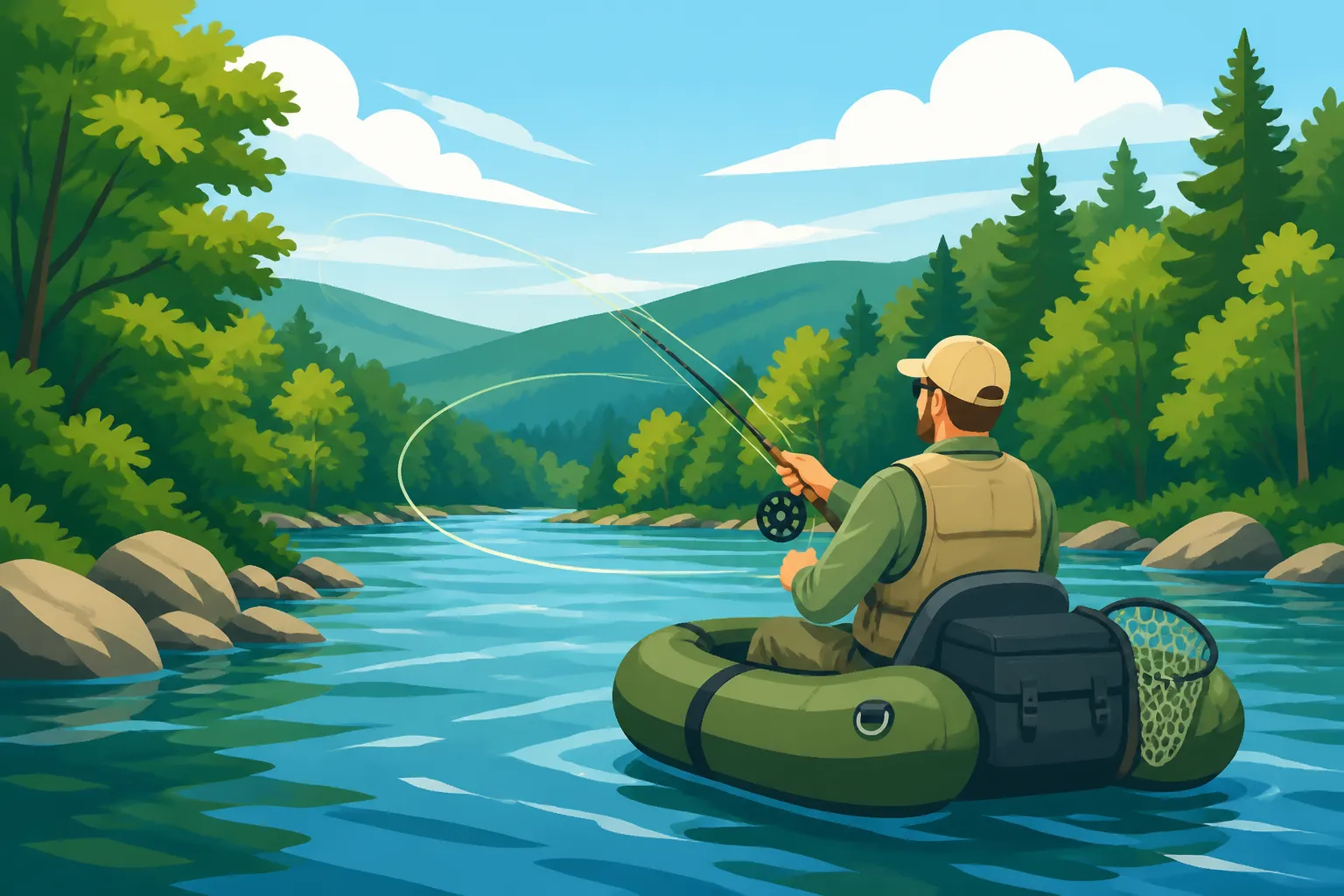
If you've ever stood on the banks of the Farmington River, gazing at its swirling currents and deep pools, you know it's a special place. But deciphering its mysteries on your own can be a lifelong endeavor. A guided float trip takes all that guesswork away, placing you directly in the most productive waters with an experienced hand at the oars and an even more experienced eye for the fish.
Navigating Complex Waters
The Farmington River is renowned for its diverse character. You'll find everything from fast-moving riffles and deep runs to slow, meandering pools and complex currents that can hide trophy trout. These varying conditions require different approaches, techniques, and even subtle adjustments in your drift. Trying to learn these nuances while also navigating unfamiliar water, avoiding hazards, and keeping your eyes peeled for rises can be a lot.
A professional guide, intimately familiar with every bend and boulder of the Farmington, can expertly position the boat, allowing you to focus purely on your cast and presentation. They understand how the water changes with flows, how fish react to different light conditions, and where the subtle holding lies are. This local knowledge is invaluable and something you simply can't gain from a map or a few hours of bank fishing. They'll show you how to read the water, explain why a particular drift is crucial in a specific spot, and help you understand the river's rhythm. You'll also learn a lot about Connecticut Trout Management Area Regulations and how they apply to different stretches of the river, which can be quite detailed.
Accessing Prime Fishing Spots
One of the biggest advantages of a float trip on the Farmington is the access it provides. While there are numerous public access points along the river, many of the most productive and undisturbed stretches are difficult, if not impossible, to reach by foot. Wading can be treacherous in many sections due to deep water, strong currents, and slippery rocks, and some prime areas are bordered by private land.
A drift boat allows you to seamlessly move from one hotspot to another, covering miles of river in a day. Guides often have established relationships with landowners or knowledge of lesser-known put-ins and take-outs, giving you access to sections that see far less pressure. This means more undisturbed fish, more opportunities for unhurried casts, and a much more comprehensive understanding of the river's layout. Imagine drifting through a serene section, casting to rising fish that rarely see an artificial fly, simply because that spot is beyond the reach of most bank anglers. It’s an experience that really sets a float trip apart.
Learning from the Experts
Beyond just putting you on fish, a guided float trip is an incredible educational opportunity. Many anglers find themselves in a rut, sticking to the same techniques or familiar patterns. A guide on the Farmington can dramatically broaden your skillset, whether you're a beginner or an experienced fly fisher.
They'll offer real-time coaching on your casting, help you refine your presentation, and introduce you to new techniques that are deadly effective on the Farmington. Perhaps you've always struggled with mending your line in complex currents; a guide can demonstrate and explain the subtle art of the upstream mend or stack mend right when you need it. They're also a wealth of knowledge on local entomology, knowing exactly what bugs are hatching and what patterns the fish are keying in on. You might learn about new fly patterns, different rigging methods, or even how to adjust your leader setup for specific conditions. It's like having a living, breathing encyclopedia of Fly Fishing for Trout in Connecticut right there with you, constantly sharing insights and tips. This direct, hands-on instruction in a live fishing scenario is often far more effective than reading books or watching videos.
What to Look for in a Farmington River Guide
Choosing the right guide is paramount to having a successful and enjoyable float trip on the Farmington. It's not just about finding someone who can row a boat; it's about finding a mentor, a teacher, and a passionate advocate for the river.
Experience and Expertise
When booking a guided trip on a river as nuanced as the Farmington, experience truly matters. You want a guide who has spent countless hours on this specific river, not just a general fishing guide. Look for someone who specializes in the Farmington River, particularly in fly fishing for trout. They should be able to tell you about the river's history, its specific fish populations, and its unique challenges.
An experienced Farmington River guide will understand the river's flows at different times of the year, anticipating how high or low water will affect fishing. They’ll know the best stretches for specific species, whether you’re targeting aggressive browns or subtle rainbows. This deep knowledge means they can adapt the trip to current conditions, ensuring you're fishing where the fish are most active. Don't be shy about asking how long they've been guiding on the Farmington and what their typical approach is. You can often find profiles of guides on platforms like FishingBooker that highlight their specialties and years of experience on particular bodies of water, which makes comparing options much easier.
The Right Equipment and Boat
A guided float trip requires specialized equipment, starting with the boat itself. On the Farmington, you'll typically be in a drift boat or a whitewater raft specifically designed for river fishing. These boats are stable, maneuverable, and quiet, allowing the guide to navigate tight spots and hold position in currents while you fish. Ensure the guide's boat is well-maintained, comfortable, and appropriately sized for your group.
Beyond the boat, a good guide provides quality fishing gear if you don't have your own or prefer to use theirs. This includes rods, reels, lines, and a vast selection of flies tailored to the Farmington's hatches. You should expect well-maintained gear that matches the fishing conditions. For instance, if you’re fishing a deep nymph rig, they should have appropriate indicator setups; if dry fly fishing, delicate leaders and tippets. It’s also important to confirm what safety equipment they carry, such as life jackets (which are often required for certain times of the year, like under Connecticut Cold Water Life Jacket Rule (October to May)) and a first-aid kit.
Safety First
While fishing is fun, safety should always be the top priority on any guided trip, especially on a river with varying conditions. A reputable guide will hold all necessary certifications, including CPR and first aid. More importantly, they should possess an innate understanding of river safety, knowing how to handle strong currents, submerged obstacles, and changing weather conditions.
Before you even step into the boat, your guide should provide a clear safety briefing, explaining what to do in case of an emergency and outlining any specific hazards for the day. They should also carry appropriate communication devices, such as a cell phone or satellite messenger, especially in more remote sections. Never hesitate to ask about a guide's safety protocols and experience in emergency situations. A guide who takes safety seriously is a guide who cares deeply about their clients' well-being, which is fundamental to an enjoyable experience.
Guiding Style and Approach
Just like teachers, guides have different styles. Some are highly instructional, breaking down every cast and technique, perfect for beginners or those looking to refine specific skills. Others are more hands-off, letting experienced anglers fish their way but offering advice when asked. Some are jovial and full of stories, while others prefer a quieter, more focused approach.
Consider what kind of experience you’re looking for. Are you a novice who needs constant feedback, or a seasoned angler seeking a quiet day on the water with someone who knows where the fish are? Don't be afraid to ask potential guides about their guiding philosophy. You can often get a sense of this from their online presence or by reading reviews on sites like FishingBooker. A good guide will be flexible and able to tailor the trip to your skill level and preferences. For example, some guides excel at teaching specific techniques like Euro Nymphing Connecticut Trout Streams or delicate dry fly presentations.
Planning Your Farmington River Float Trip
Once you've decided a guided float trip is for you, a little planning goes a long way to ensure a seamless and rewarding experience.
Best Times to Go
The Farmington River offers fantastic fishing year-round, but different seasons excel for different types of fishing and offer unique experiences.
- Spring (April-May): This is prime time for prolific hatches, especially caddis and Hendrickson mayflies. Water levels are typically higher, and trout are actively feeding after the winter. The famous "Opening Day" brings crowds, but a float trip can get you away from the madness. However, be prepared for unpredictable weather. This is an excellent time for Spring Trout Fishing Techniques for Connecticut Streams.
- Summer (June-August): As water temperatures rise, early mornings and late evenings become most productive. Terrestrial patterns (hoppers, ants, beetles) and opportunistic nymphing are key. Some sections of the river, especially the West Branch, are managed as cold-water fisheries, providing excellent summer habitat. It's a beautiful time to be on the water, but conditions can vary wildly.
- Fall (September-November): Many consider fall the absolute best time for trophy trout on the Farmington. Brown trout become more aggressive and vibrant as they prepare for spawning, and hatches of blue-winged olives and midges are consistent. The foliage is spectacular, making for a truly picturesque trip.
- Winter (December-March): Don't discount winter! While hatches are sparse, opportunistic nymphing and streamer fishing can produce some of the largest fish of the year. The river is quiet, and the solitude can be incredibly rewarding for dedicated anglers. Just remember your layers!
Your guide will be the ultimate authority on current conditions and can advise you on the best time to book based on your target species and preferred fishing style.
Understanding Trip Costs and Inclusions
Guided float trips are an investment, and it’s important to understand what you're paying for. Costs can vary based on the guide's experience, the length of the trip (half-day vs. full-day), and whether it's a private or shared experience.
Typically, a full-day float trip will include:
- Guide services: Their expertise, instruction, and boat handling.
- Boat and equipment: Use of a drift boat or raft, quality rods, reels, and lines.
- Flies and tackle: A selection of appropriate flies, leaders, and tippet.
- Lunch and drinks: For full-day trips, a shore lunch or streamside snacks are often provided.
- Shuttle services: Transporting you to and from the put-in and take-out points.
What’s usually not included:
- Fishing license: You are responsible for purchasing your Connecticut Fishing License Guide for 2026 and any necessary stamps, like the Connecticut Trout and Salmon Stamp, Explained, beforehand.
- Waders and boots: While some guides might have loaners, it's best to bring your own.
- Gratuity for the guide: Tipping is customary and highly appreciated, reflecting the guide's hard work and expertise. We'll cover this in more detail shortly.
- Specialty gear: If you have specific gear you want to use, confirm with the guide if it's suitable or if they can accommodate it.
Always get a clear breakdown of costs and what's included when you book to avoid any surprises.
Booking Your Guide
Finding and booking a reputable guide has never been easier. Many guides have their own websites, but online platforms dedicated to fishing charters and guides have made the process streamlined and transparent.
Websites like FishingBooker are excellent resources for finding guides specializing in the Farmington River. You can browse guide profiles, read reviews from other anglers, see photos of their setups, and often check their availability and pricing directly. This is a great way to compare options and find a guide whose experience, style, and offerings align with your expectations. When you use a platform like FishingBooker, you often get a sense of a guide’s professionalism and customer service before you even make contact. Remember to book well in advance, especially for prime fishing dates during spring and fall, as the best guides fill up quickly.
| Booking Factor | Description | Considerations for Farmington River |
|---|---|---|
| Availability | Popular guides book months in advance, especially for weekend and prime season dates. | Book 3-6 months ahead for spring (April-May) and fall (Sept-Oct). Weekdays offer more flexibility. |
| Specialization | Does the guide specialize in fly fishing, trout, or the Farmington River specifically? | Look for guides with "Farmington River Trout," "Fly Fishing Guide CT," or "Drift Boat Trips Farmington" in their description. |
| Inclusions | What's covered (gear, lunch, flies, etc.) vs. what's not (license, waders, tip). | Confirm if flies are tied specifically for Farmington River hatches. Ask about wader availability if needed. |
| Reviews & Reputation | Look for consistent positive feedback regarding fish caught, guide's teaching style, river knowledge, and overall experience. | Pay attention to comments about guide's patience, safety, and ability to adapt to skill levels on the Farmington. |
| Communication | How responsive and clear is the guide in answering your questions before booking? | A guide who communicates well upfront will likely be excellent on the water. |
| Cancellation Policy | Understand the policy for weather, emergency, or client cancellation. | Essential for New England weather. A fair policy allows rescheduling for safety reasons. |
Preparing for Your Day on the Water
Once your trip is booked, a little preparation on your part will ensure you maximize your time and enjoyment on the river.
What to Bring
Your guide will likely provide a comprehensive list, but here’s a general rundown of essentials for a Farmington River float trip:
- Fishing License and Trout & Salmon Stamp: Absolutely non-negotiable. Ensure it's valid for the date of your trip. Don't forget to understand Connecticut Fishing License Age Requirements.
- Waders and Boots: Even if you're floating, you might get out to wade certain sections or assist with launching/landing. Make sure they're comfortable and waterproof. Your guide may have extra sets, but it's best to confirm.
- Layered Clothing: Connecticut weather can change on a dime. Dress in layers, avoiding cotton if possible. Synthetic or wool base layers, a fleece, and a waterproof/windproof outer shell are ideal. Even in summer, mornings can be chilly.
- Rain Gear: A good quality rain jacket and pants are essential, even if the forecast looks clear.
- Hat and Polarized Sunglasses: Protect yourself from the sun, and polarized lenses are critical for spotting fish and reading water.
- Sunscreen and Insect Repellent: Protect your skin from sun and bugs.
- Camera: To capture those memorable moments (but make sure it’s waterproof or protected).
- Personal Medications: Any necessary prescriptions or over-the-counter remedies.
- Small Backpack/Dry Bag: To keep your personal items organized and dry in the boat.
- Snacks and Drinks: While lunch is often provided, extra snacks or your preferred beverages are always a good idea.
Etiquette and Expectations
A guided trip is a partnership. Here’s how to be a good client:
- Be Punctual: Guides work on a tight schedule. Be at the agreed-upon meeting point on time.
- Communicate: Be honest about your skill level and what you hope to gain from the trip. If you have any physical limitations or specific preferences, let your guide know beforehand.
- Listen to Your Guide: They are the experts on this river. Pay attention to their instructions, whether it’s about casting, presentation, or safety.
- Ask Questions: This is your learning opportunity! Don't be shy.
- Respect the Resource: Practice catch-and-release, especially for larger trout, handle fish gently, and be mindful of your impact on the river environment. Learn more about Connecticut Trout Limit and Possession Rules.
- Tipping: Tipping your guide is customary and expected, much like tipping in the service industry. A general guideline is 15-20% of the trip cost for a good experience. If they went above and beyond, consider a higher tip. They work incredibly hard to ensure you have a great day. If you're wondering more about this, look up Tipping Etiquette for Connecticut Fishing Charters.
Local Regulations You'll Encounter
The Farmington River has several "Special Management Areas" with unique regulations that differ from statewide rules. Your guide will be well-versed in these, but it's good to be aware that you might encounter regulations such as:
- Catch and Release Only: Certain sections, like parts of the permanent Trophy Trout Stream areas, are strictly catch-and-release, often with single-hook artificials only.
- Artificial Lures/Flies Only: Bait fishing might be prohibited in specific areas.
- Season Dates: While generally open year-round, some sections might have specific closures or regulations regarding harvest seasons for certain species.
Your guide will ensure you are fishing legally and responsibly throughout your trip. Always double-check with them if you have any questions about specific rules in the area you are fishing that day. This proactive approach ensures a worry-free day of fishing.
A guided float trip on the Farmington River isn't just about catching fish; it's about experiencing one of Connecticut's most iconic waterways in an immersive way. It’s an opportunity to learn, explore, and connect with nature, all while benefiting from the wisdom and skill of a seasoned local expert. So, whether you're dreaming of a trophy brown or simply want to improve your cast, consider letting a guide lead the way down the beautiful Farmington.
Disclaimer
This article is for general informational purposes only and does not constitute professional advice. Laws, prices and regulations vary by location and change over time. Consult a qualified professional for guidance on your specific situation.