What to bring for a full-day offshore charter
Heading out for a full-day offshore fishing charter in Connecticut is an exciting prospect, but the sheer thought of being out on the open water for hours can bring up a lot of questions. One of the biggest worries I hear from fellow anglers is, "What on earth do I actually need to bring?" It's easy to overpack or, worse, forget something absolutely crucial, leaving you uncomfortable or unprepared far from shore. This guide is all about cutting through that confusion, helping you pack smart so you can focus on the thrill of the catch and enjoy every minute of your offshore adventure.
Essential Gear for Your Offshore Adventure
When you're committing to a full day on the water, especially offshore, you're signing up for a dynamic environment. The weather can change in a heartbeat, and what felt like a warm breeze at the dock can turn into a chilly, damp wind miles out. Having the right clothing and footwear isn't just about comfort; it's about safety and ensuring you can last the entire trip without feeling miserable.
Clothing and Layers
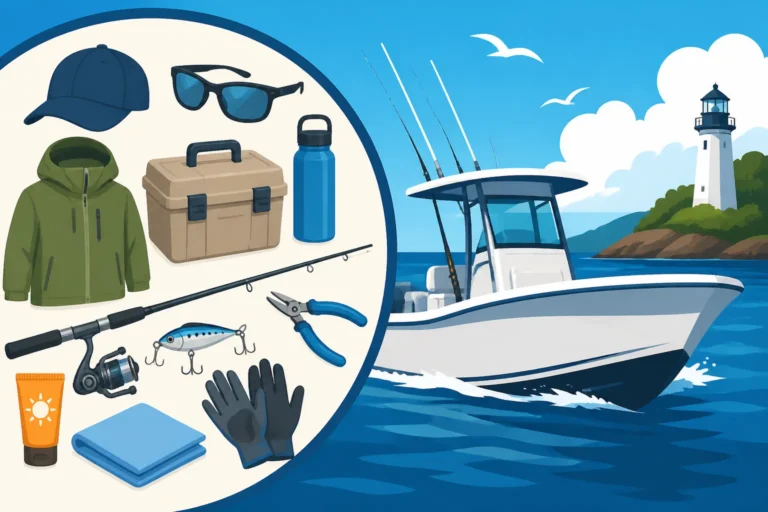
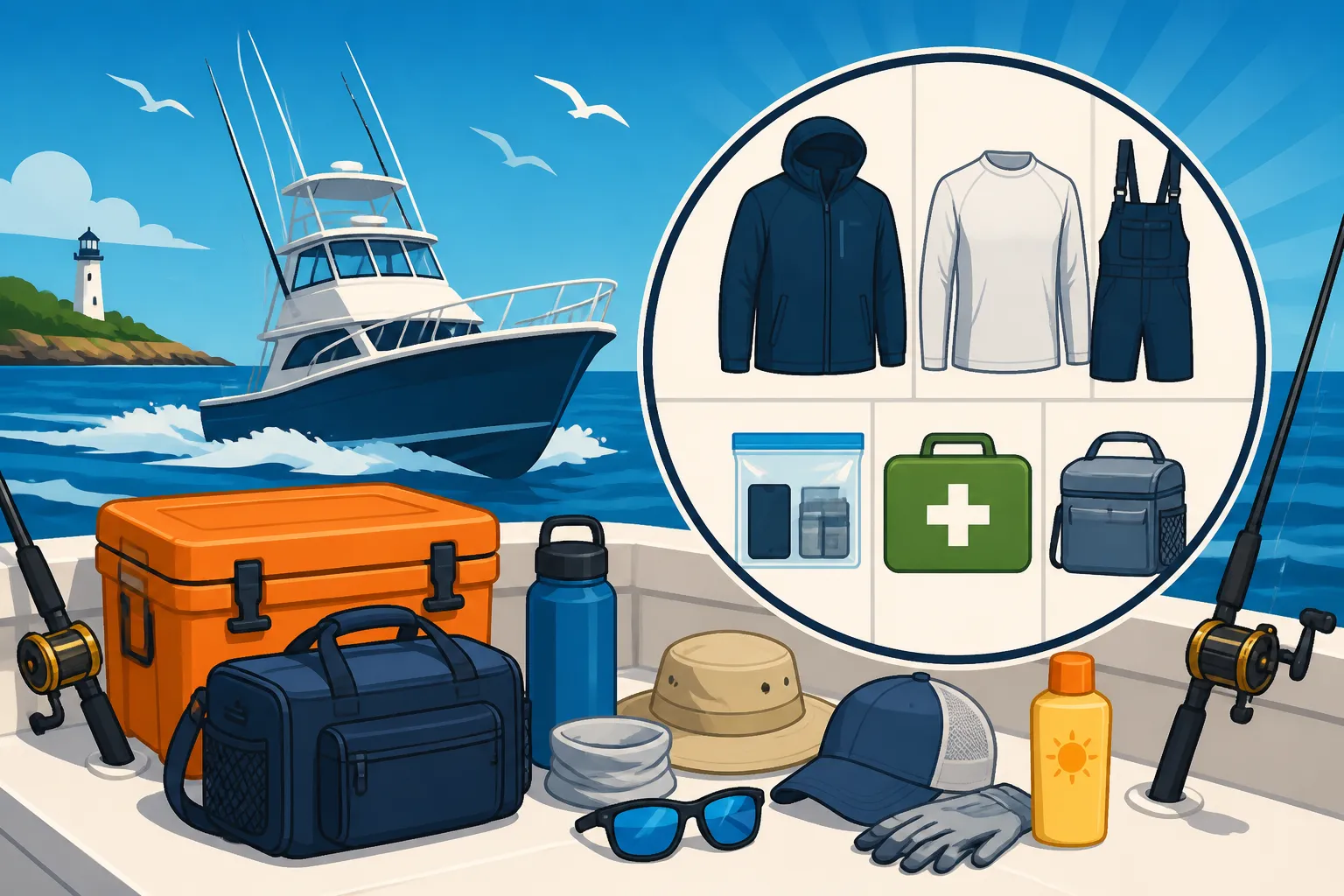
Think of offshore fishing as an onion – you want to dress in layers you can peel off or add as conditions dictate. Even on a clear summer day, the ocean breeze can have a bite, especially at speed or early in the morning. Start with a moisture-wicking base layer; synthetics are great for this as they pull sweat away from your skin, keeping you dry. Over that, a long-sleeved shirt offers sun protection and a bit of warmth. For your middle layer, a fleece or a light jacket is perfect for warmth without too much bulk. You'll definitely want a quality outer layer that is both waterproof and windproof. A good quality rain jacket and pants, even if the forecast is clear, can be a lifesaver against sea spray, unexpected showers, or just that constant chill the wind can bring. Remember, cotton is largely useless when wet, so steer clear of it for anything other than perhaps your innermost layer on a very warm day.
Consider that a full-day charter might start before dawn and end near sunset. The temperature swing can be significant, especially during shoulder seasons like spring and fall. Being able to shed or add a layer means you're always at the optimal comfort level, whether you're battling a big striped bass under the midday sun or cruising back to shore as the evening chill sets in. You might even want to pack a spare change of clothes in a dry bag, just in case you get soaked – it makes the ride home much more pleasant.
It's also worth thinking about what kind of fishing you'll be doing. If you're planning on jigging for black sea bass or bottom fishing for tautog, you might be more active and generate more body heat. However, if you're trolling for striped bass, you'll be relatively stationary, making warm layers even more critical. Having these options allows you to adapt to the specific demands of the day, ensuring you're never too hot or too cold.
Footwear
Your feet are your foundation, and on a rocking, wet deck, the right footwear is non-negotiable for both comfort and safety. You need shoes that offer excellent grip, are comfortable for standing hours, and are ideally waterproof or at least quick-drying. Sneakers with good tread can work on a calm day, but purpose-built boat shoes or deck boots are truly superior. They're designed with non-marking, non-slip soles that provide maximum traction on wet fiberglass or wood.
Avoid open-toed sandals or flip-flops at all costs. While they might feel comfortable on land, they offer zero protection against hooks, falling sinkers, or even just another angler's foot. A rogue wave washing over the deck can make these types of shoes extremely hazardous. I've seen more than one person slip and fall because they weren't wearing appropriate footwear. Closed-toe, waterproof, non-slip shoes with good ankle support (if you're prone to twists) are your best bet.
If you’re unsure, a pair of rugged, waterproof deck boots will serve you well in almost any condition offshore in Connecticut. Brands like Xtratuf are popular for a reason—they keep your feet dry and give you confidence on a slippery deck. Even if the charter boat has excellent drainage, standing in a small puddle for hours can turn a great trip into a miserable one. Investing in good footwear for offshore fishing is an investment in your personal safety and enjoyment.
Sun Protection
The sun on the open water is relentless, even on cloudy days. You're getting hit from above and from the reflection off the water, which amplifies the UV exposure. Skipping proper sun protection is a rookie mistake that can lead to a painful sunburn, headaches, and even sunstroke, completely ruining your trip. Pack a high-SPF, broad-spectrum sunscreen and apply it generously to all exposed skin, remembering to reapply every few hours, especially after getting wet or sweating.
Beyond sunscreen, physical barriers are incredibly effective. A wide-brimmed hat or a baseball cap with a neck gaiter (like a Buff) provides crucial protection for your face, ears, and neck. Long-sleeved shirts, even lightweight ones, are better than bare arms. Polarized sunglasses are also a must. Not only do they protect your eyes from harmful UV rays and reduce strain, but they also cut the glare off the water, allowing you to see structure, baitfish, or even cruising fish that much better. It's a game-changer for spotting action.
Don't forget lip balm with SPF, as your lips are also susceptible to sunburn. Many experienced anglers even wear lightweight fishing gloves to protect their hands, which are constantly exposed and often overlooked. Being diligent about sun protection means you'll still be comfortable and ready for more fishing when you get back to shore, rather than nursing a nasty burn.
Personal Comfort and Sustenance
Being out for a full day means taking care of your basic needs. You're not going to just pop into a convenience store or run back home if you're feeling peckish or unwell. Planning for your personal comfort and sustenance is just as important as your fishing gear.
Food and Drinks
Staying hydrated is absolutely critical on the water. The combination of sun, wind, and physical exertion can lead to dehydration much faster than you might realize. Bring plenty of water – more than you think you'll need. I usually advise at least a gallon per person for a full day offshore. Sports drinks can also be helpful to replenish electrolytes. Avoid excessive sugary drinks or alcohol, especially if you're prone to seasickness.
For food, think easy-to-eat, non-messy snacks and a hearty lunch. Sandwiches, wraps, fruit, energy bars, and trail mix are all excellent choices. Avoid anything that requires cutlery if possible, or is prone to spoiling quickly in the heat. It’s a good idea to pack everything in a small, soft-sided cooler that won't take up too much space on the boat. Most charters will have a cooler for fish, but you'll want your own dedicated space for your personal food and drinks. Ensure your cooler is clearly marked so there's no confusion with the charter's supplies or other anglers' items.
Remember that a charter typically won't provide lunch or extensive snacks, though some might have water or sodas available for purchase. It's always best to be self-sufficient. A good meal and plenty of water will keep your energy levels up and your spirits high, especially during a long day of fishing or waiting for that big bite.
Motion Sickness Prevention
Oh, the dreaded seasickness! It can turn the trip of a lifetime into a nightmare faster than anything else. If you're at all susceptible, take preventative measures. Don't wait until you feel queasy; by then, it's often too late. Over-the-counter medications like Dramamine or Bonine work best when taken the night before your trip, or at least an hour or two before departure. Be aware that some medications can cause drowsiness, so know how you react.
Natural remedies like ginger chews, ginger ale, or acupressure wristbands (like Sea-Bands) can also help, either alone or in conjunction with medication. Staying on deck, focusing on the horizon, and avoiding reading or staring at your phone can also alleviate symptoms. If you do start to feel unwell, tell the captain or crew. They've seen it all and can often offer advice or a quiet spot to rest. I always pack a small plastic bag just in case – better safe than sorry, and it's a courtesy to the boat and other passengers.
Even if you’ve never experienced seasickness before, an unusually rough day offshore can catch anyone off guard. It’s always prudent to have some form of prevention on hand. There’s nothing worse than being stuck miles offshore feeling absolutely miserable, unable to enjoy the incredible fishing opportunity you've paid for.
Personal Hygiene and Medical
A small, easily accessible bag with personal essentials can make a big difference. Hand sanitizer is a must after handling bait and fish. A small travel pack of wet wipes can refresh you throughout the day. If you wear contact lenses, consider bringing glasses as a backup, especially if the spray is heavy.
For personal medical needs, bring any prescription medications you take regularly, in their original containers, clearly labeled. Inform the captain if you have any serious medical conditions or allergies. A basic first-aid kit is almost always on board, but having your own small kit with band-aids, antiseptic wipes, pain relievers, and any personal allergy medications can be a smart move. Accidents happen, and a small cut from a hook or a fish fin is not uncommon. Being prepared means you can quickly deal with minor issues and keep fishing.
Consider a small towel or rag for wiping hands and gear. It helps keep the boat tidier and your hands cleaner. Remember, you'll be touching bait, fish, and potentially slimy surfaces, so cleanliness is key for both comfort and health.
Fishing-Related Essentials (Even if the Charter Provides Gear)
Many Connecticut fishing charters will provide rods, reels, bait, and tackle, which is fantastic! It takes a lot of the guesswork and heavy lifting out of your trip. However, there are still a few fishing-related items you might want to consider bringing to enhance your experience, or just to be prepared.
Tackle and Lures (If bringing your own)
If the charter specifies that they provide all necessary gear, you generally don't need to bring your own. However, if you have a favorite rod and reel setup that you're comfortable with, or a "lucky" lure that has never failed you, check with the captain beforehand. Some captains welcome personal gear, especially if you're targeting a specific species or fishing style. For instance, if you're a fly angler looking to catch striped bass on the flats, you'll definitely want your own Fly Fishing for Trout in Connecticut gear, but make sure the charter is set up for it.
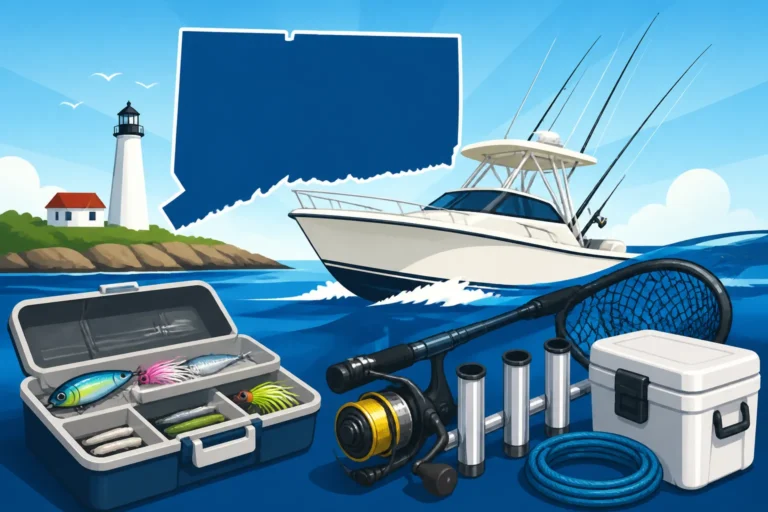
If you do bring your own tackle, be mindful of space. Offshore boats can get crowded, and you don't want your gear getting tangled or taking up excessive room. Keep it minimal and well-organized in a small tackle bag. Focus on specific lures or jigs known to work for the target species, like those often used for Striped Bass Fishing in Long Island Sound. For example, a few diamond jigs, epoxy jigs, or maybe a favored soft plastic paddle tail can be great additions, especially if the bite is slow on what the charter is primarily offering.
Remember, the charter's gear is likely chosen for versatility and durability, able to handle the rough and tumble of charter fishing. Your own specialized gear might not be as robust or suited for the conditions. Always err on the side of caution and consult the captain if you're thinking of bringing anything substantial beyond the bare necessities. This is where a quick chat with the captain, often found through services like FishingBooker where their listings detail what's provided, can save you a lot of hassle.
Coolers and Storage
While the charter will typically have a large fishbox or cooler for the day's catch, you'll want to think about how you'll transport your fish home. A dedicated cooler in your vehicle is a smart move. I’ve seen countless anglers scramble at the dock, trying to find a way to keep their fresh catch on ice for the drive. Bringing your own cooler, already stocked with ice, makes the transition seamless.
Consider the size of the cooler based on the expected catch. If you’re targeting large species like tuna or trophy striped bass, you might need a substantial cooler. For typical inshore species like fluke or black sea bass, a medium-sized cooler is usually sufficient. Remember that ice takes up space, so plan accordingly. Ensure your cooler is clean and ready to store your prize fillets.
Some anglers even bring a small, empty cooler on board for personal use, for their drinks and snacks, keeping them separate from the charter's communal coolers or the fish hold. This helps keep things organized and ensures your food stays fresh and accessible throughout the day without getting mixed up with everyone else's.
Camera and Electronics
You'll definitely want to capture those trophy moments! A camera or your smartphone is a must for photos of your catch, the beautiful Connecticut coastline, or just the camaraderie of the trip. However, the marine environment is harsh on electronics. Saltwater spray is corrosive, and a dropped phone can quickly become a lost phone. Consider a waterproof case or a dedicated waterproof action camera like a GoPro.
Bring portable chargers or power banks for your phone and other devices. A full day of photography, video, and communication can drain batteries quickly. Having a backup ensures you don't miss that epic sunset shot or the picture of your personal best fish. Store electronics in a dry bag when not in use to protect them from spray and unexpected splashes.
While it's tempting to spend the whole trip documenting, try to strike a balance. Be present in the moment and enjoy the fishing, but don't shy away from snapping a few memorable photos. Just be sure to keep your gear safe and dry.
Important Documents and Safety Considerations
Beyond the physical items, there are crucial administrative and safety aspects to consider before stepping foot on an offshore charter boat. Being informed and prepared in these areas ensures a smooth, safe, and legal fishing experience.
Identification and Licenses
First and foremost, you need to ensure you're legally allowed to fish. Even if you're on a charter boat, you might still need your own Connecticut Fishing License Guide for 2026, depending on the specific regulations and the type of charter. Some charters operate under a blanket license that covers all passengers, but this is not always the case, especially for smaller guide boats. Always confirm with your charter captain or booking agent (like those found on FishingBooker) whether you need your own individual license.
If you do need a license, make sure it's current and appropriate for the waters you'll be fishing (e.g., Connecticut Inland vs Marine vs All-Waters License, Explained). Have a physical copy or a digital version on your phone ready to show if requested. Beyond your fishing license, it’s always wise to have a form of personal identification, like a driver's license, especially when traveling offshore. In rare instances of emergency or unforeseen circumstances, proper identification can be vital.
It's your responsibility to be compliant with all regulations. Don't assume the charter will handle everything. A quick phone call or email before your trip can clarify all requirements and save you from potential fines or disappointment.
Communication
While you're probably heading offshore to disconnect a bit, having a fully charged phone is still important for emergencies or communicating with family back on land after the trip. However, understand that cell service can be spotty or non-existent miles offshore. Don't rely on your phone for navigation or critical communication once you're out there.
The charter boat will have its own marine radio and emergency communication systems. The captain is responsible for safety and communication with the Coast Guard if needed. However, bringing your own fully charged phone is good practice for personal use, and a small, portable power bank to recharge it is an excellent idea. Keep your phone in a waterproof bag or case to protect it from spray and accidental dips.
It’s always a good idea to let someone on land know your itinerary – which charter you're on, where you're departing from, and an estimated return time. This is standard safety practice for any offshore excursion.
Knowing Your Charter's Policies
Before you even step on the boat, make sure you understand the charter's specific policies. This includes everything from what's included in the price (bait, tackle, fish cleaning?) to cancellation policies due to weather, Connecticut fishing license refund policy, and even acceptable tipping etiquette for the mate. Many experienced anglers will ask about Tipping Etiquette for Connecticut Fishing Charters before they go.
Some charters have specific rules about what you can and cannot bring on board, such as alcohol limits or types of food. Others might have preferences for soft-soled shoes only. Knowing these details upfront prevents any awkward situations or misunderstandings once you're out on the water. A good charter service, whether booked directly or through a platform like FishingBooker, will make these policies clear.
Finally, always listen carefully to the captain's safety briefing at the beginning of the trip. Pay attention to where life jackets are stored, how to use emergency equipment, and any specific rules for moving around the boat, especially when fishing has started. Your safety is paramount, and a prepared angler is a safe angler.
Disclaimer
This article is for general informational purposes only and does not constitute professional advice. Laws, prices and regulations vary by location and change over time. Consult a qualified professional for guidance on your specific situation.