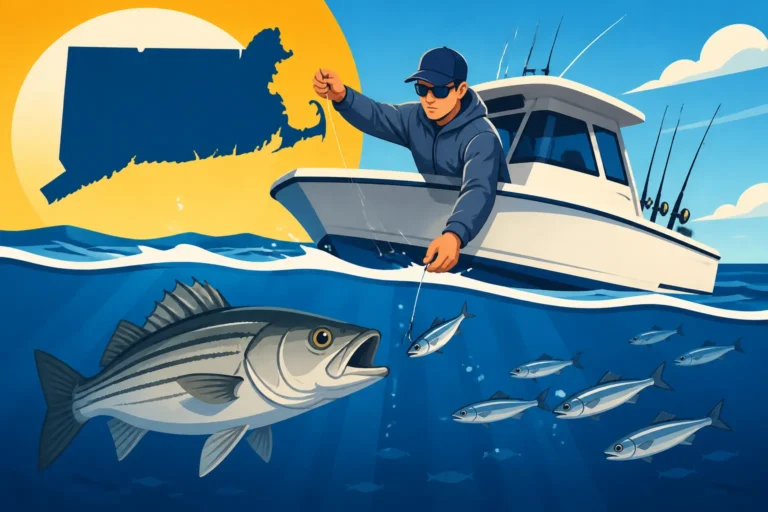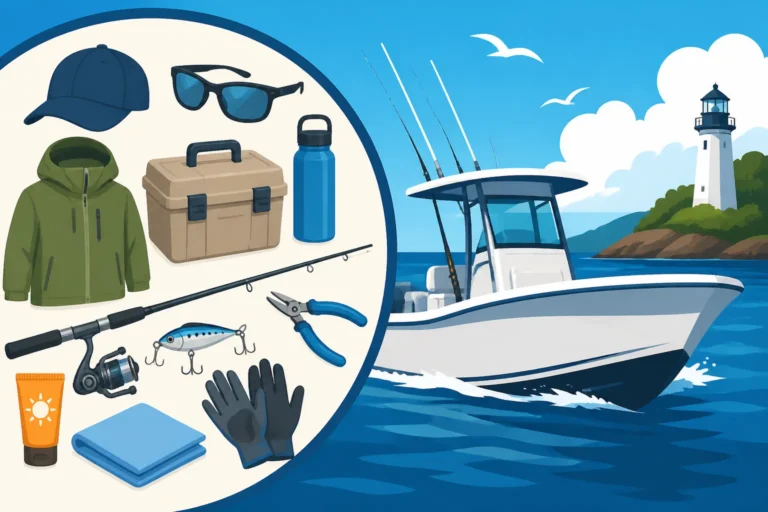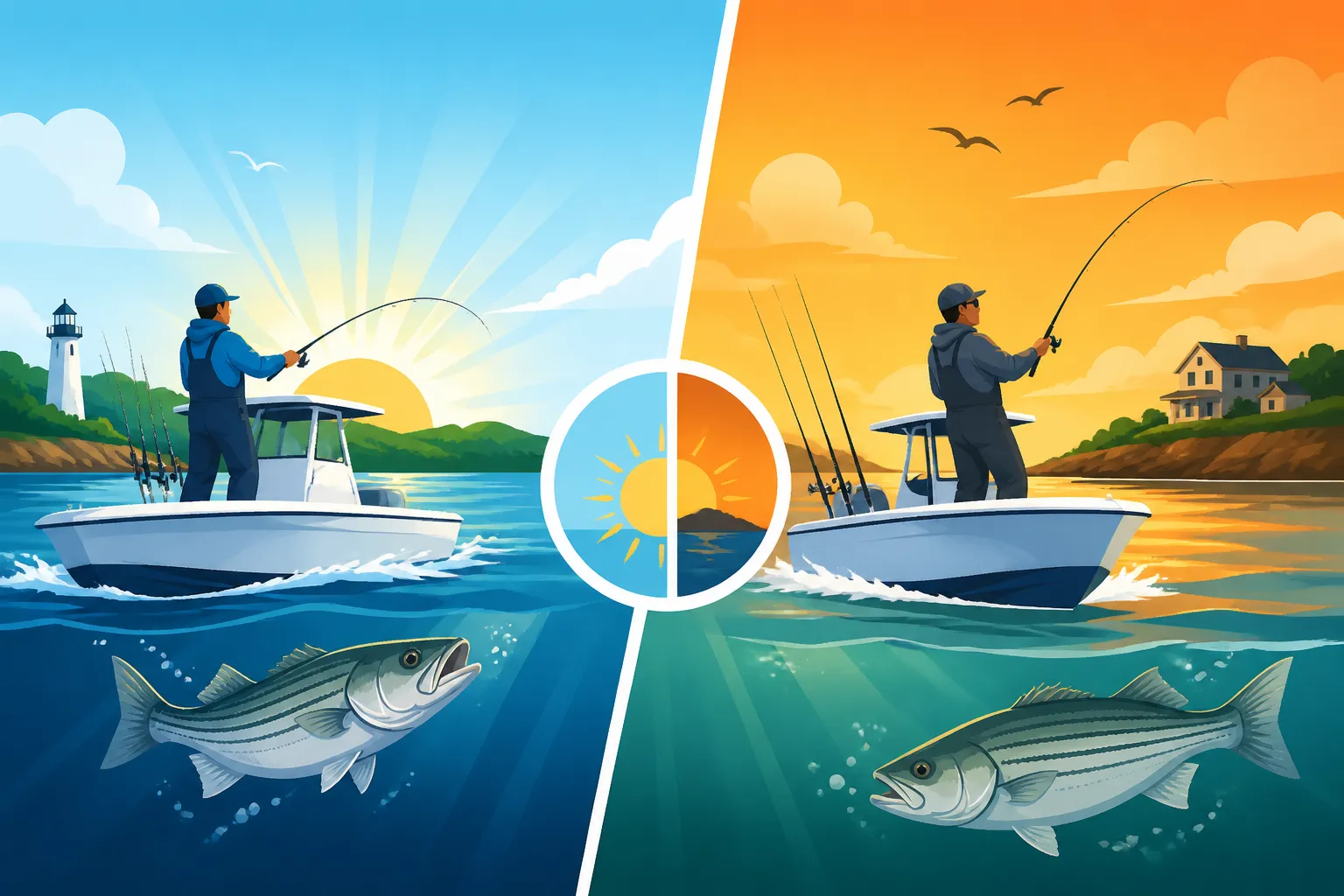
Morning vs afternoon charter trips in Connecticut
One of the most common dilemmas I hear from folks planning a fishing trip in Connecticut is whether to book a morning or an afternoon charter. It truly feels like a coin flip sometimes, and that decision can significantly impact your experience, from the fish you catch to the overall vibe of your day on the water. This guide is here to walk you through the nuances of both options, helping you make the best choice for your next aquatic adventure.
The Early Bird Gets the Fish: Diving into Morning Charter Trips
There's something magical about being out on the water as the sun crests the horizon, painting the sky with incredible colors. Morning charters often offer a unique blend of tranquility and the thrill of the chase, especially in Connecticut's diverse waters. Many experienced anglers swear by the morning bite, and for good reason.
The Allure of Dawn and Cooler Temperatures
Let's be real, a summer day in Connecticut can get hot. One of the biggest advantages of a morning charter, especially during the warmer months from June through August, is the cooler air and water temperatures. Fish, much like us, can get a bit sluggish in the midday heat. Early mornings often see cooler surface waters, which can make certain species more active and willing to feed. Think about those big striped bass; they often prefer to feed aggressively in the low light and cooler conditions of dawn, before the sun gets high and bright. You're more likely to encounter them actively hunting baitfish, making for some truly explosive strikes.
Beyond just the fish, the cooler temperatures make the overall experience more comfortable for us anglers. There's less sweating, less squinting, and often a gentler breeze as the day slowly warms up. It’s a fantastic way to beat the heat, especially if you or members of your group aren't keen on baking under a scorching sun. Plus, the calm, glassy waters that frequently accompany early mornings can make for a much smoother ride, which is a blessing for anyone prone to seasickness.
Capitalizing on the Morning Bite
Many of our beloved Connecticut fish species, particularly those in Long Island Sound and our larger rivers, tend to be most active in the low light conditions of morning. This isn't just an old angler's tale; it's rooted in their natural feeding patterns. Predatory fish like striped bass and bluefish often use the reduced visibility to ambush baitfish. If your primary goal is to target these hard-fighting species, a morning trip often aligns better with their natural habits.
Consider the tide too. Many captains will schedule their morning trips to coincide with the most favorable tides for their target species, whether it's an outgoing tide flushing bait out of an estuary or an incoming tide bringing fresh food to the reefs. On platforms like FishingBooker, you can often find captains who highlight their preferred departure times based on the optimal fishing conditions. For example, a captain might specifically advertise a "dawn patrol striper trip" because they know that's when the action is most consistent. It’s about leveraging every advantage possible to maximize your chances of a successful catch, and the morning often presents the most natural advantages.
Sunsets and Sustained Action: Exploring Afternoon Charter Trips
While morning trips certainly have their appeal, don't discount the afternoon charter. For many, it offers a more relaxed start to the day, beautiful sunset views, and can be incredibly productive, especially for certain species or groups. It's not just about a different schedule; it's about a different kind of fishing experience.
The Warmth and the Winding Down
Afternoon trips, particularly those that extend into the late evening, offer a completely different ambiance. The sun is lower in the sky, casting long shadows and often creating stunning light for photography. For those who prefer a more leisurely start to their day or aren't early risers, an afternoon trip is ideal. You can enjoy a relaxed breakfast, pack your gear without rushing, and still have a fantastic day on the water.
In terms of fishing, while the morning bite is often famous, the afternoon can really shine for certain species, especially as the water warms up. Fish like fluke (summer flounder) and blackfish (tautog) can become more active as the sun has had a chance to warm the shallows and structure throughout the day. These fish often relate to bottom structure and can be less sensitive to bright light than their pelagic counterparts like stripers. Plus, as evening approaches and the light softens again, you might just hit that magical "dusk bite" when many species ramp up their feeding activity for one last hurrah before nightfall. Best Time of Day to Catch Striped Bass is not always dawn, sometimes it's dusk!
Beyond the Bite: Flexibility and Family Fun
One of the less obvious, but highly significant, advantages of an afternoon charter is the increased flexibility it can offer for families or groups. Early morning departures can be tough with kids who like to sleep in or if you have a long drive to the marina. An afternoon trip allows for a more relaxed pace, letting everyone get ready without feeling rushed. It means less frantic packing and more enjoyment from the get-go.
For some, an afternoon charter can also feel like a longer, more immersive experience because it stretches into the evening. You get to witness the transition from bustling daylight to serene twilight, perhaps even seeing the stars emerge if your trip runs late enough. This can add a really special dimension to the trip, turning it into more than just a fishing excursion, but a scenic tour as well. And hey, if you're looking to celebrate a special occasion or just enjoy some camaraderie on the water, an afternoon trip culminating in a beautiful sunset can be absolutely perfect. Many captains on FishingBooker are happy to accommodate different schedules, so always ask about flexibility!
Navigating the Decision: Factors to Consider for Your Connecticut Charter
Choosing between a morning and an afternoon charter isn't just a matter of personal preference for when you like to wake up. There are crucial external factors that can heavily influence which time slot will offer you the best chance of success and enjoyment. Understanding these can truly elevate your fishing game.
The Mighty Tide and Water Conditions
In Connecticut's saltwater environments, especially on Long Island Sound, the tide is king. It dictates water movement, current strength, and often, when and where fish will feed. A strong outgoing tide might flush baitfish out of estuaries, concentrating predators at their mouths, while an incoming tide can bring cooler, oxygenated water and fresh food sources over reefs and structure. The timing of the tide relative to your charter can often be more important than whether it's morning or afternoon.
For example, if the best tide for catching fluke on a particular reef happens to be midday, an afternoon charter might be perfectly aligned, even if it's generally warmer. Conversely, if you're chasing migratory striped bass in a rip line that only forms during a specific tidal flow at dawn, a morning trip is non-negotiable. Don't be shy about asking your prospective captain about the tides! A good captain will know the optimal windows for the species you're targeting and will often schedule their trips accordingly. This is a crucial conversation to have before booking, whether you're looking through options on FishingBooker or talking directly with a local outfit. Long Island Sound Fishing Guide outlines just how important these factors are.
Target Species and Their Feeding Habits
Different fish have different dinner schedules, and knowing your quarry's habits is paramount. If you're dead-set on catching a trophy striped bass, especially in the heat of summer, those first few hours of daylight often yield the best results because stripers tend to be more active in cooler, lower light conditions. They are also often found hunting on surface or near-surface baitfish during these prime times.
However, if your goal is a cooler full of delicious fluke or a battle with a stubborn blackfish (tautog) around some rocky structure, an afternoon trip can be just as, if not more, productive. These bottom-dwelling species often become more active as the water warms or as the tidal currents pick up later in the day, distributing food closer to their hiding spots. Even for species like bluefish, which are aggressive feeders, the bite can sometimes heat up mid-day or into the afternoon as they chase bait schools. Always consider what you want to catch first, then align your trip time with that species' known feeding patterns.
Weather, Comfort, and Trip Objectives
Connecticut weather can be fickle. Mornings often start calm and clear, but afternoon pop-up thunderstorms are not uncommon, especially in summer. While captains prioritize safety and will reschedule if conditions are dangerous, a persistent afternoon chop or strong winds can make for a less comfortable ride. If anyone in your group is particularly sensitive to motion sickness, or if you simply prefer smoother sailing, morning trips generally offer more consistent calm conditions. Connecticut Boating Laws for Anglers often touch on safety aspects relevant to changing weather.
Beyond comfort, consider your overall objective. Is this a hardcore fishing mission where every minute counts towards maximizing your catch? Then aligning with prime feeding windows (often morning for stripers, specific tides for others) is key. Is it a family outing where the experience, the scenic views, and a few fish are the goal? Then the flexibility and relaxed pace of an afternoon trip might be a better fit. Perhaps you're hoping to combine fishing with some spectacular photography of the Connecticut coastline, in which case the golden hour of a late afternoon trip could be perfect. Your charter captain, whether found through a service like FishingBooker or local referral, will always want to know your goals to help tailor the experience.
Making the Perfect Choice for Your Fishing Adventure
So, how do you finally decide? It comes down to weighing all these factors against your personal preferences and the specifics of the trip you envision. There’s no single "best" time; only the best time for you and your trip.
Understanding Your Priorities
Before you even start looking at available slots, take a moment to consider what truly matters for this particular outing. Are you an avid angler chasing a personal best Striped Bass Fishing in Long Island Sound or Fluke Fishing in Long Island Sound? Or are you planning a fun, relaxed day out with your family or friends, where the joy of being on the water is just as important as the fish count?
If it's primarily about the fishing, research the optimal feeding times for your target species during the specific season you plan to go. For instance, if you're aiming for trout in a river, early morning in spring is often prime. If it's a social outing, consider the comfort level of your group with early alarms versus potential afternoon heat. Are you looking for a short, intense trip, or a longer, more leisurely one that might end with a stunning sunset? Knowing your priorities will serve as your compass in navigating the options. Remember that many charters, especially those listed on platforms like FishingBooker, will offer both half-day and full-day options, further diversifying your choices. What to Expect on a Connecticut Fishing Charter often includes a discussion about managing expectations based on trip length and time of day.
Consulting with Your Captain
This is perhaps the most important step. Once you've narrowed down your target species and have a general idea of your priorities, reach out to prospective charter captains. They are the local experts, living and breathing the waters you plan to fish. Explain your goals: "We're hoping to catch some big striped bass," or "We'd love to get the kids on some panfish," or "We just want a relaxing day with a chance at some dinner."
A good captain will be able to advise you on the best time of day for your specific objectives based on current conditions, recent fishing reports, and tidal charts. They might tell you that for stripers, a 5 AM departure is critical, but for blackfish, an 11 AM start might actually be better due to the tide. They can also offer insights into typical weather patterns for your chosen date. Don't underestimate their experience; it's invaluable. This discussion helps ensure everyone is on the same page and sets realistic expectations for the trip.
A Comparative Look: Morning vs. Afternoon Charters
To help you visualize the trade-offs, here's a quick comparison of what you might expect from each option:
| Feature/Aspect | Morning Charter (Typically Dawn to Midday) | Afternoon Charter (Typically Midday to Dusk) |
|---|---|---|
| Air Temperature | Generally cooler, especially at dawn | Warmer, can be hot during summer peak hours |
| Water Temperature | Cooler, ideal for many predatory species (e.g., striped bass) | Warmer, can activate bottom dwellers (e.g., fluke, blackfish) |
| Fish Activity | Often strong "morning bite" for many species; low light feeding | "Afternoon/dusk bite" can be excellent for certain species; sustained |
| Water Calmness | Often calmer conditions, especially in summer | Can experience more chop or afternoon sea breeze |
| Crowd Levels | Generally fewer recreational boaters out at dawn | Can be busier on the water, especially weekends |
| Scenery/Ambiance | Beautiful sunrises, quiet serenity | Stunning sunsets, more relaxed pace |
| Family/Group Ease | Requires early wake-up, less flexible for late sleepers | More relaxed start, better for non-early risers and younger kids |
| Target Species Focus | Striped bass, bluefish, some trout species, strong tidal feeders | Fluke, blackfish, some bass species, sustained panfish action |
Ultimately, the goal is to have a fantastic fishing experience in Connecticut. By carefully considering these points and having an open conversation with your chosen charter captain, you'll be well-equipped to book the trip that perfectly matches your vision. Enjoy your time on the beautiful waters of our state, no matter when you cast your line!
Disclaimer
This article is for general informational purposes only and does not constitute professional advice. Laws, prices and regulations vary by location and change over time. Consult a qualified professional for guidance on your specific situation.