Best charters departing from Bridgeport Harbor
Finding the perfect fishing charter can feel like navigating a maze, especially when you're looking for a specific departure point like Bridgeport Harbor. It's tough to know which boats are reputable, what to expect, and how to prepare for a successful day on the water. This comprehensive guide will walk you through everything you need to know about choosing and enjoying the best fishing charters departing from Bridgeport Harbor, ensuring a memorable and productive outing.
Why Choose Bridgeport Harbor for Your Fishing Charter?
Bridgeport Harbor isn't just a convenient point of departure; it's a gateway to some of the most diverse and productive fishing grounds in Connecticut. Situated perfectly on Long Island Sound, it offers anglers unique advantages, from quick access to various environments to a rich variety of target species.
Strategic Location on Long Island Sound
One of the biggest draws of Bridgeport Harbor is its prime location. You're not just launching into a local pond; you're stepping out onto Long Island Sound, a vast estuary that connects directly to the Atlantic Ocean. This means charters departing from here have immediate access to a wide array of fishing habitats. You can be heading to shallow flats and rocky shorelines for striped bass and bluefish one moment, then venturing into deeper channels and reefs for black sea bass or fluke the next. The captain's ability to quickly reach these varied locations, often just a short run from the harbor, means more fishing time and less travel time, which is always a win in my book. It’s a versatile spot that opens up so many possibilities, whether you're chasing migratory fish or targeting resident species.
Variety of Fish Species Targeted
The rich waters accessible from Bridgeport Harbor support an incredible diversity of fish species throughout the seasons. This isn't a one-trick pony; depending on the time of year, you can target a wide range of popular game fish.
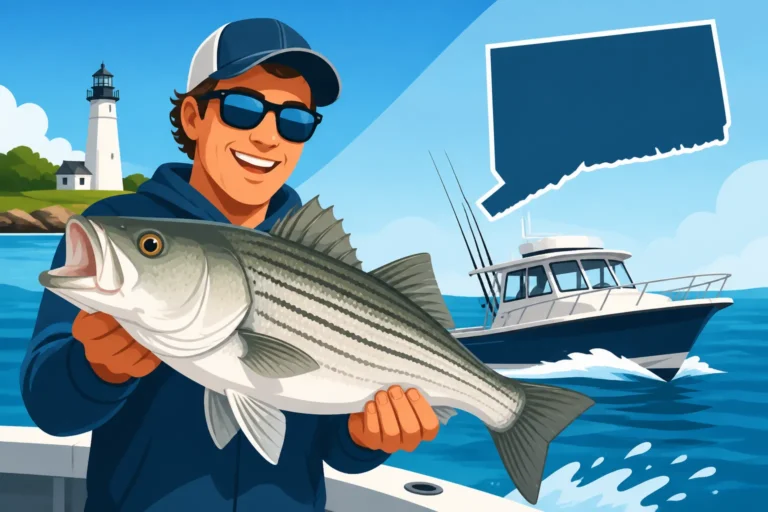
- Striped Bass: These iconic fish are a prime target, especially during their spring and fall migrations. Charters will often focus on the rips, rocky structures, and baitfish schools that attract these powerful fighters. You might find yourself casting lures, chunking bait, or even live-lining bunker for a chance at a trophy striper. For more on these beauties, check out Striped Bass Fishing in Long Island Sound.
- Bluefish: Known for their aggressive nature and strong fights, bluefish are abundant in the Sound, often found alongside striped bass. They provide exhilarating action on light tackle, making for an exciting day for anglers of all skill levels.
- Fluke (Summer Flounder): When summer rolls around, fluke become a major draw. Charters will drift baits and jigs along sandy bottoms and channels, where these flatfish lay in wait. They're not only fun to catch but also make for excellent table fare. If you're keen on this species, you might find Fluke Fishing in Long Island Sound helpful.
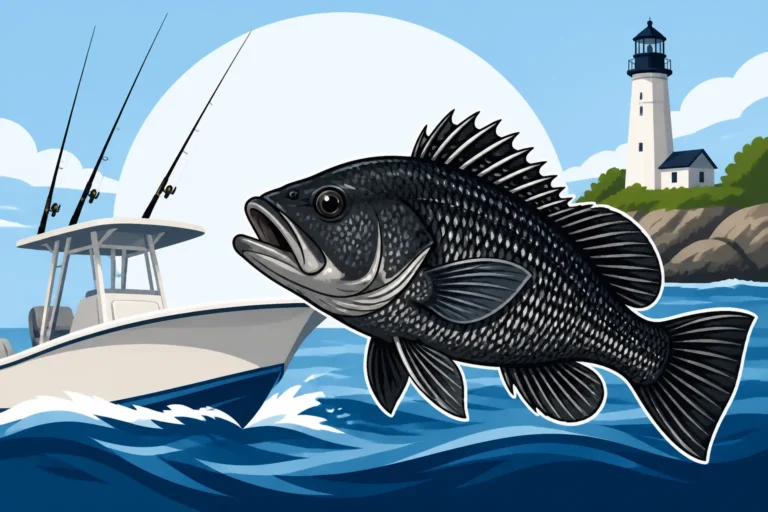
- Blackfish (Tautog): For those who enjoy a challenge, blackfish offer some serious pulling power around rocky structures and wrecks. These fish require a keen touch and specific techniques, often involving green crabs or hermit crabs as bait. Bridgeport’s proximity to rocky reefs makes it a fantastic base for blackfish trips. Understanding their habits can be key, so consider reading Blackfish (Tautog) Fishing in Connecticut.
- Black Sea Bass: These tasty bottom dwellers are found on similar structures as blackfish, often in slightly deeper waters. They offer consistent action and are another highly sought-after species for their delicate flavor. You can learn more about them with Black Sea Bass Fishing in Connecticut.
This diverse offering means that no matter what kind of fishing experience you're looking for, a charter from Bridgeport Harbor likely has a trip that fits the bill.
Convenient Access and Amenities
Bridgeport Harbor isn't just great for fish; it's also incredibly convenient for anglers. The city offers easy access via major roadways like I-95, making it a straightforward drive from various parts of Connecticut and even neighboring states. Once you arrive, you'll find a range of amenities designed to make your day seamless. Many marinas offer ample parking, restrooms, and sometimes even bait and tackle shops. There are also plenty of local restaurants and cafes nearby where you can grab a bite before or after your trip, or even have a celebratory meal after a successful outing. This ease of access and supportive infrastructure takes a lot of the logistical stress out of your fishing adventure.
What to Look for in a Bridgeport Fishing Charter
Choosing the right charter from Bridgeport Harbor can make all the difference between a so-so trip and an unforgettable one. It's not just about finding any boat; it's about finding the right boat and captain for your needs.
Captain's Experience and Local Knowledge
This is, hands down, one of the most critical factors. A good captain is more than just someone who drives the boat; they are a seasoned guide who understands the intricate nuances of Long Island Sound. They know the tides, the currents, the seasonal movements of baitfish, and the secret spots where trophy fish tend to hang out. Look for a captain with years of experience fishing these specific waters.
An experienced captain will be able to adapt to changing conditions, switch up techniques if one isn't working, and put you on the fish. They'll also prioritize safety, which is paramount when you're out on the open water. Don't be shy about asking about their experience, their primary target species, and how long they've been operating out of Bridgeport. Their local knowledge of the various reefs, wrecks, and channels around Bridgeport Harbor is invaluable. You can often glean a lot about a captain's expertise and personality from their online profiles, especially on platforms like FishingBooker, where many list their specific areas of expertise and years on the water.
Boat and Gear
The vessel itself, along with the equipment provided, plays a huge role in your comfort, safety, and success.
- Safety Features: Ensure the boat is well-maintained and equipped with all necessary safety gear, including life jackets for all passengers, first-aid kits, communication devices, and navigation electronics. Reputable charters adhere strictly to Coast Guard regulations.
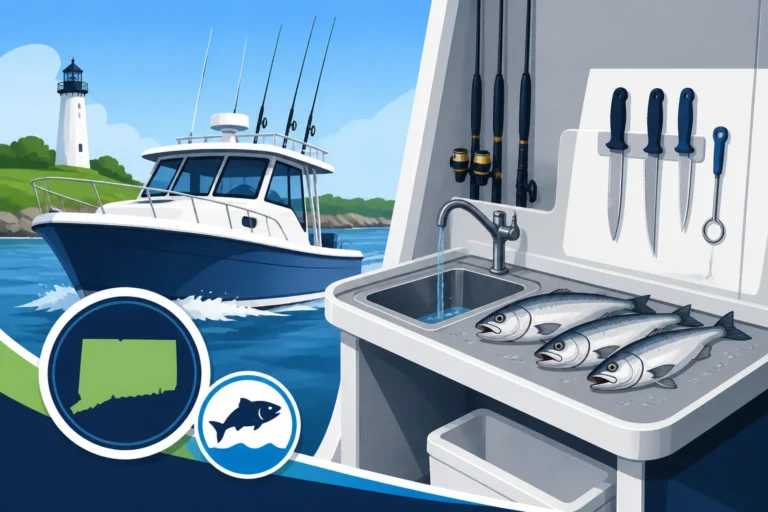
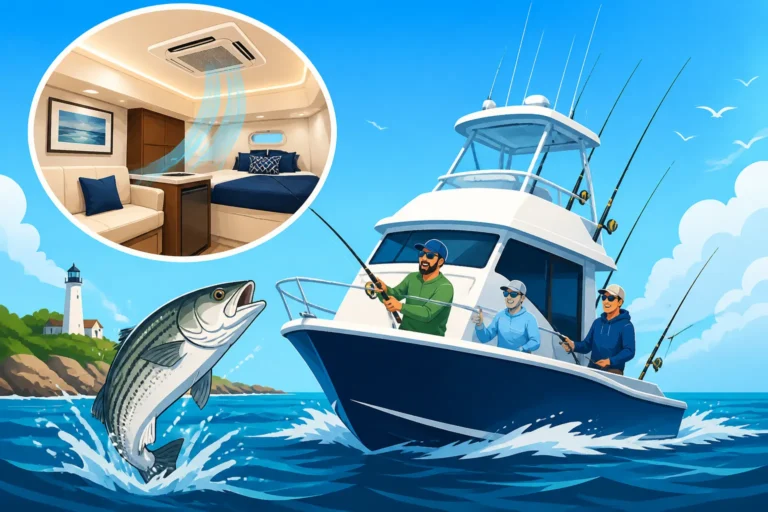
- Comfort and Space: Consider the size of the boat relative to the number of passengers. You want enough room to fish comfortably without feeling cramped. Some boats offer amenities like enclosed cabins, restrooms, and even heated spaces for colder weather trips.
- Quality Tackle: A good charter will provide high-quality rods, reels, and tackle appropriate for the target species. This means robust gear for battling big striped bass or bluefish, and sensitive setups for feeling subtle fluke bites. While you can often bring your own gear, relying on the charter's equipment ensures you have the right tools for the job. Discuss this with the captain beforehand if you have specific preferences or plan to bring your own rod.
Charter Type and Duration
Charters come in various formats, and choosing the right one depends on your budget, time constraints, and fishing goals.
- Half-Day vs. Full-Day: Half-day trips are typically 4-5 hours, great for families with younger kids or those new to fishing who want a taste of the action. Full-day trips, usually 7-9 hours, offer more time to travel to farther spots, target a wider variety of fish, and simply enjoy more time on the water. If you're serious about landing a trophy, a full-day trip generally increases your chances.
- Private vs. Shared (Open Boat): A private charter means you book the entire boat for your group, offering flexibility in target species, departure times, and overall experience. It's more personal and often ideal for families or groups of friends. Shared or "open boat" trips allow individual anglers or smaller groups to book spots on a larger vessel alongside other passengers. These are generally more cost-effective but offer less customization.
- Target Species Trips: Many captains specialize in certain species or fishing styles. Some might be known for their prowess in finding large striped bass, while others excel at bottom fishing for fluke and sea bass. Clarify your target species when booking to ensure the captain is aligned with your goals. For instance, if you're specifically after a trophy, make sure they run trips focused on trophy striped bass fishing in Long Island Sound.
Reputation and Reviews
In today's digital age, checking a charter's reputation is easier than ever. Online reviews and testimonials are invaluable resources.
- Online Platforms: Websites like FishingBooker are excellent places to find reputable charters and read reviews from past customers. These platforms often allow anglers to rate captains on everything from fish-finding ability to professionalism and cleanliness of the boat.
- Word of Mouth: Sometimes, the best recommendations come from fellow anglers. Chat with people at local bait shops or fishing forums to get personal insights.
- Website and Social Media: A charter's own website and social media presence can also give you a feel for their operation, showing recent catches, boat condition, and the captain's communication style. Look for consistent positive feedback regarding fish caught, the captain's demeanor, and the overall experience. A captain with a strong track record of satisfied customers is usually a safe bet.
Preparing for Your Bridgeport Fishing Adventure
Once you've booked your charter from Bridgeport Harbor, a little preparation goes a long way in ensuring you have a comfortable and productive day.
Essential Things to Bring
Even though charters provide most of the fishing gear, there are several personal items you should always bring aboard:
- Appropriate Clothing: Dress in layers! Even on a warm summer day, it can be significantly cooler on the water, especially in the morning or evening. A waterproof jacket is always a good idea, as is a hat for sun protection. Remember, Connecticut weather can be unpredictable, so being prepared for different conditions is crucial.
- Sun Protection: Sunglasses (polarized if you have them, they help with glare!), sunscreen, and a wide-brimmed hat are non-negotiable. The sun's reflection off the water can be intense.
- Food and Drinks: Pack plenty of water and snacks, especially for a full-day trip. Staying hydrated is key to avoiding fatigue and seasickness. You might want to ask the captain about any restrictions on coolers or specific types of food/drink.
- Cooler for Your Catch: If you plan on keeping fish (within regulations, of course!), bring a cooler with ice to transport your fresh catch home. Most charters will clean and bag your fish for you, but having your own cooler ensures they stay fresh.
- Camera: You'll want to capture those memories, whether it's a personal best catch or a beautiful sunrise over Long Island Sound.
- Seasickness Medication: If you're prone to seasickness, take preventative medication before you board the boat, not once you're already feeling queasy.
Understanding Licensing and Regulations
This is super important! Every angler fishing in Connecticut waters needs a valid fishing license.
- Connecticut Fishing License: Even if you're on a charter, you generally need your own personal fishing license, whether it's a Connecticut Inland vs Marine vs All-Waters License, Explained. While some specific charters operating under certain permits might cover passengers, it's always best to assume you need one and purchase it in advance. You can easily buy one online through the Connecticut DEEP website. Make sure you understand Connecticut Fishing License Age Requirements if fishing with younger family members.
- Species-Specific Regulations: Beyond the license, be aware that there are specific size and bag limits for various species, and these can change seasonally. Your captain will be knowledgeable about current regulations, but it doesn't hurt to familiarize yourself with general rules, such as Connecticut Striped Bass Slot Limit and Season or Connecticut Fluke and Summer Flounder Regulations, so you know what to expect.
Communication with Your Captain
Don't underestimate the power of clear communication. Before your trip, confirm your departure time and location, and discuss any specific requests or concerns. If anyone in your party is prone to seasickness, let the captain know so they can advise on remedies or potentially choose calmer fishing grounds if possible. Discuss your expectations for the trip – are you hoping for quantity or quality? Are you aiming for a specific species? The more information you provide, the better your captain can tailor the experience.
Maximizing Your Charter Experience from Bridgeport
You've picked a great charter, you're prepared, now let's make sure you get the absolute most out of your time on the water.
Best Times and Tides for Different Species
Fishing success is often heavily influenced by timing. While your captain is the expert, a basic understanding can help you appreciate their strategies.
- Tides: For saltwater fishing out of Bridgeport, tides are paramount. Different species prefer different stages of the tide. For example, striped bass and bluefish often feed aggressively during moving tides, especially around rips and structure. Fluke, on the other hand, might bite better on a slack or slower moving tide over certain bottom types. Your captain will plan the trip around the optimal tides for your target species. Learning about Best Time of Day to Catch Striped Bass can give you an edge.
- Seasons: Each season brings different opportunities. Spring and fall are prime for migratory striped bass and bluefish. Summer often sees excellent fluke and black sea bass fishing. Blackfish become a top target in the cooler waters of fall and early winter. While specific dates vary, generally, the spring and fall runs are highly anticipated times to fish from Bridgeport.
- Weather: Weather conditions also play a huge role. While captains will cancel for unsafe conditions, even subtle changes can affect fish behavior. Listen to your captain's advice, as they're always watching the forecasts and know how fish react to changes in pressure, wind, and temperature.
Photography and Catch Care
You've just landed a beautiful fish – now what?
- Capture the Moment: Have your camera ready! A quick photo with your prized catch is a fantastic memento. Be efficient, though, especially if you plan to release the fish. The quicker you can snap a photo and get the fish back in the water, the better its chances of survival.
- Responsible Catch and Release: If you're practicing catch and release, handle the fish gently. Keep it in the water as much as possible, use wet hands to minimize slime coat damage, and release it quickly. Barbless hooks can also aid in a quick release. Your captain or mate can show you the proper techniques. For more tips on releasing fish, you might find Striped Bass Catch and Release Survival Tips insightful.
- Keeping Your Catch: If you plan to keep your fish for dinner, your charter crew will typically handle the cleaning and filleting for you at the end of the trip. Make sure you have that cooler packed with ice ready for their excellent work! It ensures your fish stays fresh until you get home to cook it up.
Tipping Etiquette
A significant part of the charter experience, and one that often causes a little confusion, is tipping. It's customary to tip the captain and/or mate for their hard work, guidance, and service.
- General Guideline: A standard tip for a fishing charter is typically 15-20% of the total trip cost. If the crew went above and beyond, handled all your gear, cleaned your fish impeccably, and put you on a pile of fish, leaning towards the higher end of that range is a great way to show your appreciation.
- Who to Tip: On larger boats with a dedicated mate, the tip is often given to the mate, who then shares it with the captain (or sometimes the captain will allocate it). On smaller guide boats, you'd typically tip the captain directly.
- Why Tip: Remember, charter fishing is hard work. The crew puts in long hours preparing, maintaining equipment, cleaning the boat, and constantly working to find you fish. A good tip acknowledges their effort and expertise. You can ask the captain directly about their preferred tipping method if you're unsure.
By keeping these points in mind, you'll not only be prepared for your charter but you'll also contribute to a smooth, enjoyable, and successful fishing trip from beautiful Bridgeport Harbor.
Disclaimer
This article is for general informational purposes only and does not constitute professional advice. Laws, prices and regulations vary by location and change over time. Consult a qualified professional for guidance on your specific situation.