What to Expect on a Connecticut Fishing Charter
Heading out on a fishing charter in Connecticut sounds like a dream for many, but if you've never done it, the whole process can feel a little intimidating. You might be wondering what to expect, what to bring, or even if it's worth the investment. This comprehensive guide is designed to pull back the curtain on the Connecticut charter fishing experience, helping you feel confident and excited for your next adventure on the water.
Why Choose a Connecticut Fishing Charter?
Let's be honest, we all love the idea of catching big fish, but sometimes doing it on our own boat, or even from shore, comes with a lot of challenges. Navigating, finding the fish, having the right gear, and even just the sheer effort involved can be a lot. That's where a charter truly shines, offering an experience that's both productive and incredibly enjoyable, taking the guesswork out of your fishing day.
Access to Prime Fishing Grounds
One of the biggest advantages of hopping on a charter in Connecticut is getting access to those secret spots and productive waters that only the seasoned captains know. These aren't just random patches of water; we're talking about specific reefs, wrecks, rock piles, or current seams in Long Island Sound that consistently hold fish. Imagine trying to find a particular underwater structure miles offshore without the right sonar or local knowledge – it's incredibly difficult, if not impossible, for the average angler.
Charter captains spend countless hours on the water, meticulously mapping out these honey holes and observing fish patterns throughout the seasons. They know precisely where the Striped Bass Fishing in Long Island Sound will be holding during a certain tide, or where the Fluke Fishing in Long Island Sound are congregating after a particular weather pattern. This isn't just about showing up; it's about putting you directly on fish, maximizing your chances for a successful and memorable day.
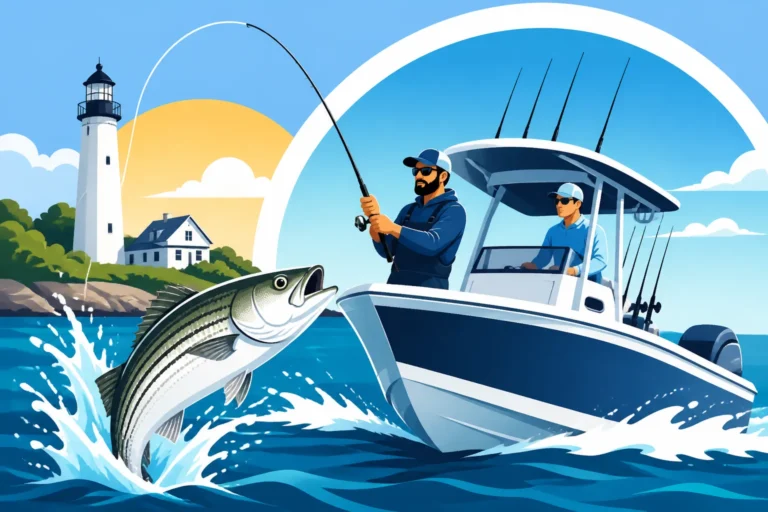
They also have the vessel to get you there comfortably and efficiently. Whether it's zipping out to the notorious rips off Block Island or Montauk for trophy striped bass, or quietly navigating the deeper channels of the Connecticut River for elusive blackfish, these boats are designed for the task. You don't have to worry about fuel, maintenance, or navigating tricky waters; simply step aboard and let the captain handle the journey.
Expert Guidance and Local Knowledge
Beyond knowing where the fish are, a good charter captain and crew possess an unparalleled understanding of how to catch them in Connecticut's diverse waters. They live and breathe fishing, constantly adapting their tactics based on water temperature, bait presence, tide cycles, and even subtle changes in weather. This expertise is invaluable, especially if you're targeting species you're less familiar with or fishing in unfamiliar territory.
Think about trying to figure out the right lure, bait, or technique for Blackfish Tautog Fishing in Connecticut around a tricky rock pile, or which fly patterns are working for Fly Fishing for Trout in Connecticut on the Farmington River during a specific hatch. A charter captain will have all of this dialed in. They'll tell you what rig to use, how to present your bait or lure, and even coach you through the fight once you hook up. This isn't just about them doing the work for you; it's an incredible learning opportunity, a chance to absorb decades of local wisdom and hone your own fishing skills. Many anglers find that even after just one charter, they've picked up tips and tricks that significantly improve their personal fishing success.
Furthermore, they understand all the nuances of Connecticut Fishing Regulations Explained for various species and locations, ensuring you're always fishing legally and responsibly. No need to fret over slot limits, possession limits, or specific gear restrictions; the crew will keep you compliant, making sure your focus remains on the fun of fishing.
Safety and Convenience
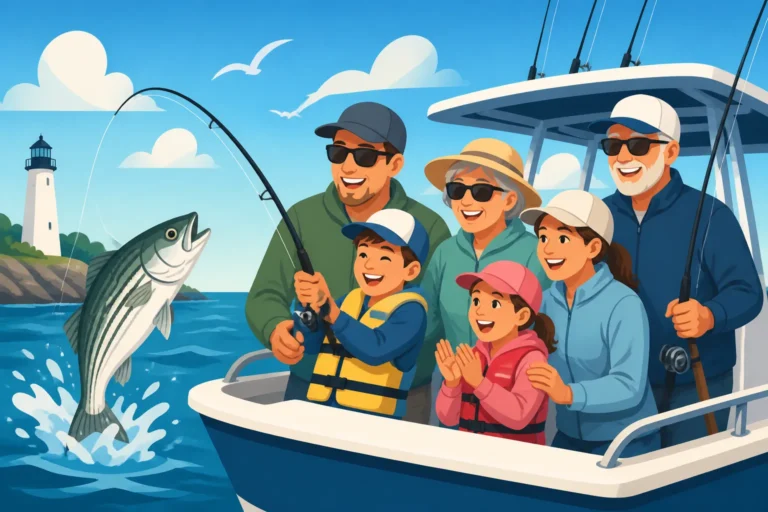
The peace of mind that comes with a professional charter is truly priceless. Safety is paramount on any vessel, and licensed charter captains adhere to stringent U.S. Coast Guard safety regulations. Their boats are equipped with all the necessary safety gear, from life jackets and flares to advanced navigation and communication systems. The crew is trained in first aid and emergency procedures, so you can relax knowing you're in capable hands, even if unexpected weather rolls in or an unforeseen incident occurs. This is particularly reassuring for families with children or those less experienced on the open water. Life Jacket Requirements for Connecticut Boaters are always a top priority, and the crew will ensure everyone is properly outfitted.
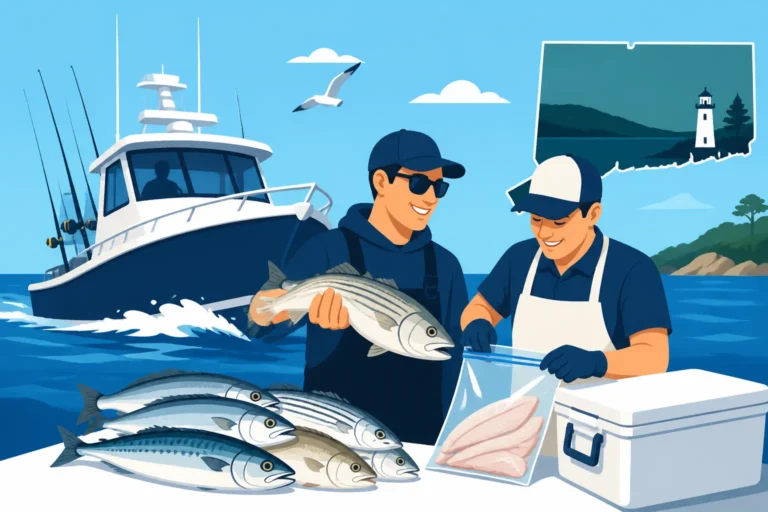
Beyond safety, the convenience is undeniable. Imagine showing up to the dock, stepping onto a ready-to-go boat, having all your rods, reels, and bait prepared, and then returning to shore without having to clean up any of the fishing mess. This is the charter experience! The crew handles everything from fueling the boat and rigging the lines to baiting hooks and netting fish. They'll even clean and bag your catch at the end of the day, leaving you with nothing but fresh fillets and fantastic memories. This hands-off approach allows you to fully immerse yourself in the joy of fishing and the beauty of Connecticut's waterways, whether you're exploring the coastline or venturing into an estuary.
Types of Connecticut Fishing Charters Available
Connecticut's waters, from the serene inland lakes and rivers to the expansive Long Island Sound, offer a fantastic variety of fishing experiences. This means charters come in all shapes and sizes, catering to different preferences, target species, and budgets. Understanding the distinctions will help you pick the perfect adventure.
Inshore vs. Offshore Adventures
The first big distinction you'll encounter is between inshore and offshore charters. Each offers a vastly different experience and targets different types of fish.
Inshore Charters: These trips typically stay closer to shore, exploring harbors, estuaries, bays, and the nearshore waters of Long Island Sound, usually within a few miles of land. The waters tend to be calmer, making them an excellent choice for families, beginners, or those prone to seasickness. Inshore charters often target species like striped bass, bluefish, fluke, scup (porgy), and sometimes blackfish around nearshore structure. You might be casting light tackle, drifting with bait, or even sight fishing in shallower areas. Many of these trips are shorter in duration, making them a great option for a half-day outing. For example, a captain operating out of the Connecticut River mouth might focus on the Connecticut River Striped Bass Fishing during the spring and fall runs, or target bluefish in the numerous bays along the shoreline.
Offshore Charters: If you're looking for bigger game and a more adventurous journey, offshore charters are your ticket. These trips venture further out into Long Island Sound or even into the Atlantic, targeting species that inhabit deeper waters or migratory paths. Think black sea bass over wrecks, large fluke on offshore humps, or even tuna and shark if you go far enough east towards Block Island. Offshore trips generally involve longer runs to the fishing grounds, often requiring a full-day commitment, and the ride can be choppier. The boats are typically larger, sturdier vessels designed for open water. These are often sought after by experienced anglers looking for a challenge and the chance to land a trophy fish. You can find specialized charters like Best Striped Bass Charters on Long Island Sound or Best Fluke Charters on Long Island Sound that focus on these more distant and productive grounds.
Targeting Specific Species
Many charters specialize in targeting particular fish species, and this focus can significantly enhance your experience if you have a specific goal in mind.
- Striped Bass & Bluefish Charters: These are incredibly popular in Connecticut, especially during the spring and fall migrations. Charters will use a variety of techniques, from live baiting with bunker, trolling tube-and-worm rigs, or casting artificial lures like topwaters and swimbaits. These trips are often fast-paced and action-packed, perfect for anglers who love a good fight. The captains know the Striped Bass Migration Along the Connecticut Coast patterns inside and out.
- Fluke & Black Sea Bass Charters: These bottom-dwelling species are a blast to catch, particularly during the warmer months. Charters will typically drift over sandy bottoms or structure using bucktail jigs tipped with Gulp or natural bait like squid and spearing for fluke. For Black Sea Bass Fishing in Connecticut, they'll often anchor over reefs or wrecks, dropping jigs and bait straight down. These can be great trips for all skill levels and often yield plenty of fish for the dinner table.
- Blackfish (Tautog) Charters: For the dedicated bottom fisherman, blackfish are a challenging and rewarding target. Charters specializing in tautog will focus on rocky bottoms, wrecks, and mussel beds. Green crabs or Asian crabs are the primary baits, and the technique involves a sensitive rod and quick reflexes to detect their subtle bite. Blackfish Tautog Fishing in Connecticut can be incredibly productive, especially in the fall.
- Trout & Fly Fishing Guides: While many charters are saltwater-focused, you can also find specialized guides for Connecticut's renowned freshwater trout streams, like the Farmington and Housatonic Rivers. These are typically smaller, drift boat or wade-fishing experiences, perfect for fly anglers or those looking to learn. A guide will provide instruction, local fly patterns, and help you navigate the tricky currents of a river. Fly Fishing for Trout in Connecticut is a highly skilled pursuit that benefits greatly from expert guidance.
Trip Duration and Group Size Options
The length of your trip and the number of people on board also play a huge role in the charter experience.
Half-Day vs. Full-Day Charters:
- Half-day trips usually last around 4-5 hours. They're ideal for families with younger children, beginners, or those who want a taste of charter fishing without committing to a full day. You'll typically stay closer to the dock, focusing on productive inshore spots. They are generally more affordable and fit easily into a busy vacation schedule.
- Full-day trips typically run 7-9 hours. These allow for longer runs to offshore fishing grounds, more time to explore different spots, and a greater chance to adapt to changing conditions and target a wider variety of fish, or even specific trophy-sized specimens. If you're serious about fishing or want to maximize your catch, a full-day trip is often the better choice. Many charters, whether found through direct booking or platforms like FishingBooker, will clearly outline these options.
Private vs. Shared Charters:
- Private charters mean you book the entire boat for your group. This offers the most flexibility, allowing you to choose your target species, fishing locations (within reason), and schedule. It's perfect for families, groups of friends, or corporate outings where you want a personalized experience and the captain's undivided attention. While more expensive upfront, the per-person cost can be quite reasonable for a larger group.
- Shared or "Open Boat" charters are trips where individual anglers book a spot on a boat with other people they don't know. These are generally more budget-friendly as you're splitting the cost with other passengers. The captain will choose the target species and location, typically aiming for the most consistent bite to satisfy all on board. It's a great option for solo anglers or small groups who don't want to spring for a private boat. Best Shared Fishing Charters in Connecticut often depart from popular ports.
Booking Your Connecticut Fishing Charter
Finding the perfect fishing charter in Connecticut can feel like a big decision, especially with so many options available. It’s not just about finding a boat; it’s about finding the right captain, the right trip for your goals, and ensuring a smooth experience from start to finish. A little homework goes a long way here.
Finding the Right Captain and Vessel
The captain is arguably the most critical element of your charter experience. A great captain isn't just skilled at finding fish; they're also excellent communicators, patient teachers, and prioritize safety above all else. They should be passionate about what they do and genuinely invested in making sure you have a fantastic day.
Start your search by looking at reviews and testimonials from other anglers. Websites specializing in fishing charters, like FishingBooker, are excellent resources for this, providing a consolidated place to see multiple options, compare boats, and read unfiltered feedback from past clients. Look for captains with consistently positive reviews, especially those that highlight their professionalism, knowledge, and ability to make the trip enjoyable for various skill levels, including beginners or families.
Beyond reviews, consider the vessel itself. Is it clean, well-maintained, and appropriate for the type of fishing you want to do? A smaller center console might be perfect for inshore light tackle action, while a larger, more stable sportfisher is better suited for offshore excursions. Most reputable charters will have plenty of photos of their boat online, often showing the deck layout, cabin, and fishing equipment. Don't hesitate to call the captain directly; a quick conversation can tell you a lot about their personality and approach to charters. You want someone you feel comfortable spending several hours with on the water.
Key Questions to Ask Before Booking
Once you've narrowed down your choices, it’s essential to ask a few key questions to ensure there are no surprises on the day of your trip. These questions will clarify expectations and help you make an informed decision.
- What species will we be targeting, and what are the current regulations? This is crucial. While a captain might specialize in striped bass, the season or current bite might favor fluke. Be clear about your preferences, but also be open to their expert advice on what’s biting best. They should be knowledgeable about Connecticut Saltwater Fishing Regulations by Species for whatever you're targeting.
- What is included in the price? Does it cover bait, tackle, and ice? What about fish cleaning? Some charters are all-inclusive, while others might charge extra for certain services. Clarify this upfront to avoid unexpected costs.
- Do I need a fishing license? In Connecticut, generally, if you're on a licensed charter boat, the captain's license covers all passengers for recreational saltwater fishing. However, it's always wise to confirm this. If you plan to do any fishing on your own, you will need to get your Connecticut Fishing License Guide for 2026.
- What should I bring? Beyond personal items, ask about food, drinks, sunscreen, and appropriate clothing. We’ll dive deeper into this below in What to Bring on a Connecticut Fishing Charter.
- What happens if the weather is bad? Understand their cancellation or rescheduling policy for inclement weather. Safety should always come first, and a good captain will not risk your well-being.
- Is there a restroom on board? This might seem minor, but for longer trips, it’s a vital comfort consideration.
- What is their policy on catch and release? If you're hoping to keep some fish for dinner, ensure the charter allows it and is equipped to handle and clean your catch.
Understanding Deposits and Cancellation Policies
Before you commit, carefully review the charter's deposit and cancellation policies. Most reputable charters require a deposit to secure your booking, especially during peak season, which is understandable given the demand for prime dates. This deposit often needs to be paid upfront, with the remaining balance due on the day of the trip.
Cancellation policies typically address scenarios like bad weather, mechanical issues, or client cancellations. For weather-related cancellations, a good captain will make the call based on safety and fishing conditions, usually offering a full refund or the option to reschedule. If you need to cancel, there's usually a specific timeframe (e.g., 72 hours, 7 days) within which you can cancel for a full refund of your deposit. Canceling outside this window often means forfeiting your deposit. It's vital to read these terms thoroughly before putting down any money. Don't be afraid to ask for clarification if anything is unclear. Platforms like FishingBooker often have standardized policies, but individual captains may have their own nuances.
A clear understanding of these policies protects both you and the captain, preventing misunderstandings and ensuring a fair process for everyone involved.
What to Bring and What's Provided
One of the beauties of a fishing charter is that the heavy lifting regarding gear is taken care of. However, there are still essential personal items you'll want to bring along to ensure your comfort and enjoyment throughout the day. Thinking ahead makes a huge difference.
Essential Personal Gear
Even though the charter provides the fishing equipment, your personal comfort relies on bringing the right items. Think layers, sun protection, and practical footwear.
- Sun Protection: This is paramount. The sun's rays are intensified on the water, even on cloudy days. Bring high-SPF sunscreen, a wide-brimmed hat, and polarized sunglasses. Sunglasses aren't just for comfort; they help you spot fish and structure in the water, too.
- Appropriate Clothing: Dress in layers! Early mornings can be chilly, even in summer, and offshore breezes can pick up. A light waterproof jacket is a smart idea, as you might encounter sea spray or a sudden shower. Quick-drying fabrics are always a plus. Even in winter, a Connecticut Cold Water Life Jacket Rule October to May might apply if you're on a smaller vessel, so dress accordingly for warmth underneath your life jacket.
- Footwear: Wear comfortable, non-slip shoes with good traction. Boat decks can get wet and slippery, and you'll be on your feet for much of the day. Avoid open-toed sandals or flip-flops if possible.
- Medication: If you take any prescription medication, remember to bring it with you. If you're prone to seasickness, take preventative measures before you even get on the boat. Over-the-counter remedies like Dramamine or Bonine work best when taken an hour or so beforehand. There's nothing worse than having a great fishing trip ruined by a queasy stomach.
Food, Drinks, and Comfort Items
A day on the water can build up an appetite, so packing some provisions is a smart move.
- Food and Drinks: While some upscale charters might offer snacks or drinks, it's generally best to bring your own. Pack easy-to-eat snacks like sandwiches, wraps, fruit, and plenty of water or other non-alcoholic beverages. Avoid anything too messy or requiring extensive preparation. Many captains will have a cooler with ice, but confirm if you need to bring your own. Stay hydrated, especially on warm, sunny days.
- Cooler (for your catch): If you plan on keeping fish, bring a separate cooler to transport your fillets home. The charter will clean and bag your fish, but having your own cooler filled with ice in your vehicle will keep them fresh for the journey back.
- Camera: You'll want to capture those trophy fish and scenic moments! Just make sure it's either waterproof or stored in a waterproof bag when not in use.
- Small Backpack or Dry Bag: This is perfect for keeping all your personal items organized and protected from splashes.
Standard Charter Inclusions
The beauty of booking a charter is the robust provision of essential fishing gear, taking a load off your mind and ensuring you have quality equipment for the day.
- Rods, Reels, and Tackle: The charter will supply all the necessary rods, reels, and terminal tackle (hooks, weights, swivels, lures). This gear is typically high-quality and well-maintained, suited for the specific species you're targeting. You won't have to worry about bringing your own expensive setup or dealing with tangles and breakages.
- Bait: Whether it's live bunker for striped bass, green crabs for tautog, or squid for fluke, the charter will provide the appropriate bait, usually fresh and plentiful. This is a significant cost and effort saver for you.
- Ice: Most charters will have a cooler full of ice for keeping your drinks cold and, more importantly, for properly chilling your catch throughout the day to maintain freshness.
- Safety Equipment: As mentioned, all U.S. Coast Guard mandated safety gear will be on board, including life jackets for everyone, flares, first-aid kits, and communication devices. The captain will ensure you are aware of these resources.
- Fish Cleaning: A fantastic perk! After a successful day, the crew will typically clean, fillet, and bag your catch, making it ready for your cooler and subsequent cooking. This saves you a messy job at home.
Understanding Your Day on the Water
A fishing charter isn't just about catching fish; it's an entire experience, from the moment you step aboard until you disembark. Knowing the typical flow of the day can help you set realistic expectations and make the most of your time.
Pre-Trip Briefing and Safety First
When you arrive at the dock, usually a bit before the scheduled departure time, the first order of business will be meeting your captain and crew. This is a great opportunity to ask any last-minute questions and get settled on the boat.
Before casting off, the captain will conduct a safety briefing. This isn't just a formality; it's essential information. They'll point out where the life jackets are stored, demonstrate how to use them, show you the location of the fire extinguisher, and explain any important rules for moving around the boat, especially while underway. They'll cover procedures for emergencies, even if it's just how to alert the captain if someone falls overboard. This is also when they might discuss the Connecticut Boating Laws for Anglers that apply to their vessel and the waters you'll be fishing. Pay close attention; your safety and the safety of everyone on board depend on it.
This briefing is also a chance for the captain to give you an overview of the day's plan. They'll explain what species you'll be targeting, where they plan to fish, and what conditions they expect to encounter. They might offer a quick rundown of the techniques you'll be using, such as how to properly drop a bait or set a hook for a particular species. This preparation sets the tone for a productive and enjoyable outing.
The Fishing Experience Itself
Once underway, the real fun begins! The journey to the fishing grounds can be an adventure in itself, with beautiful views of the Connecticut shoreline or the vast expanse of Long Island Sound. The captain will use their local knowledge and advanced electronics to locate prime fishing spots.
Upon arrival, the crew will typically get everything set up for you. They'll rig the rods, bait the hooks, and often give you initial instructions on how to fish the chosen technique. For example, if you're bottom fishing for black sea bass, they might show you how to lower your bait to the bottom and detect a bite. If you're trolling for striped bass, they'll explain how to properly deploy and retrieve the lines. Don't be shy about asking for help or clarification; the crew is there to assist you and wants you to succeed.
Expect periods of intense action and sometimes, quieter lulls. Fishing isn't always non-stop catching, but a good crew will constantly adjust tactics, change locations, or try different baits to keep you on the fish. They'll handle netting your catch, re-baiting hooks, and managing any tangles. This allows you to focus purely on the thrill of the bite and the fight.
Post-Fishing Procedures
As your charter approaches its scheduled end, the captain will usually make a final run to a last spot or begin the journey back to the dock. This is often a time for reflection, sharing stories of the biggest catch or the funniest moment of the day.
Once back at the dock, the crew will handle the post-fishing tasks. This typically involves cleaning the boat, but more importantly for you, it includes the fish cleaning service. They will expertly fillet, skin (if desired), and bag your catch, making it ready for your cooler. This is a huge convenience, saving you the messy job at home. While they're cleaning the fish, it's also a good time to settle any remaining balance for the trip and consider the Tipping Etiquette for Connecticut Fishing Charters.
Before you depart, take a moment to thank the captain and crew for their hard work. A good charter experience often ends with planning your next trip, perhaps targeting a different species or exploring a new area of Connecticut's fantastic fishing grounds.
Catching and Keeping Your Fish
One of the most exciting aspects of a fishing charter is the potential to bring home a fresh meal. However, this comes with important responsibilities regarding regulations and ethical practices.
Connecticut Regulations and Limits
Connecticut has specific regulations governing which fish species can be kept, their minimum and maximum sizes (often called "slot limits"), and how many you can possess (daily limits). These rules are in place to ensure sustainable fish populations for future generations.
Your charter captain is an expert on these regulations, which can be complex and change from year to year. They will ensure that any fish you catch that falls outside the legal parameters is immediately and carefully released. For example, they'll know the current Connecticut Striped Bass Slot Limit and Season or the specific size and bag limits for Connecticut Black Sea Bass Regulations for 2026. Don't be surprised if a fish that feels like a monster has to go back because it's either too small or too large to keep; this is simply part of responsible angling.
The crew will also help you identify your catch correctly. Some species look similar, and misidentification can lead to violations. They'll also know about any Connecticut Fishing Season Dates and Closures that might impact what you can target or keep on a given day. Always defer to the captain's judgment regarding what is legal to retain.
Fish Handling and Filleting Services
Once you've landed a legal keeper, the crew will take over, handling the fish carefully to ensure its quality for consumption. They'll quickly and humanely dispatch the fish, then place it on ice in a dedicated cooler. Proper icing is crucial for maintaining the flavor and texture of your catch. Fish that aren't kept cold can spoil quickly, so this step is never skipped.
At the end of the trip, usually back at the dock, the crew will provide expert filleting services. Watching a skilled mate clean a pile of fish is often a show in itself! They'll turn your whole fish into neat, boneless fillets, ready for cooking. They typically bag these fillets for you, often separating different species. Having a separate cooler ready in your vehicle, filled with ice, is essential to transfer these fillets quickly and keep them pristine on your ride home. Remember, these services are a huge convenience and are often factored into the charter price or are covered by the tip you provide.
Embracing Catch and Release
While bringing home a cooler full of fillets is a fantastic bonus, many anglers also find immense satisfaction in catch and release. There are several reasons why you might opt for catch and release:
- Conservation: Releasing fish, especially breeding-size adults or those outside legal limits, contributes directly to the health of fish populations.
- Sport: For many, the thrill is in the fight, not necessarily the dinner plate. Targeting large, powerful fish like trophy striped bass often comes with an implicit understanding that they will be released.
- Regulations: As mentioned, many fish will simply be outside the legal size or bag limits and must be released.
A good charter crew is adept at safe catch and release practices. They'll handle the fish carefully, minimizing its time out of water, using proper de-hooking tools, and ensuring the fish is revived before being released back into its environment. If you want to take a quick photo with your catch, they'll guide you on how to do it safely and quickly to ensure the fish's best chance of survival. Always communicate with your captain if you have a preference for catch and release; many charters are happy to accommodate, and some even specialize in it for certain species.
Cost and Tipping Etiquette
Understanding the financial aspects of a fishing charter upfront is crucial for a stress-free experience. While specific numbers aren't fixed and vary widely, knowing the factors that influence cost and the expectation around tipping will help you budget effectively.
Factors Influencing Charter Costs
The price of a Connecticut fishing charter isn't a single fixed number; it's a dynamic figure shaped by several key elements.
- Trip Duration: As you might expect, full-day trips are generally more expensive than half-day trips because they involve more fuel, more crew time, and cover more ground. A Best Half-Day Fishing Charters in Connecticut option will always be less than a Best Full-Day Fishing Charters in Connecticut option.
- Type of Trip (Inshore vs. Offshore): Offshore trips, which venture further out into Long Island Sound or even beyond, typically cost more due to increased fuel consumption, the need for larger vessels, and often more specialized gear required for bigger game fish.
- Target Species: Some species require more specialized gear, bait, or expertise, which can influence the price. For instance, a dedicated tuna trip will likely be more costly than a bottom-fishing trip for scup.
- Boat Size and Amenities: Larger, more luxurious boats with advanced electronics, spacious cabins, and other amenities (like an enclosed head or air conditioning) will command a higher price point than smaller, more basic vessels.
- Private vs. Shared Charter: A private charter, where you book the entire boat for your group, will have a higher overall price than booking a single spot on a shared or "open boat" trip. However, for a larger group, the per-person cost of a private charter can be very reasonable.
- Seasonality: Peak fishing seasons, like the spring and fall striped bass runs, often see higher demand and potentially higher prices compared to off-peak times.
- Inclusions: Confirm what's included. Most charters include rods, reels, bait, tackle, and fish cleaning. Some might also provide snacks or drinks, while others expect you to bring your own.
Knowing these variables helps you understand why prices differ and allows you to choose a charter that aligns with your budget and desired experience. For general estimates, you'll need to check individual charter websites or platforms like FishingBooker directly, as prices fluctuate.
Why and How to Tip Your Crew
Tipping is a standard and expected practice in the charter fishing industry, much like in the restaurant service industry. Your tip directly acknowledges the hard work, expertise, and service provided by the captain and especially the mate(s). These individuals work long hours, often starting well before you arrive to prepare the boat and staying late to clean up. Their job involves everything from rigging lines, baiting hooks, netting fish, providing instruction, ensuring your safety, and cleaning your catch.
A typical gratuity for a good charter experience in Connecticut falls within the range of 15% to 20% of the total trip cost. If the crew went above and beyond, provided exceptional service, or put you on a pile of fish, a higher tip is always appreciated. Conversely, if the service was subpar, you can adjust accordingly, but remember that a lack of fish doesn't always reflect poor effort from the crew; sometimes, that's just fishing!
It's customary to give the tip directly to the mate, as they often split it with the captain or other crew members. If there's no mate, you can give it to the captain. Cash is almost always preferred, but some charters may accept digital payments for tips. Always clarify the tipping procedure if you're unsure. This gesture is a meaningful way to show your appreciation for their efforts in making your fishing day a success.
Budgeting for Your Fishing Adventure
Beyond the base cost of the charter and the tip, there are a few other expenses you should factor into your budget.
- Travel Costs: Consider fuel costs to get to the marina, potential tolls, and parking fees.
- Food and Drinks: While the charter might provide some ice, budgeting for your own snacks and beverages for the day is wise.
- Cooler and Ice for Your Catch: If you're planning on keeping fish, ensure you have a cooler ready in your car, packed with ice, to transport your fresh fillets home.
- Miscellaneous: This could include items like motion sickness medication, new polarized sunglasses, or any special snacks you might want.
By considering all these elements, you can create a realistic budget for your Connecticut fishing charter, ensuring that your financial expectations match the incredible experience you're about to enjoy.
Navigating Common Charter Challenges
Even with the best planning, a day on the water can present unexpected challenges. Being prepared for these common scenarios can help you manage them gracefully and still have a positive experience.
Dealing with Unpredictable Weather
Connecticut weather, especially near the coast, can be notoriously fickle. A sunny forecast can quickly turn into gusty winds and choppy seas, or an unexpected rain shower can pop up. This unpredictability is a fact of life for anglers.
- Captain's Call is Final: Always remember that the captain’s primary responsibility is your safety. If the captain decides to cancel or reschedule due to unsafe weather conditions, respect that decision. They are monitoring marine forecasts, wind, and sea conditions much more closely than the average person. Getting caught in dangerous conditions offshore is no fun for anyone, and a good captain will never risk it.
- Dress for Anything: As we discussed in What to Bring on a Connecticut Fishing Charter, dressing in layers and bringing a waterproof outer shell is crucial. Even on a clear day, sea spray can make you feel damp and chilled. Being comfortably dressed means you can continue to enjoy the fishing even if the weather turns a bit grey.
- Be Flexible: If your trip is cancelled due to weather, try to be flexible with rescheduling. Many charters are heavily booked, and finding an immediate open slot might be tough, especially during peak season. Having a backup date in mind or being open to a different day can save your trip.
Managing Seasickness
Seasickness is a real buzzkill and can ruin an otherwise fantastic day on the water. It can affect anyone, regardless of prior boating experience, especially when the swells are rolling.
- Prevention is Key: The best defense against seasickness is prevention. Over-the-counter medications like Dramamine, Bonine, or ginger chews work best when taken before you board the boat, usually an hour or two prior to departure. Don't wait until you feel queasy.
- Stay Hydrated and Eat Lightly: Avoid heavy, greasy meals and excessive alcohol the night before. Stick to light, non-acidic foods. Sip water throughout the trip.
- Stay on Deck and Look at the Horizon: If you start to feel unwell, try to stay on deck in the fresh air. Looking at a fixed point on the horizon can help your brain reorient itself and reduce the feeling of disorientation. Avoid going into the cabin below deck, as this often exacerbates symptoms.
- Ginger and Pressure Bands: Some people find relief with natural remedies like ginger (candies, ale, or capsules) or acupressure wristbands. While not foolproof, they can provide some comfort.
- Communicate with the Crew: If you're truly suffering, let the crew know. They've seen it all and can offer tips or even a quiet spot to rest if needed. They might adjust the boat's position or the speed to try and make you more comfortable.
When the Fish Aren't Biting
Sometimes, despite a captain's best efforts and ideal conditions, the fish simply aren't cooperating. This is an inherent part of fishing; it's why it's called fishing, not catching!
- It's Part of the Game: Understand that even the best captains and the most productive spots can have slow days. Fish are wild creatures, and their behavior can be unpredictable. Don't let a slow bite overshadow the entire experience.
- Appreciate the Effort: A good captain and crew will be working tirelessly to find fish, trying different locations, baits, and techniques. You'll see them on the move, consulting their electronics, and constantly adjusting. Appreciate their persistence and effort.
- Enjoy the Journey: If the fishing is slow, take the opportunity to enjoy the other aspects of the trip. Soak in the scenery of the Connecticut shoreline, observe the marine wildlife, learn about local history from the captain, or simply enjoy the company of your fellow anglers. Many charters also offer Best Sightseeing and Fishing Combo Charters in Connecticut which ensure there is always something to appreciate.
- Learn Something New: Even on a slow day, you can still learn. Pay attention to the techniques the crew is using, ask questions about fish behavior, or observe how the captain navigates and reads the water. Every day on the water is a chance to expand your fishing knowledge.
A Connecticut fishing charter is an incredible way to experience the state's rich aquatic environments and pursue a wide variety of fish. By understanding what to expect, preparing appropriately, and approaching the day with an open mind, you're set for an unforgettable adventure.
Disclaimer
This article is for general informational purposes only and does not constitute professional advice. Laws, prices and regulations vary by location and change over time. Consult a qualified professional for guidance on your specific situation.